Wine has always exerted a curious form of seduction. Just look at a set table: an open bottle transforms the atmosphere, sparks conversation, and prolongs the meal. Austrian top sommelier Aldo Sohm starts from this insight when he opens his new book by saying: “Wine is magic.” From that initial statement, Einfach Wein, published on March 11, takes shape: a manual designed to bring the public closer to one of the most fascinating worlds of gastronomic culture, while also dismantling the clichés that often accompany the search for the perfect label.
Cover photo: Thomas Schauer
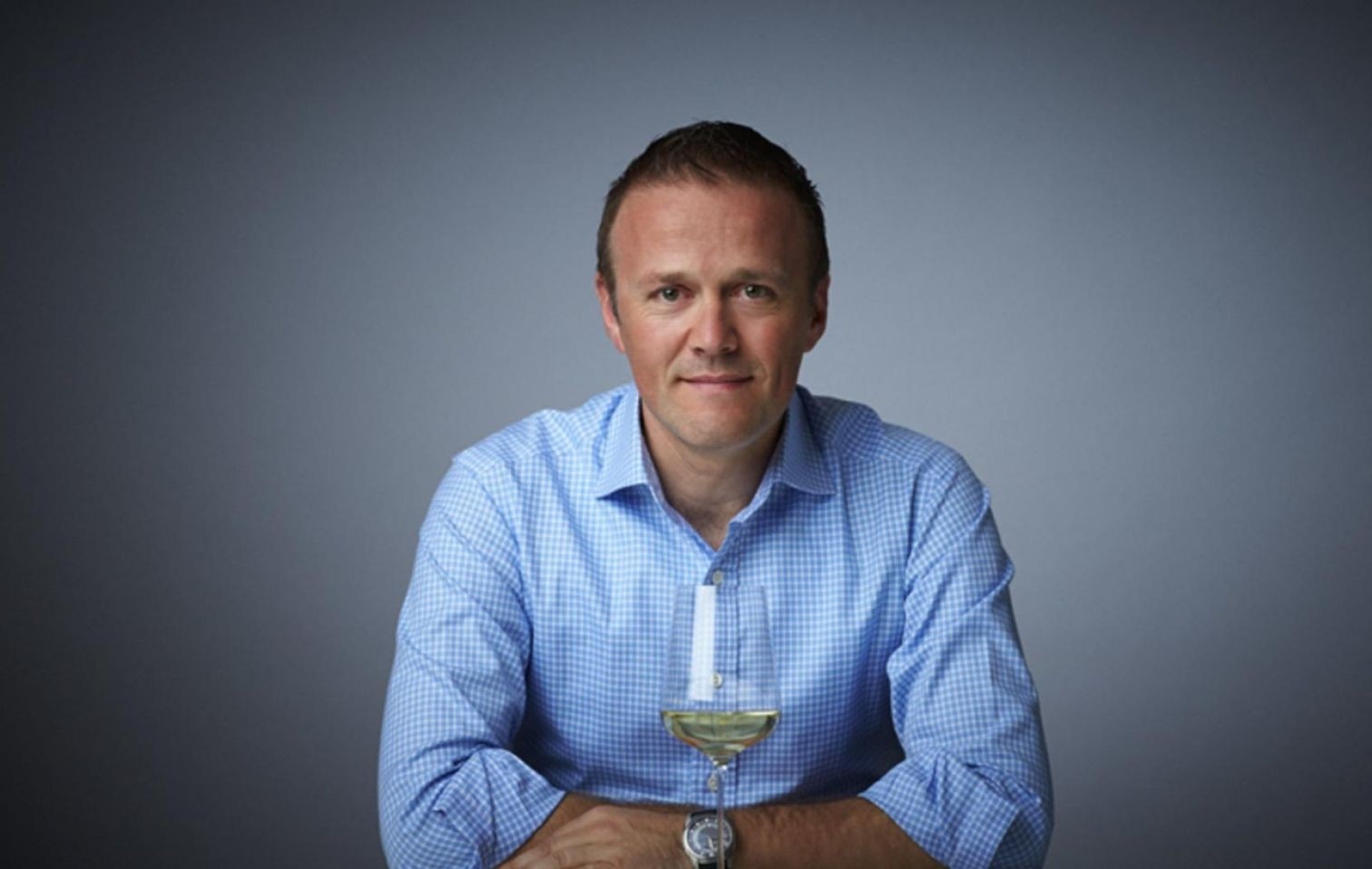
The sommelier
The title, which in German means “Simply wine,” immediately suggests the direction of the project: to remove the rigidity of wine terminology and restore a freer and more accessible dimension to wine. Sohm is not just any author on the international scene. Born in a small village in Tyrol, he has become one of the most influential professionals in the world of sommellerie, winning the title of World's Best Sommelier in 2008, the first and only Austrian to have achieved this milestone. Today he lives in New York, where he is in charge of the wine list at the legendary Le Bernardin, a three-Michelin-star restaurant in Manhattan considered one of the global temples of seafood cuisine. A professional career that could fuel an elitist approach to the subject. The book, however, takes a different path. In his first book, Sohm addressed the basics of tasting and wine knowledge. With Einfach Wein, he decides to go further, entering the territory where wine meets cuisine: food pairing, or the art of pairing wine and dishes.
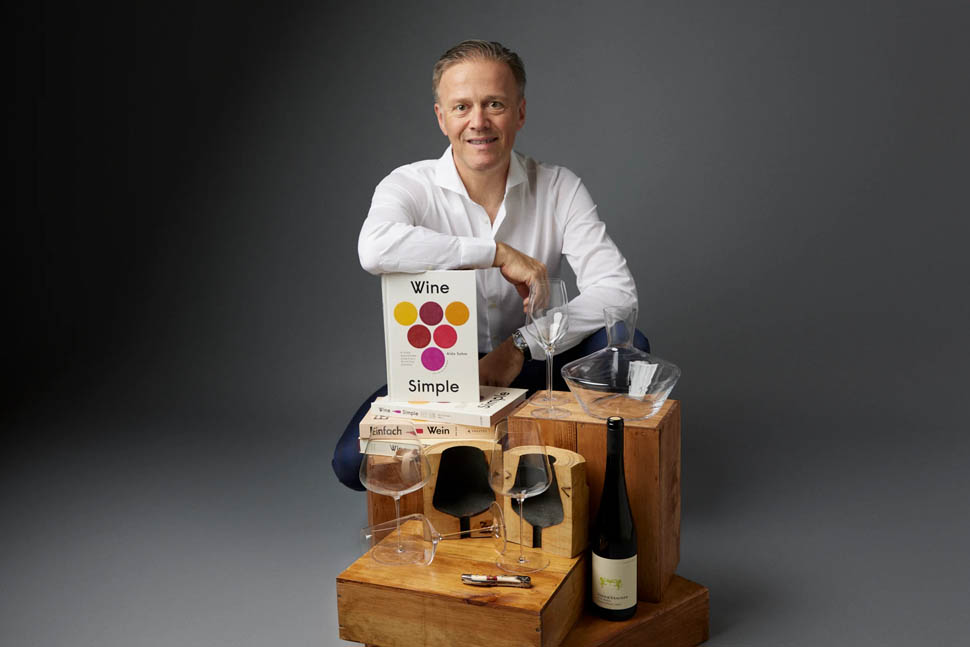
Those who frequent Le Bernardin restaurant are well aware of the precision with which Sohm creates these pairings. In a place where fish is the absolute raw material, wine selection becomes a narrative tool. The new book translates this high-level experience into everyday language, designed for enthusiasts, restaurateurs, and the curious. The central message can be summed up in one simple sentence: “Wine should be fun, not intimidating.” Behind these words lies an implicit criticism of a certain wine culture, often perceived as an exclusive territory of rules, technicalities, and formalities. Sohm prefers a more relaxed approach. The pairings suggested in the book are surprising precisely because of this unconventional spirit. Champagne alongside Backhendl, Austria's typical fried chicken, or Riesling paired with a spicy curry. These choices demonstrate how wine can interact with different cuisines without being trapped in overly rigid patterns. The guiding principle is simple: personal taste and the balance of aromas matter more than codified rules. One of the most original aspects of the book is its visual layout. Sohm has chosen a graphic structure inspired by the aesthetics of social media platforms, with illustrations, clear diagrams, and direct language. The aim is to make wine less intimidating, especially for those approaching this world for the first time.
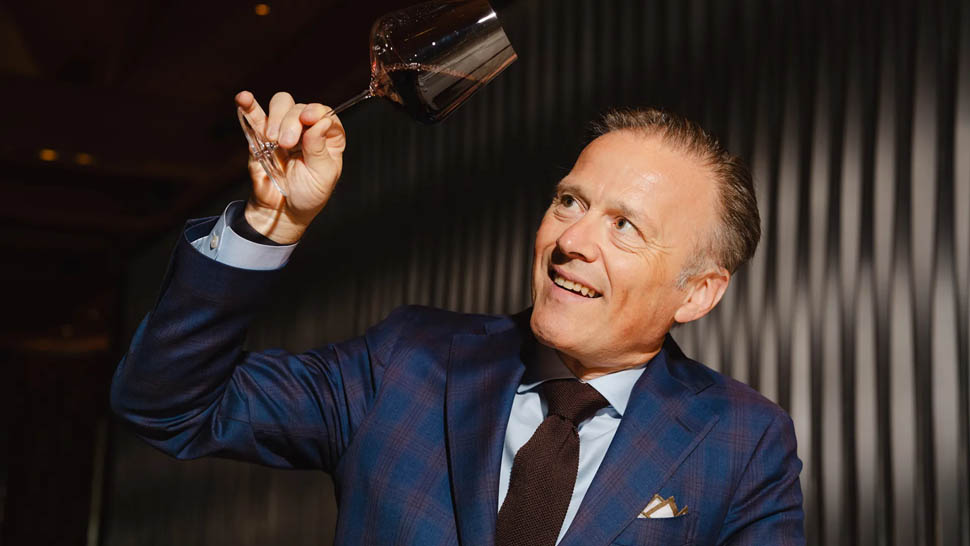
The author also considers it a useful tool for the restaurant industry. Young waitstaff, often made up of professionals who approach wine without specific training, can use the book as a practical guide. The visual layout and clarity of the explanations allow readers to quickly understand the fundamentals of pairing. The result is more like an illustrated map of taste than an academic treatise. In this context, wine returns to being a convivial drink rather than an object of study. Alongside his work in the dining room, Sohm also develops other projects. In Manhattan, he runs a wine bar that bears his name, a place designed to offer a more informal experience than haute cuisine restaurants. It is a gastronomic laboratory where wine becomes the protagonist of spontaneous conviviality. Sohm's career is not limited to sommelier work and education. The Austrian sommelier also produces wine. In collaboration with producer Gerhard Kracher, a leading figure in Austrian viticulture, he has created the Sohm & Kracher label. The project focuses mainly on wines from Burgenland, a wine-growing region in eastern Austria. Here, the climate and soil offer ideal conditions for varieties such as Grüner Veltliner and Riesling. Direct experience in production enriches Sohm's perspective, allowing him to talk about wine not only from the point of view of service but also from that of the vineyard.

“Einfach Wein” represents the natural evolution of the first book published in 2020. The decision to publish it in early spring also has symbolic value. The season of rebirth coincides with an invitation to look at wine with new eyes, freeing it from formalities and rigidity. Sohm insists on a fundamental concept: wine belongs to everyone. It does not require specialized vocabulary or complicated rituals to be appreciated. All you need is curiosity and an open mind.