Ordering wine at a restaurant should be a natural gesture, an integral part of the dining experience. Yet for many, it remains a moment fraught with hesitation: the fear of making a mistake, of not knowing enough, or of not choosing “well” can turn pleasure into stress. Over the years, in fact, unwritten rules, conventions, and minor taboos have accumulated, making everything more complicated than it needs to be. The reality is much simpler: choosing a wine means finding something you like that pairs well with the dish. Nothing more, nothing less.
The Value of Consistency (Without Rigidity)
One of the most common mistakes is ordering a wine without considering what you’re going to eat. It’s not about memorizing the rules of food and wine pairing, but about maintaining a certain consistency. A light dish will likely call for a fresher, more delicate wine, while heartier dishes can handle more complex wines. In recent years, it is no coincidence that the consumption of white and rosé wines has increased, in line with an increasingly light and contemporary cuisine. This demonstrates how wine is constantly evolving alongside the way we eat. At the same time, however, it is essential to avoid overly rigid attitudes: closing oneself off to new suggestions means missing out on one of the most interesting experiences a restaurant can offer.

The Role of the Sommelier: A Guide, Not a Judge
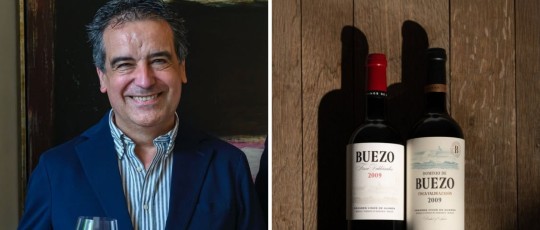
The sommelier isn’t there to test the customer, but to guide them in their choice. Yet, the world of wine is often perceived as elitist, as if one had to follow strict codes to avoid making a mistake. In reality, with the exception of respect for the staff, there are no unbreakable rules: you can ask for the wine at your desired temperature, choose the glass, or even step outside the most traditional norms. The goal remains the same: to enjoy a pleasant experience. As David Seijas, former head sommelier at elBulli, points out: “Wine is the only sector where we scold the customer for drinking it ‘wrong,’ and I think it’s time to put an end to that,” he told La Vanguardia The ideal relationship between customer and sommelier is built on dialogue, not judgment. It’s a conversation, not a lecture. And so it becomes possible, for example, to enjoy a glass with ice in it. Why should that be a mistake?
Clarity and Budget: The Key to Making the Right Choice
If there’s one thing all professionals agree on, it’s the importance of clarity. Expressing your tastes and openly stating how much you’re willing to spend is essential for receiving tailored advice. The budget, in particular, is still often seen as a sensitive topic, but it shouldn’t be. In fact, it is the most useful tool for guiding your choice and allowing the sommelier to suggest solutions that truly align with your expectations. Being honest and direct not only makes the advisor’s job easier but significantly enhances the final experience.
Common mistakes and myths
One of the most common mistakes is relying entirely on ratings or review apps. While they can be useful as a personal reference, they do not represent an absolute judgment: taste is always subjective. Another misconception concerns the moment of tasting: the wine initially poured into the glass is not meant to determine whether you like it or not, but to verify that it is in good condition. Understanding this step avoids misunderstandings and makes the experience smoother.

Curiosity and Freedom: The Real Secret
At the heart of it all are three fundamental elements: trust, communication, and curiosity. Trust in the professional, clear communication of your tastes, and curiosity to try something new. You don’t need technical jargon or specific expertise: just describe what you’re looking for in simple terms. At the same time, it’s important to feel free to accept or reject a suggestion without fear. Because, after all, wine isn’t a test to pass, but an experience to be enjoyed. And perhaps the most important rule remains just one: life is too short to always drink the same wine.