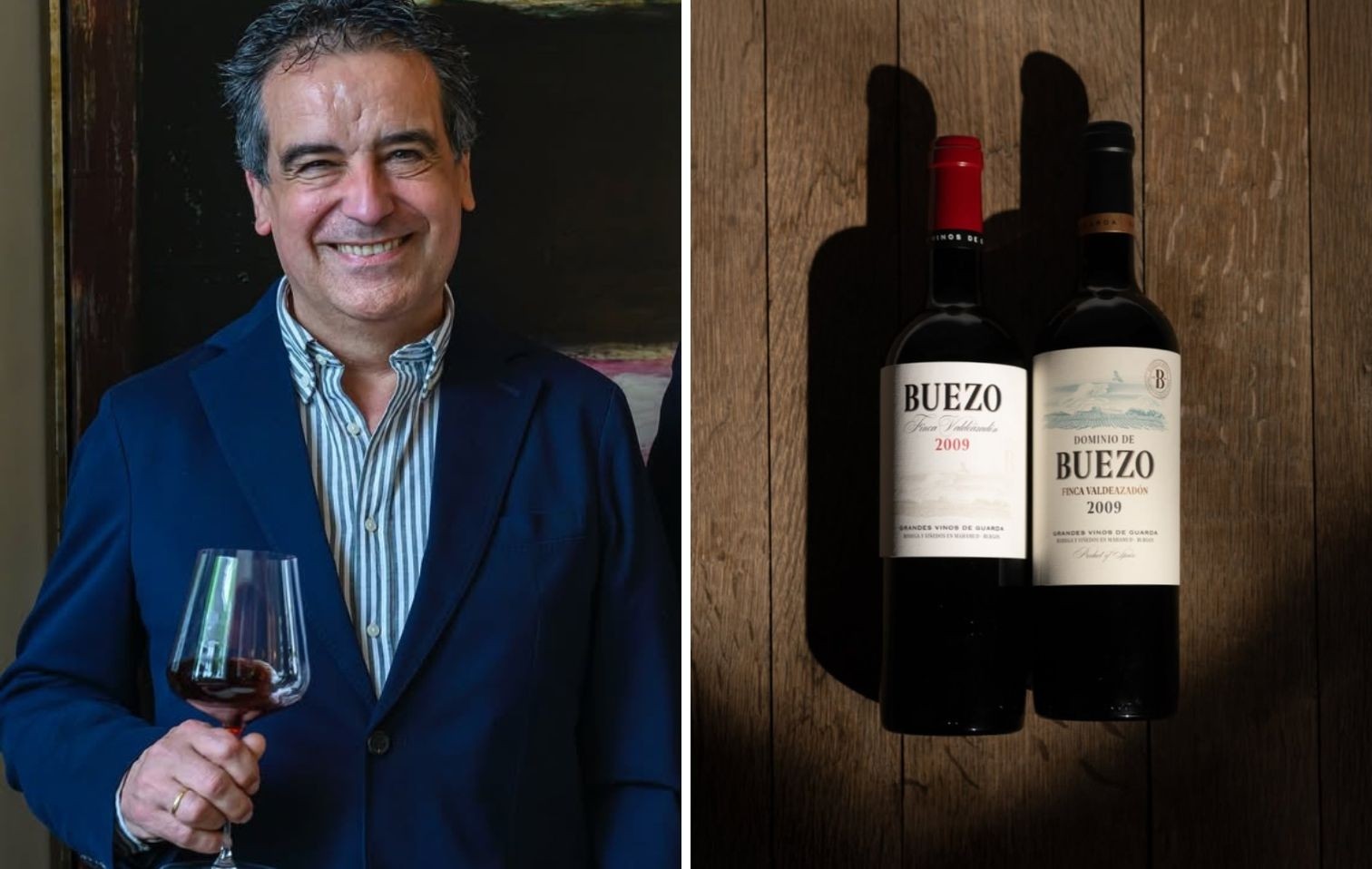
“50 euros? The price isn’t high; it reflects the added value of time, the unique characteristics of the region, and its distinctive climate. I’m not interested in the mass-produced wine industry.”
Time Beneath the Earth: Why a Great Wine Knows No Shortcuts
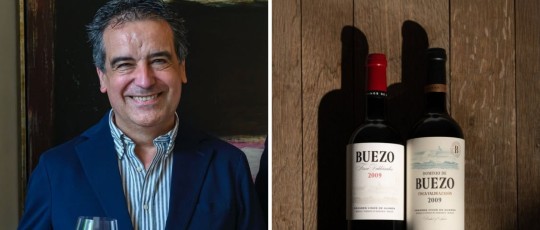
The Castilian plateau makes no concessions. It stares you in the face with the same severity as its soil—clay hardened by the summer sun and lashed by the icy winter winds of Burgos. In this landscape of endless horizons, where for centuries grains have followed the predictable rhythm of the seasons, stands a veritable secular cathedral of viticulture: five thousand square meters designed by architect Mariano Cobo that defy the contemporary obsession with immediacy and quick profit. Here lives and guards his dreams Abel Buezo. He is 61 years old, his hands marked by genuine labor and the deep gaze of one who has learned to look beyond the fleeting horizon of tomorrow. Twenty-six years ago, in 1995, he decided to stray from the path laid out by his parents—grain farmers who practiced entirely manual, laborious, and heroic agriculture—to take a chance on a marvelous ghost of the past: the forgotten winemaking tradition of the Arlanza. In this western region of the province of Burgos, local monks had discovered as early as the 10th century the extraordinary virtues of the native grapes, producing long-lasting nectars capable of refreshing travelers on the Camino de Santiago.
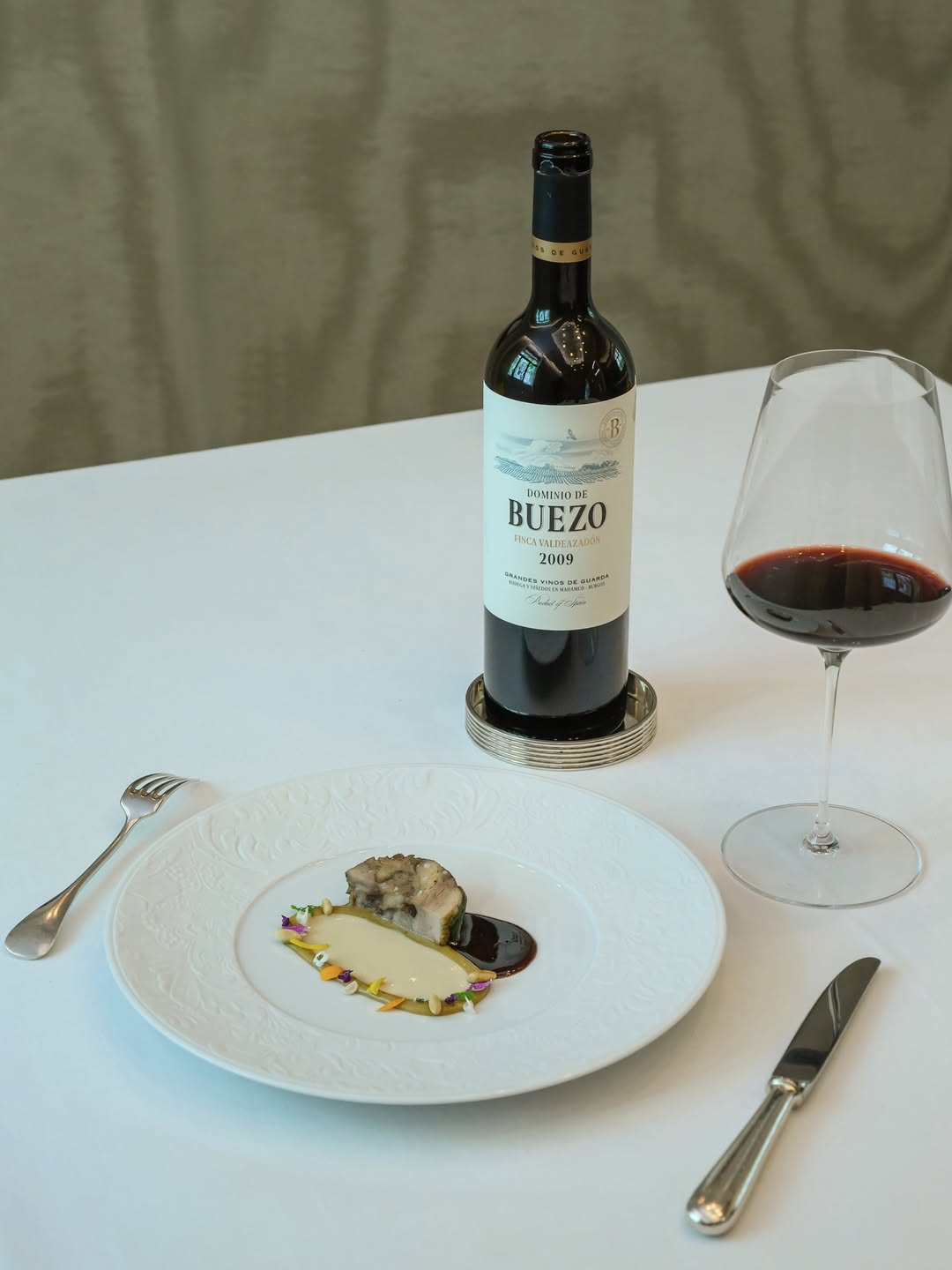
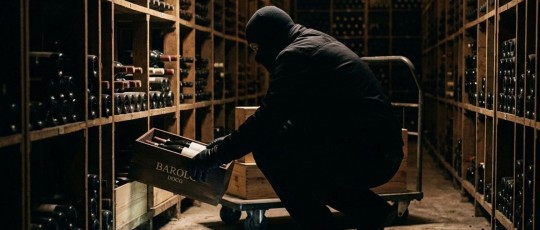
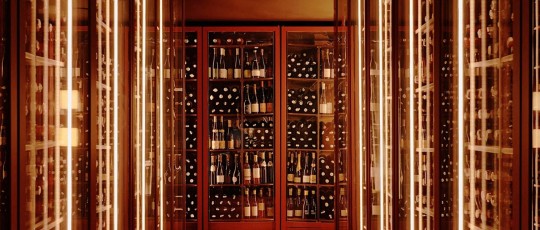
This ancient tradition was gradually abandoned in the 1950s due to the massive rural exodus toward industrial jobs, leaving room only for wheat monoculture. But rural agriculture teaches us that haste makes waste and that deep ties to the land are never completely severed. While the global wine industry frantically chases markets by bottling haste, the Valdeazadón winery operates according to an ancient and solemn ritual. The 130,000 bottles produced annually rest in uninterrupted slumber in the darkness for a minimum of fifteen years before reaching the glass. This is not a commercial gimmick, but a precise existential philosophy dedicated to the land, a promise of absolute excellence. When Buezo began his venture, buying tiny, fragmented plots of land from neighboring farmers and draining the surface springs that had previously irrigated the wheat, he did so with an unshakable conviction: “Wine needs water, but it must be underground, not on the surface,” he confesses to El País. At the time, the Arlanza Designation of Origin was nothing more than a mirage on paper yet to come. The risk was immense, so much so that the first wine did not leave the winery to be sold until 2018. A terrifying financial gamble for anyone, but not for someone who grew up listening to the slow pulse of nature.
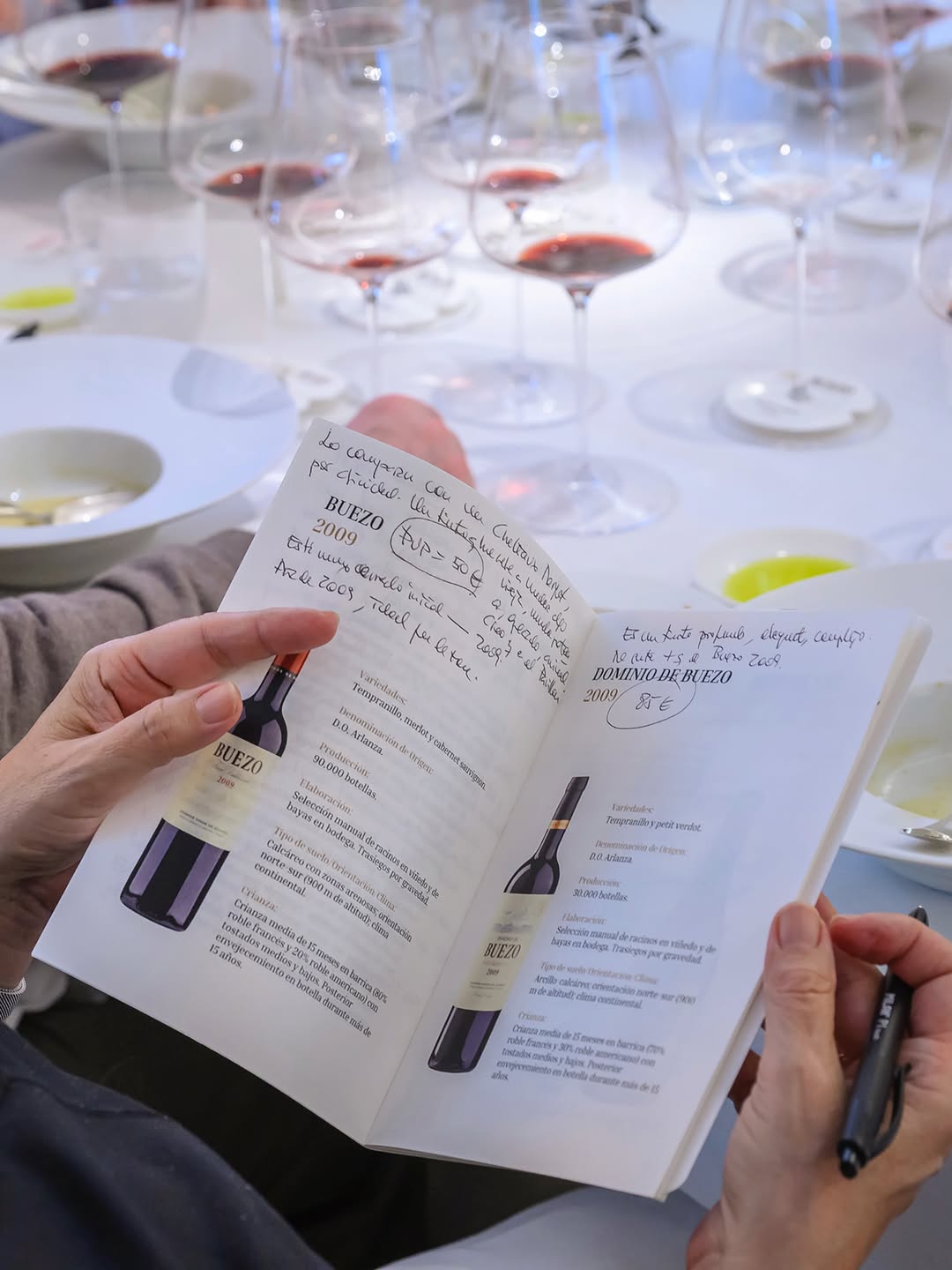
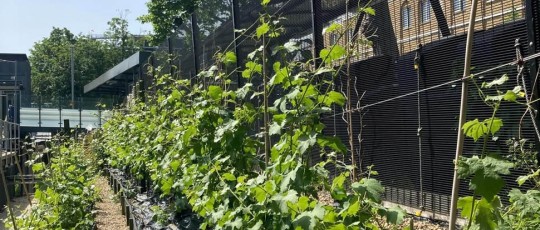
"When I thought I’d be making wine in 15 or 20 years, I imagined I might not live long enough to taste it. I don’t say this with regret, because the walnuts we’re eating now exist only because my father planted the walnut trees 50 years ago. He planted them so that others could enjoy them. I feel the same way about wine." Today, in the restaurant adjacent to the estate led by chef Javier Corral, those same walnuts are transformed into a thick, fragrant oil—the perfect prelude to a cuisine that celebrates exclusively the surrounding micro-terroir: fresh eggs from the neighborhood, rare San Giorgio mushrooms gathered by local foragers, and aromatic herbs picked just a few meters from the tables. Everything resonates with the same harmony, where patience is the supreme ingredient. Strolling among the rows where Tempranillo blends with the elegance of Merlot, Cabernet Sauvignon, and Petit Verdot, one fully understands the genesis of a positioning that to the uninitiated might seem elitist. Abel Buezo’s wines start at fifty euros a bottle. A price that does not represent ostentatious luxury, but rather the pure and simple threshold of honest production and respect for the consumer.
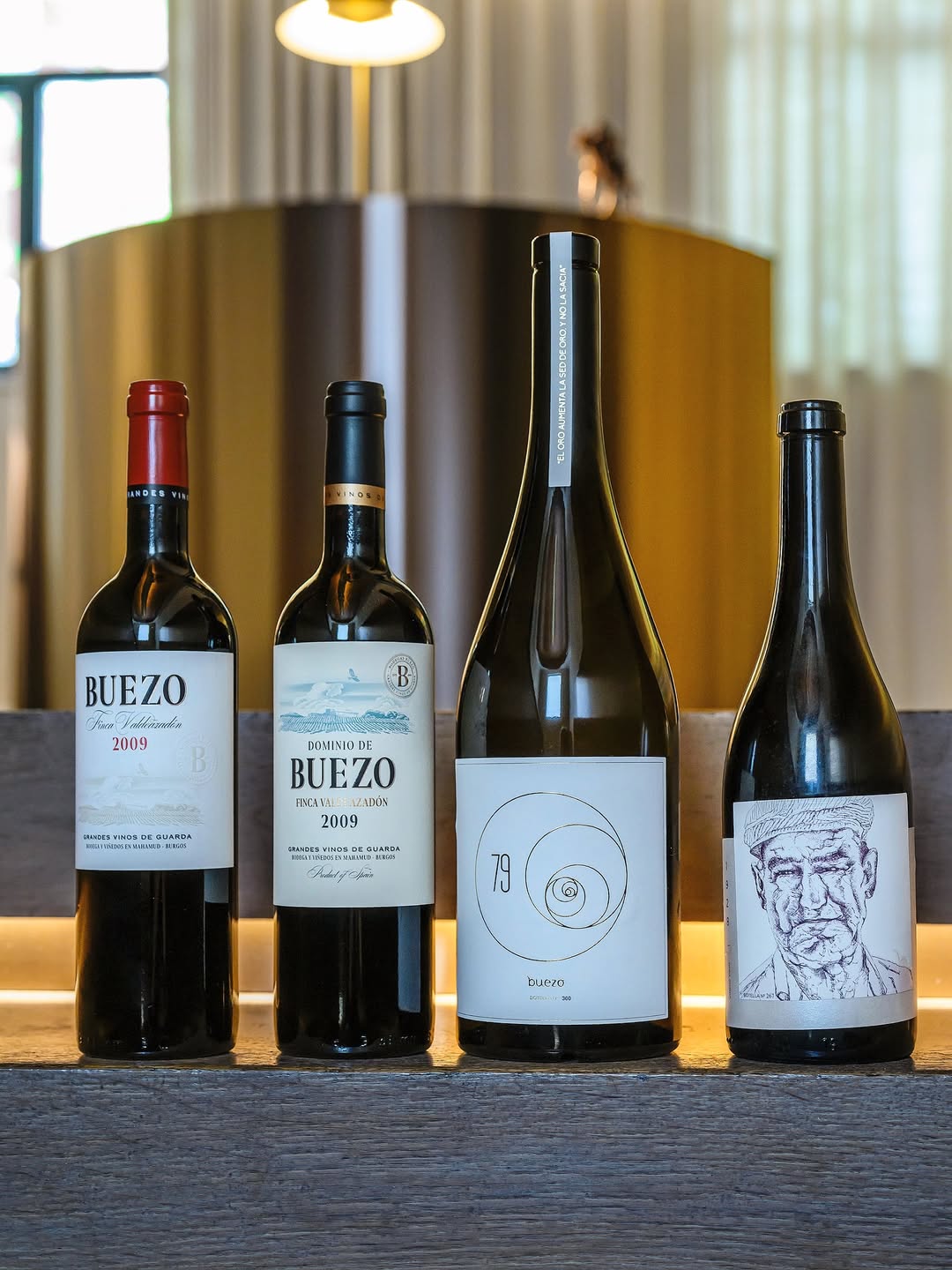
The contemporary market is saturated with standardized labels, conceived in industrial laboratories to cater to globalized palates and sold at rock-bottom prices. But artisanal excellence cannot and must not compromise with the logic of discount pricing. A serious winery categorically rejects commercial shortcuts. If a vintage is not optimal, it is not released onto the market through secondary channels or parallel brands to soften the economic blow. It is simply discarded. In recent years, Buezo has taken the radical decision to completely eliminate two entire vintages deemed imperfect. A sacrifice amounting to a full 800,000 euros at cost price, decided in less than forty-eight hours to avoid confusing the consumer and to preserve the value of time intact. In contrast, the mass wine industry operates on massive volumes and sudden adjustments, where time is artificially accelerated and taste is standardized to eliminate differences dictated by the climate. “The price isn’t high; it’s in line with the added value of time and the unique characteristics of the territory and its particular climate. I’m not interested in the mass wine industry.” There is an almost philosophical warning, a profound cultural legacy, in the words of this winemaker who has preferred the poetic uncertainty of the vineyard to the economic stability of grain. Wine must not become a collector’s fetish, nor a trophy to be forgotten on the shelves awaiting an ideal occasion that may never come. The very act of uncorking a bottle that has waited fifteen years in the darkness of the cellar must become the reason for the celebration, without excuses or delays.
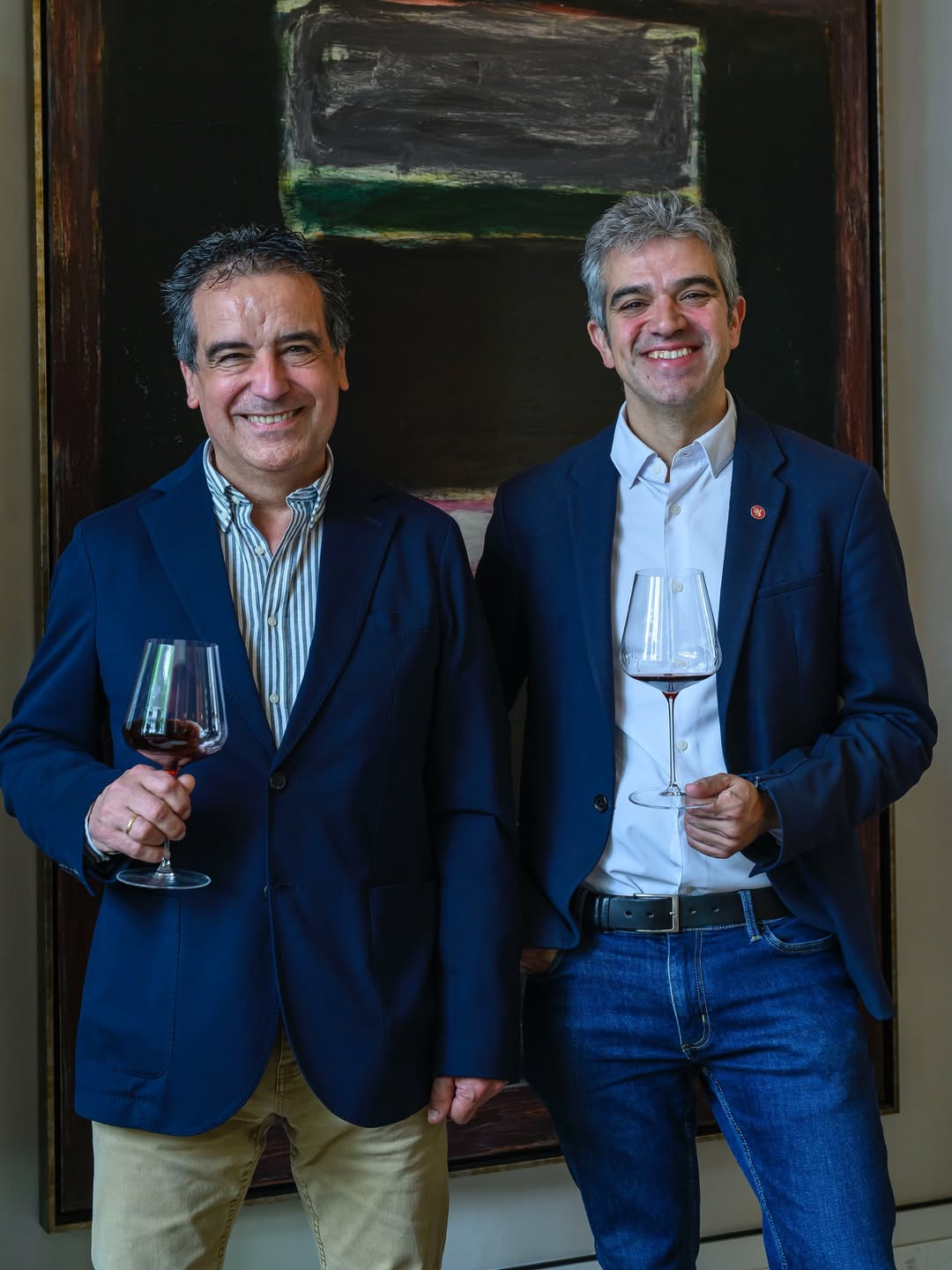
Buezo’s call for mindful consumption is directed above all at younger generations, who are often caught between trendy abstinence and the culture of hard liquor consumed quickly in cocktail bars. True wine demands a return to conversation, to the conviviality that unfolds around a table, and to the slow sip that stimulates thought and honors the Mediterranean Diet. Choosing a bottle priced at fifty euros or more means rewarding those who have protected the land from haste, those who have sacrificed sleep and capital to bottle the truth of a territory. Because, as Abel likes to remind us, in the end, the only thing that puts everyone in their place is time. And time, in a glass of Arlanza, tastes of honesty.