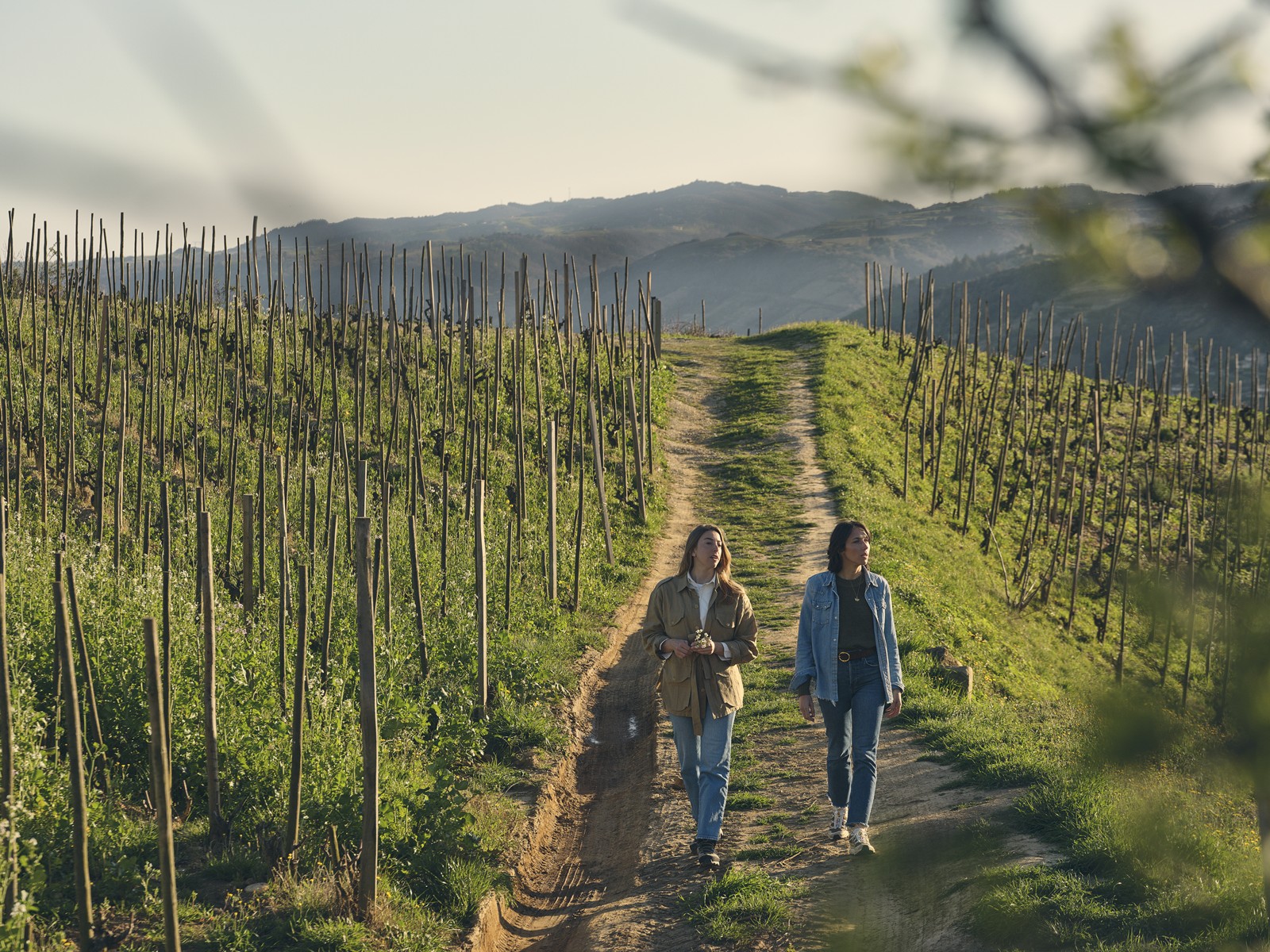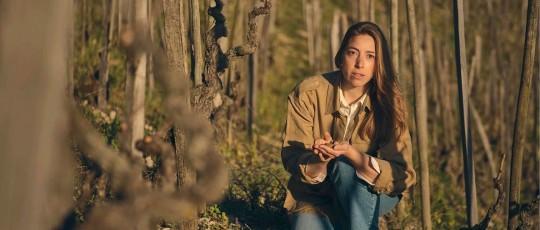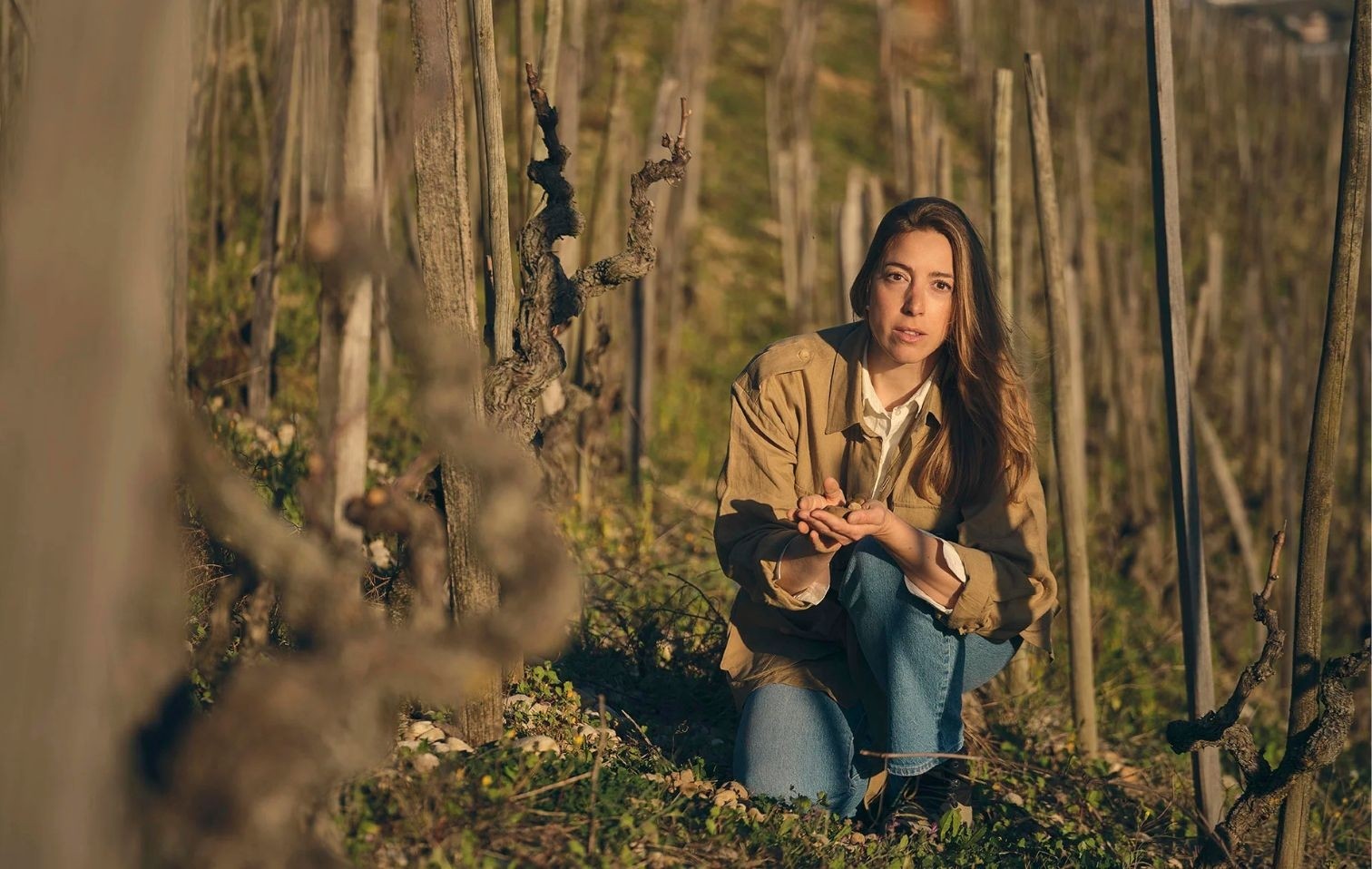
The connection between the hills of Teramo and the granites of the Northern Rhône has never been closer. In a dramatic turn of events that is shaking up the hierarchy of European winemaking, the Frey family has shaken the foundations of one of the most revered regions in the wine world: Chiara Pepe, the 32-year-old face and soul of the historic Abruzzo winery Emidio Pepe, is the new head of viticulture and winemaking at Domaine de la Chapelle.
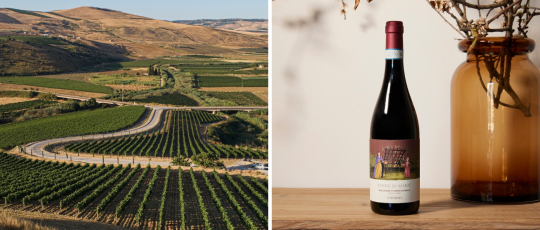
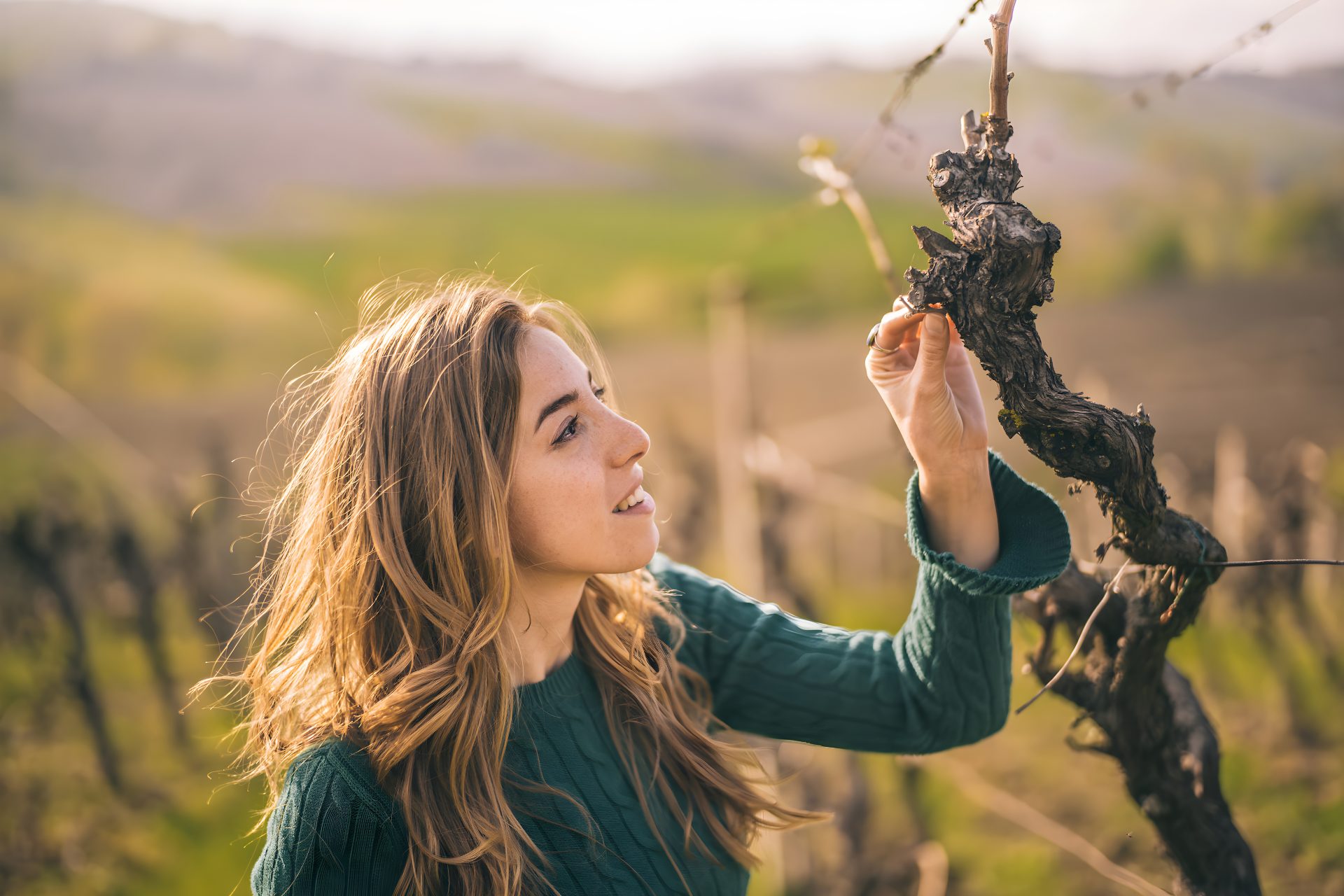
Photo by Alberto Blasetti
The news, announced here by Decanter, marks a historic turning point for the Paul Jaboulet Aîné icon. After twenty years at the helm, Caroline Frey is passing the torch to the young Italian winemaker to focus on her own vineyards in Switzerland and for health reasons, closing a chapter that began in 2006 and opening a new one that exudes craftsmanship and “old school” style.
An obsession called Syrah
Chiara Pepe didn’t end up in Hermitage by chance. Behind her appointment lies a visceral fascination with the Rhône’s flagship grape. “The classic style of Syrah stimulates my mind in a different way than other iconic wines”, Pepe confessed, as reported by Decanter. “Most of the bottles that shaped my winemaking journey were Syrahs. I’ve always dreamed of producing it.”
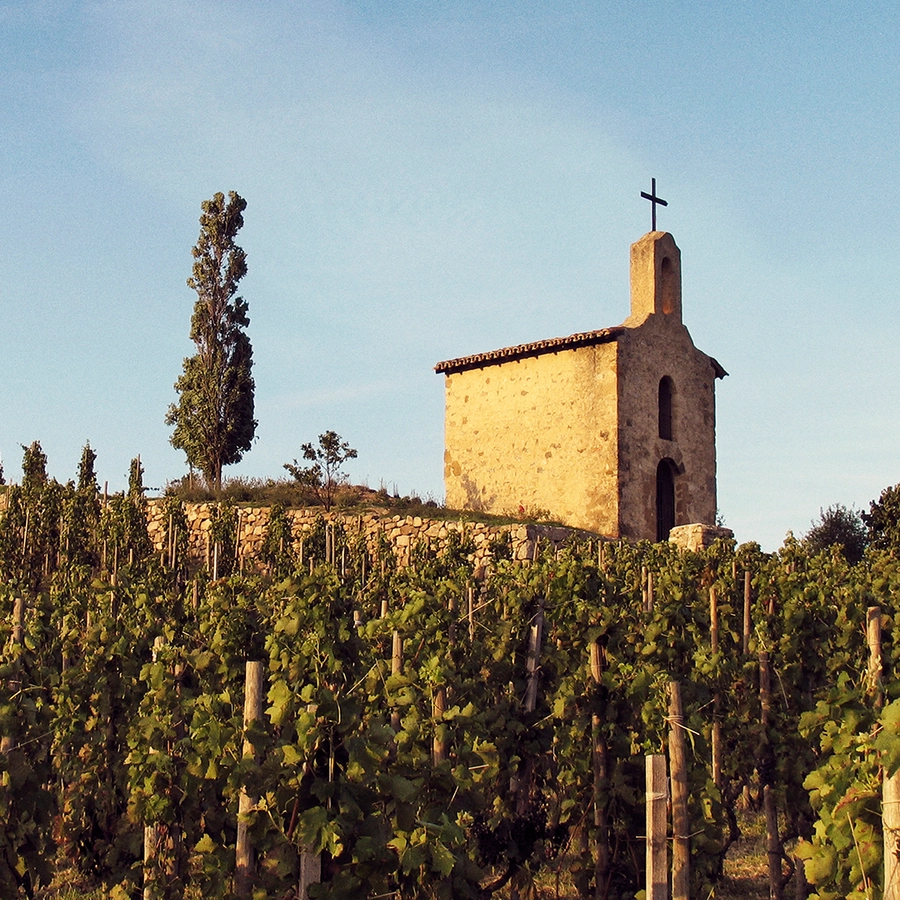
The challenge is monumental: managing the legendary vineyards of Le Méal, Les Bessards, and Les Greffieux. A legacy that, following the Jaboulet golden age, has endured decades of turmoil, marked by changes in ownership and a stylistic evolution sometimes criticized by purists for an excessive reliance on new oak barrels and an elegance that is perhaps too “Burgundian.”
A return to the roots: indigenous yeasts and concrete
Chiara Pepe’s plan for La Chapelle seems aimed at mending the rift with the past, bringing to France the radical yet respectful philosophy that made her grandfather Emidio famous. The approach will be subtle, not loud:
- Spontaneous fermentation: goodbye to selected yeasts. “If you possess one of the most incredible terroirs in the world, it is essential to ensure that the yeasts are present during vinification,” explains the winemaker.
- “Old School” technique: introduction of whole-berry fermentation and use of a vertical basket press for a silkier, more artisanal tannin extraction.
- Less wood, more soul: a gradual reduction in new oak in favor of concrete eggs and large neutral containers, to preserve the rustic nobility of Syrah.
“For a terroir of great genetic value, very little intervention is needed. I don’t want to make any drastic changes. I believe the wines will guide us.” What are the expectations? Jean-Louis Chave, guardian of local tradition, welcomes the change with diplomatic curiosity, as the publication further reports: “Chiara is very charming, outgoing, and full of passion. I hope this brings her luck. If it’s good for La Chapelle, it will be good for Hermitage too». Michel Chapoutier’s comment is more enthusiastic; he sees Italian identity as an added value: «It’s a great advantage that Chiara is Italian, because Italy is among the countries that know how to let the land speak.»
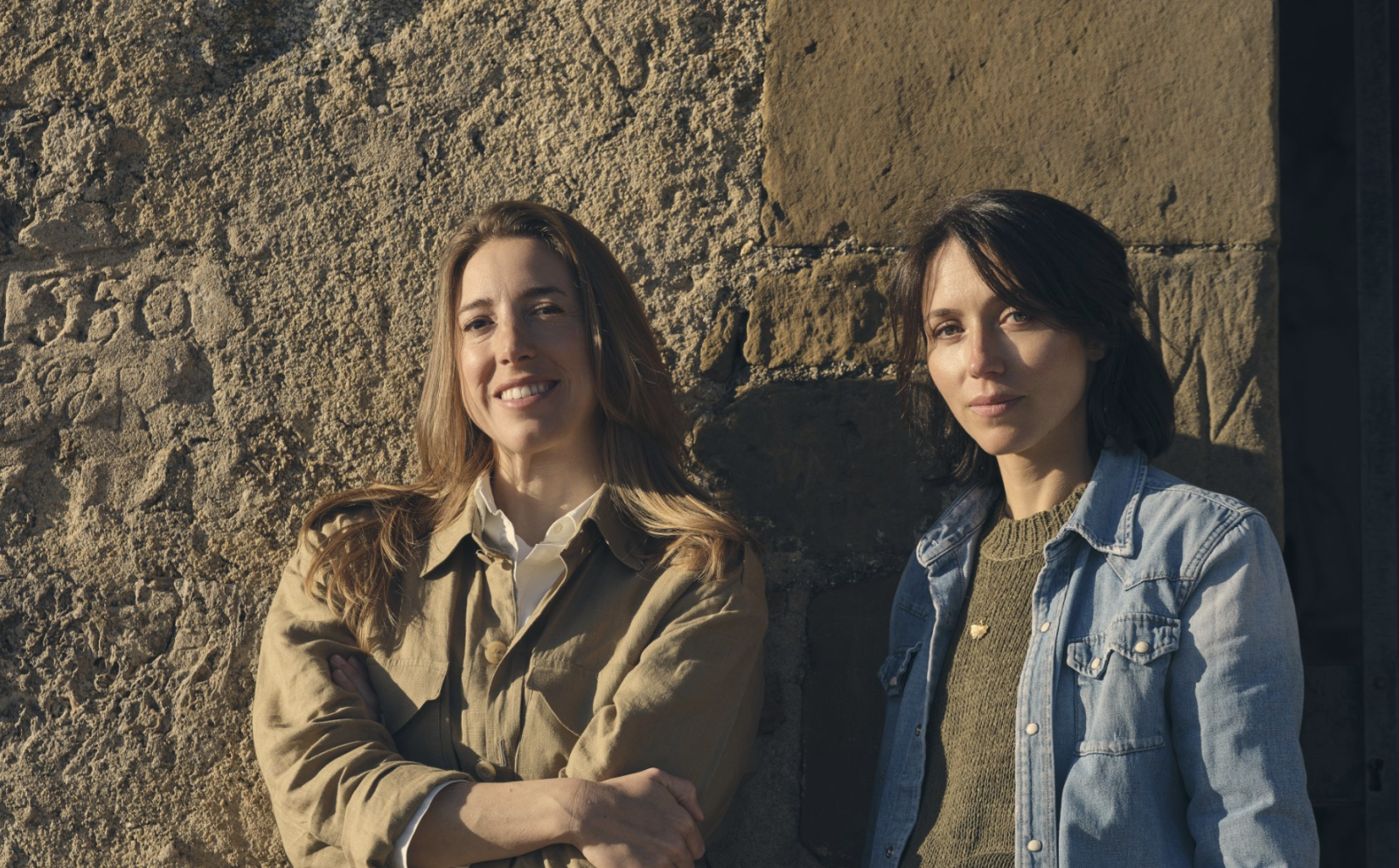
Delphine Frey, director of the family estates, saw in Chiara Pepe the natural evolution of the work her sister Caroline had begun on biodynamics. The goal is clear: to restore to La Chapelle that “wild rusticity” and that aura of “red-hot iron” that made the vintages of the last century immortal. With one eye on Abruzzo and the other on the dizzying slopes of the Rhône, Chiara Pepe is preparing to rewrite the destiny of a legend. With humility, but with crystal-clear ideas: “I like old-school wine.” And Hermitage, perhaps, was waiting for nothing else.