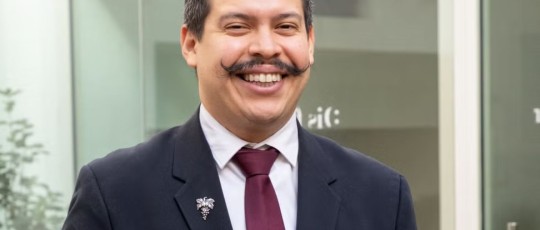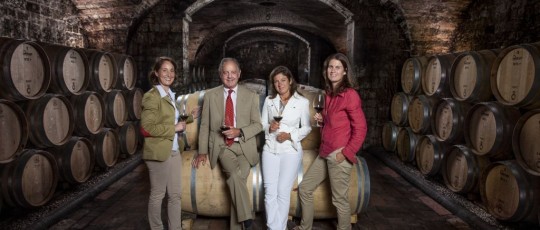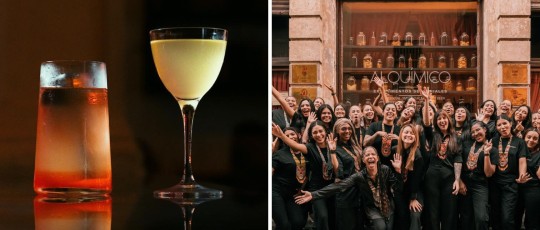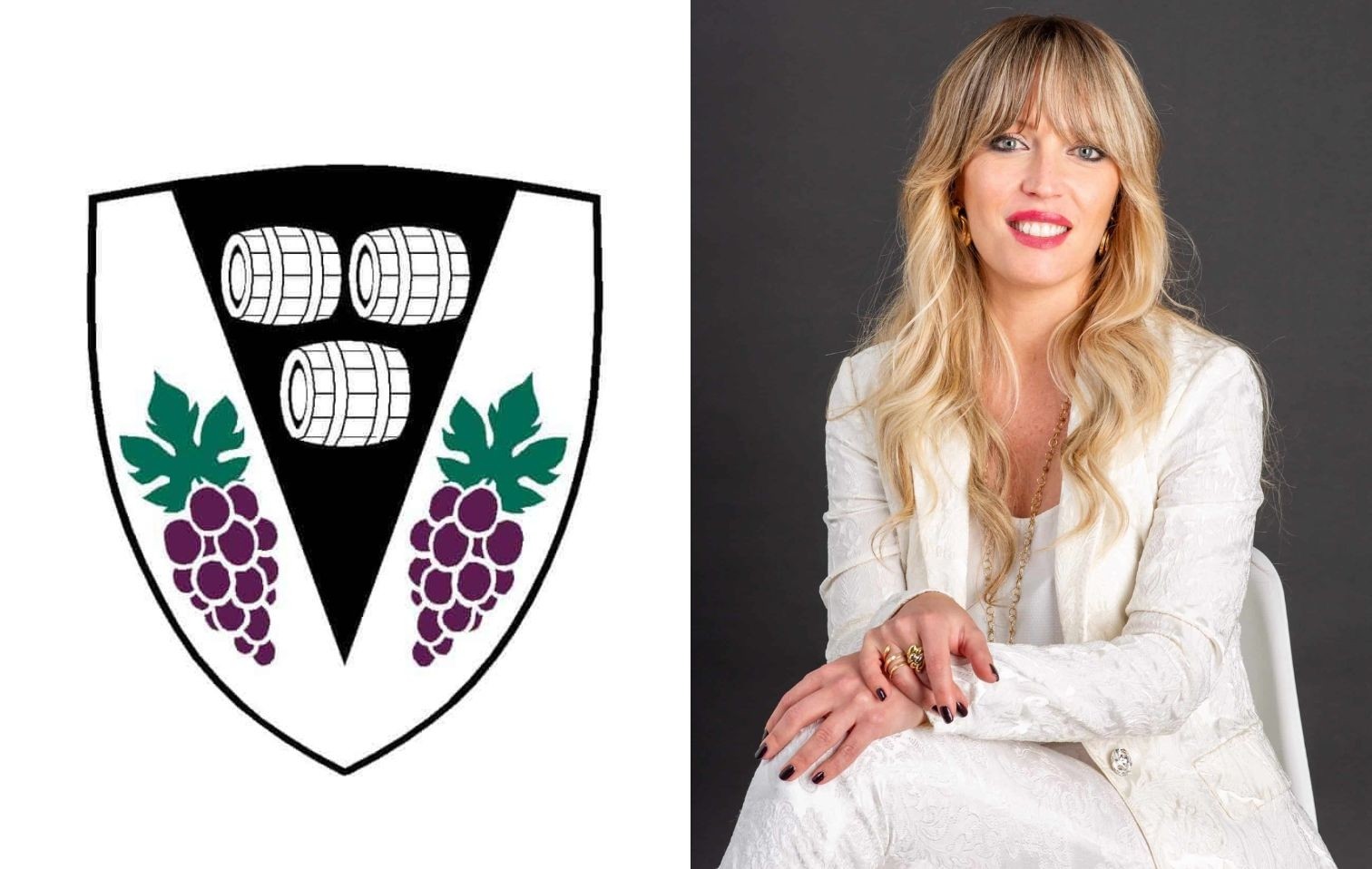
It is said, with a touch of British irony, that the ranks of Masters of Wine are smaller than those of astronauts who have traveled through space. Yet, from today, the celestial vault of world oenology shines with a new light, intensely Italian and, for the first time, proudly feminine. With the proclamation of Cristina Mercuri, Italy not only plays a winning hand in the most exclusive club on the planet, but also breaks through a glass ceiling that seemed unbreakable.
From code to vineyard: an analysis of rigor
Cristina Mercuri's path does not follow the well-trodden paths of bucolic tradition. Hers is a story of intellectual metamorphosis. Formerly a lawyer in prestigious international firms, specializing in mergers and acquisitions, Mercuri has transposed the analytical rigor of law to the vineyards and barriques. In 2015, she had a “revelation”: she abandoned her lawyer's robe to embark on an academic path that would be an understatement to describe as arduous. You don't become a Master of Wine through lineage or simple communication skills. The title, awarded by the Institute of Masters of Wine in London (founded in 1953), is the pinnacle of a self-taught system where the candidate is alone in the face of the immensity of wine knowledge. From the biochemistry of fermentation to the macroeconomic strategies of Asian markets, to the ultimate test: blind tasting. “It was a very tough journey, involving daily study and no shortcuts,” said Mercuri. “It taught me method, humility, and total dedication to my work.”

The elite four: the new Italian renaissance
Until 2021, Italy—despite being the world's leading wine producer—was paradoxically absent from this elite group. The taboo was broken by Gabriele Gorelli from Tuscany, closely followed by Andrea Lonardi and Pietro Russo. With the arrival of Cristina Mercuri, the picture is complete, bringing female sensitivity and technical expertise to the top of the pyramid. Being a Master of Wine today means much more than knowing how to describe a territory; it means influencing the purchasing decisions of large international chains, directing strategic consulting, and defining the standards of global taste. In this, Mercuri already excels as CEO of the Mercuri Wine Club, an academy that combines encyclopedic wine culture with the new frontiers of digital communication.
The architecture of a world title
To understand the scale of the undertaking, just look at the structure of the final exam, an intellectual and sensory marathon:
- The practical part: three consecutive mornings of blind tastings (36 wines in total), where you have to identify the grape variety, origin, winemaking technique, and commercial potential.
- The theoretical part: Argumentative essays on viticulture, the wine business, and current issues.
- The Research Paper: A final thesis of 10,000 words on an original and unpublished research topic.
A legacy in the making

Today, Cristina Mercuri is not just a name in London's hall of fame; she is a point of reference for a new generation of professionals. A judge for Decanter and former wine editor for Forbes Italia, her mission transcends her academic title: to spread a culture of wine that is technical, international, and stripped of all unnecessary romanticism, in order to rediscover the truth in the glass through the lens of pure expertise.
With this fourth appointment, Italy confirms that it is not only the land of “know-how,” but also that of “know-how to interpret” at the highest global levels.