Among the windswept hills of the Trapani hinterland, Baglio Ceuso tells the story of over a century and a half of Sicilian viticulture: from a 19th-century logistical hub to an active winery where agricultural tradition and applied research meet. A place that has endured crises and rebirths, maintaining a firm bond with the territory and renewing it through the work of the Tonnino family.
A 19th-century stronghold in the Alcamo landscape
In the territory of Alcamo, amidst cultivated slopes and sea breezes that sweep inland, Baglio Ceuso was established in 1860 as an agricultural infrastructure that was already surprisingly advanced for its time. The Vivignato district is not merely countryside; it is an organized hub, designed to support local development.
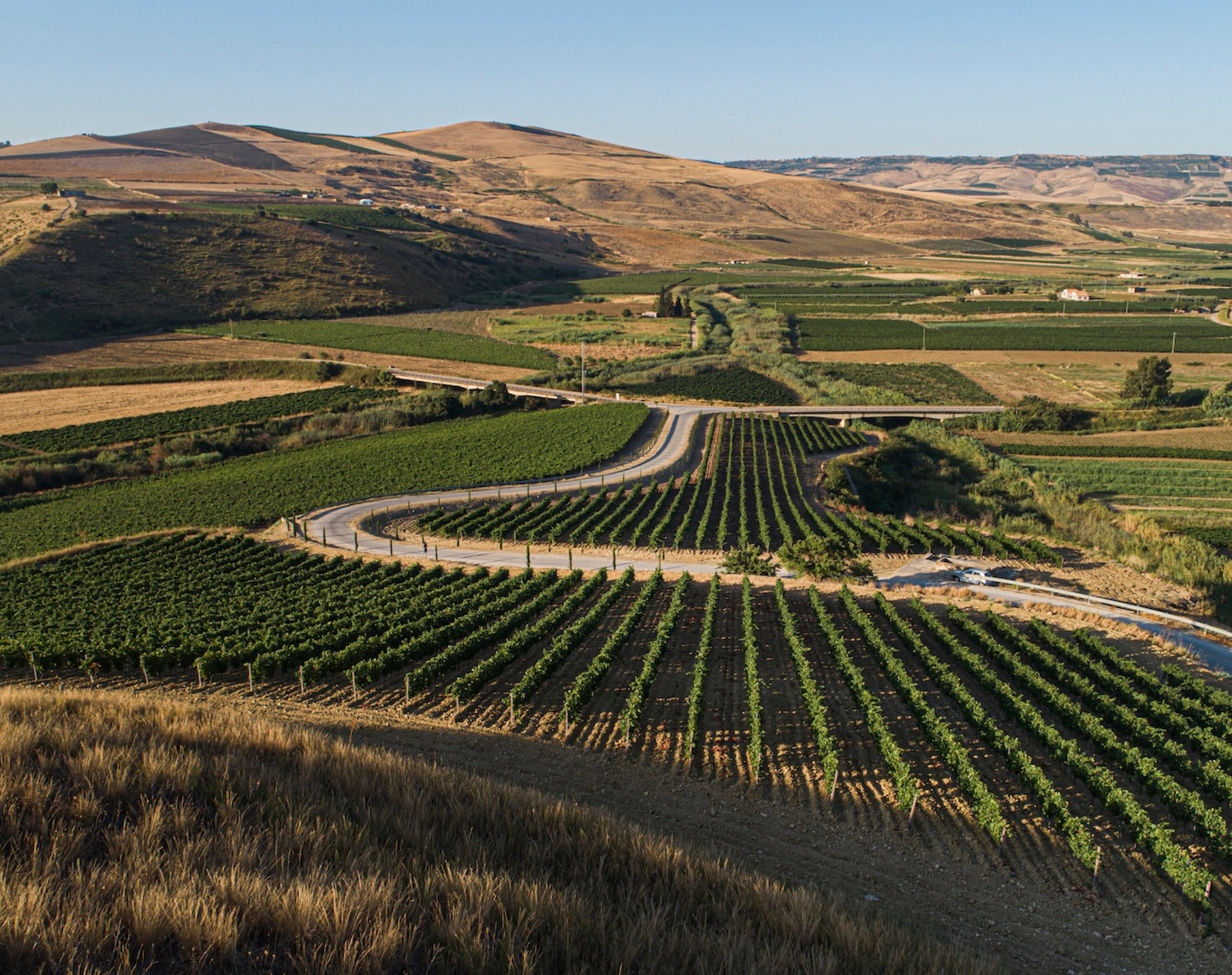
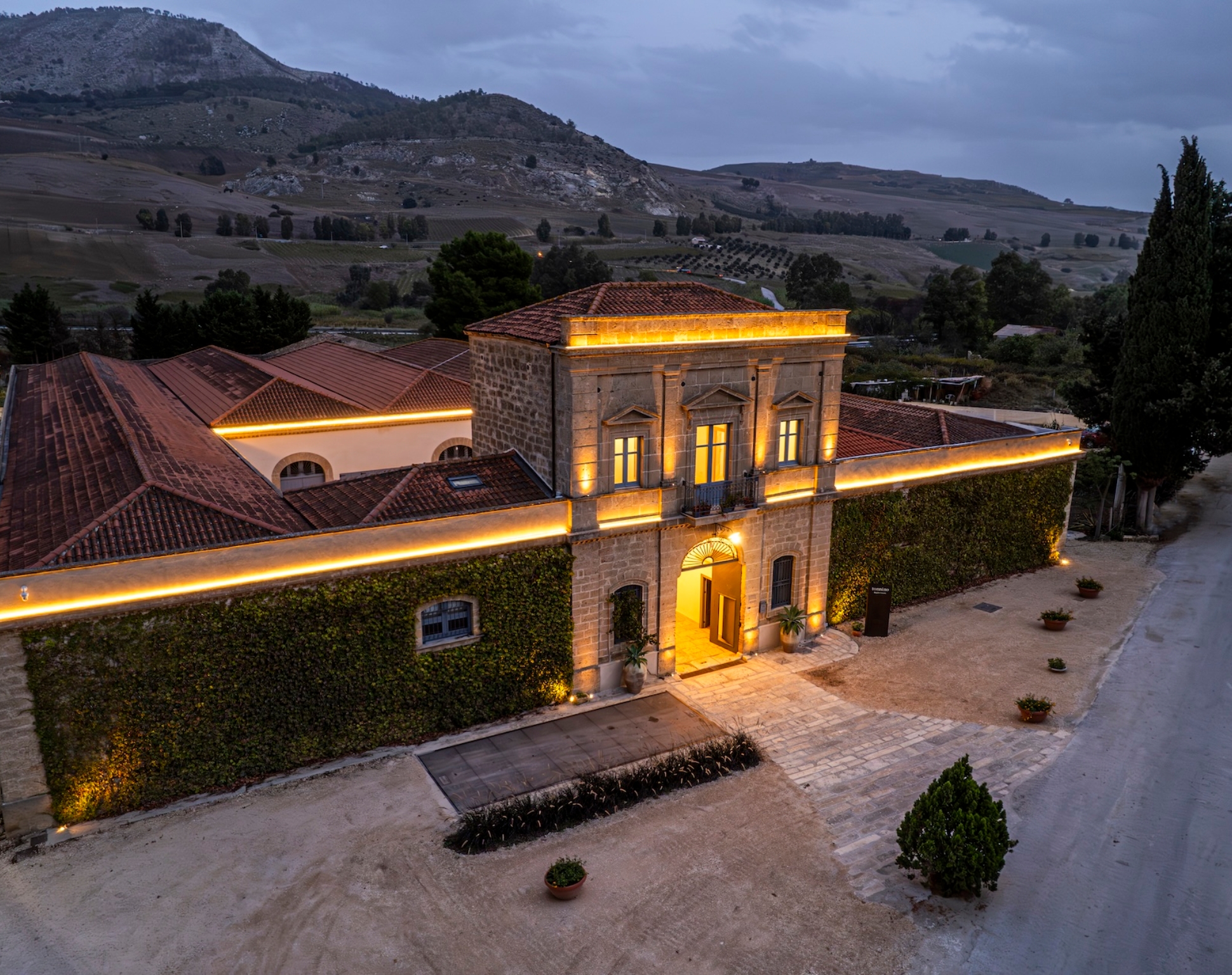
The bagli, with their layout centered around a central courtyard, concentrate functions, labor, and relationships. Within this system, Baglio Ceuso immediately established itself as a landmark, coordinating the flow of grapes and wine from a vast territory. Its location, bordering Calatafimi Segesta, strengthens its role as a link between rural communities and expanding commercial circuits.
From domestic storage to oenological hub
Until the mid-nineteenth century, production was fragmented: wine was made at home, stored inconsistently, and sold with difficulty. Baglio Ceuso introduced order and scale. Here, the wine arrived, was selected, organized, and sent to market. The d’Angelo family built an efficient system capable of collecting and enhancing widespread production, focusing on grape varieties such as Catarratto and Grillo. The shift was clear: from a dispersed economy to a coordinated structure. The baglio thus became an operational device, where agricultural timing, labor, and the market found a concrete and functional synthesis.
The arrival of the Florio family and the era of connections
With the entry of the Florio family, the landscape changed rapidly. After unsuccessful attempts in the urban center, the choice shifted to Vivignato, where in 1875 a new baglio was built, dedicated to the initial production phases. The process was then completed in Marsala, following what had become a fully structured supply chain.
The proximity between the two entities generated mutual benefits: on one hand, a specialization in local wines, and on the other, the development of products like Vermouth and Marsala. The 1881 railway was decisive, passing through the hamlet and accelerating trade by reducing times and costs. Within a few years, the area took on the traits of a dynamic wine district. This growth was interrupted by phylloxera, which hit Sicilian vineyards hard at the end of the century.
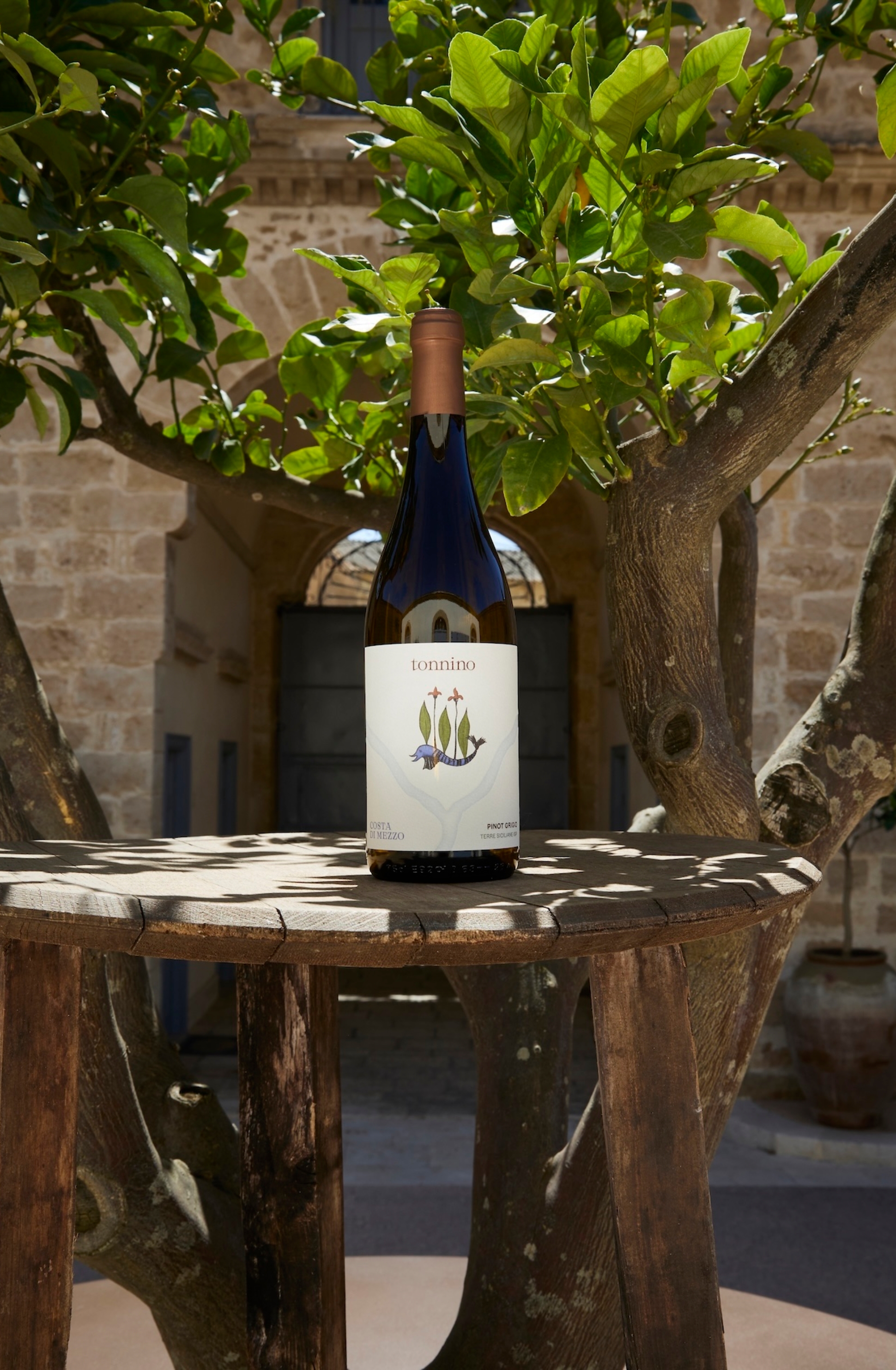
Crisis, continuity, and new phases
The crisis marked a setback, but not an end. Some structures were abandoned, while others were downsized. Baglio Ceuso, however, continued to operate, adapting to the changed conditions. Throughout the twentieth century, it passed through different owners and phases until the 1990s, when the Melia family relaunched production. The contribution of Giacomo Tachis was decisive; he crafted a red wine destined to bring the baglio’s name back to the oenological scene. In this case, continuity is a tangible fact: the place changes, but it never stops producing and evolving.
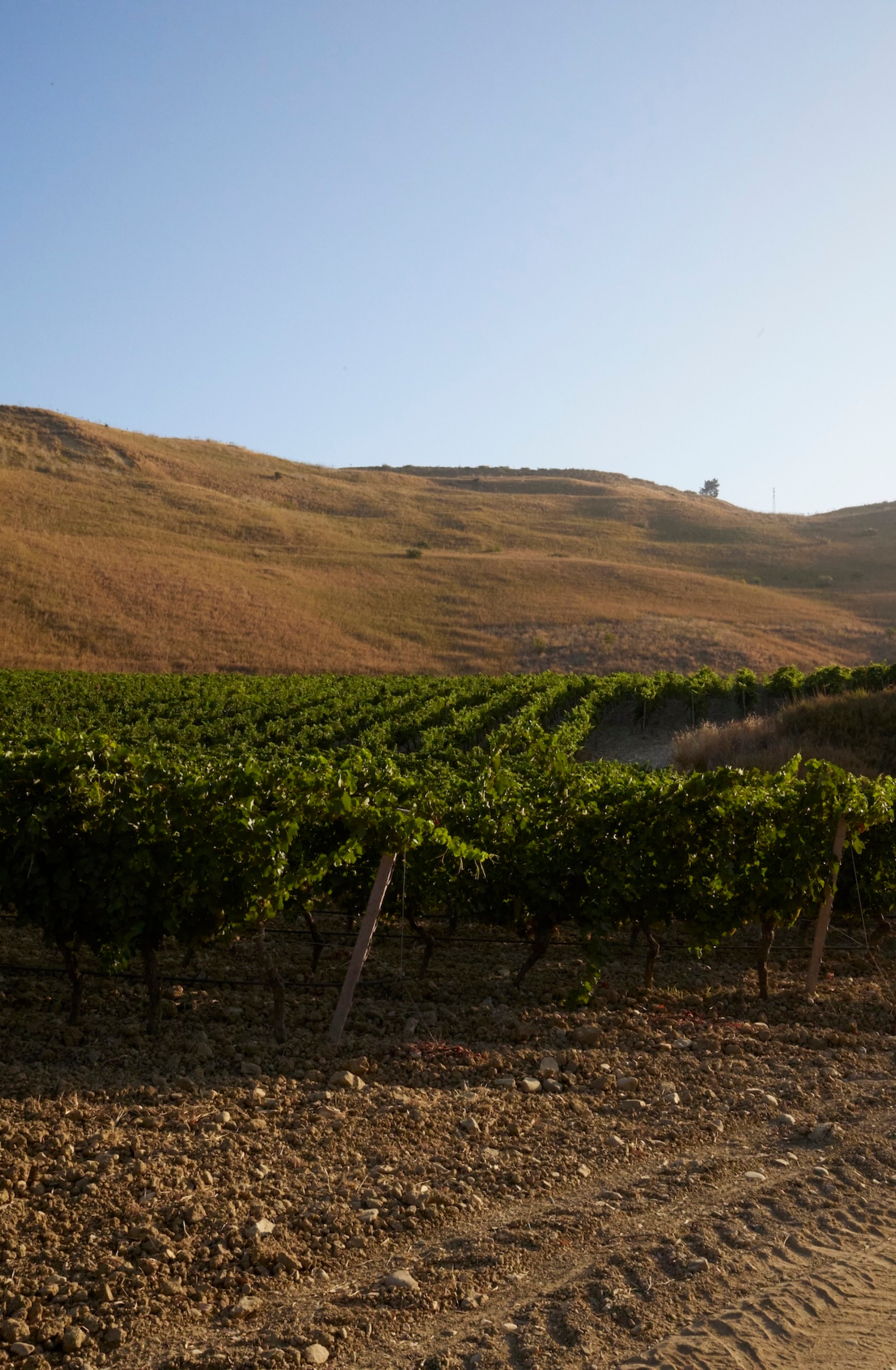
The work of the Tonnino family
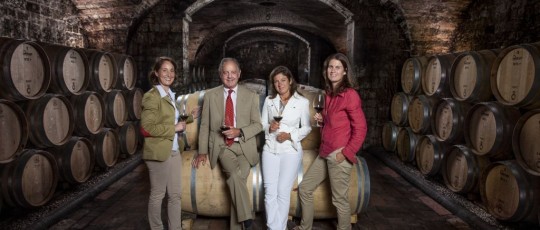
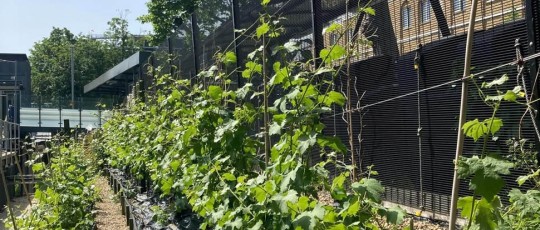
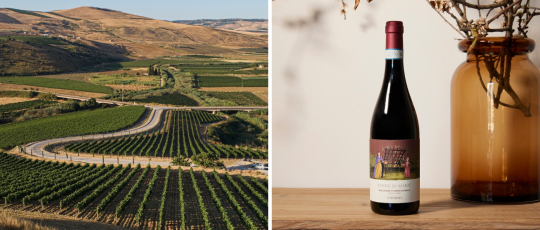
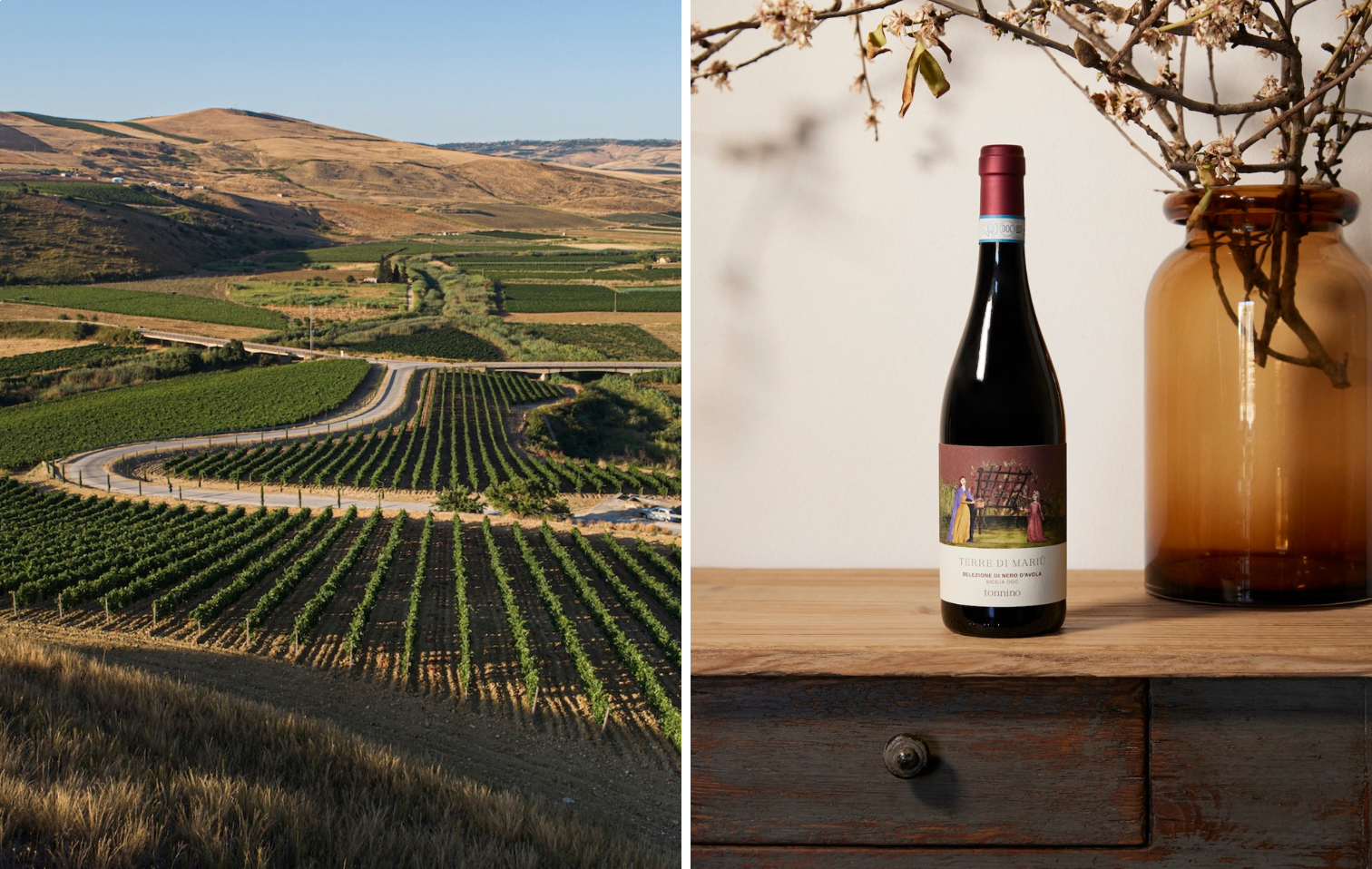
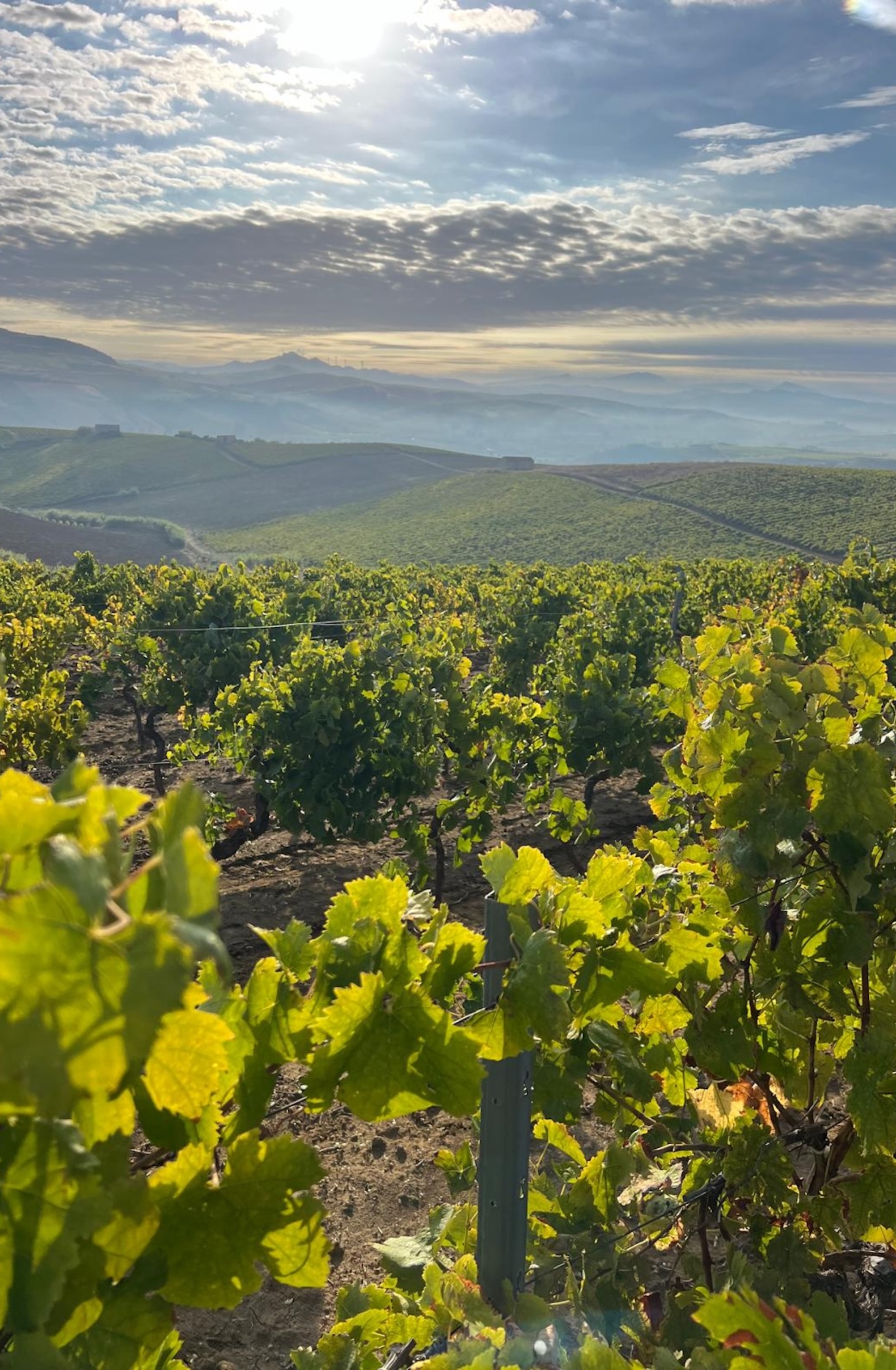
Today, Baglio Ceuso is among the FAI (Fondo per l'Ambiente Italiano) "Places of the Heart" and houses the Tonnino winery, which oversaw its restoration while keeping the original layout visible. The family, active since the 1950s between Alcamo and the Belice Valley, has progressively integrated all production phases, making the baglio their operational center. Work in the vineyard is continuous and precise: organic practices, direct observation, and precision tools go hand in hand with experience gained over time. Joining the SOStain Sicilia program introduces clear parameters for resource management and the relationship with the territory. In this context, "wines obtained from vineyards" is not just a phrase but a method: targeted pruning, yield control, canopy management, and selective phytosanitary interventions contribute to obtaining balanced and recognizable grapes.
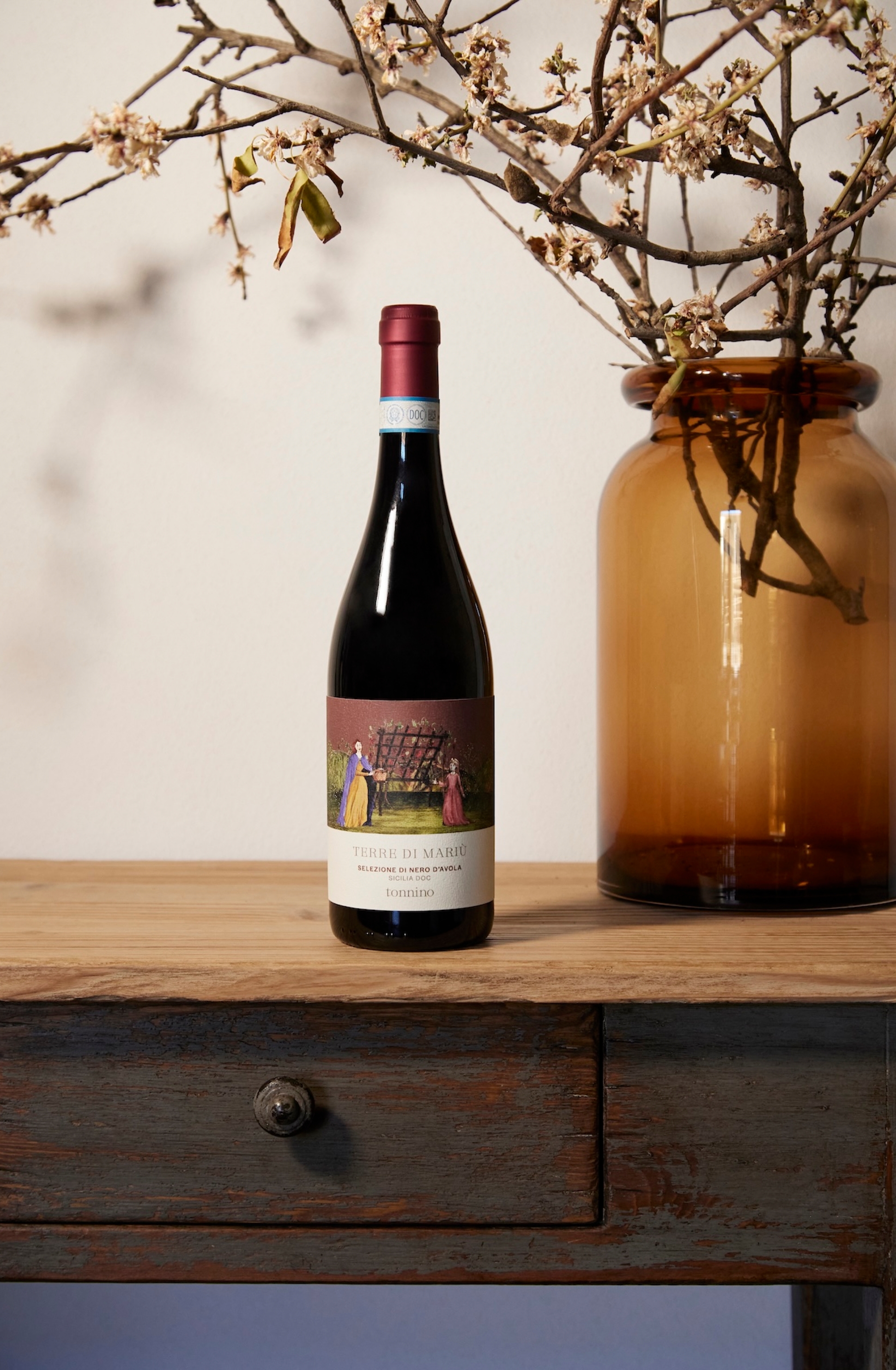
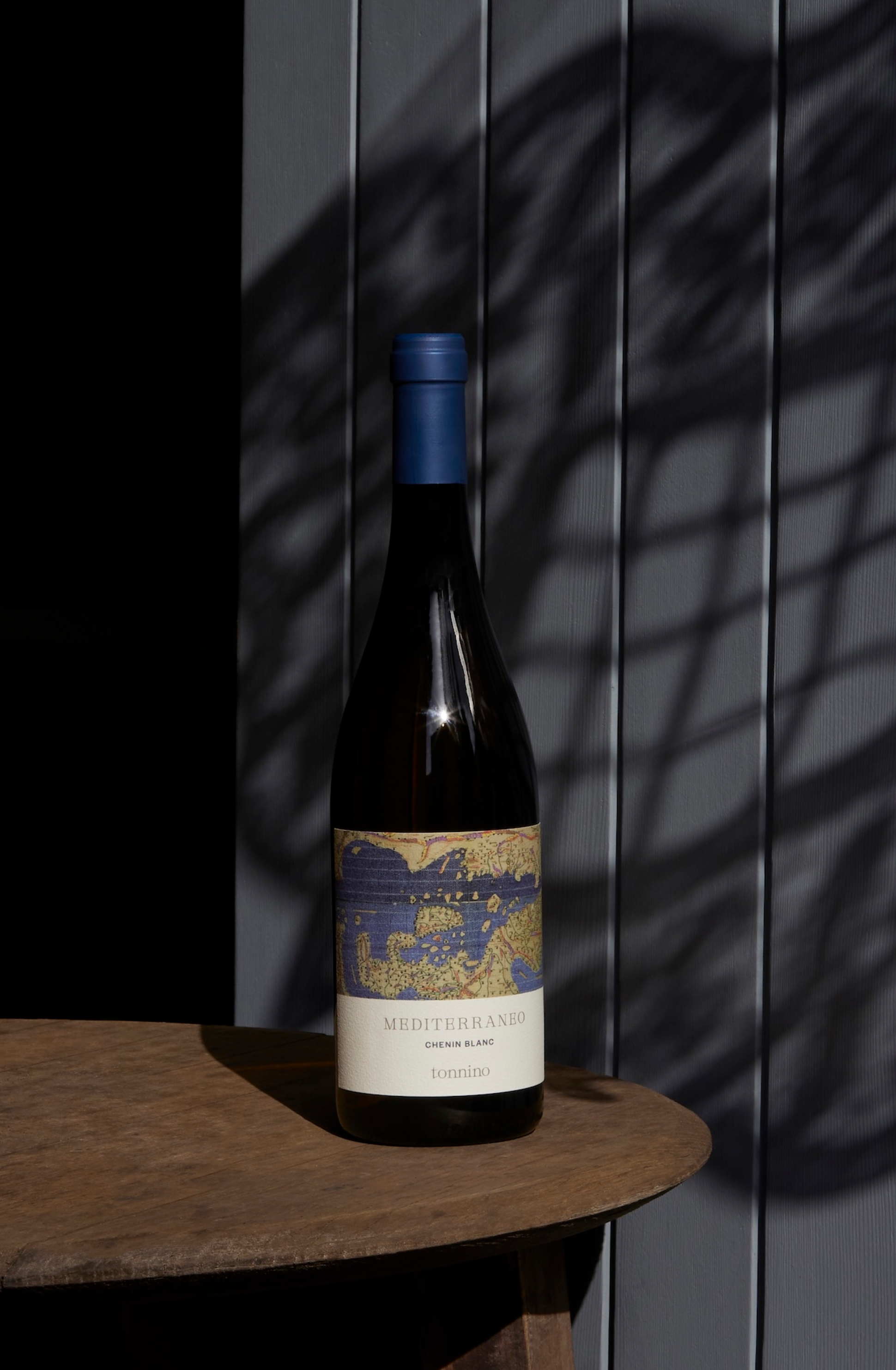
Environmental conditions do the rest: altitudes between 200 and 500 meters, marked temperature fluctuations, and constant ventilation. The whites are crisp and fragrant; the reds, grown on softer alluvial soils, show structure and elegance. Alongside historical varieties—Catarratto, Grillo, and Nero d’Avola—there is also room for Chenin Blanc, a Loire variety reinterpreted here in a local key: more integrated acidity, greater aromatic breadth, and notes of fresh fruit and herbs. It is a choice born from field trials that expands the company’s production profile without being forced.