Nestled in the hills of Carmignano, Capezzana boasts over a thousand years of agricultural history: an estate that combines viticulture, olive growing, art, and memory. From 804 AD to the present day, this place has been a living testimony to the harmonious balance between man and nature, where wine tells the story of centuries of Tuscan passion and beauty.
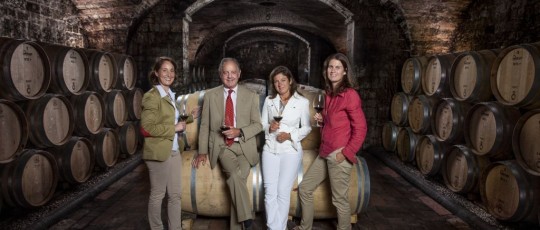
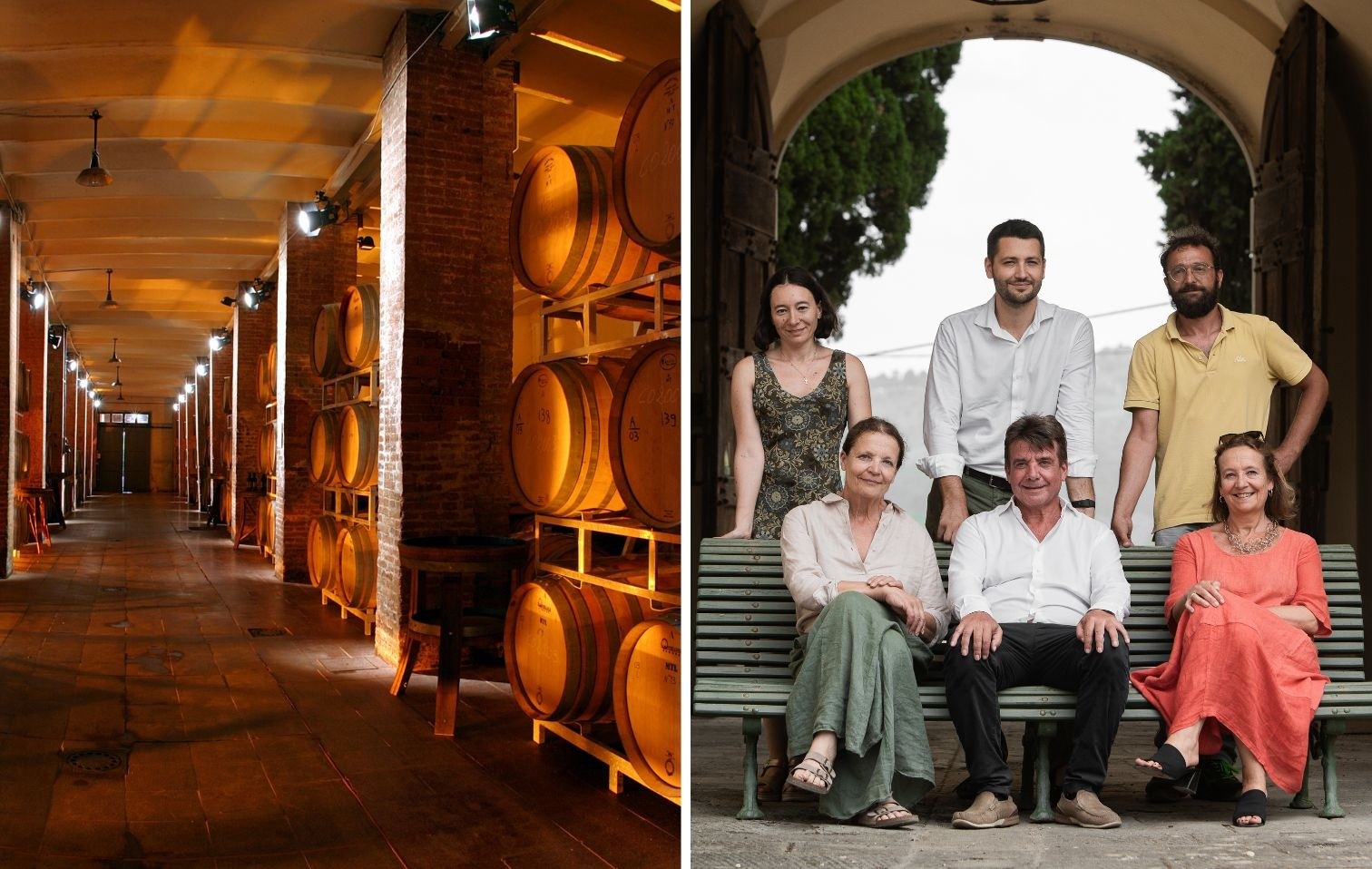
Among the hills that breathe the history of Tuscany, Capezzana tells one of the most profound and deeply rooted stories of Italian agriculture. In this land, where vines and olive trees have grown side by side for more than a millennium, the relationship between man and nature is ancestral, almost sacred. In the vibrant landscape of Tuscan wine—so rich in protagonists, insights, and revolutions—the Contini Bonacossi family occupies a place of honor. Capezzana is not just an estate: it is a living memory, a testament to organic farming that was already active 1,200 years ago.
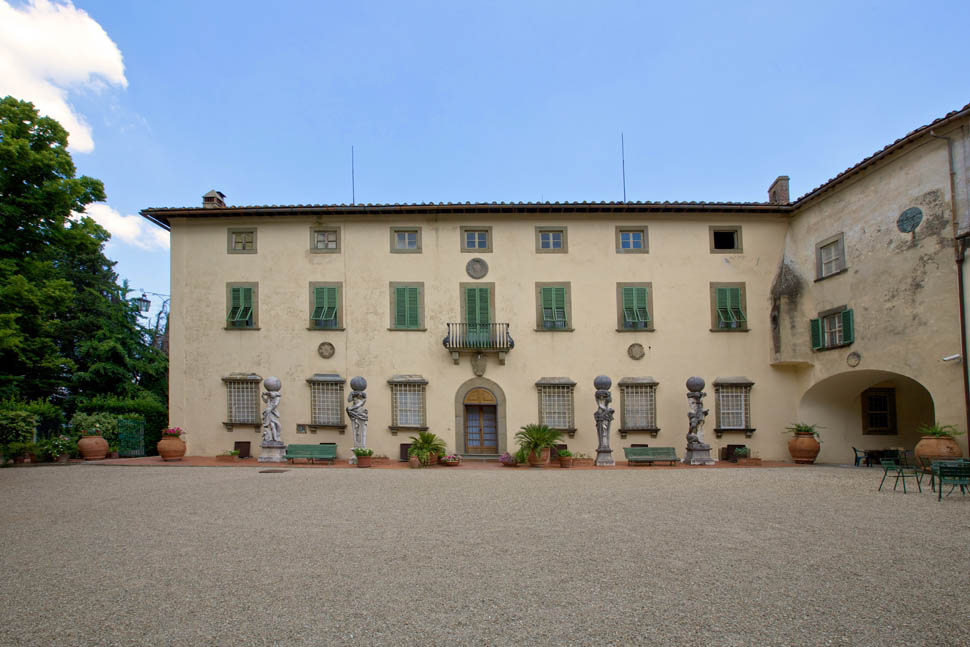
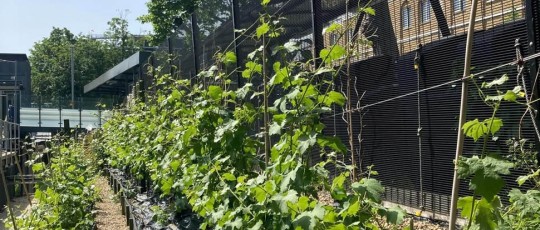
A document dating back to 804 AD attests to the presence of vineyards, woods, and olive groves on these hills, confirming that Carmignano's agricultural heart was already beating strongly in the dark centuries of the Middle Ages. Virtue, as we know, lies in the middle: and this is also true when it comes to climate. Here, among the rolling hills of central Tuscany, the continental rigour is tempered by a Mediterranean breeze, creating ideal conditions for viticulture: never excessive, always harmonious, almost designed by the patient hand of time.
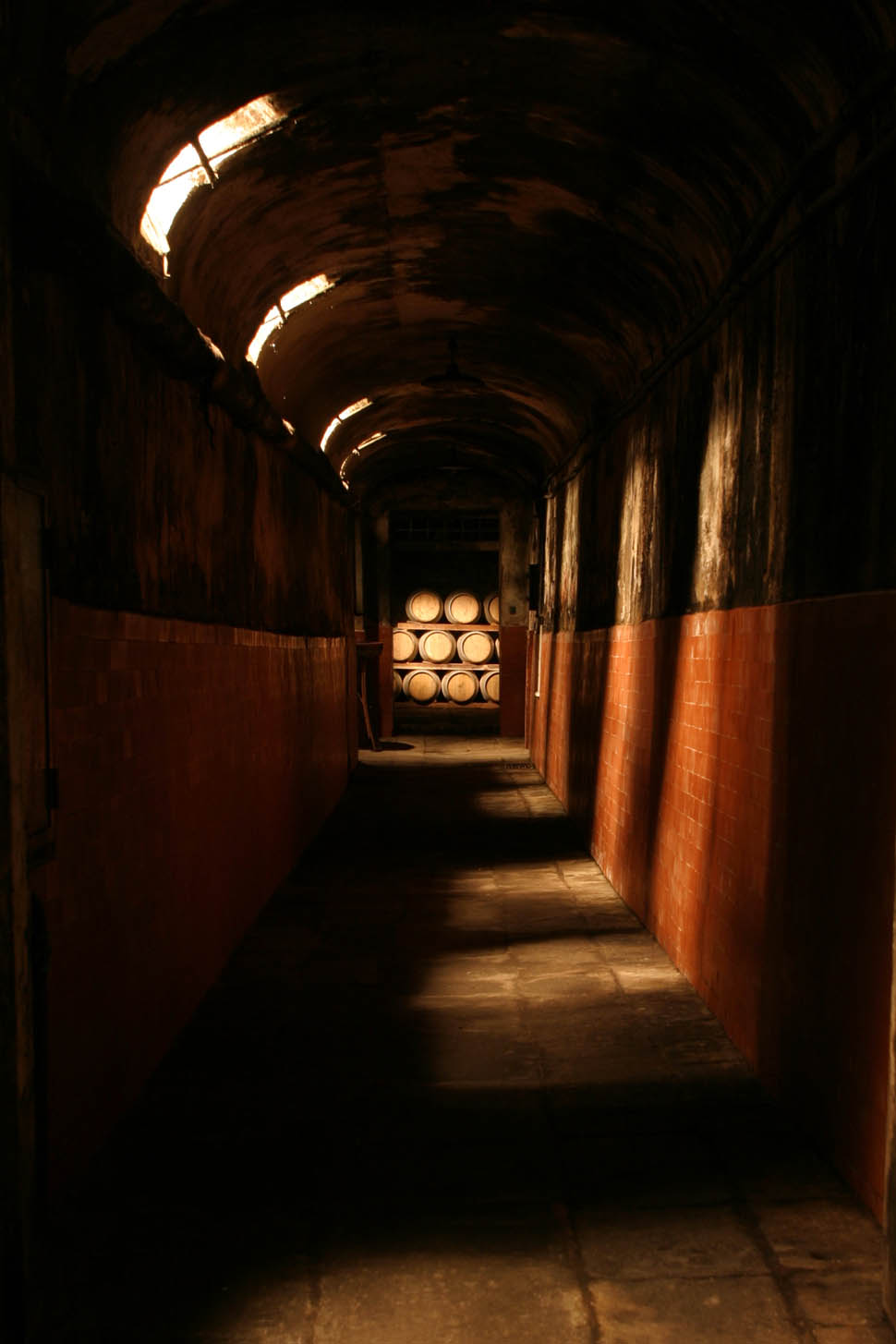
Carmignano: wine that spans the centuries
To tell the story of Carmignano, we need to look far back in time. Three thousand years ago, the Etruscans buried wine jars alongside their dead, and with the advent of Rome, these lands became a reward for Caesar's veterans, with vineyards and olive groves stretching between the Arno and Ombrone rivers. The first written document certifying the agricultural vocation of the area dates back to 804: a contract in Latin that mentions “vineyards, woods, and olive groves” in the hills of Capezzana, revealing a continuity of production that has lasted to this day. But it was in the 18th century that Carmignano earned its coat of arms: the famous Medici proclamation of 1716, signed by Cosimo III, is the first example in the world of the official delimitation of a wine-growing area. Alongside Chianti, Pomino, and Valdarno di Sopra, Carmignano rightfully entered the nobility of wine, a century and a half ahead of the French Appellation d'origine contrôlée. The 17th century also played an important role: Carmignano wines began to travel to Northern Europe, conquering palates and markets. Once again, the Medici family was responsible for promoting a new, refined taste that combined body and elegance.
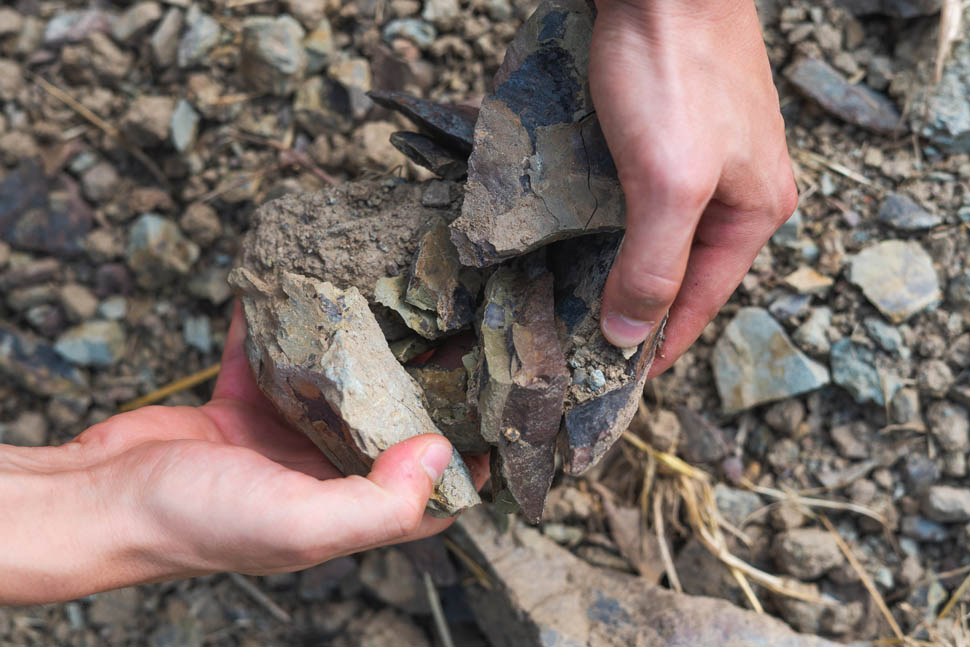
However, its glory faded in the 20th century. In the 1930s, in pursuit of an illusory commercial advantage, Carmignano lost its identity: incorporated into the generic Chianti appellation, then into the Montalbano territory, it disappeared from the radar of great winemaking for almost forty years. It was only at the end of the 1960s that it was reborn, thanks in part to the tenacious work of Ugo Contini Bonacossi. In 1975, it regained its DOC status, which was then elevated to DOCG in 1998. And with it, its history returned to shine. Among its peculiarities? One above all: the historical presence of Cabernet (Franc and Sauvignon) in the blend, introduced to the area in the 18th century and known as “uva francesca” (French grape). A Supertuscan ante litteram, but with an extra gear: that of authenticity, rooted in time and in the land.
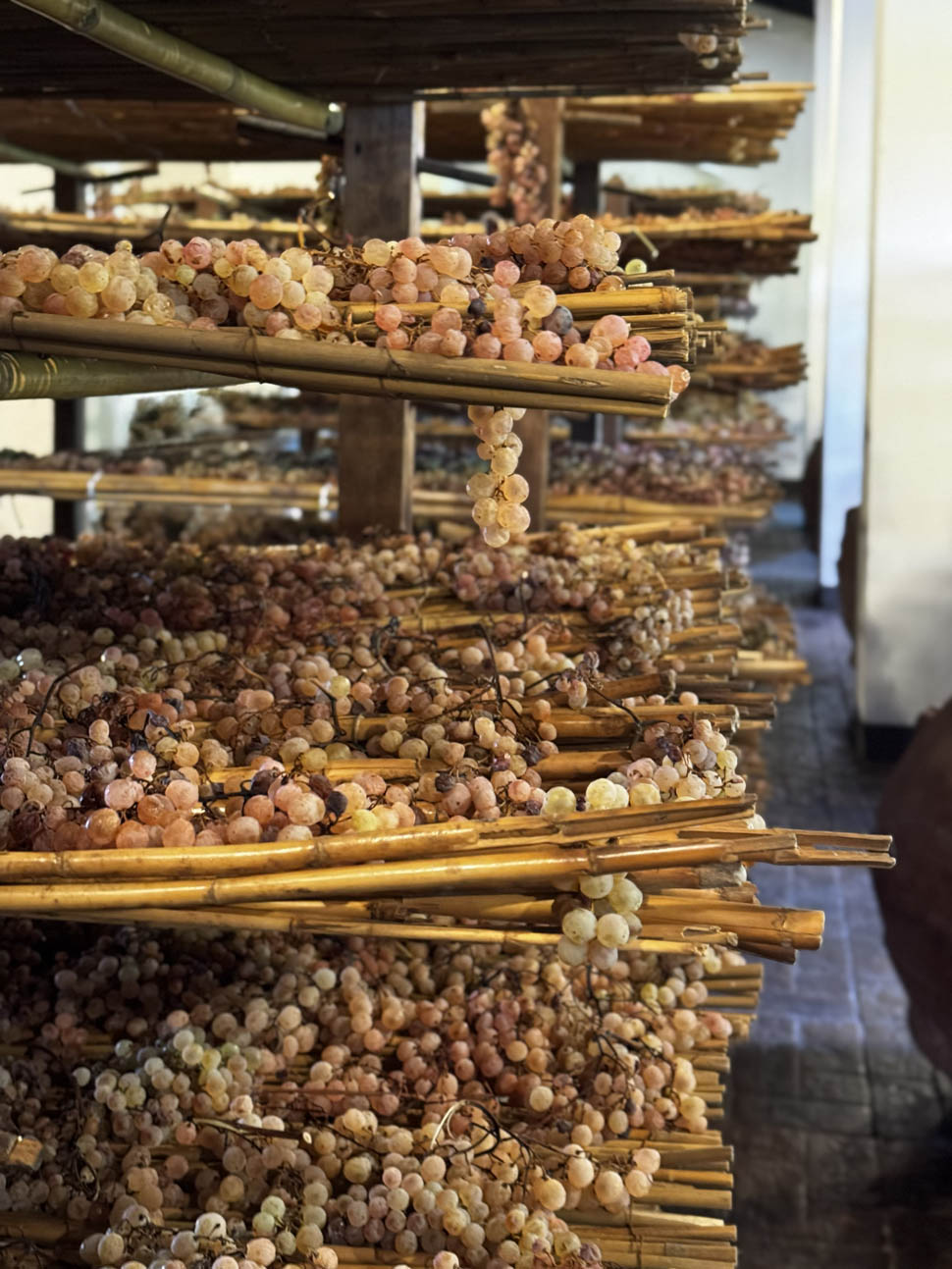
Villa di Capezzana: wine as art, art as wine
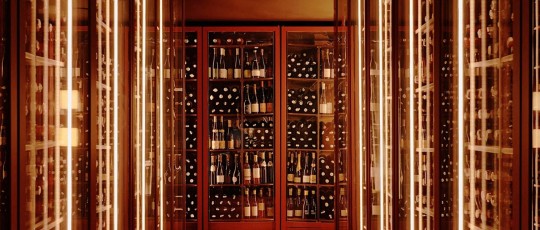
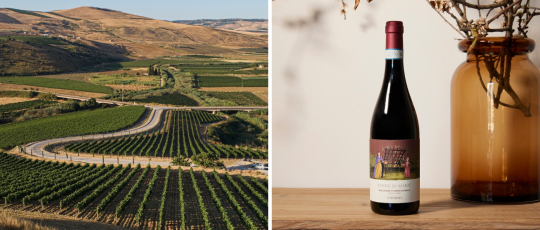
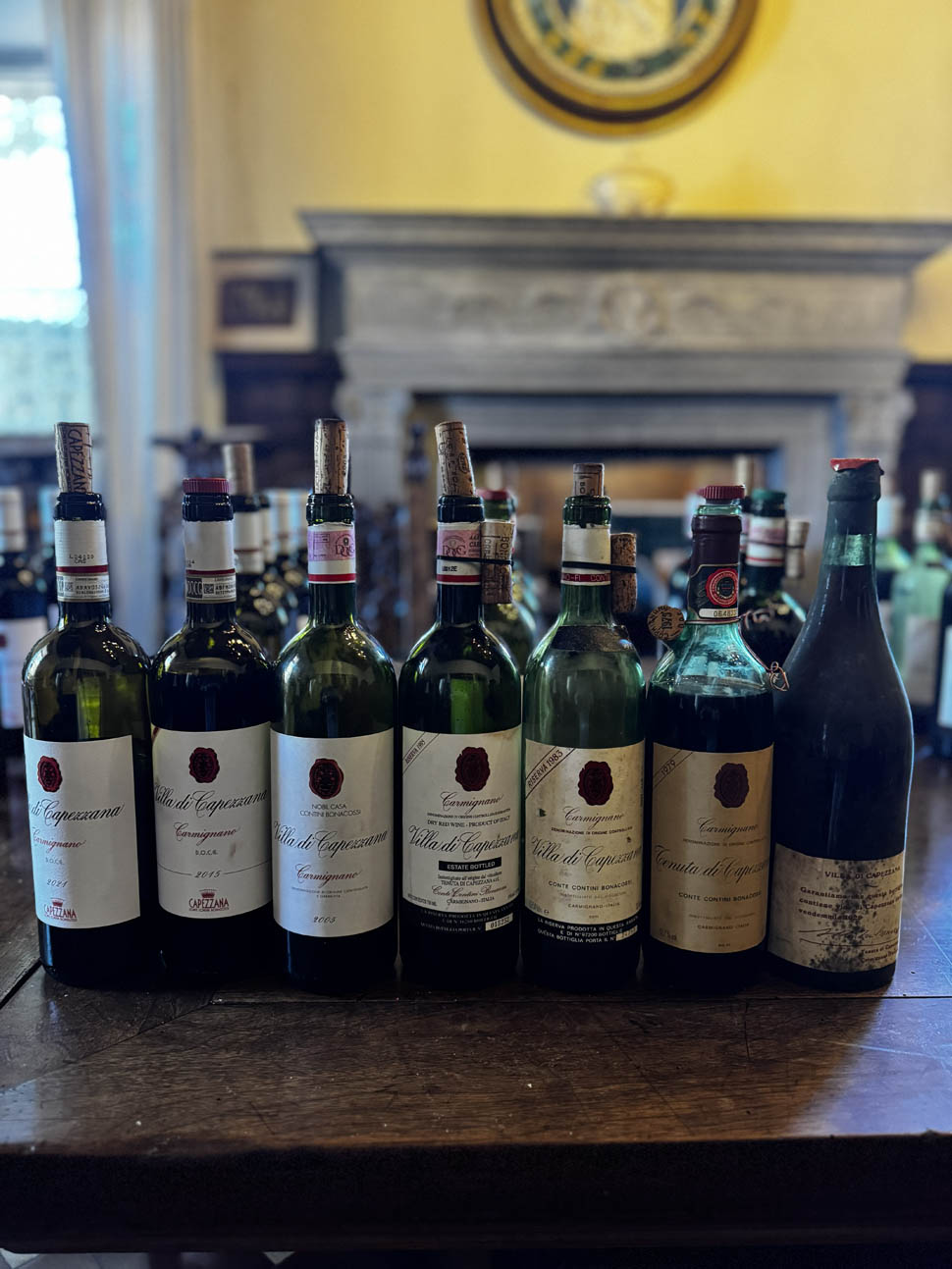
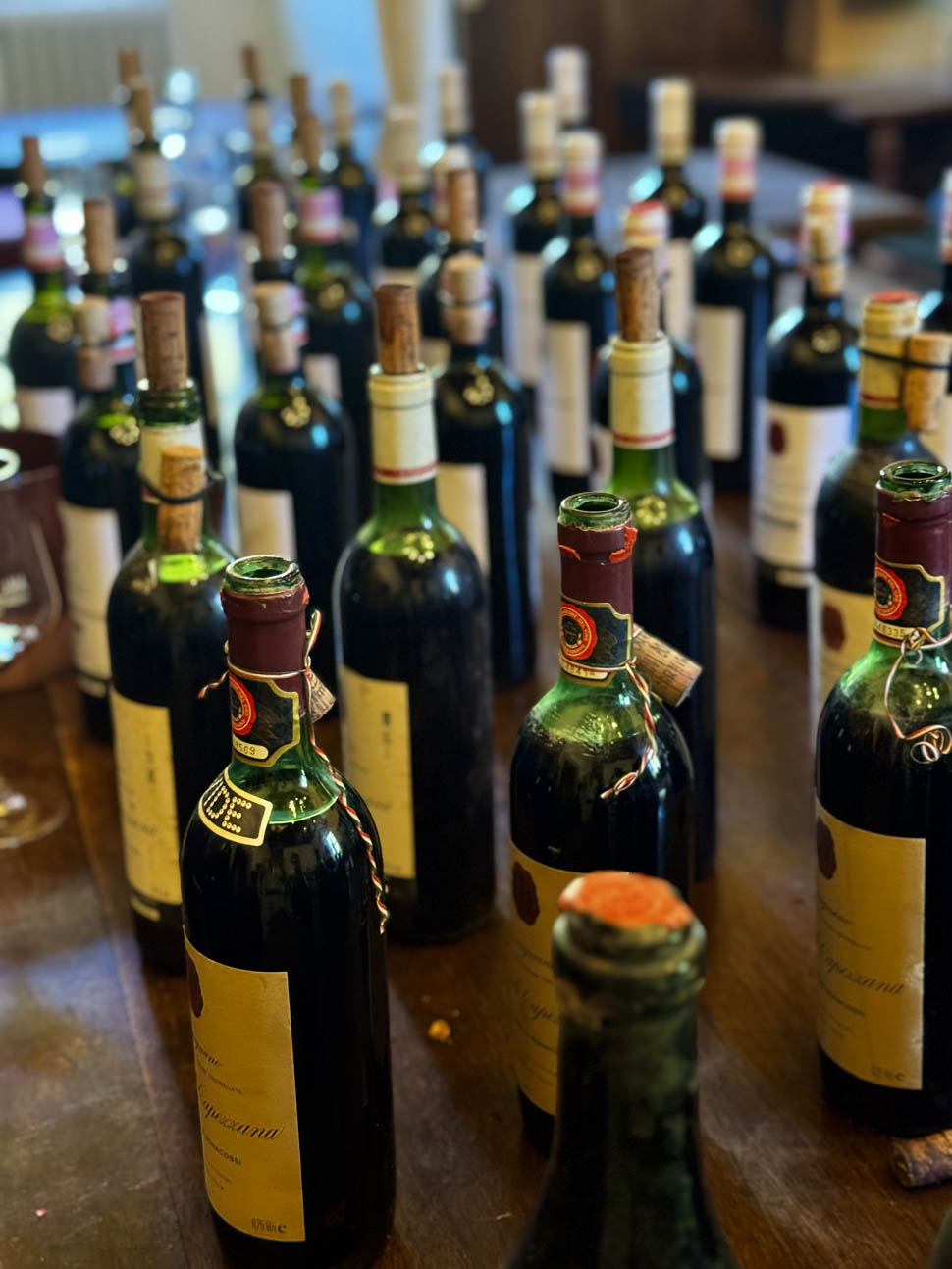
Capezzana is not just wine: it is a place of soul. It is landscape, architecture, living memory. Within the estate—100 hectares of vineyards, 140 of olive groves, 350 of woods—lies one of the most fascinating villas in wine-producing Tuscany. The Villa di Capezzana, with its Renaissance structure, welcomes visitors like a silent guardian of time. The rooms — from the refined “Salottino Impero” to the bright “Sala grande” — are treasure troves of antique paintings, historic furnishings, and art objects that speak of a discreet, never ostentatious nobility. Outside, the countryside stretches out like a green carpet, made up of hills, rows of vines, and dirt paths. Villa di Capezzana thus becomes an authentic lesson in style, both Renaissance architecture and winemaking. A memorable vertical tasting (1925–2025) held recently on the estate celebrated a century of harvests, revealing not only the changing nature of time, but also the incredible expressive consistency of this label.
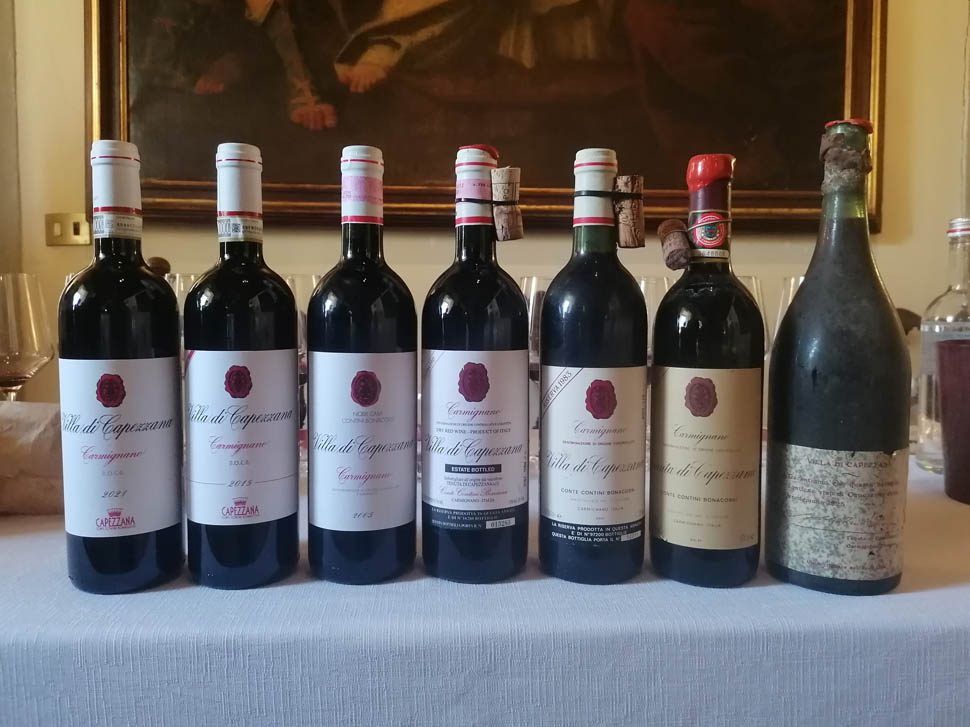
The 1979 vintage, in particular, has remained etched in memory as a rare gift, capable of thrilling with its harmonious perfection. More recent vintages—such as 2015 and 2021—embody the elegant power of Carmignano: solid structure, polyphenolic richness, balance between fruit (blackberry, currant), flowers (violet), spices, and cocoa. But it is in the older vintages, such as 1983, 1995, or even the century-old 1925, that the wine tells its story: the aroma of medicinal herbs, the enveloping silkiness of the tannins, the ability to speak to the heart even before the palate. Ultimately, it is an incredibly lively wine, like the land from which it comes and the history it carries with it.
Contacts
Tenuta di Capezzana
Via Capezzana, 100, 59015 Carmignano PO
Phone: 055 870 6005