The sound of wine being poured into glasses in French bistros used to be as much a part of the soundscape as the clatter of cutlery or chairs being dragged across the floor. All you had to do was walk into a brasserie at lunchtime to see bottles being uncorked without a second thought, light reds shared among colleagues, and carafes placed on tables with the utmost naturalness. Now, however, the gesture has become rarer, almost hesitant. First a bottle shared between two, then a single glass, then water. And the change, French restaurateurs and sommeliers tell Le Figaro, is no longer sporadic: it has become structural.
At Elsass, an Alsatian gourmet restaurant in Paris, the wine list has been completely redesigned. No rigid classifications by appellation. The wines are described through immediate sensory impressions: “fresh and easy,” “round and fruity,” “intense and deep.” The pages resemble an illustrated magazine more than a traditional wine list. Large photographs, short texts, about thirty wines in total. The idea, explain owners Guillaume Keusch and Johan Duchaussoy to Le Figaro, is to make wine accessible even to those without technical expertise. To strip away that cultural weight that often alienates younger audiences. Even their evenings with winemakers follow this philosophy. No academic lectures. No endless monologues on terroirs. The winemaker sits down, pours the wines, and chats with customers during dinner. Everything remains light, accessible, human. “When it gets too complex, we lose people”, says Duchaussoy. “We need to remove all the barriers to bring back the desire to drink wine.” And it is curious to observe how France, the world’s wine capital, is now trying to restore simplicity to a world that it itself had helped make almost sacred. The statistics, however, confirm it all. In 2024, wine consumption in restaurants in France fell by 9%, and in 2025 by another 7%. Wine remains the French people’s favorite alcoholic beverage according to the 2026 SOWINE barometer, but their daily relationship with the bottle is changing rapidly. And those who work in the dining room sense this before anyone else.
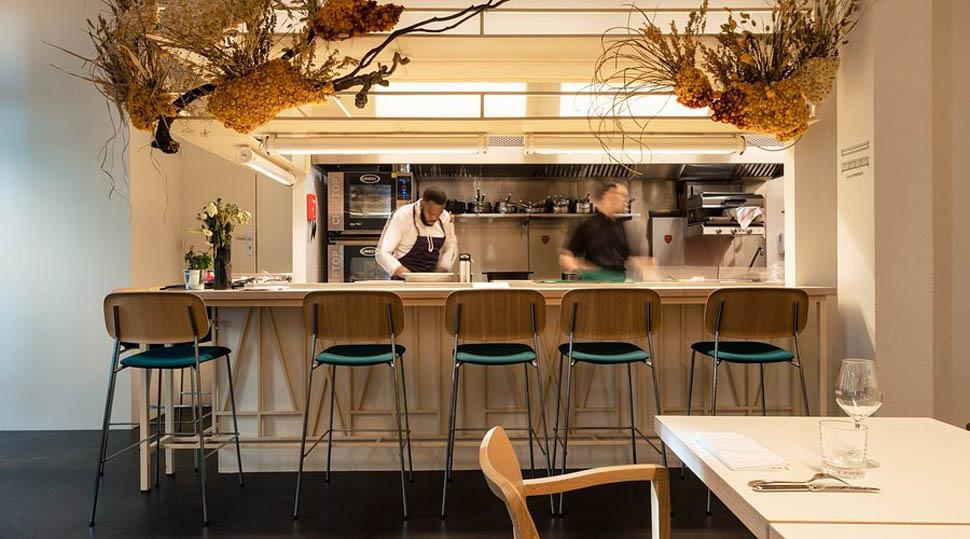
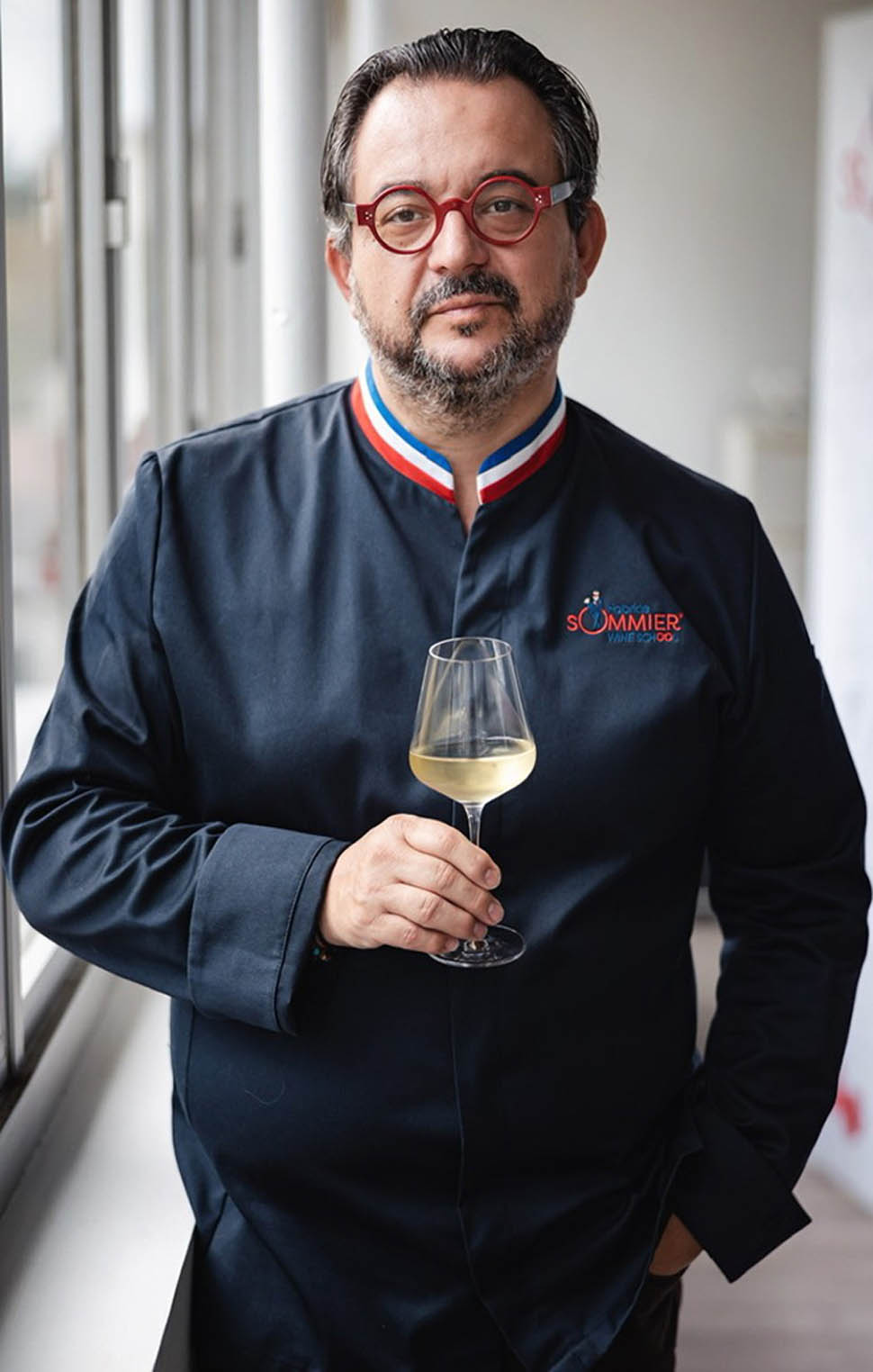
In Nancy, at Vins et Tartines, Clotilde Mengin says that even the large corporate dinner parties that used to order bottles without paying too much attention to the bill have disappeared. Today, meetings and seminars are often accompanied only by mineral water. Economic, cultural, and practical reasons all play a role in this shift. Moderation has become a much more widespread form of personal discipline than in the past, especially among those under forty. But the problem, quite simply, remains the price. “A glass over seven euros becomes hard to sell”, explains Mengin. And you only need to sit in a French restaurant for a few minutes to realize it: more and more people are scanning the wine list with a kind of mathematical caution, as if every bottle had become a decision to be weighed rather than a spontaneous pleasure. For the restaurant industry, this is a huge issue, because wine continues to represent a decisive part of profit margins. Franck Chaumès, president of the restaurant division of Umih, points out that the real profit for many establishments comes from the wine cellar rather than the food. Fabrice Sommier, president of the Union de la Sommellerie de France, even estimates that between 60 and 70% of a restaurant’s profit comes from wine. Yet it is precisely there that the most delicate crack is opening up.
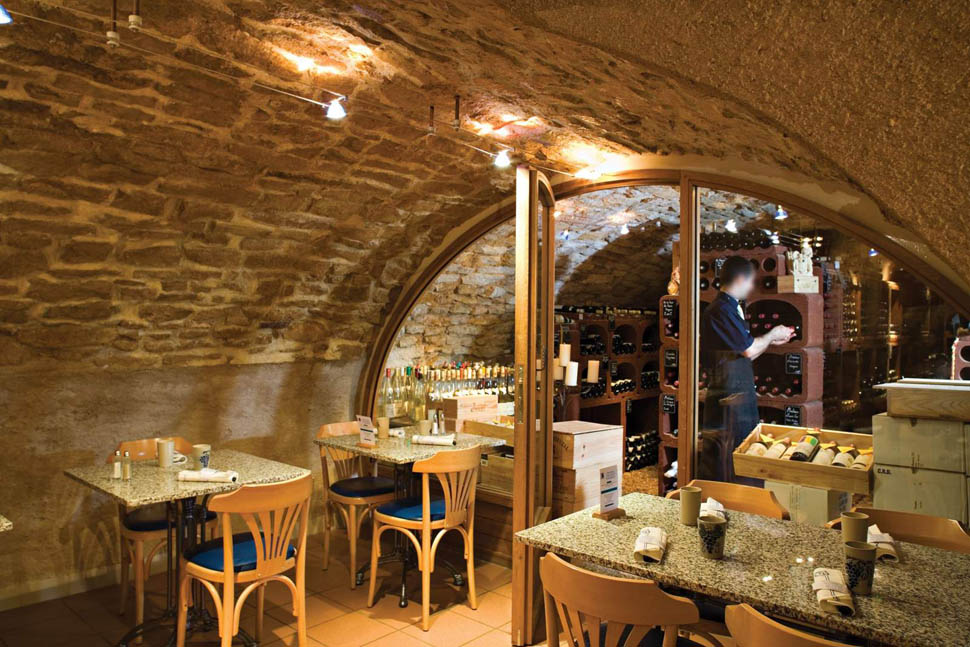
So, French establishments are starting to completely reinvent how wine is served, presented, and even thought about. In Nancy, some restaurants sell bottles almost at cost price just to keep consumption alive. At Vins et Tartines, Le Figaro notes, the first glass starts at €3.80—a choice that inevitably shrinks margins but still allows people to order wine without feeling like it's a guilty luxury. The comeback of the pichet—the classic bistro carafe—also reveals something interesting. For years, it seemed like an outdated, inelegant, almost nostalgic format. Today, however, it is experiencing a second life precisely because it allows people to enjoy a drink without committing to a full bottle. Lighter quantities, a less rigid approach, and less economic pressure. However, the revolution isn't just about price; it's also about taste. “People are drinking less alcohol,” observes Chaumès. Consequently, more and more restaurants are focusing on light, fresh, easy-drinking labels. Even serving sizes are changing shape. Following the classic glass, demi-verres (half-glasses) are now making an appearance, allowing patrons to sample multiple wines without overdoing it. It’s a concept that would have raised eyebrows in certain Parisian bistros twenty years ago, yet today it seems almost inevitable. Fabrice Sommier openly supports this approach because it keeps the conversation about food pairings alive without intimidating the customer.
And fear, after all, is one of the main problems. Many French restaurateurs now speak of wine as a product that has become too complicated to understand. Endless wine lists, technical jargon, unfamiliar appellations, rituals perceived as elitist. For some diners, ordering wine at a restaurant causes almost performance anxiety. That’s why several restaurants are trying to dismantle that intimidating aura that has built up around the bottle over the years. Perhaps the real change lies here: bringing wine back to being a social experience rather than a cultural performance.