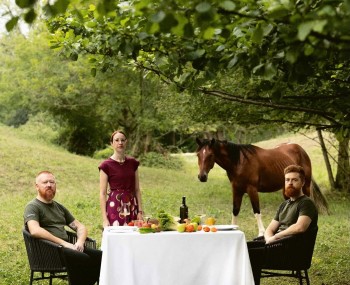
Two restaurants, one vision: from the contemporary Mediterranean cuisine of Acquolina to the rustic charm of Al Madrigale, a culinary journey connecting Rome to Tivoli.
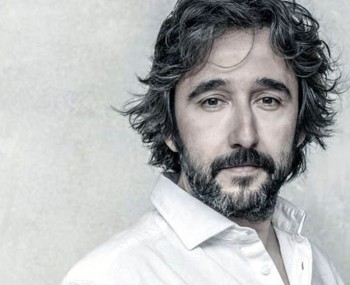
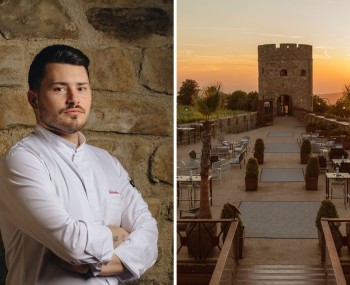
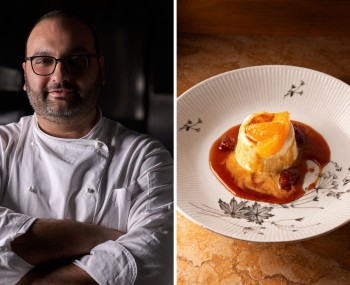
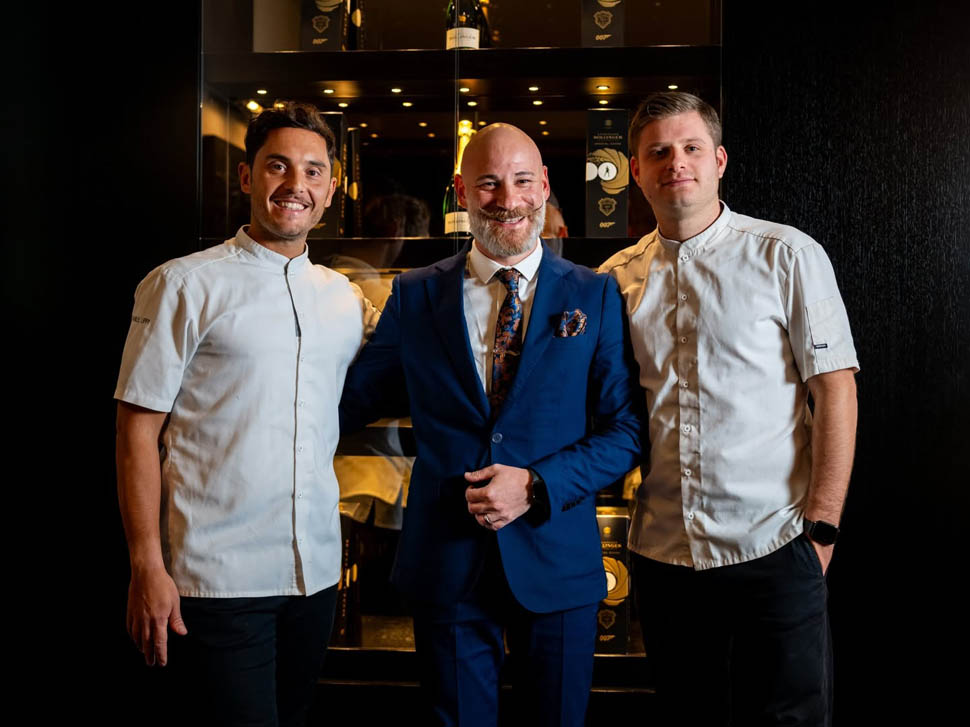
Rome to Tivoli, just thirty kilometers. And yet, in between lies a whole journey. A culinary itinerary that crosses the Mediterranean, skirts Turkey, winds through the mountains traversed by shepherds, and arrives in the countryside of the most authentic Lazio. No suitcases needed: just take a seat at the table. On one side is Acquolina, a two-Michelin-star restaurant in the heart of Rome—inside The First Roma Arte—the older sister of Acquaroof Terrazza Molinari. On the other is Al Madrigale, the new restaurant in Tivoli that in just a few months has earned a Michelin star and the “Opening of the Year” award. Two seemingly different restaurants, yet united by a shared vision, the same ownership, and above all, a common cultural philosophy of cuisine. Serving as a bridge between these two establishments are Daniele Lippi, chef at Acquolina; Gian Marco Bianchi, chef at Al Madrigale; Benito Cascone, the hotel’s director of dining; and Andrea La Caita, a Tivoli-based entrepreneur who conceived and made this dialogue between Rome and Tivoli possible.
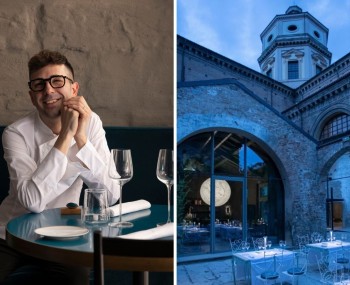
“The idea was to create a sort of gastronomic journey through Lazio,” says Benito Cascone. “Starting with the Mediterranean cuisine of Acquolina and ending with the rural, pastoral fare of Al Madrigale. Two parallel projects that speak the same language while telling the stories of different worlds.” At the center is, in fact, the figure of Andrea La Caita, already a leading figure in Tivoli’s restaurant scene with Li Somari. It was he who took a chance on Tivoli, envisioning it as a gastronomic destination capable of attracting travelers and lovers of haute cuisine. “Andrea had a very specific vision,” explains Daniele Lippi. “To bring a Michelin star back to Tivoli and build something deeply rooted in the local area.” Thus was born Al Madrigale, which today represents the natural continuation of a journey that began in Rome.
Acquolina: The Mediterranean as Identity
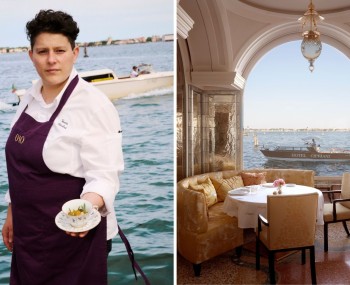
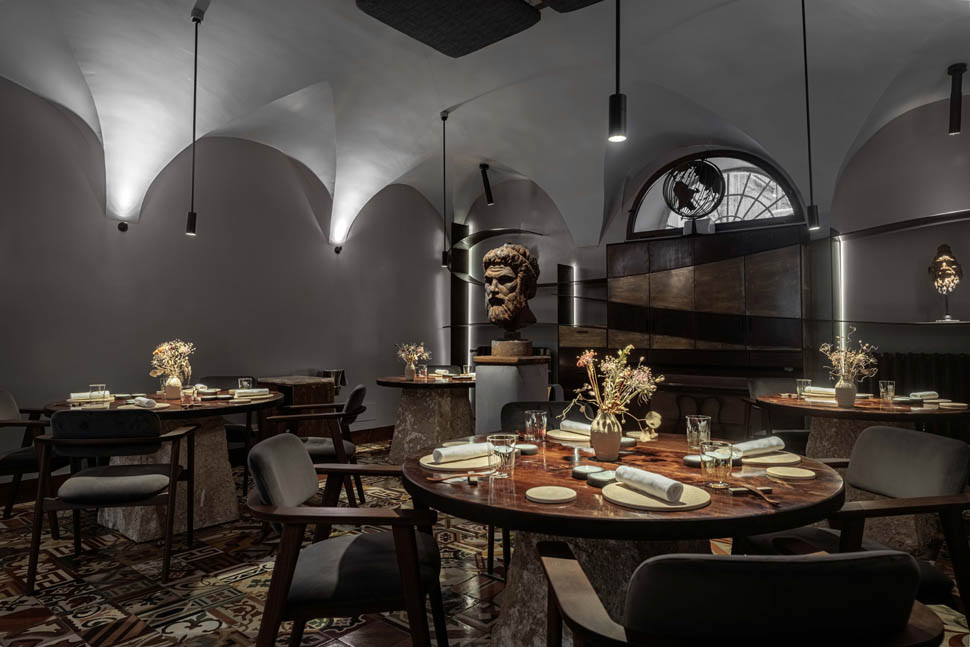
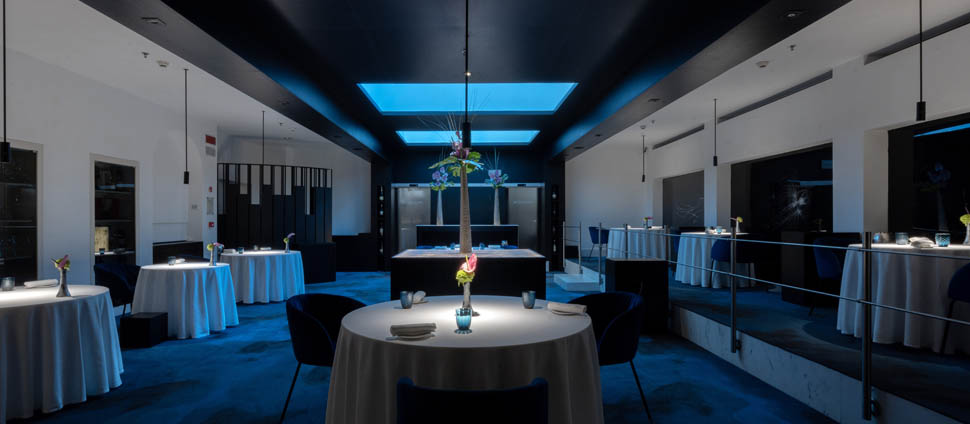
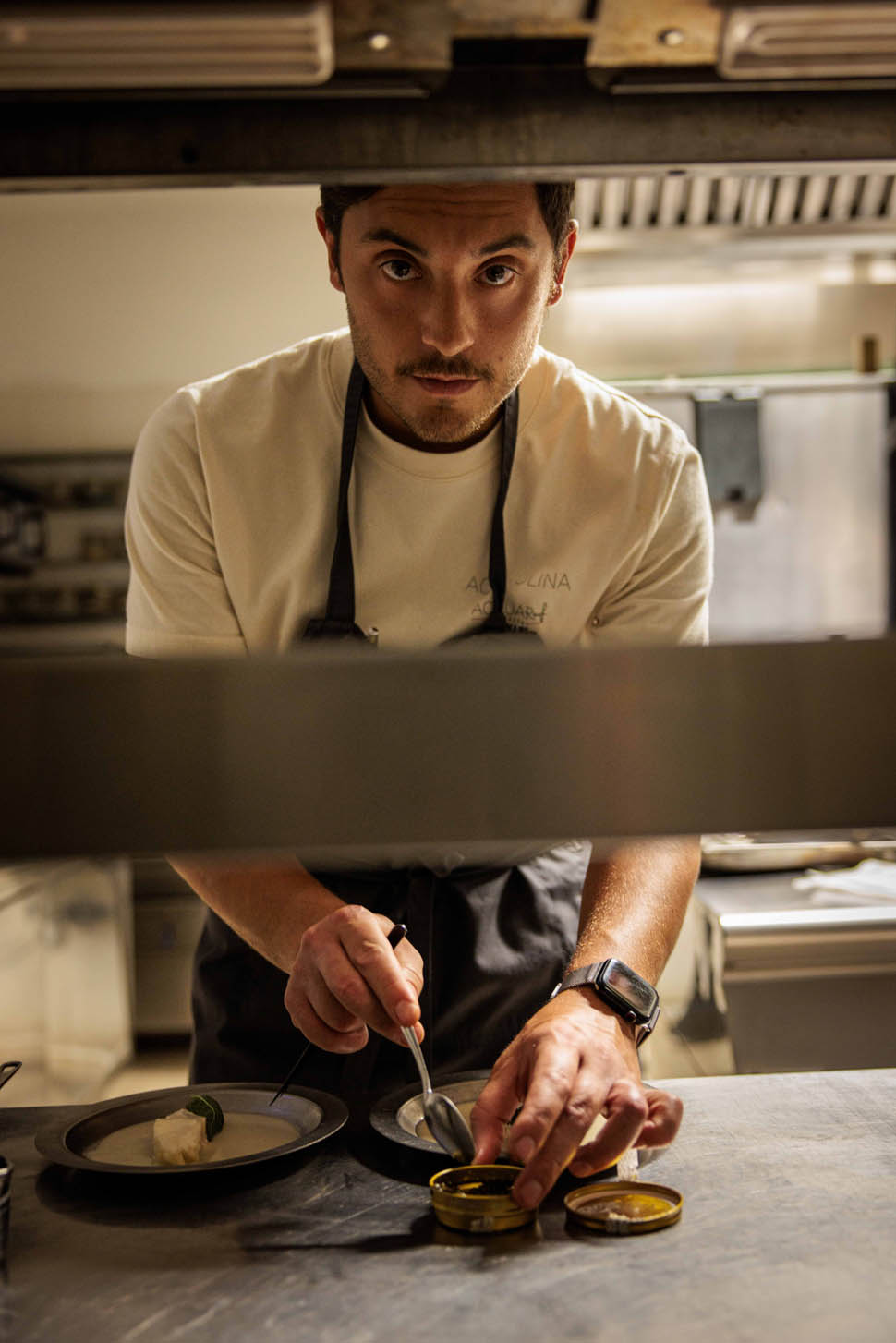
All roads lead to Rome, so the first stop has to be Acquolina, located within The First Roma Arte, just a short walk from Piazza del Popolo. Here, over the past few years, Daniele Lippi has built one of the most distinctive kitchens on the Italian culinary scene. “Right after Covid, we felt the need to give the project an even clearer direction,” says the chef. “Our cuisine isn’t Mediterranean in the sense of a culinary style. It’s Mediterranean because all the ingredients come from the Mediterranean basin: Spain, Greece, Morocco, Turkey, the Levant, Italy. It’s the product that drives the story.” A choice that also stems from his personal history. “When I arrived at Acquolina in 2019, it was a seafood restaurant. I tried to respect that focus, but deep down, I also felt the pull of the inland. I’m from Umbria, and I felt the need to bring that part of my identity into the kitchen. That’s where this ongoing dialogue between sea and land began. It’s the same dialogue that now leads me to oversee the project for the new rural kitchen, Al Madrigale.”
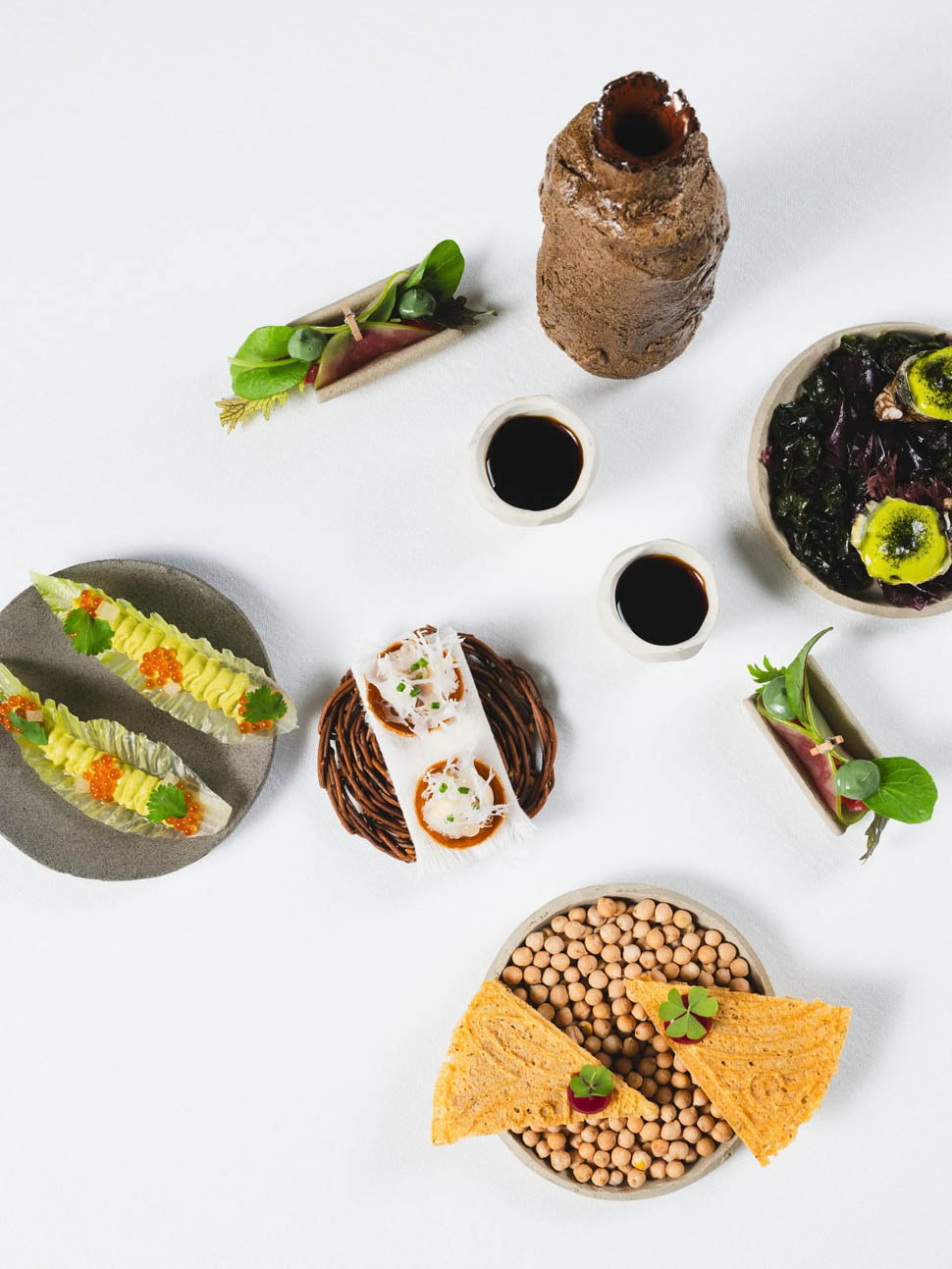
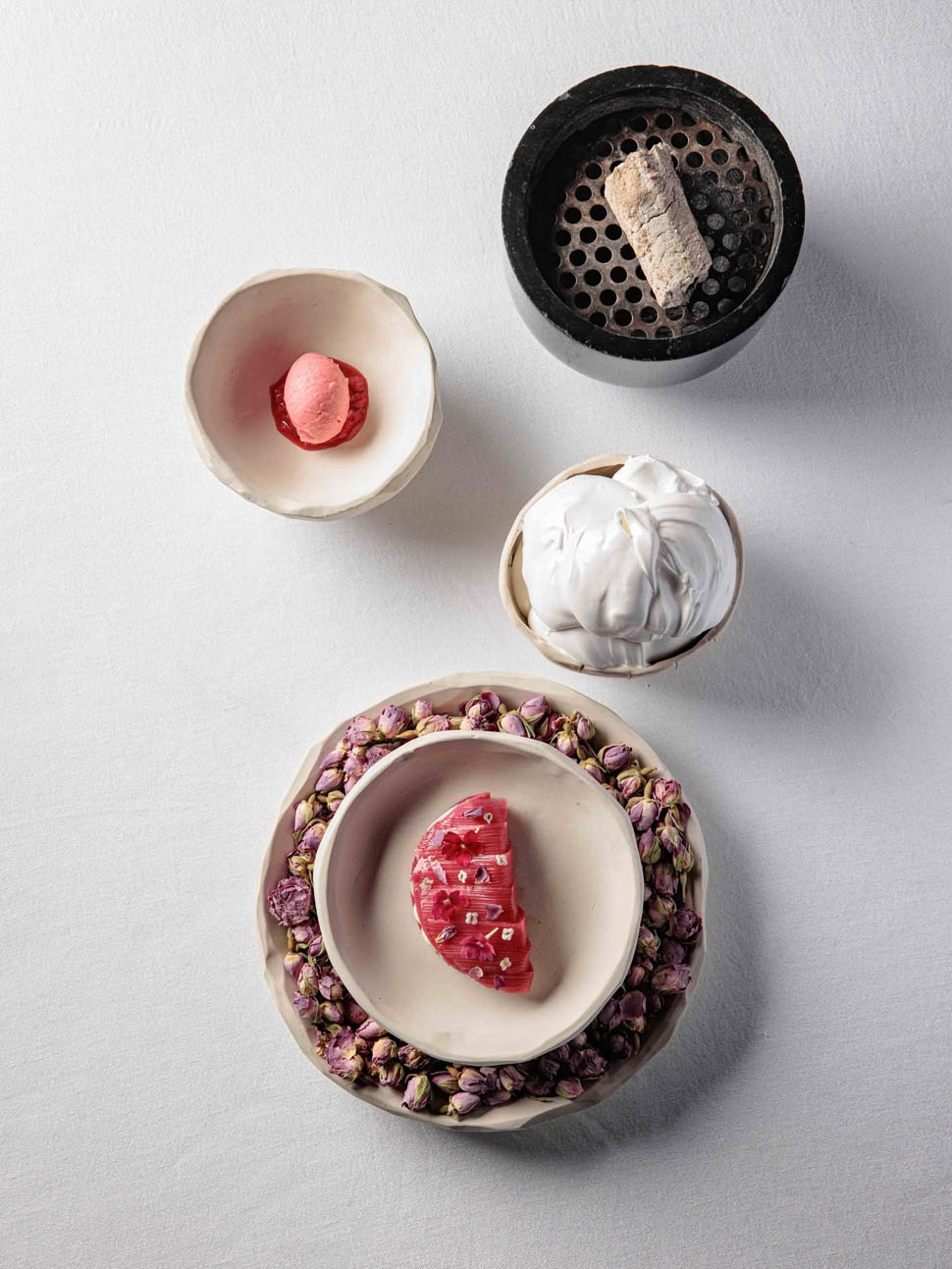
Lippi’s cuisine, in fact, spans different cultures and regions without losing its coherence. The potato focaccia, steamed and then grilled, is served with labneh spiced with za’atar and basil caviar rehydrated in tomato water. The Spanish gilda is reinterpreted with smoked and marinated mackerel, green pepper carpaccio, and pickled green pepper extract. The veal sweetbread blends French technique with Moroccan fermented lemons and an aioli sauce whipped with mantis shrimp. Then comes the cuttlefish kebab, perhaps the dish that best encapsulates Acquolina’s philosophy. “Usually, kebab is meat,” explains Lippi. “Here, it becomes cuttlefish. We alternate it with a paper-thin slice of lard, marinate it in fermented legumes, and grill it. It’s a dish that perfectly captures our approach.” The sensation is that of crossing the Mediterranean while sitting with a menu in hand that becomes a geographical and cultural narrative. But, above all, the sensation is of witnessing an interplay between sea and land that is then reflected in an interplay between Acquolina and Al Madrigale.
The Second Star and the Focus on the Customer
Four years after earning his second Michelin star, however, Daniele Lippi has a clear understanding of what truly matters. “I don’t want to brag, but paradoxically, I’d rather lose a star than lose the desire to create. You can earn a star back, but once enthusiasm is gone, it never returns.” And what made the difference in his enthusiasm was the journey he shared with Benito Cascone. “Daniele arrived here very young,” says Benito himself. “We grew up together. Our strength has always been the same: working for the customer and not for ourselves. Today you still hear chefs say: this is my cuisine; if the customer doesn’t like it, they can go elsewhere. For me, that’s the wrong mindset. A restaurant is first and foremost a business that must be sustainable. And to be that, you have to satisfy people.”
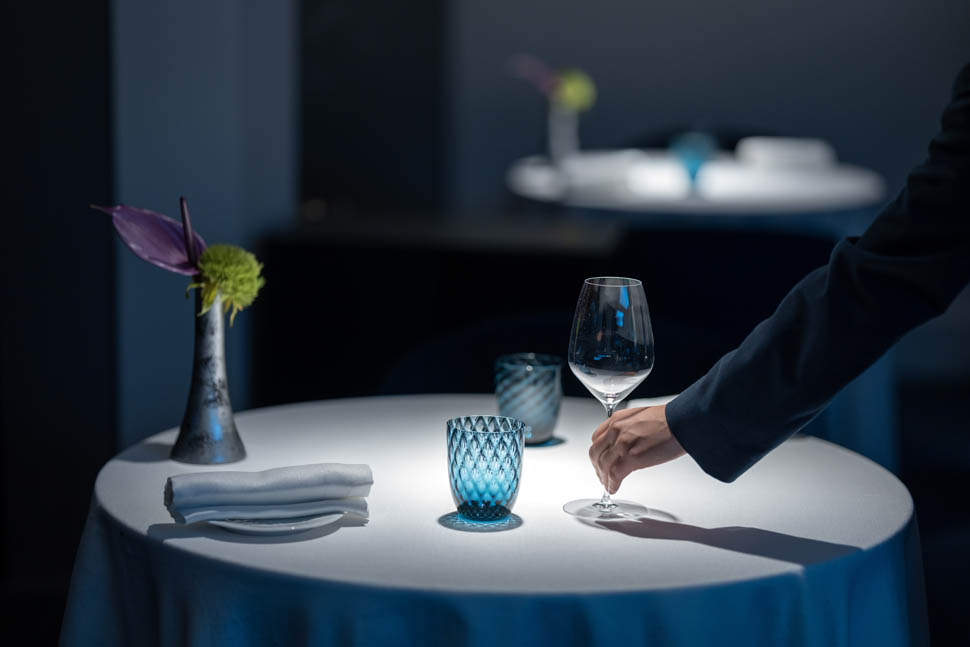
According to Cascone, it is precisely this approach that has taken Acquolina to the very top. “Michelin inspectors are, first and foremost, customers. If they have a good experience, they give a high rating. We have never asked customers to adapt to us. We are the ones who have adapted to their needs”. It is also clear that Acquolina’s philosophy extends to the dining room and the wine cellar. Cascone can indeed be considered a true wine talent scout, focusing his search on independent producers, off-the-beaten-path regions, and native grape varieties. “If the cuisine tells the story of the Mediterranean, so must the wine. That’s why we exclusively use wines from Mediterranean regions for our pairings. We seek out distinctive labels—often unknown to the general public—that have a story to tell.” Over the years, this approach has transformed wine pairing into a natural extension of Lippi’s cuisine.
The Mediterranean Route Makes a Stop in Tivoli
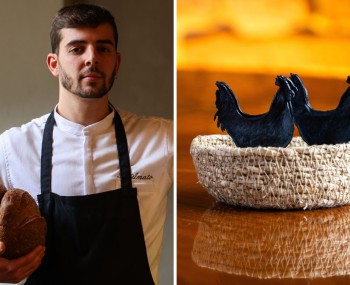
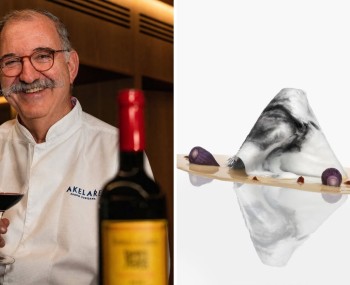
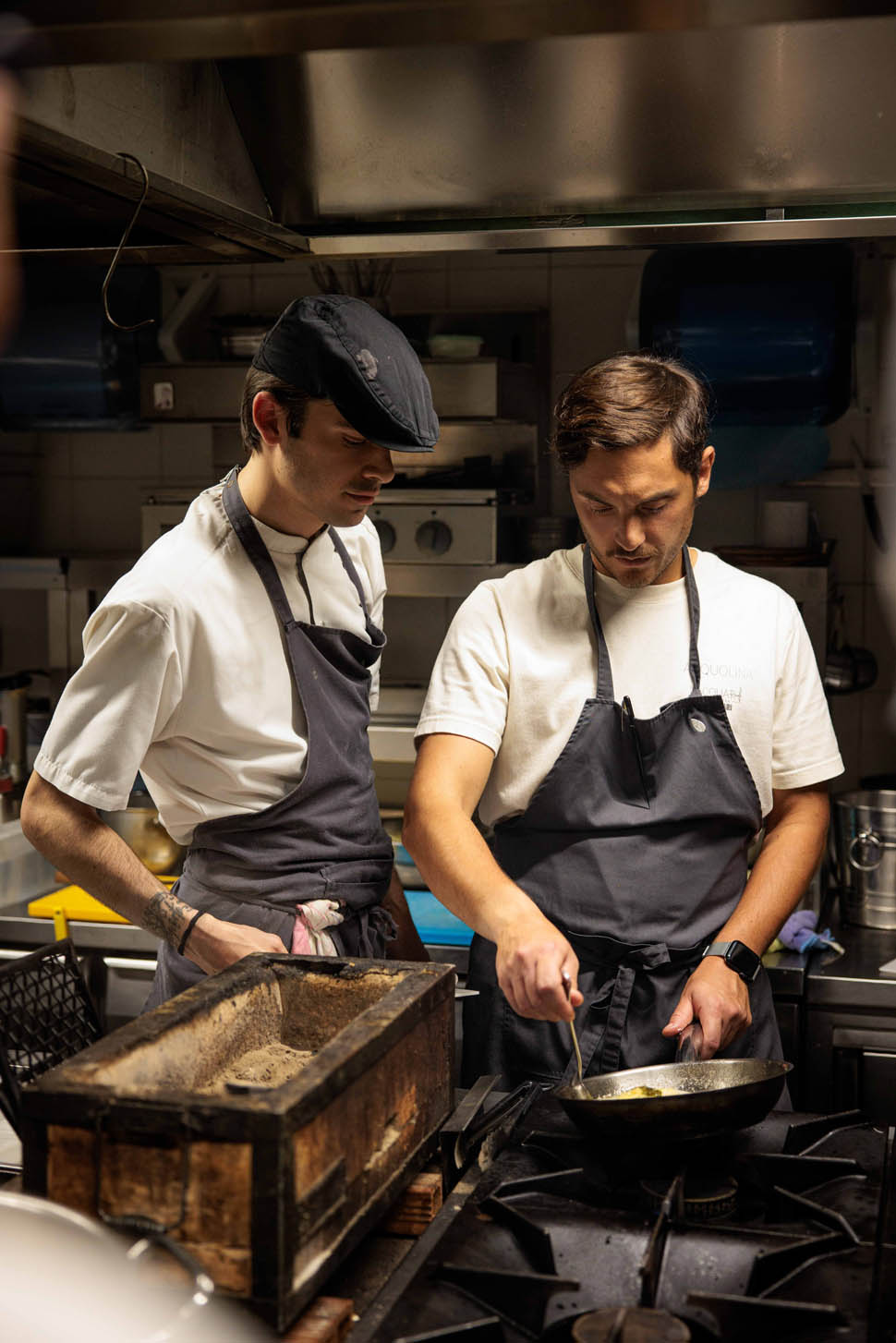
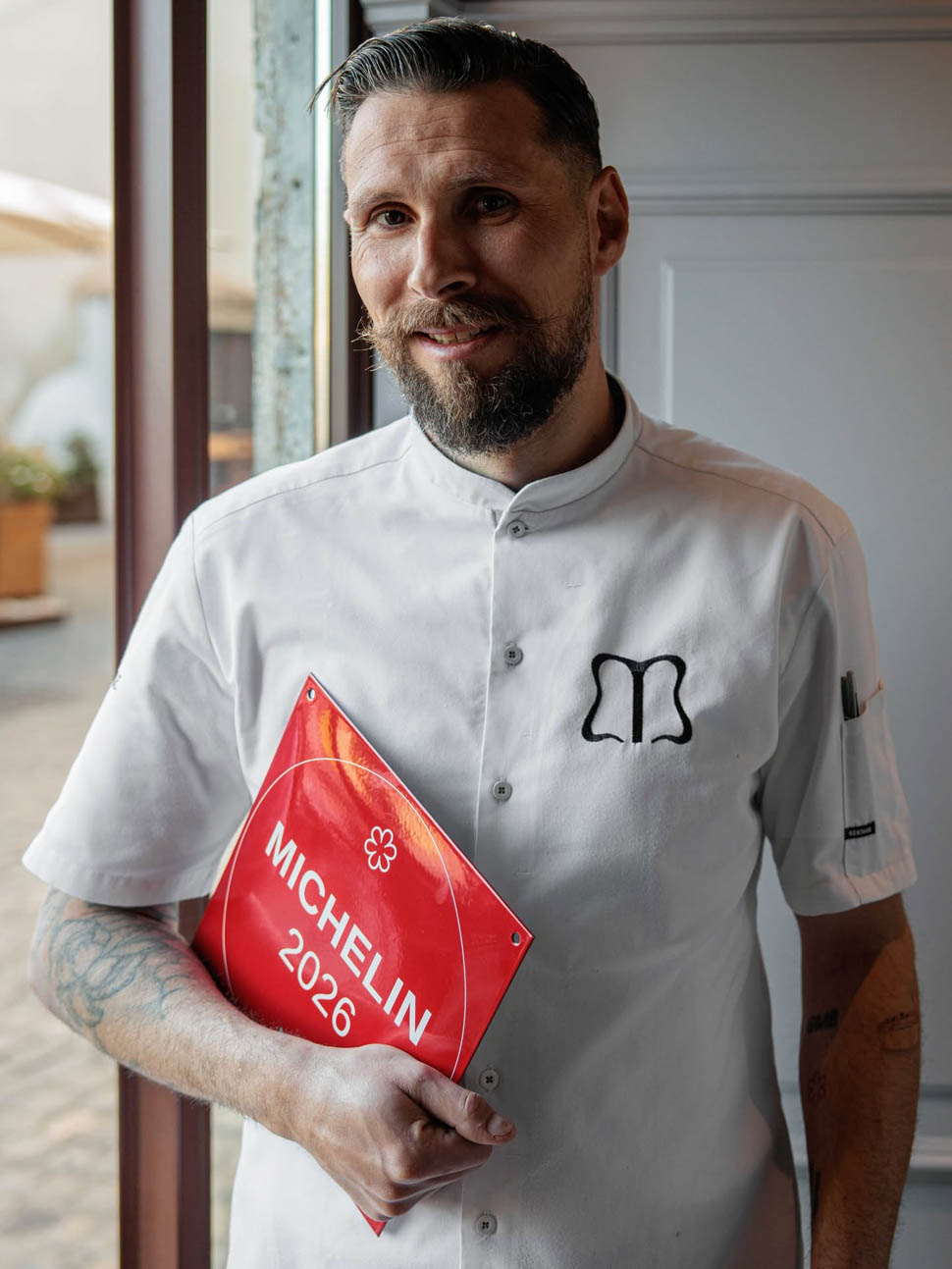
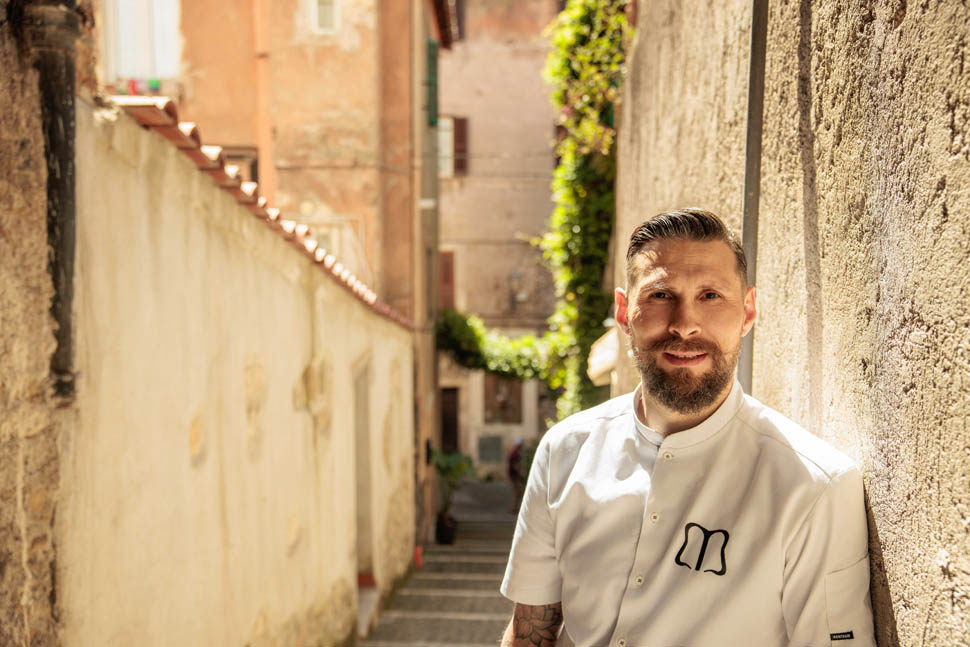
Leaving Rome behind, the journey continues toward Tivoli. Here, the Mediterranean of trade routes gives way to the Mediterranean of the countryside. This is the world of Al Madrigale. A project born from the vision of Andrea La Caita—already making his mark with Li Somari—to restore the city’s central role in Italian gastronomy. “Tivoli has an enormous historical and cultural heritage,” says Gian Marco Bianchi. The chef, born in 1985, arrived at haute cuisine after a path that was anything but straightforward. First soccer, then law school. “My mother wanted me to be a notary,” he says with a smile. “But I spent my time cooking instead. At first, I didn’t even know what the Michelin Guide was. I simply enjoyed being in the kitchen.” After international experiences in Oslo, Chicago, New York, Paris, and Switzerland, the call from Tivoli came. “I’ve known Daniele for almost fifteen years. When Al Madrigale opened, they thought of me because I was already part of the Acquolina team and because I’m from the area. I immediately felt at home.”
The New Rural Cuisine
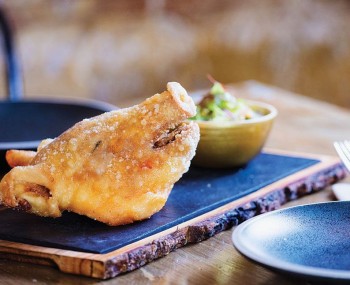
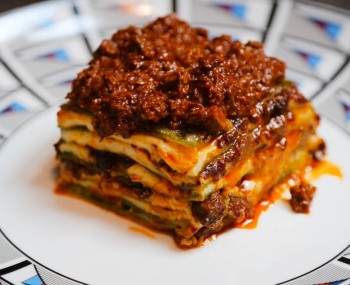
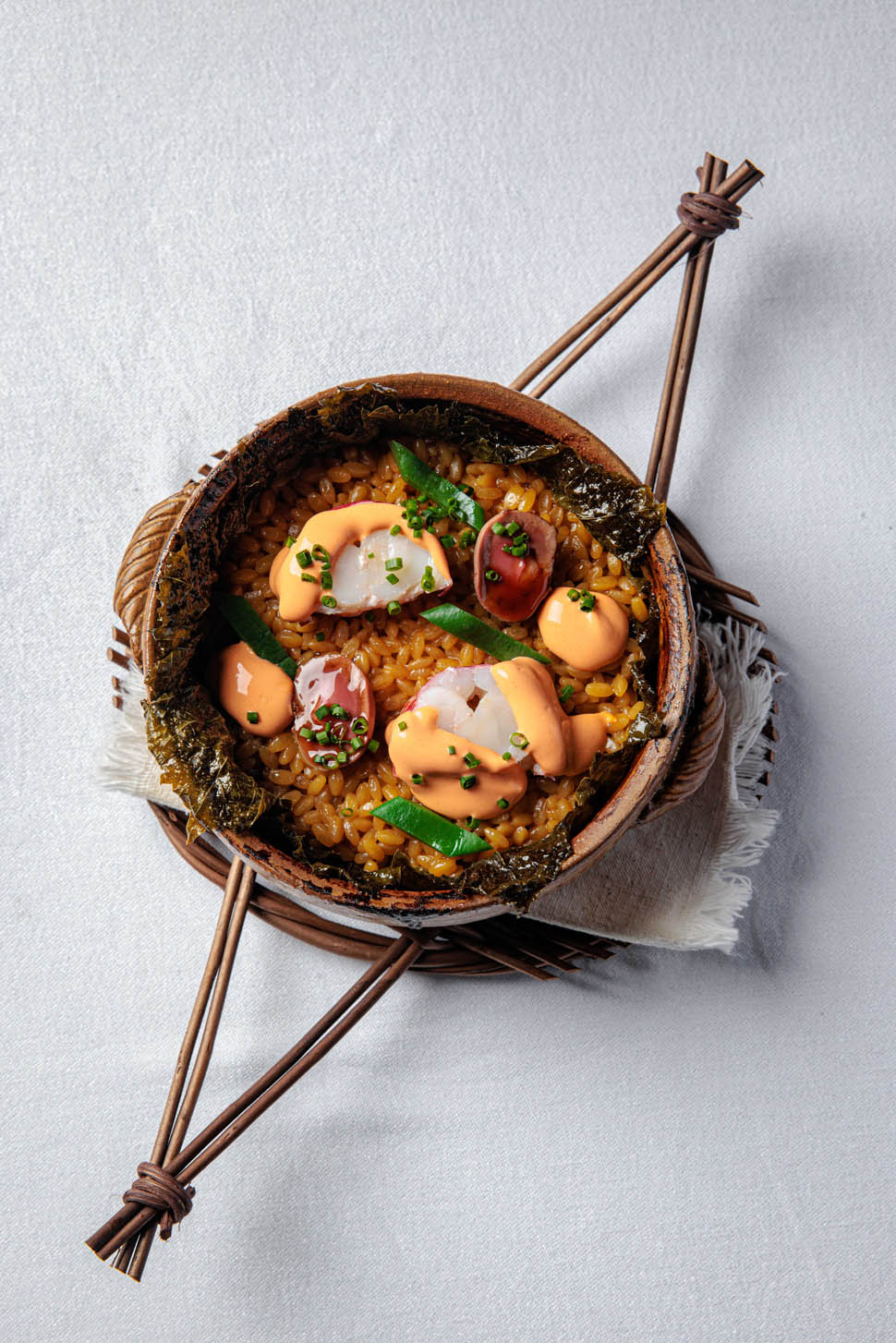
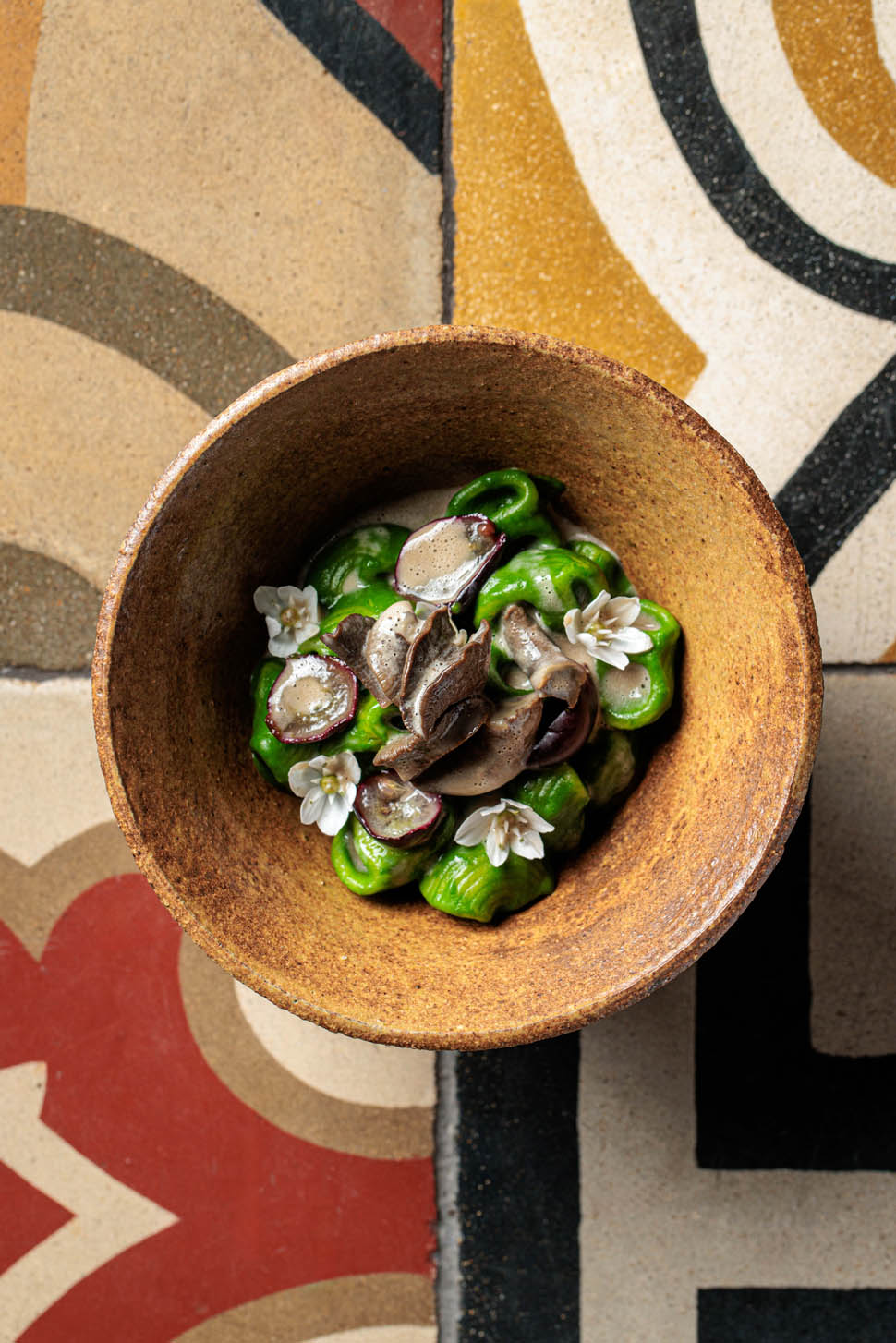
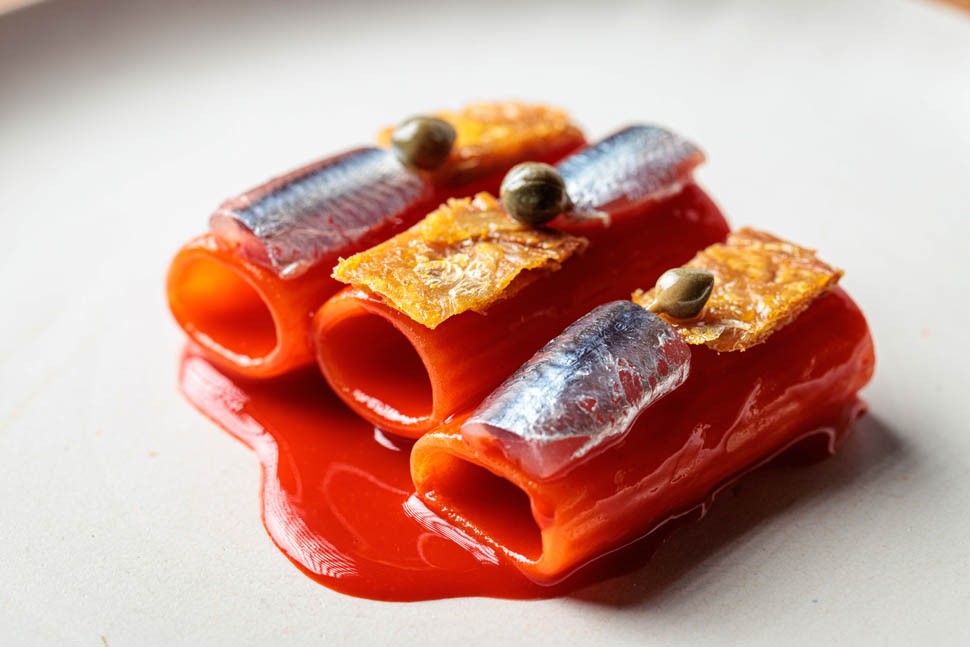
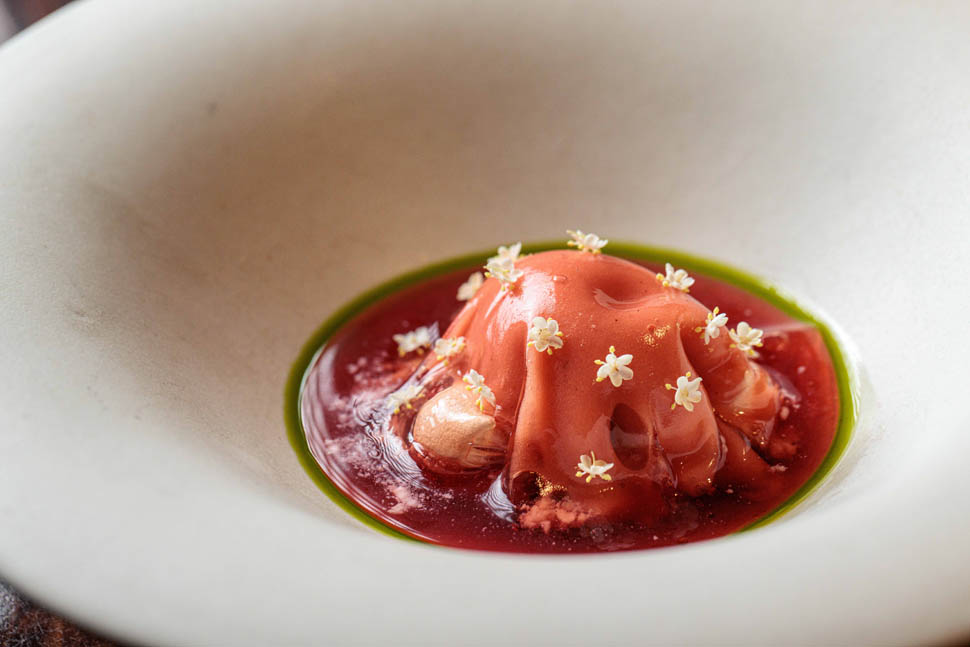
While Acquolina tells the story of the Mediterranean through culinary fusion, Al Madrigale tells the story of the land. “We create contemporary rural cuisine,” explains Bianchi. “Everything that isn’t urban. Transhumance, rural heritage, humble ingredients. It’s not nostalgia; it’s identity.” This gives rise to dishes that reinterpret the culinary heritage of central Italy. The Rigatone with chicken and peppers, now one of the restaurant’s signature dishes, revives the use of lard as a staple fat in traditional cooking. “We make it with chicken skin flavored with lots of herbs and spices,” he says. “It’s probably the dish that best represents me today.”Then there’s sweetbreads with lupini beans and elderflower. “Many customers come in saying they don’t like sweetbreads. Then they taste it and change their minds.”
The question is inevitable. How much of Acquolina is there in Al Madrigale?
“A lot and very little at the same time,” he replies. “Daniele is one of the strongest chefs we have in Italy. For me, he’s a constant source of inspiration. We often discuss dishes; he oversees everything, but at the core there’s a strong mutual trust, born of the many years we’ve spent together. But I want to emphasize that what unites the two projects isn’t the cuisine. It’s the values. Identity, innovation, and the relationship with the local area and the customer.” The difference lies in the perspective. And Rome, once a symbol of the heart of the Mediterranean, is today a symbol and a reminder of a cuisine that slowly makes its way from the sea into the inland regions. Two complementary perspectives that ultimately tell the story of the same region through a new gastronomic journey through Lazio. And the achievement of a Michelin star in just eight months, along with the Opening of the Year award, have confirmed the project’s success.
“It happened, and it changed our lives. Above all, we were rewarded for our consistency, because Al Madrigale has remained true to its identity from day one.” Today, Rome and Tivoli represent two stops along a single journey. It begins with the Mediterranean coast as envisioned by Daniele Lippi at Acquolina. It winds through Greece, the Levant, Morocco, and Turkey. Then we head inland toward Lazio, among flocks, pastures, and rural traditions. Andrea La Caita’s vision has become a reality: transforming the region into a gastronomic destination, building a bridge between one of Europe’s great capitals and a city rich in history like Tivoli. Michelin stars, awards, and accolades tell only part of the story. The other part is what you find in the dishes. In the Mediterranean envisioned by Daniele Lippi, without losing touch with Italy. In the rustic cuisine of Gian Marco Bianchi, which restores contemporary dignity to ingredients and traditions often considered minor. In Benito Cascone’s ability to transform hospitality into a storytelling tool. And in the vision of Andrea La Caita, who believed in the possibility of making Tivoli a gastronomic destination. Acquolina and Al Madrigale seem to want to clearly convey who they are. And that is probably why the journey between Rome and Tivoli does not feel like the sum of two different experiences, but rather a single gastronomic journey that continues well beyond the last bite.
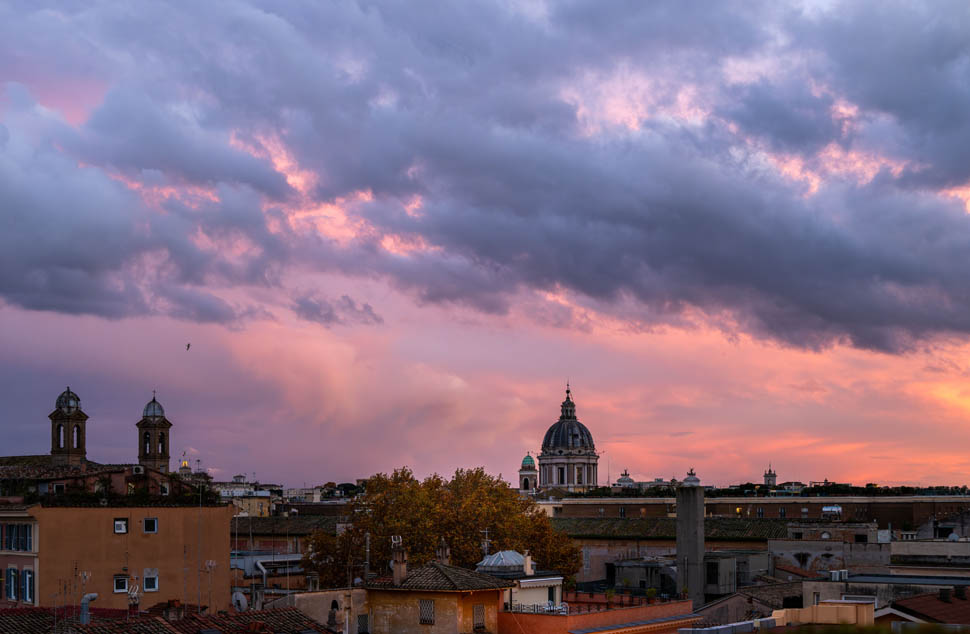
The First Roma Arte
Via del Vantaggio 14, Rome;
Tel. +39 06 3201590;
Al Madrigale
Via Ponte Gregoriano, 1, 00019 Tivoli RM;
Phone: 0774 011261;