For the past ten years, the German chef has been challenging one of the most deeply entrenched boundaries in contemporary gastronomy, forging a path that refuses to separate the world of sweet from that of savory.
Photo by Claudia Goedke
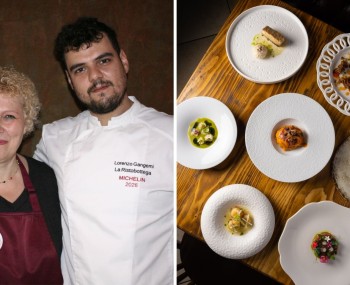
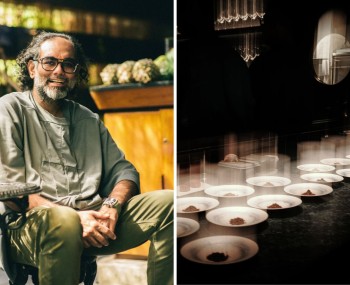
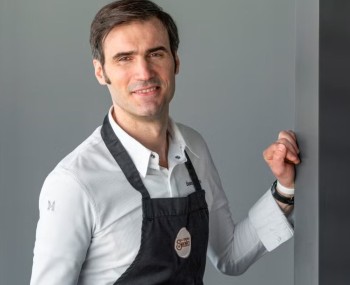
For many, dessert is still the final course of a dinner. For René Frank, however, it’s merely a convention—a vision that has transformed CODA, the two-Michelin-starred Berlin restaurant, into one of Europe’s most original culinary laboratories. The restaurant’s tenth anniversary thus provides an opportunity to look back on a project that, in 2016, seemed almost like a provocation and has since helped change the way many chefs view pastry. Not so much for the use of unusual techniques, but for the desire to do away with labels considered set in stone.
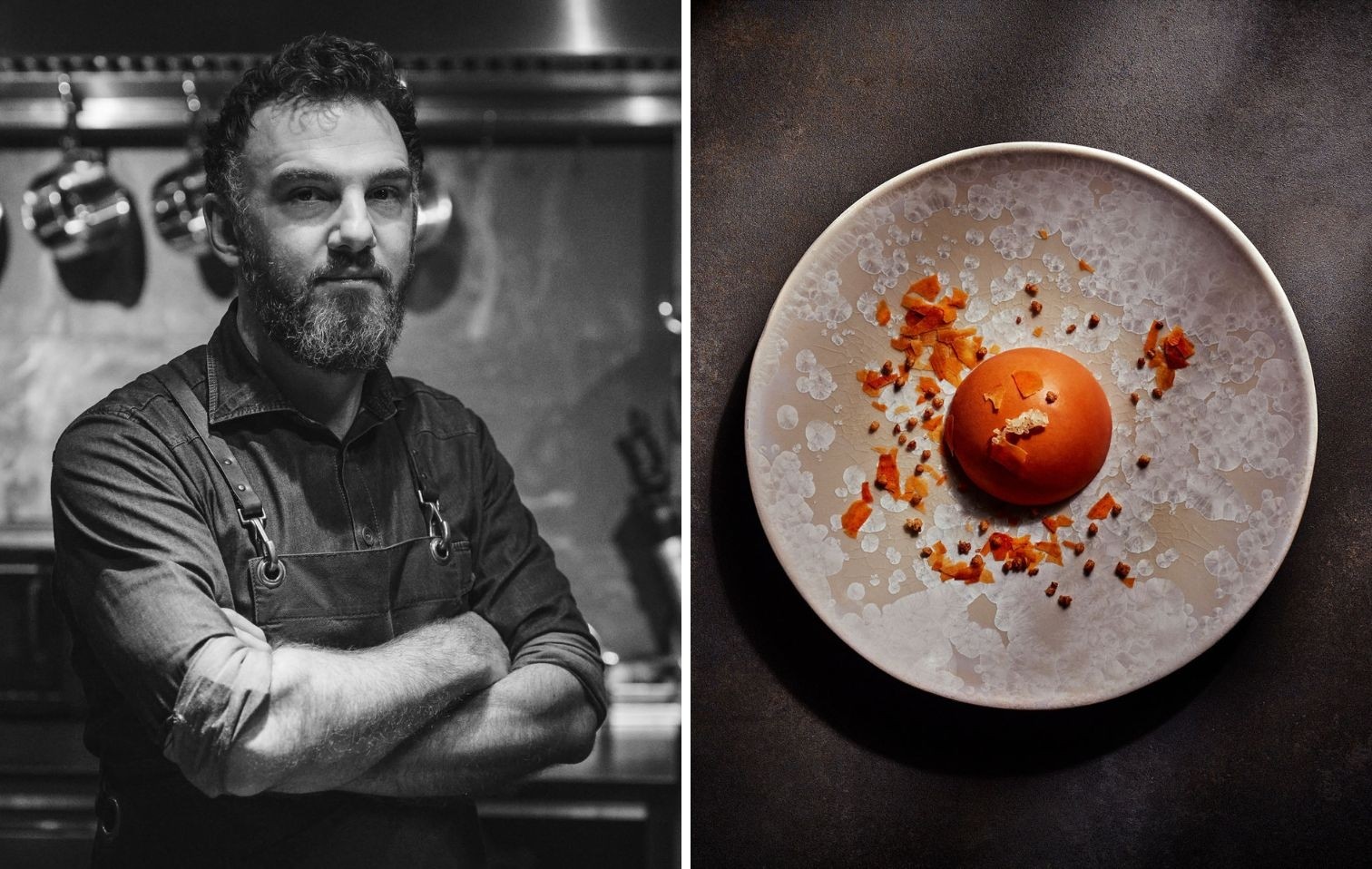
This is precisely the point, the chef explains to the Michelin Guide: “Today, CODA is known for a cuisine that deliberately rejects traditional classifications. The tendency to label a dish originates in our minds. It all depends on the point of view: do we consider it a dessert because of the techniques used, or, for example, a savory dish built around the tomato’s natural fruitiness? We want to demonstrate that a gastronomic experience can be exciting even without relying on pre-established categories.” This reflection goes beyond the individual dish and becomes the guiding thread of the entire menu.
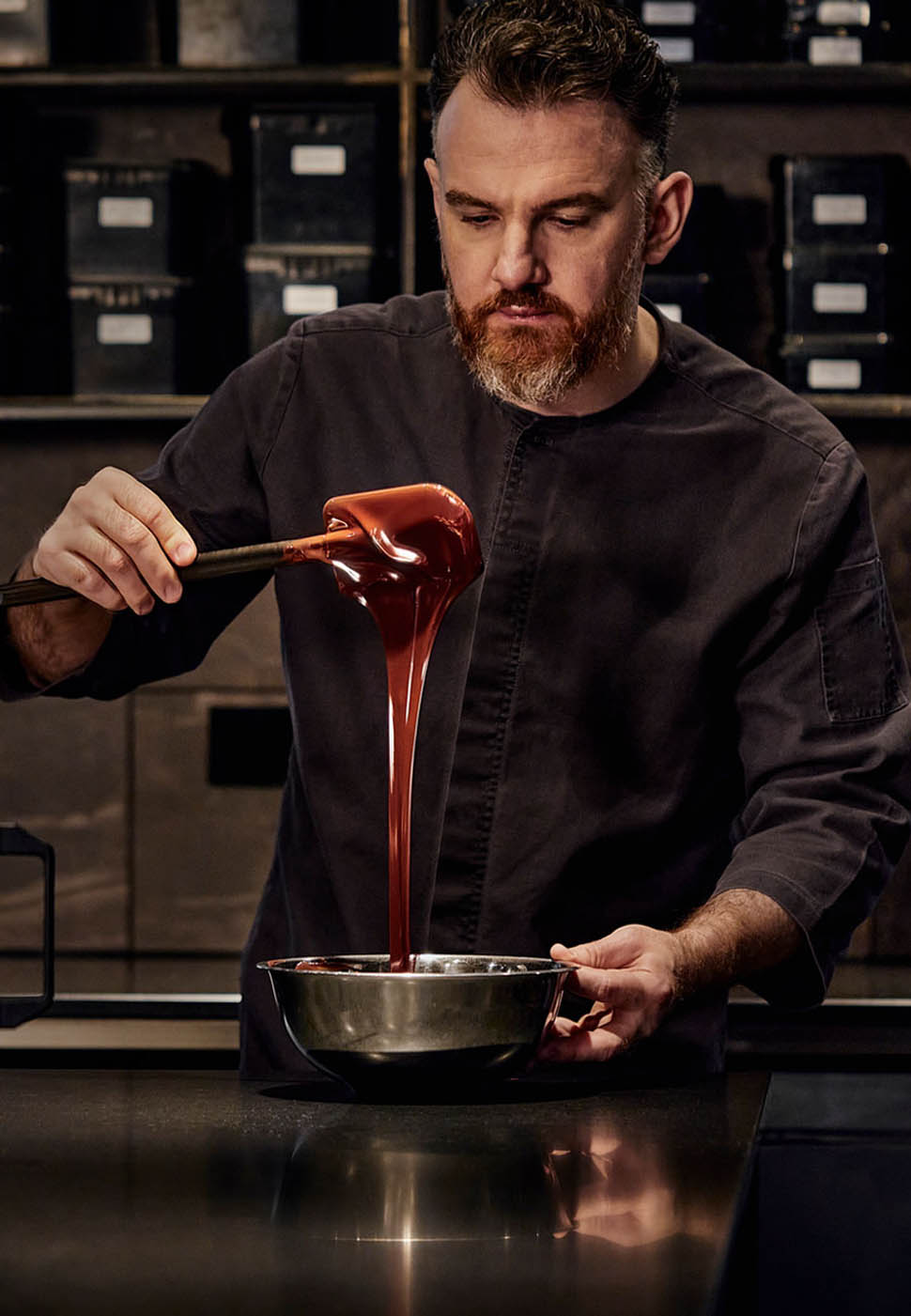
When CODA opened its doors in 2016, many tried to describe it asthe first restaurant dedicated to Michelin-starred desserts. A definition that Frank never really felt was his own. According to the chef, the revolutionary element was neither a specific dish nor a particular technique. “The truly unconventional aspect was having the courage to forge a completely independent path. Creating a project that challenged traditional categories and put something at the center that had received far less attention up to that point required conviction, perseverance, and people willing to share that vision, both within the kitchen team and among the project’s partners.” A consistency that, in his view, remains a rarity in international haute cuisine to this day.
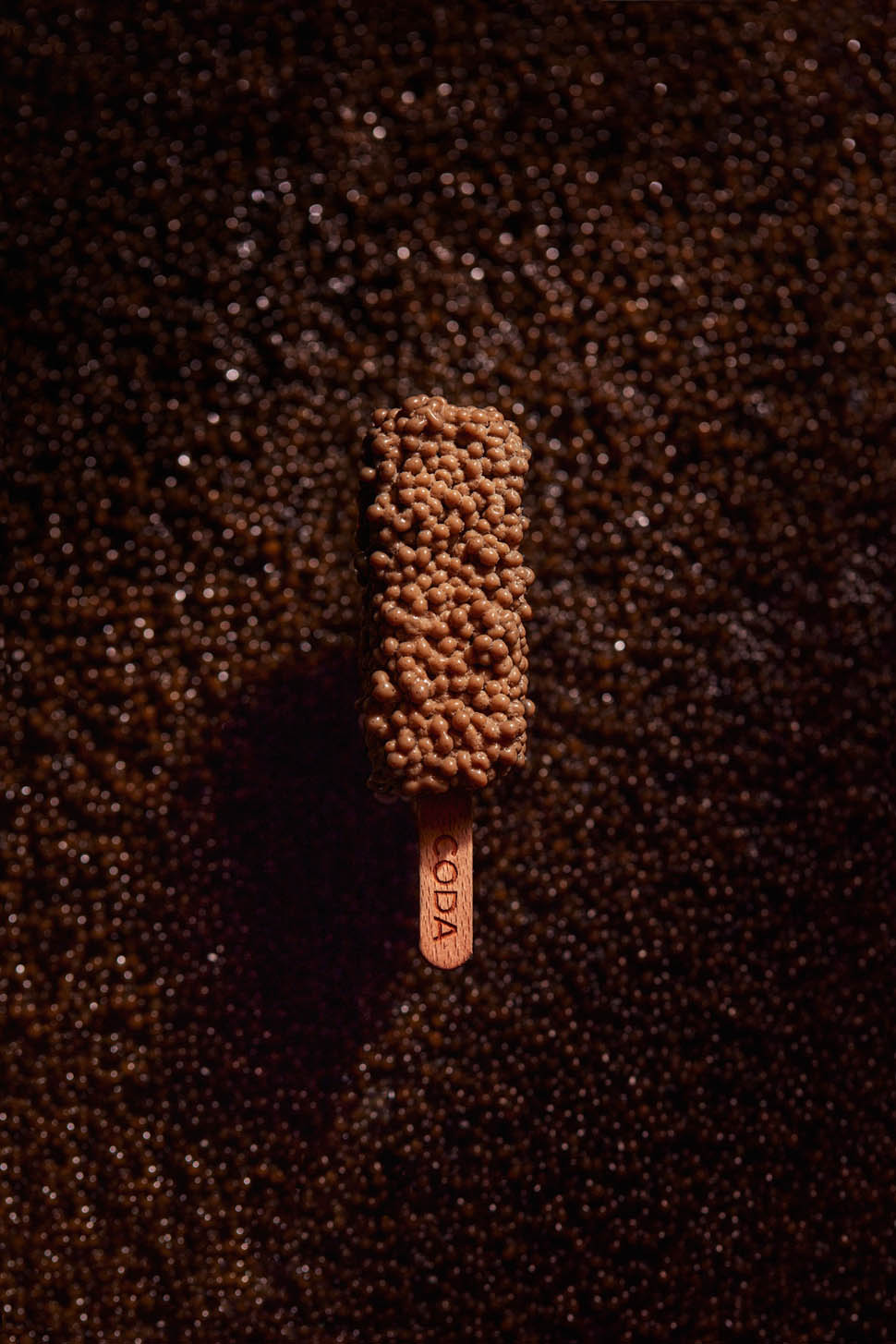
Beyond Dessert as We Know It
In recent years, more and more restaurants have begun using pastry techniques in savory dishes as well. Sorbets, ice cream, creams, and textures typical of the world of desserts now appear naturally on tasting menus. Frank, however, invites us to look at the phenomenon from a different perspective. “Serving ice cream as an appetizer or offering a savory crème brûlée is nothing new. It’s been happening for over twenty-five years. The most interesting change is that we’ve stopped viewing dessert as something that must necessarily be sweet.”
To explain this idea, he even draws on the history of gastronomy. The term “dessert,” he notes, derives from the French desservir, meaning “to clear the table,” and has a history dating back some six hundred years. Refined sugar, on the other hand, only became widely available three centuries ago. “Historically, dessert wasn’t necessarily sweet. The automatic association between dessert and sugar is primarily a cultural convention.” This is another reason why CODA has chosen to minimize ingredients such as refined sugar and industrial gelatin, seeking new forms of balance through the natural characteristics of the ingredients.
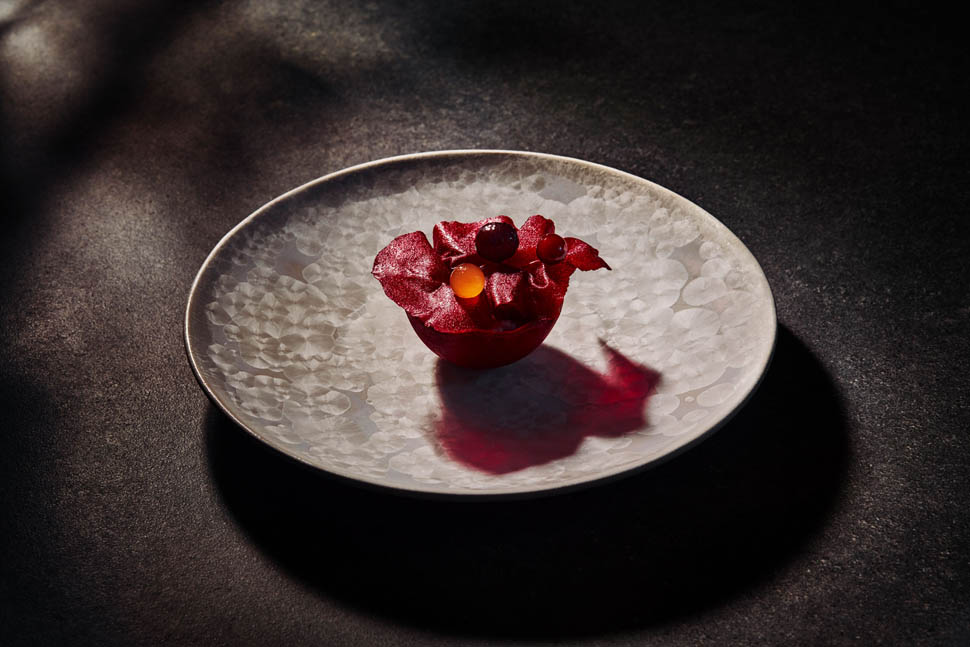
Looking ahead to the coming years, René Frank envisions a change that is less dramatic but is bound to have a profound impact on the way we eat. The key word, in his view, will be awareness. “I believe that topics such as clean eating and a more mindful approach to sugar will become increasingly important.” The chef notes that most people now have a highly developed sensitivity to salt. “No one wants a dish that’s too salty. With sugar, however, this awareness is often lacking. We consume far more sweetness than we actually need.”
For Frank, fine dining will inevitably have to adapt to this new sensibility. “Today, haute cuisine is still strongly tied to the idea of abundance and pleasure, and there’s nothing wrong with that. But if fine dining becomes less accessible—whether for economic or health-related reasons—it will have to become lighter, more digestible, and more focused on well-being, without sacrificing the depth of flavors.”
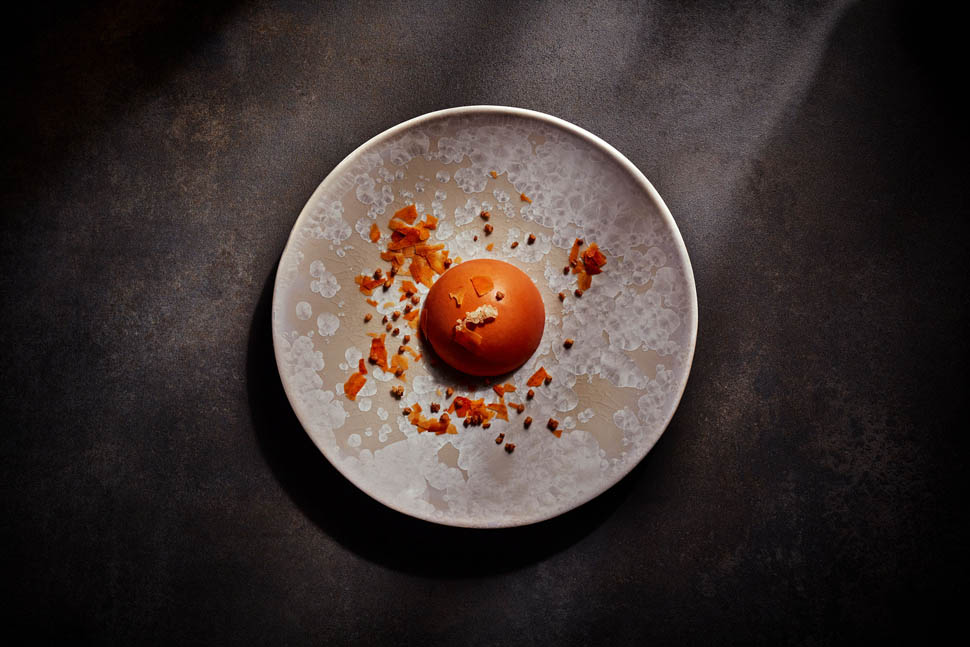
Ten years after opening, CODA continues to follow the same path it began in 2016. In the meantime, it has earned two Michelin stars—the first in 2019, the second just one year later—but René Frank’s goal seems to have remained the same: to convince the guest that, even before deciding whether a dish is sweet or savory, it’s worth letting it tell its own story.