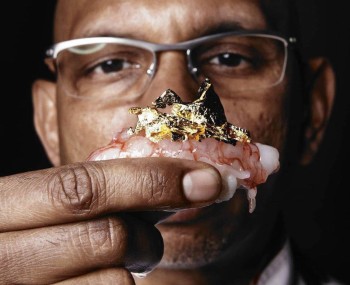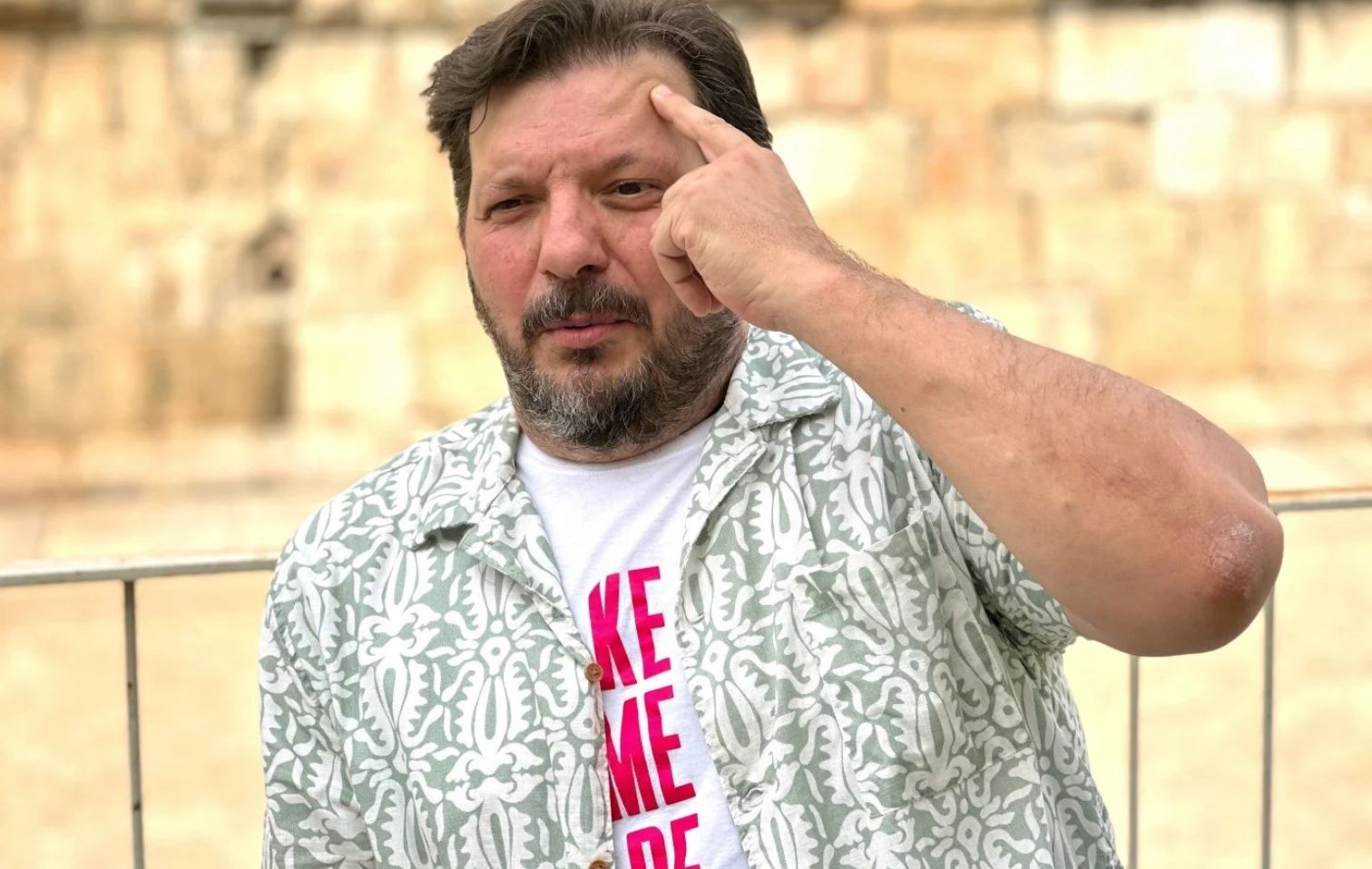
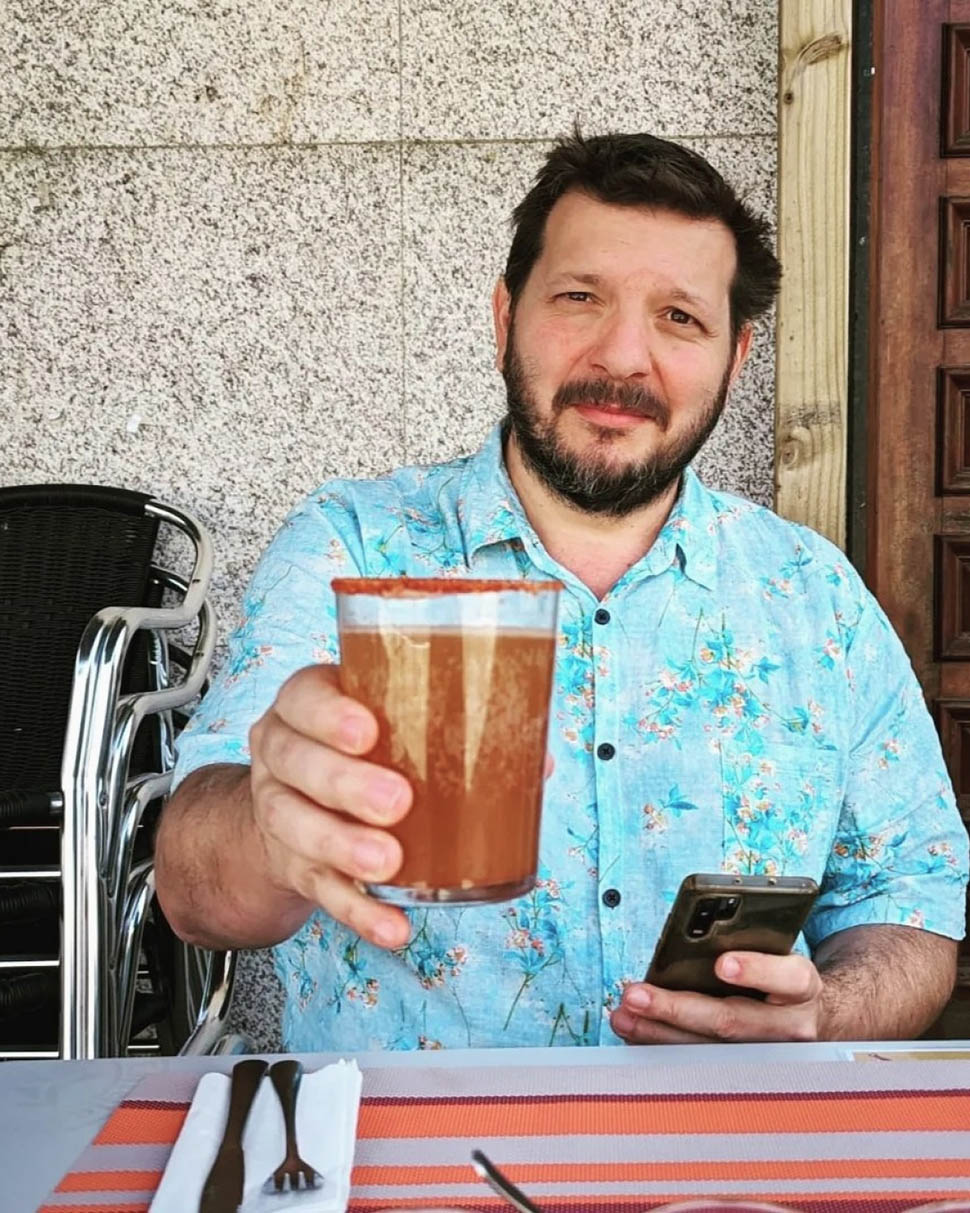
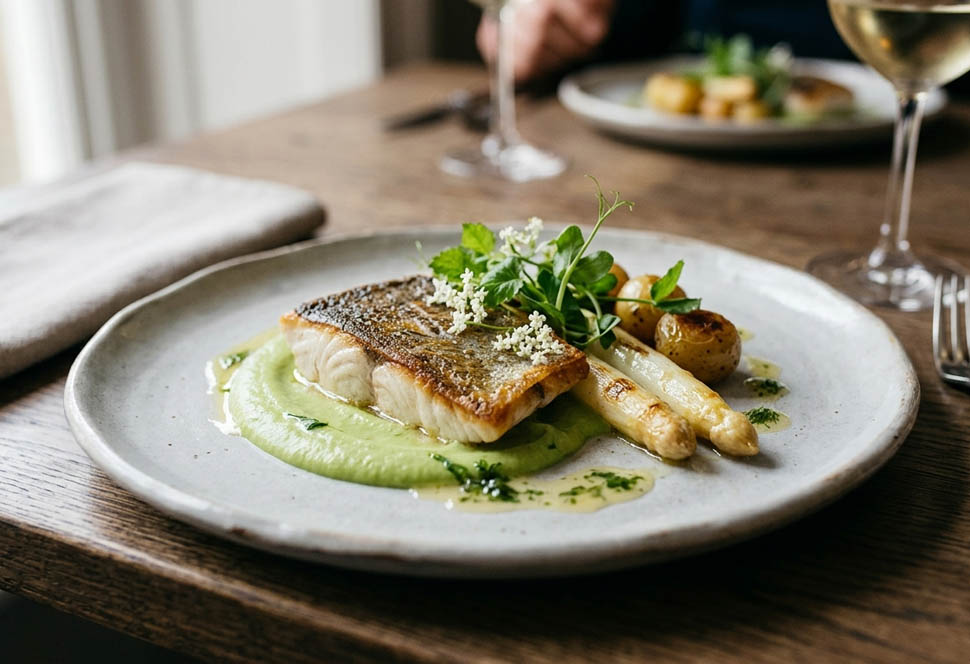
There’s a strange obsession that dominates dining tables today: before tasting a dish, we have to take a picture of it. In an era where food is designed to look good on a smartphone screen, cooking seems to have lost its primary function. A dish is no longer expected to nourish or comfort, but to look perfect in the endless stream of social media. It is this fetishization of aesthetics that Jorge Guitián, art historian and food critic, rails against in his book Eating with Your Eyes: A Journey Through Art via Gastronomy.
His position is clear, almost a breath of fresh air: a great chef’s cuisine can reach extraordinary levels of creativity, but it will never be a work of art. And there’s nothing wrong with that. “The dishes of great chefs are not works of art, but simply expressions of creativity,” explains Guitián in an interview with El País. “This doesn’t diminish their value: many chefs have found deep inspiration in the visual arts. But let’s stick to the facts: a dish serves a different purpose.” To counter the haste and superficiality of “snack photography” on Instagram, the historian invites us to take a step back and look at the paintings of the past.
Recalling critic John Berger’s famous insight—that “looking is a political act”—Guitián demonstrates how food has always been a true mirror of society. In 17th-century still lifes or period portraits—from Caravaggio to Clara Peeters, from Luis Meléndez to Francisco Sancha—an orange peel left on the table, a half-full glass, or the weary face of a cook are not mere decorations. They are fragments of real life. They tell us about the commerce of the time, social differences, village festivals, and everyday life. It is precisely in those Baroque still lifes, the author argues, that the first seeds of modern cuisine lie, long before awards and rankings came along.
The book explores these concepts with great ease, weaving together different disciplines in a completely natural way. To explain the dramatic tension in Marsden Hartley’s *The Last Supper of the Fishermen*, Guitián cites the film *The Perfect Storm*; to immerse oneself in the atmosphere of a painting by George Grosz, he suggests listening to Tom Waits; and to help us understand street life in the early 20th century, he begins with a painting depicting the preparation of churros in Andalusia. There’s also room for the rediscovery of forgotten figures, such as the Portuguese painter Josefa de Óbidos, a pioneer of her time. Ultimately, Guitián’s message is an invitation to slow down. A museum, just like a good meal, should be a peaceful place where one can pause and observe without prejudice. Taking food off the artificial pedestal of social media doesn’t mean diminishing it: it means restoring its most authentic value, which is rooted in sharing, history, and memory.
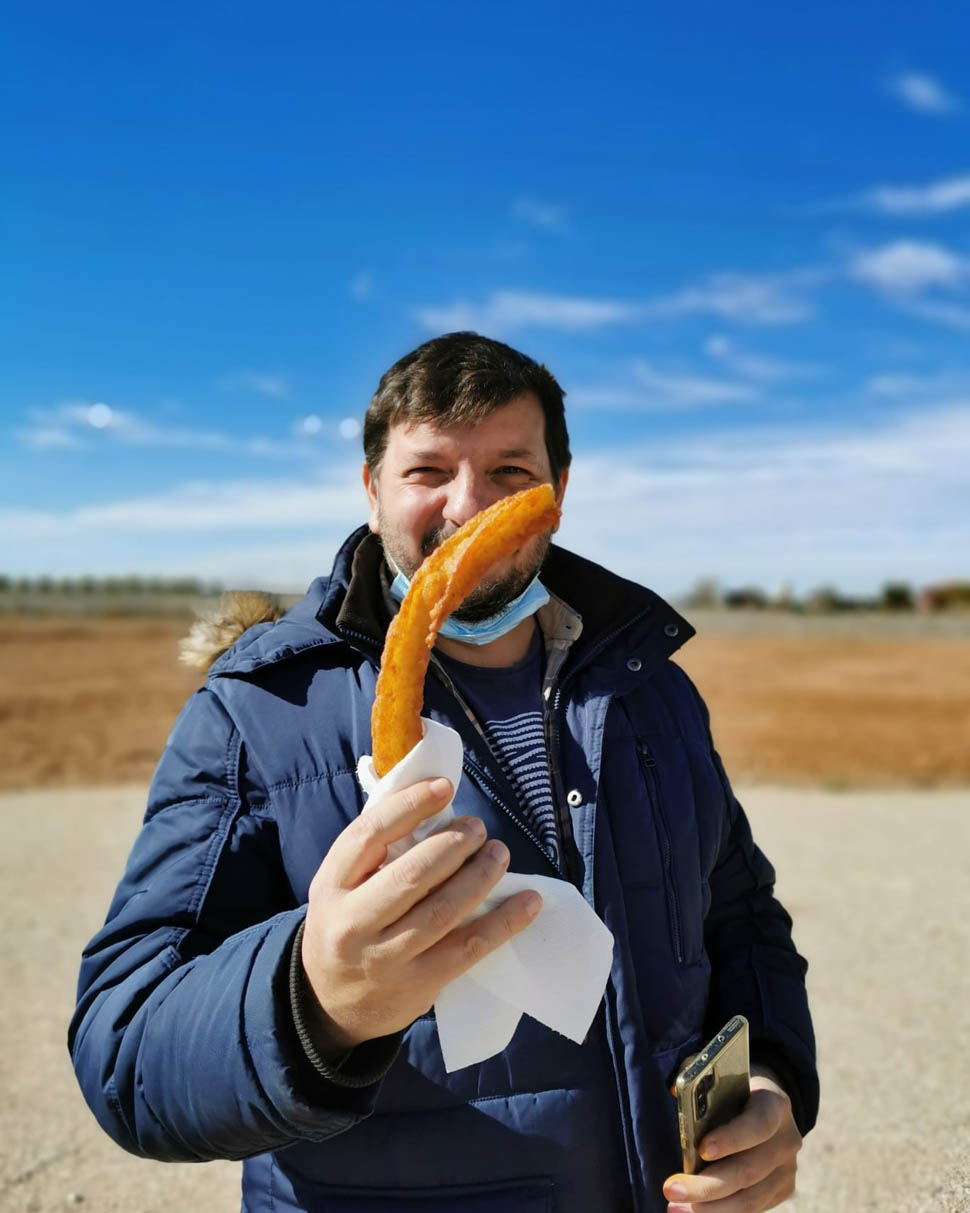
And the conclusion comes right from social media: “I’m very interested in analyzing what’s happening with food photography on social media. Don’t get me wrong, I think some of it serves an interesting aesthetic and communicative purpose. However, other formats trivialize dishes to an extreme degree.” We really need to think about this.