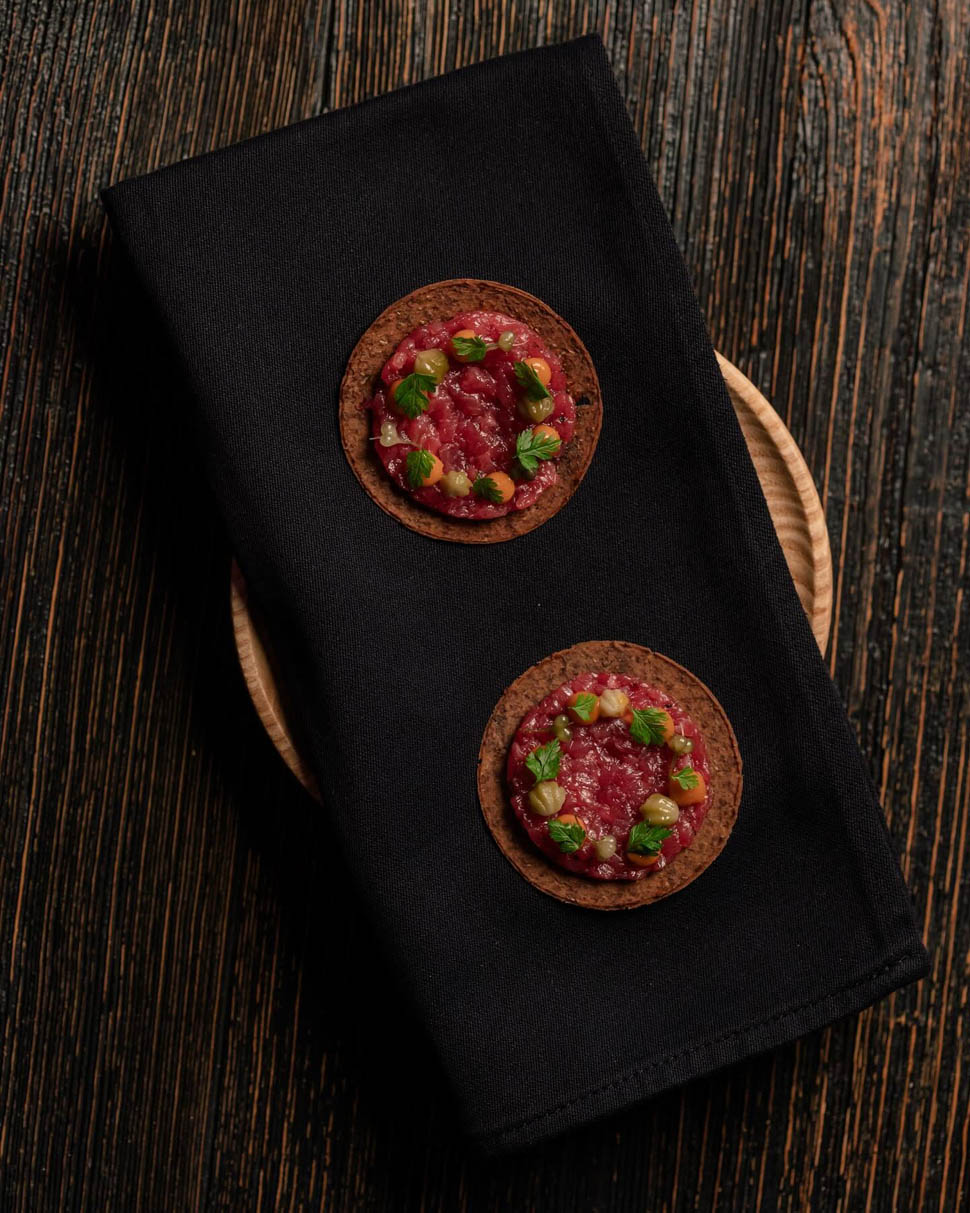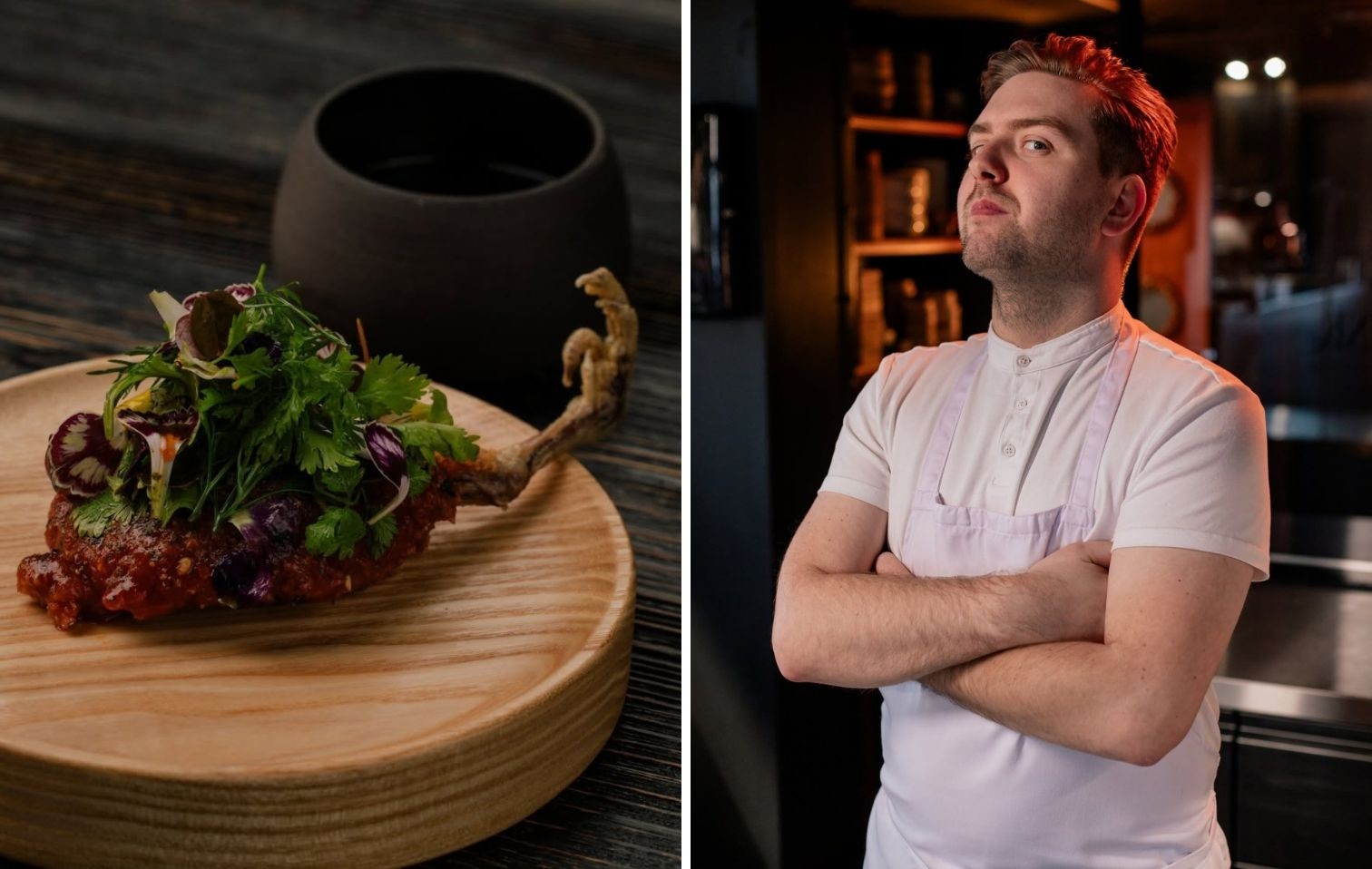
There are no distractions on the plate, no pretentious frills. For Ziemowit Owczarz, born in 1994, cooking is an exercise in rigorous subtraction where only the main ingredient deserves the spotlight. This aesthetic minimalism is also dictated by practicality: orchestrating service in the cramped kitchen of a century-old water tower, within a visually striking space like that of the Steampunk restaurant, demands cleanliness and simplicity.
- Structural acidity: learned from his mentor Paulo Airaudo, this is not merely a touch of freshness, but the architecture that underpins every bite, derived from botanicals, citrus fruits, or signature vinegars.
- Sauce architecture: the true driving force behind concentration and depth of flavor.
- Wild botanicals: fresh herbs used by the handful to infuse the dish with a vibrant, balsamic character.
The culmination of this exploration is his chawanmushi, a classic Japanese savory custard that he continually reimagines: “It embodies the simplicity of Japanese cuisine and the obsessive pursuit of perfection in the details.”
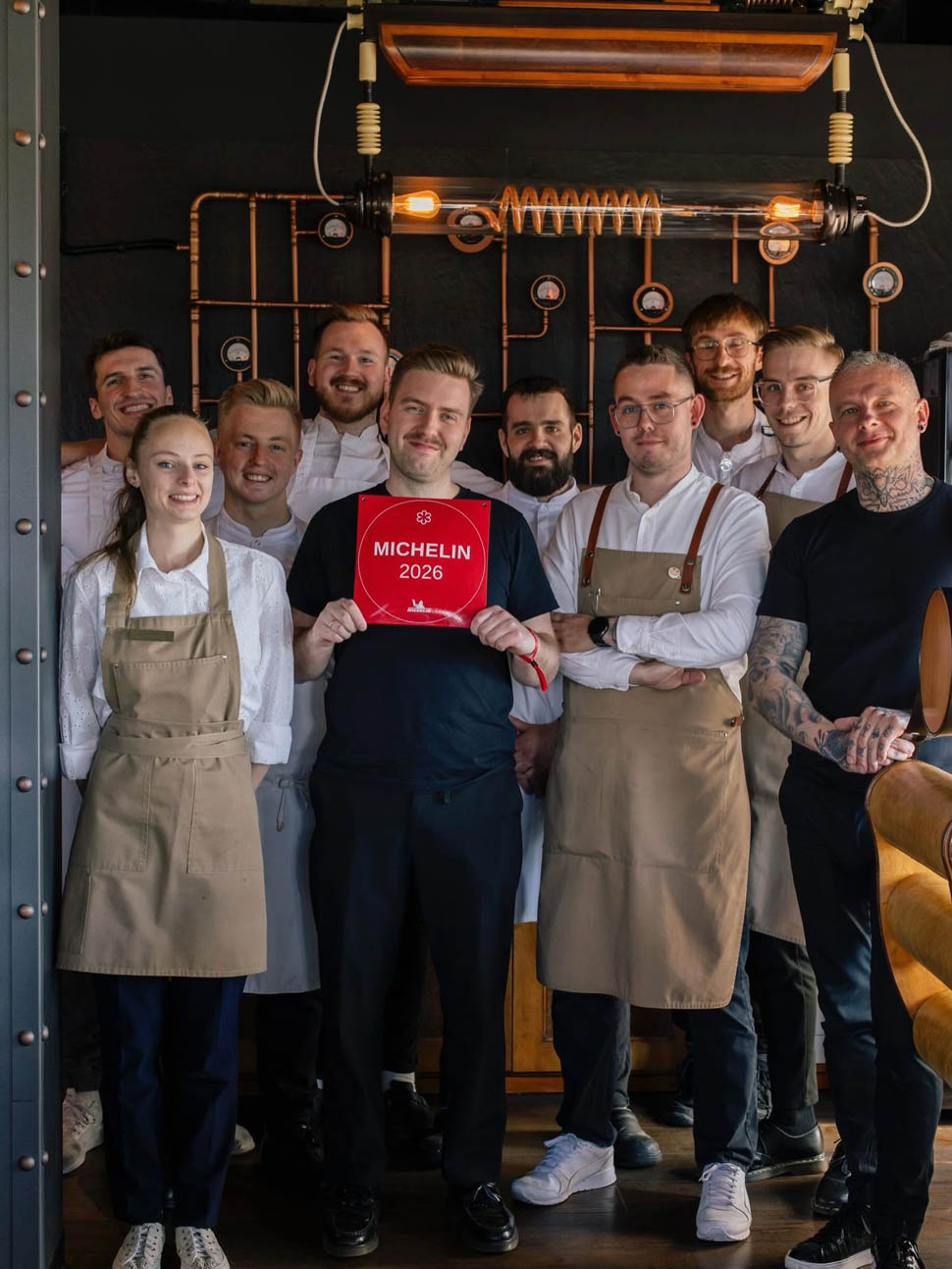
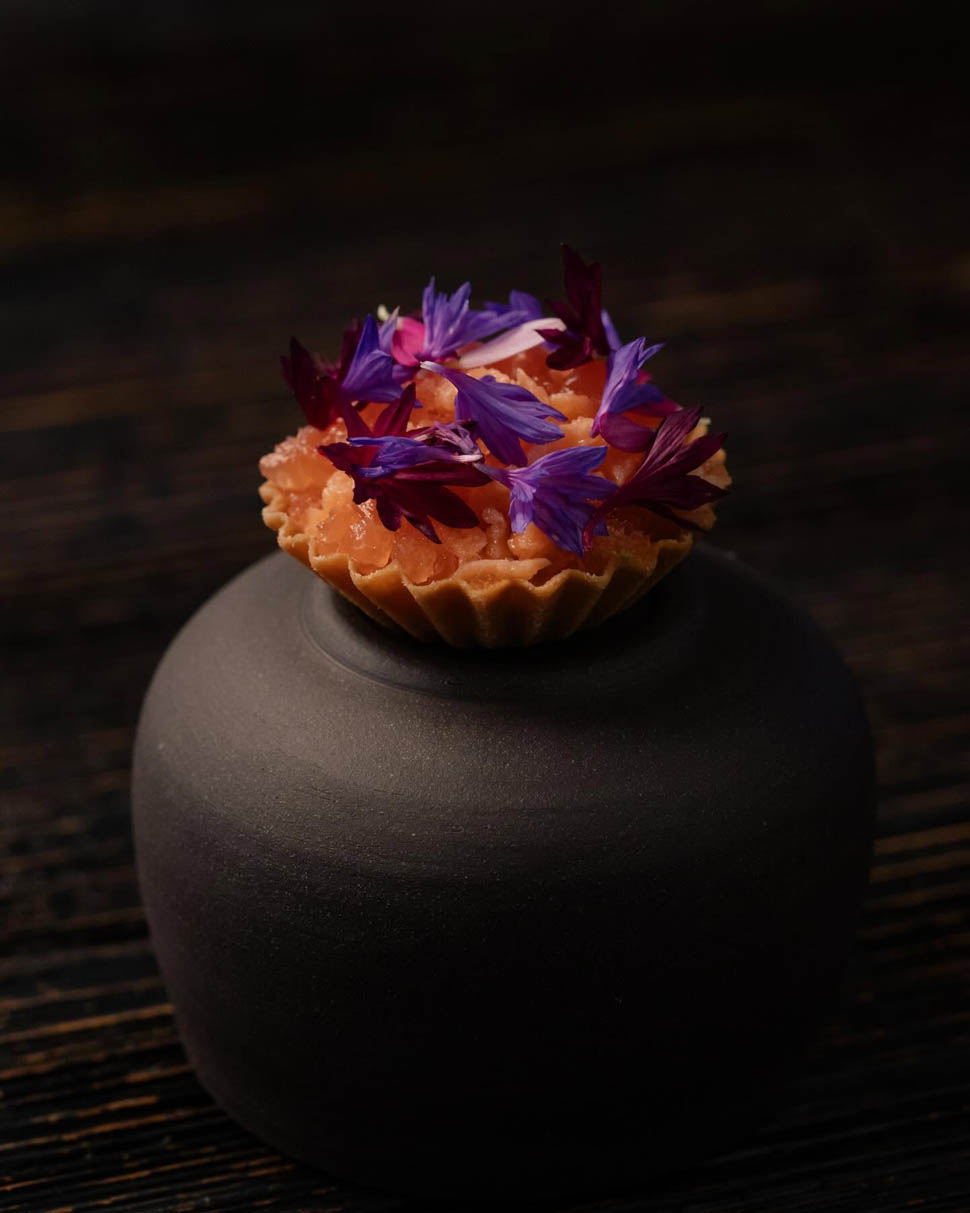
When it comes to aesthetic presentation, the chef admits to preferring less flashy plating: “This style developed quite naturally. First of all, it’s simply the style I prefer: a style where the spotlight is on the main ingredient—the undisputed star of the dish. Second, it has to do with the restaurant itself. Our dining room is inspired by steampunk aesthetics and is quite bold. If we were to add very elaborate and flashy dishes to a setting like that, it could easily come across as excessive. I like it when the appearance of a dish helps you focus on what’s important.”
Coming Full Circle: From Apprentice to Michelin-Starred Chef
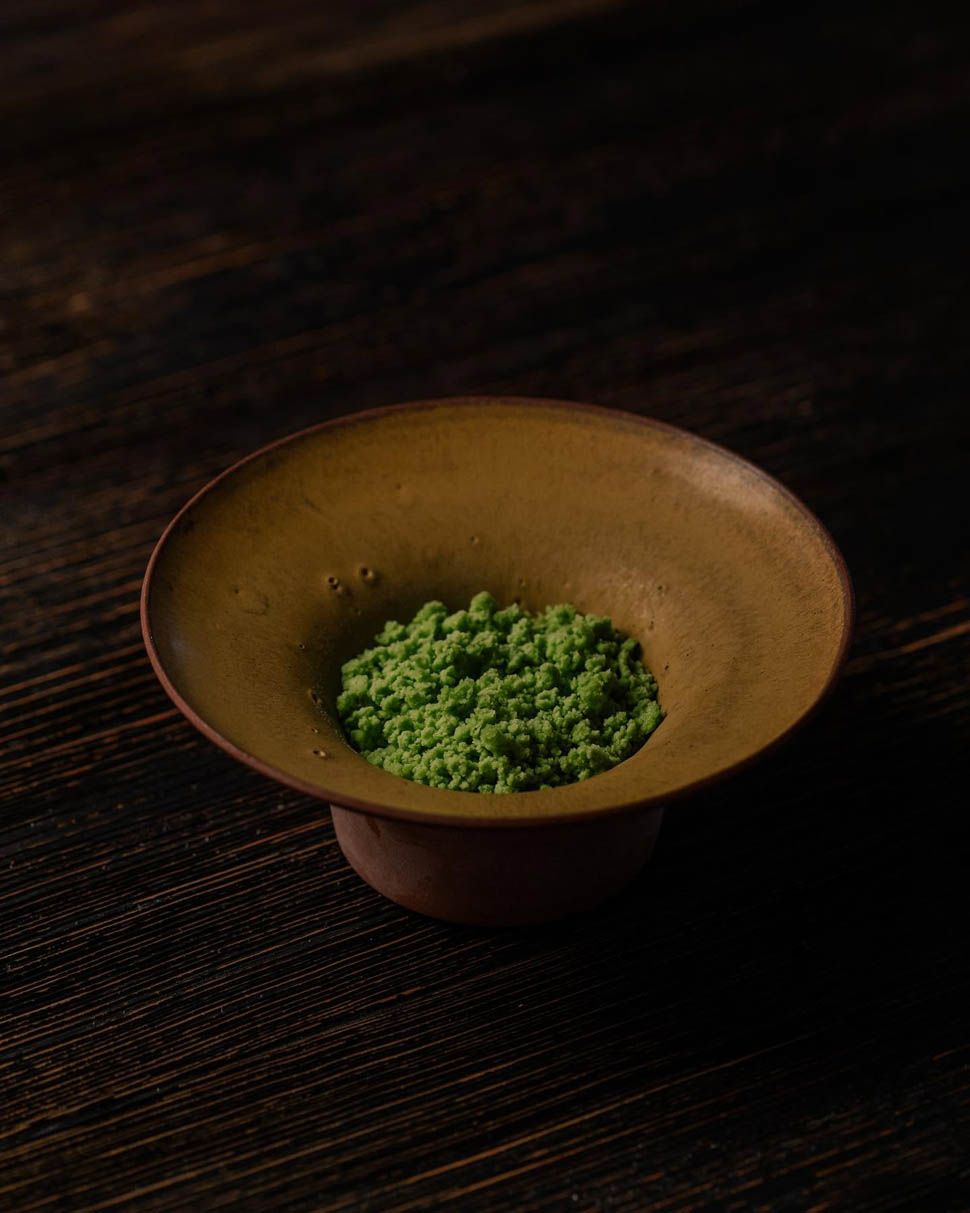
His appointment as head chef at Steampunk, in the small town of Pszczyna (just 25,000 residents), feels like destiny. Owczarz took his first steps in the kitchen at this very restaurant when he was still a student. After honing his skills alongside talents such as Przemysław Klima (Bottiglieria 1881) and leading ISTO in Katowice, the chef returned to his roots to achieve a historic feat: earning the restaurant’s first MICHELIN star. An unexpected recognition that turned the kitchen’s routine upside down: “We’re still processing what happened. The adrenaline from that evening still sustains us as we face the surge in reservations.” It’s a growth the chef experiences with chronic dissatisfaction, already looking toward the future: “What do I want now? A bigger kitchen, to push us even further.”
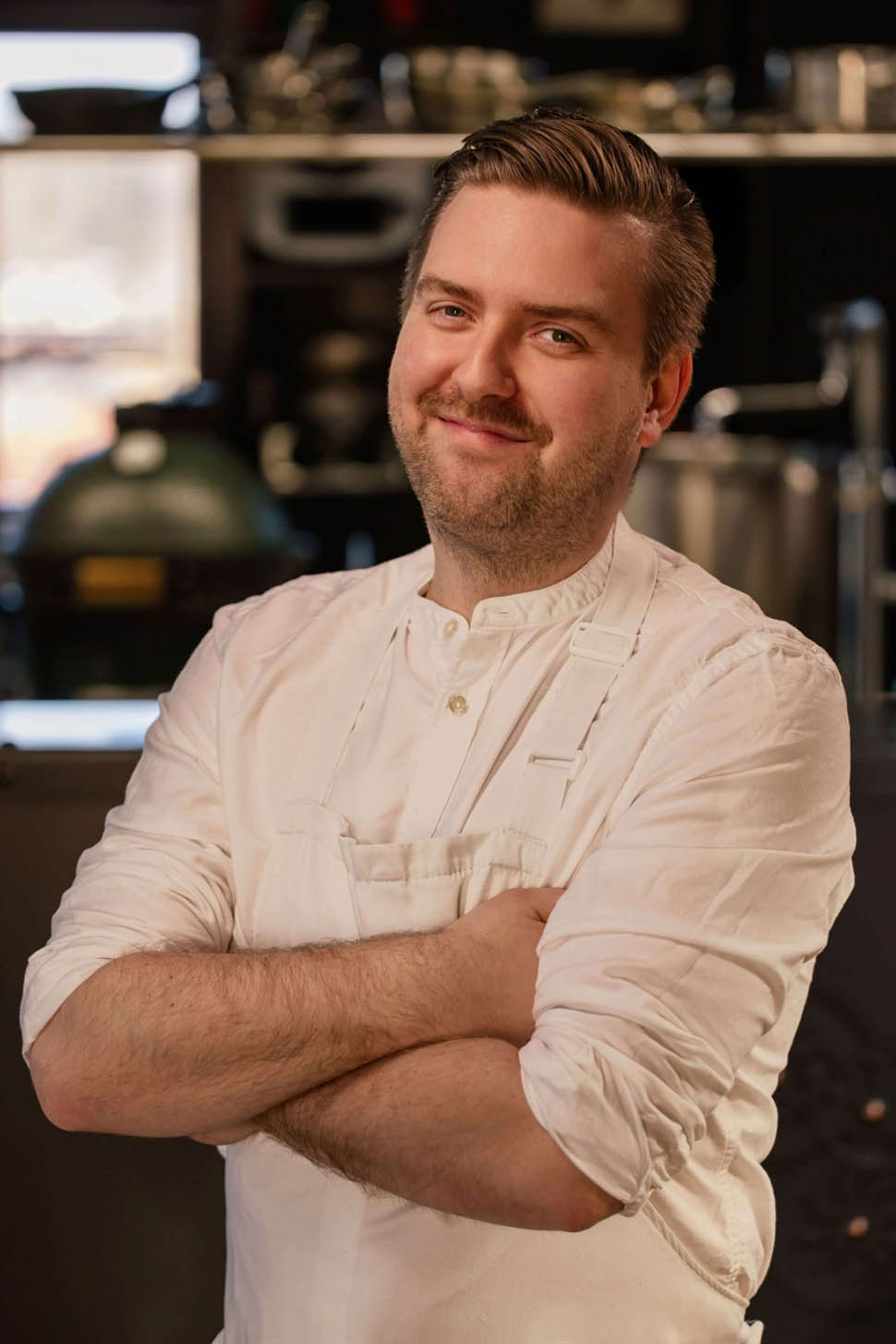
The Roots: The Home Garden and the Pedagogy of Doing
Owczarz’s culinary sensibility does not stem from memories of his grandmother’s cooking, but from a pragmatic upbringing and direct contact with ingredients. Raised according to the Waldorf educational philosophy—amid bread-making workshops and outdoor life—he internalized the value of food thanks to his mother’s garden, which was rich in vegetables that were uncommon at the time, such as black kale.
Rounding out his sensory palette were his youthful travels between Provence and the Polish countryside of Warmia, filled with wood-burning stoves, fishing in lakes, and wild berries: a wealth of authentic flavors that naturally guided him straight toward the world of fine dining.