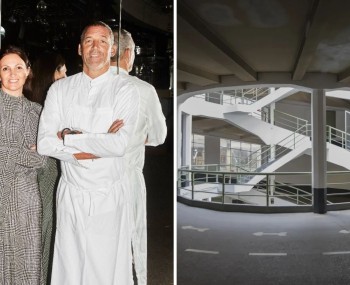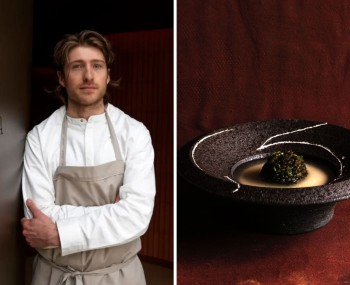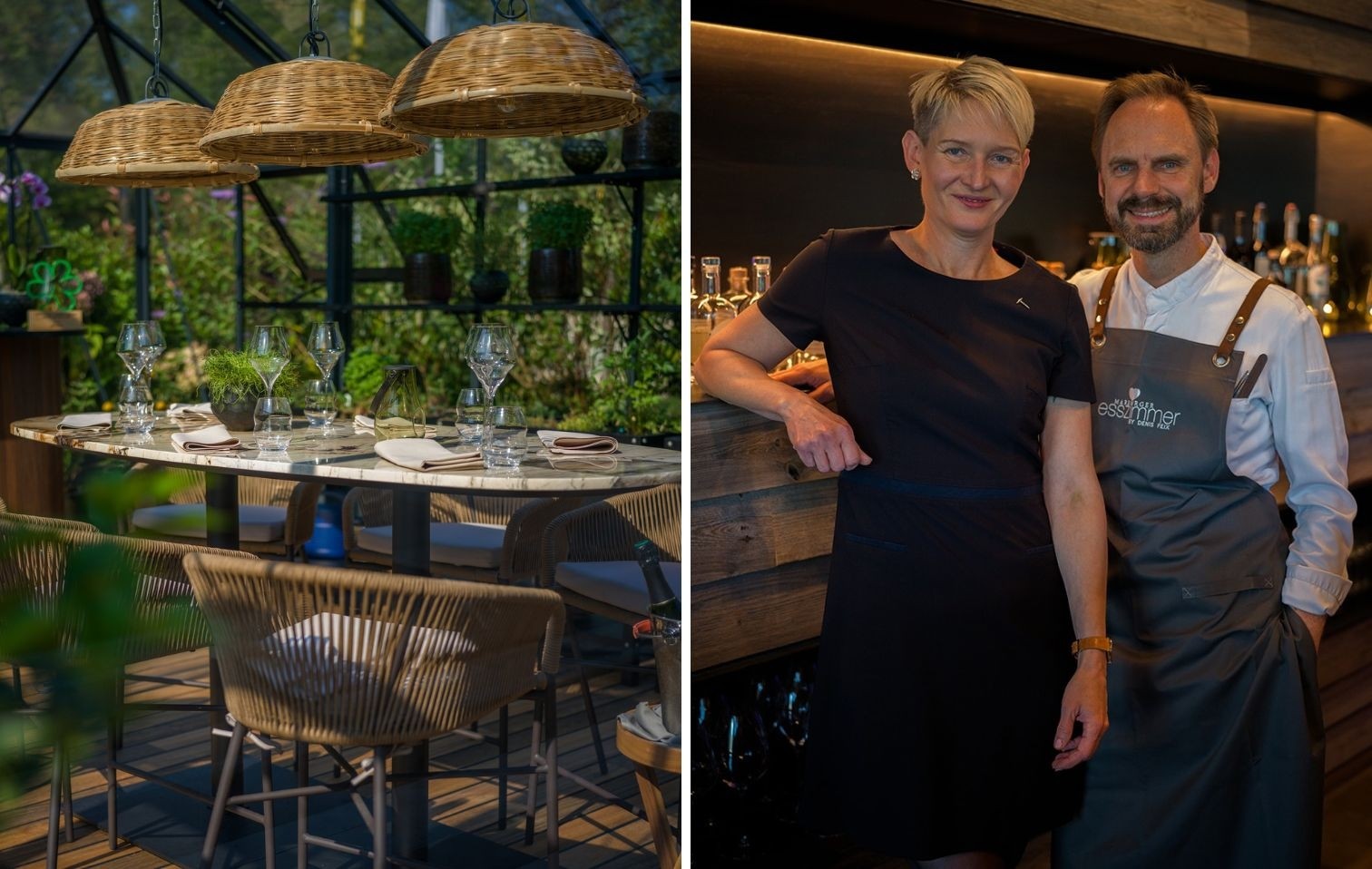
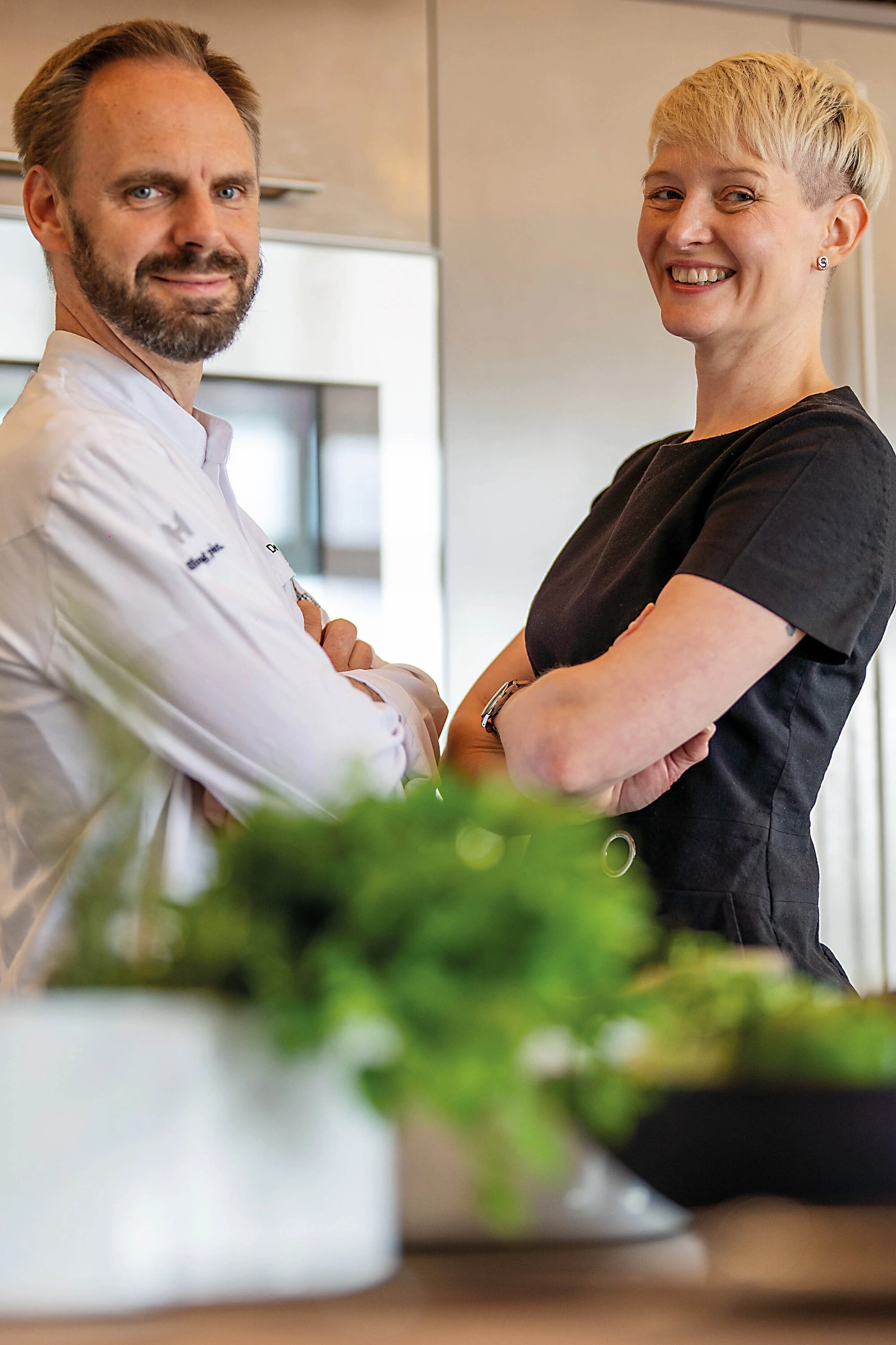
In the firmament of haute cuisine, there are stars that shine brightly but briefly. This is the case with Marburger Esszimmer, the project by Denis and Kathrin Feix, which, after a meteoric rise, is preparing to close its doors on March 1. It is a parable that leaves a bitter taste in the mouth, not because of technical shortcomings, but because of the unbridgeable gap between an overly ambitious culinary avant-garde and a region that is not yet ready to digest it.
The news
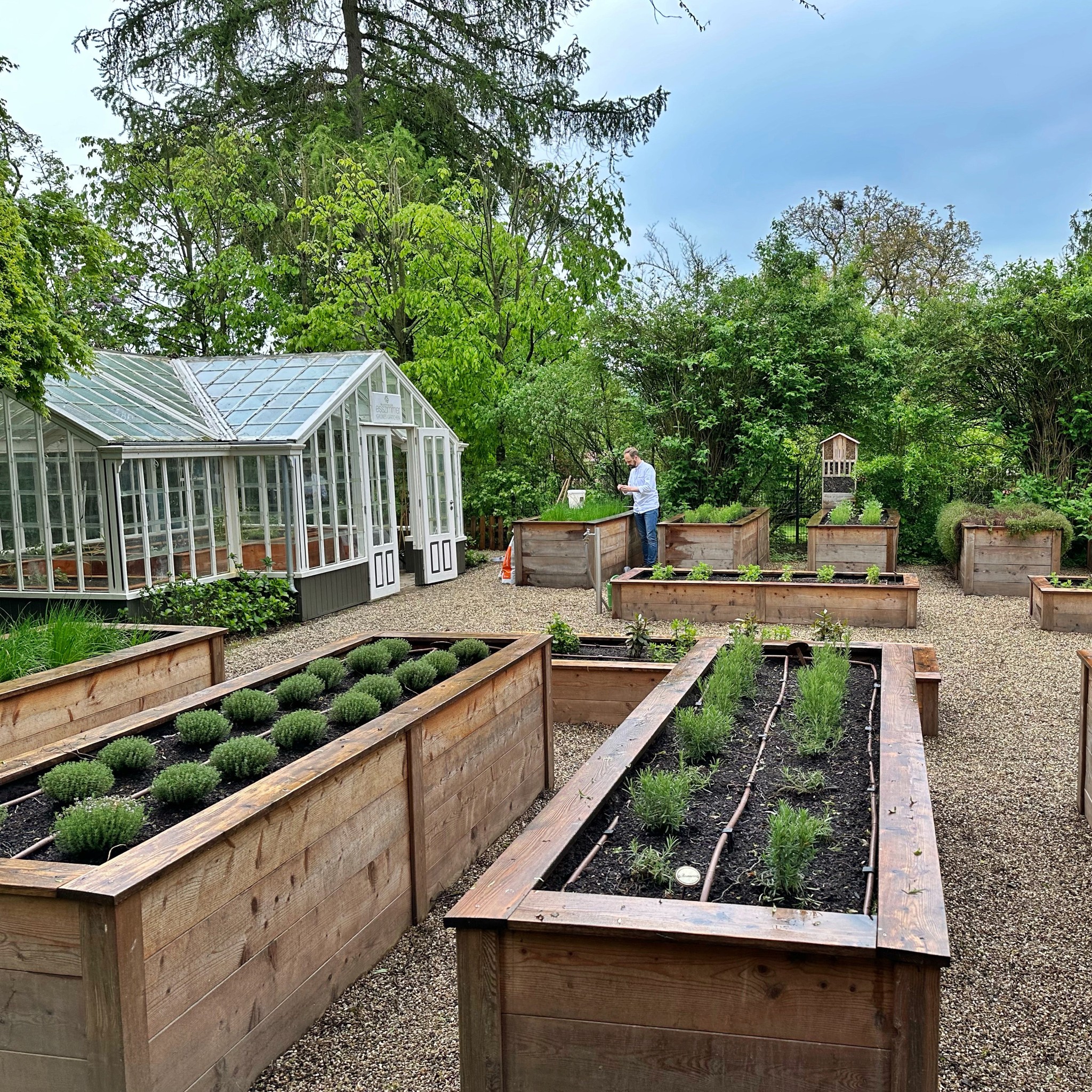
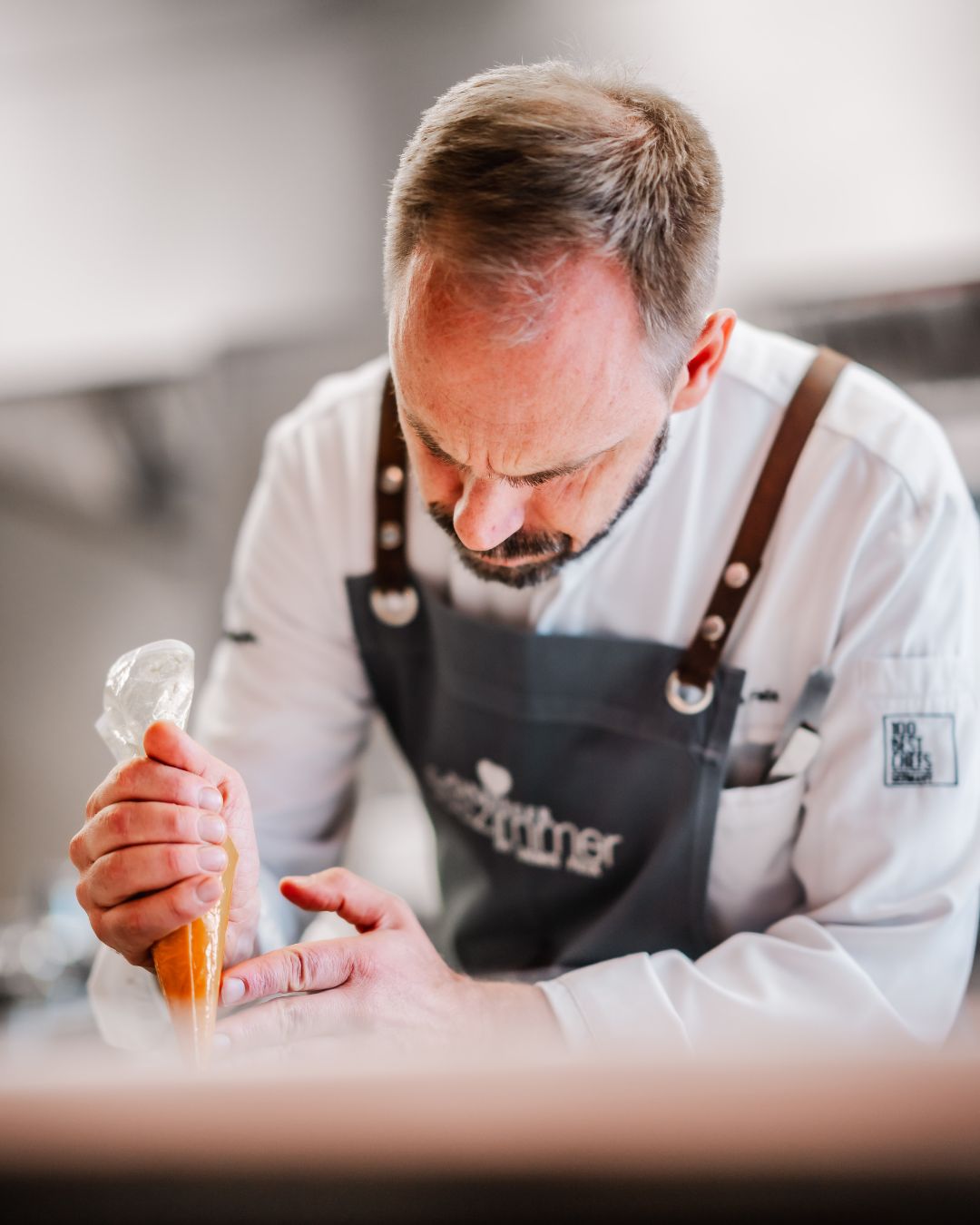
The story of Marburger Esszimmer has been one of phenomenal success, as we already told you in this article: just three months after opening, the restaurant had already earned a Michelin star and the prestigious Green Star, an award that recognizes sustainability and respect for the environment. This success was sealed by the talent of Denis Feix in the kitchen and the mastery of his wife Kathrin, awarded the title of “Sommelier of the Year.” Yet, aesthetic and gustatory perfection was not enough to guarantee survival in a regional context, that of Marburg, which proved impervious to such a high-end dining concept. The beating heart of the Feixes' cuisine was the Green House, a botanical greenhouse where over fifty varieties of rare herbs and forgotten vegetables were grown to become the stars of the dishes. What was offered was not just a simple dinner, but a tribute to biodiversity: high-profile “green” cuisine where meat and fish—selected only from wild farms and natural supply chains—served as noble accompaniments to vegetables harvested just hours earlier on the Dagobertshausen estate.
The atmosphere of the room, a refined combination of contemporary design and relaxation, provided the setting for an experience that, according to the owners of VILA VITA Marburg, would probably have found its ideal stage in cities such as Berlin or Munich. “In a big city, this concept would have been sustainable; in Marburg, there is simply not enough critical mass of customers to appreciate and understand such a specific offering,” admitted Michael Hamann, member of the company's executive board, pragmatically.
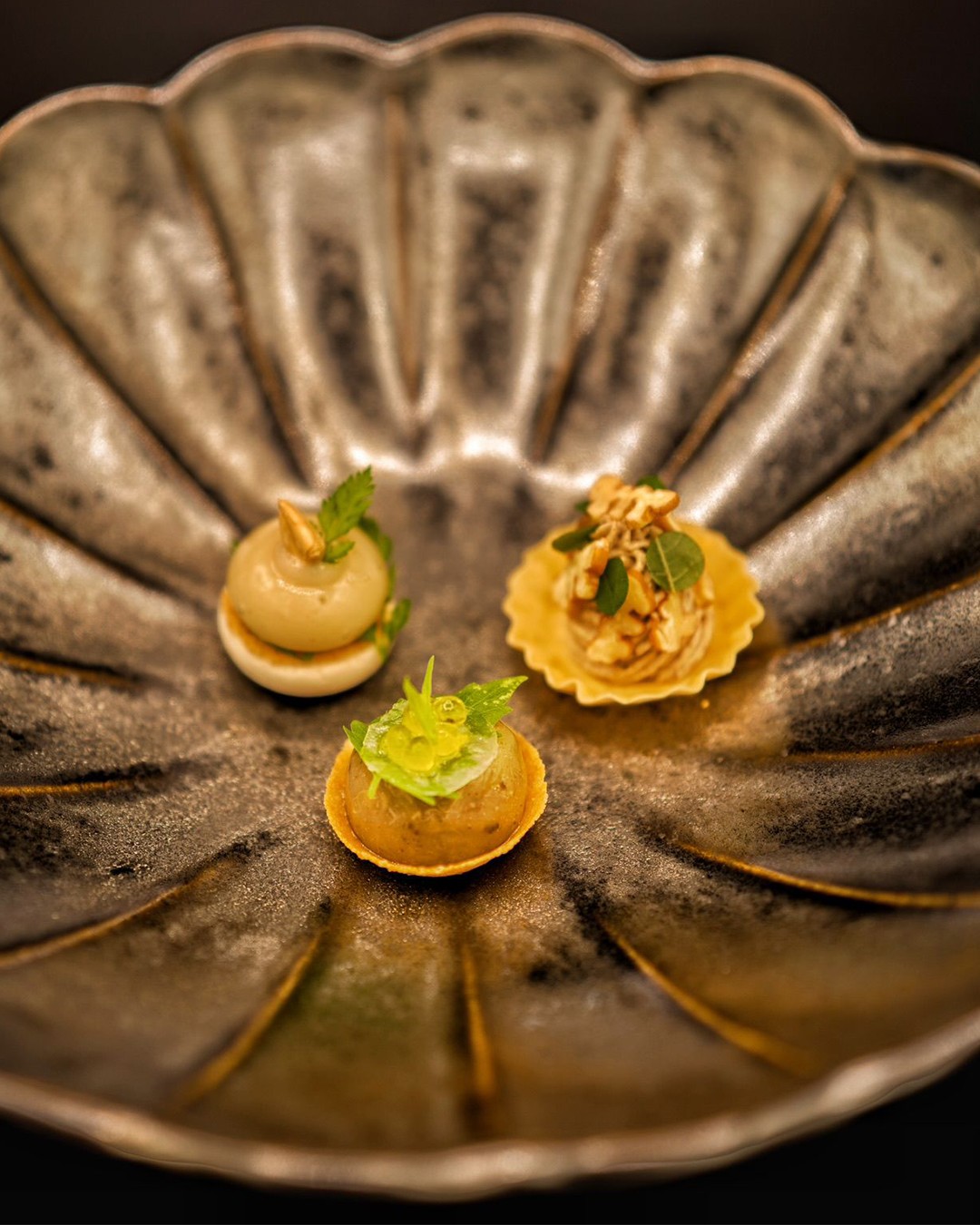
This is not, therefore, a decline in quality, which remains unquestionable and celebrated by the leading industry guides, but rather a structural defeat in the market. While the team receives honors for its dedication, the owners are already looking toward a more “concrete” future, announcing a restructuring of the portfolio that will better interpret the desires of local customers, which may be less poetic but more pragmatic. With the closure of Marburger Esszimmer, the world of fine dining loses an outpost of ethics and flavor, reminding us that sometimes the purest cuisine is destined to remain a dream too delicate for the rhythms of the real world.