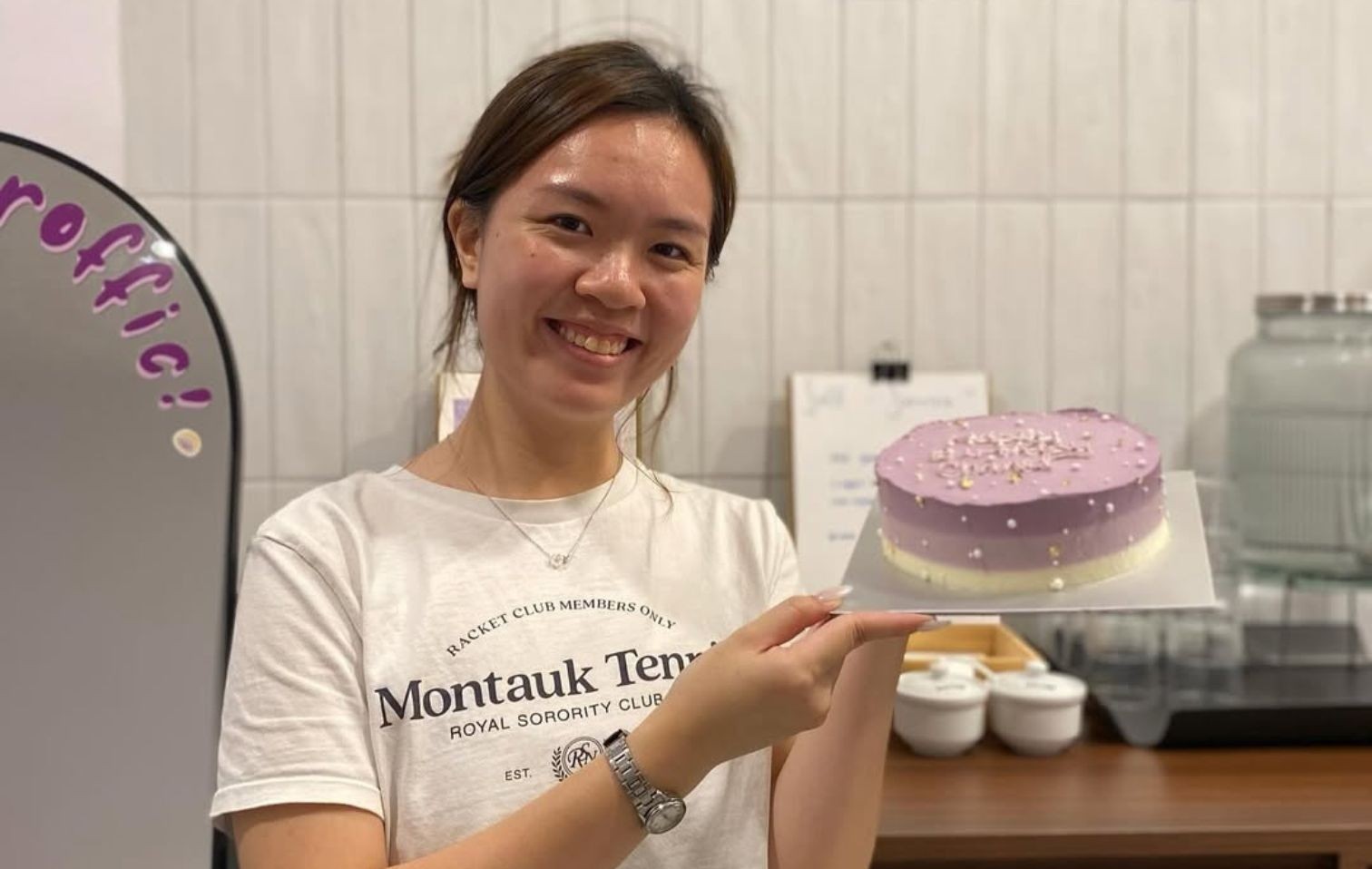
During the COVID-19 pandemic, many people had to reinvent themselves professionally. Among them was Chanel Li, who, after losing her job as a flight attendant, found a creative outlet in baking. What started out as a hobby at home soon turned into something bigger: her creations began circulating online, attracting more and more attention. But the “dream job” is not always manageable in the personal sphere, and being an “entrepreneur of oneself” does not always give freedom.
The story
In 2022, Chanel decided to take the plunge and open a small takeaway bakery called Whisking Bakes. It was an instant success, and soon after, the business evolved into a full-fledged restaurant with table service: Café Lilac. The project seemed to be working perfectly. The restaurant was popular and well-loved, and Chanel even made desserts for famous K-pop stars. From the outside, her story looked like a dream come true.
The hidden side of success
Behind this growth, however, lay a much more complex reality, as the professional told the Vulcan Post. Running a restaurant open seven days a week required constant and total commitment. Chanel oversaw virtually every aspect of the business: from baking desserts to managing social media, from customer service to organizing the work. To lighten the load, she decided to hire more staff. However, this change did not completely solve the problem. It reduced the physical strain, but forced her to focus on activities she did not enjoy, such as administrative and financial management. What had once been an exciting project slowly began to turn into a source of stress.

The invisible burden of the entrepreneur
One of the most difficult aspects for Chanel was the loneliness of decision-making. As the owner, she couldn't afford to show her concerns too much to the staff. Talking openly about financial difficulties or downturns could have created insecurity among employees. Practical problems also added to the pressure. The restaurant, located in a rather old building, suffered from frequent electrical failures that caused power outages even during service. Despite numerous repairs and expenses, the problem continued to recur. At the same time, the search for a new space proved complicated and frustrating. After several failed attempts, Chanel began to wonder if it was really worth continuing.
When profit is no longer enough
The turning point came when Chanel realized that the café's earnings no longer compensated for the daily stress. The prospect of moving the business to a more expensive space would mean even more pressure and responsibility. After a long period of reflection, she decided to close Café Lilac when the lease expired in 2026. It was not an easy choice: for a long time, she felt almost guilty, as if giving up meant failing. In the end, however, she realized that preserving her well-being was more important than continuing to pursue a project that no longer made her happy.


These are her words in an Instagram post on the restaurant's page: "Managing everything on my own has been exhausting. I haven't felt enthusiasm or passion for a while, and I feel ready to take a step back to focus on new dreams. So, unless we find someone passionate to take over the business, we will close in May 2026. It's not an easy decision because this has been a huge part of my life and identity, but I want to be brave and follow my heart."
Rediscovering balance
Looking back, Chanel doesn't consider her experience a mistake. On the contrary, she believes that those years taught her a lot about herself and the world of entrepreneurship. She still loves cooking and baking, but prefers to do so without the pressure of running an entire business. Her priorities, meanwhile, have changed. Whereas in the past she was primarily focused on growth and profit, today she wants to build a more balanced life and devote more time to her family.

Chanel's story highlights an often overlooked aspect of entrepreneurship: passion alone is not enough. Turning what you love into a source of income can be rewarding, but it also comes with responsibilities, pressures, and sacrifices that are not always apparent to outsiders. That's why Chanel advises anyone wanting to start a business to set clear boundaries and plan their work in a sustainable way. Reducing hours, simplifying your offering, or delegating certain tasks can be useful strategies to avoid becoming overwhelmed. Her experience reminds us that true success is not only about economic growth, but also about finding a balance between work, passions, and personal well-being.