“You have to pay attention to everything, always be at your best and, above all, keep your feet on the ground. Sometimes, your ego can play tricks on you, and in the world of gastronomy, when things are going well, there is always the temptation to believe that you are above good and evil. I like to think that, in this sense, I am balanced.”
The chef
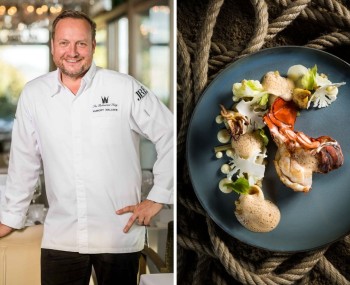
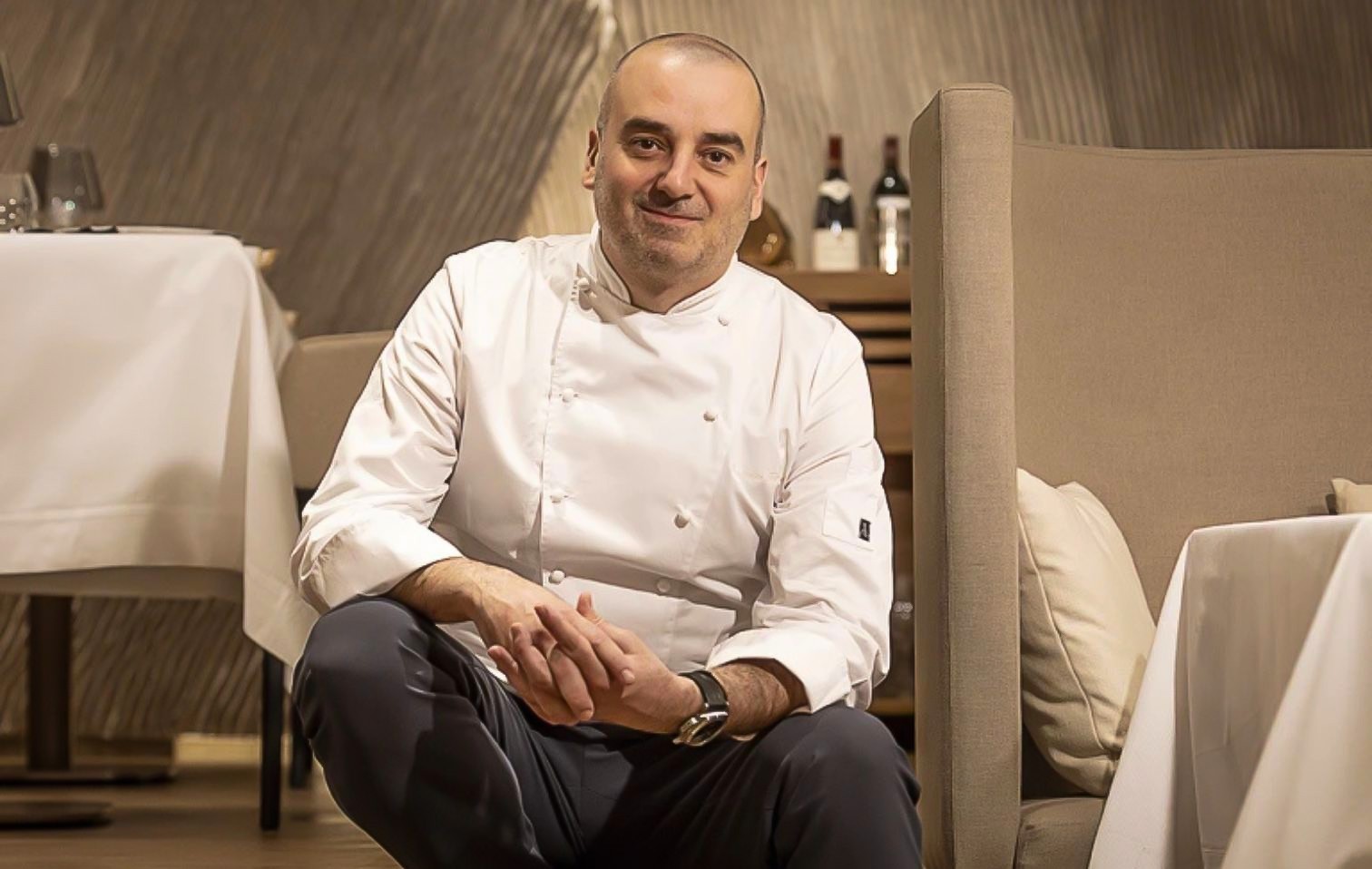
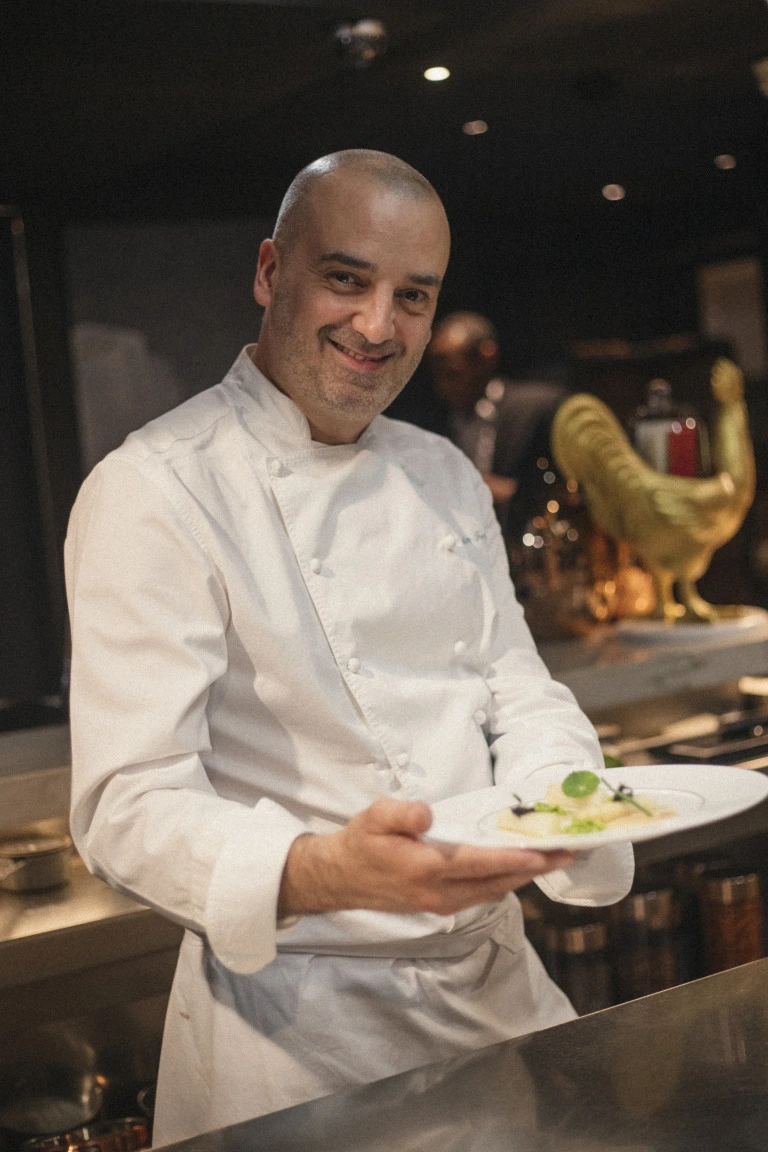
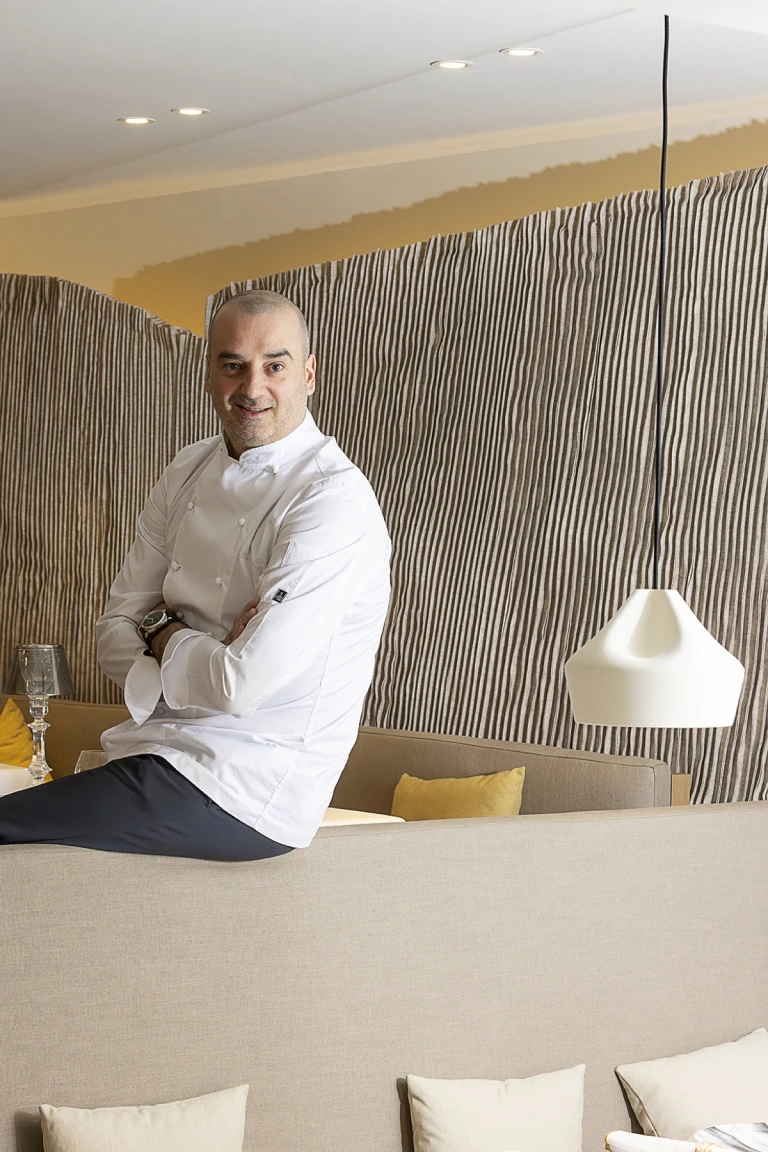
Success in the kitchen often comes with a subtle risk: confusing recognition with infallibility. Romain Fornell recounts this with the clarity of someone who has gone through many professional seasons and now looks back on his career with a different kind of calm. “When things are going well for you,” he observes in an interview with El País, “there is always the temptation to believe that you are above good and evil.” This statement does not sound like a moral warning, but rather the distillation of years spent between stoves, brigades, different cities, and ever-increasing responsibilities. Born in Toulouse in 1976, Fornell is now an established figure in the European gastronomic landscape. His career has moved naturally between France and Spain, two countries that have shaped his professional identity. At just 25 years of age, he earned a Michelin star for his work at the restaurant La Chaldette in Lozère, in the Occitanie region. Four years later, he made history with a very rare achievement: he became the only French chef to earn a Michelin star in two different countries. The second came in Barcelona, at the restaurant Caelis, which has remained one of the pillars of his business ever since and still retains the guide's recognition today.
The story of his professional maturity is not one of triumphalism, but rather of an almost artisanal attention to detail. Today, Fornell reflects on what he has learned over time. “I realized that the devil is in the details. You have to check everything, always be present, and above all, keep your feet on the ground. When I was younger, I saw the world differently, but with age come important lessons.” The Prix Pyrénées award, presented by the French Chamber of Commerce, arrived just a few days ago. It is an award that moved him deeply: “For a Frenchman living here, it is something important.” While Barcelona is the base for his business, Paris continues to exert a symbolic force that is difficult to ignore. Fornell's name is now familiar in the temples of French cuisine, and the latest stage of his career has brought him back to the capital. The Toulouse chef has been called upon to oversee the culinary offerings of three historic institutions: Prunier, Lafayette, and Lapérouse. Three addresses that belong to the gastronomic memory of the city and which, even today, continue to attract an international clientele.
Among these, Lapérouse occupies a special place in the history of French cuisine. Founded in 1776, it earned three Michelin stars in 1933 and will celebrate its 250th anniversary in 2026. For Fornell, taking on culinary responsibility for a place with such a distinguished pedigree is tantamount to entering directly into the national gastronomic heritage. The story of his entry into this universe is almost cinematic. It all began with a meeting with Benjamin Patou in S'Agaró, on the Catalan coast. Patou oversees the gastronomic offerings at the five-star Hotel La Gavina, which is very popular with international clientele. One day, he sat down at Fornell's table and proposed, without preamble, that they open a restaurant together in Paris. The initial response was a refusal. “I told him no,” recalls the chef. Patou is not just any name in French catering. He was the owner of the Moma Group, one of the most influential groups in the hospitality sector. After selling the company, he had begun planning a new gastronomic adventure and saw Fornell as the right person to start it. The third decisive figure in this project is Antoine Arnault, CEO of Christian Dior and son of Bernard Arnault, head of the LVMH empire.
The decisive moment came with an unexpected phone call. Patou called Fornell to explain that a chef had left the project shortly before the restaurant was due to open and that immediate help was needed. Shortly afterwards, he received an invitation to Paris and an offer to supervise the kitchens of three historic restaurants. The job required frequent travel and a constant presence between France and Spain, but for the chef it was a unique opportunity. “We are talking about three legends of French cuisine. Each with a very strong personality.” His memory goes back to when, as a young chef working for Alain Ducasse, he would get off the subway to go to work and pass in front of the Prunier restaurant on Avenue Victor Hugo. "I wanted to eat there, but I couldn't afford it. Returning to the same place as head chef was a very strange feeling. Wonderful, but also strange." The prestige he has accumulated over the years has also brought him institutional recognition at the highest level: his appointment as a Knight of the Legion of Honor, one of the most important honors of the French Republic. Fornell recounts that moment with a mixture of pride and disbelief. “The country where I was born recognizes my work. When you start cooking, you don't think about these things. You're already happy if you can make cooking your profession.”
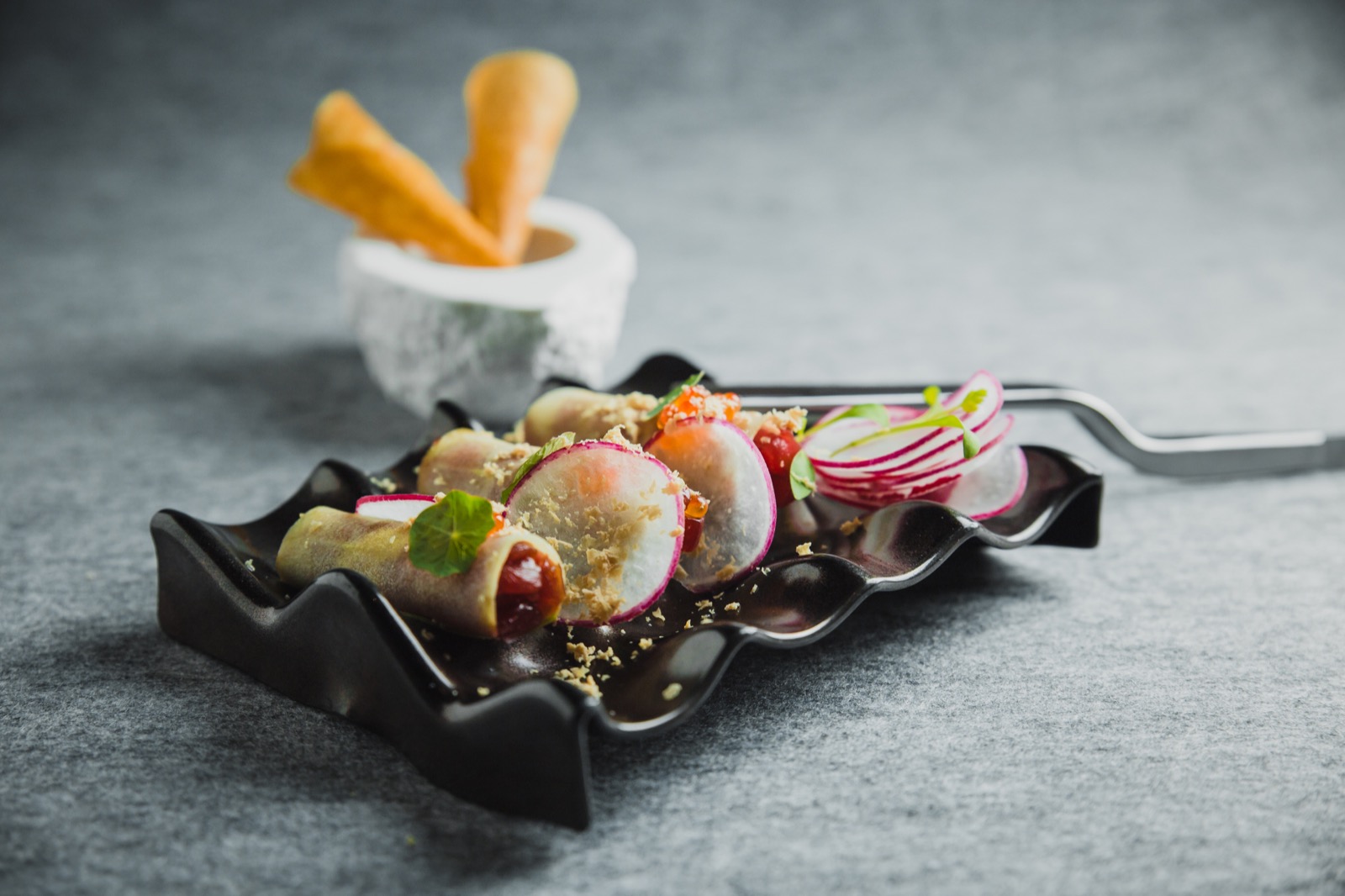
The management of the three Parisian restaurants follows a specific philosophy. Each restaurant maintains its own identity, without pursuing unnecessary complexity. Prunier continues to pay homage to its history as a pioneer of caviar in French cuisine, treating this ingredient as a symbol of opulence and elegance. Lapérouse, on the other hand, preserves the classic repertoire of French cuisine: oysters, pâté, and the famous sole à la meunière. Lafayette, housed in an ancient palace, takes a more contemporary approach, with carpaccios and fish dishes that appeal to a different audience. The project seems to be working. The three restaurants are operating at full capacity and the annual consulting agreement may be renewed. However, Fornell remains cautious. "I take things step by step. I focus on the present. If I think too much about next month, I risk losing sight of my priorities." This philosophy is also reflected in his work in Barcelona, the city where he has lived for almost thirty years. He arrived in 1996 and has since built up a gastronomic network that now includes nine restaurants. Casa Tejada is one of the best known, with a menu centered around pasta. Tejada Mar, on the other hand, focuses on rice and fish. Caelis continues to be the highest gastronomic benchmark, thanks to the Michelin star it has maintained over time. His business portfolio also includes Azul and Ohla, two of the city's most popular rooftop bars, and Café Turó, a Parisian-inspired bistro that observes the daily comings and goings of Barcelona's so-called gauche divine. It is a small gastronomic geography that reflects the city's evolution over the last few decades.