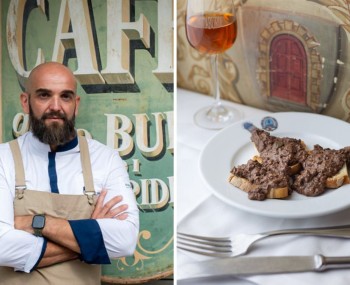
In Florence, steak is a serious matter. Very serious. So serious that simply changing how it is cooked—or worse, dipping it in boiling oil—is enough to spark a public outcry of comments, angry emojis, and accusations of gastronomic treason.
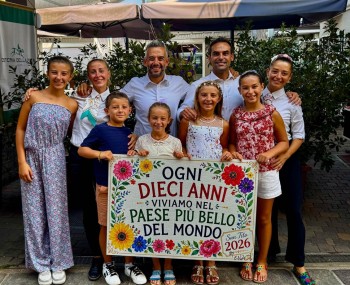
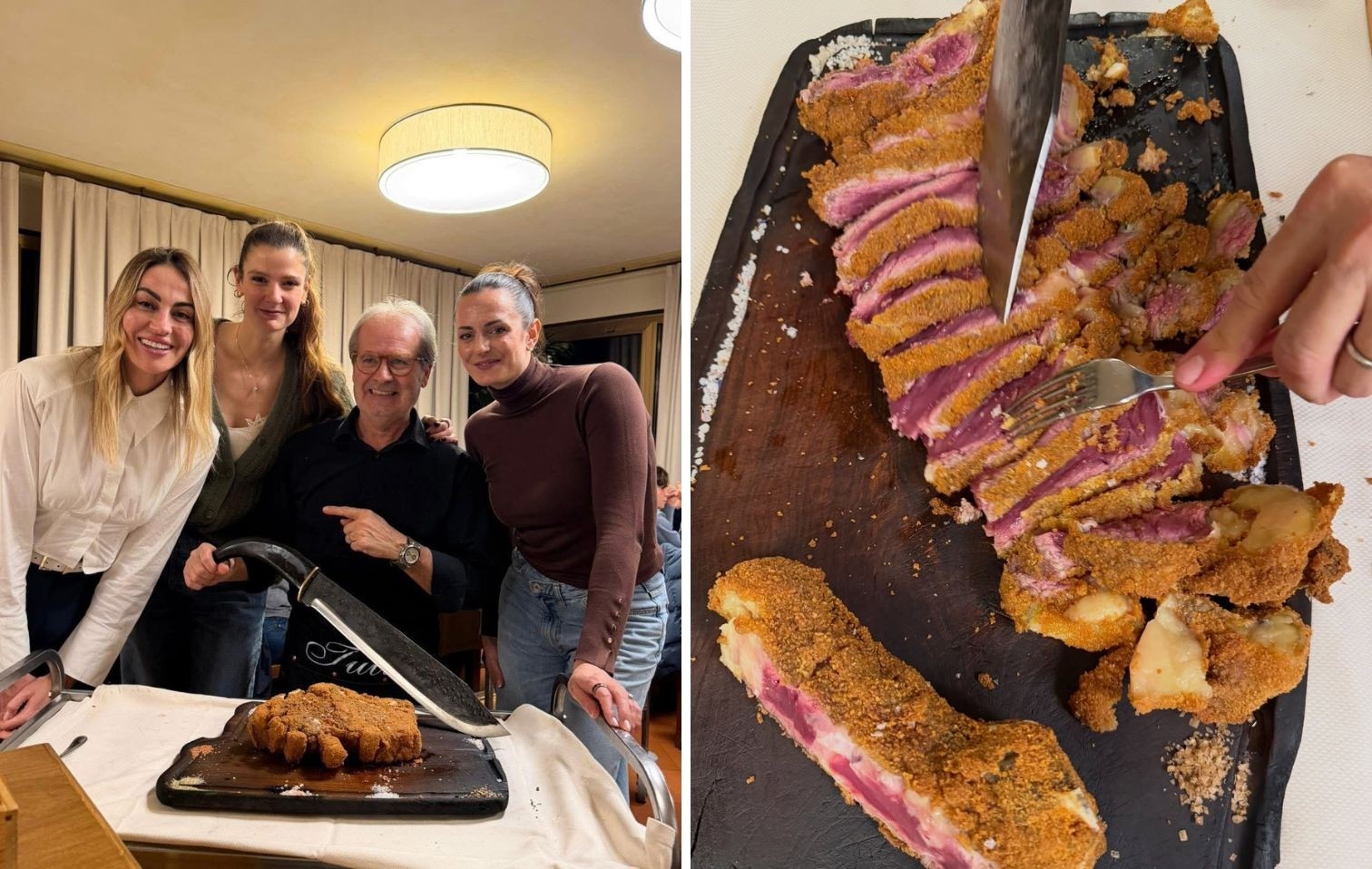
Yet, just a few kilometers from the historic center, someone has crossed that red line with method, irony, and a certain Tuscan stubbornness. It happens at Trattoria da Tullio in Montebeni, a historic restaurant overlooking the Val di Sieve, where steak—yes, the famous Florentine steak—has been eaten fried for some time now. And no, this is not a social media joke or an improvised heresy.
What is bistecca alla fiorentina?
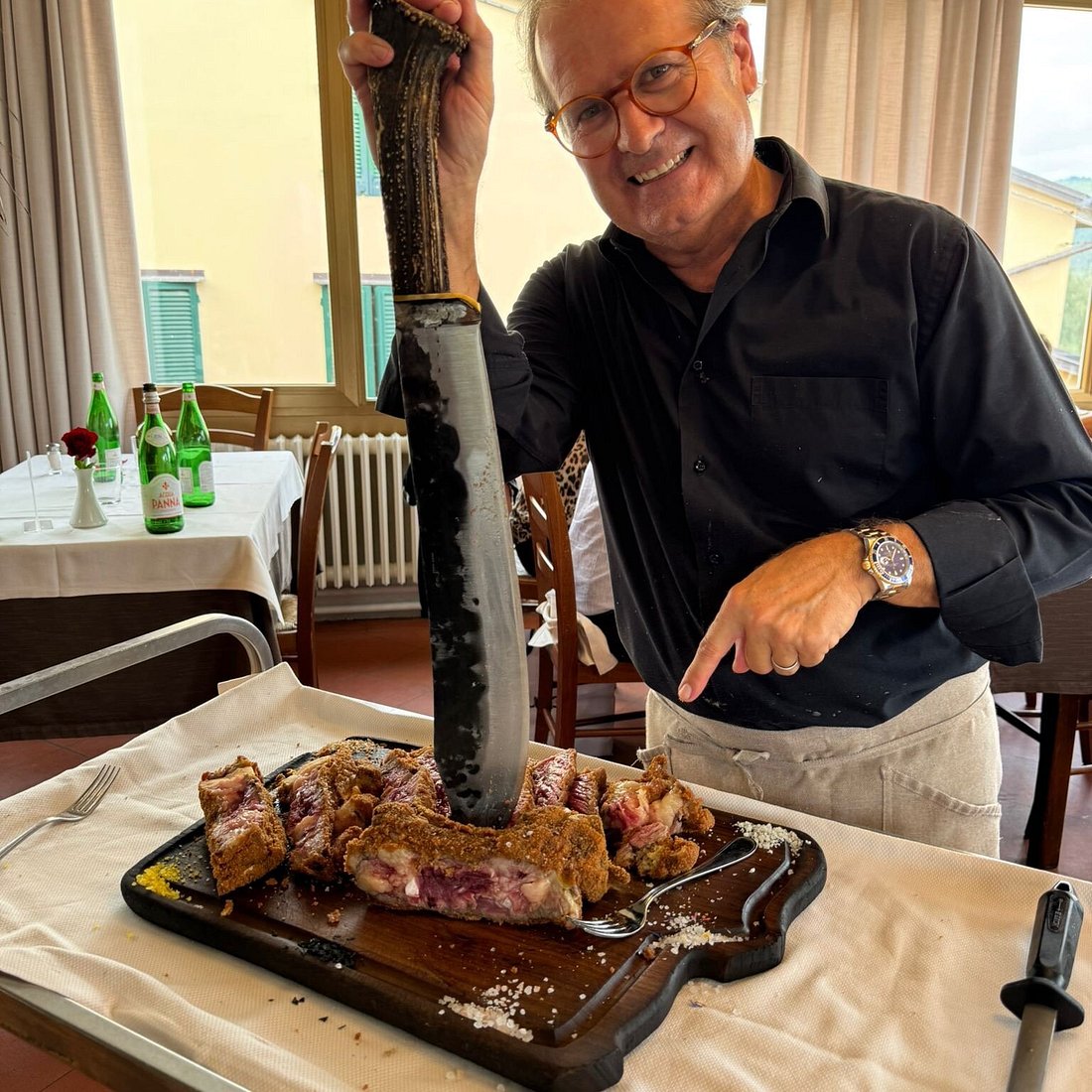
The real Florentine steak is a ribeye steak with fillet, at least three fingers thick, traditionally sourced from beef cattle breeds raised in Tuscany or central Italy. Cooked quickly over hot coals, rare, salted only at the end. It is more of a ritual than a recipe, a code of identity that does not allow for too many variations in Florence. And that is precisely why the “fried steak” is causing such a stir. Paolo Bacciotti, now owner of this historic family trattoria together with his sister, makes it clear right away: “It's not a Fiorentina.” It is a rib steak without fillet, so technically a different cut. This is a fundamental clarification, almost an emotional safeguard clause for purists. The meat is carefully selected, breaded with specially designed breadcrumbs, and fried in oil chosen after dozens of tests. There is no improvisation: behind that golden bite are at least thirty attempts, ten different types of breadcrumbs, and various breeds of cattle tested. In the end, the choice fell on marbled, regular meat that can withstand heat without drying out. The result? A crispy crust, juicy inside, with a texture that surprises before it convinces.
Our taste test
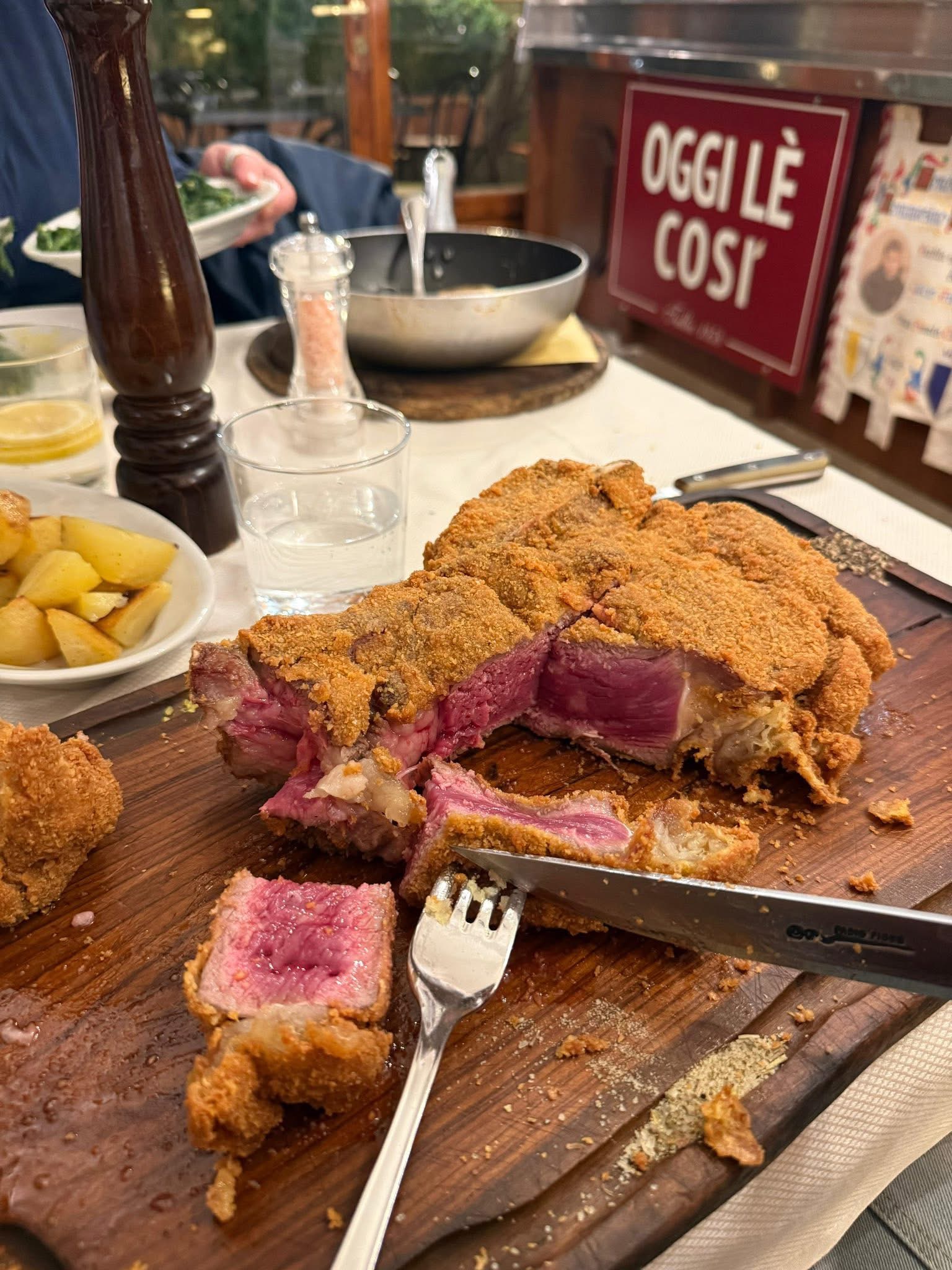
When you take a bite, the first reaction is audible: the breading breaks cleanly, dry, without excess grease. It is a carefully designed crust, closer to well-executed Italian-style frying than to exaggerated comfort food. The breadcrumbs adhere without falling off, a sign of a well-established technique. Inside, the meat remains surprisingly juicy. The marbling does its job: the fat melts slowly, softening the fiber and accompanying the frying without being overwhelmed by it. The cooking is calibrated, never aggressive: there is no boiled or dry effect, but a continuity between the outside and inside that makes the bite consistent. The flavor is more reminiscent of steak than cutlet. Frying amplifies the umami component, rounding out the iron notes without covering them up. The flavored salts come later, as a finishing touch and not as a crutch.
From a home experiment to a cult dish (controversy included)
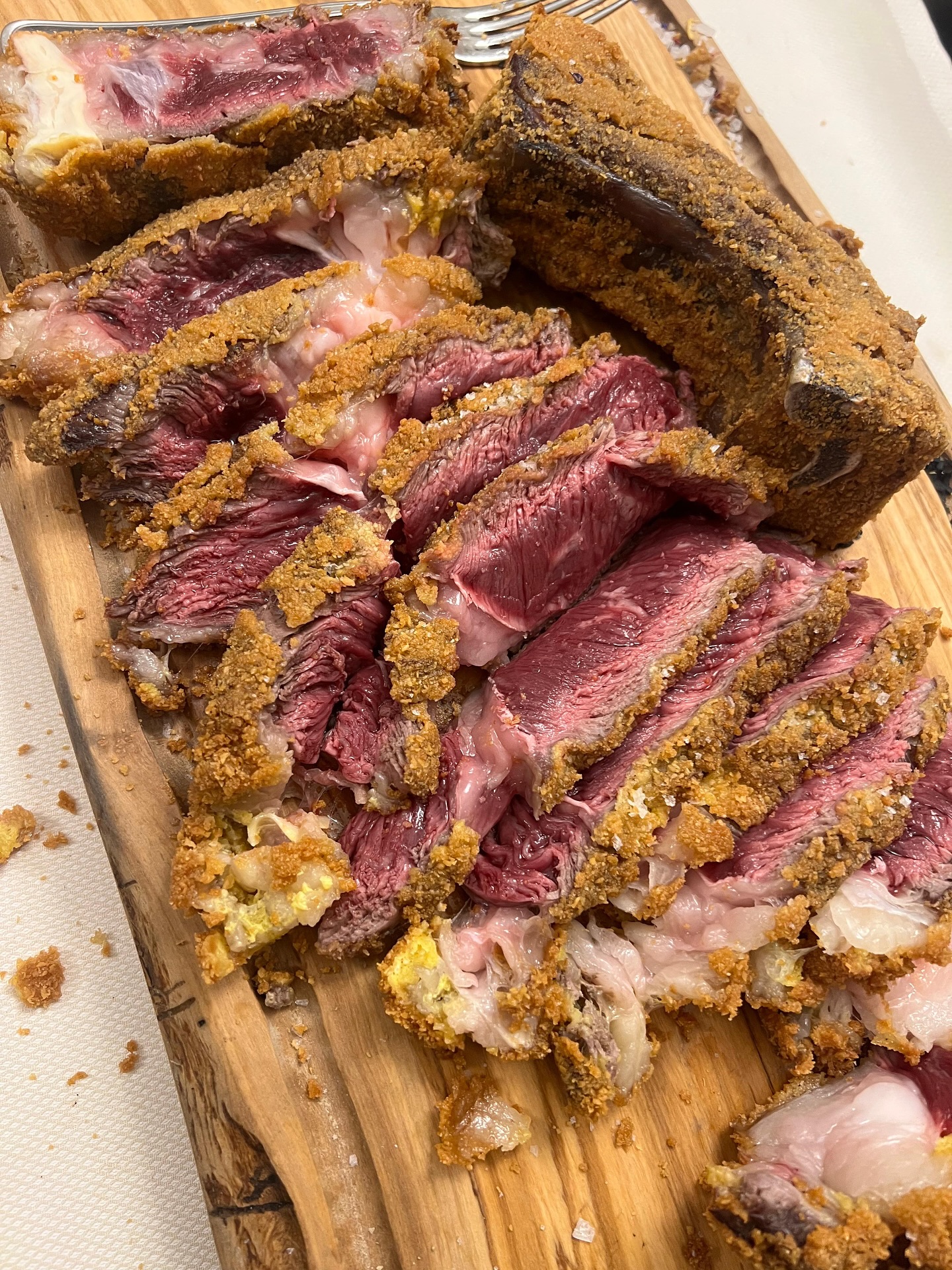
The idea came about during the pandemic, when time and home cooking became a veritable research laboratory. Years later, a video posted on social media has exceeded two million views and the comments are divided: curious, enthusiastic, nostalgic, indignant. There is no shortage of haters, but the dish remains. In fact, it becomes one of the most ordered dishes at Da Tullio. Especially by those who, due to age or necessity, cannot eat a classic Fiorentina steak but do not want to give up the taste of steak. It is served already cut, often in the center of the table, with flavored salts and—for birthdays—even with a candle instead of dessert.
Tradition that does not change, tradition that adapts
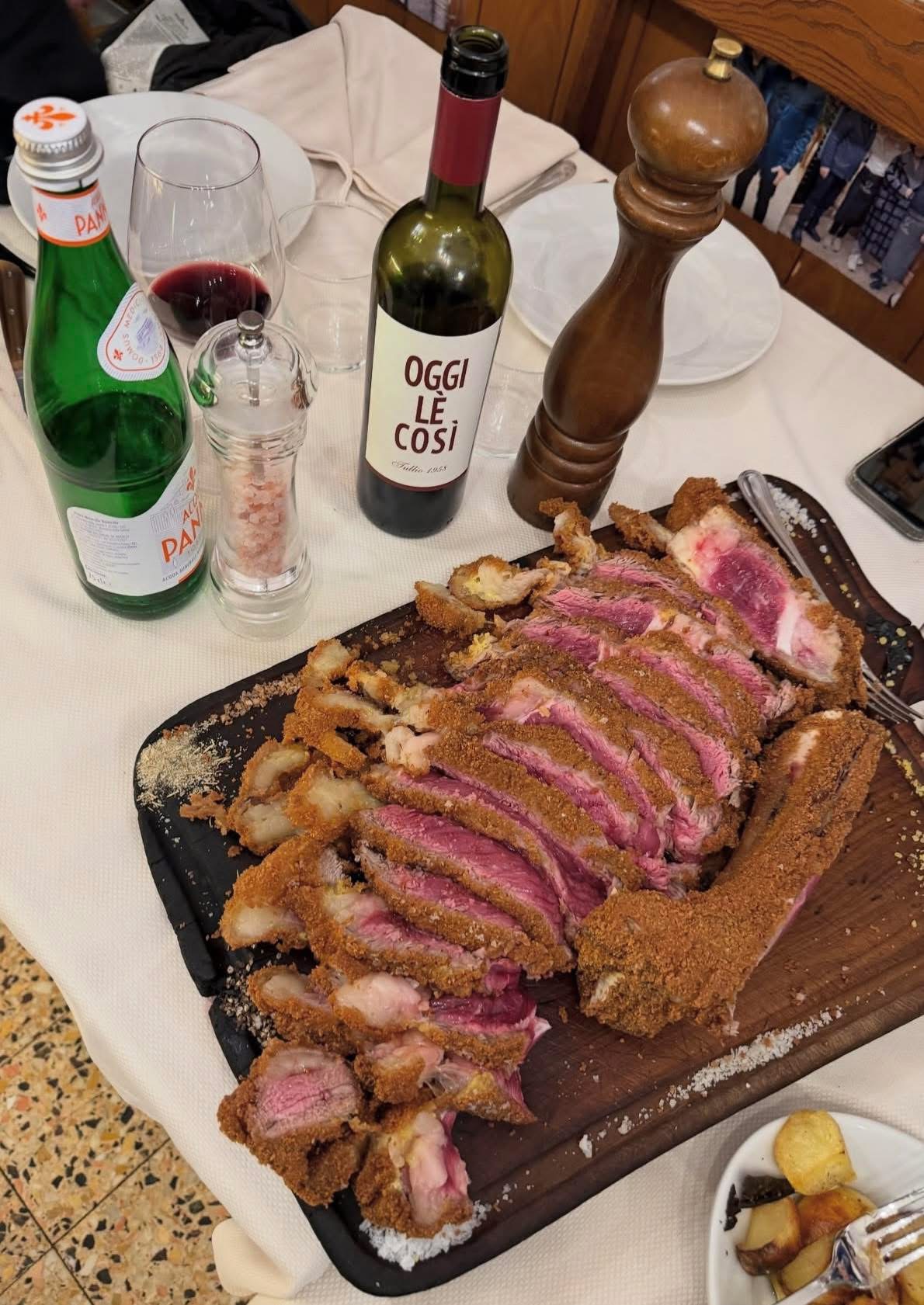
Paradoxically, fried steak originated in one of the most static menus in Tuscan cuisine: ribollita in winter, potato tortelli, pappardelle with hare, grilled and fried dishes as per the textbook. No “creative” cuisine, no declaration of rebellion. Just a slight variation, studied with respect and carried out without asking permission. Perhaps this is the point: not wanting to rewrite tradition, but to show that it can still surprise. Even—and especially—when it causes controversy. So yes: in Florence, steak is also eaten fried. Not instead of Fiorentina steak. Alongside Fiorentina steak.