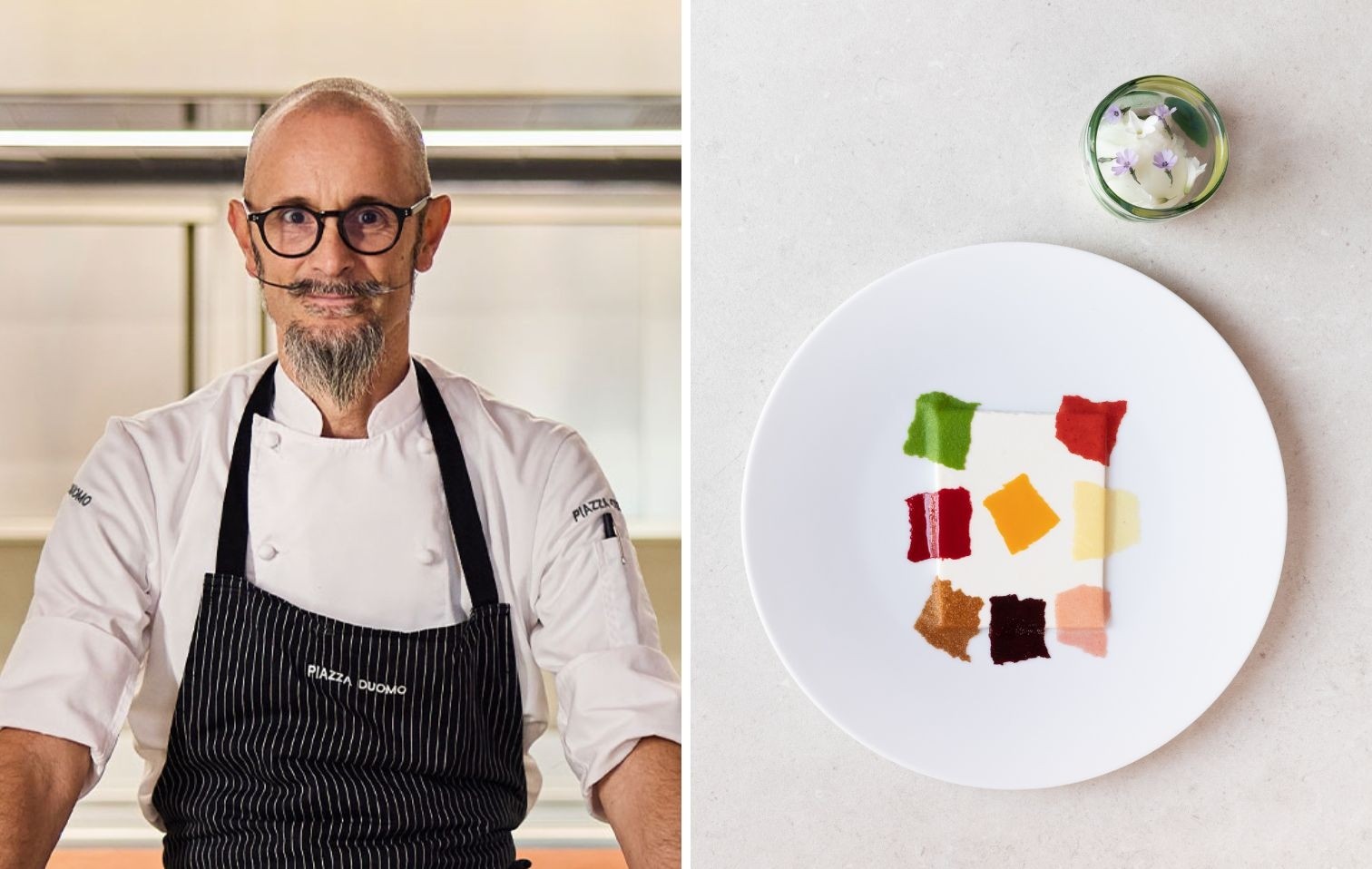
With Art Bites, Piazza Duomo becomes a veritable “museum of taste.” But how does one translate a work of art into a dish? We asked Enrico Crippa and here we tell you about the new dishes on his tasting menu.
The restaurant
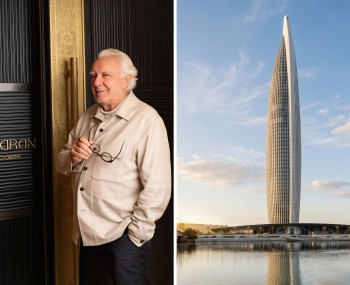
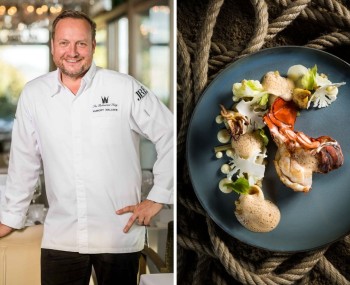
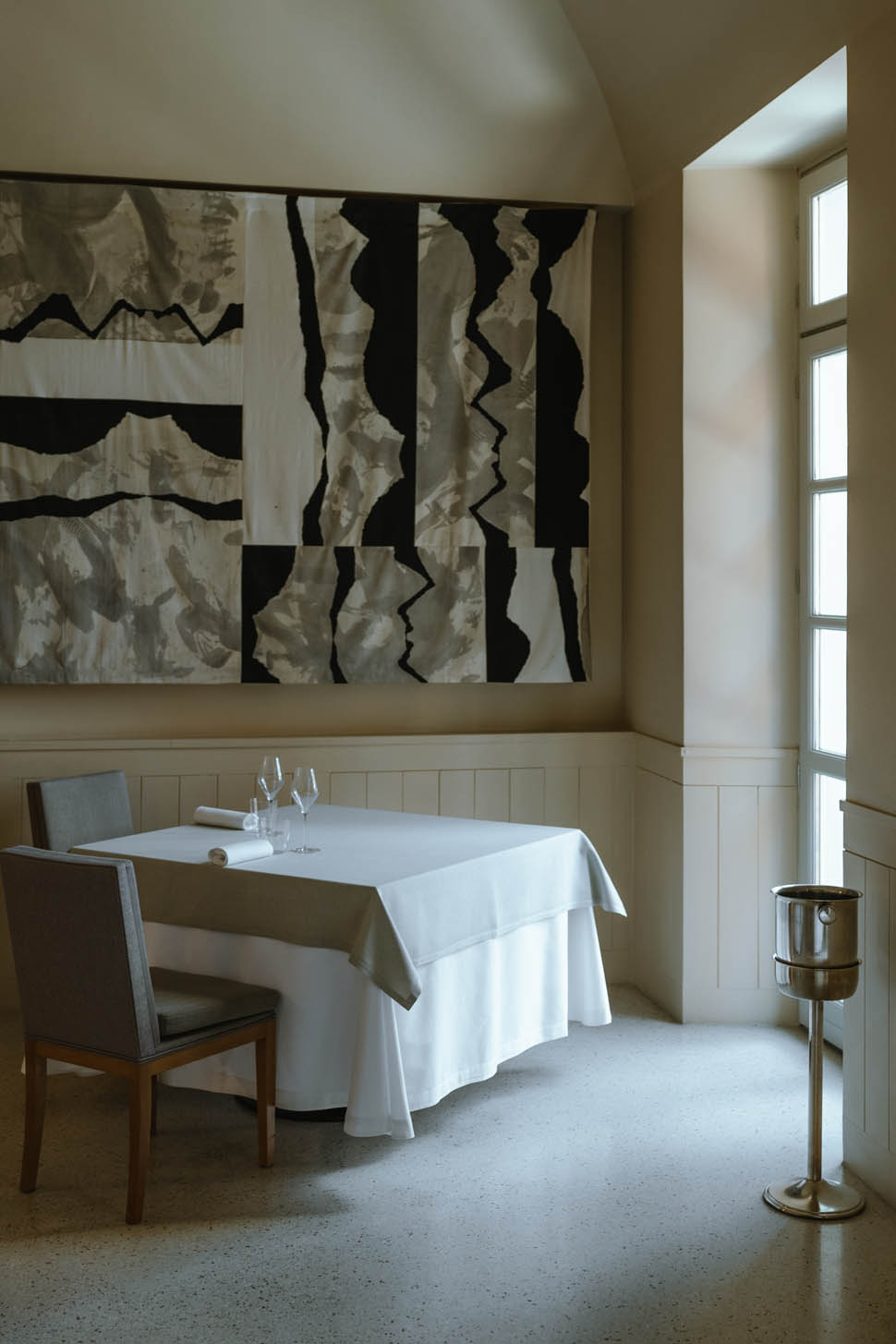
There are few destinations that bring lovers of haute cuisine together without sparking the heated debates so common among aficionados. One of these is Piazza Duomo in Alba: to appreciate the elegance of this restaurant, you have to walk through it, from the entrance to the exit. You will appreciate the essential refinement of the furnishings, along with the smiling aplomb of its waiting staff, men and women of rare discretion and solid presence. Three Michelin stars and a chef like Enrico Crippa, who is not inclined to show off and has a mind in constant motion: this restaurant is an educational stop both in terms of its gastronomic profile and the variety of its offerings.
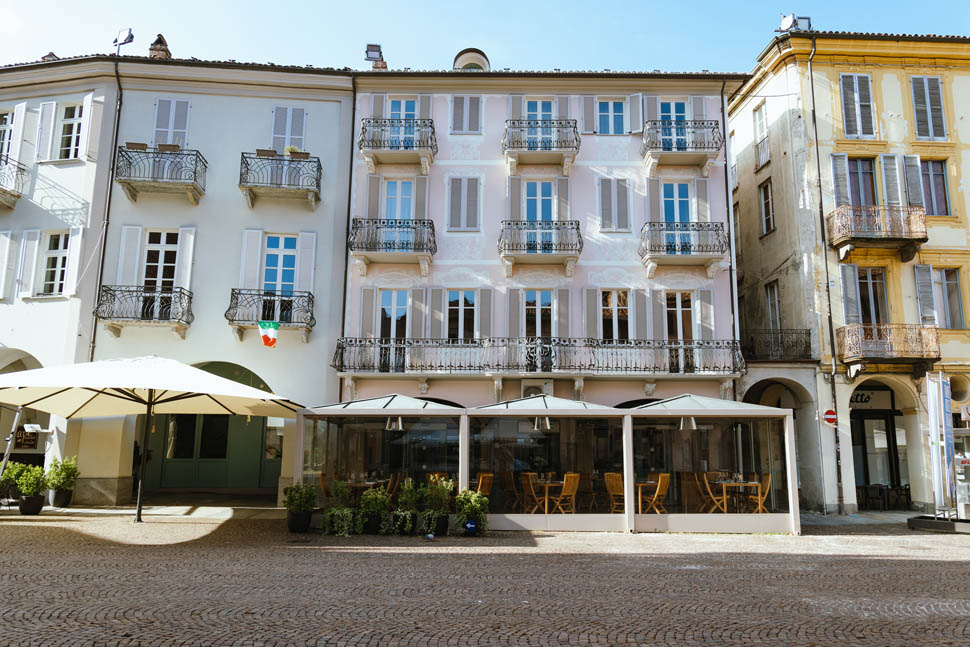
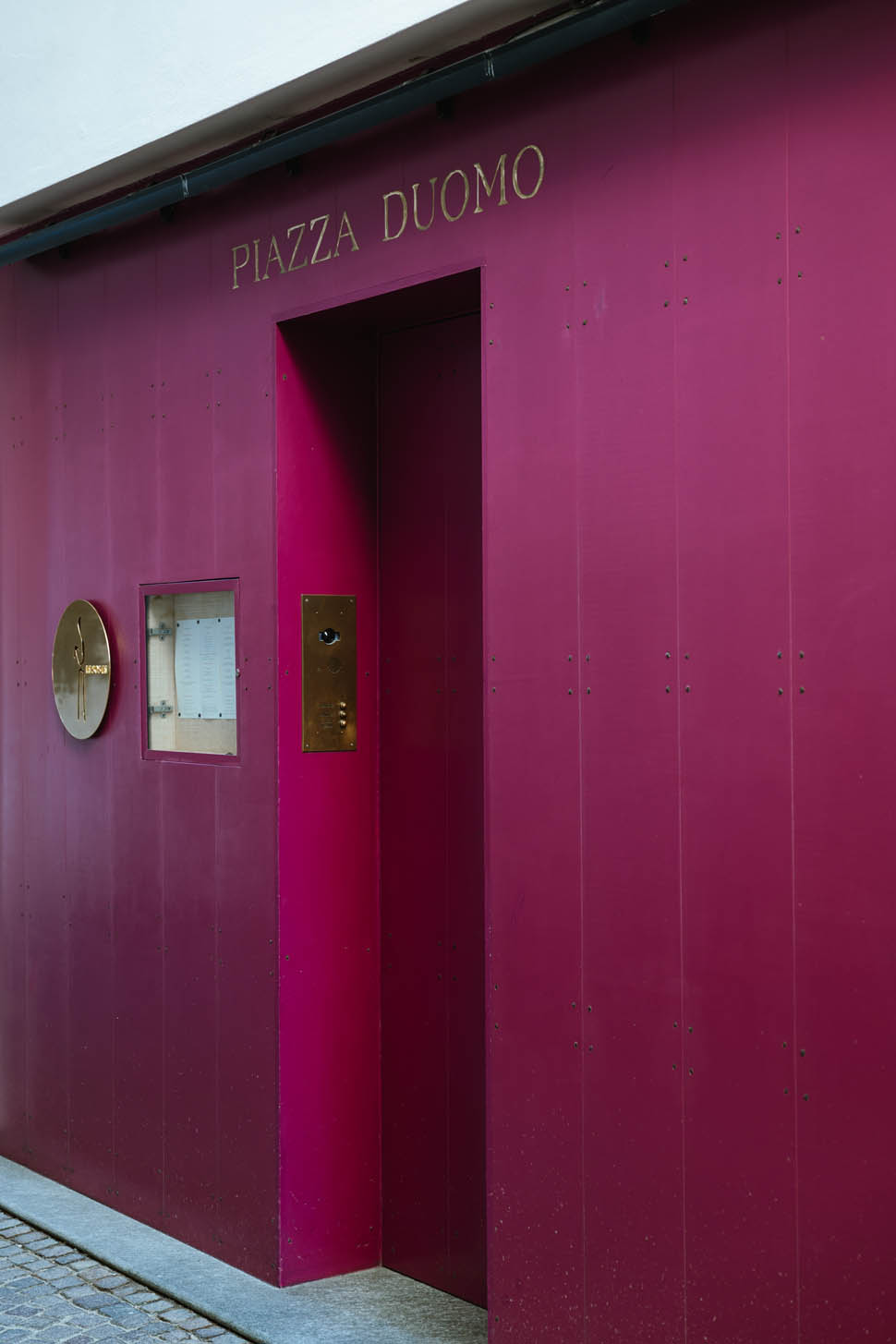
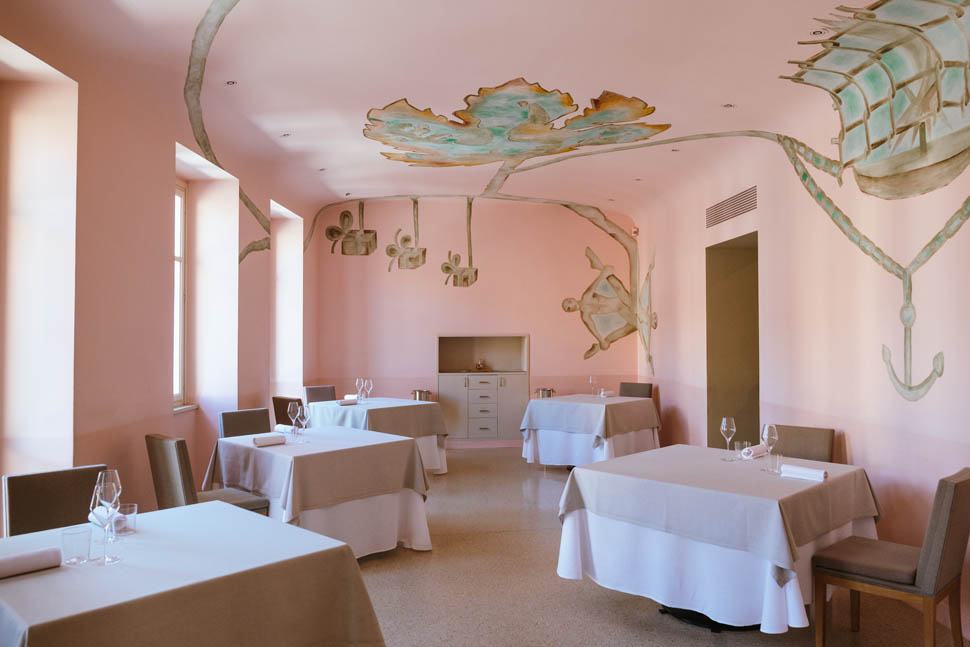
The Art Bites menu, a limited edition of four surprise courses that can be combined with other dishes, is available for lunch on Wednesdays, Thursdays, and Fridays from January to September for €170. This is a very reasonable price considering the location and the essence of the restaurant, because in addition to the dishes served at the table, there are numerous small, unforgettable tastings. But how did this concept come about?
Art Bites
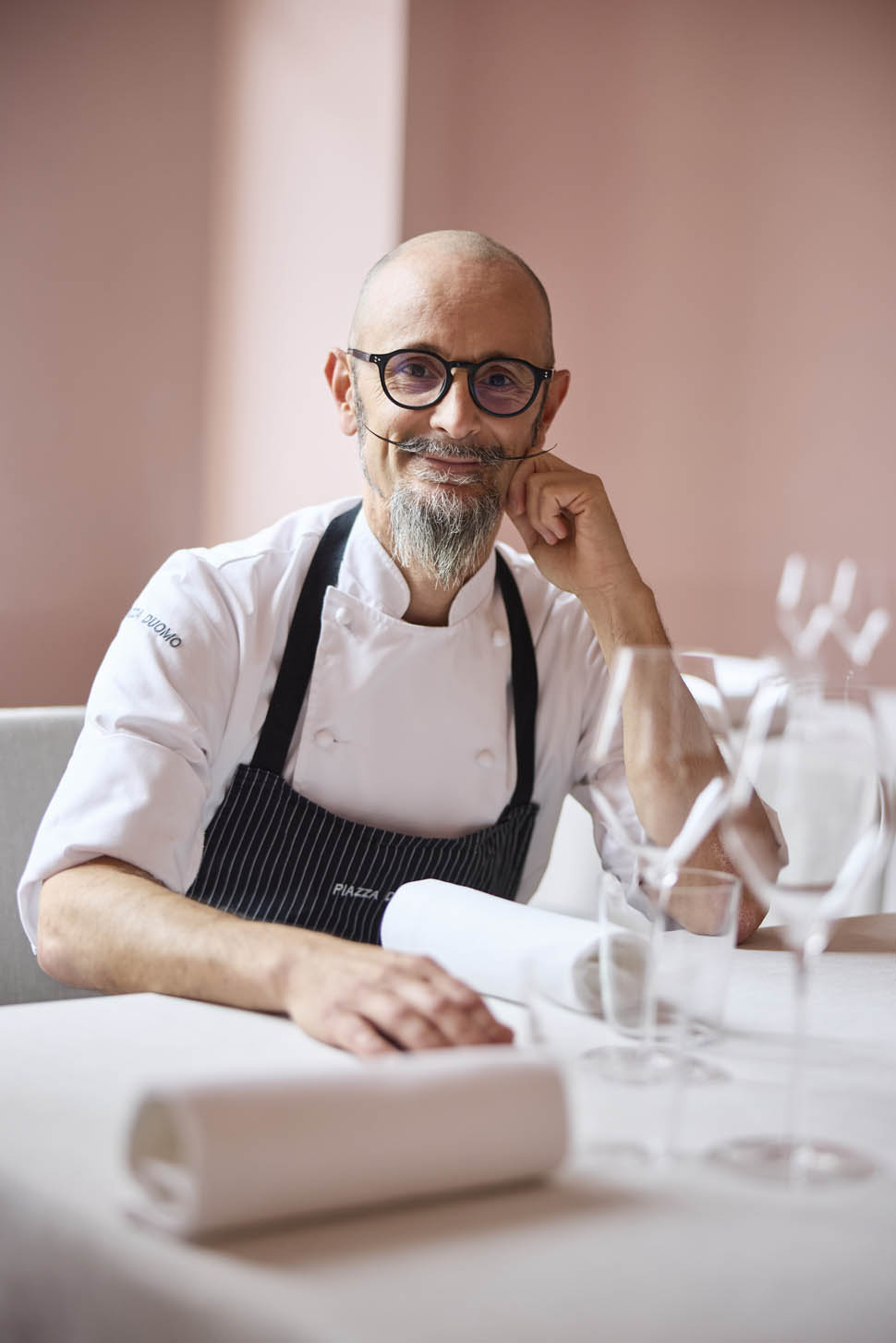
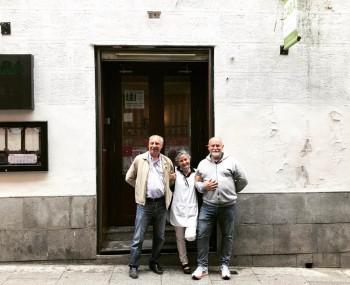
The chef tells us: "It all started thanks to our collaboration with our architect and interior designer Bill (William) Katz, who used to set up exhibitions for American transavantgarde artists. He installed exhibitions for artists such as Francesco Clemente, Jasper Johns, and Robert Indiana, and introduced them to us. Led by Roberta Ceretto, about ten years ago, during the Truffle Fair, a mini exhibition of 3-4 works by these artists was organized for the city of Alba, open to the public throughout the month of October. What happened? There was an evening event in a restaurant to mark the opening of the exhibition, and from that first event onwards, I had the idea of trying to reproduce drawings and sculptures on a plate. That's how the first session came about. Over time, the artists followed one after another: Anselm Kiefer, Kiki Smith, Marina Abramovich.
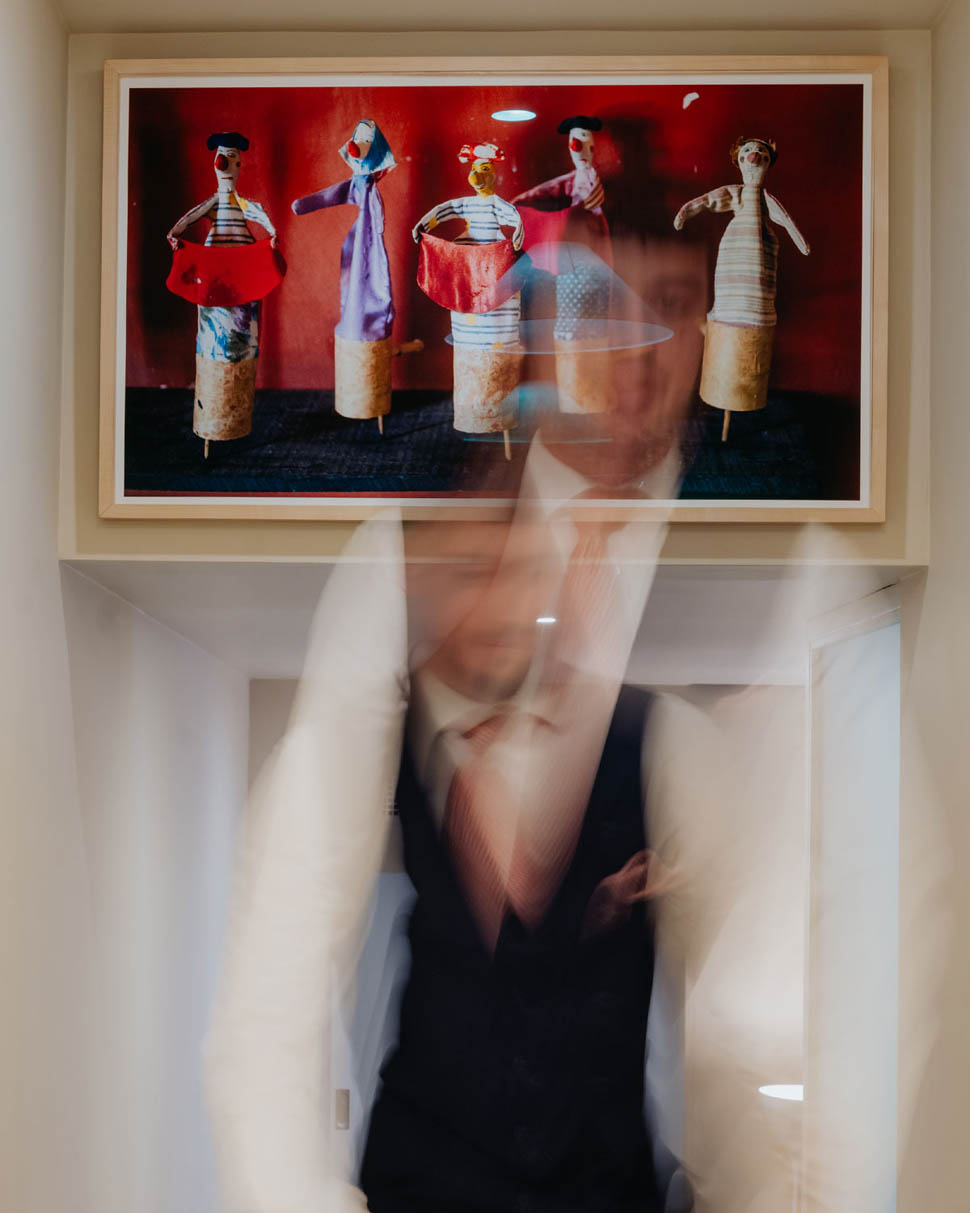
“Then there was also a meeting with Patty Smith, the singer: she was friends with all these people and also draws, including sketches, paintings, and watercolors. She had been invited with photographer Lynn Davis. At that juncture, since they were both friends with Robert Mapplethorpe, another famous photographer, we dedicated the evening to him. From there, the research began, looking at other artists, even those who were no longer alive, going back a long way in time to see if we could draw inspiration from their works to create a series of dishes that not only resembled them visually but also represented the spirit of the artist in terms of taste. That's how it all started. Then, having had several four- or six-course menus for some time, at a certain point I said to myself that it would be nice to put together dishes dedicated to different artists and create a lunch menu that represented us, explaining how this idea came about and our thinking behind it. So we decided to do it last year and again this year with a limited and numbered edition of a thousand menus.
Crippa also tells us about the impact that all these artists had on him: "They are people who seem to live in another dimension. But they are very sensitive, some with a super ego, but then when you get to know them well, they are very pleasant. Others are great professionals, some live a carefree life, some are perpetually sad. I spent a vacation with some of them in New Mexico: I would get up in the morning and make breakfast for everyone. For a while, no one would show up, then every now and then one would appear in their bathrobe, walk by, say hello, drink a coffee, and then leave, then another would return. Then, maybe at three in the afternoon, with breakfast still half there, someone would say, ‘Let's go for an aperitif at that place’: we would get in the car, drive for about three hours, to have a coffee in the native village, where there was nothing but silence, or we would bring our own coffee. Sitting there, staring into space, thinking, whispering: it took me a while to get into this mood, but after a while I too was surrounded by this aura of artistic dream."
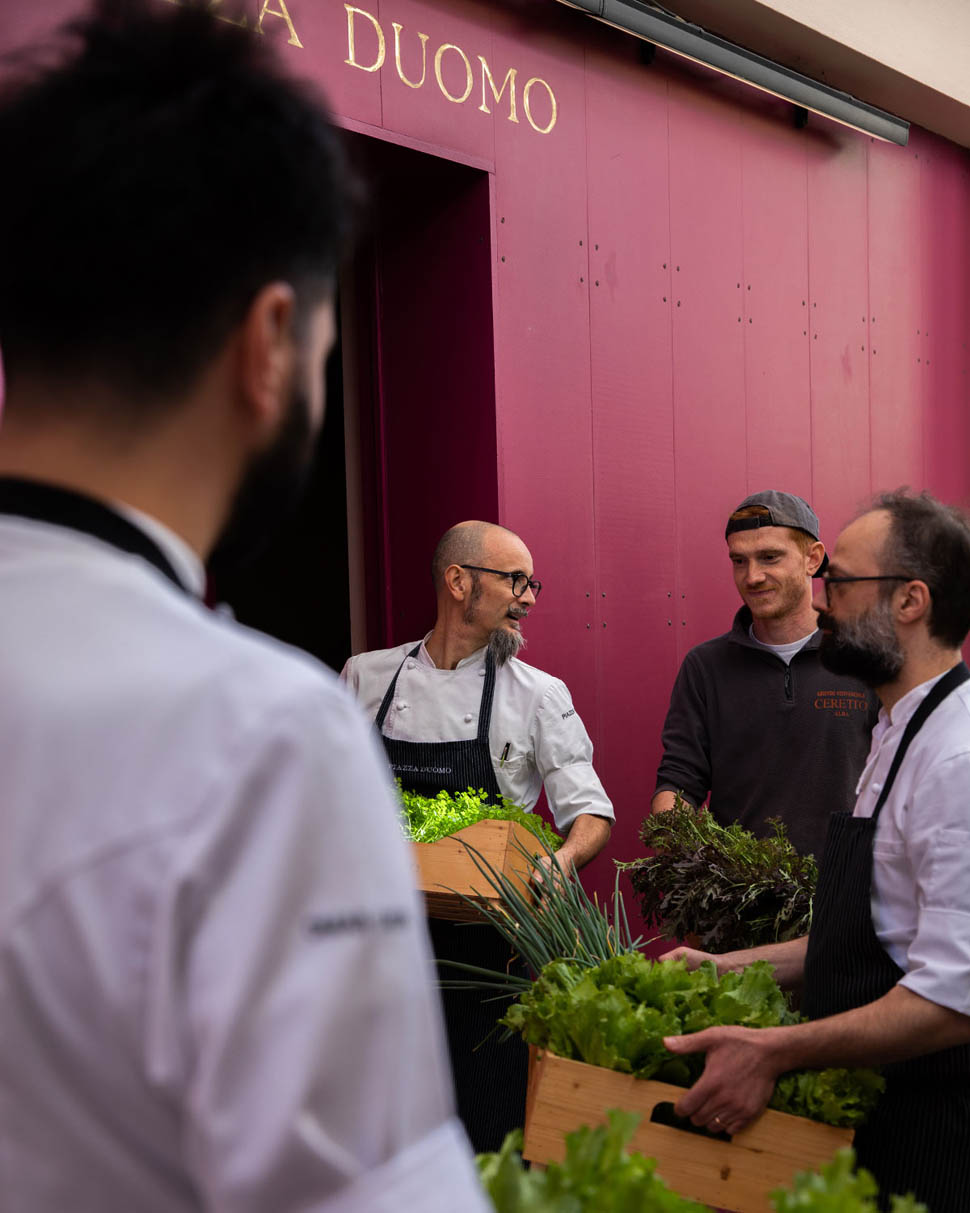
Roberta Ceretto's idea to organize these exhibitions, accessible to anyone who could visit during the truffle fair, prompted the chef to take an increasing interest in art: “It stayed with me, because as soon as I have a moment, I scroll through my phone and look at modern artists, I go to museums and when I see a painting or a sculpture, as well as admiring its beauty, I try to understand if I can transform what I am seeing into a dish, select a shade of color that could become a choreographic nuance of a new idea.” But how does one translate a work of art into a dish? What is the process that drives Enrico Crippa and leads him to materialize art into taste?
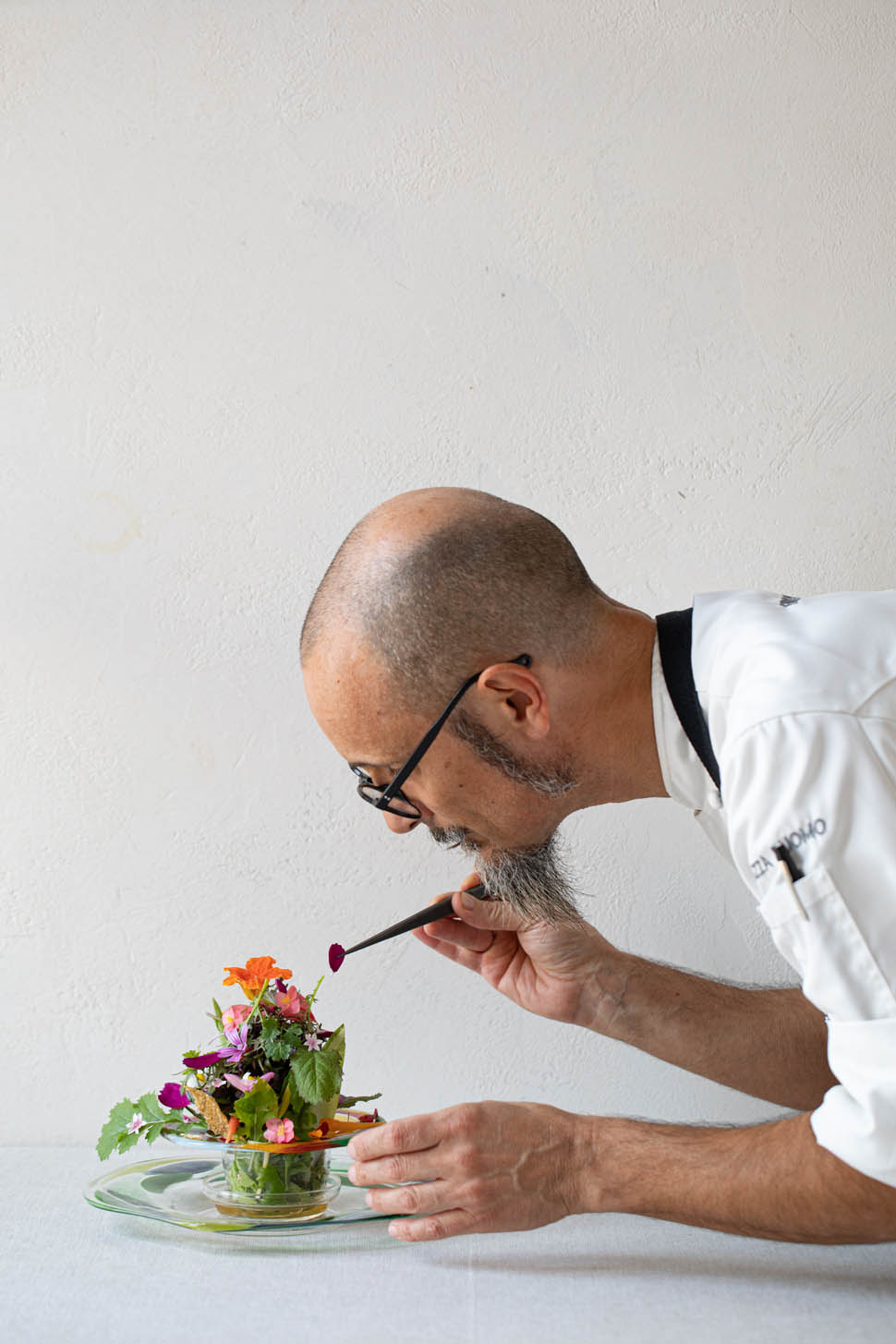
He replied: "First of all, there is an initial approach to what you actually see and what you can actually do. Let's stick to the painting, the canvas: sometimes they are very simple, while others may not be immediately accessible, but they can inspire you. You have to try to open the diner's mind to why there is this subtle similarity to the work, thanks also to the story told by the wait staff. But basically, you keep banging your head against the wall to get as close as possible visually, with edible ingredients and natural colors. It's not always immediate: sometimes it is, other times it takes months, for example with the Cod or the Mondrian Scallop. We worked with a greenish escarole pasta that we used for another dish, then we made a white base of spring onion, added saffron, and then used red cabbage to give the final red color to the square we put on top". Then there must also be a balance of flavors: “The three things must go together, so the sauce underneath is made with butter, fish stock, and ginger with a spoonful of spring onion. It goes well with saffron and onion, and this sweetness, which is also a little pungent, the bitterness of the red cabbage is not out of place, and so you have created a balance.”
The dishes
Art Bites is a menu presented in a cryptic-romantic way: each dish is named after the artist it references. It is possible to add to the menu, and we did so with the green masterpiece that is the salad: you cannot pass by Piazza Duomo without trying it. It changes from a minimum of 21 items to a summer peak of 51. Today, the name has remained the same, but the numbering has changed significantly. In the dining room, they tell us: “We have around 100 items throughout the year, reaching a summer peak of 127, all written on the dedicated menu.” The chef's ‘welcome’ is impressive, once again reflecting a philosophy deeply devoted to the vegetable garden. Among the small dishes: cauliflower with brusca sauce, Bernese base with parsley and tarragon, marinated pumpkin with salted hazelnuts, salted crème caramel with miso reduction, cauliflower purée with Taggiasca olives, broccoli purée with Senise pepper oil, capunet revisited with anchovy green sauce, puntarelle salad with spiced chickpea cream, baby spinach in mustard sauce, Chioggia radicchio with toasted hazelnuts, sheep's milk ricotta with a cabbage cream base: in short, a real joy.
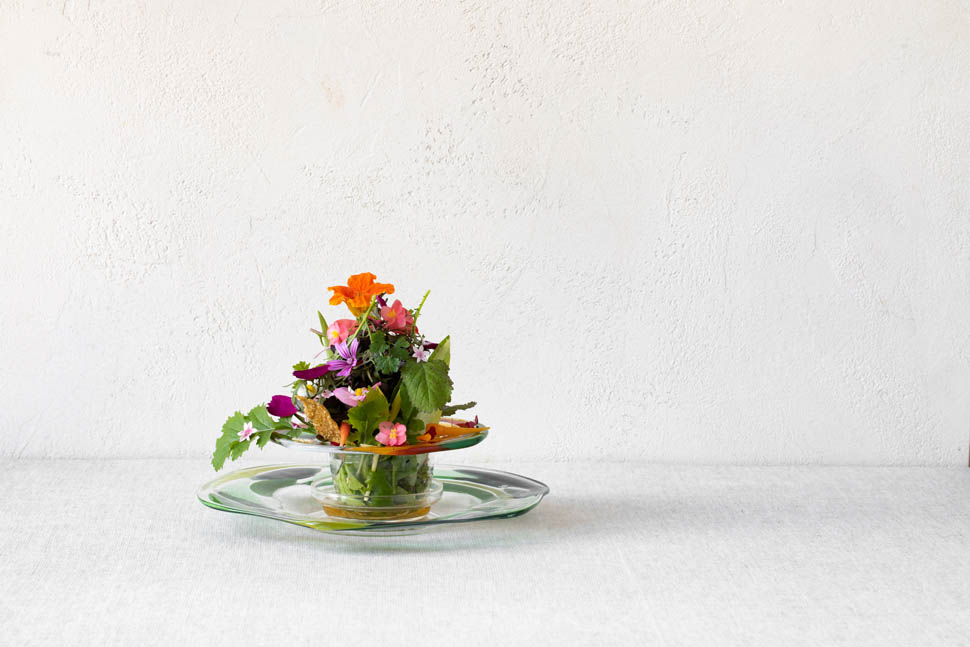
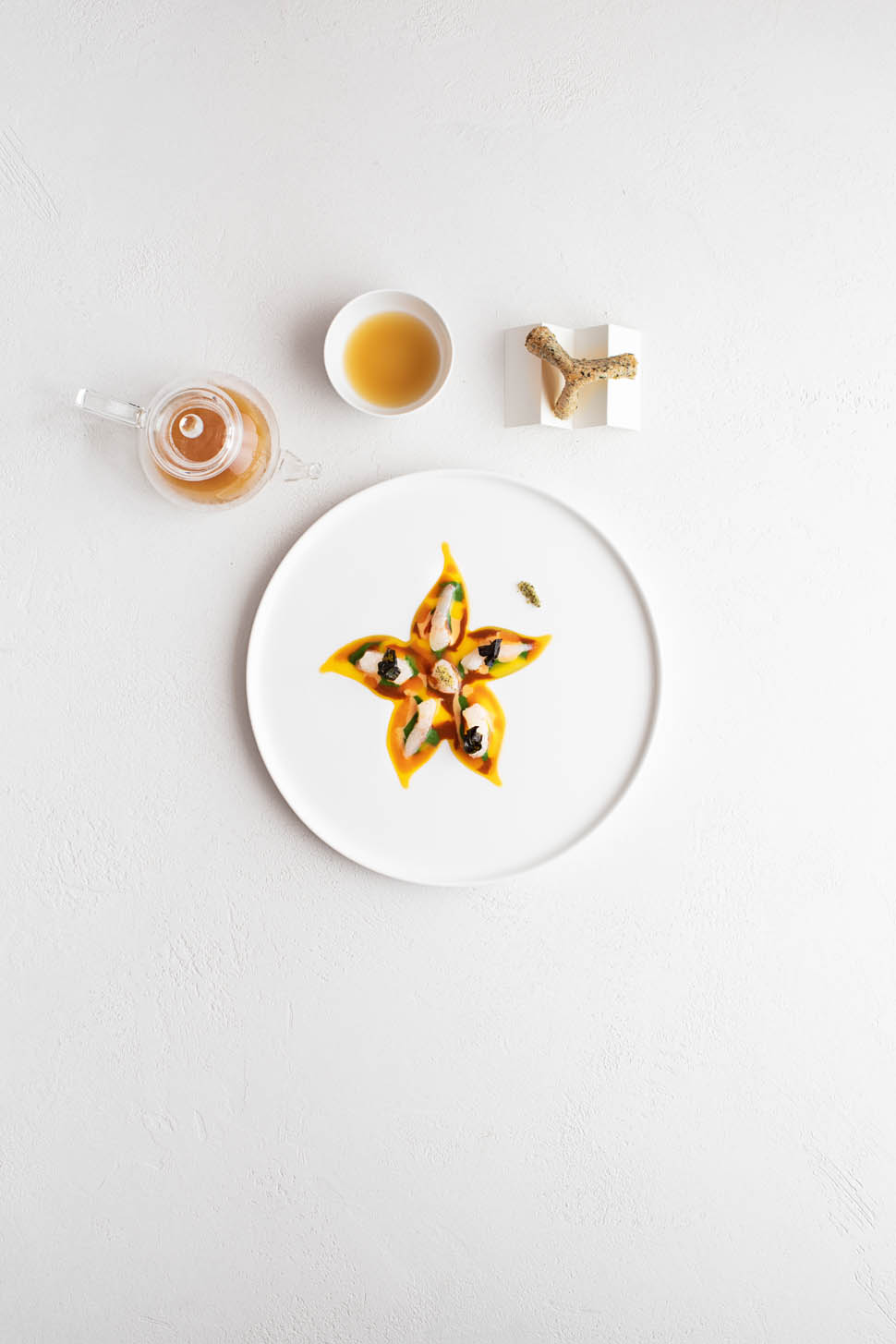
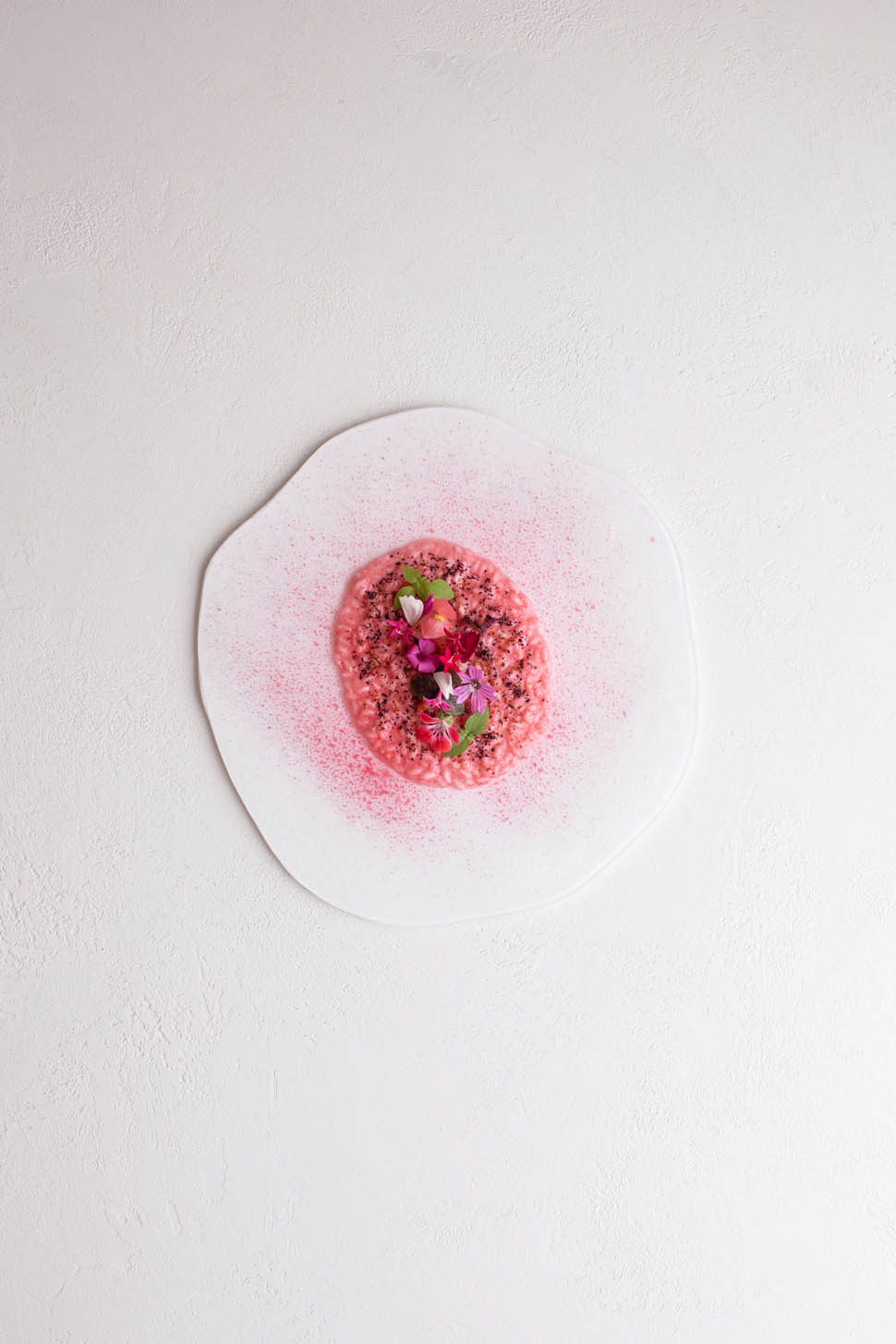
Park Güell is one of Barcelona's main attractions, and Antoni Gaudí's wonderful mosaic creations were the inspiration for our first dish, which features a variety of sauces. Spectacular in color and sublime in taste, it is based on marinated egg yolk, parsley sauce, tomato béarnaise, sea urchins, and bitter orange; topped with shrimp, nori seaweed, and furikake to sprinkle on top, accompanied by a furikake wafer. Then there is almond sorbet with sea urchin sauce and coffee powder and shrimp consommé. Paul Klee's painting ‘The Rose Garden’ has been recreated: a classic Carnaroli risotto creamed with butter, cheese, and beetroot; topped with Sanremo shrimp poached in pancetta water and Cosmos flowers.
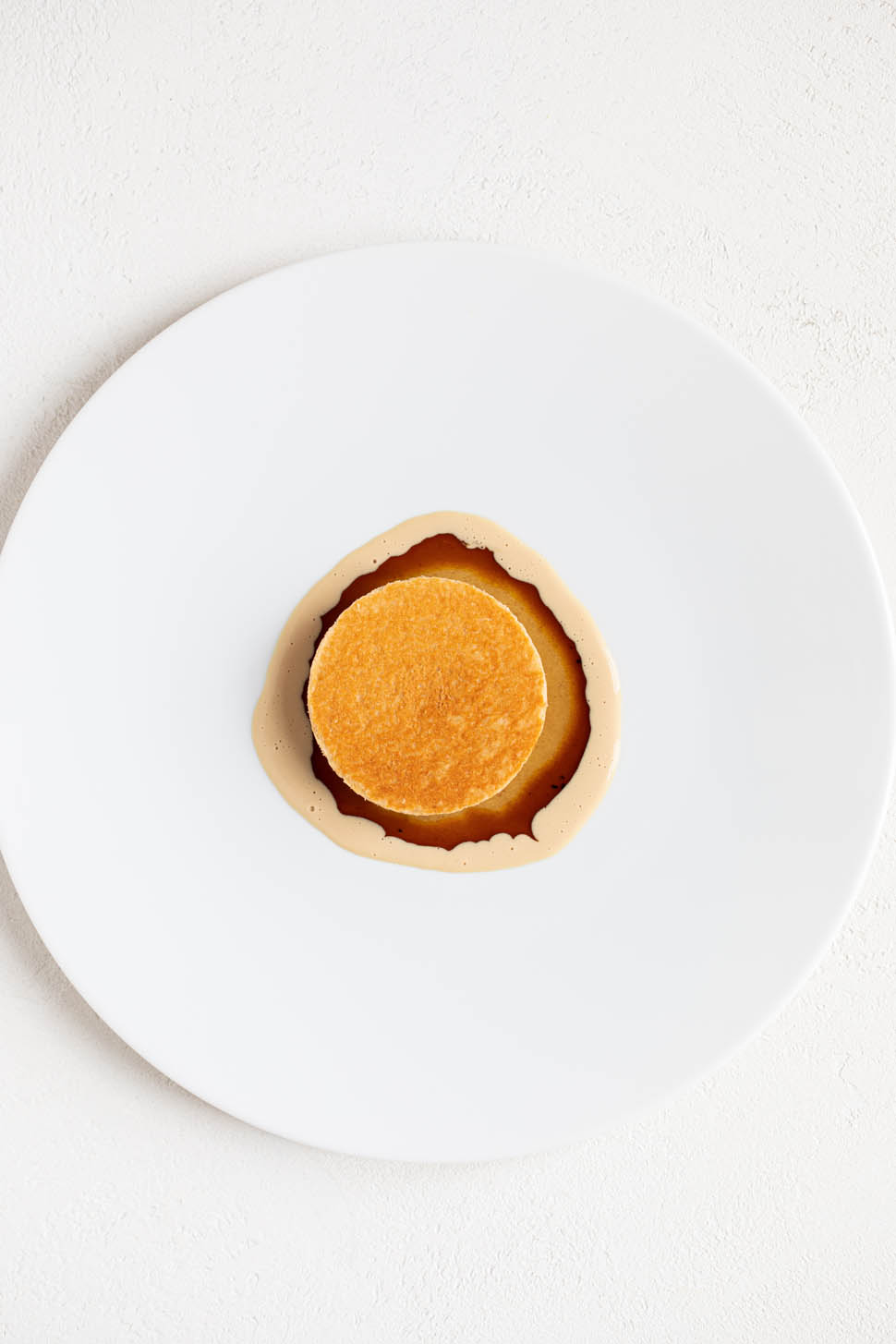
Vasily Vasilyevich Kandinsky's circles were reproduced in pure succulence with a deconstructed Wellington beef. The outermost circle consisted of foie gras, parsley, truffle sauce, and Marsala sauce; then sirloin, cardoncello mushrooms, and Parmigiano Reggiano biscuits on top.
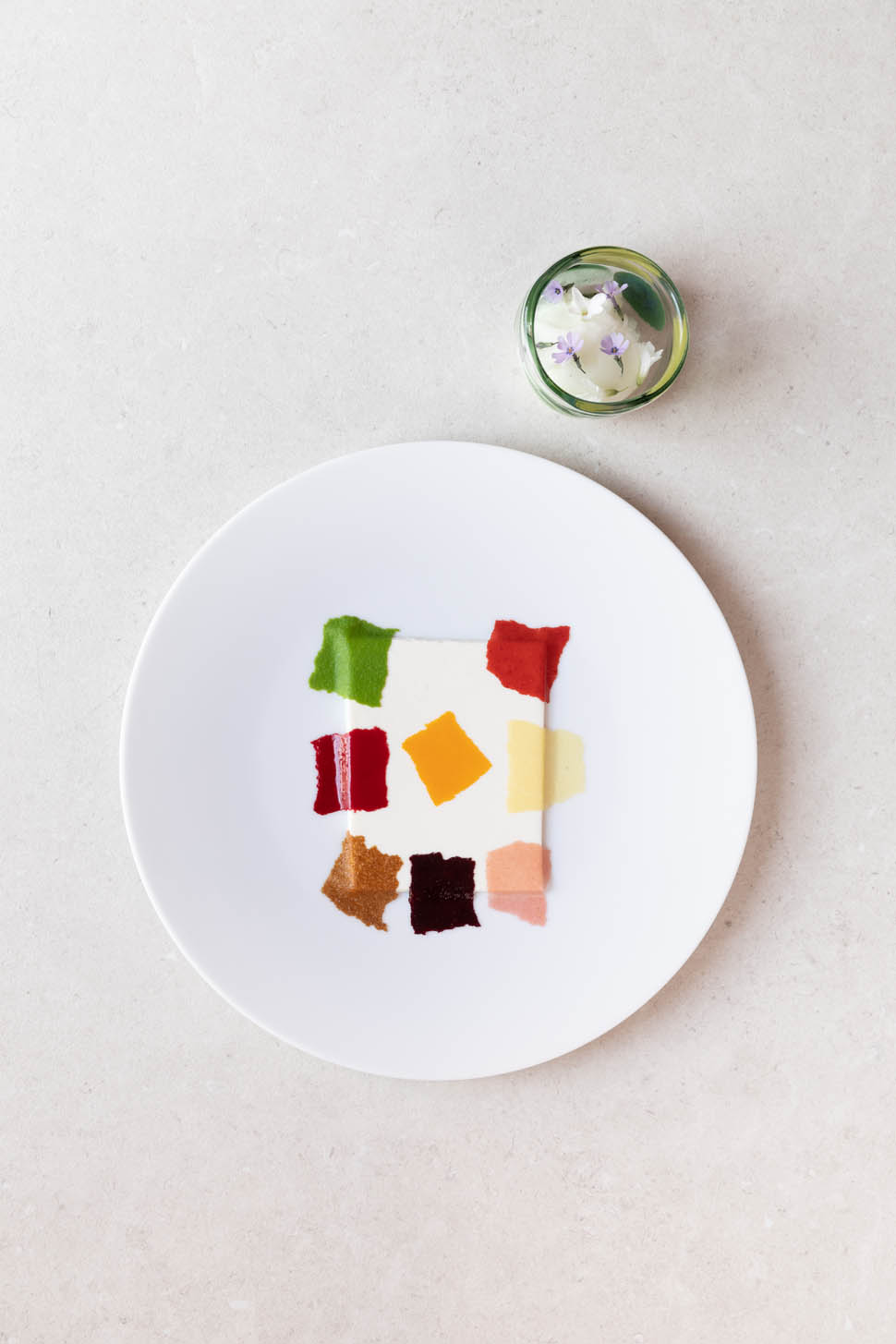
The tribute to Vincent van Gogh with his “Fields of Flowers in Holland” is splendid: different textures of milk, caramel sauce, milk cream, milk ice cream, and dehydrated milk colored with natural ingredients such as mint, rose, chamomile, pea, and licorice; alongside an amaretto infusion to drink during the tasting. The final dish, to be shared, is inspired by a work by David Tremlett, a British artist who, together with Sol Lewitt, reinvented the colors of the Barolo chapel: it is a composition of exquisite, wafer-thin wafers flavored with different tastes. Cooking is not art, but it comes close to art.
Piazza Duomo
piazza Risorgimento, 4 – Alba (CN).
Phone 0173366167.
Website: www.piazzaduomoalba.it
e-mail: info@piazzaduomoalba.it.