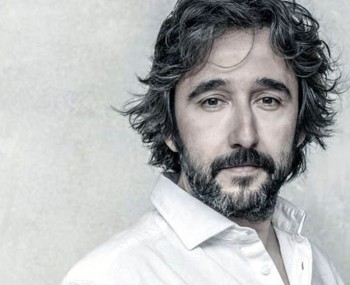
The story of IYO Group began in 2007, in a Milan that was not yet ready to see Japan outside the “ethnic” category. Claudio Liu opened IYO Restaurant with an idea that was revolutionary at the time: to take Japanese cuisine out of the realm of exoticism and into the language of contemporary haute cuisine.
Talking about Japanese cuisine in Italy often means speaking a language that is more difficult than Japanese itself: sushi, sashimi, ramen, three words that have traveled around the world and, in their global success, have ended up, even in Italy, summarizing one of the most layered, ritualistic, and symbolic gastronomic traditions in human history. This is completely wrong and deeply unfair. Washoku, recognized as UNESCO Intangible Cultural Heritage of Humanity in 2013, is not a collection of iconic dishes, but a philosophy of life: a system of values that focuses on respect for nature, seasonality, community, and the balance between taste, form, and time.
In this context, the IYO Group represents an almost unique case in Europe: not a restaurant that “serves Japanese cuisine,” but three distinct places that each convey three different levels of depth, three languages of the same culture, three ways of approaching Japan, truly speaking its language. At the helm of this project is Claudio Liu, a visionary entrepreneur who, long before the term “Japanese fine dining” became familiar, understood a simple and radical truth: to truly understand a cuisine, you have to explain its complexity, not simplify it.
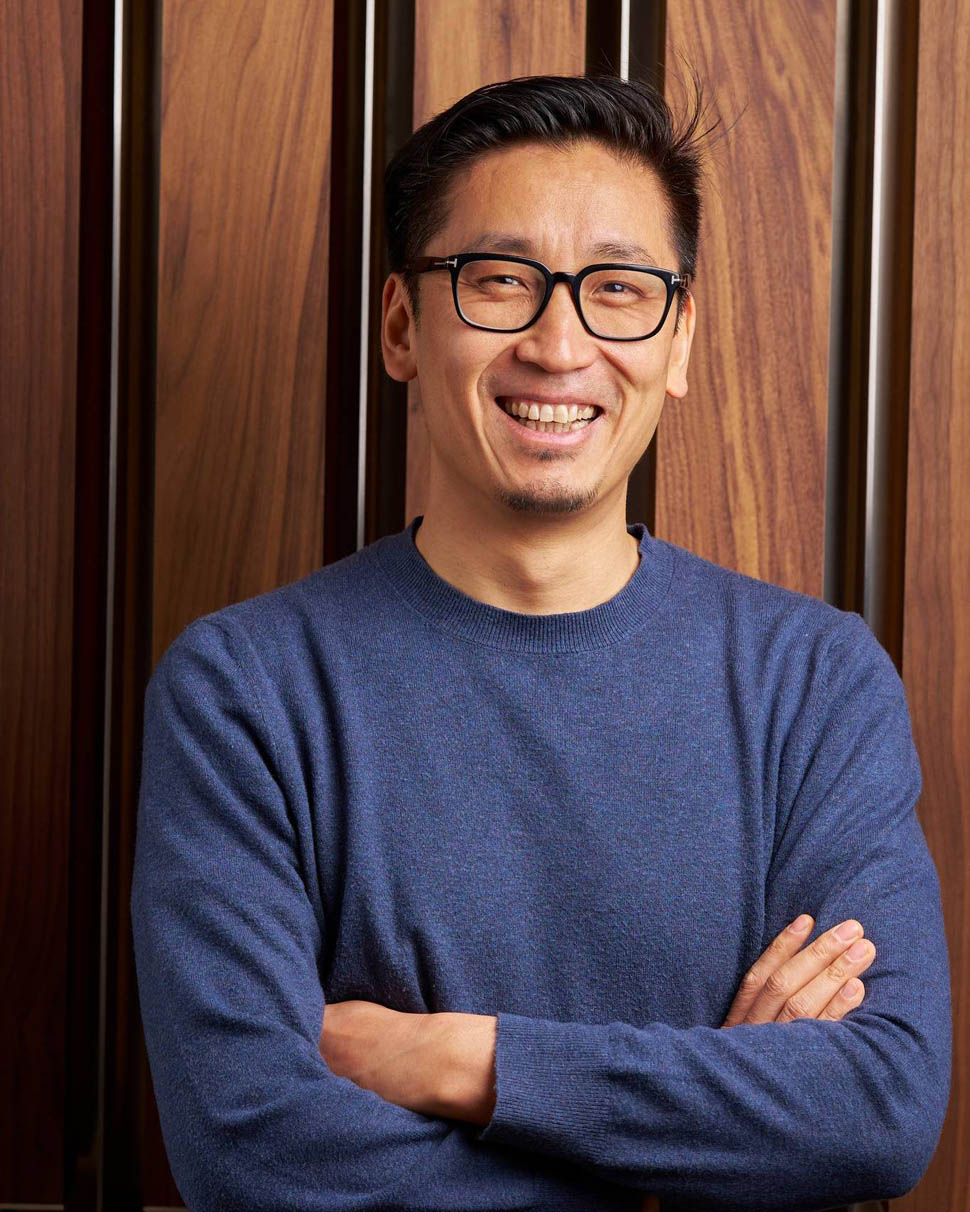
Claudio Liu: building bridges, not shortcuts
The story of IYO Group began in 2007, in a Milan that was not yet ready to see Japan outside the “ethnic” category. Claudio Liu opened IYO Restaurant with an idea that was revolutionary at the time: to take Japanese cuisine out of the realm of exoticism and into the language of contemporary haute cuisine. “Not a slavish imitation of tradition, but a cultural translation, capable of dialoguing with Western tastes without distorting Japanese identity,” as Claudio himself says.
IYO's success is not immediate simply because people “like” it: it comes because it educates. It teaches people to recognize umami, to assess the quality of fish, to understand the value of rice, and to perceive silence as part of the gastronomic experience. The Michelin Star in 2015 marks a historic milestone: for the first time in Italy, Japanese cuisine is recognized as international haute cuisine, not as an ethnic variant. But Liu does not stop there. On the contrary, that is where the most interesting journey begins.
IYO Restaurant: Japanese cuisine as an international language
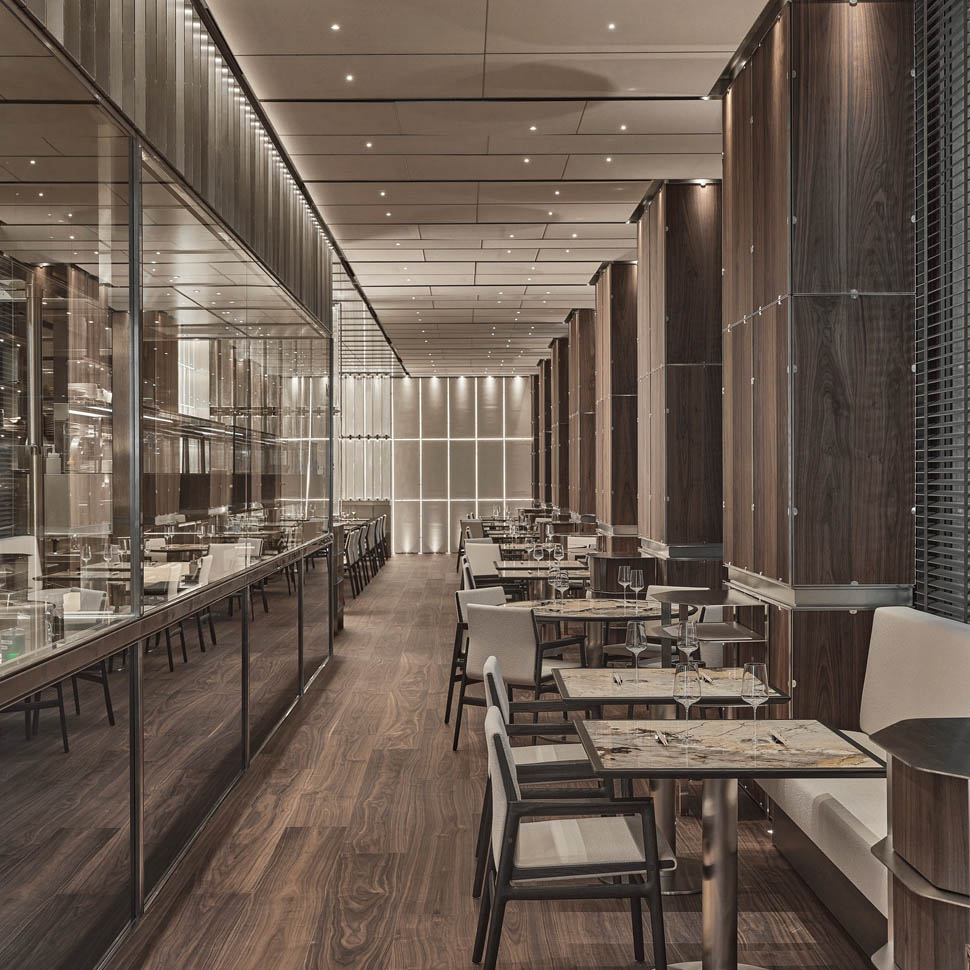
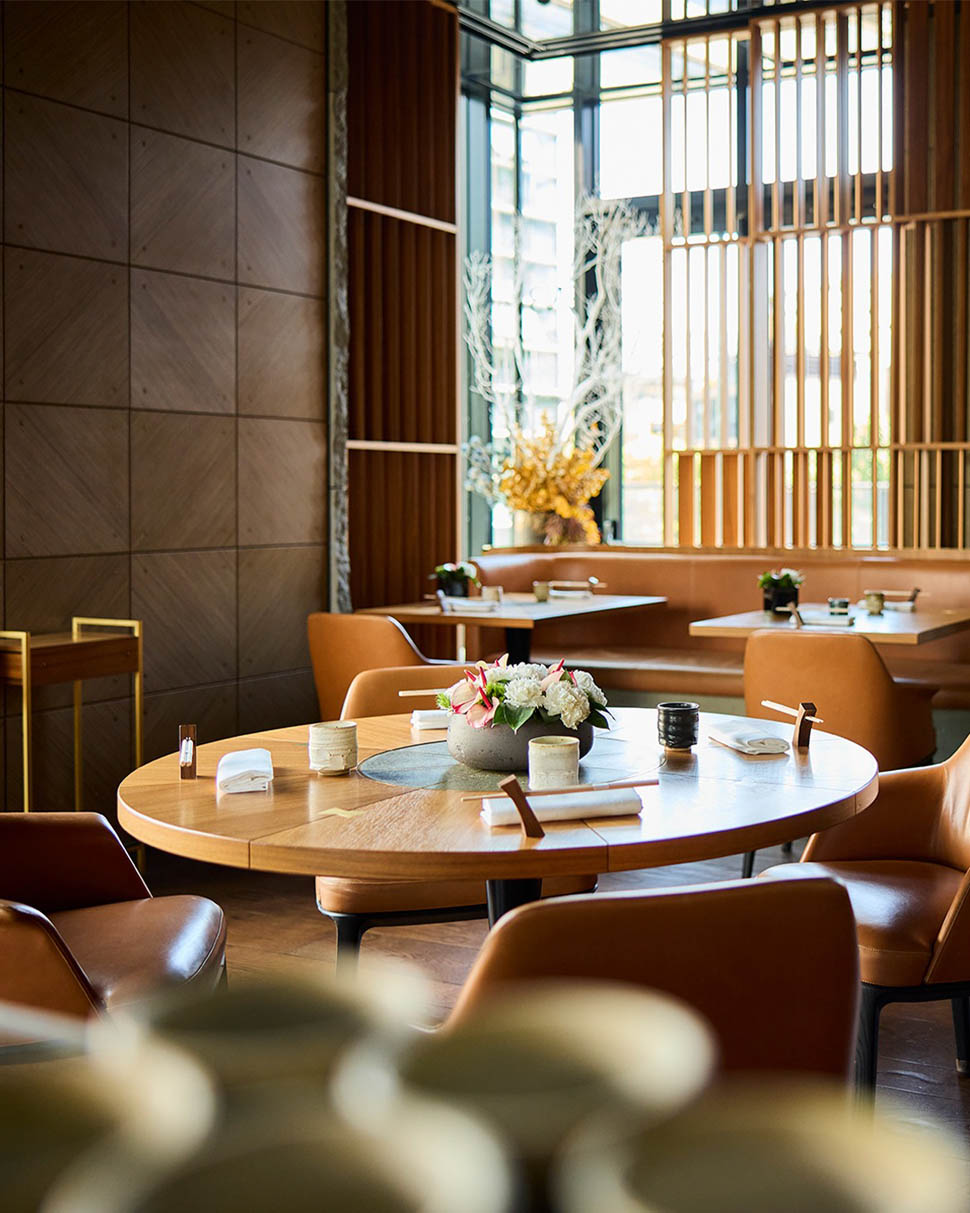
IYO Restaurant was the first step, and perhaps the most courageous. When it opened in 2007, Milan was not yet familiar with Japanese cuisine as an autonomous gastronomic language. Sushi existed, of course, but as an urban phenomenon, fast-paced and often folkloric. Claudio Liu realized that the real cultural shift lay not in replicating tradition, but in translating Japan for a Western audience without impoverishing it. Thus, a restaurant that speaks an international language was born. IYO is not traditional, but it is deeply authentic. Here, Japanese cuisine meets French techniques, European ingredients, and a contemporary sensibility that rejects dogma and chooses dialogue. It is a cuisine that does not demand silence, but attention; it does not impose rituals, but invites discovery.
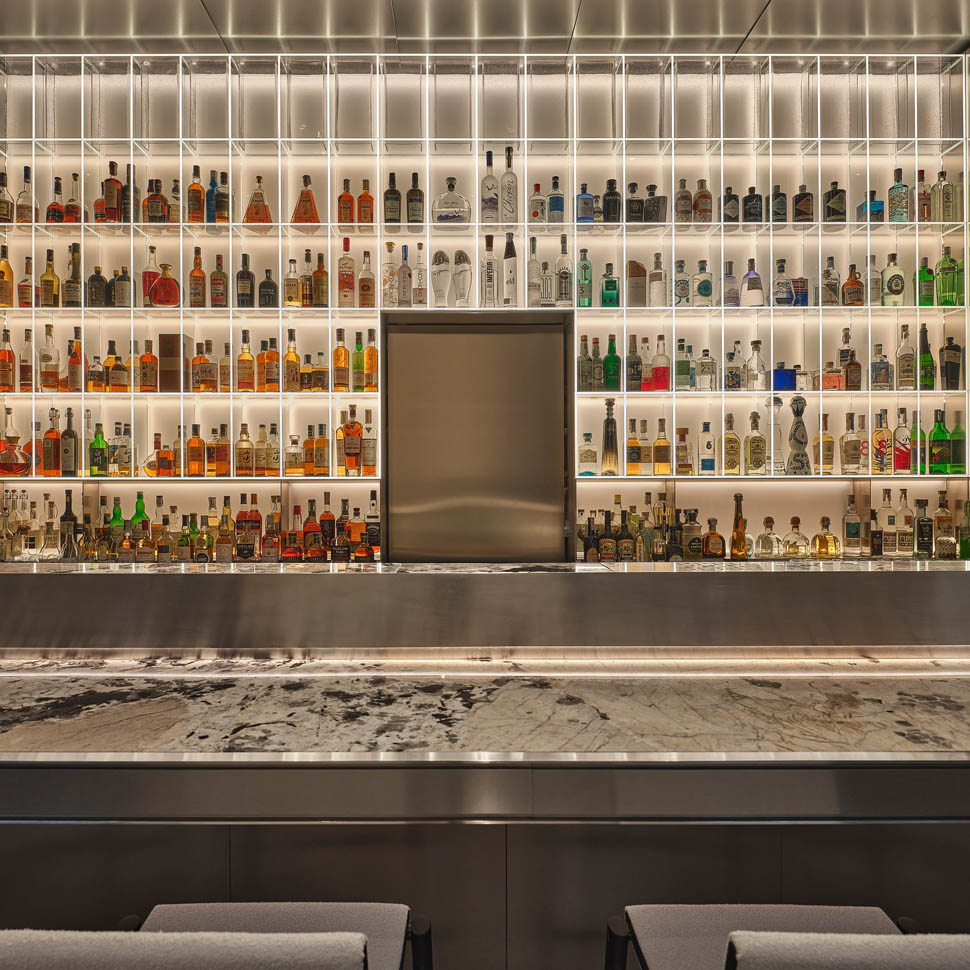
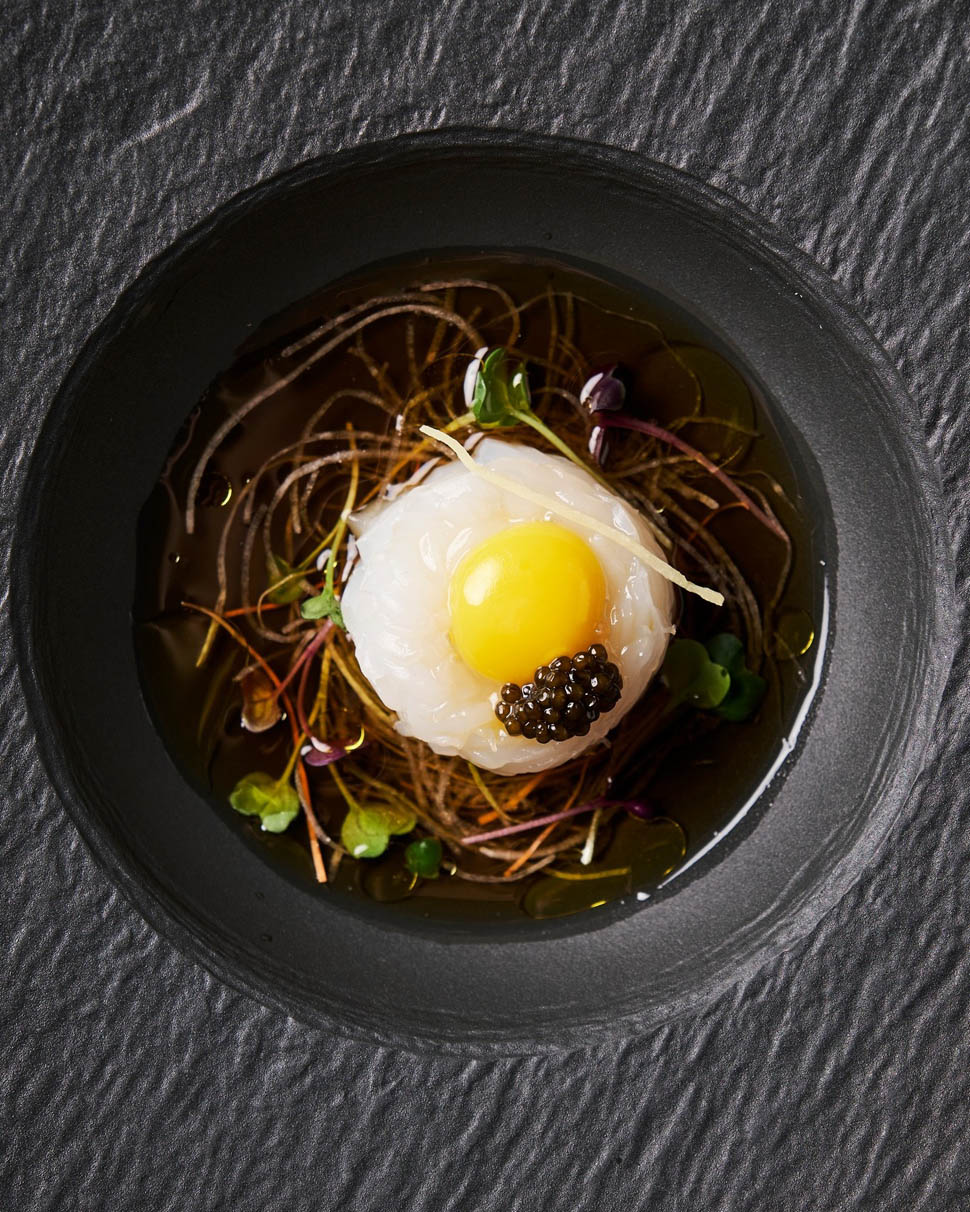
The menu is extensive, varied, and designed to be welcoming. Sushi and sashimi coexist with hot dishes, precise cooking, light fermentation, and combinations that play with umami as the emotional center of the dish. Ika Somen, squid cut into thin strips like spaghetti and immersed in a deep, sweet dashi broth, is the manifesto of this cuisine: a dish that seems simple but reveals a high level of technical mastery and a clear vision of taste. It is no surprise that it has been a signature dish since 2015. IYO Restaurant is a place of conscious fusion. Here, Japan is not an altar, but a vocabulary. It is the restaurant that taught Milan that Japanese cuisine can be elegant, contemporary, and convivial. That it can stand alongside great international cuisine without asking permission. It is Japan as seen from London, New York, and Milan. It is a place where you can feel like a citizen of the world, sitting at the table. It is the first bridge.
IYO Omakase, the essence of Edomae: trust, sit down, listen
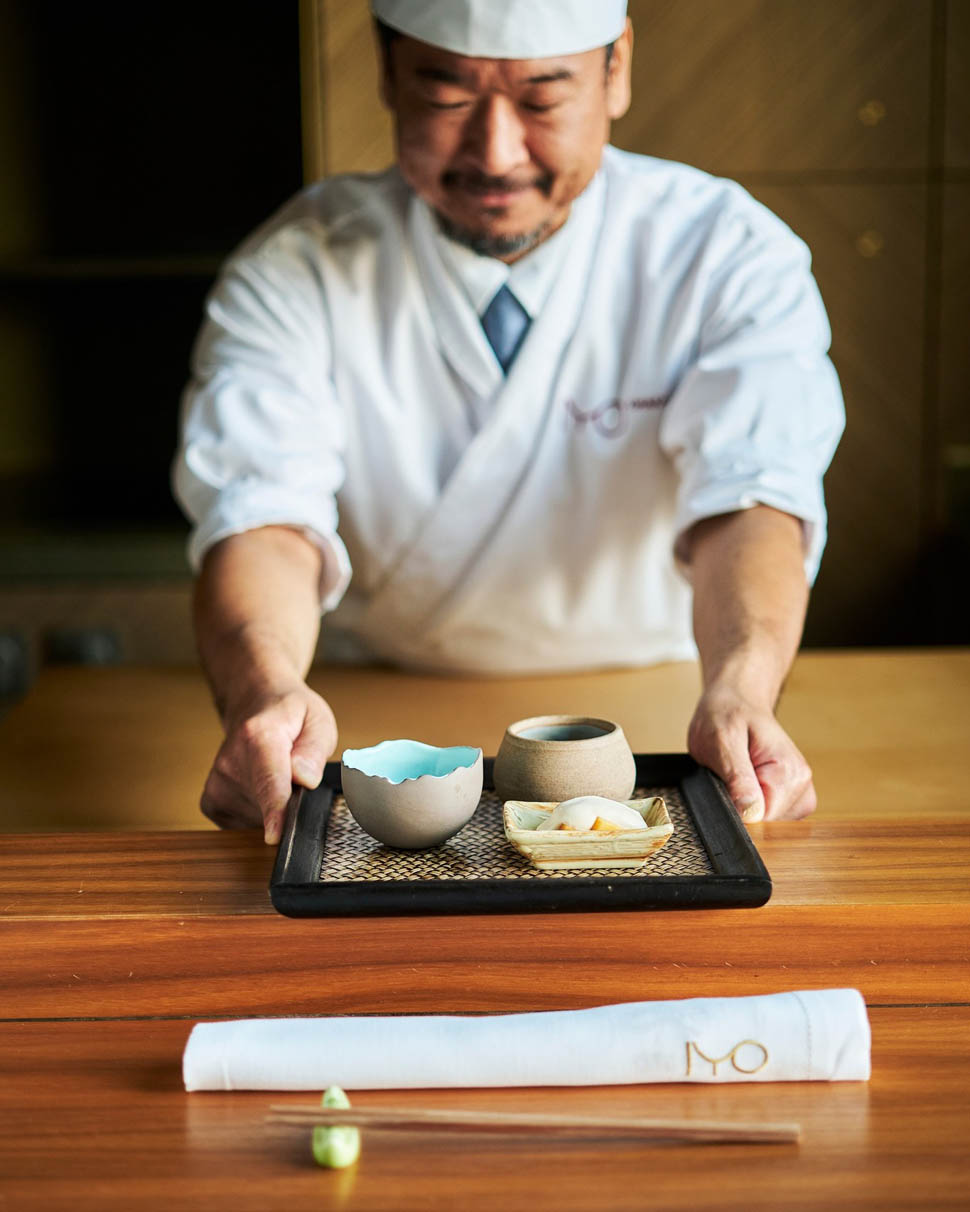
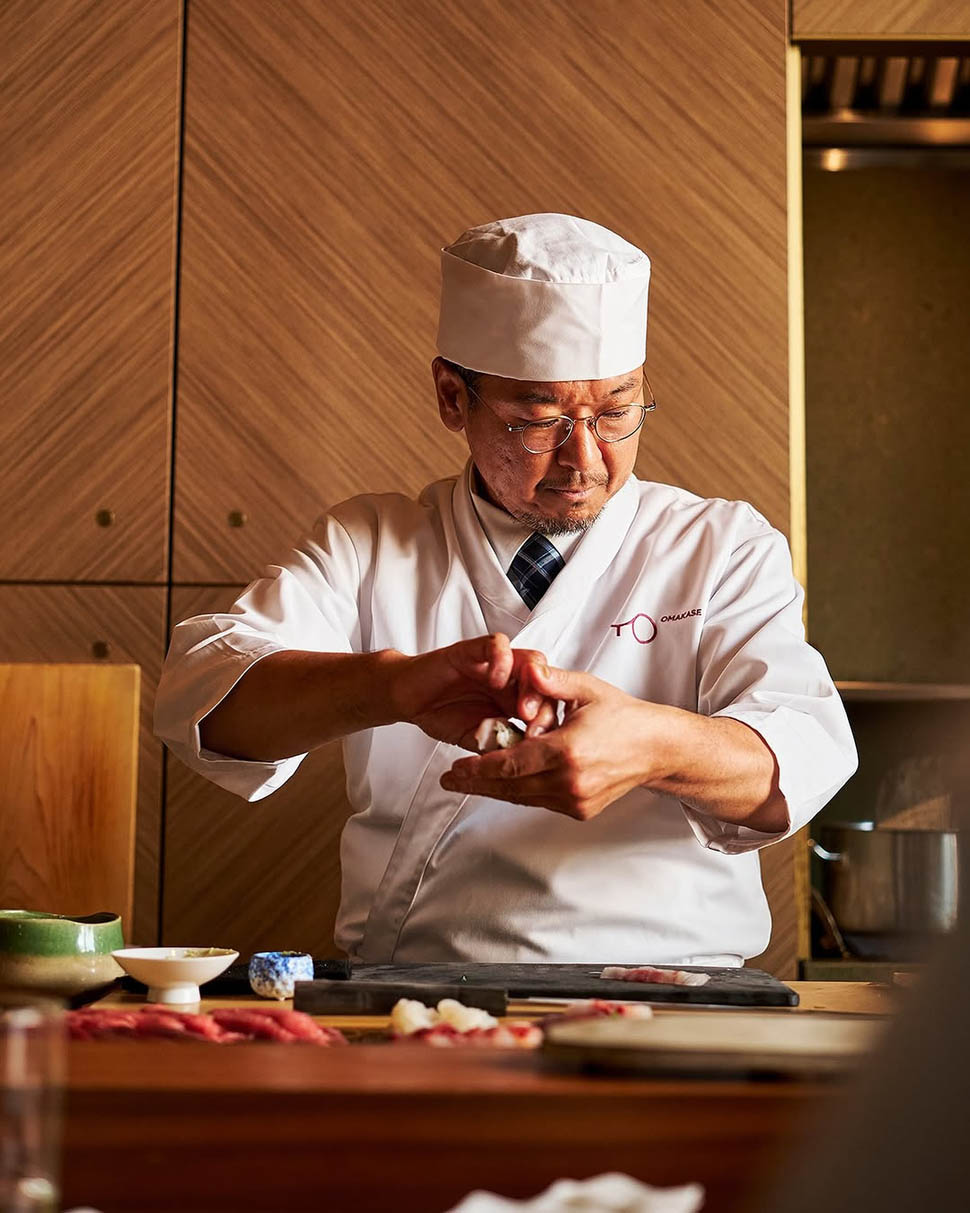
If IYO Restaurant speaks an international language, IYO Omakase chooses silence. Here, Japanese cuisine stops dialoguing with the West and returns to speaking only to itself. Here, you don't order. Here, you trust. If IYO Restaurant is openness, IYO Omakase is closure. Closure in the highest sense of the term: concentration, silence, subtraction. Omakase means “I trust you.” And it is a radical statement, almost counter-current in the contemporary world of dining, where everything is explained, shown, photographed. Sitting at the counter of IYO Omakase—eight seats, not one more—means giving up control. There is no menu, there is no choice. There is the day, the market, the hand of sushi master Masashi Suzuki.
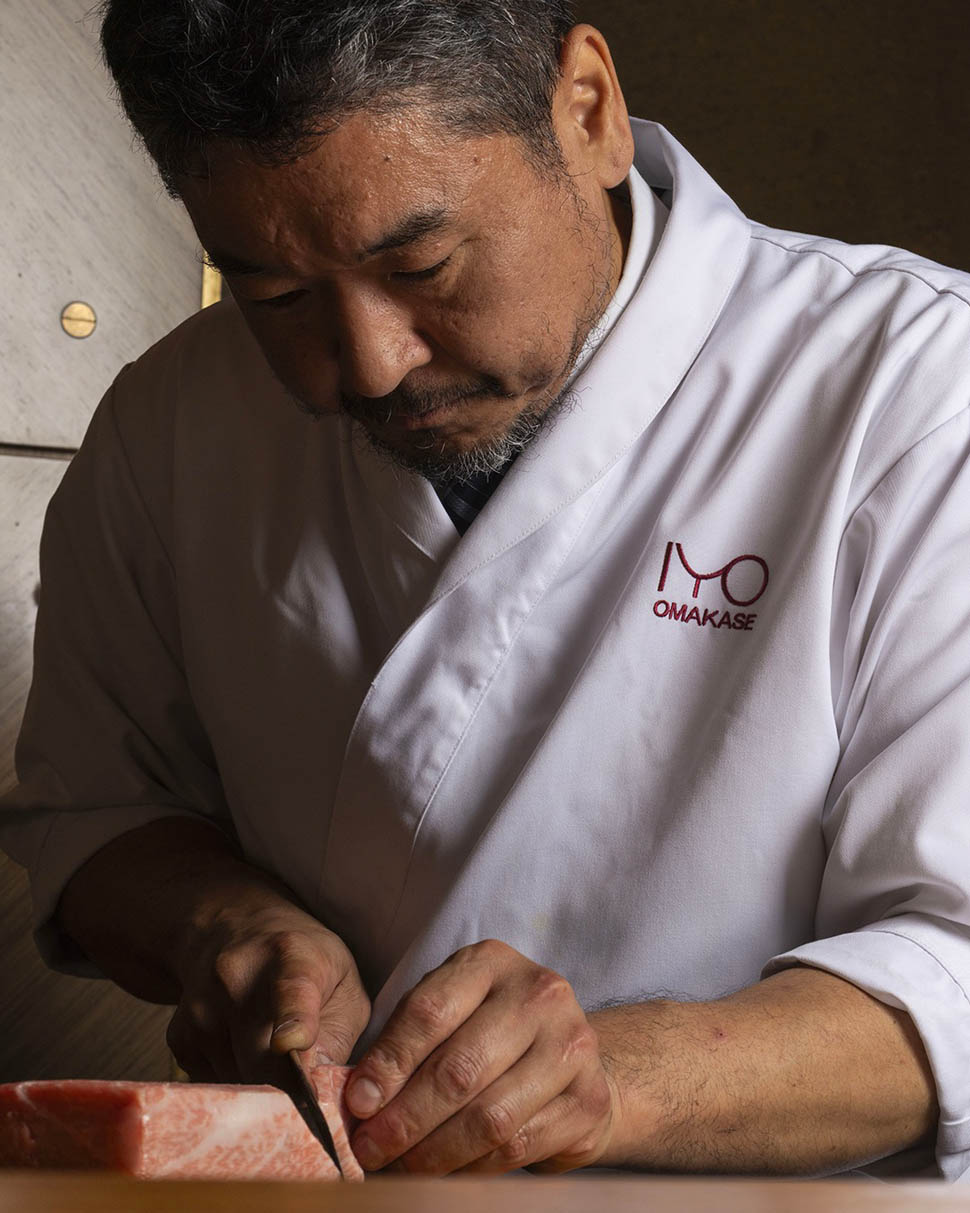
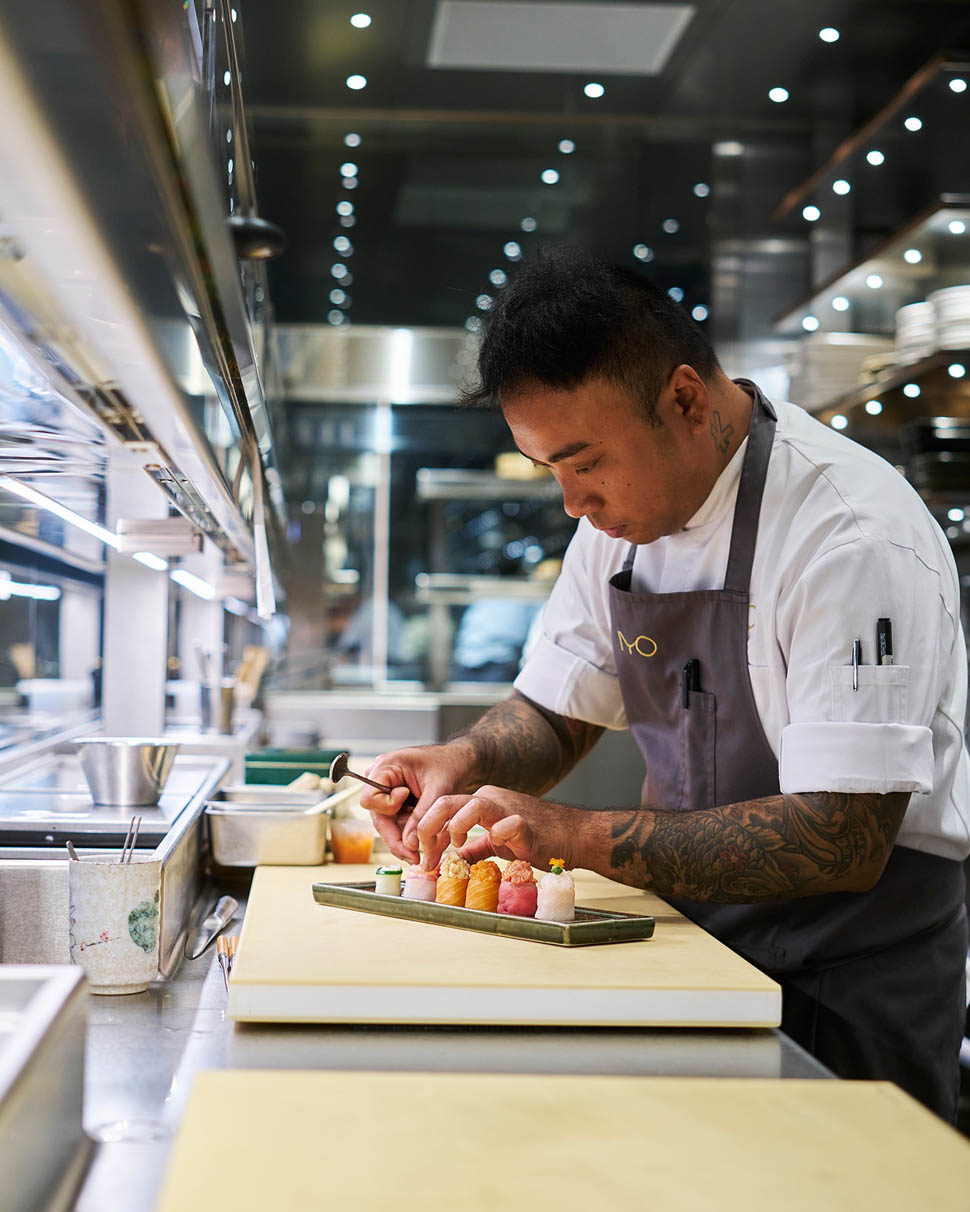
The cuisine is Edomae-zushi, a style that originated in ancient Tokyo to preserve and enhance fish. Marinating, maturing, light salting: techniques that do not serve to mask, but to reveal. Each nigiri is a perfect unit, in which rice and neta are inseparable. The rice is warm, the fish is at a precise temperature, the gesture is always the same and always different.
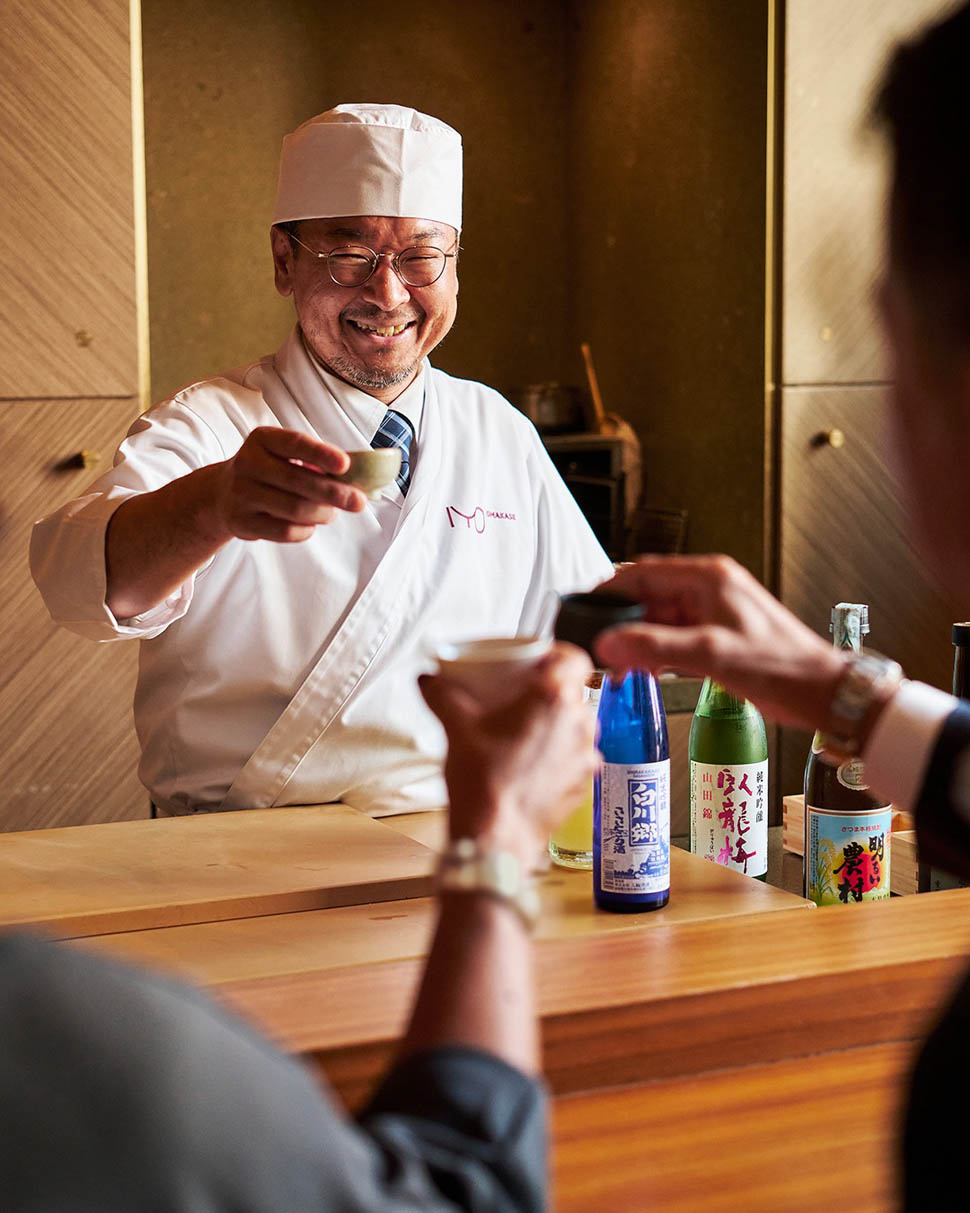
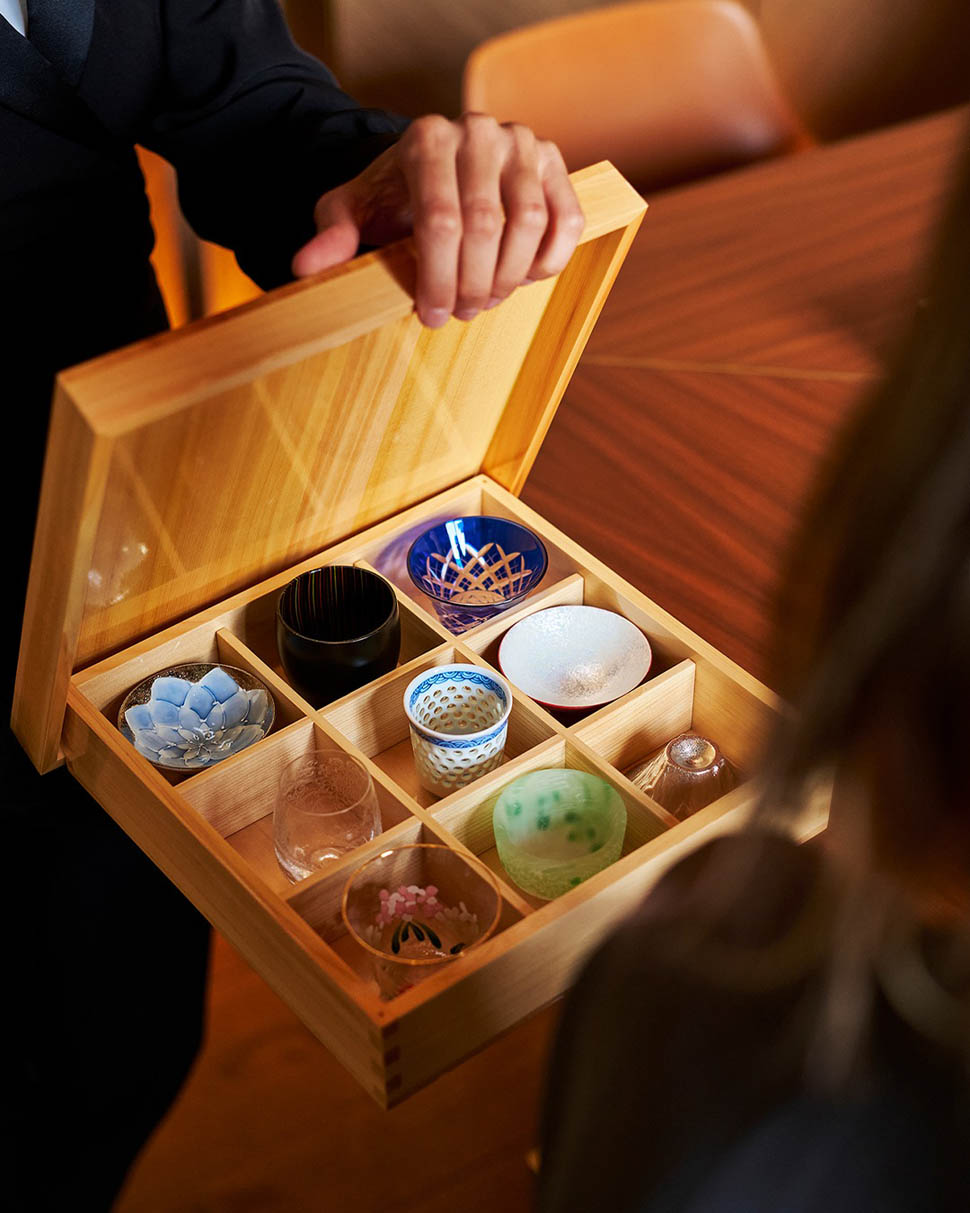
Time changes density here. At first, the silence is almost sacred. Then, as the courses follow one another, it melts away. The master tells stories, explains, smiles. The meal becomes a relationship. At the end, everyone toasts together with a hearty “kanpai,” just like in a Japanese home after a long day. IYO Omakase is an act of mutual trust. It is the restaurant that reminds Italy that Japanese cuisine was not created to amaze, but to perfect the essential. It is the place where you learn that simplicity is the most complex form of knowledge. Omakase is the heart.
IYO Kaiseki
Imperial cuisine: when a meal becomes a ceremony
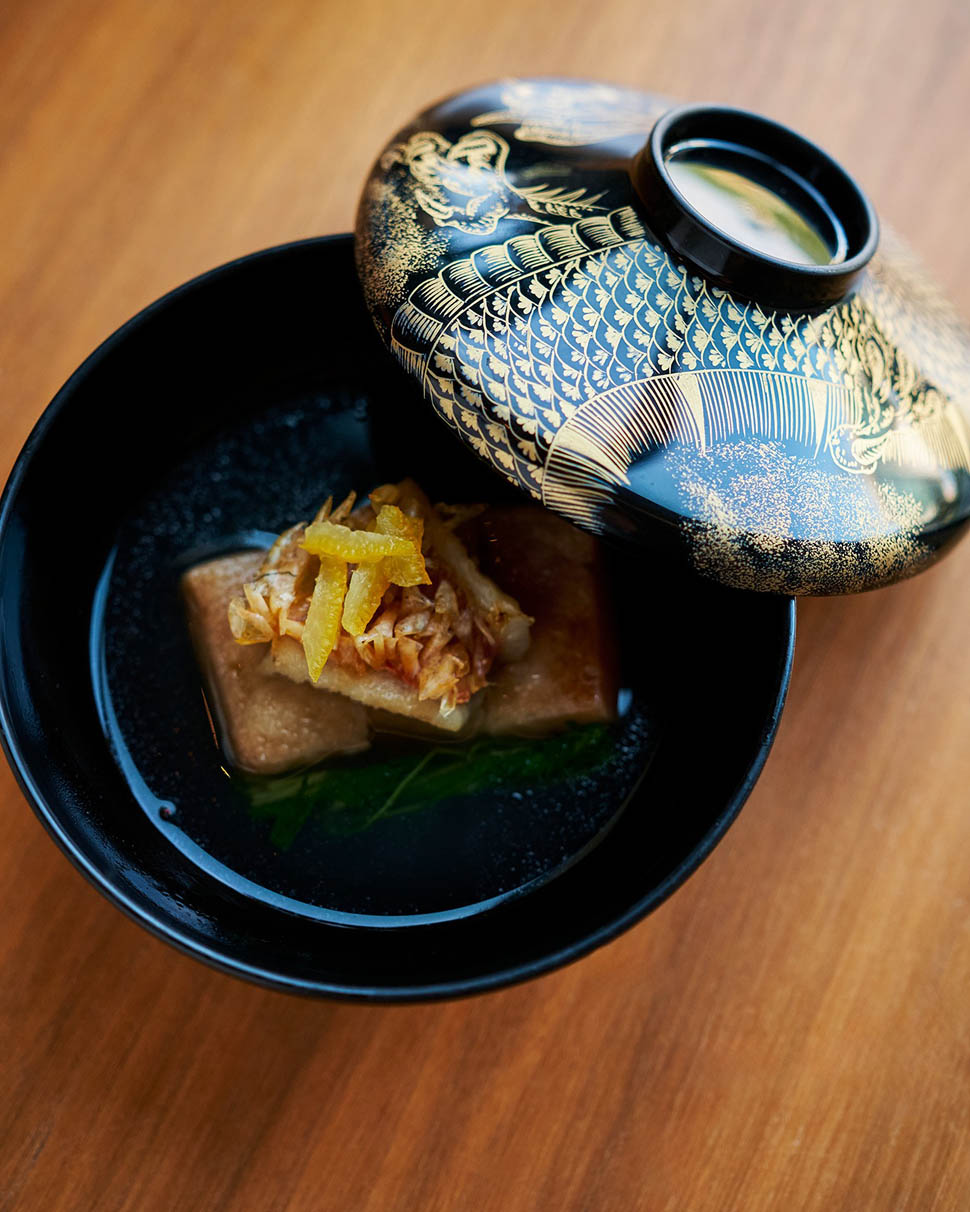
If Omakase is the essence, IYO Kaiseki is contemplation. Here, Japanese cuisine reaches its formal and philosophical peak. Kaiseki cuisine was not created to nourish, but to educate the eye, to train perception, to connect man with the seasons. Every meal is a composition. Nothing is random. The sequence of courses follows a codified structure, responding to the logic of balance, temperature, color, and texture. It begins with owan, the soup: a sort of signature of the chef, a silent manifesto. Then sashimi, which measures the purity of the cut. Then the cooking methods: steam, charcoal, tempura. Each technique has a role, each step prepares the next.
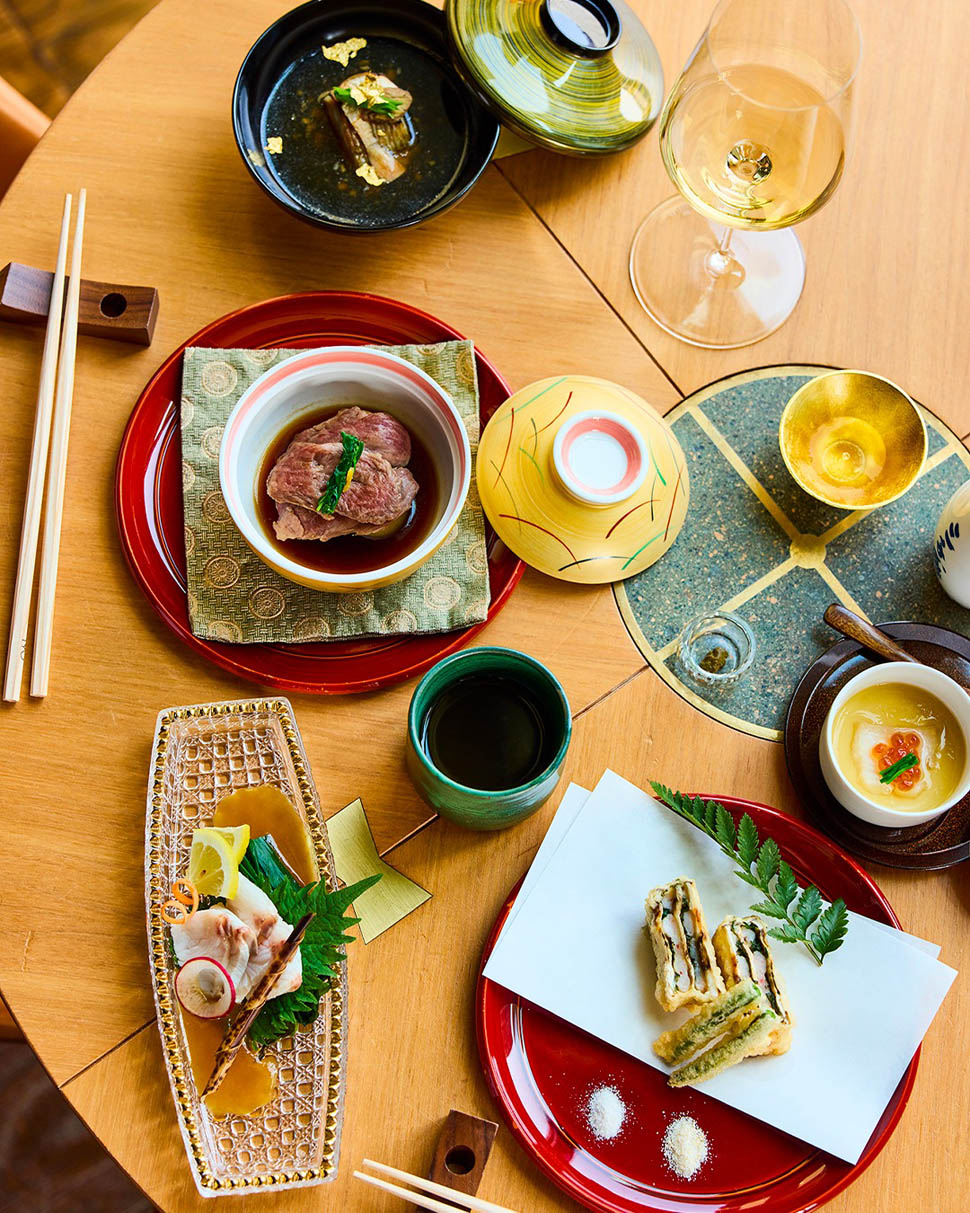
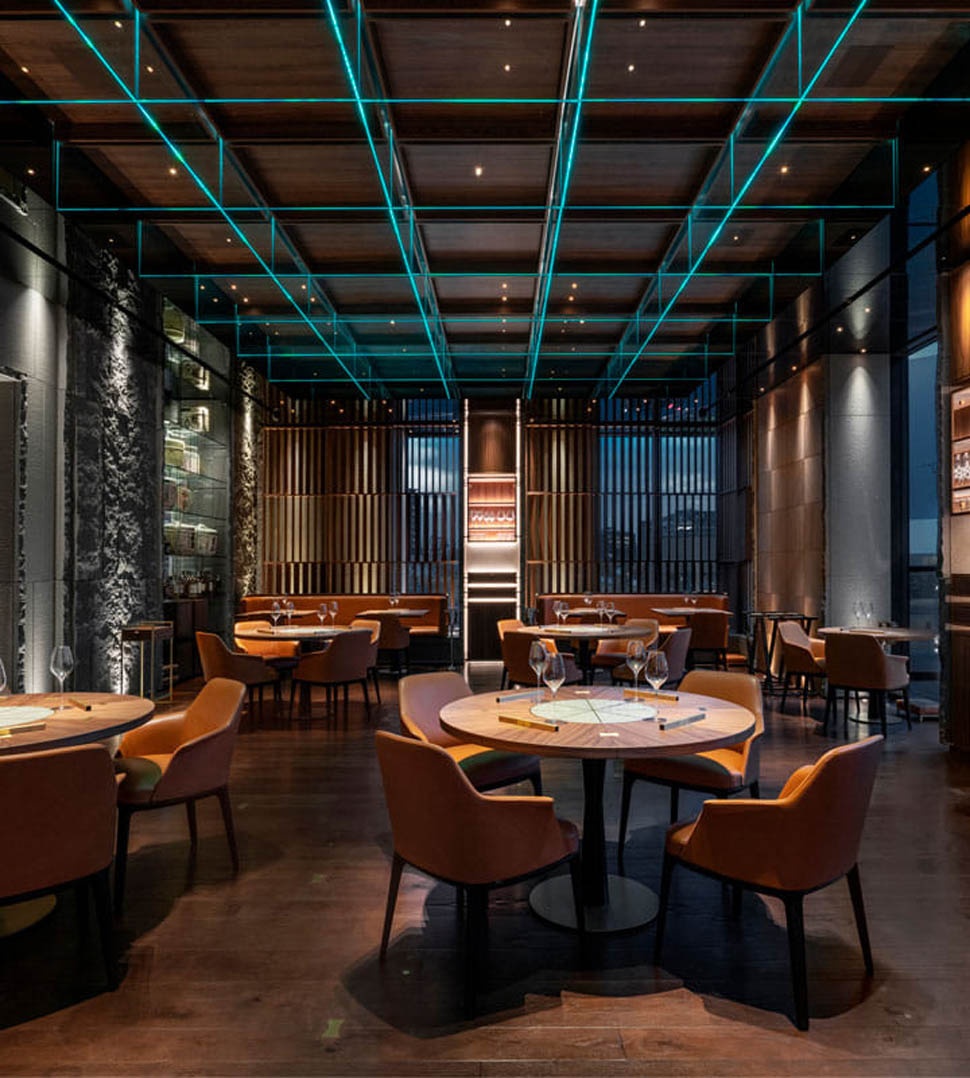
Kaiseki cuisine proceeds by radical subtraction. It does not add flavors, but allows them to emerge. It does not overlap, but separates. It is a cuisine that does not allow for emotional shortcuts, but builds a slow, deep, almost meditative experience. Even the service, the ceramics, the chopsticks, and the rhythm with which the dishes arrive are part of the narrative. At IYO Kaiseki, overlooking the skyscrapers of Porta Nuova, the contrast is powerful: outside, the city rushes by; inside, time slows down. It is a cuisine that does not seek immediate approval, but deep understanding. It is a restaurant that teaches that Japan is not only about taste, but also form, gesture, and silence. Kaiseki is the pinnacle.
Three restaurants, one language
A possible manifesto
IYO Group is not a replicable format. It is a cultural project. In a country like Italy, where cuisine is identity, Claudio Liu made a counterintuitive choice: he did not seek analogies, he did not “Italianize” Japan. He built a path of gastronomic literacy, offering three interpretations of the same culture. With IYO Restaurant, he taught how to dialogue. With IYO Omakase, he taught how to listen. With IYO Kaiseki, he taught us to contemplate. Together, these three restaurants show that Japanese fine dining in Italy is not a trend, but a cultural possibility. A possibility that requires time, respect, and vision. And above all, the ability to accept that not everything has to be explained, simplified, or made immediate. Sometimes, to go far, you just need to sit down. And use language, together with your soul.