Some restaurants do more than just cook: they explore ingredients, memory, and even the way we perceive taste. The Fat Duck, one of the UK’s most influential culinary institutions, operates in this space where research and gastronomy intersect. But that’s not all: the working conditions here are favorable for the staff, thanks in part to the leadership of the talented head chef Oli Williamson.
Cover photo: @SOUTHWORKS CREATIVE LTD
The News
Since 1995, the year it opened, the restaurant has helped reshape the language of contemporary cuisine, transforming every dish into a form of sensory exploration. Today, alongside the vision of founder Heston Blumenthal, a new generation of chefs is driving the kitchen team’s daily evolution. Among them, the central role is held by head chef Oli Williamson, who manages kitchen operations and has introduced a series of profound changes in recent years, capable of redefining not only the way work is done in the kitchen, but also the relationship between the restaurant, its environment, and its guests. Behind the scenes of this gastronomic operation works a team of approximately fifty-nine people. The restaurant seats an average of forty-four guests per service and operates ten services a week, from Tuesday to Saturday. These numbers reflect a delicate balance between artisanal precision and almost engineering-like organization.
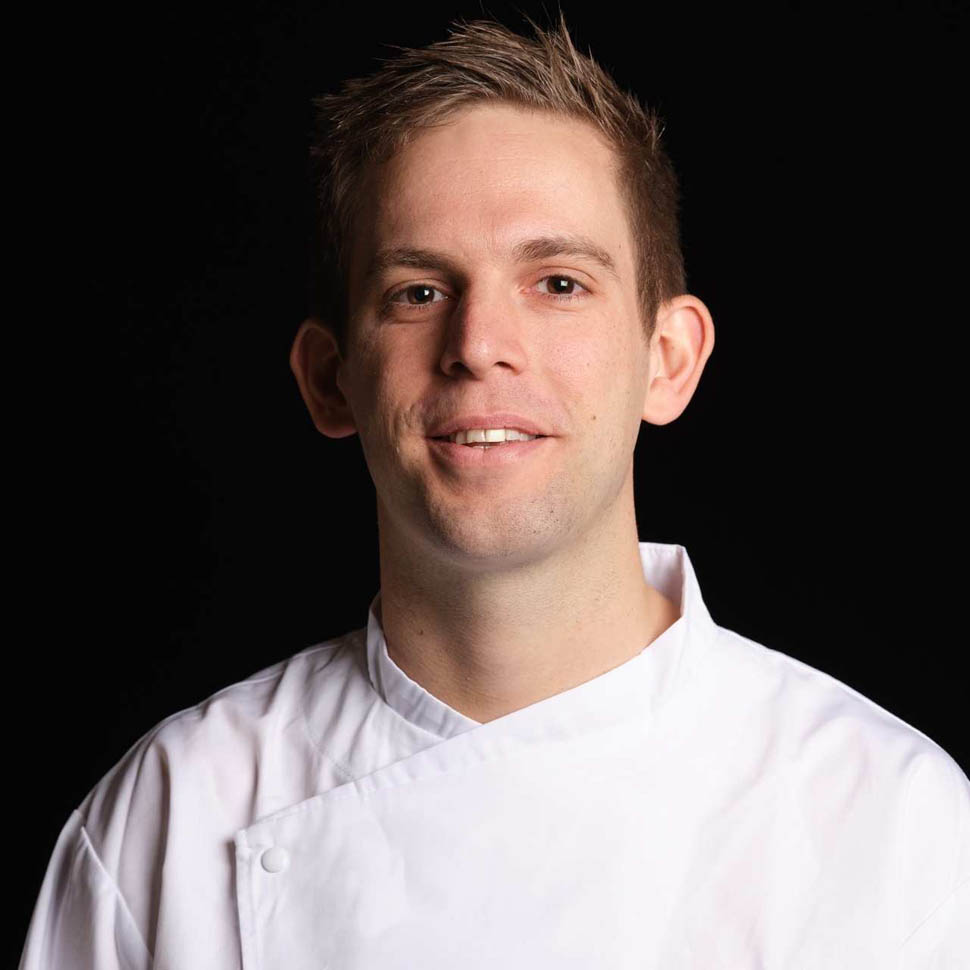
The day-to-day management of this complex establishment falls to Oli Williamson. His work extends beyond overseeing the kitchen staff; it also involves shaping a new cultural direction for the restaurant. Among the priorities that have emerged in recent years, one theme stands out as increasingly central to contemporary gastronomy: sustainability. Williamson explains that the restaurant’s commitment to this cause has required time, research, and a shift in mindset. “We’ve taken sustainability very seriously. It took me a year to find the right products, even just to replace a standard pastry bag with a biodegradable version,” he explains to The Staff Canteen. The change is also evident in seemingly minor choices that nonetheless impact the kitchen’s daily operations. The restaurant, for example, has gradually phased out the use of plastic wrap. “We haven’t ordered any plastic wrap since January. We finished the last roll a few weeks ago. We reduce plastic whenever we can.” The strategy also involves suppliers: the team works with them to avoid using polystyrene in packaging and to encourage the reuse of cardboard. Even the frequency of deliveries is being reviewed to reduce the impact of transport-related emissions. “We’re exploring every small change we can make as a restaurant,” says Williamson, highlighting an approach that views sustainability as an ongoing process made up of daily decisions.
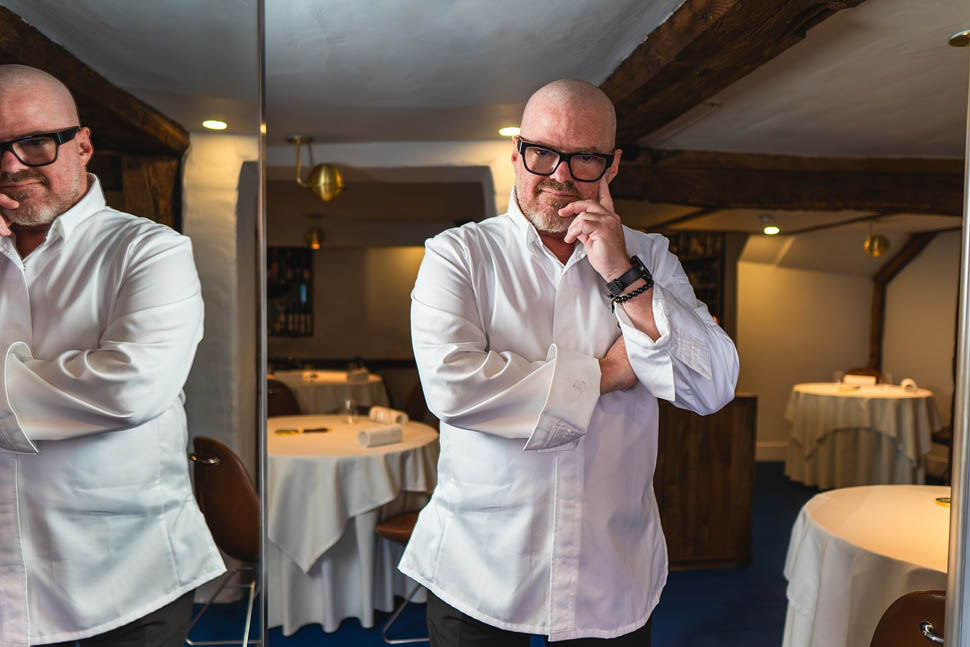
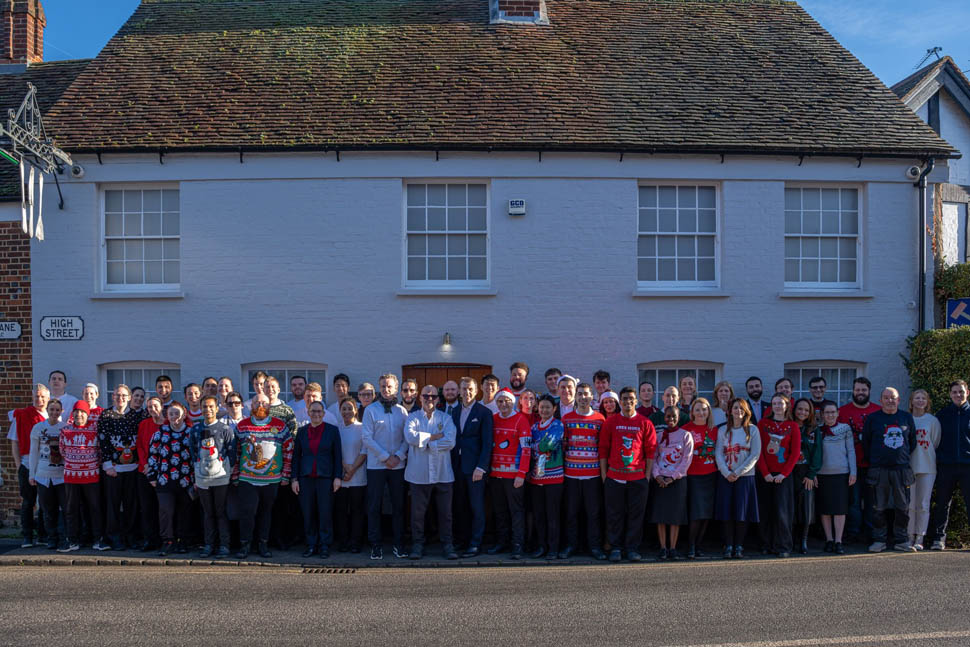
A focus on the environment goes hand in hand with another key issue: the well-being of the people who work in the kitchen. The restaurant industry, historically marked by grueling work rhythms and extreme hours, is undergoing a period of profound reflection. The Fat Duck is also part of this transformation. Williamson speaks openly about the importance of creating a work-life balance for the members of his team. “We’re extending this concept of sustainability to the people who work here as well. We want them to have a real balance between work and personal life.” This philosophy translates into concrete initiatives. The restaurant has partnered with a local gym, contributing financially to employees’ memberships to encourage them to practice sports, yoga, or squash. Every Saturday, a reflexology expert comes to the kitchen to offer staff members a half-hour massage. Small rituals that transform the restaurant’s frenetic pace into a more human environment. Williamson doesn’t hide the complexity of the change: “The days when people worked eighteen hours a day are a thing of the past. That kind of sacrifice helped me become the chef I am today, and hard work remains essential. But I also believe that people should take pleasure in what they do.”
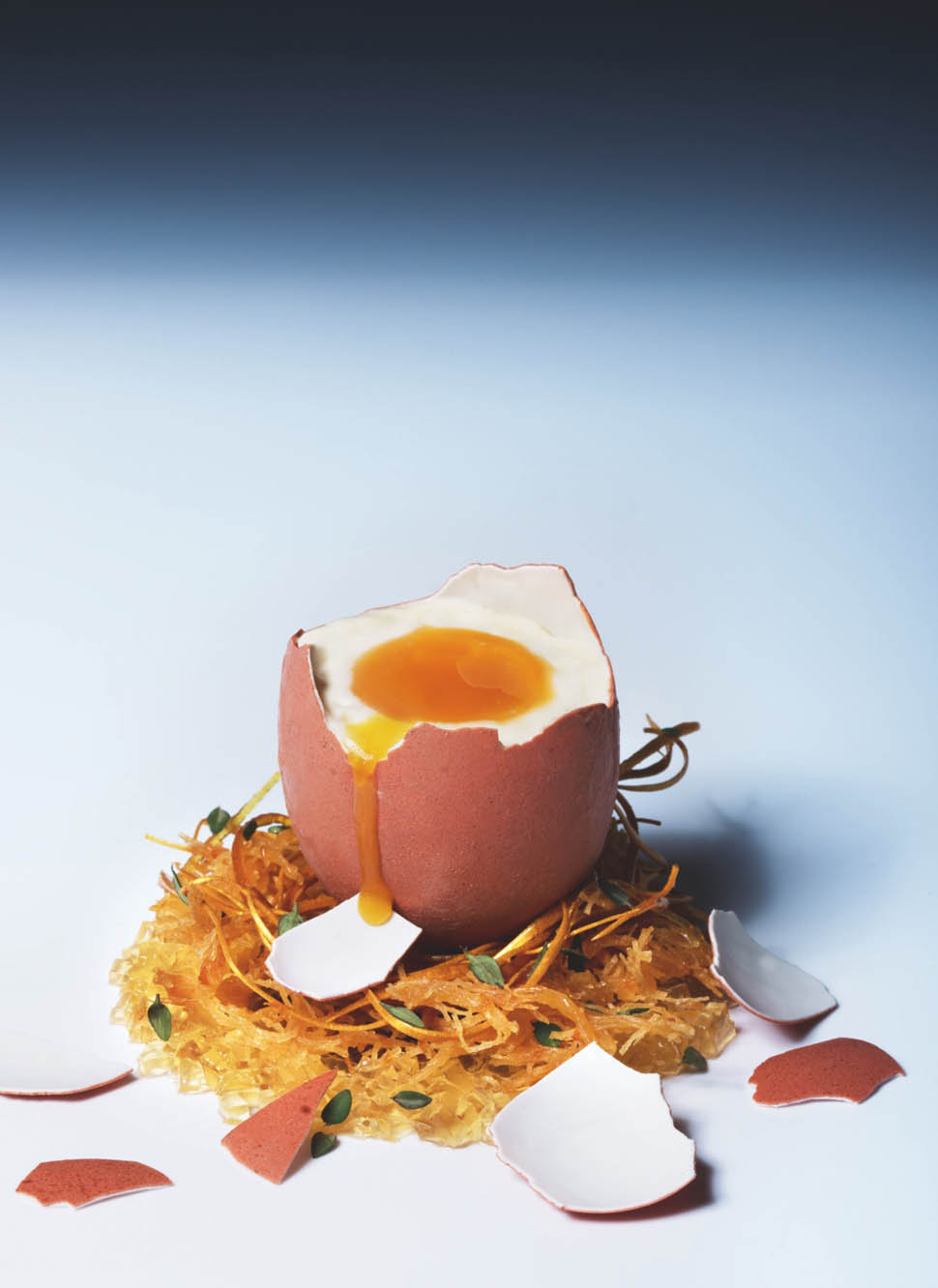
Williamson’s professional journey reflects a career shaped by travel and cultural exchange. Born in Norfolk, he began his career in his home region before moving to Australia at the age of twenty-one. His time overseas gave him new perspectives on the profession. “I grew a lot; I came to understand a different culture, and that’s fundamental,” he says. The international experience taught him how much the cultural context influences the way one works in the kitchen. Upon returning to the UK, Williamson worked with chef Daniel Clifford. That period represents a decisive phase of learning for him. “That was my real training as a chef. I learned how to cook and realized how much the smallest details matter”. Clifford later encouraged him to continue his journey abroad, suggesting he spend time at a three-Michelin-star restaurant in the United States. Williamson accepted the challenge and left for San Francisco, where he spent a year at the restaurant Benu. The American experience allowed him to observe new organizational models, from logistics management to team dynamics. “Seeing how another country works opens your mind,” he says, emphasizing how much these experiences have contributed to his professional growth. Returning to The Fat Duck represents a sort of full circle for Williamson. His first encounter with the restaurant actually dates back to long before his career began. He was eighteen when he walked through the door as a customer. The memory of that visit remains vivid. “I sat right where you’re sitting now. I had no idea what was going on,” he says with a smile. The experience left him completely disoriented, immersed in a dimension he himself describes as “a dream world.” Today, leading that same kitchen gives him a sense of pride that’s hard to describe.
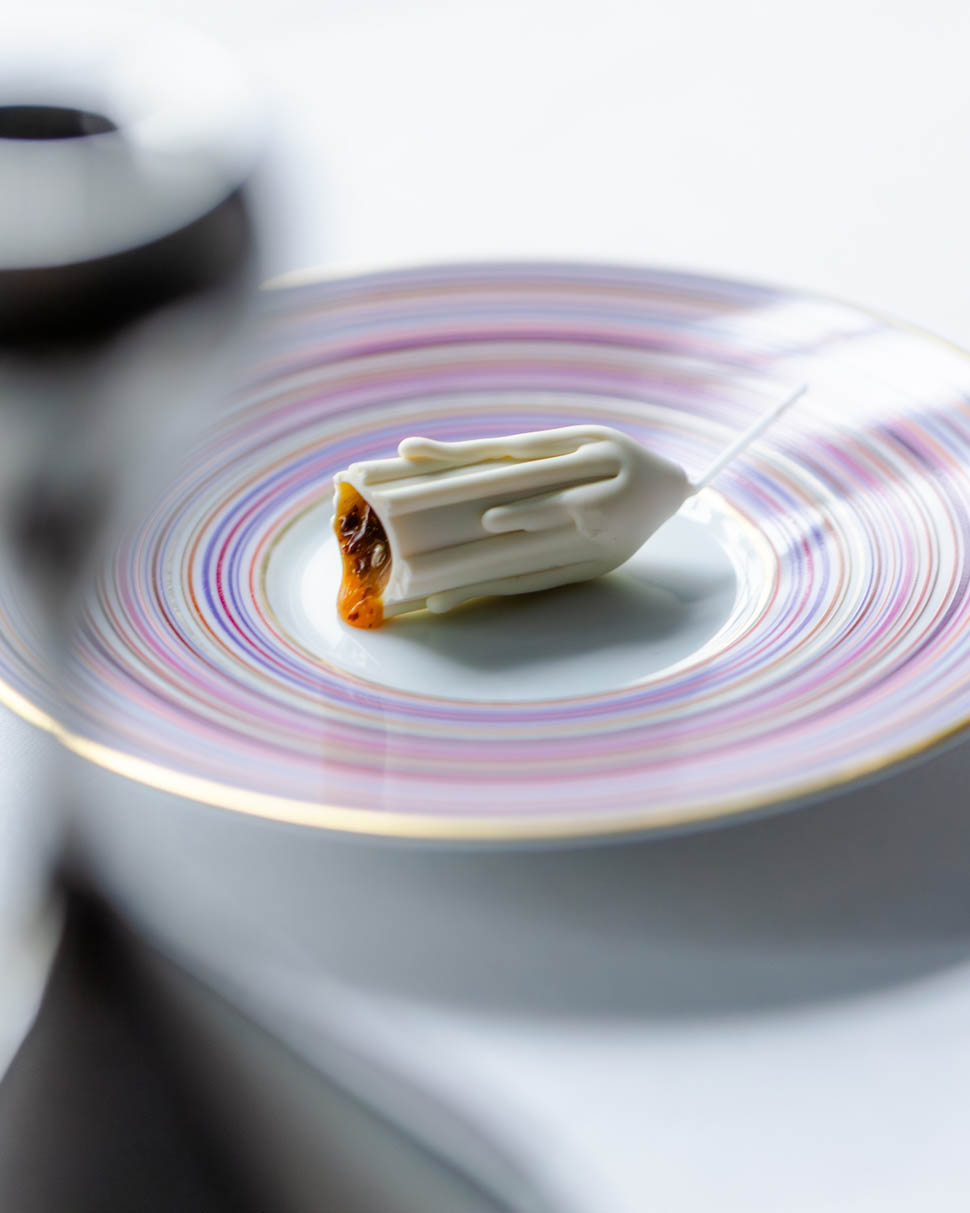
At the heart of The Fat Duck’s identity lies a simple yet radical philosophy, passed down directly from Heston Blumenthal: to constantly question every culinary action. Williamson sums up this legacy with a phrase that seems to encapsulate the restaurant’s entire spirit. “The DNA of The Fat Duck’s cuisine is one thing: questioning everything”. This is not a slogan, but a daily practice. Every task, even the most repetitive, becomes an opportunity for analysis. “Everything we do day after day must be questioned. When a task becomes automatic, it risks becoming monotonous, so we must stay engaged and keep asking ourselves why we’re doing it.” This attitude has allowed the restaurant to remain one of the most innovative places in international gastronomy. In an era when high-end dining is seeking new directions, The Fat Duck continues to function as a permanent laboratory, where research, curiosity, and discipline coexist in the same space. And while Heston Blumenthal’s name remains inextricably linked to the restaurant’s history, figures like Oli Williamson demonstrate how that vision continues to evolve, adapting to the challenges of the present without losing its original spirit of exploration.