There is a question that many customers ask themselves quietly between courses: why is food in restaurants increasingly lukewarm, if not downright cold? This is a widespread, universal feeling that seems to have become the new normal, even in establishments that promise a high-end dining experience.
Lukewarm food as the new unwritten rule
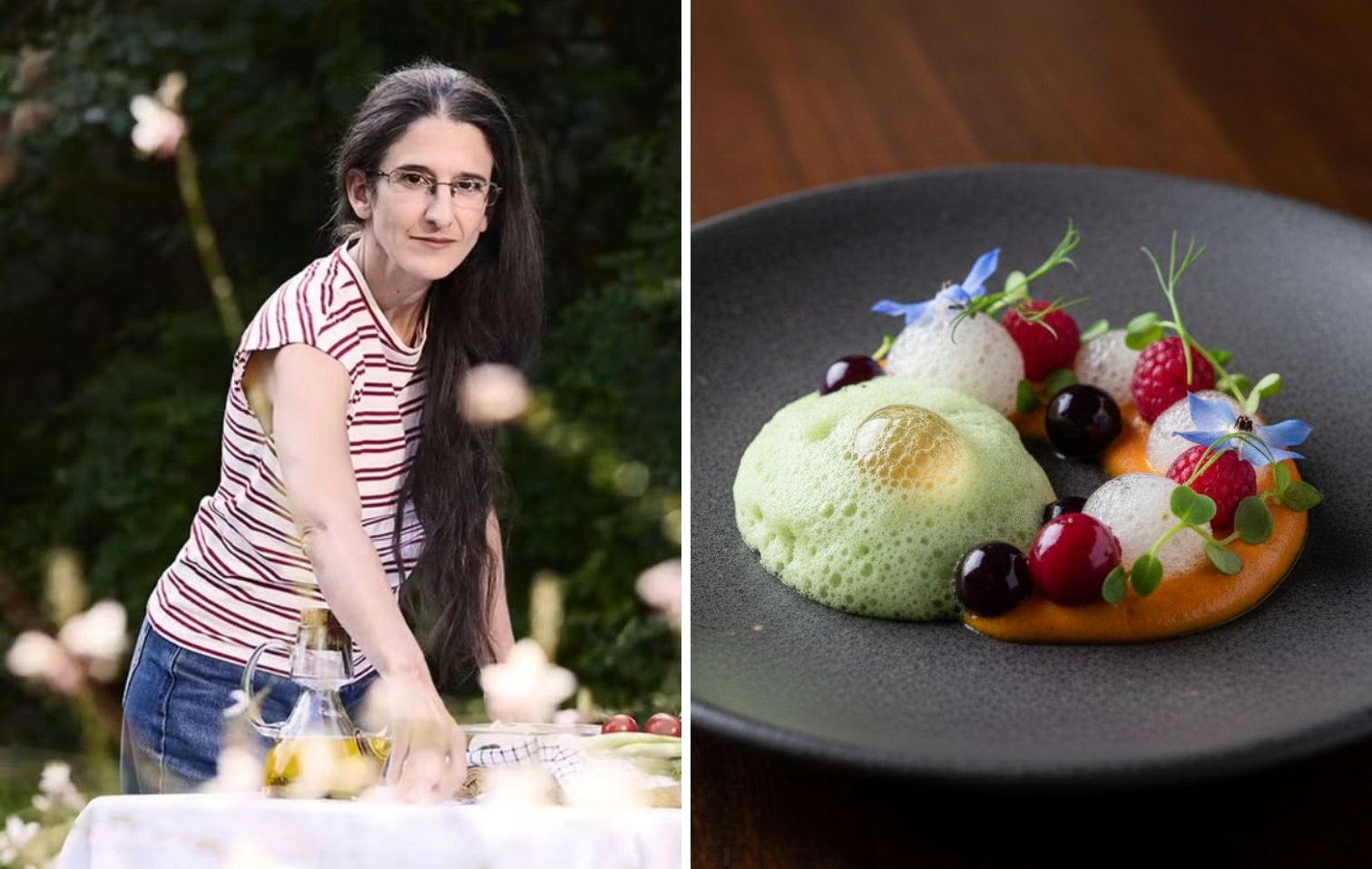
Essentially, lukewarm seems to have become the norm today. This is precisely the observation made by Maria Nicolau, who raised an issue in the pages of El País that is still rarely discussed: dishes that arrive piping hot, requiring diners to blow on them before tasting them, are becoming increasingly rare. Yet that simple gesture conveys an expectation, a promise, an intensity that goes far beyond temperature.
An exception that becomes a revelation
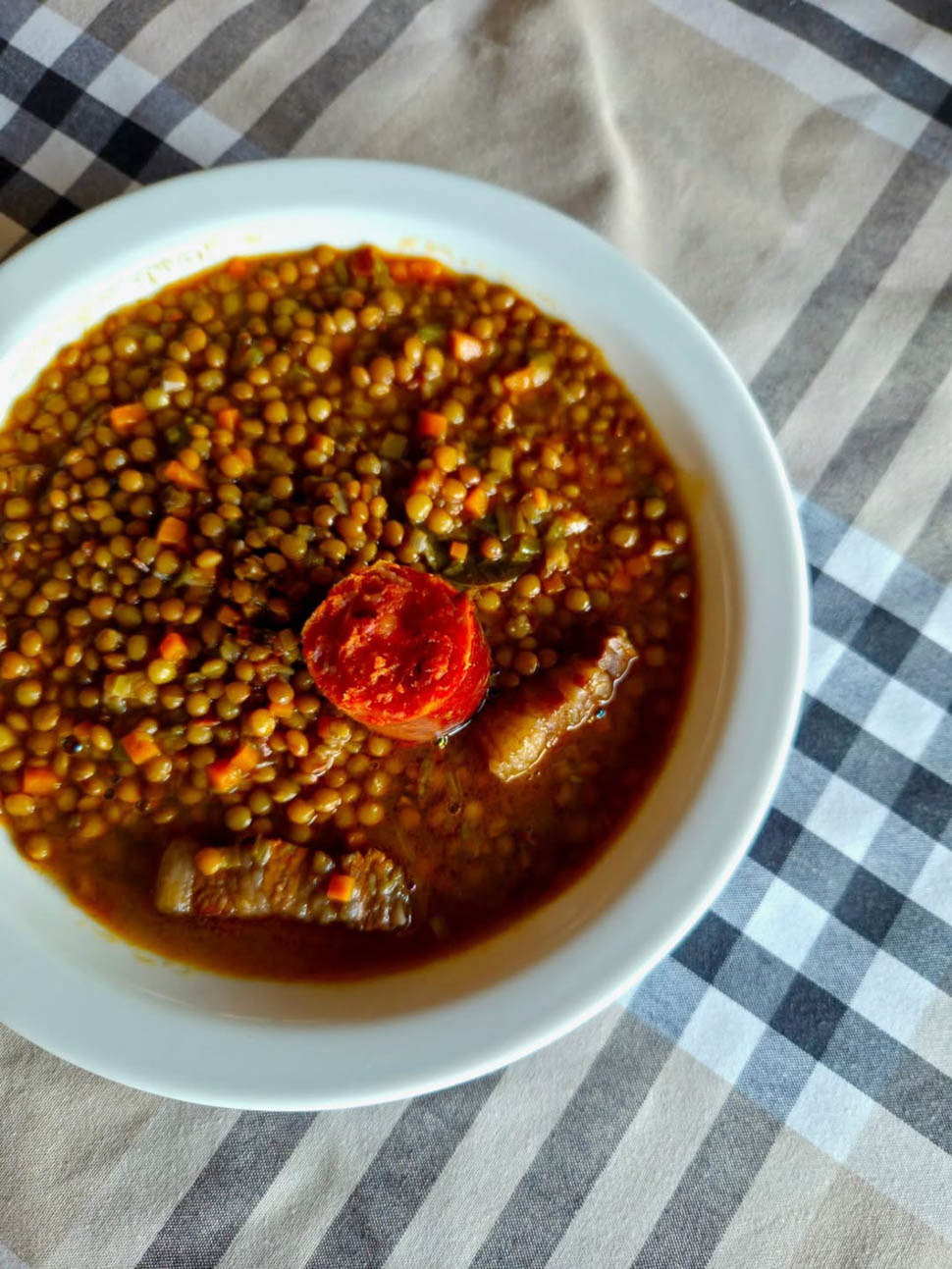
When a truly hot dish finally arrives, observes the Spanish chef and writer, the experience is almost shocking. Slightly burning your tongue becomes a memorable act, a sign of life amid a sequence of lukewarm bites. The heat restores emotion, depth, surprise. It is a reminder of what dining can still offer.
The role of modern techniques
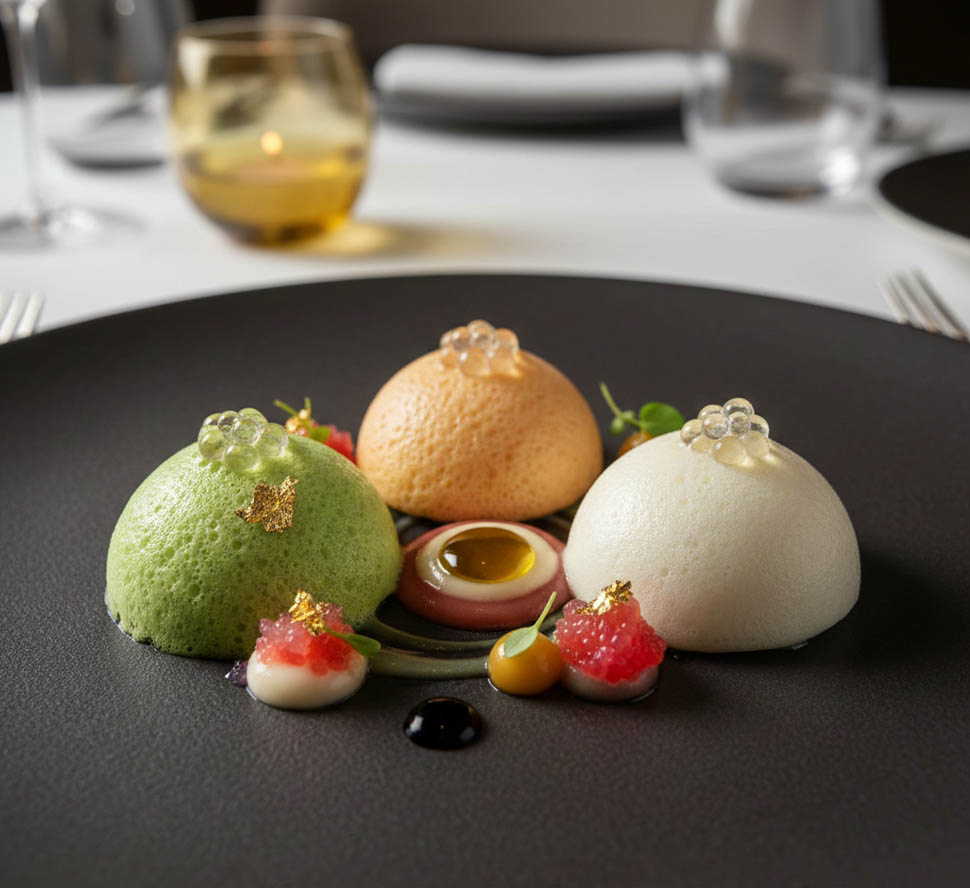
According to Nicolau, there are many reasons for this shift. Low-temperature cooking, complex plating, an increasing number of decorative elements, and the widespread use of foams, gels, creams, and emulsions lengthen service times. From an organizational point of view, it may be simpler. But the end result is often a dish that arrives tired and lacking in momentum: “With the proliferation of these techniques, often chosen for the logistical convenience of having all the sauces enclosed at a constant temperature in siphons and baby bottles in a bain-marie, the ‘blowing’ on the plate is in danger of extinction.”

The science of heat and aromas
Cooking is applied chemistry. Heat is not just a matter of comfort, but of sensory perception. Volatile aromas are released with temperature, rise, anticipate taste, and build anticipation. In a cold or lukewarm dish, these aromas remain trapped: the flavor appears flatter, the taste journey shorter, the brightness attenuated. The spread of lukewarm menus is often justified with words such as balance, delicacy, and moderation. But when everything is moderate, nothing really excites. Constant temperance risks turning into gastronomic indifference, into a cuisine that no longer dares, that no longer takes a stand.
The right to blow on your soup
There is a simple truth worth remembering: if you are old enough to pay the bill, you are old enough to blow on your soup. Hot food is not a mistake to be avoided, but an experience to be shared. An act of respect towards your fellow diners and the raw ingredients. Perhaps, Nicolau notes, the time has come to say it clearly: gastronomy should not be afraid of heat. The steam rising from a plate, the aroma that anticipates the bite, the anticipation before tasting are an integral part of the pleasure. Death to flat food. Long live lively food.