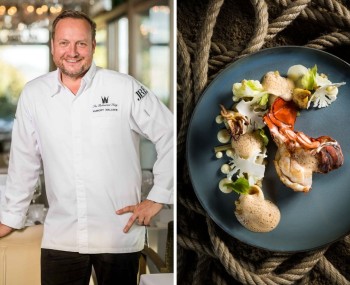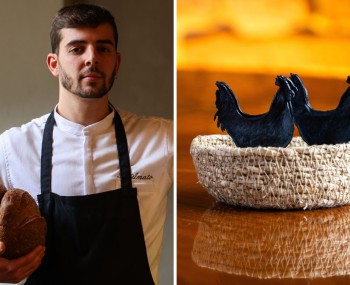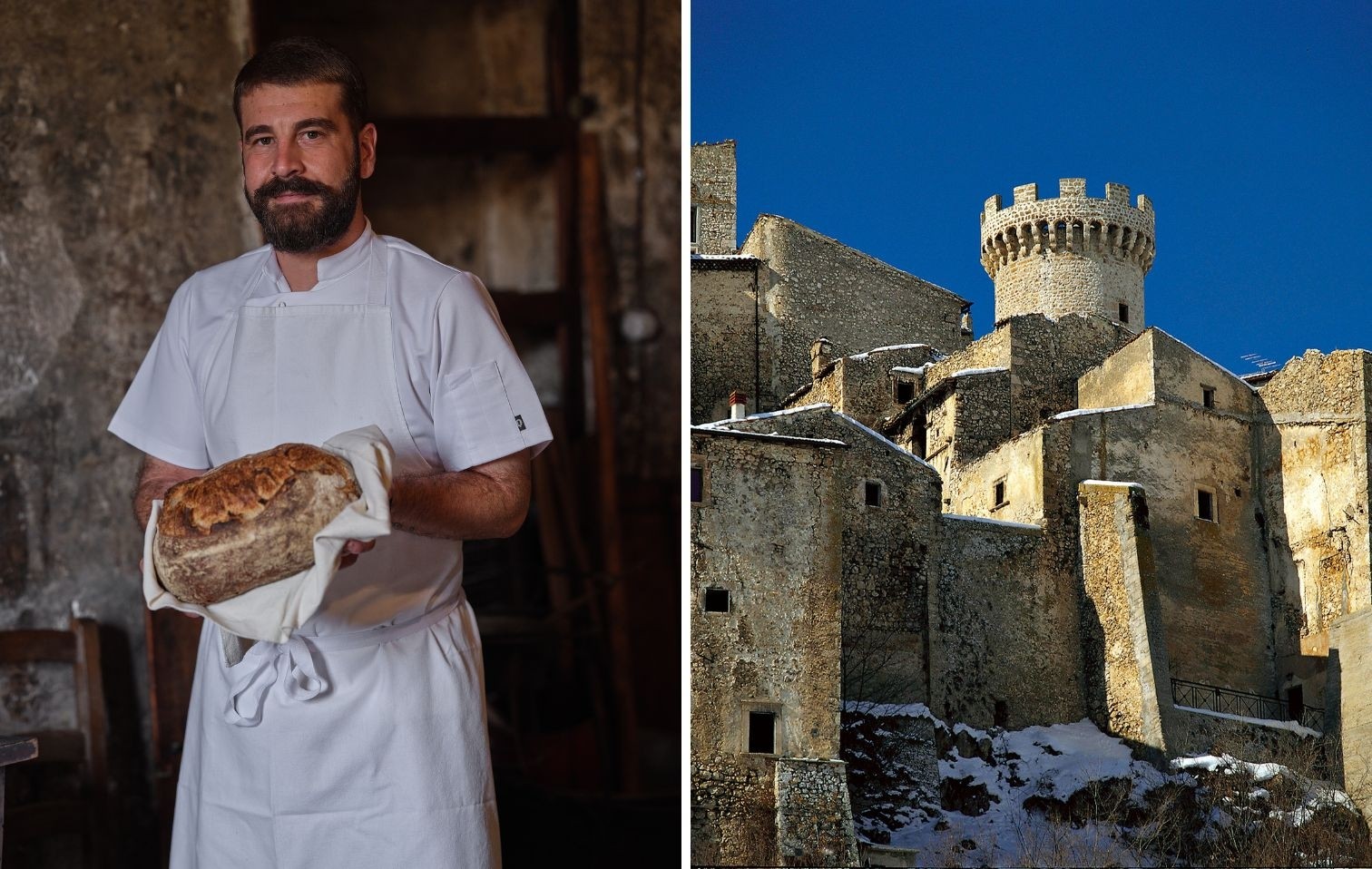
Dino Como arrived at Sextantio Cucina very recently, in November, after fifteen years of a solid career alongside Niko Romito: everything about the project, from the dishes to the scattered hotel.
The spread hotel
Traveling to Santo Stefano di Sessanio, crossing remote lands and endless panoramas to reach one of the fundamental pioneering bases of the concept of the spread hotel, is an emotion in itself. We will talk about Sextantio and its creator later, but arriving up here, in the middle of one of those places that have nothing but everything to say, is an unparalleled spectacle. We are in the Gran Sasso and Monti della Laga National Park: here, Daniele Kihlgren, a man who can rightly be described as a pure visionary, launched his project in the early 2000s, creating something truly unique and, in some ways, radical.
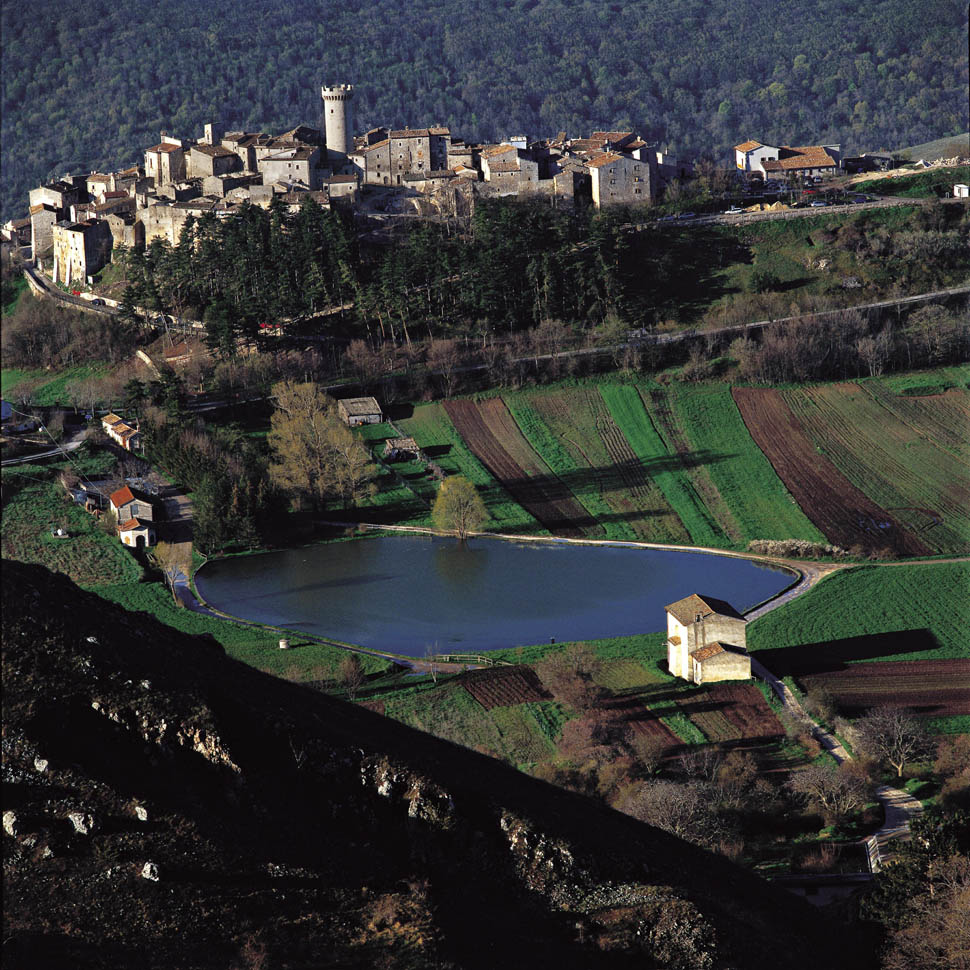
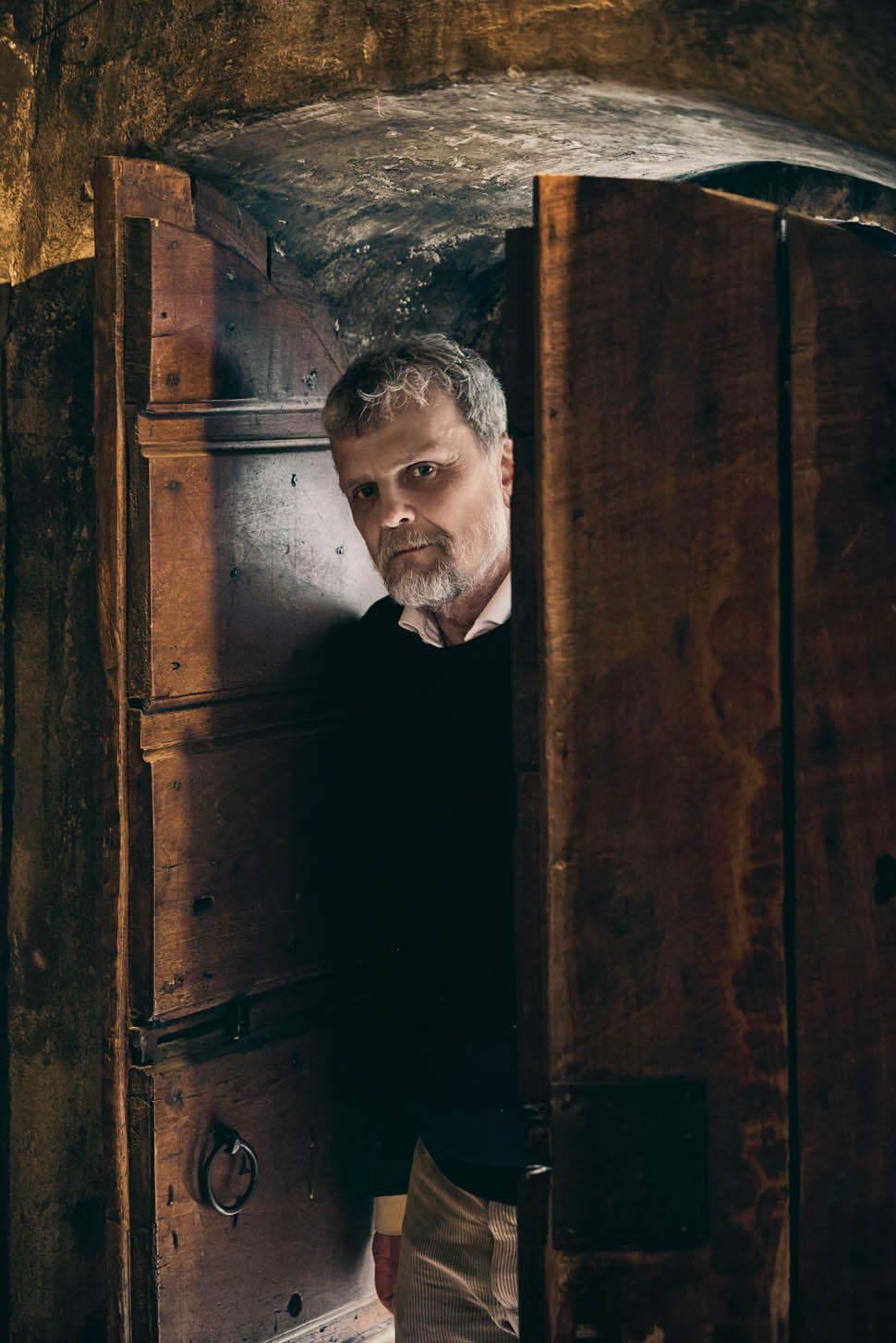
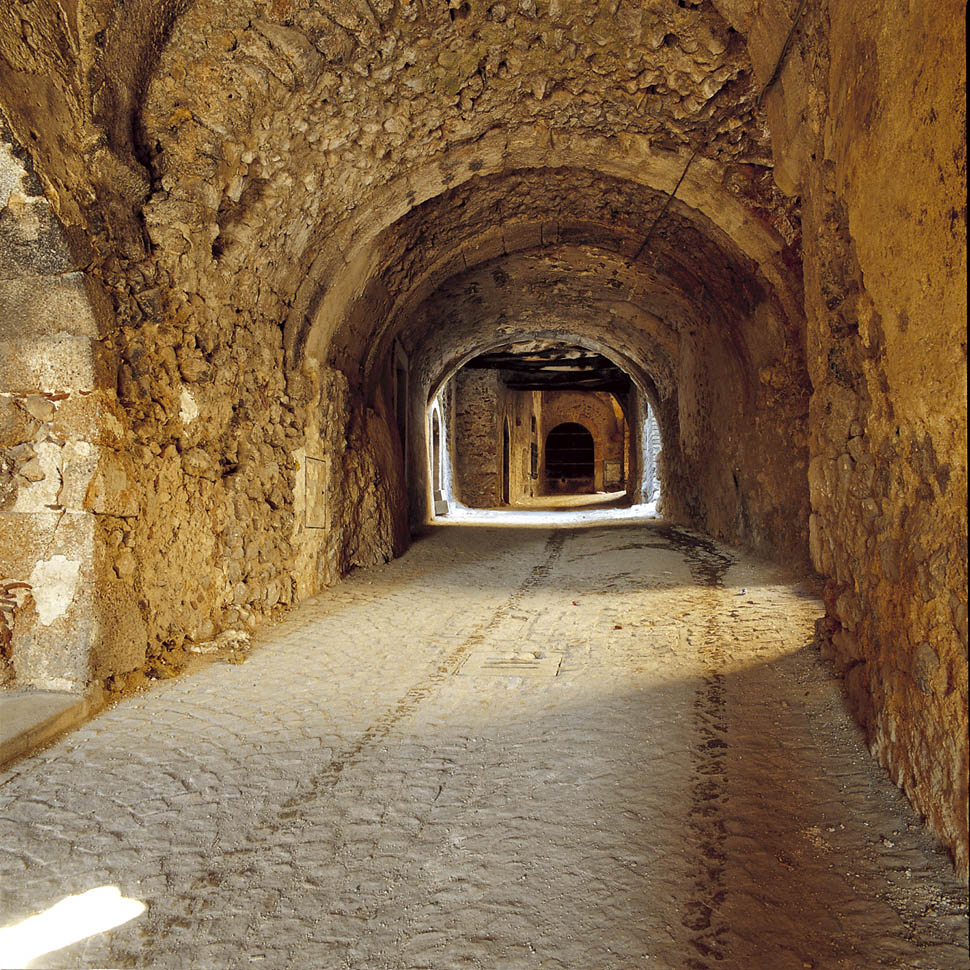
The ancient fortified medieval village, at over 1,250 meters above sea level, is being restored and revitalized through a philological and anthropological operation, rather than a hospitality-focused one. As Kihlgren explains: “The idea is that in a world that is losing its identity, in many areas of established tourism, these marginal places can represent a true, untouched identity. These are villages that have an intimate relationship with the landscape. They are small and follow the contours of the land: unlike the classical architecture that dominates the area, they blend in with the material landscape of local construction.” Twenty-nine different accommodations, raw materials such as wood, lime, wrought iron, recycled furnishings that faithfully reflect the originality of the past, no televisions (how wonderful), rooms with fireplaces and candles.

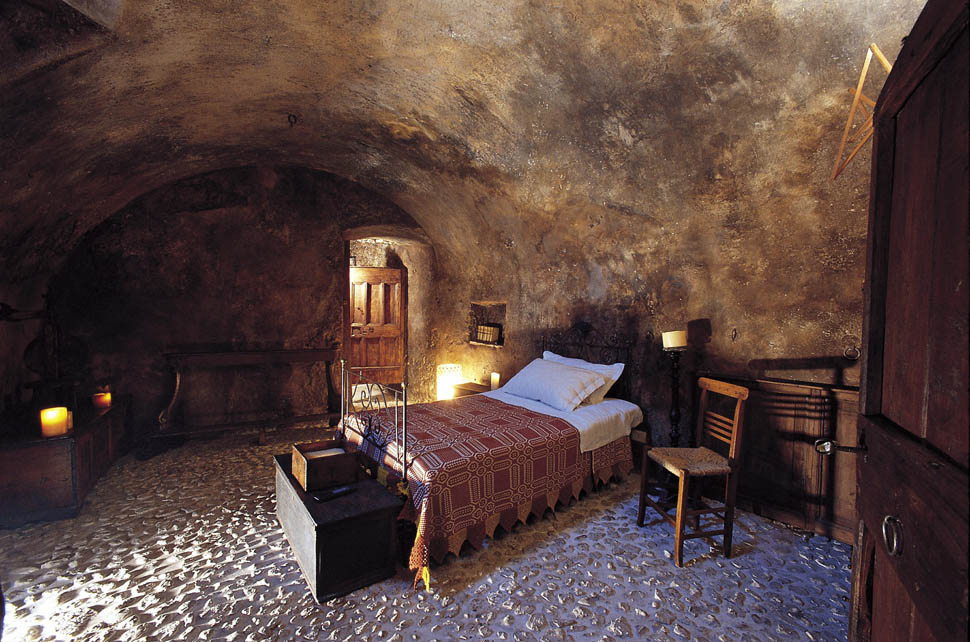
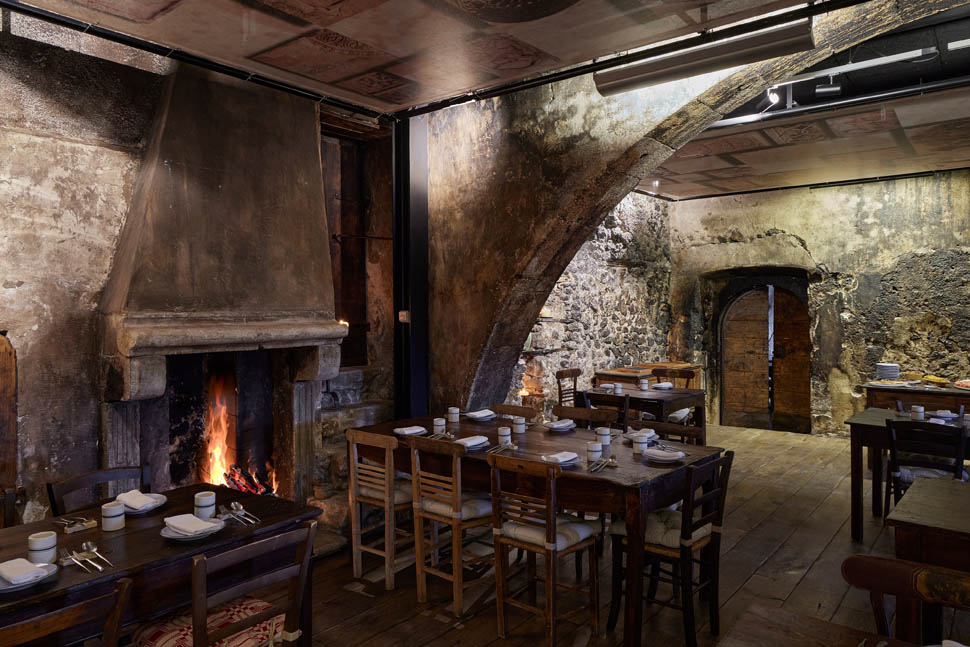
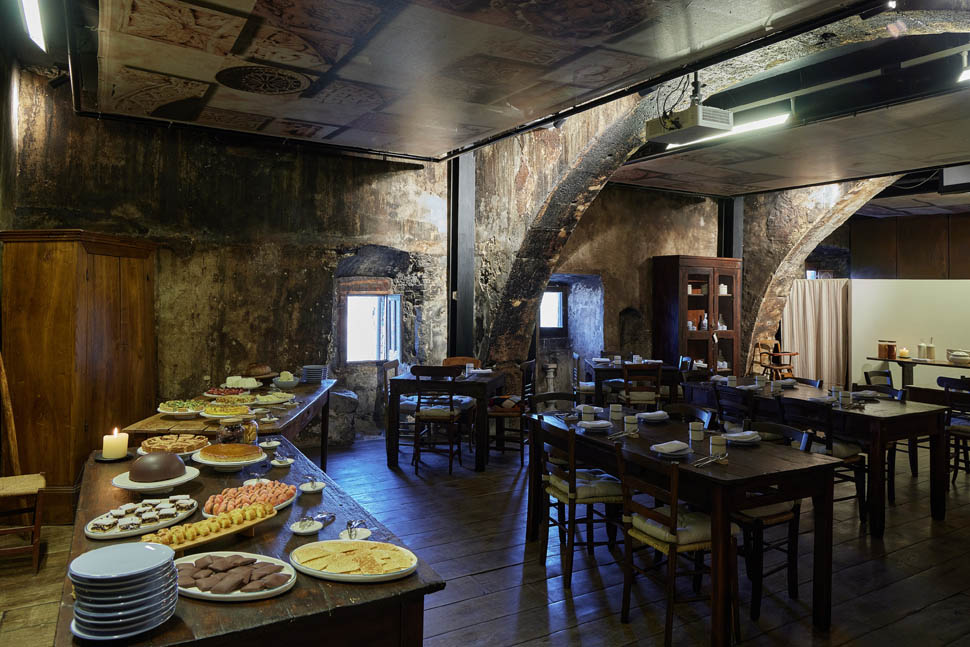
Not a place for everyone, but one of extraordinary beauty for those who can fully understand the radical spirit that animated (and continues to motivate) the founder, who chose to preserve as much as possible the traces of a poor life that, together with emigration, paradoxically preserved its integrity. The rooms are furnished in a frugal manner: wool mattresses, sheets from wedding trousseaus, handmade blankets woven on looms, natural colors. Just don't love the technological excesses of certain structures too much, futuristic but without a shred of soul. Here, with the growth of Sextantio, artisan workshops have been reopened and some young people have returned to live here: we are faced with a truly authentic place.
The idea of protecting the identity of the place also involves food, another cultural aspect according to Kihlgren: "It's an important issue, we had to find a good chef, which was fundamental to our idea. We sought out foods that had almost disappeared; it was an almost extreme choice." At his side is an important figure, anthropologist Nunzia Taraschi, CEO of Sextantio Group and a profound connoisseur of the territory. She is responsible for reviving knowledge of the community's domestic and food craft traditions, without recipe books but with rich customs handed down over time and a diet based on sheep farming.
The chef and the cuisine
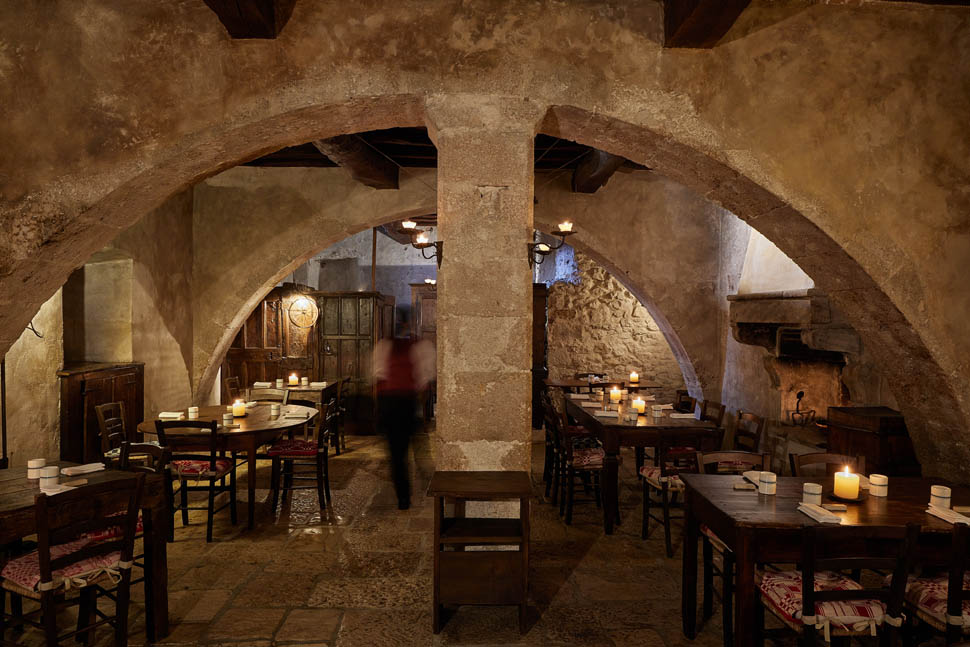
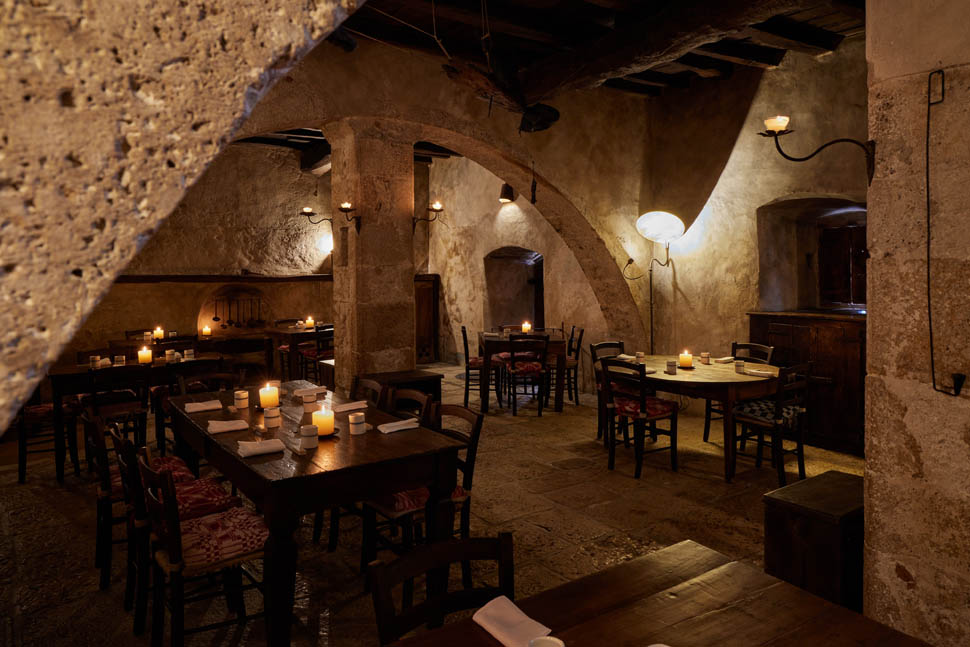
Dino Como arrived at Sextantio Cucina very recently, in November, after fifteen years of a solid career alongside Niko Romito. The dining room fully reflects the philosophy of the place, with candlelight, simple furnishings, and an air of old-fashioned intimacy. Como says: "I started very early, at 12/13 years old, because my parents have a family hotel where I was born, so I've always been in the middle of it all: I immediately became passionate about cooking, but I also did some front-of-house work. I followed the classic path, hotel school and seasonal work. Then I left for a Michelin-starred restaurant in Cattolica: it was called Locanda Liuzzi. That was my first important experience, after some ‘battle’ experiences, which were very useful to me. I was still obsessed with Reale; it had just received its first star, and it was my dream to work there."
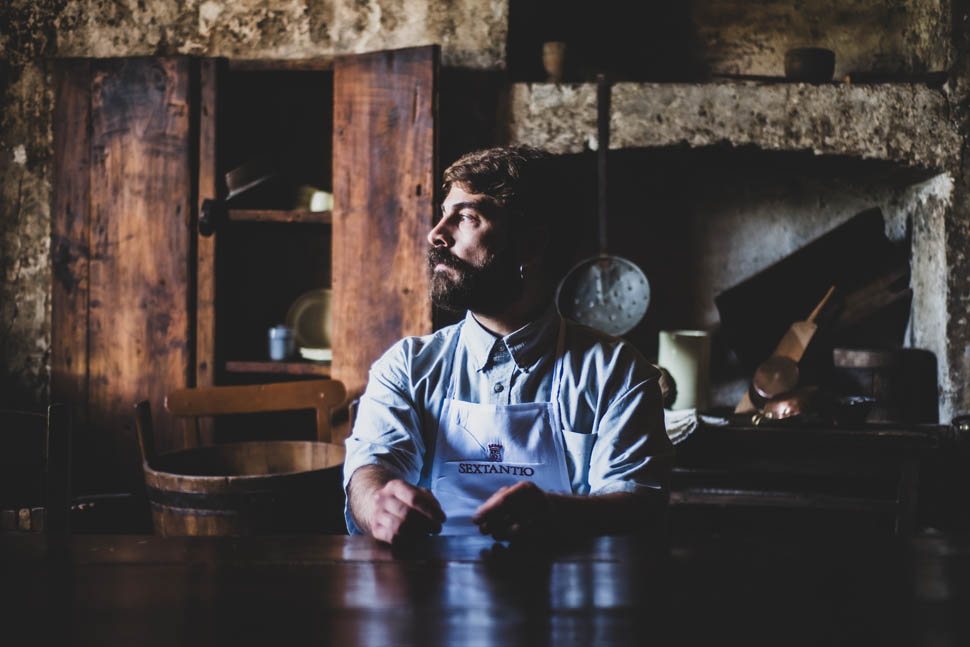
An internship in February 2010 was the first step: "Then I got my first contract and started traveling to a few games. And then in 2017, I took over responsibility for the kitchen. I was there for 15 years, it was like a second home to me, and with Niko I got to travel a lot. It was a truly unique experience, also because I was lucky enough to be involved in the creative side. But you reach a certain point and feel the need to do something for yourself". In fact, it was Romito who put Como in touch with Daniele and Nunzia.
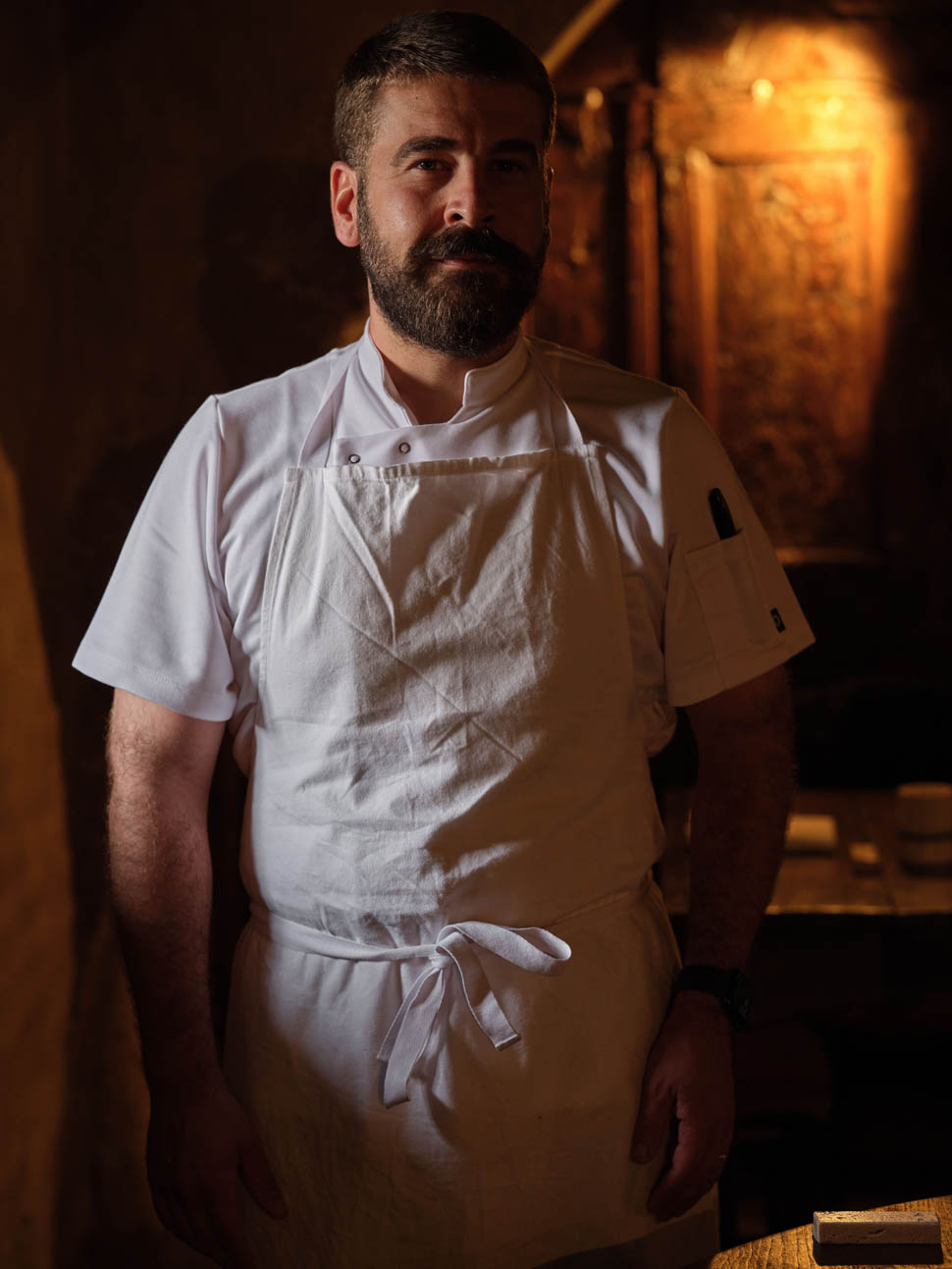
Sextantio Cucina is a place unto itself, outside the norm. The atmosphere is necessarily informal, while the service and cuisine follow typical fine dining rituals, adapting them to the context. Kindness and savoir faire, therefore, without rigid conventions. Once he had obtained the laboratories he had requested, the space to plan and the necessary logistics, the project got underway, both with the Radici menu based on traditional ancient recipes, offered at €75, and with a freehand menu, Evoluzione, €110, in which his ideas could come to life. Como has a clear expression of his cuisine: "It's very direct. I look for depth of flavor in dishes, so that they are never monotonous. They must create oscillations; one flavor must never be the same as another, but you can achieve a balance: perhaps the first bite leaves you a little taken aback, but as you eat, you find harmony."
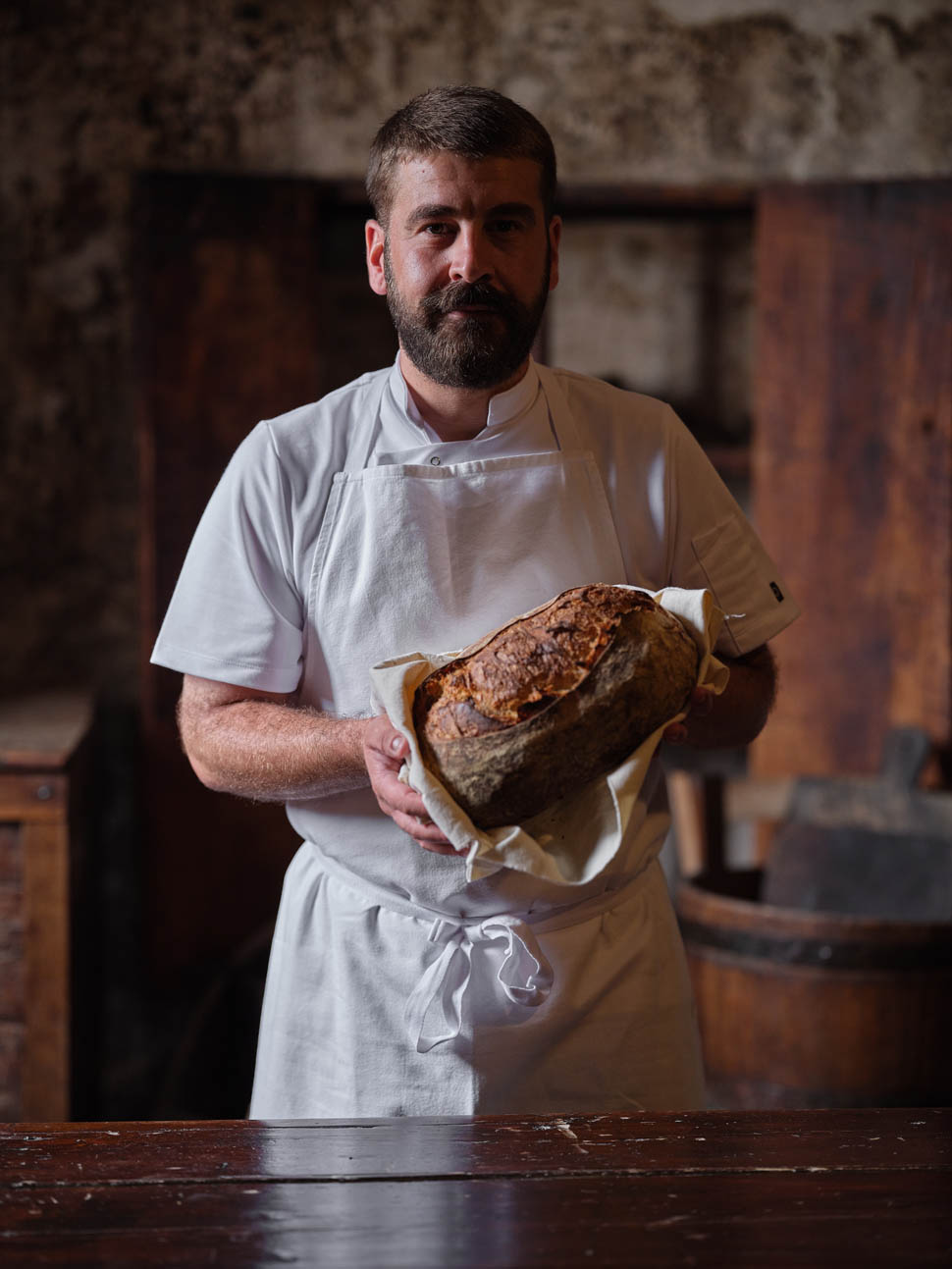
There must be a path: “It's essential, because I often eat dishes that start and end that way. That's not what I want, so I've worked hard on intense flavors and I'm looking for techniques to achieve more nuances. The ingredient must be enhanced, then made tasty and good without making it too extreme.” The strength of this chef, born in 1989, lies in the identity he pursues: “That's exactly the right word, what we're looking for in a place like this. Authentic, maybe even strange, because you have to like this kind of philosophy. There are many enthusiasts who come and are blown away, but maybe there are also those who are looking for a different kind of comfort. Here I try to be authentic, true to myself.”
The dishes
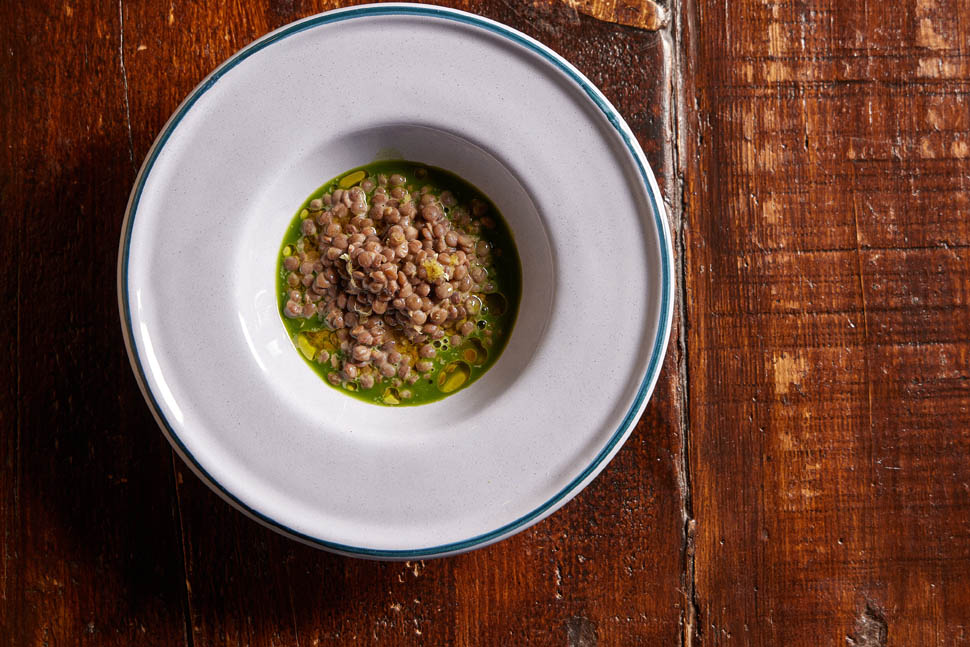
We start with ‘lentils, pork rind, and bay leaves’, a beautiful harmony of textures and bitter flavors. The fresh bay leaves are used immediately so that they remain plump. They are briefly blanched, then centrifuged and reduced. The lentils are steamed, as is the pork rind, which is then blended and sieved to produce a cream with a seductive, rich sweetness: "we place the lentils in the center, surround them with the bay leaf extract, and finish with a grating of lemon. It was quite a challenge to serve lentils like this on Boxing Day: in my opinion, they were overcooked a little too much."
‘Steamed pumpkin and roasted mandarin’: "The idea was to keep the pumpkin as pure as possible, but with different nuances. We use Delica squash, which when steamed has a texture very similar to potatoes. With the roasted mandarin, we created this sauce that is made with the whole fruit, blended, filtered, and reduced, adding fresh peel for the essential oils.“ The result is a very intense texture that also has a smoky flavor. ”We needed acidic and umami flavors. So we created a miso made only from pumpkin, which takes on unique nuances: there are notes of peach and passion fruit. It undergoes this enzymatic process, but it is 100% pumpkin." A dish of beautiful complexity, finished with toasted wild fennel seeds and roasted mandarin powder. ‘Trout and potatoes’, pure flavor from simple ingredients.
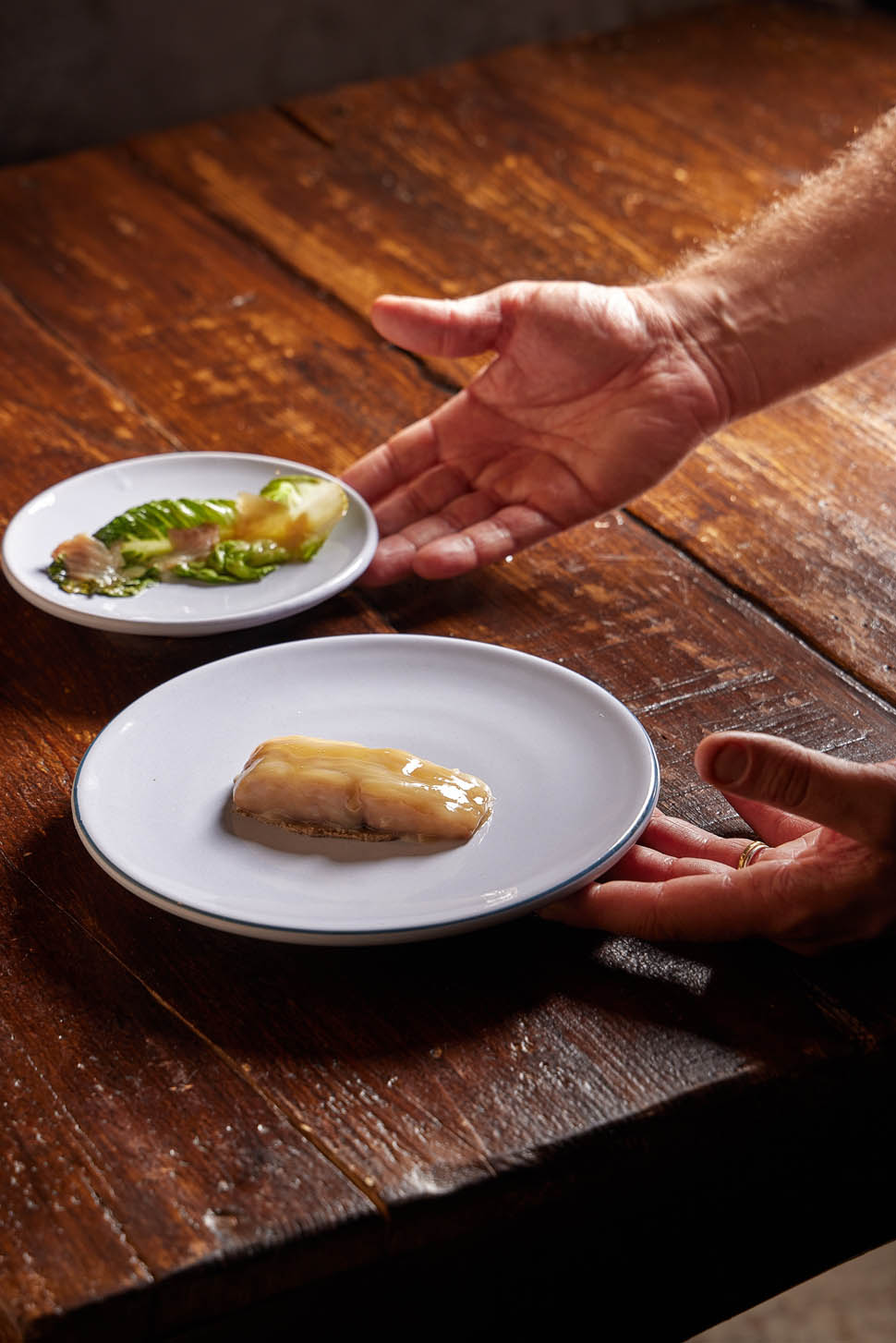
I get them super fresh, just 10 minutes from here, from a fish farm that does a great job. My goal was to achieve greater consistency and a much tastier fish. I thought about the base: I fillet the fish and make a broth with all the scraps. I ferment the broth. I immerse the fish in this liquid and let it osmosis, then I hang the fillet to mature for 5-6 days, so that it acquires consistency and flavor." The potato sauce is an extract cooked over the fire: "we remove some of the starch, reduce it, season it with the fermented trout stock and obtain a sauce that has a strong potato flavor, but also a marked intensity of trout. We sauté all the entrails in a pan, add herbs, filter and blend to obtain a pâté. We grill the trout directly over the coals and glaze it with the potato stock. It is served with wild mustard lightly seared on the grill." ‘Chestnut ravioli in savoy cabbage and nutmeg broth’ is an invigorating dish, a tale of autumn.
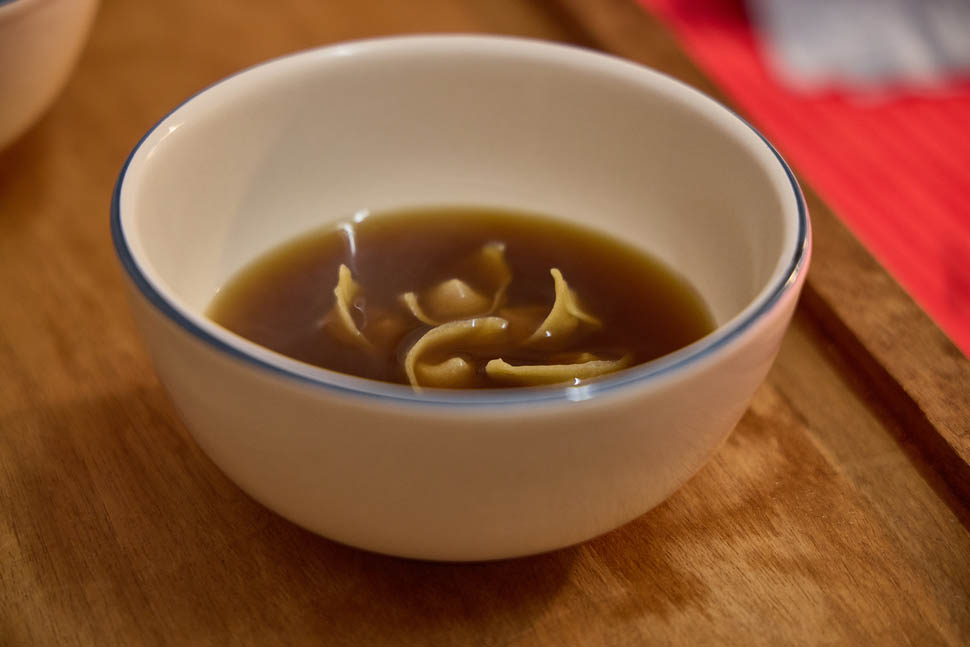
The cabbage is roasted in the oven at 230°C. Then a broth is prepared in the oven at 70°C: "we want it to be slightly bitter, but with a more delicate bitterness; we filter it and infuse it at around 70-75°C with nutmeg and savory. We then pass it very quickly through a chinois filled with barley. We roast, peel, and blend the chestnuts with a little water to obtain a thick filling. We sift, add salt, and proceed with the ravioli dough, using eggs and saragolla semolina flour, an ancient grain that is very fragrant and has the right crunchiness." ‘Goat and oxidized lemon’ is a masterpiece of concentration.
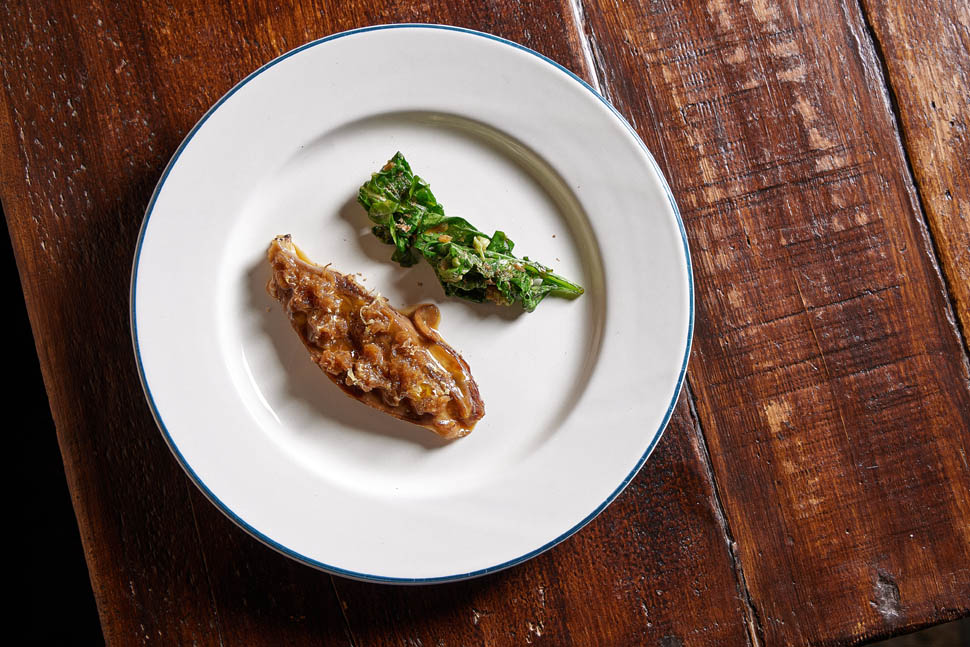
“It stems from the idea of having those two protagonists. I was inspired by the combination of goat fat, for these nuances that were greatly enhanced by lemon, not fresh, because it would have overpowered the other flavors. When oxidized, it takes on balsamic nuances, almost even a hint of vanilla. It takes at least a month and a half, activating an oxidation-reduction process that blackens the fruit, giving it different nuances and making it very soft; when finely chopped, it becomes almost like a cream. With the goat, we make a classic boiled meat dish, cooking the different pieces at different temperatures and forming a roll. When it is time to serve, the goat is heated under a lamp, then the oxidized lemon, the goat stock, and a grating of dried oxidized lemon are added. The goat and lemon seem to become one. ‘Black cabbage, apple, and horseradish’ was conceived as a ‘break’ between courses.
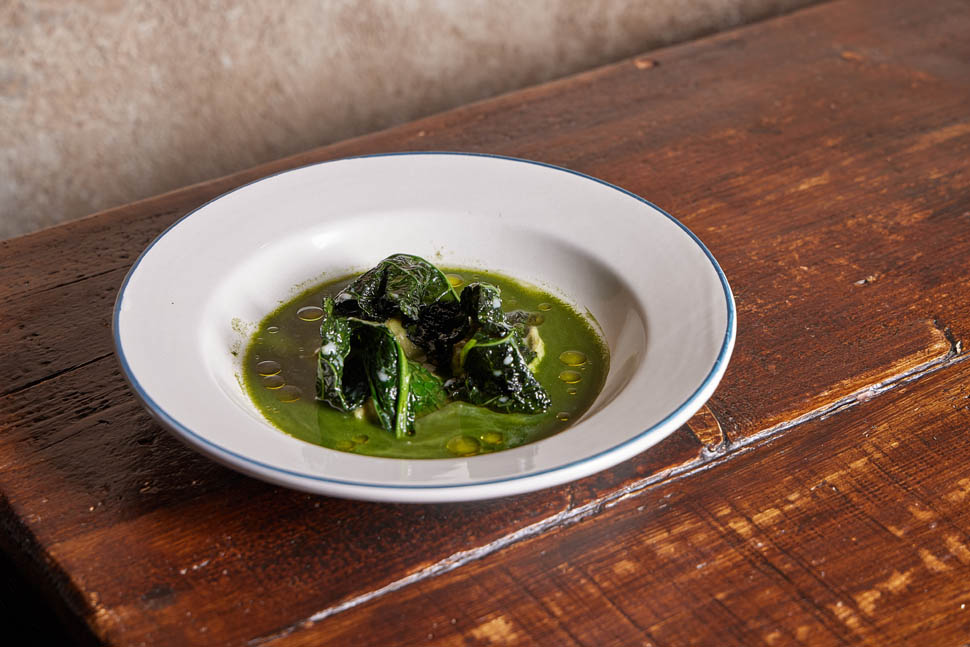
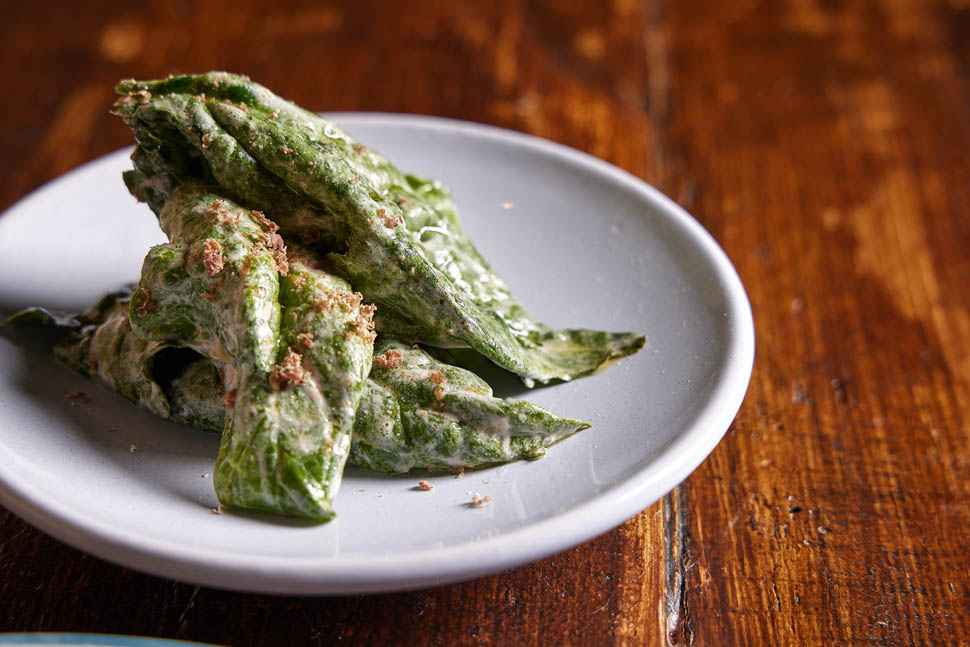
There are different textures and layers of black cabbage. The leaves are osmosed in brine for 24 hours, grilled and cooled: they are almost like seaweed. Another part is cold-extracted to enhance all its characteristics, such as freshness, bitterness, and the various aromas typical of brassicas. Another part is fermented and has a slightly sulfurous flavor, which greatly enhances the savory taste. It is a dish that plays on textures, so I thought of a confit apple, seasoned with salt, oil, and a pinch of pepper. We dry it in the oven for about an hour and a half, blend it, and obtain a paste that creates the right harmony with the cabbage. Finally, we work on the horseradish, which is soaked overnight and then centrifuged at low speed. The base of the dish is the apple paste, then the horseradish leaves, which are osmosed and then toasted over the coals. We season with pure cabbage extract, then add the savory part with the fermented ingredient. Finally, we add the spicy part. ‘Spaghetti, Swiss chard, sunflower seeds, and green pepper’ is truly remarkable. The Swiss chard is both pure extract and lacto-fermented.
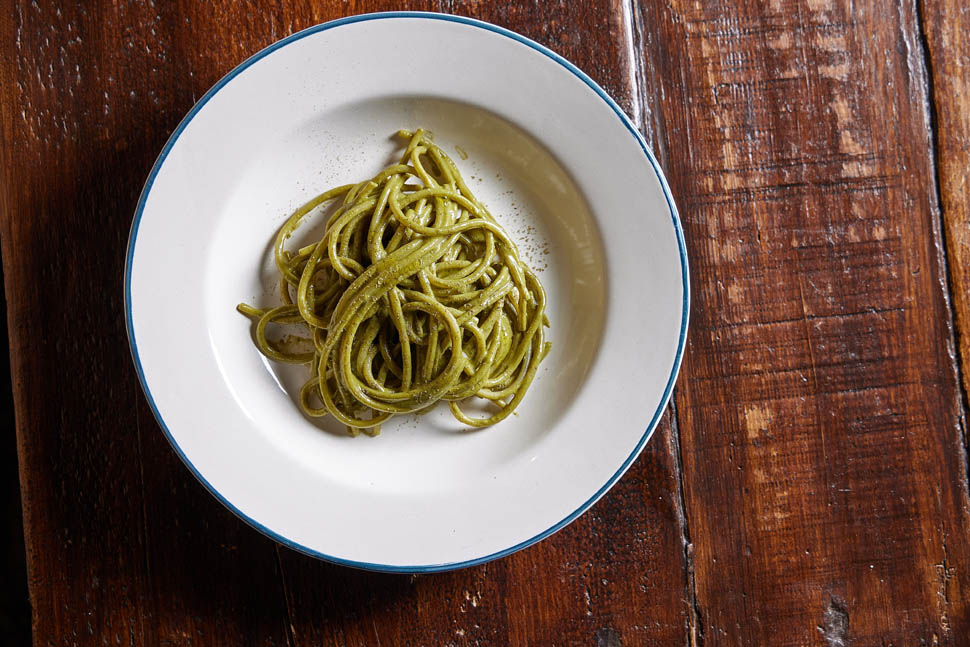
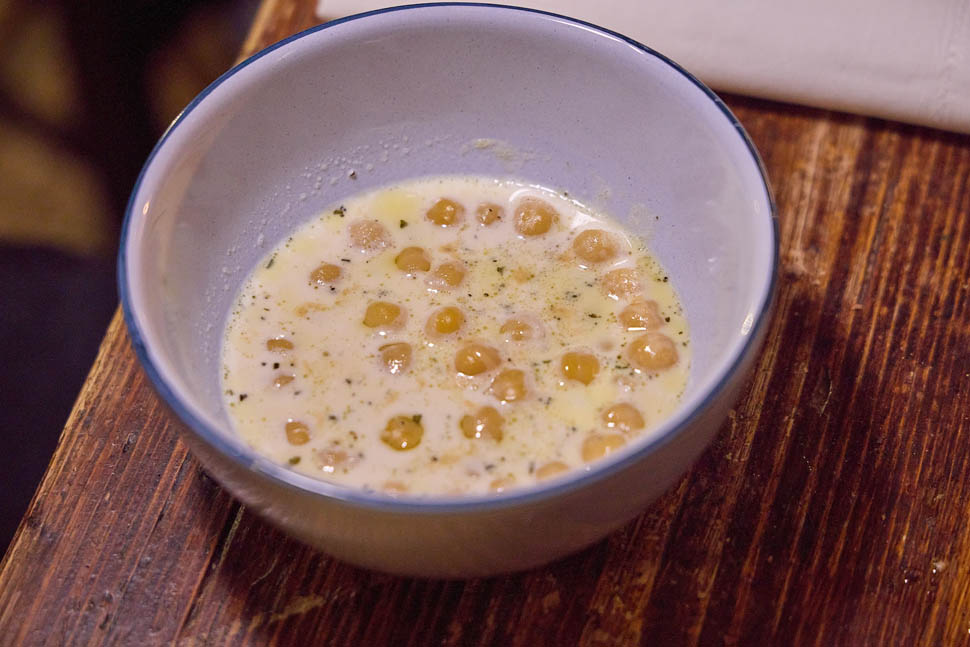
“I prefer to achieve natural flavors through technical processes rather than by adding salt; transforming and layering ingredients allows me to achieve depth of flavor. We process sunflower seeds until we obtain a bitter paste with interesting rancid undertones. The spaghetti is first cooked in water, then tossed in a pan with the two chard preparations; off the heat, it is creamed with the sunflower seed paste, whose richness enhances the vegetable component. A sprinkling of green pepper lengthens the flavor, and we finish with a dash of chard oil." Absolute goodness ‘chickpeas, milk, and rosemary’ from the Radici menu. “I tried to cook the chickpeas to perfection by working with two different textures. We soak the legumes overnight, cook them in water, and finish them in milk flavored with vegetables. We filter them, and part of that milk acts as a broth; some of it is reduced to enhance the flavor, which becomes very delicious.”
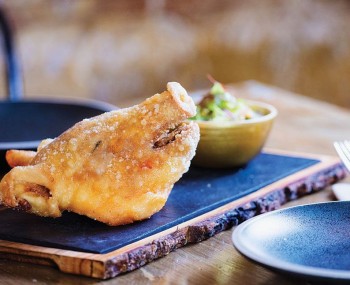
‘Roast sheep, offal and salt’ is another great dish: “I find it much more interesting than lamb. Here in Abruzzo, it is usually overcooked: my challenge was to get a nice intense flavor from the embers. We use all the cuts and age each one as needed: the leg needs at least three or four weeks, while the rack and neck only need 10-15 days. Finally, it is deboned and served without the Maillard reaction to ensure the meat is clean, which is essential. A paste of blended walnuts is added and stretched with a sheep's milk base. The savory part comes from the offal, which is treated as if it were bottarga: salted for 24 hours, dried, and then aged for a month to a month and a half."
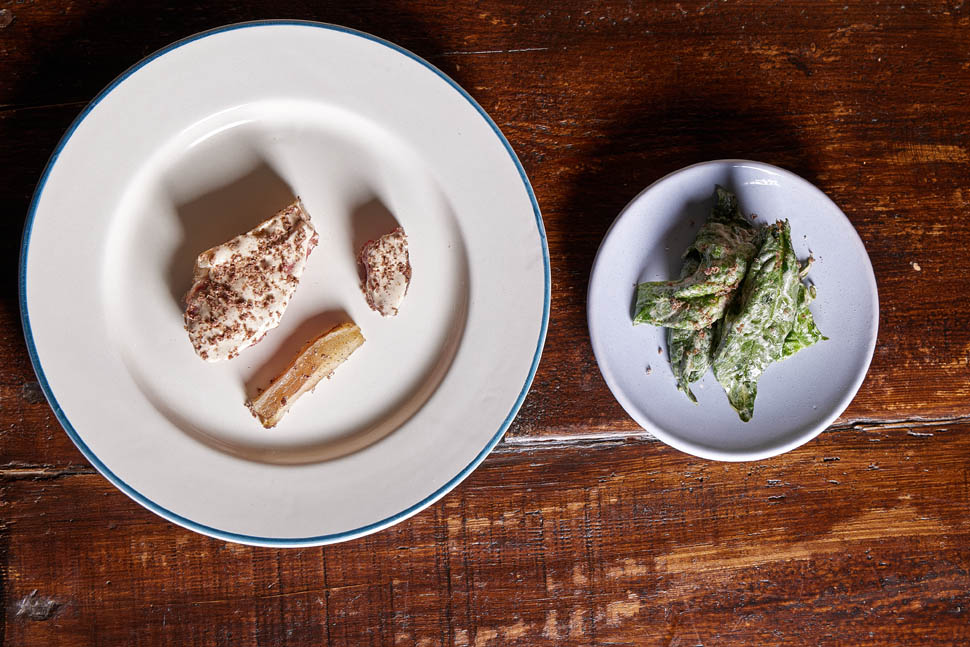
‘Radicchio, carrot, and cinnamon’ is a transitional dish: "We start with a carrot juice, to which we add a roasted carrot that we toast in the oven, add to the juice, blend, and filter. The radicchio is toasted, then cooked in the carrot juice for about two hours; it is cooled by thermal drop. We then shape it into a block by layering all the leaves. We filter it, reduce it and obtain a sauce that tastes of carrot but is contaminated with radicchio. We also prepare a concentrated base of very bitter radicchio. We finish with powdered cinnamon. The dish manages to play on both bitter and sweet notes: it almost seems as if there is chocolate, cooked must and licorice." .
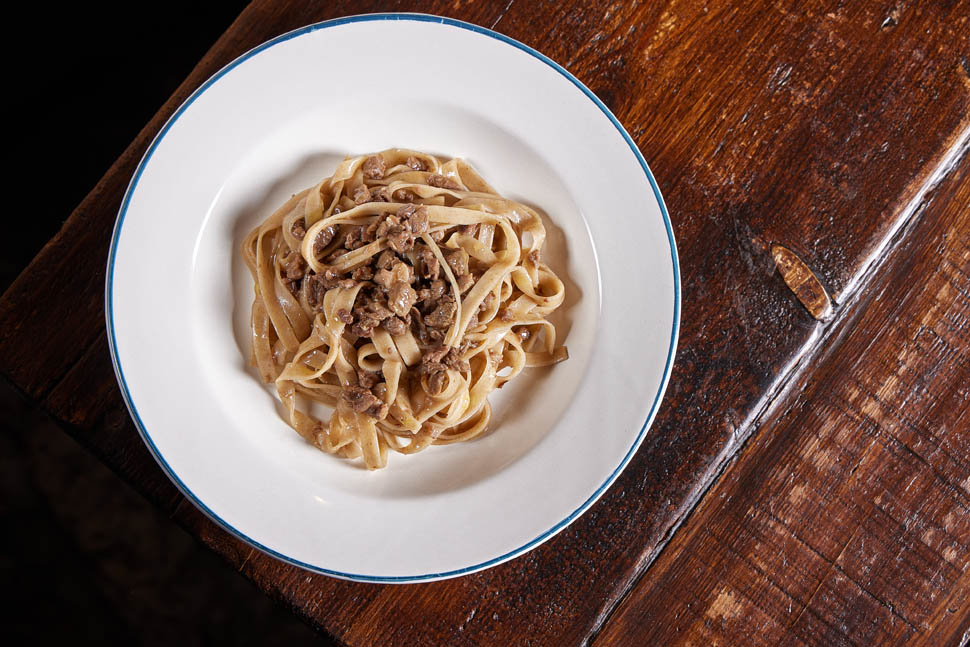
“Pasta with water and flour and sheep ragù” is part of the Radici menu and is a classic dish from Abruzzo, with egg-free pasta that has a wonderful texture. The sheep ragù is chopped with a knife and cooked in a broth made from the same sheep. “We use part of the broth to make a sauce. We cook the pasta for two minutes and finish it in a pan with the ragù for another two minutes, then stir in the sauce.” The flavor is intense, immediate, authentic.
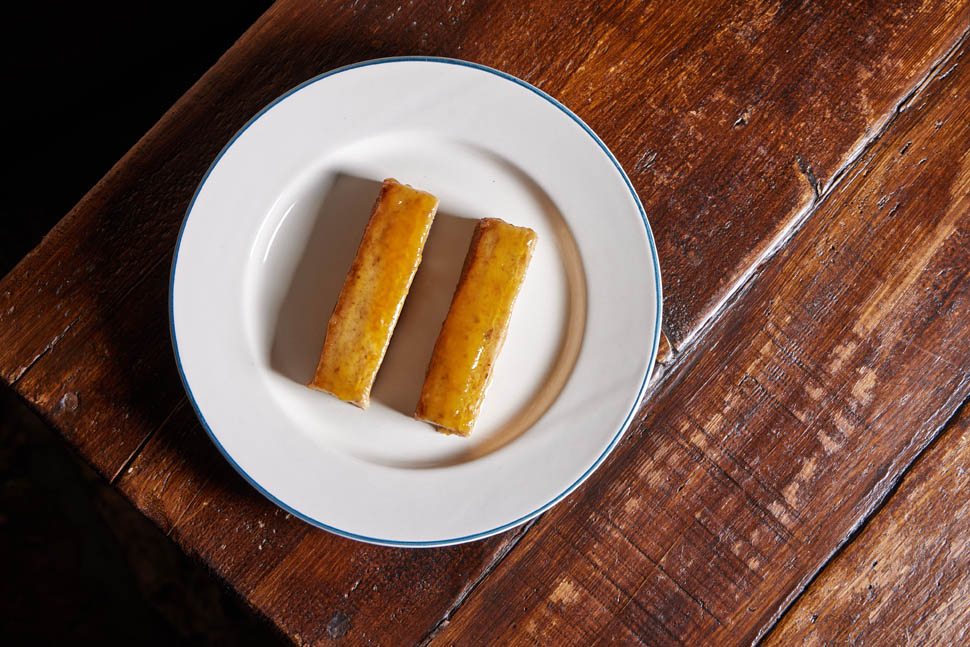
Among the desserts, ‘bread and sugar’ is also on the Radici menu: “We have always worked with stale bread but in the form of a cake: we soak it in water, blend it and steam it: we make a caramel sauce and serve it slightly warm, so that it remains creamier.” We finish with ‘Lettuce, vanilla, and lemon’, a beautiful example of a dish that identifies Dino Como: "I dreamed of a dessert with a vegetable as the protagonist: I started experimenting by osmosing lettuce in a syrup of water, sugar, vanilla, and lemon peel. I realized that the undried part was much more pleasant, with an almost crunchy texture, so I focused on the osmosis lettuce. I wanted a totally vegan cream, so I worked on a centrifuge of lettuce and rice starch.
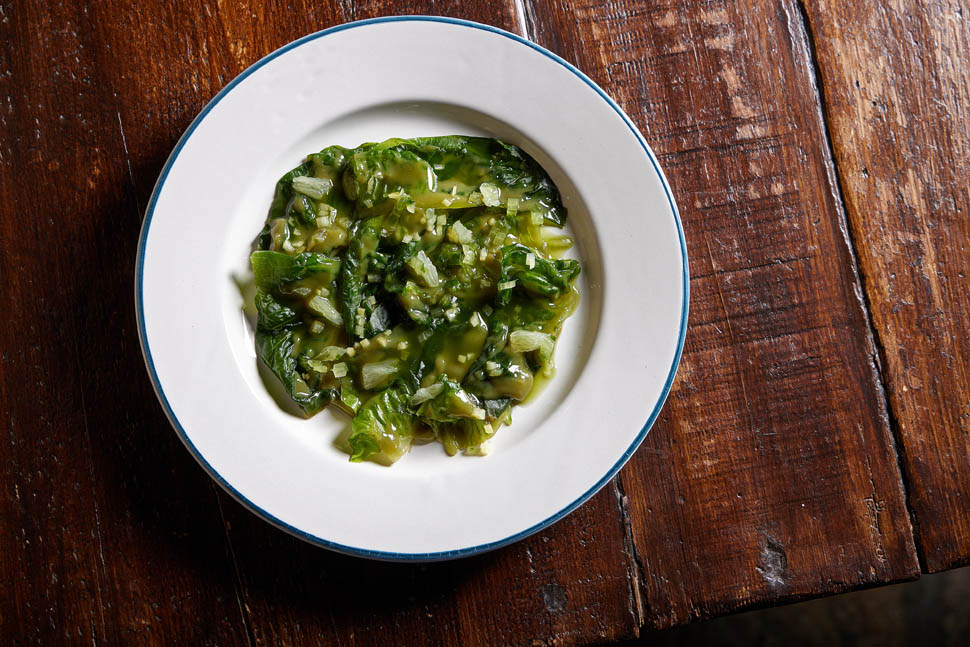
Once removed from the heat and cooled, it was very thick, almost like a pudding. I also add a fresh part, emulsify and add vanilla beans; it acquires a consistency almost like custard. Then we worked on the lemons, lacto-fermented, using all the parts; with the lettuce stalk cut into very thin brunoise, I created the crunchy part. I put a strip of lettuce cream on the base of the plate, the brunoise of fermented lemon peel, the inside of the fermented lemon, and a little brunoise of lettuce. I finish with a reduced lettuce base, which gives me a very vegetal component that enhances the flavor of the dish. A truly unique experience.
Contacts
Sextantio
Via Principe Umberto, 67020 Santo Stefano di Sessanio AQ
Phone: 0862 899112