Even the way we scroll through social media today tells us what will end up on our plates tomorrow. Gastronomic trends no longer originate solely in restaurants or the research laboratories of large food companies: they take shape between an online search, a saved reel, a hurried digital shopping trip, and an increasingly clear need for food that speaks to us, our times, and our changing habits.
According to international observers in the food sector, 2026 promises to be a year in which taste, function, comfort, and pleasure will once again come together in close dialogue, without rigid hierarchies or dogmas. Not a loud revolution, but rather a series of micro-shifts that, when taken together, tell us a lot about how we are eating and how we will eat. The BBC reported on them in this article, from which we drew the most relevant ideas for us.
When spicy meets fruit
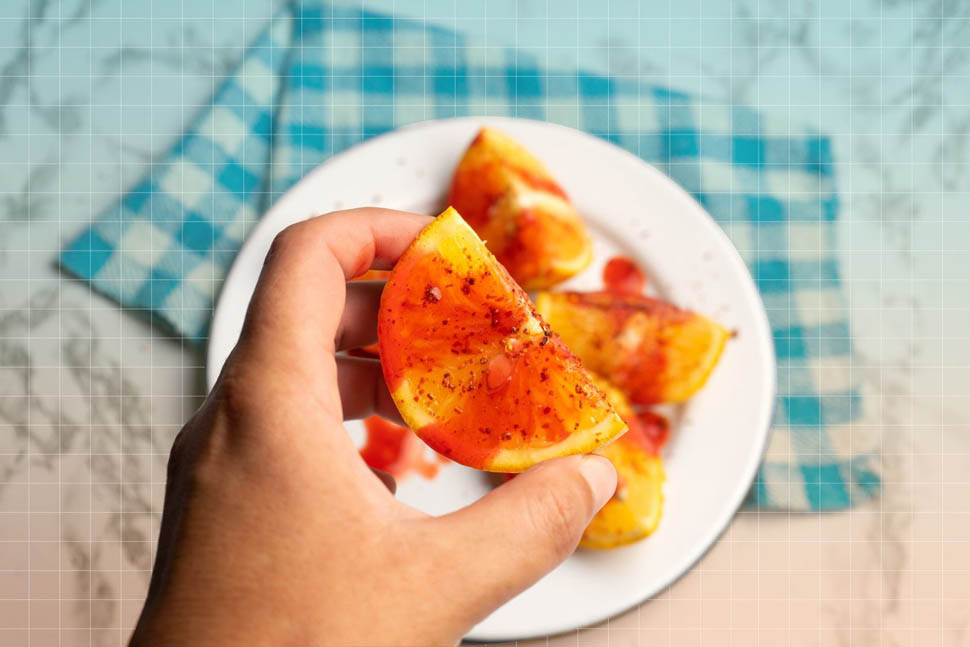
2026 marks a further step forward in the grammar of taste, and it does so through a new word that sums up a trend that is now impossible to ignore: fricy. A direct and declared combination of fruit and spicy, this aromatic code describes a cuisine that is increasingly attracted to lively contrasts, immediate combinations, and sensory energy that reaches the palate without mediation. It is not an impromptu invention, but the global adoption of habits rooted in specific gastronomic cultures, from Mexico to Southeast Asia, where fruit and chili peppers have always coexisted in the same gesture. The reference is to slices of mango sprinkled with chili salt, Thai salads in which lime, sugar, and spices interact without hierarchy, and a conception of flavor that does not fear intensity. In 2026, this language translates into products, dishes, and condiments that are increasingly present on domestic tables and menus, as demonstrated by the sales data of specialized online retailers. Mexican chamoy, a tangy mixture of pickled fruit, lime, and chili pepper, has seen a 64% increase in just three months, while Japanese yuzu kosho, a fermented citrus and chili pepper paste, has grown by 28%.
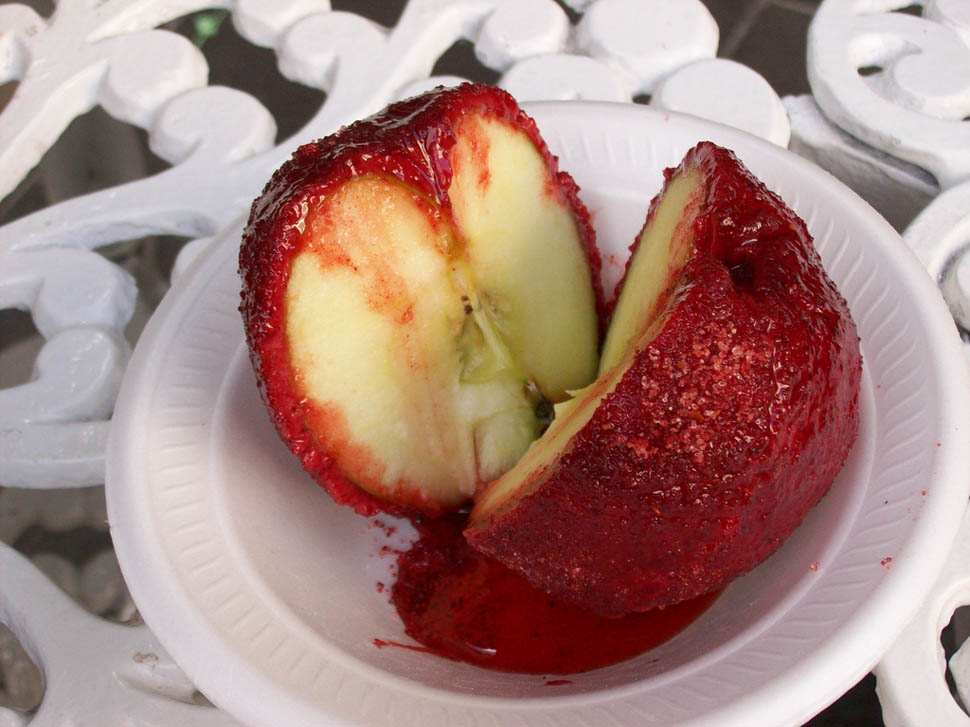
The world of drinks is also moving in the same direction, adopting spicy and sour variations that reinterpret well-known classics. This has led to the creation of cocktails known as “spour,” where spicy and citrus flavors meet, and ingredients such as Tajín become a permanent fixture on the rims of glasses. The success of these flavors reflects a more curious public, less fearful of spice and increasingly attracted to immediate but layered taste experiences.
Mini portions and snackification: the new format of pleasure
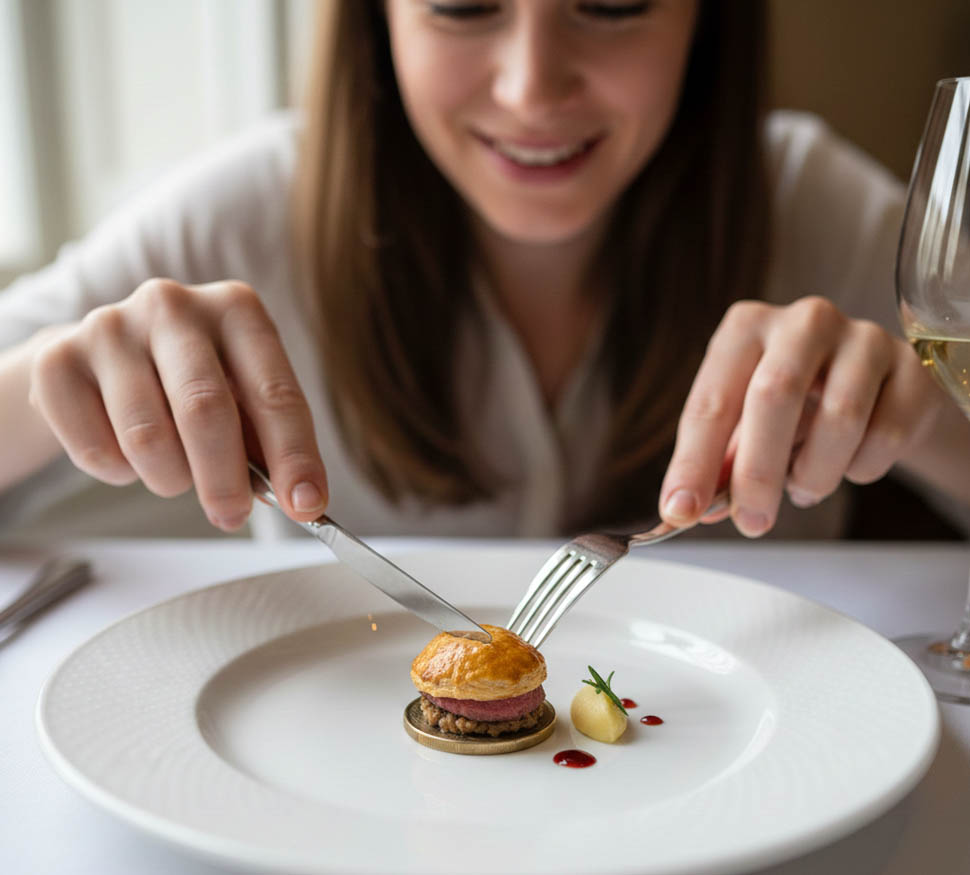
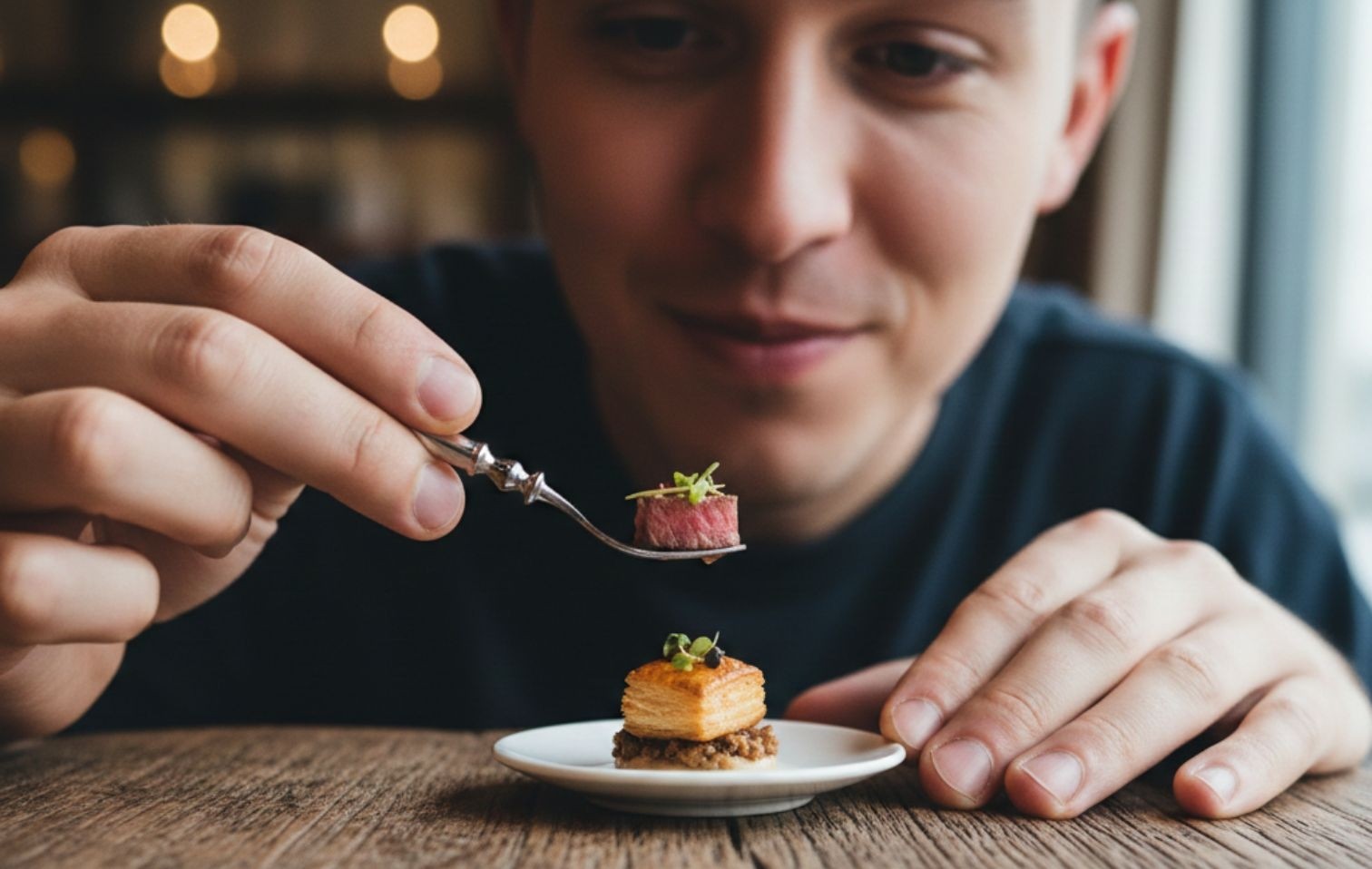
The way we eat is also changing in terms of size. In 2026, portions will become smaller, but without losing their symbolic or gastronomic value. Mini dishes, structured snacks, and carefully designed bites will become the protagonists of everyday life, where single meals will give way to more flexible, adaptable, and often more playful sequences. This transformation responds to different motivations, from appetite management to a more flexible relationship with food. According to Jen Creevy, director of food & drink at WGSN, smaller versions of dishes, drinks, and desserts are gaining momentum for two specific reasons: on the one hand, their playful, almost emotional nature, and on the other, the growing attention to quantity, also in relation to the spread of GLP-1 drugs for weight control. Mini portions thus become an effective compromise between desire and moderation, without sacrificing taste. Data from large retailers confirms this shift. More than half of Waitrose customers say they sometimes replace a meal with a series of snacks, while trend agencies talk about snackification as a structural phenomenon, consisting of small, carefully crafted formats designed to offer function but also pleasure. Food ceases to be a single block and is transformed into a personal, modular mosaic.
Functional food and beverages: nourishing better, not less
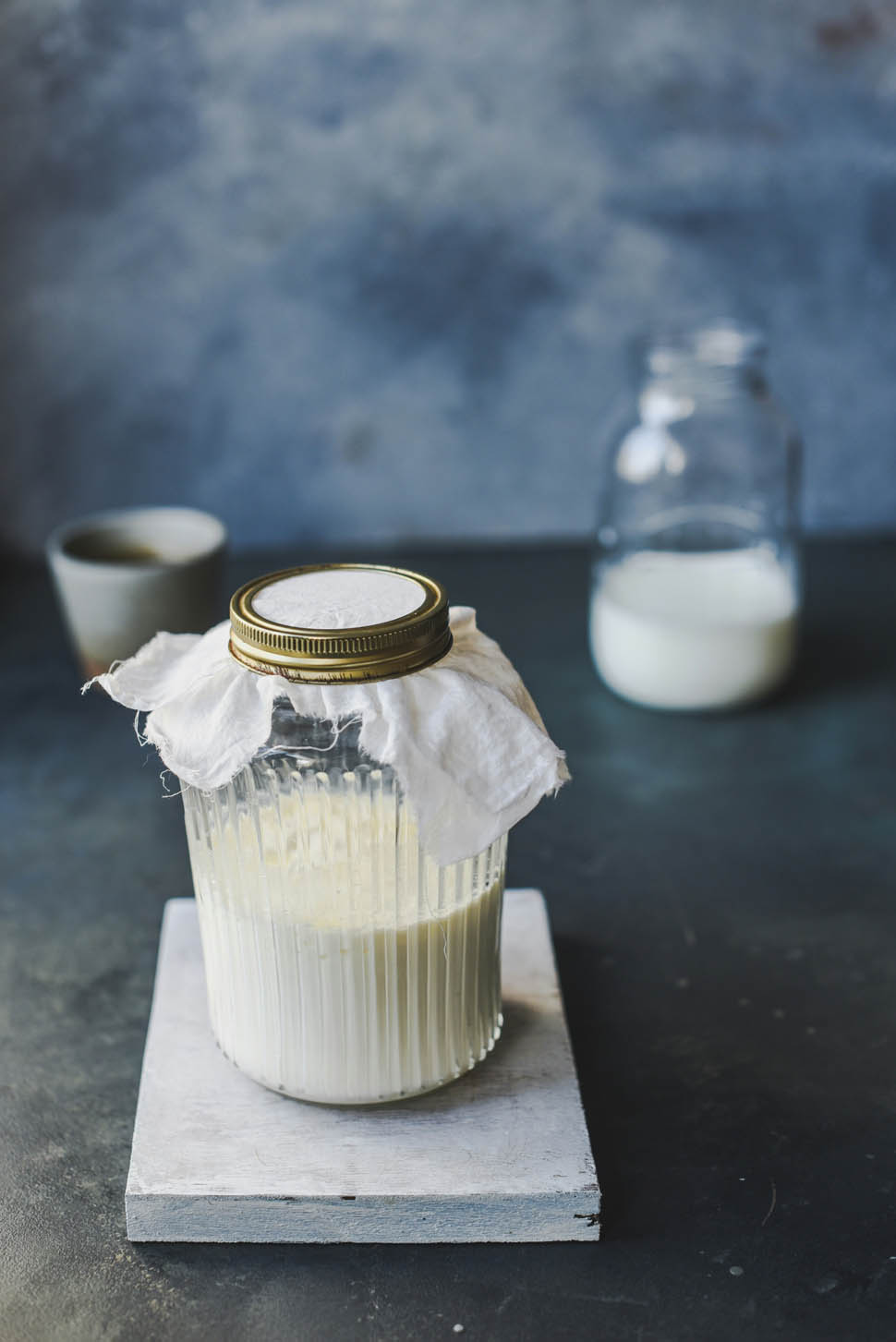
In 2026, the concept of functionality will emerge from its niche and become an integral part of mainstream gastronomic discourse. The focus will no longer be solely on convenience or speed, but on nutritional quality and density of benefits. Charlie Parker, senior nutritionist at Ocado Retail, observes a clear shift towards foods that offer more value in each serving, with a growing focus on protein and fiber. Online searches clearly reflect this demand: queries related to fiber-rich snacks have increased by 2,578% in just one year. This figure indicates not so much a trend as a widespread awareness. Louisa Brunt, senior nutritionist at M&S, points out that fiber is perceived positively because it encourages people to enrich their meals rather than subtract from them, making the approach more inclusive and sustainable over time.
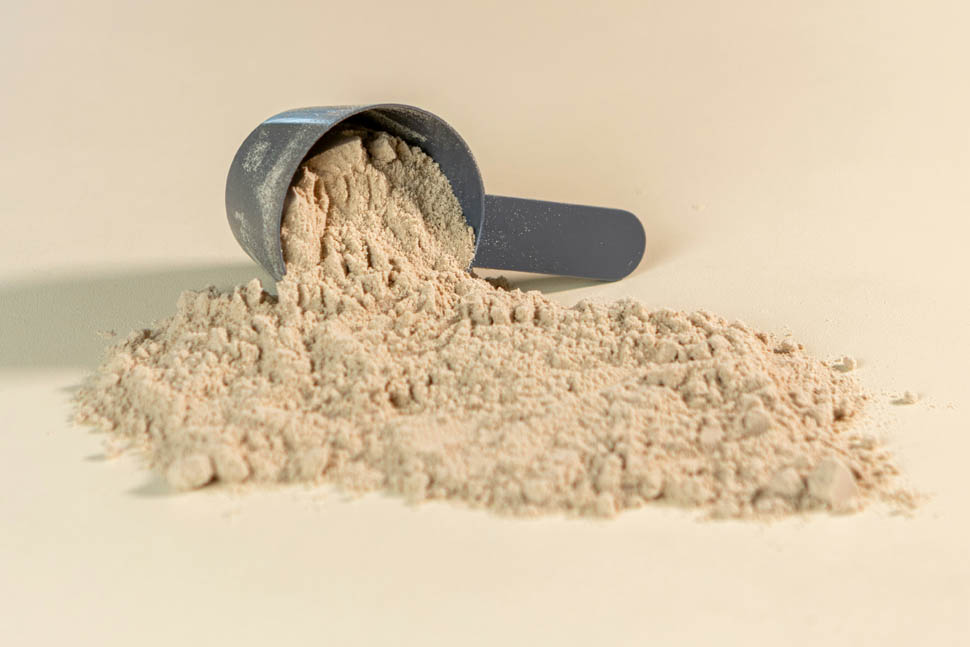
The same applies to beverages, which in 2026 will become vehicles for specific benefits. Probiotics, water kefir, electrolyte powders, and natural energy drinks will gain shelf space, while social media will see growing interest in mushroom coffee, enriched with mushroom extracts, the subject of a hashtag with over 99,000 occurrences on TikTok. Like plates, glasses are no longer neutral and take on a declared function.
The return of butter, browned version
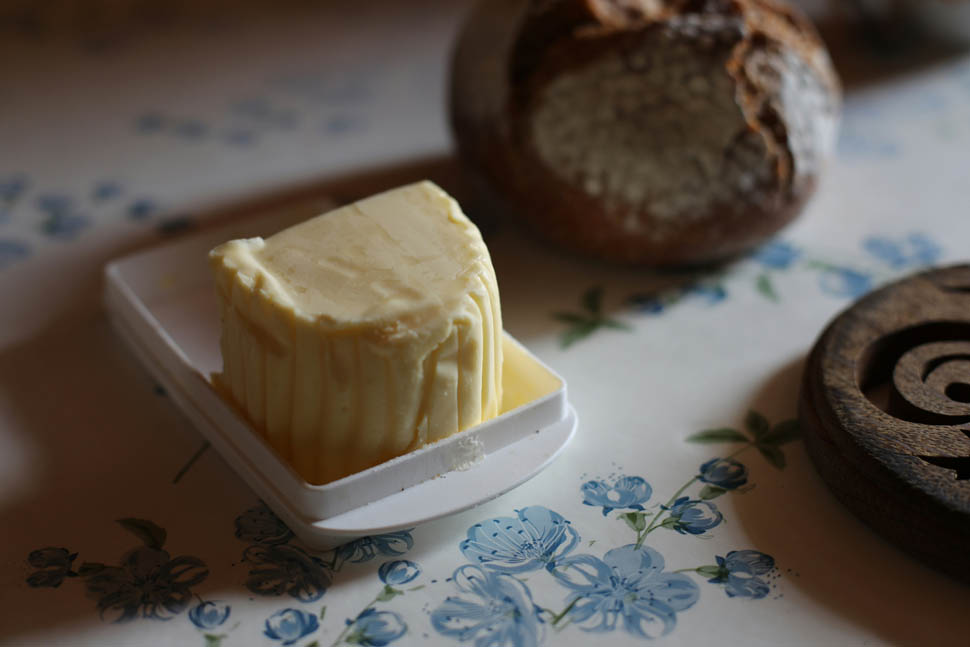
Not all trends for 2026 focus on wellness in the strict sense. Some openly talk about pleasure, such as the return of butter, celebrated in its most aromatic form: browned. The French technique of beurre noisette, which brings out toasted and nutty notes in butter, is gaining new prominence thanks in part to its visibility on social media. Chef Thomas Straker is making a decisive contribution to this rediscovery with his All Things Butter series, which has achieved impressive numbers on TikTok and Instagram. The success of browned butter also reflects a cultural reaction: after years of suspicion towards saturated fats, there is a growing preference for simple, recognizable ingredients that are perceived as less industrial than ultra-processed alternatives.

In 2026, browned butter will become a distinctive feature on menus, used to finish pasta, fish, meat, and desserts. Waitrose refers to it as the “new pistachio,” meaning an ingredient destined to become a versatile star, capable of transforming a dish with a single touch, concentrating aroma and depth.
Jacket potato: comfort food gets an update
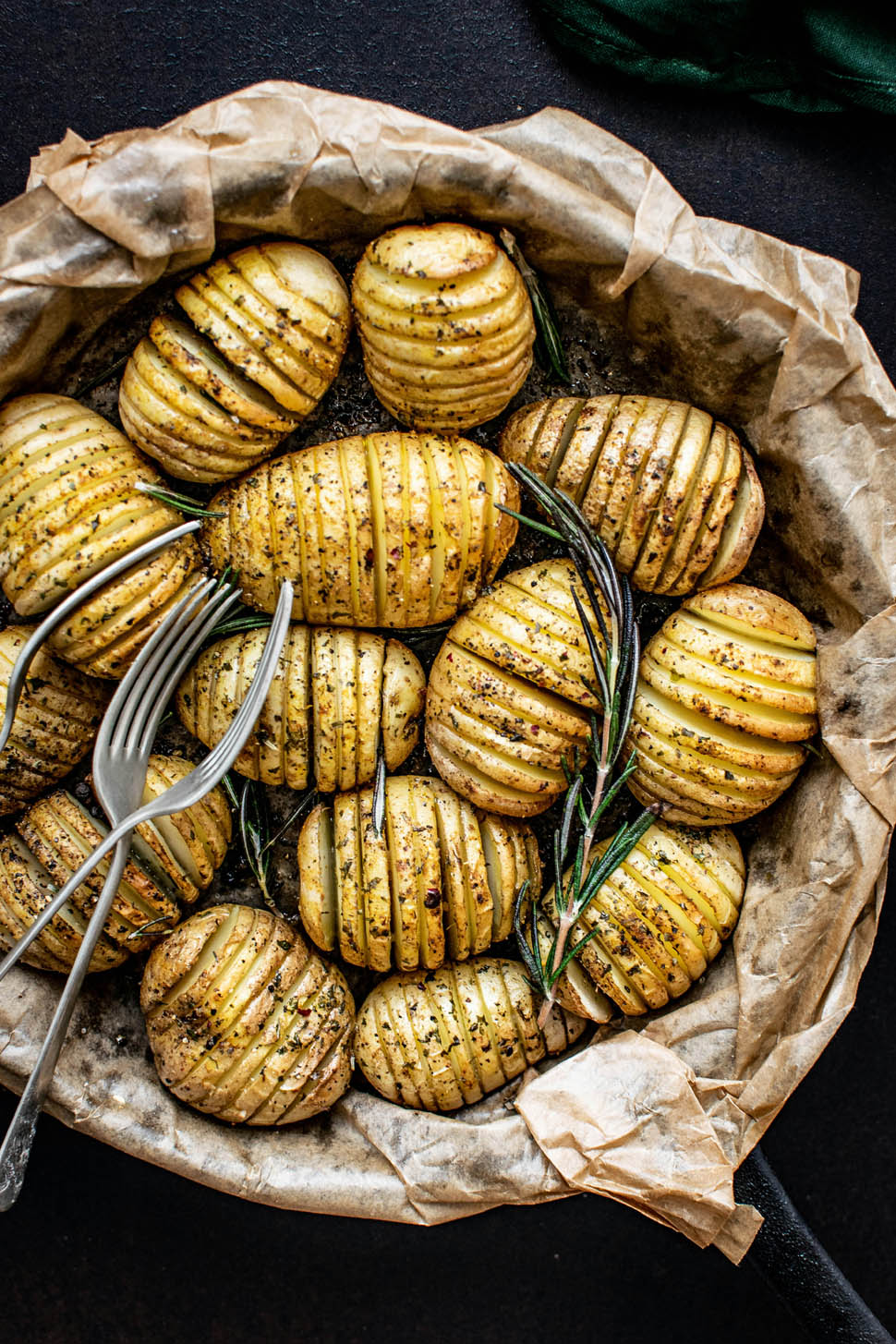
The stuffed baked potato returns to the spotlight in 2026, driven by an unexpected viral moment. A simple answer by Kim Kardashian during an interview, which immediately went viral, reignites interest in a familiar, comforting home-cooked dish. Her favorite version, with sour cream, butter, and bacon, inspires a new wave of recipes and interpretations. The success of the jacket potato is also facilitated by the spread of air fryers, found in over 60% of British homes, which make preparation quicker and more accessible. Social media amplifies the phenomenon through specialized creators, such as the Spud Bros or Poppy O'Toole, who transform the potato into a creative medium for ever-changing fillings. The numbers speak for themselves: 94% of adults in the UK say they eat a jacket potato at least once a week, while sales of roast potatoes are growing by more than a third year-on-year. Economical, filling, and rich in fiber, the baked potato perfectly meets the need for contemporary comfort.
The return of cabbage
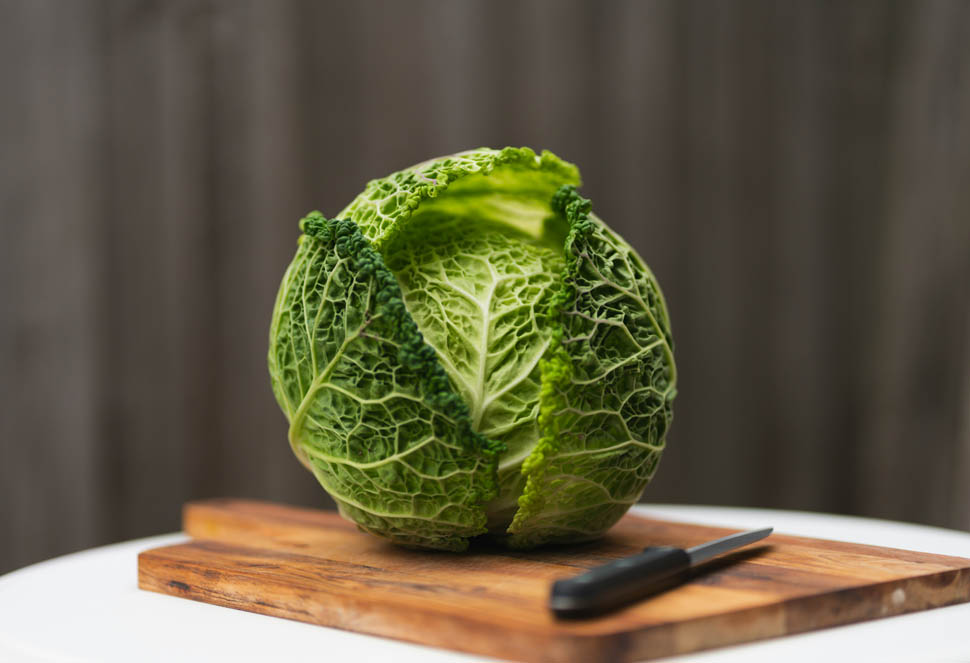
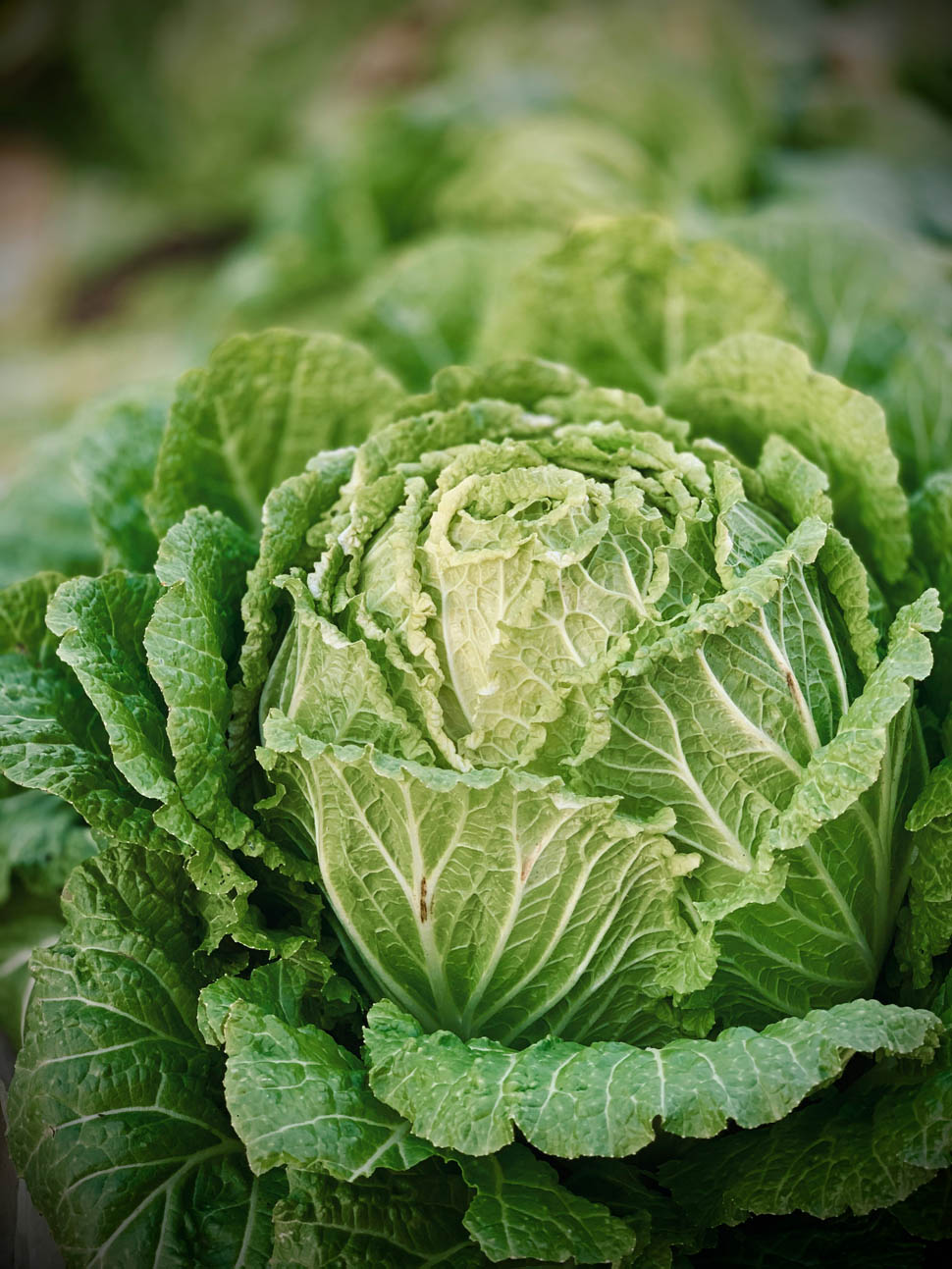
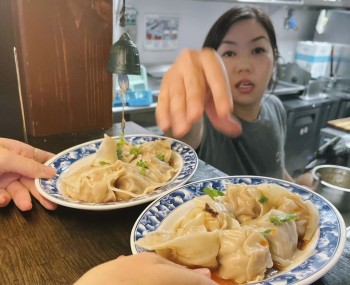
2026 also marks the revaluation of a long-underrated vegetable: cabbage. After years of focusing on more sought-after varieties, such as grilled hispi in restaurants, interest is shifting towards more everyday and popular forms. Pinterest searches show significant growth for cabbage-based dishes, from dumplings to soups to fermented versions. This comeback reflects a cuisine that is rediscovering inexpensive, versatile ingredients that are deeply rooted in the collective memory. Cabbage is becoming the star of dishes that nourish and reassure, adapting to different seasons, cultures, and techniques. According to experts, this trend will reach the general public in 2026, bringing with it a new appreciation for a vegetable that combines simplicity and endless possibilities.