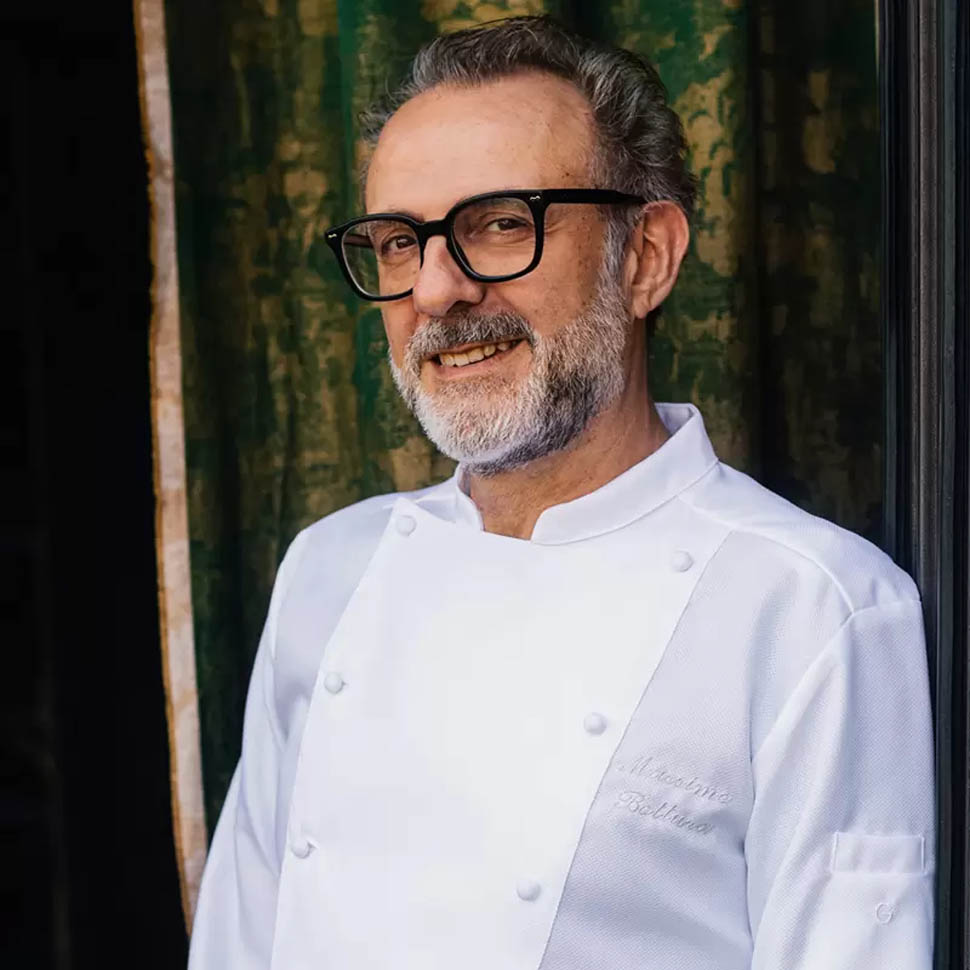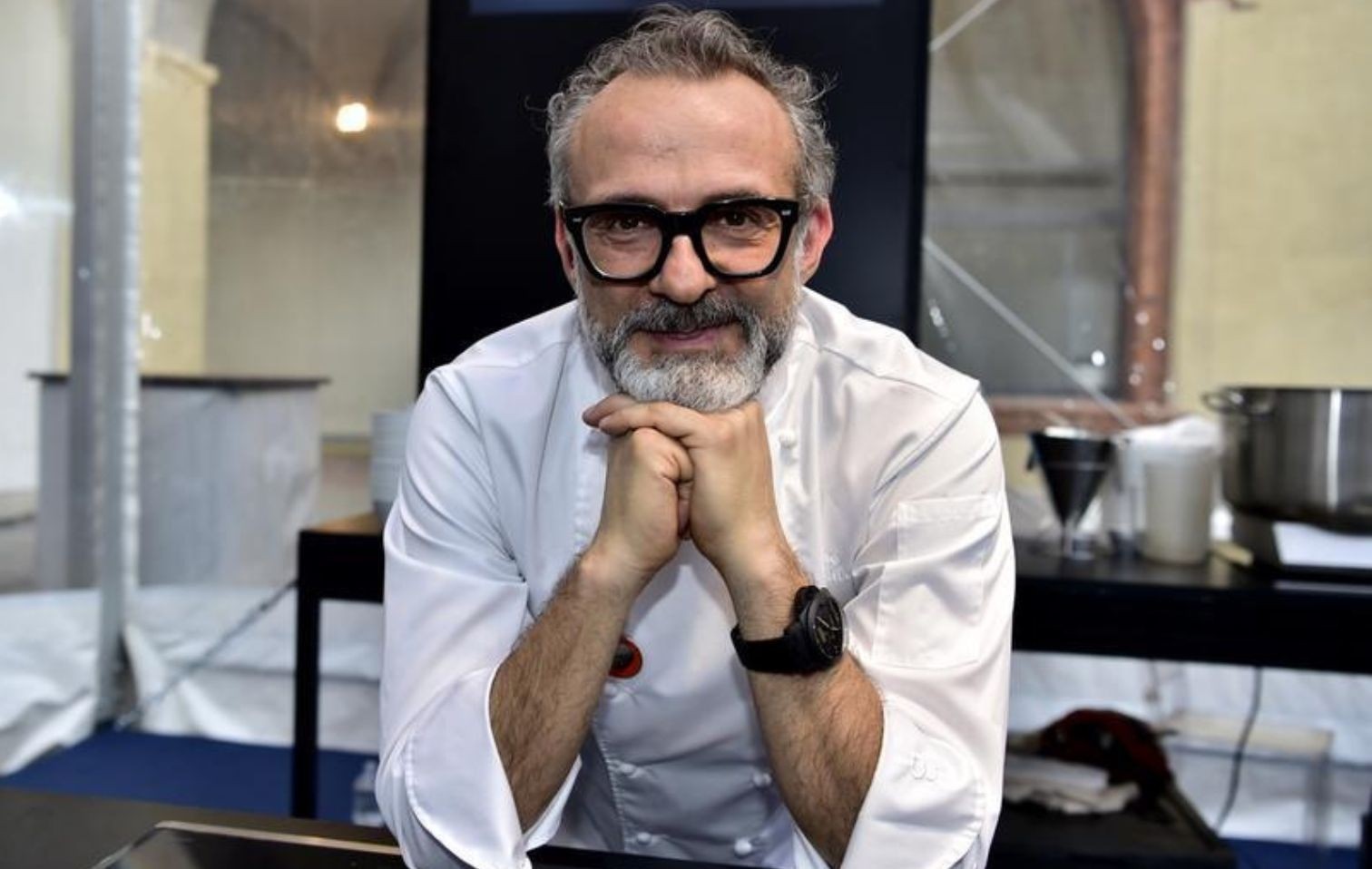
A nomination in which the chef of Osteria Francescana strongly believed, promoting the gastronomic identity of the peninsula as an act of love: we caught up with Massimo Bottura to hear his thoughts on the value of this global recognition for Italian Cuisine, which has now been added to UNESCO's list of Intangible Cultural Heritage.
‘Italian Cuisine: an act of love and a geography of the soul’. The words of Massimo Bottura
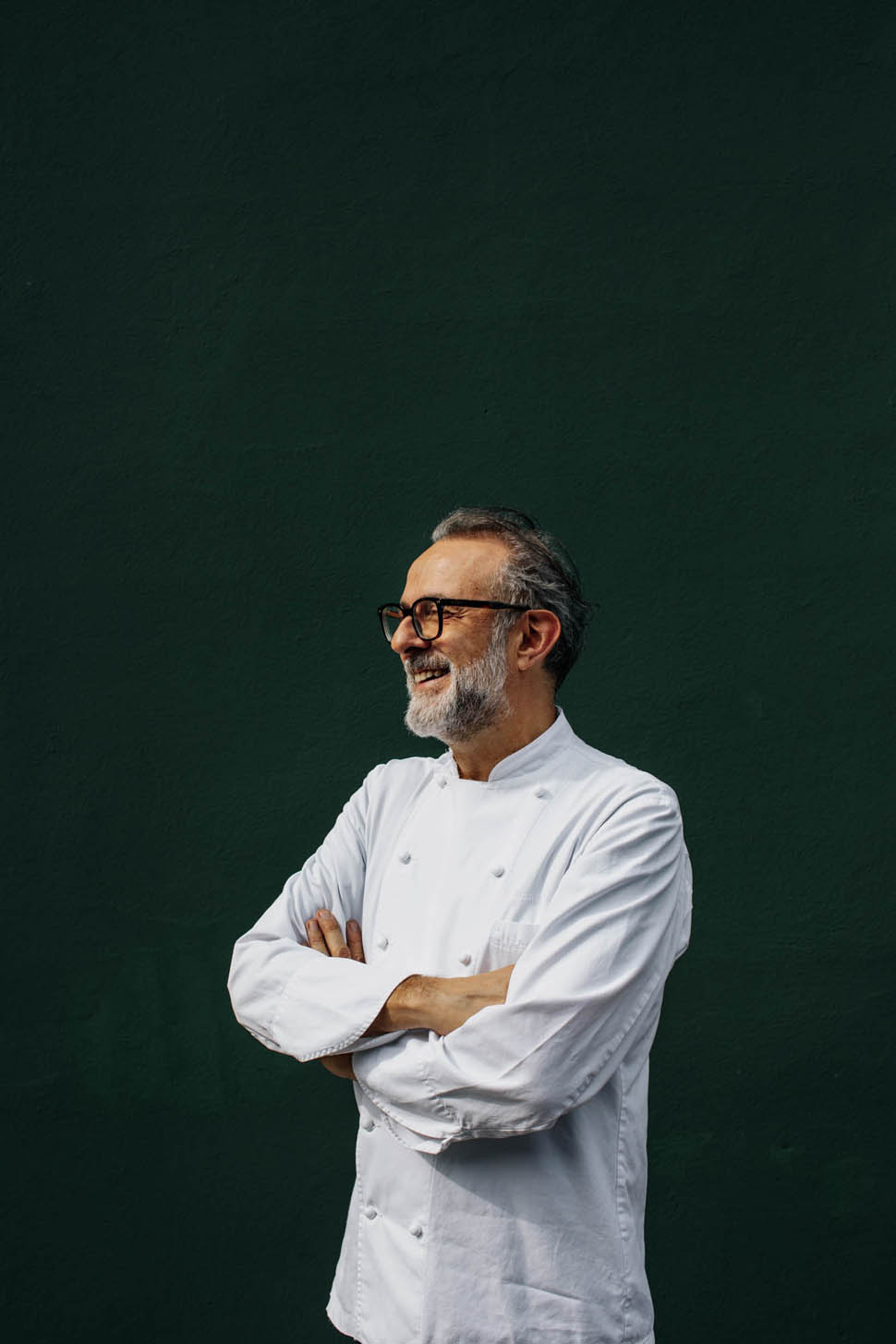
‘Italian Cuisine is not simply a collection of dishes or recipes. It is a combination of gestures, words, silences and aromas that inhabit the collective memory of the country. It is a daily ritual that repeats and renews itself, bringing together families, generations and territories.’ The expressive force of the words spoken by Massimo Bottura on the occasion of the recognition of Italian cuisine as a UNESCO Intangible Cultural Heritage resonates clearly Following last November's positive preliminary evalutation, the confirmation has now arrived that not only reaffirms the uniqueness of Italy's local cuisine - renowned worldwide for its variety and richness - but also deeply moves those who, like the chef of Osteria Francescana, have always elevated the role of memory, bringing the history of gastronomy into the present.
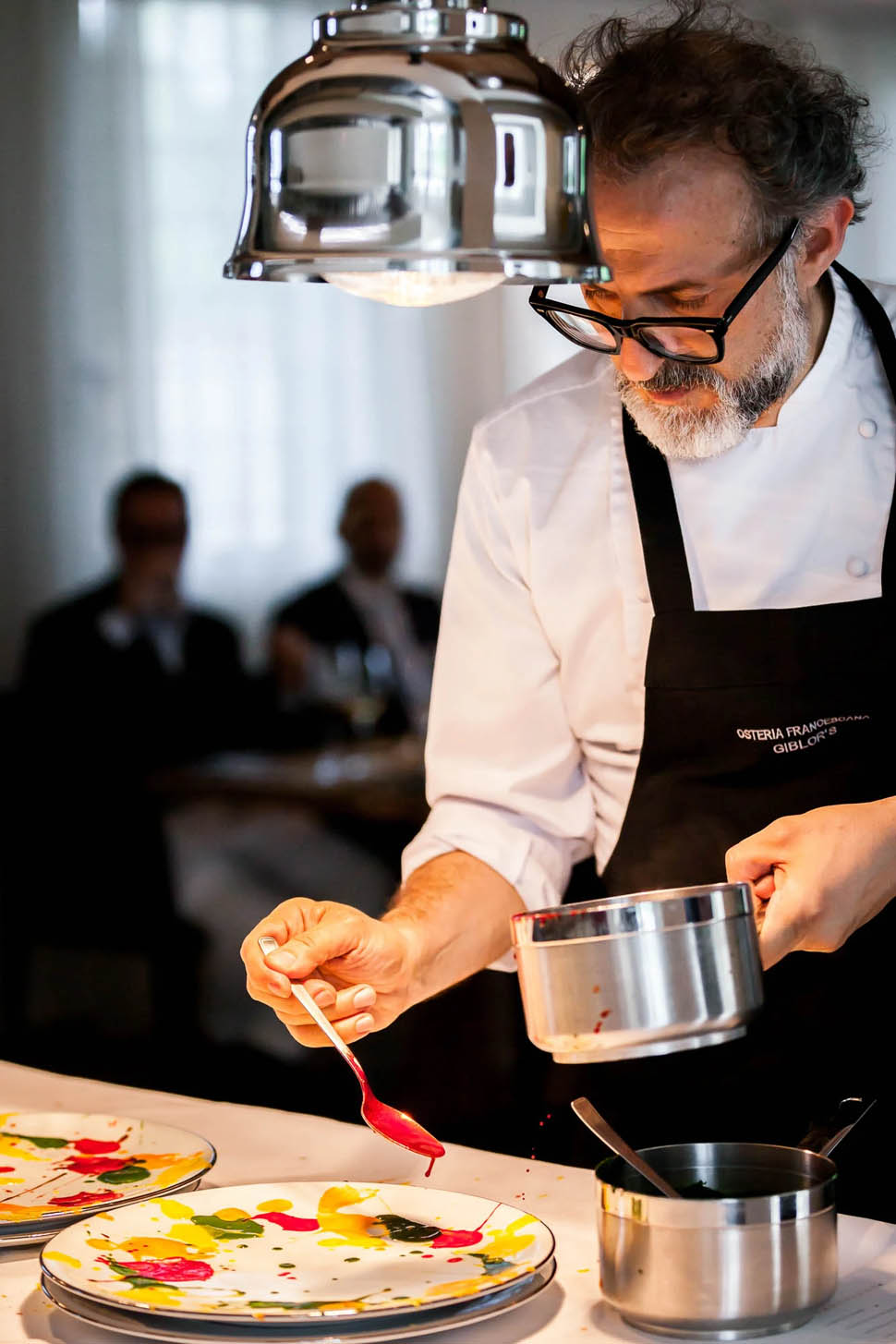
The gestures of craftsmanship, the celebration of fresh pasta, the reverence for those who uphold the symbols of ‘Made in Italy’, which is not a mere slogan, but an example of wisdom as ancient as it is enduring. And then there is conviviality. The chef explains: "Italy is recognised around a set table: this is where we share stories, dreams and a sense of belonging. For us, cooking has never been just about feeding ourselves, but about caring for others: it is an act of love and an act of trust towards those who sit beside us. Every region, every town, every home has its own grammar of taste, its own way of combining flour with water, oil with light, time with patience. Our strength lies precisely in this cultural biodiversity that runs through the entire peninsula like a symphony of microclimates and micro-stories."
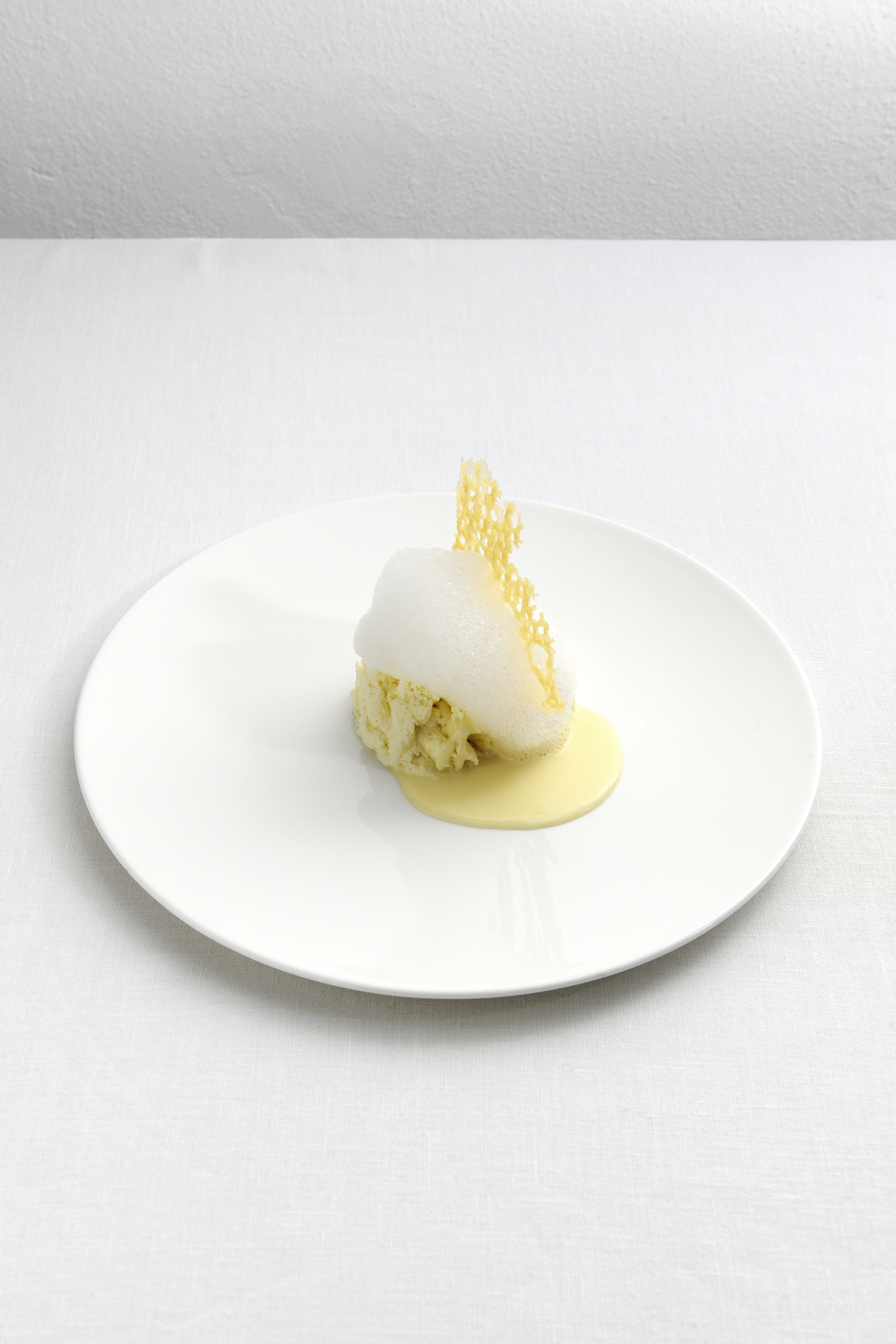
Our minds turn to the Five Ages of Parmigiano or the Crunchy Part of Lasagna: edible summaries of a map that, from geographical, becomes gustatory. And the meaning is clear: "From the mists of the Po Valley to the winds of the South, from alpine pastures to islands kissed by the sea, Italy is a mosaic of manual skills and sensory landscapes. Each territory tells a different story of harmony between man and nature: cheeses that mature in caves, ancient grains that sway like living memories, olive trees that have withstood wind and time for centuries. It is in this diversity that our true wealth lies: a fragile and precious heritage that is passed down more by imitation than by teaching, more by love than by duty'.
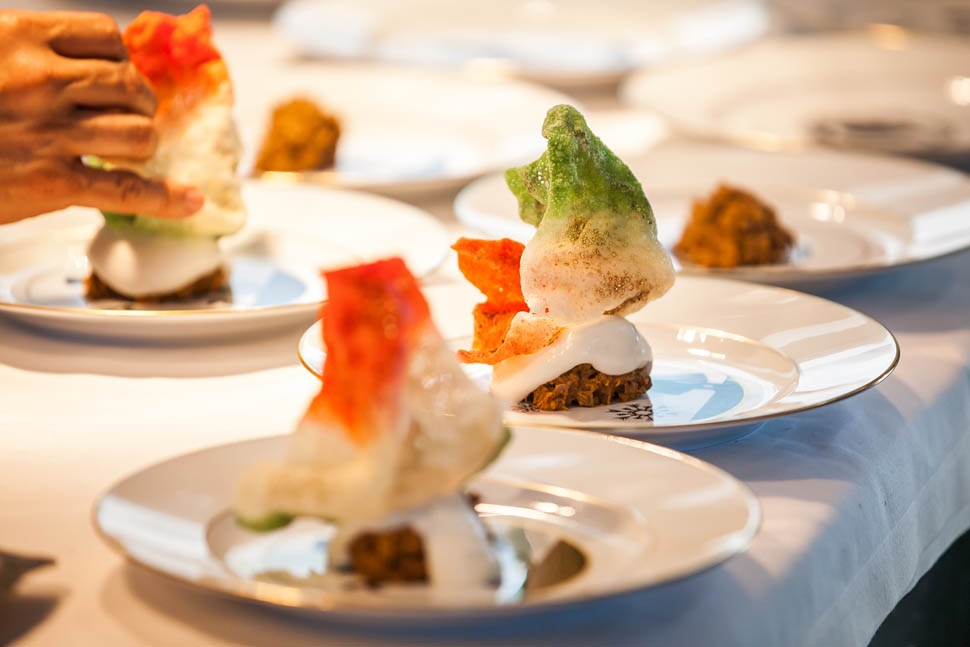
And so, we must remember that the first necessary step is protection and preservation, as a form of respect for the human factor that lies behind it. Massimo Bottura highlights this once again: "Behind every recipe there is a territory, behind every product there is a community, behind every gesture there is a culture. Italian Cuisine is a living intangible heritage, built day after day by millions of hands that knead, harvest, mix and invent: being a chef today means preserving this memory and transforming it into the future. Not with nostalgia, but with awareness; not by replicating but by reinterpreting because, as Eduardo De Filippo said, tradition is a springboard, not a burden: it is designed to help you jump higher, not to keep you grounded."
The profound ethics of Italian Cuisine
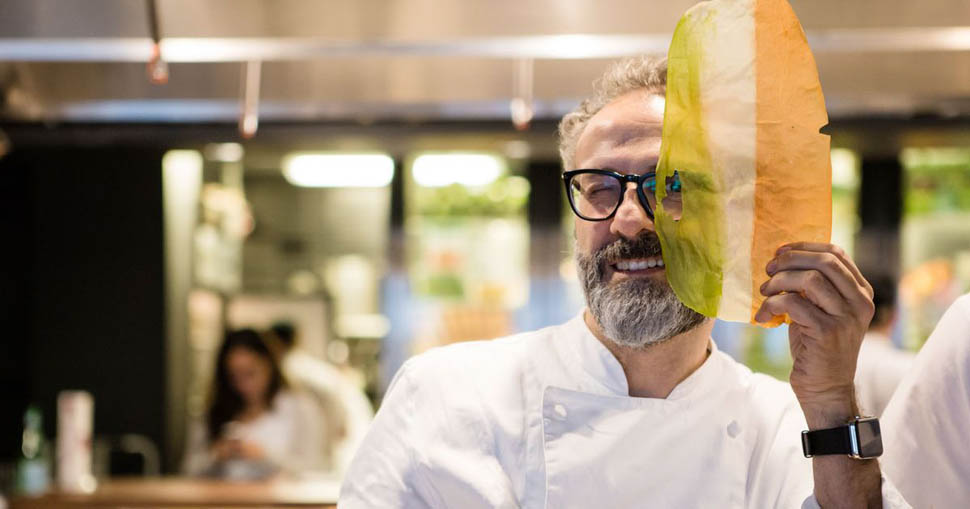
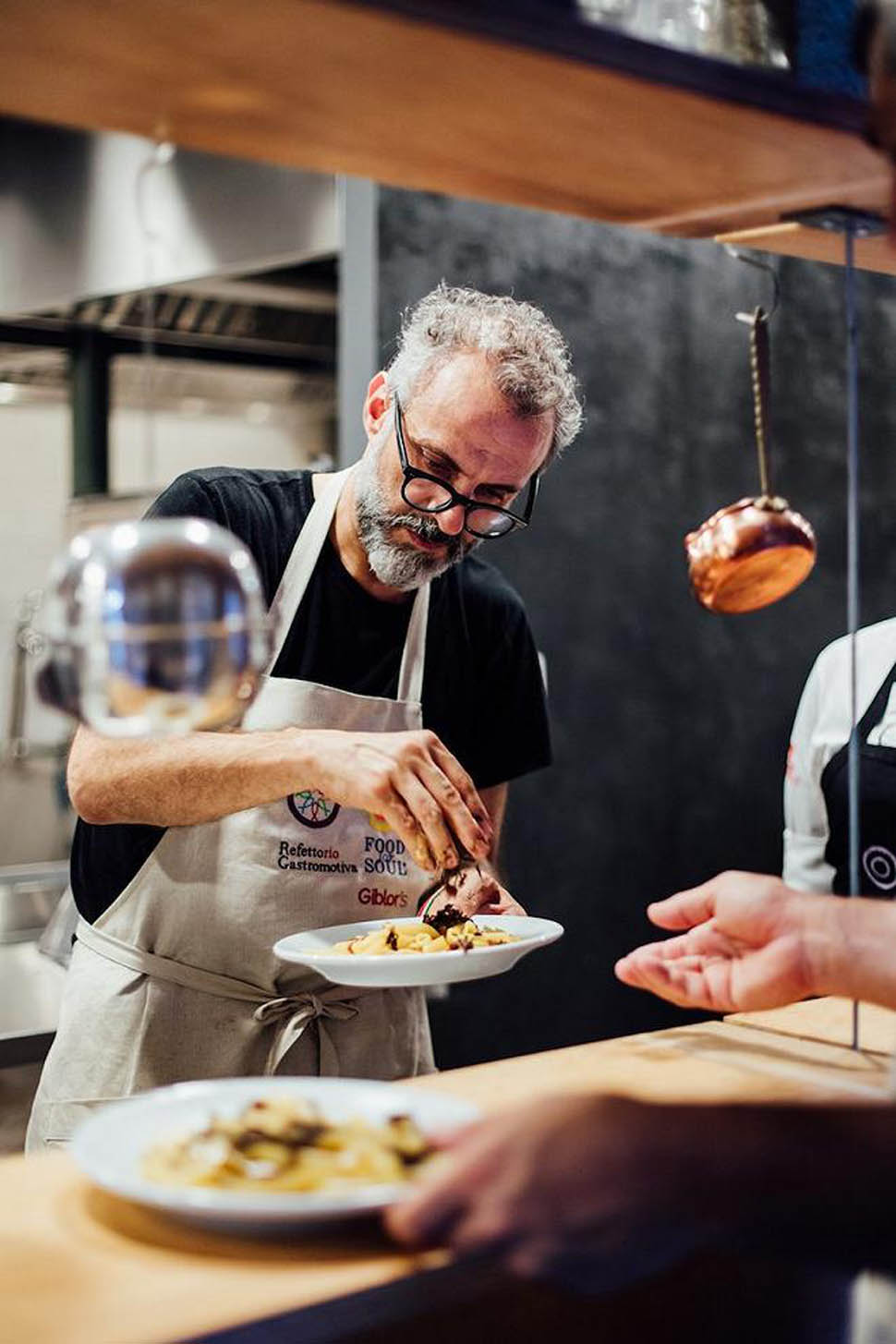
‘Recognising Italian Cuisine as a UNESCO Intangible Cultural Heritage means recognising its ability to create bonds, build communities and restore dignity through beauty. It is an invitation to view food as a cultural language and an ethical responsibility.’ The chef touches on a crucial theme, brought to attention in recent years thanks to his work in the Refettori and the numerous charitable initiatives promoting food and socialising. "Every ingredient saved from waste, every meal shared with those who have less, every recipe handed down from a grandmother to a grandchild becomes part of a larger collective narrative, the story of a country that still knows how to combine poverty and nobility, simplicity and refinement, past and future.
Italy is a garden of biodiversity, but also a laboratory of humanity. When observed with attentive eyes, every dish is a map of a place, a declaration of identity, an act of civil poetry. It is the way in which a people tells its story to the world, not with monuments or words, but through flavour. And when, around a table, taste meets memory and beauty becomes sharing, then yes, that is no longer just cooking; it is culture, it is life, it is Italy that is renewed every day in the simplest and most revolutionary gesture: cooking as an act of love.