Not everyone knows how one of the most beloved dishes in Iberian cuisine came to be: behind paella lies the excellence of D.O. Arròs de València, a very special type of rice that chefs protect and use in their most iconic dishes. We tell you all about its culinary and cultural celebration.
Photo credits: Barana/Rodrigo Marquez
A precious rice: the product
A few kilometers from the Spanish city of Valencia, rice is not just food but culture, memory, landscape, and message. It is the Albufera, the large lagoon that embraces the fields where D.O. Arròs de València is grown, a symbol of Valencian gastronomic identity and one of the most authentic excellences of the Mediterranean. We went to discover it and, of course, to taste it.
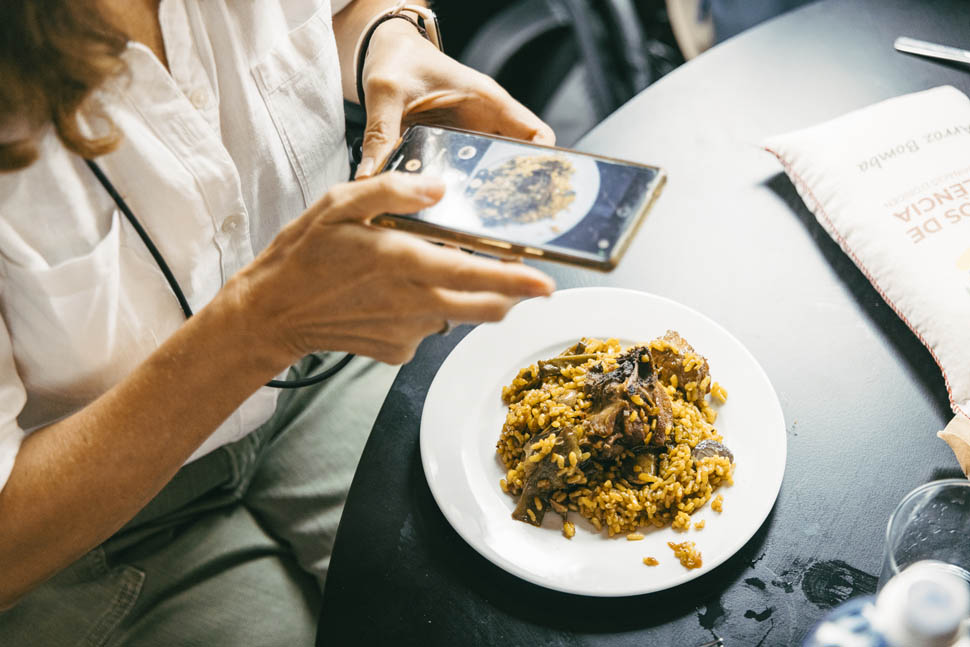
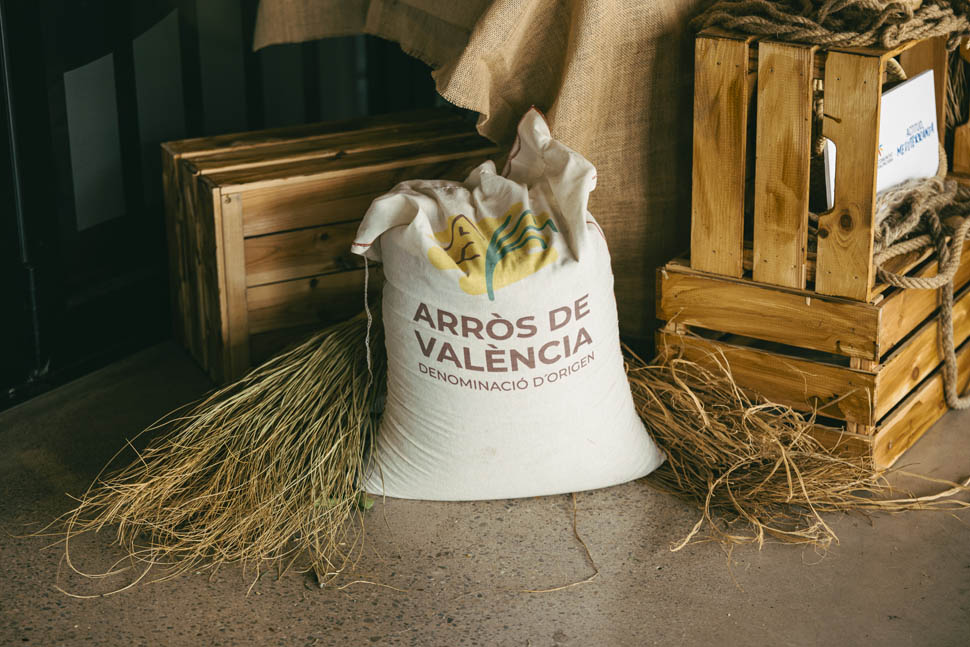
For centuries, rice has set the pace of life in the Valencian Community. It is no coincidence that in 1998, the Regulatory Council of the Designation of Origin “Arròs de València” was established, a body that protects the quality and origin of this extraordinary product. Ninety-five percent of certified rice fields are located within the Albufera Natural Park, a unique ecosystem where water, land, and human knowledge coexist in perfect harmony. Three types, three expressions of the Mediterranean. The D.O. Arròs de València comes in three main varieties, Sénia, Bomba, and Albufera, each with a distinct character, but united by an extraordinary ability to absorb flavors and transform them into an interesting edible story.
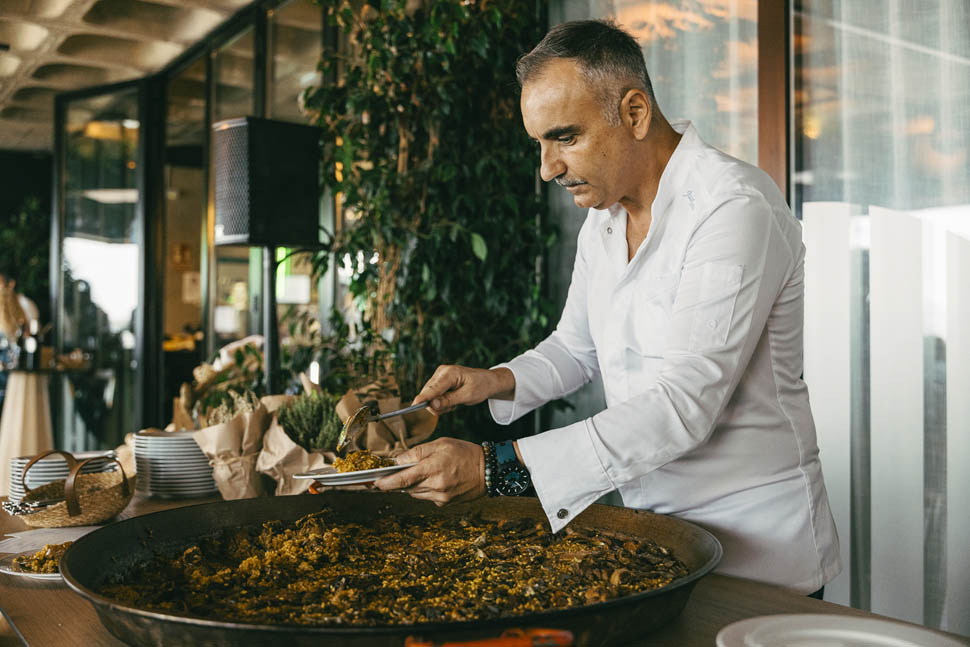
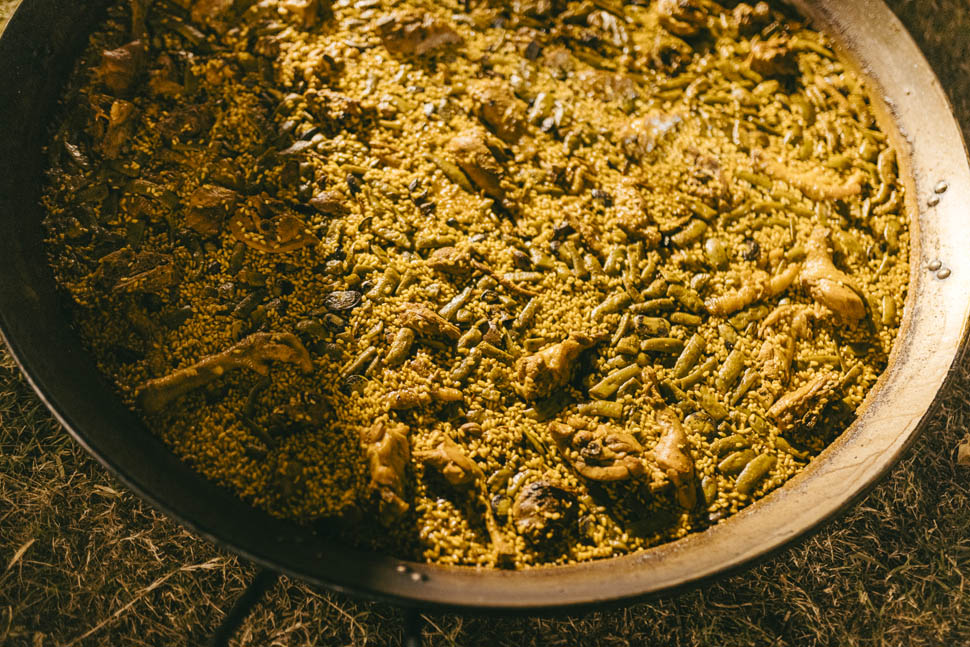
Sénia, with its short, pearly grains, is the heart of the most traditional paella: creamy and velvety on the palate, it is a rice that loves the use of broth but requires respect and attention; a moment too long on the heat and it loses its perfection.
Bomba, the oldest and most prized variety, is a rice that is not afraid of the flame: it resists cooking with elegance, swelling and rippling without falling apart, maintaining a firm and light grain. It is the favorite of chefs for its versatility, able to support any interpretation, from the most rustic paella to haute cuisine versions.
Albufera, finally, is the youngest and most modern. Born from a cross between Bomba and Sénia, it inherits the best of both: the absorption of flavors and resistance to cooking. Creamy on the surface and compact in the center, it is the “rice of the future,” loved by chefs for its stability and by home cooks for its simplicity of use.
Quique Dacosta: rice in the kitchen of a top chef
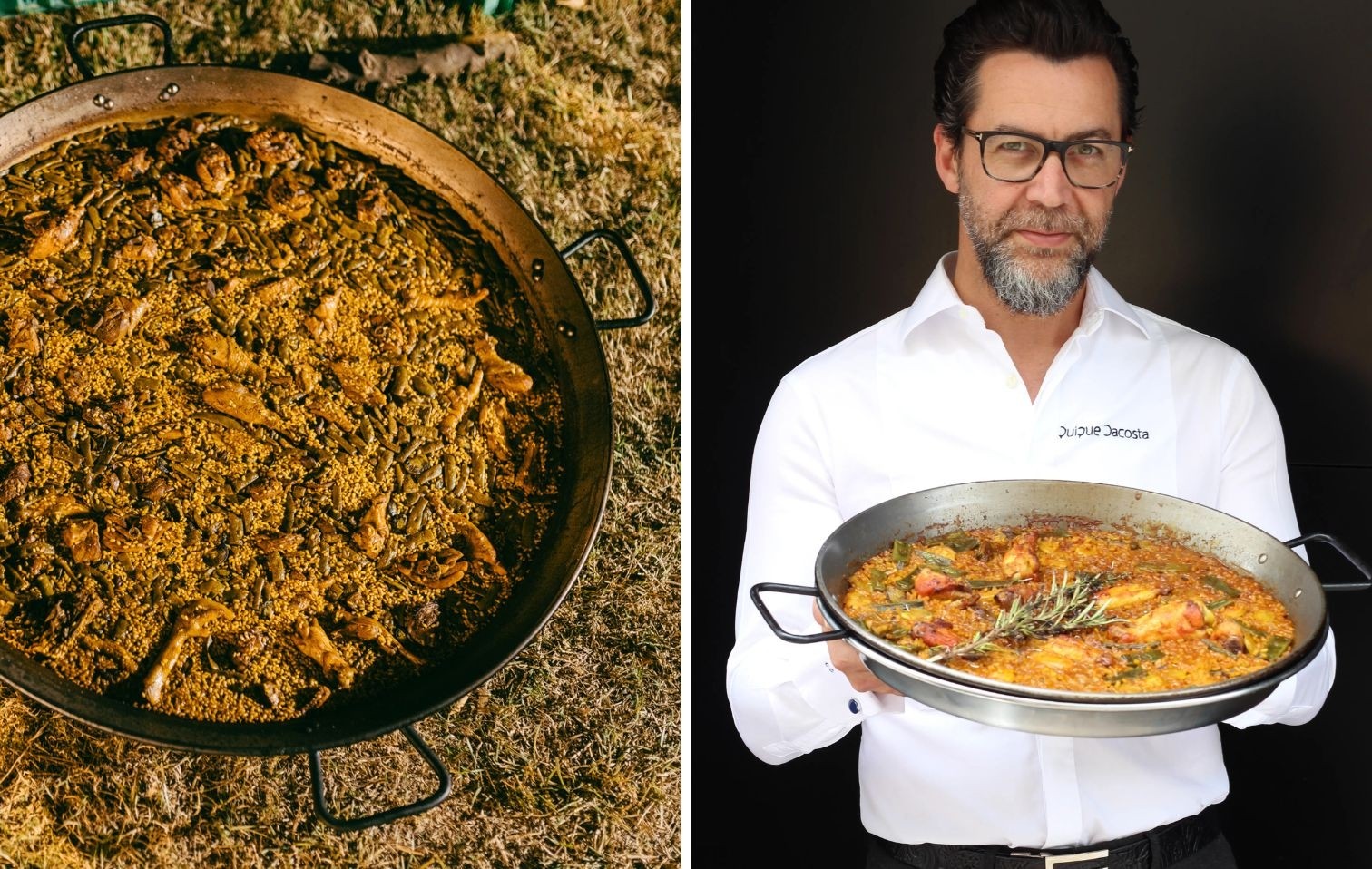
If there is a contemporary ambassador for Valencian rice in the world, his name is Quique Dacosta. Born in Extremadura but Valencian by adoption, chef Dacosta has built his career between the coast of Dénia and the rice fields of Albufera, transforming rice into an emblem of identity and research. In his three Michelin-starred restaurant, and in his most recent projects in Valencia, from El Poblet to Llisa Negra to Arros QD in London, rice is not simply an ingredient, but a gastronomic narrative that combines tradition, territory, and avant-garde. For Dacosta, Arròs de València D.O. is the perfect raw material for a dialogue between memory and modernity. And it is not just a concept, because the forward-thinking chef manages to embody all this both in his restaurant and in the world.
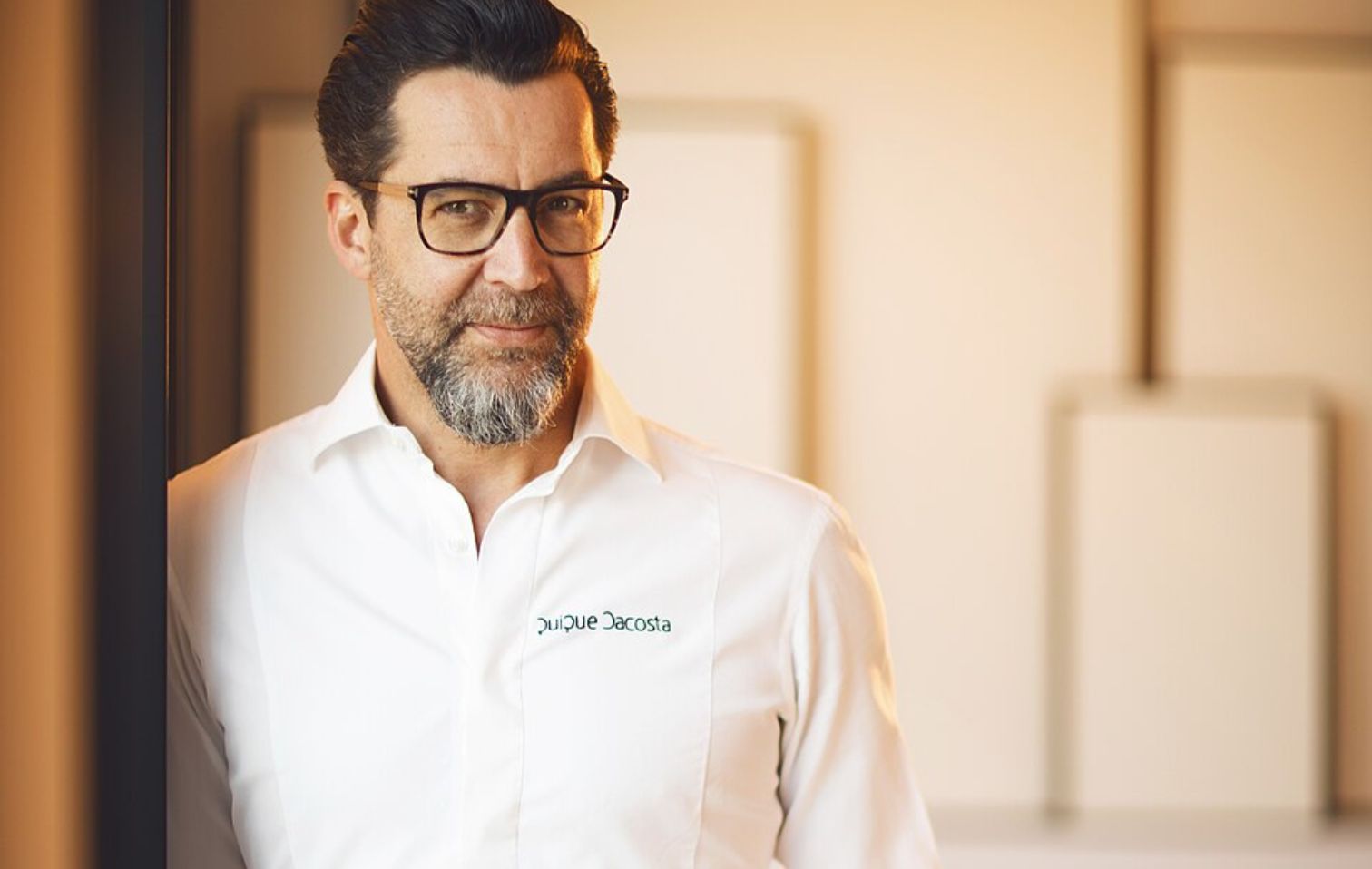
In his hands, bomba rice becomes an instrument of absolute precision, capable of absorbing intense flavors and maintaining a lively soul, while sénia rice is chosen for creamier dishes, in which the broth becomes the story. The chef likes to recall how “rice is the DNA of Valencian cuisine: our history is written grain by grain, like a poem that never ends.” Through his cuisine, Dacosta has helped to reposition Valencian rice on the world stage, demonstrating that it can be as noble as truffles or saffron, and that simplicity, when conducted with rigor and passion, can become haute cuisine.
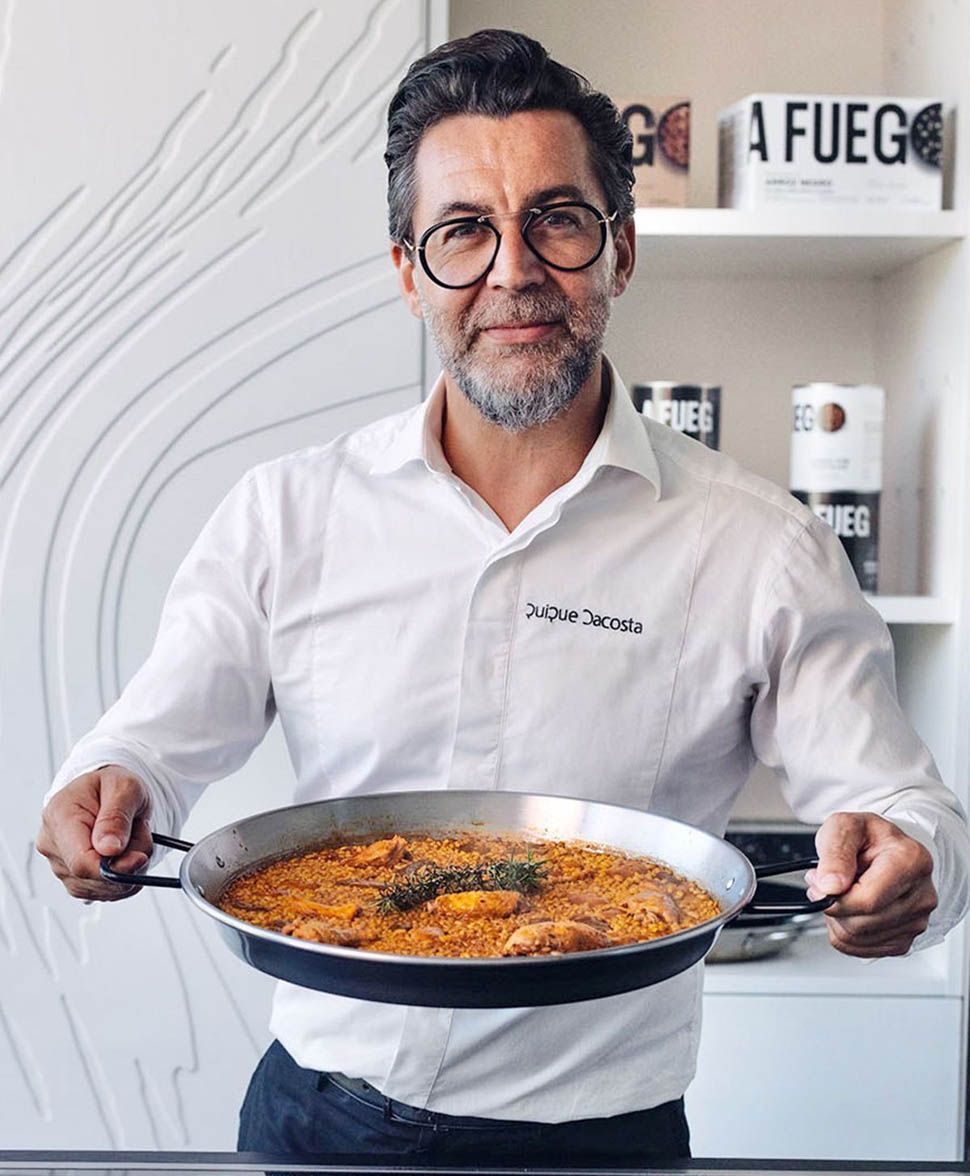
His recipes therefore describe the landscape of Albufera, with its calm waters, flying herons, and the silent work of farmers. This is what visitors see when they arrive in this part of Spain, experiencing the rhythm that is renewed every day, between the land and the table. What's more, rice can also save an ecosystem. Cultivating rice in the lagoon is not only a gastronomic tradition but also an ecological act.
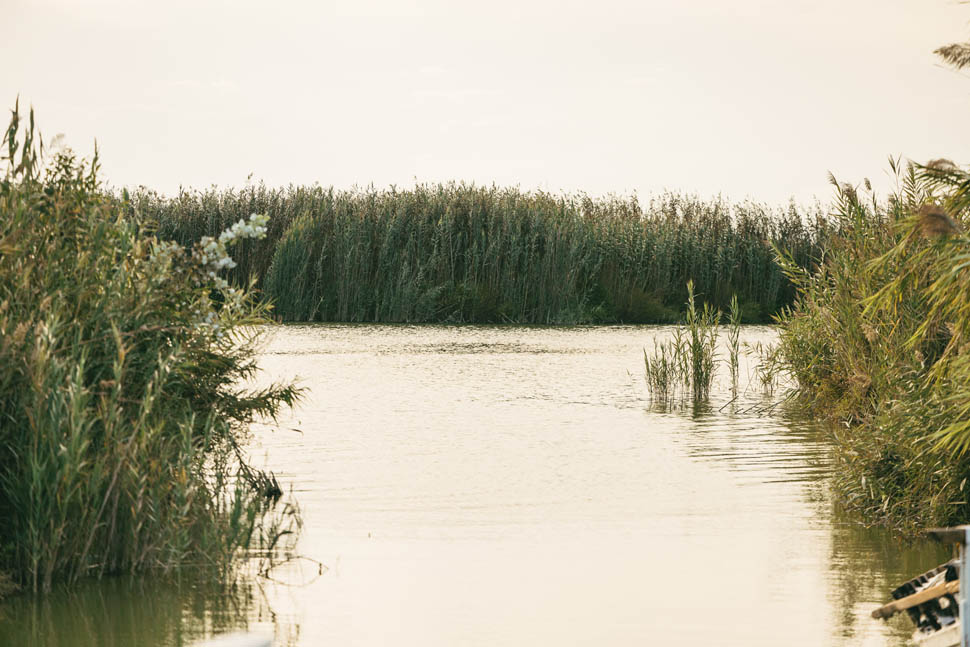
Importance for the ecosystem
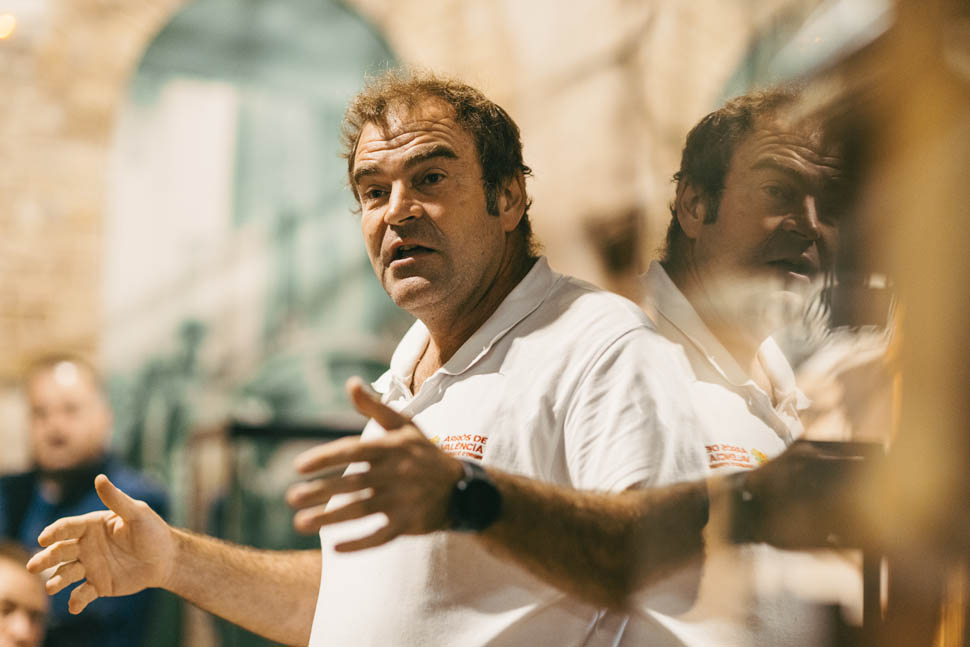
“The Albufera rice fields ensure water renewal and maintain the fragile balance of the natural park. During the driest months, flooding the fields creates vital habitats for migratory birds that populate the Mediterranean coast. Without the rice fields, the lagoon would lose its breath; instead, nature and man continue to dialogue, as they have done for centuries," says Santos Ruiz, president of D.O. Arroz de Valencia, a key figure in the protection and promotion of the Valencian rice guarantee mark.
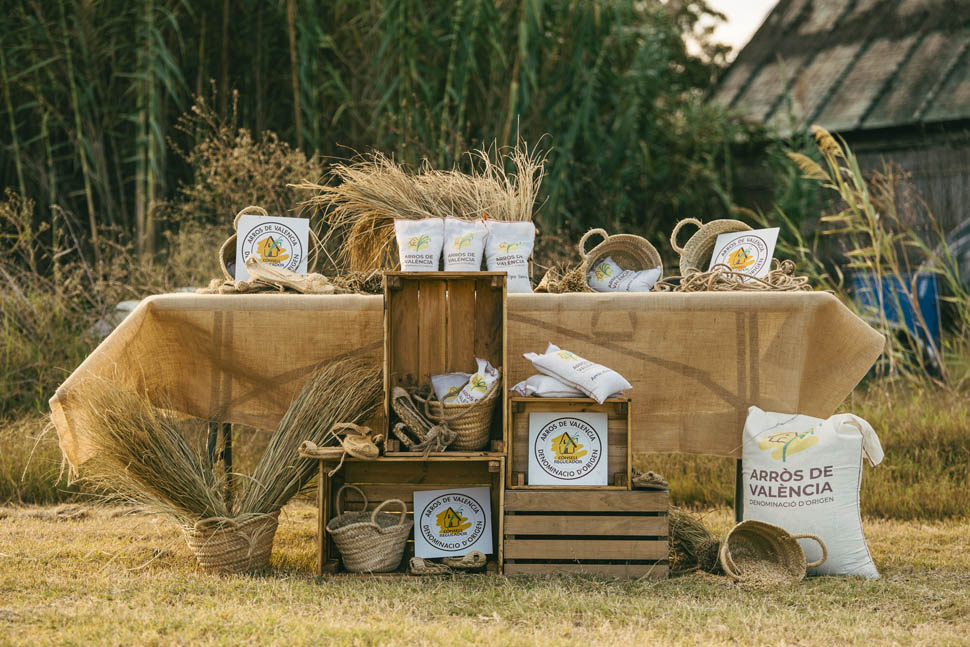
For those who want to discover this history up close, the Cabañal seaside neighborhood is home to the Valencia Rice Museum, housed in the old Molí de Serra, a mill dating back to the early 20th century. Managed by the Regulatory Council of the D.O., it recounts with precision and sentiment the transformation of the grain, from the field to the table.
Among machinery, documents, and scents of times gone by, visitors can experience a piece of living culture, which still plays a leading role in festivals, recipes, and collective rituals today. In short, it is not just an ingredient in paella, as many may think, but the synthesis of a landscape, a history, and a people.
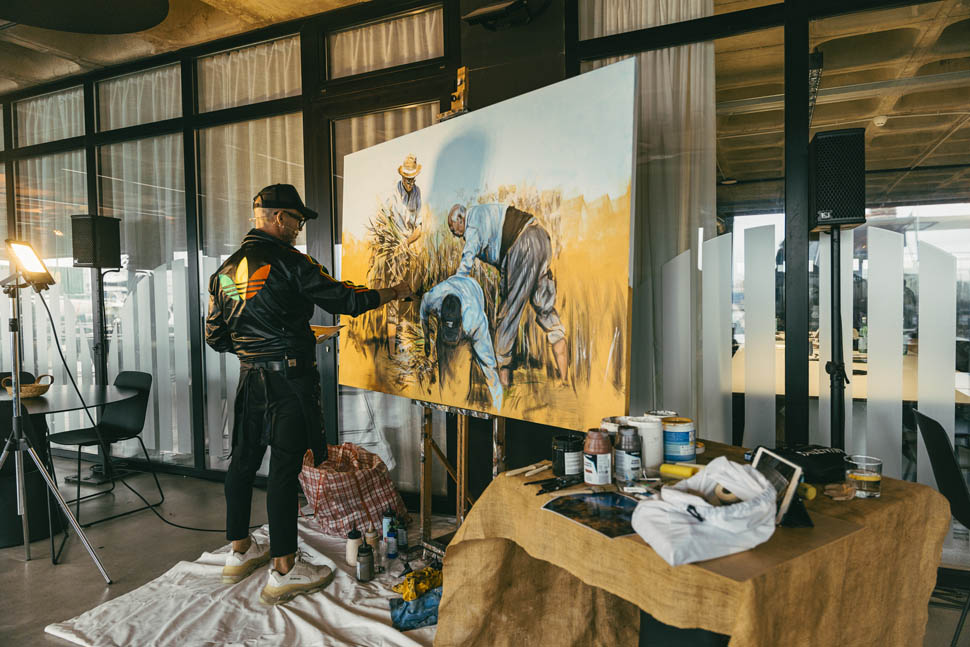
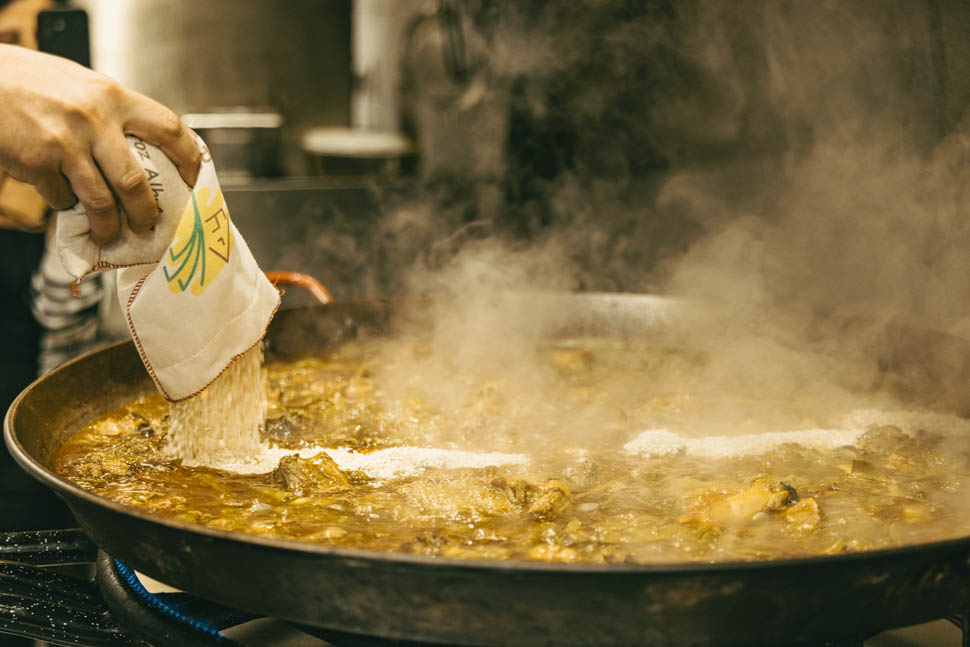
Events: the D*na Festival
“It is the grain that unites Valencian cuisine with its land, and which continues to convey, dish after dish, the authentic soul of the Mediterranean.” This is one of the key concepts that emerged during the D*na Festival, the annual event organized by Quique Dacosta on the seafront of Dénia, where his restaurant is located, about a hundred kilometers from Albufera. “The D*na Festival is my way of giving back to the land what it has given me: a place where gastronomy becomes a universal language, where the sea, the rice fields, and Mediterranean culture interact freely,” he says.
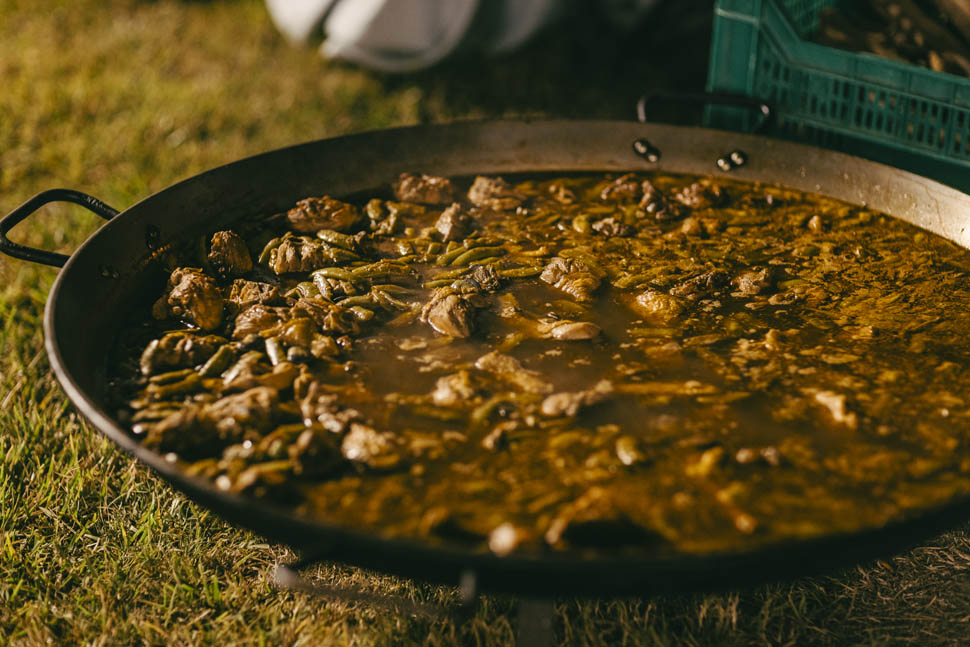
Every year, the city of Dénia, a UNESCO World Heritage Site for its gastronomic culture, is transformed into an open-air stage thanks to the D*na Festival, an event conceived and artistically directed by the famous chef. Along the seafront promenade, dozens of chefs, producers, artisans, and enthusiasts gather to celebrate local produce and contemporary Mediterranean cuisine, with Valencian rice as the star of the show. During the festival, Dacosta invites the biggest names in Spanish and international cuisine, from Joan Roca to Ángel León, Ricard Camarena to Susi Díaz, to talk, cook, and share ideas on a single platform of collective knowledge. The D*na Festival is not just a gastronomic event, it is a declaration of love for the Valencian Community and its landscape, where the rice field becomes a symbol of identity and creativity.