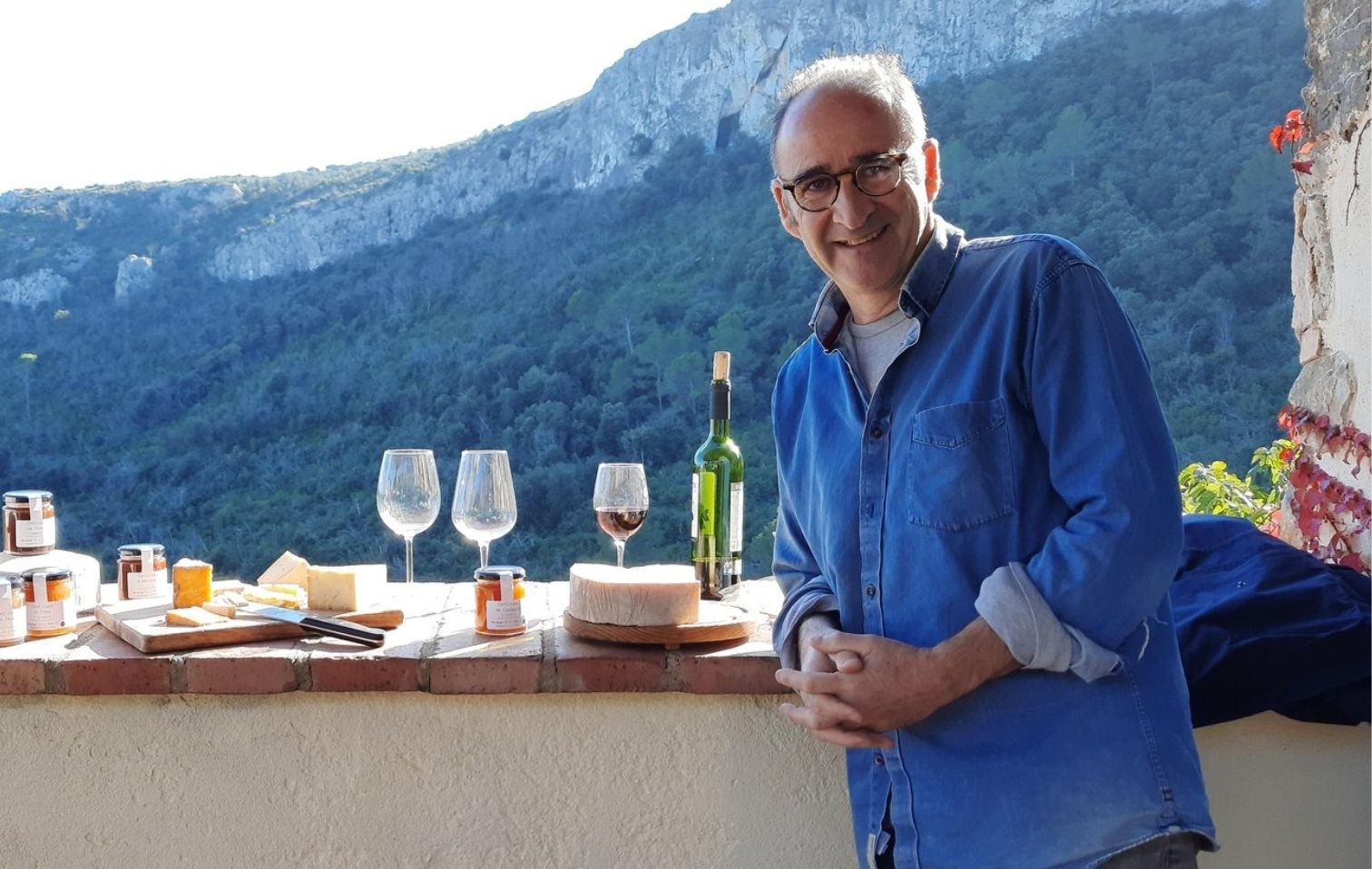
Roberts' conversion to cheese maker was radical and rigorous. Leaving behind the hectic life of Barcelona, he started his rural project in the heart of Serra dels Avalls during the pandemic, powering the dairy solely with solar panels.
The story
Who would have thought that the formula for the perfect cheddar was hidden in the mind of a nuclear physicist? And that the ideal place to make it was an isolated farmhouse in the mountains of Alt Empordà? This is the surprising story of Phil Roberts, who swapped particle accelerators for curd vats, becoming the pioneer of British cheese excellence in Catalonia. Roberts, founder of Artesans dels Avalls, doesn't just make cheese: as reported here by El País, he is rewriting the concept of cheddar, reclaiming its authenticity. Forget the industrial, orange, rubbery version: Roberts' real cheddar is white or yellowish, produced with the same artisanal care as in the past.
In praise of craftsmanship: The secret lies in manual skills (and sunshine)
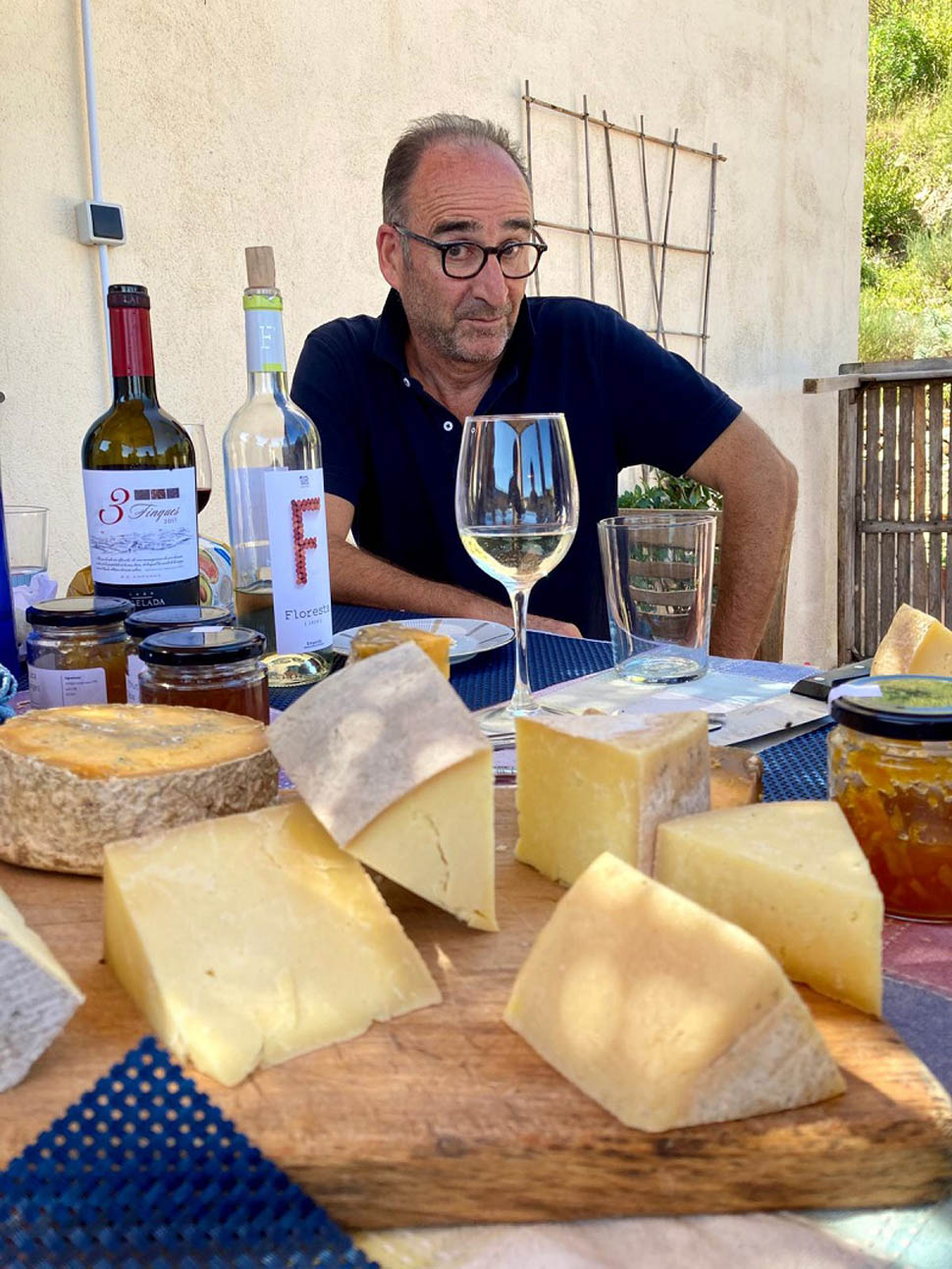
Roberts' conversion to cheese-making was radical and rigorous. Leaving behind the hectic life of Barcelona, he started his rural project in the heart of the Serra dels Avalls during the pandemic, powering the dairy solely with solar panels. But the real revolution is in the method: zero mechanization. While many companies use technology to speed up the process, Roberts does “everything by hand.” Every morning, fresh raw cow's milk arrives from nearby farms and, in less than half an hour, is in the vat. The process is slow, patient, and 100% manual, including the crucial cheddaring stage, where the curd is cut and stacked by hand—even without the use of the traditional lyre—to expel the whey. And for pressing? An ingenious French manual press uses 25-kilogram water tanks as weights. This absolute dedication is the secret to a lively and complex product.
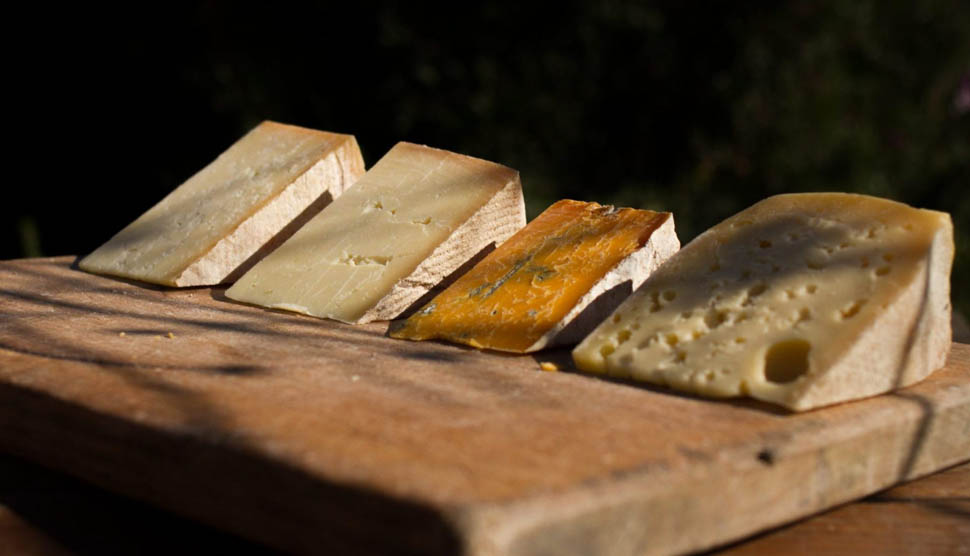
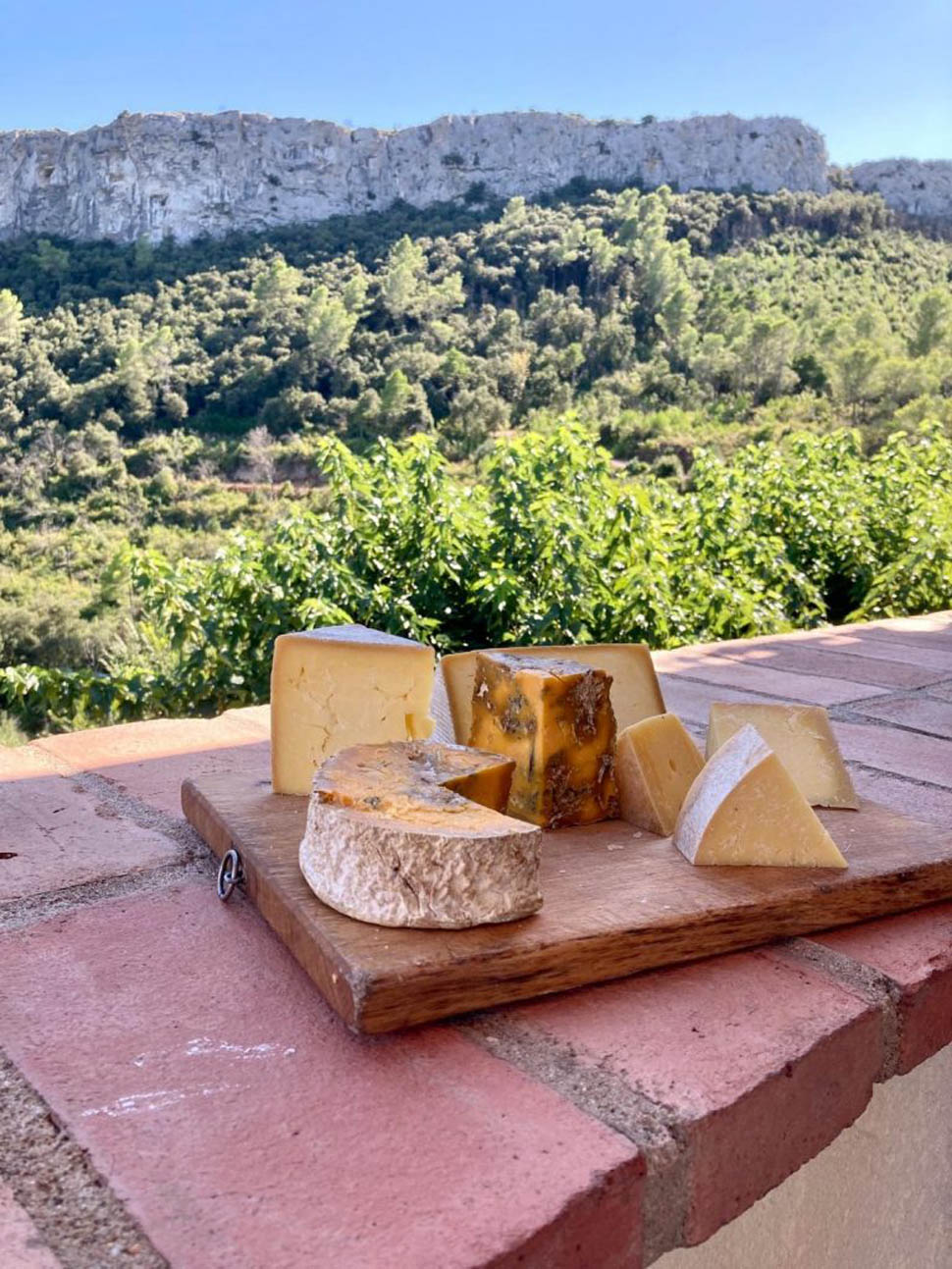
The Artesans dels Avalls cheese range pays homage to Great Britain, enriched with a Mediterranean soul. In addition to authentic cheddar, there is an eclectic collection of blue cheeses and tomes. Blau del Mas is the Catalan answer to Shropshire Blue, intense and creamy. But the emblem of this fusion is Xedolí, “cheddar + oli” (oil in Catalan). To respect the British technique of wrapping cheese, Roberts replaced traditional lard with fine olive oil, creating a product that is unique in its kind. And for those looking for a touch of (natural) color, there is Roig les Escaules (inspired by Red Leicester), which uses achiote. Tomme de Terrades, on the other hand, is a tribute to France, which fits perfectly among the rugged mountains of Empordà.
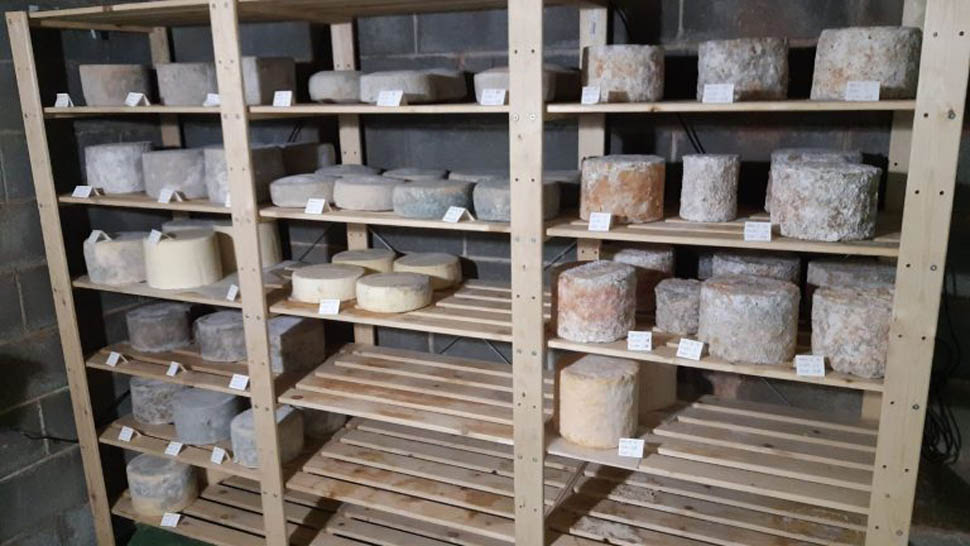
From fantasy to Michelin-starred restaurant: A triumph for the senses
What Roberts had imagined as a retirement activity, with the humble goal of supplying the village butcher, quickly exceeded all expectations. His cheeses, known for their “pleasant flavor with hints of oats and an apple aftertaste,” have become a must for elite restaurants. Chefs and hotel managers in the area, such as Alberto López of Tartana Can Massanet, praise its versatility: Xedolí has been featured in daring dishes such as gratins paired with eggplant, honey, and roasted figs. The real seal of quality came with an unexpected call from Toni Gerez of the Michelin-starred restaurant Castell de Peralada. The famous sommelier's willingness to wait for the blue cheese to be ready gave Roberts “enormous satisfaction.” Phil Roberts' story is a manifesto: excellence knows no geographical boundaries, but comes from a combination of passion, scientific rigor, and respect for the land. Visiting the farm, climbing up a forest road (an adventure that challenges even Google Maps), and tasting Blau del Mas with a glass of local sweet Grenache, as Roberts suggests, is more than just a taste: it is a sensory journey that celebrates the perfect harmony between the English heart and the Catalan soul. The physicist has found his perfect formula, and it tastes like cheese.