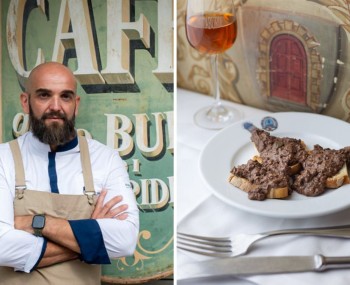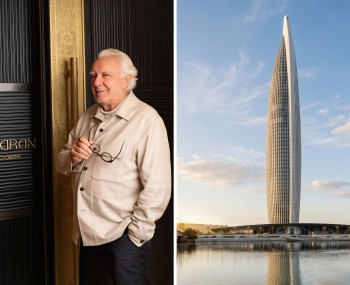
Up to £19, or €22, for a bottle of water in a restaurant: a chef has launched what appears to be the UK's first water menu.
The news
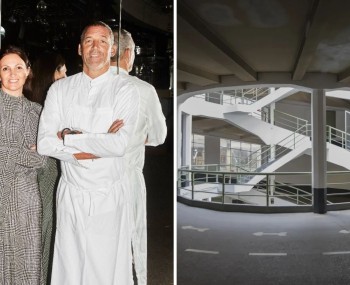
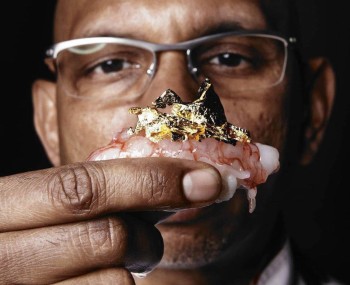
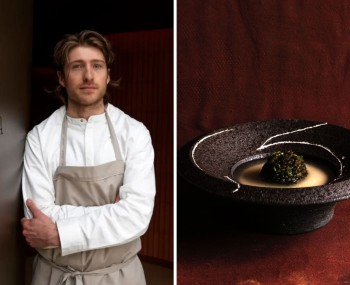
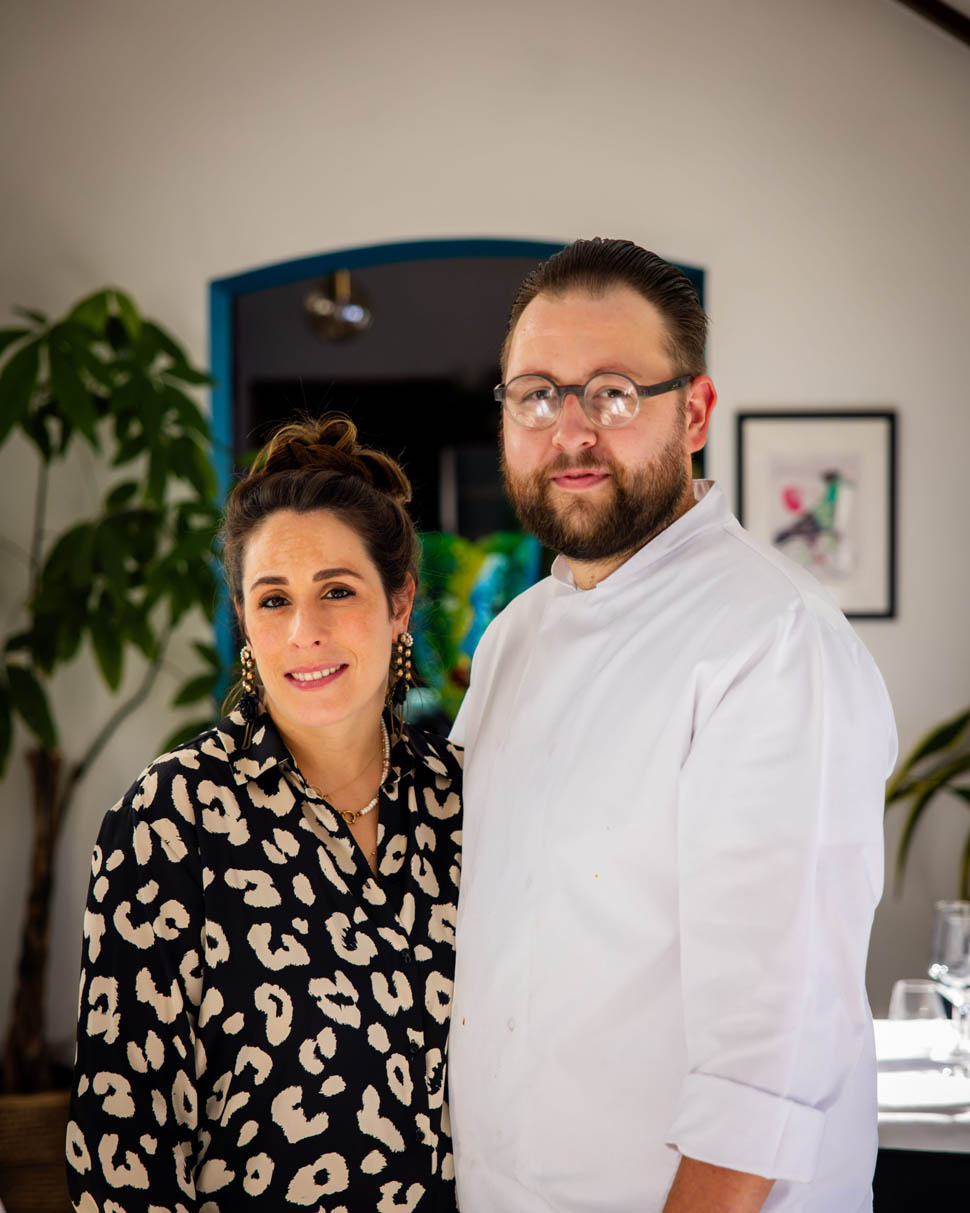
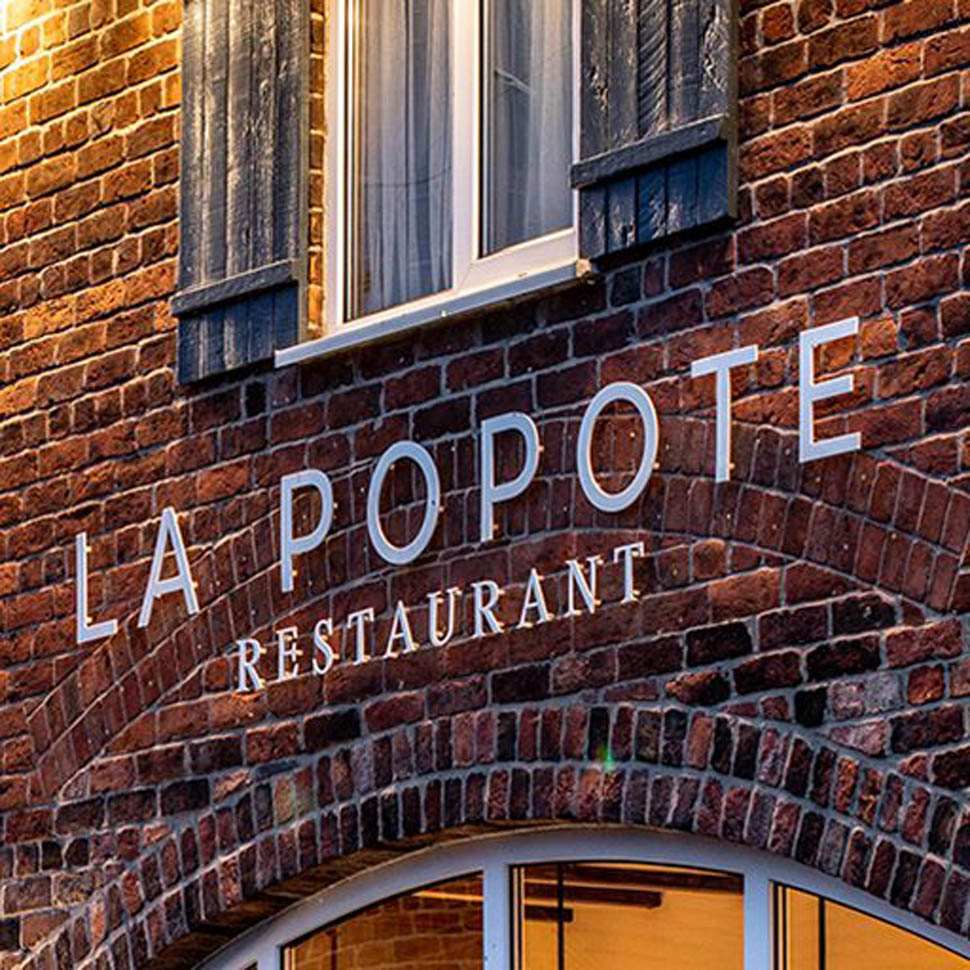
Not all water is the same. Sometimes it flows as smoothly as silk, other times it scratches the tongue with an almost salty mineral taste. And it is precisely on this idea that a restaurant in Cheshire, in northern England, has decided to build its next gastronomic revolution: transforming the most everyday gesture—drinking a glass of water—into a tasting ritual worthy of the finest Burgundy wines. La Popote, a refined French-style restaurant run by chef Joseph Rawlins and his partner Gaëlle Radigon, already featured in the Michelin Guide, has become the first restaurant in the UK to launch a mineral water menu, according to CNN. This is not a marketing gimmick, but a carefully studied project developed in collaboration with Doran Binder, one of the few certified “water sommeliers” in the world and producer of Crag Spring Water.
When Binder first proposed the idea of a water list to Rawlins, the reaction was skeptical. “At first I thought it was ridiculous,” admitted the chef. Then an invitation to a tasting at the “water bar” that Binder runs in the Peak District changed everything. “It was enlightening: I realized that water is not just water.” During that first tasting, they tried five or six different labels. Subsequently, these were paired with specific foods—cheeses such as Manchego and Comté, Parma ham, chocolate, and olives. The result surprised everyone: as with wine, the flavors changed radically depending on the pairing. The French water Vichy Célestins, with its 3,300 TDS (Total Dissolved Solids), initially seemed salty, but when paired with prosciutto, it lost its pungent note, enhancing the persistence of the meat's flavor.
From August 23, La Popote customers can choose from three still and four sparkling waters, all sourced from different parts of Europe. These range from the 14 TDS of the Italian Lauretana, which is very light and subtle, to the mineral complexity of the Portuguese Vidago Palace, sold at £19 per bottle (€22). Prices start at £5 for the house water, Crag Spring. The project taps into a well-established trend: more and more people are reducing their alcohol consumption. For Binder, who has always been teetotal, the water list finally fills a gap: “When I go to a restaurant, they immediately put the wine list in front of me, which is useless to me. But a water list opens up a new horizon for me, both as a customer and as a foodie.”
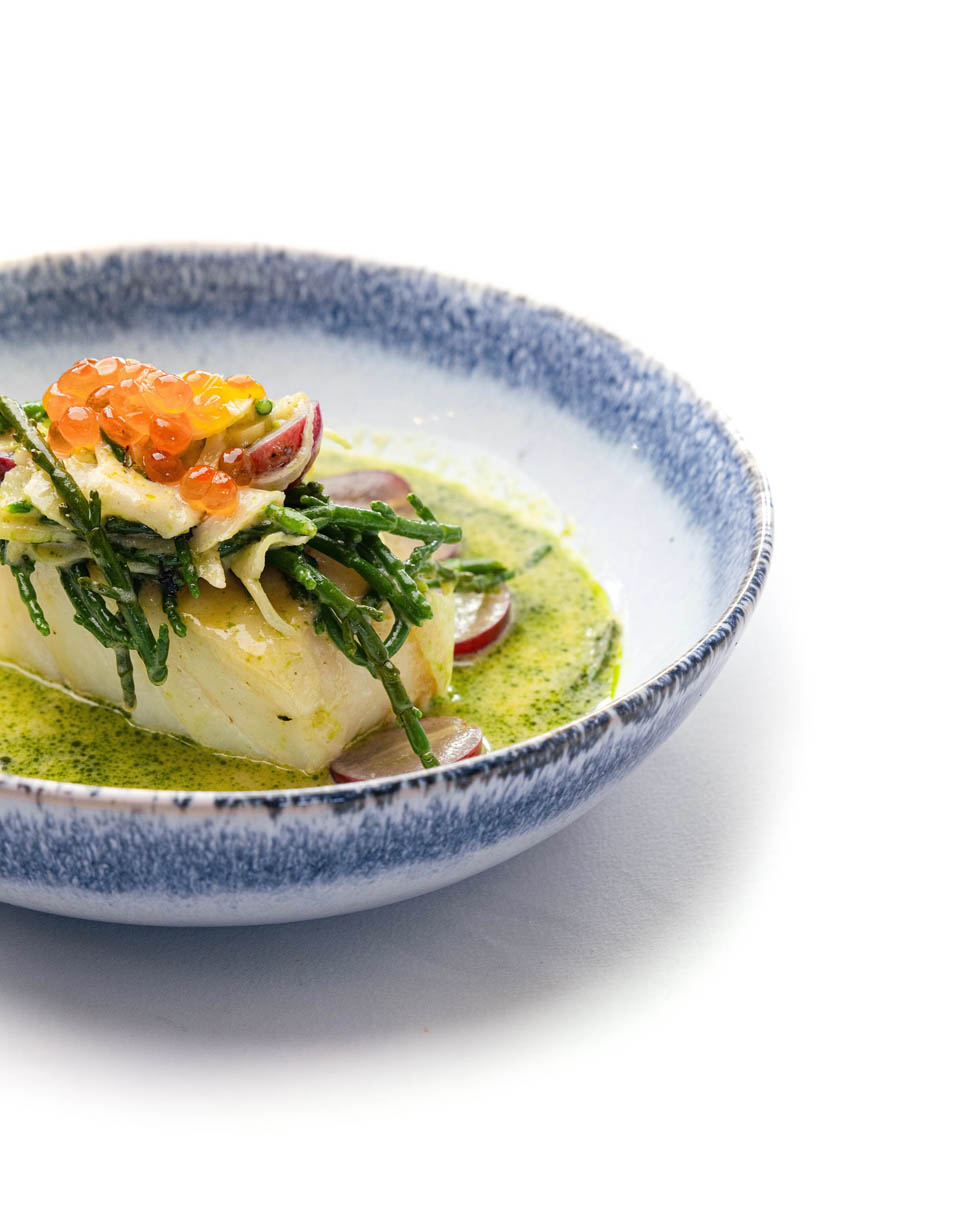
The service has also been carefully studied. “We recommend serving it at room temperature, with ice and a slice of lemon. If it is too cold, the water loses its aroma, just like wine,” explains Rawlins. The philosophy is the same as in oenology: listen to your palate and let yourself be guided by the balance between minerals and food. The scientific measure that regulates everything is TDS: distilled water has a value of zero (great for cleaning windows, terrible for drinking), while seawater ranges between 30,000 and 40,000. La Popote's paper labels cover a refined range that allows for unusual combinations, from aged cheese to dark chocolate. The initiative, as well as arousing curiosity, reflects a new way of understanding conviviality: less dependent on alcohol, more attentive to the experience. It is no coincidence that La Popote, despite having a cellar with almost 140 wine labels, has decided to invest in the “invisible drink” par excellence. “Water is another dimension,” Rawlins emphasizes. “It gives our guests the chance to experience something different.”
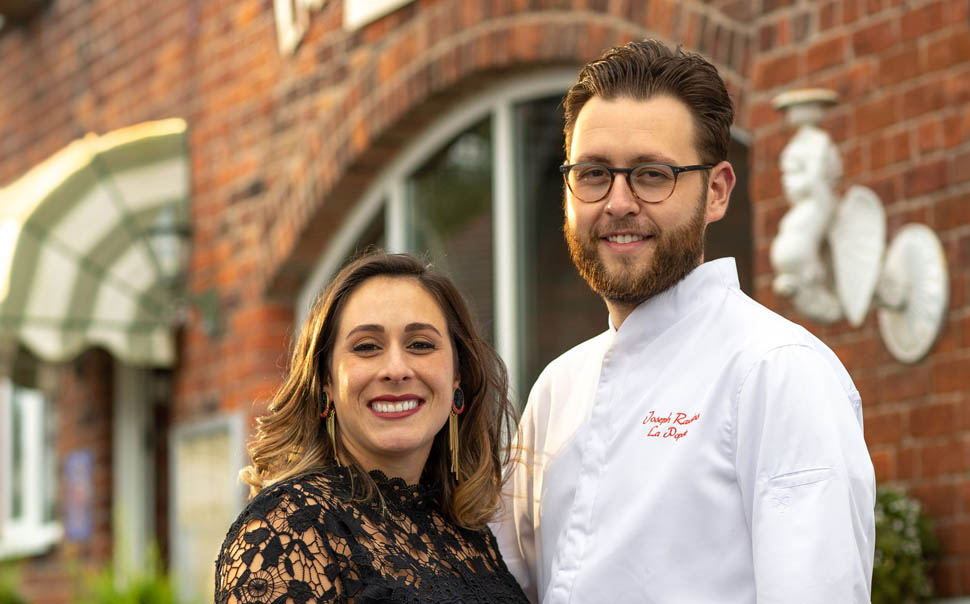
Doran Binder, for his part, sees it as a small revolution: “For restaurants, it's a new source of income, but above all, it's a gesture of respect towards those who don't drink. It's not just about health, it's about pleasure, it's about the culture of taste.” So, in a corner of Cheshire that smells of baguettes and foie gras, the future of British dining is being experimented with in transparency. A sparkling bottle is no longer just water: it is a story, a pairing, a liquid identity.