Behind one of the most interesting projects in Milanese dining is a real team, a well-thought-out kitchen, and a forward-thinking concept of what a tavern should be. We sat down at the table. Here's how it went.
Photo credits: Savour Duo
Every new opening in Milan is like honey: bees arrive en masse, smartphones in hand. People pass by, take photos, and post them online. And often that's where it ends.
The collective enthusiasm is contagious, but sometimes a little distracted: you recognize a restaurant by its sign, by a recurring image, by a dish you've seen a thousand times before. But when you ask, “How is it?”, the answers become vague. “Bello, carino, top.” Yeah, but what do you eat? How do you eat? And above all, what remains afterwards?
In the case of Nino – Osteria con cucina, it was worth sitting down, ordering, and listening. Because Nino is a place that has a deeper meaning than just being trendy. It is a place built by people who truly live and breathe the restaurant scene in this city, by people who have chosen to take a step forward in their journey. A modern osteria, without nostalgia or pretension, where you will happily return the next day.
The project is the brainchild of a quartet of seasoned professionals: Enricomaria Porta, the host of Osteria alla Concorrenza; Josef Khattabi, a long-time entrepreneur in the Milanese restaurant scene; Diego Rossi, the non-chef of Trippa who certainly needs no introduction; and Marco Marini, who moved from Osteria alla Concorrenza to take on a leading role in the kitchen. The goal is clear: to let the ingredients speak for themselves, give space to the dishes, avoid being caught up in trends, and above all, give voice to the excellence of Italy as a whole.
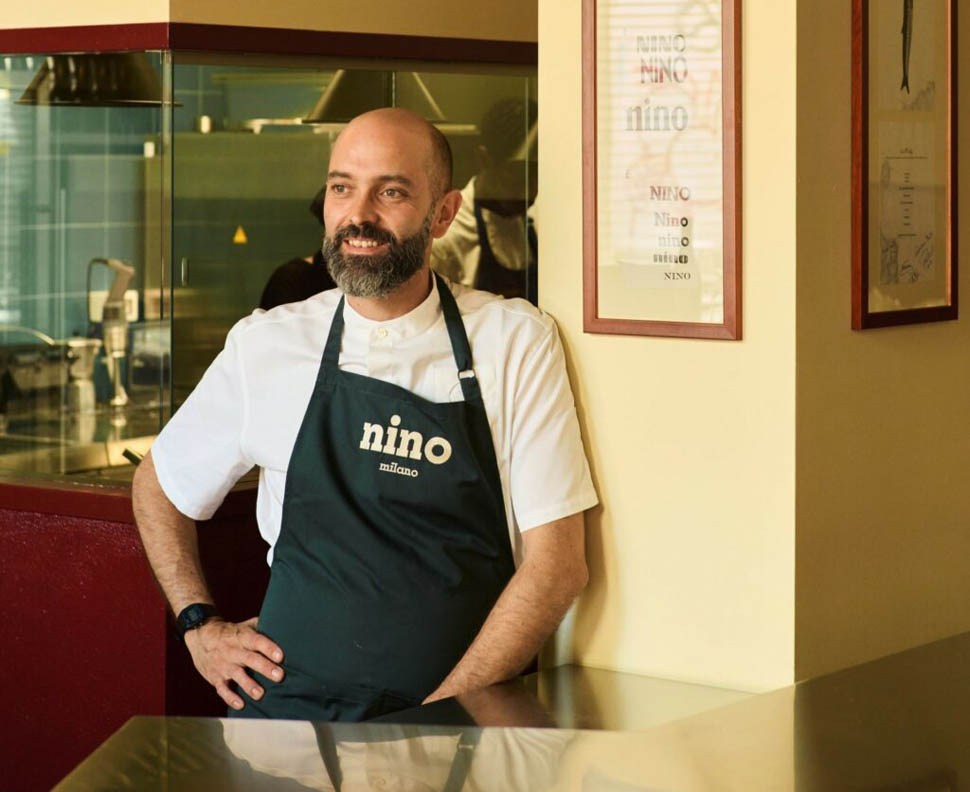
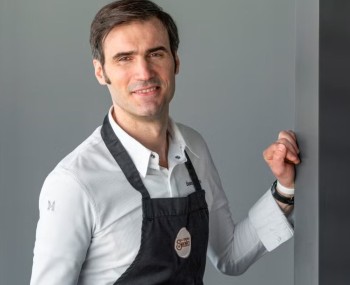
Marini – who prefers to call himself a “cook” rather than a chef – has a resume built on practical experience and vision: from his studies in Food Science and Technology to working in the kitchens of Giovanni Ciresa at the Hotel Bauer, then D’O, Arzak, Nagaya, and finally the opening of Il Camparino. His cuisine is personal, Italian in a cultural sense, open, embracing our Mediterranean coastline and the Alps, and linked to local suppliers and seasons. At Nino's, you eat as you would in a large modern home, with a chef who knows how to listen to what people like and tell new stories.
Don't call him a chef: the cuisine of Marco Marini, the cook at Nino's
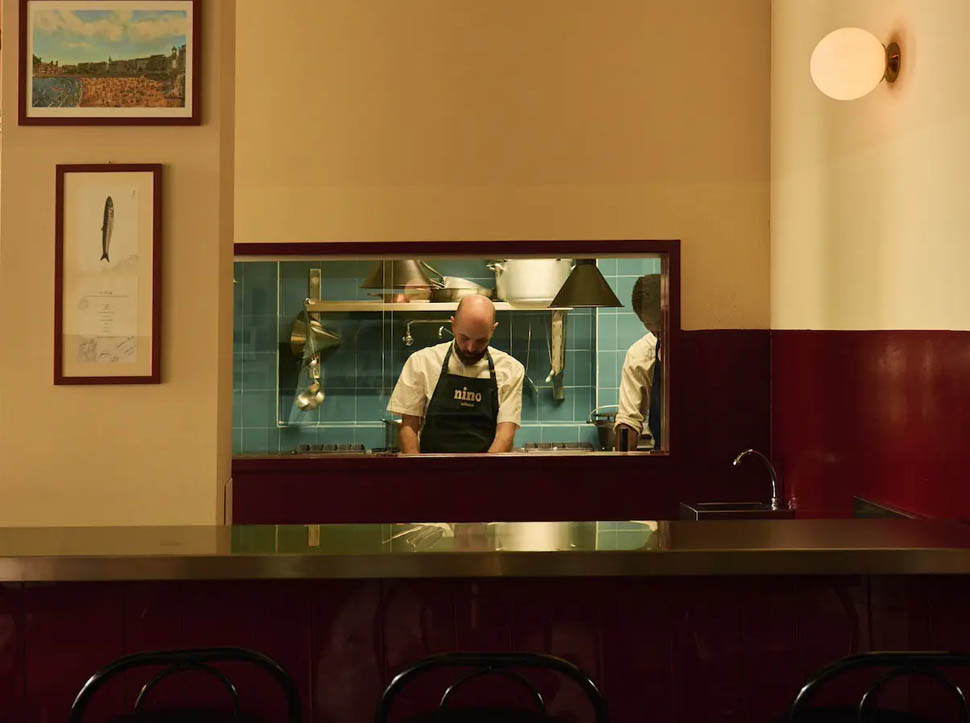
For Marco Marini, Nino is a starting point, not a destination. “For years, I wanted a place where I could be free to express myself through hospitality, starting with the kitchen but also paying close attention to the guests. Well, Nino is just that: a space that gives me the opportunity to speak through what I prepare and choose to serve at the table—or at the counter.” His cuisine has an artisan heart and a simple voice, which is expressed in relation to the product, the season, and the person in front of him. “Nino's food? First of all, eat and shut up,” he smiles. “It tells the story of the producers, the real seasons (not the ones on the calendar), and it's my way of taking those who come in by the arm, making them feel comfortable, and at ease.”
He says his inspiration comes from people: he listens a lot, observes those who put passion into their work, and that's where his culinary ideas come from.
The link with memory becomes tangible in his riso al tastasal, a dish that symbolizes Sundays during his adolescence: broth and salami paste sizzling in a pan while he woke up late after a long night. If there is one dish that embodies his approach, it istorta di piccione: a shortcrust pastry filled with shredded pigeon meat, offal, and seasonal vegetables. “It reflects what I believe in: don't throw anything away, follow the seasons and apply technique where necessary, without unnecessary complications.”
What to eat at Nino – Osteria con cucina (but especially how)
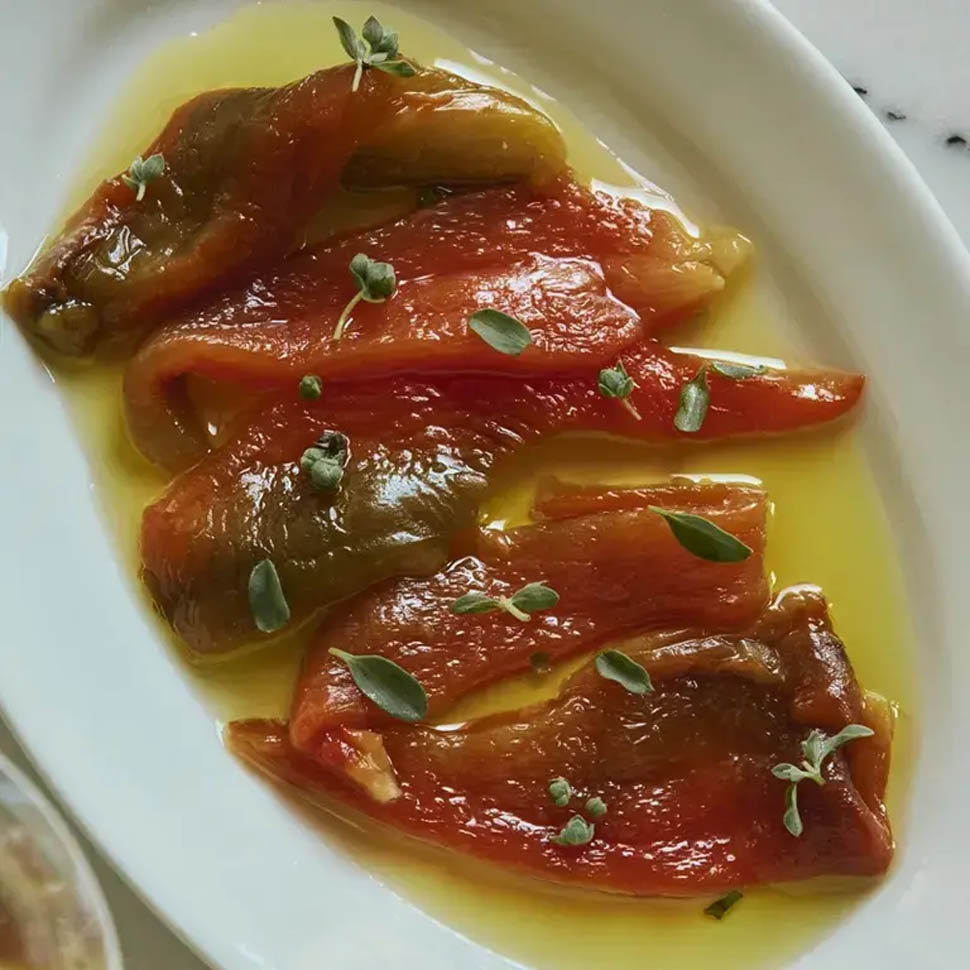
It's pretty pointless to say what I ate: the menu here changes faster than a typical working day in Milan. I noticed that some of the dishes I ate are no longer on the menu, and at the same time, I also noticed that some dishes I see shared on social media weren't on the menu when I had lunch. But that's the real magic. I hope, however, that in the long run, those signature dishes will emerge that make you say, “Let's go to Nino's? Yes, I have an uncontrollable craving for...”. The pigeon pie, a dish very dear to Marini, is a real delight that could be even better with a few minor adjustments. The vegetables are excellent, including the “Rosalba” tomato with lake sardines, sesame, and marjoram; and the peppers in oil, capers, and oregano, which couldn't be simpler but are absolutely delicious.
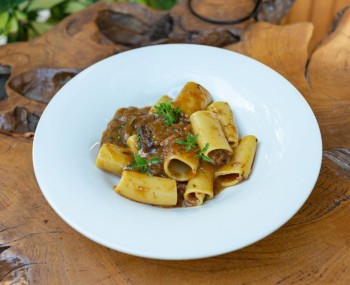
The Testa ripiena di Martini, a calf's head stuffed with offal (tripe, lungs, tongue, and liver) served sliced, was interesting. The product is undeniably there, and I might have liked it better if it had been slightly thicker and sprinkled with lemon or lime zest, but I still enjoyed it very much. The choice of adding lupini beans to the spaghetti instead of the classic, almost always rubbery, vongole veraci (clams) was interesting and delicious. Good, marine (which sounds like a pun, but it's not), savory, and tireless. The pappardelle with roe deer ragu was perfect, rough and well seasoned. The real star of my lunch was undoubtedly the cold tripe, herb pesto, and salted hazelnuts. An exceptional dish that reimagines tripe, giving it a fresh, summery, and, why not, even a little trendy twist (in a good way).
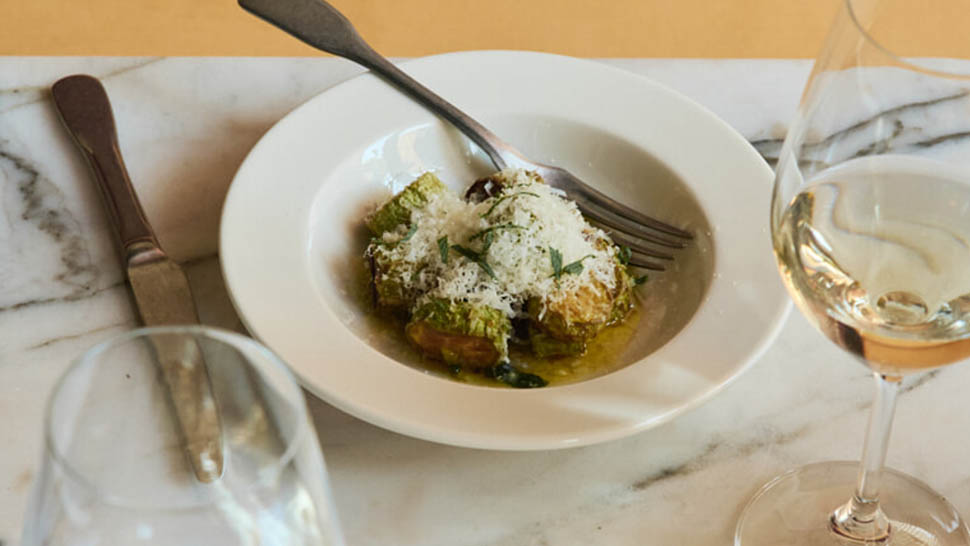
The menu always offers around ten dishes that are perfect for sharing, which can also be ordered if you are “just” having a quick aperitif and want something tasty to eat. Then there are three first courses, two or three second courses, including a vegetarian option, and desserts by the slice, cakes made by Marini that can be enjoyed at the end of your meal. But even before that, there are no rules here. Legend has it that every evening, a risotto arrives at the chef's discretion, and the diners seated at the table at that moment can decide whether or not to try it.
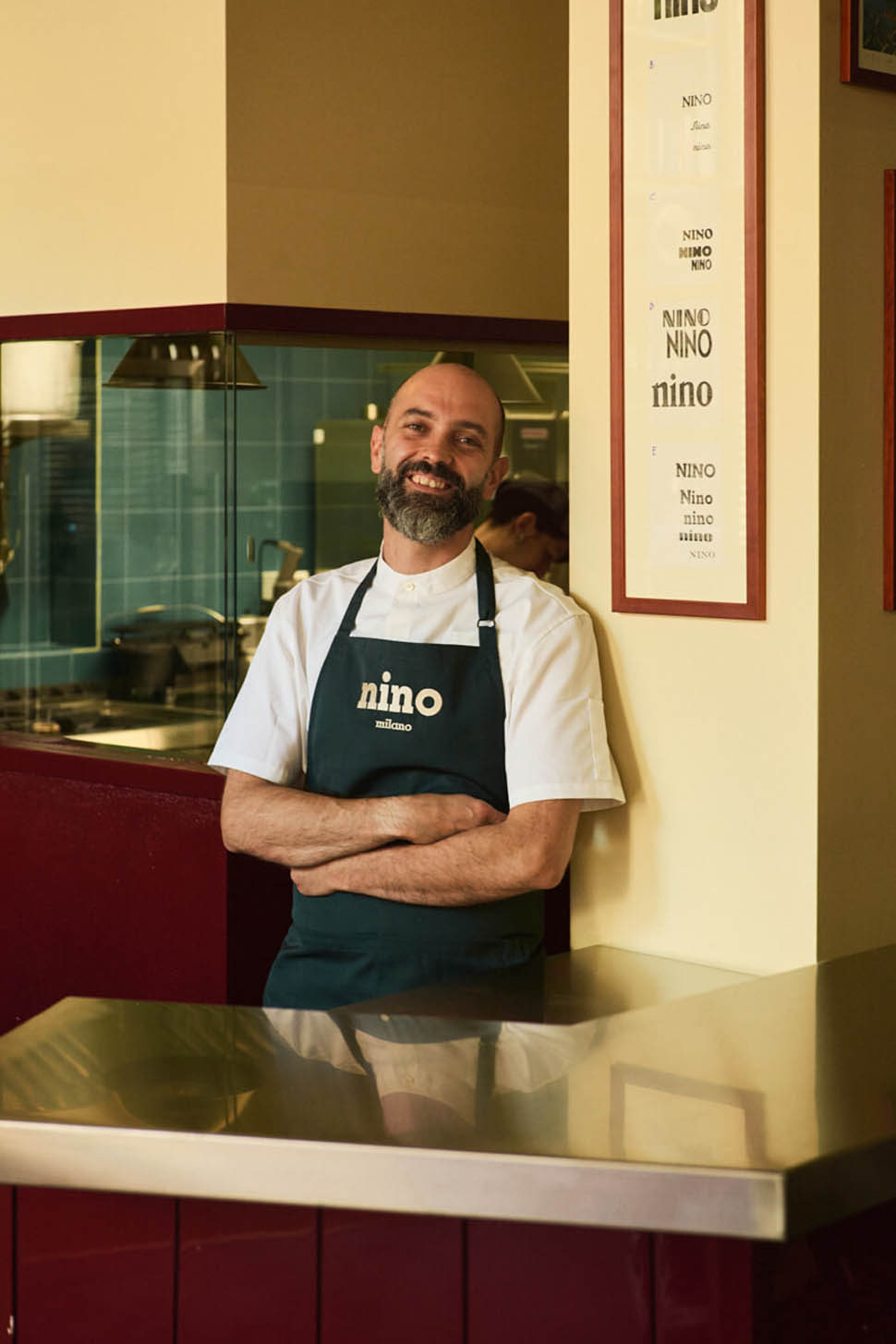
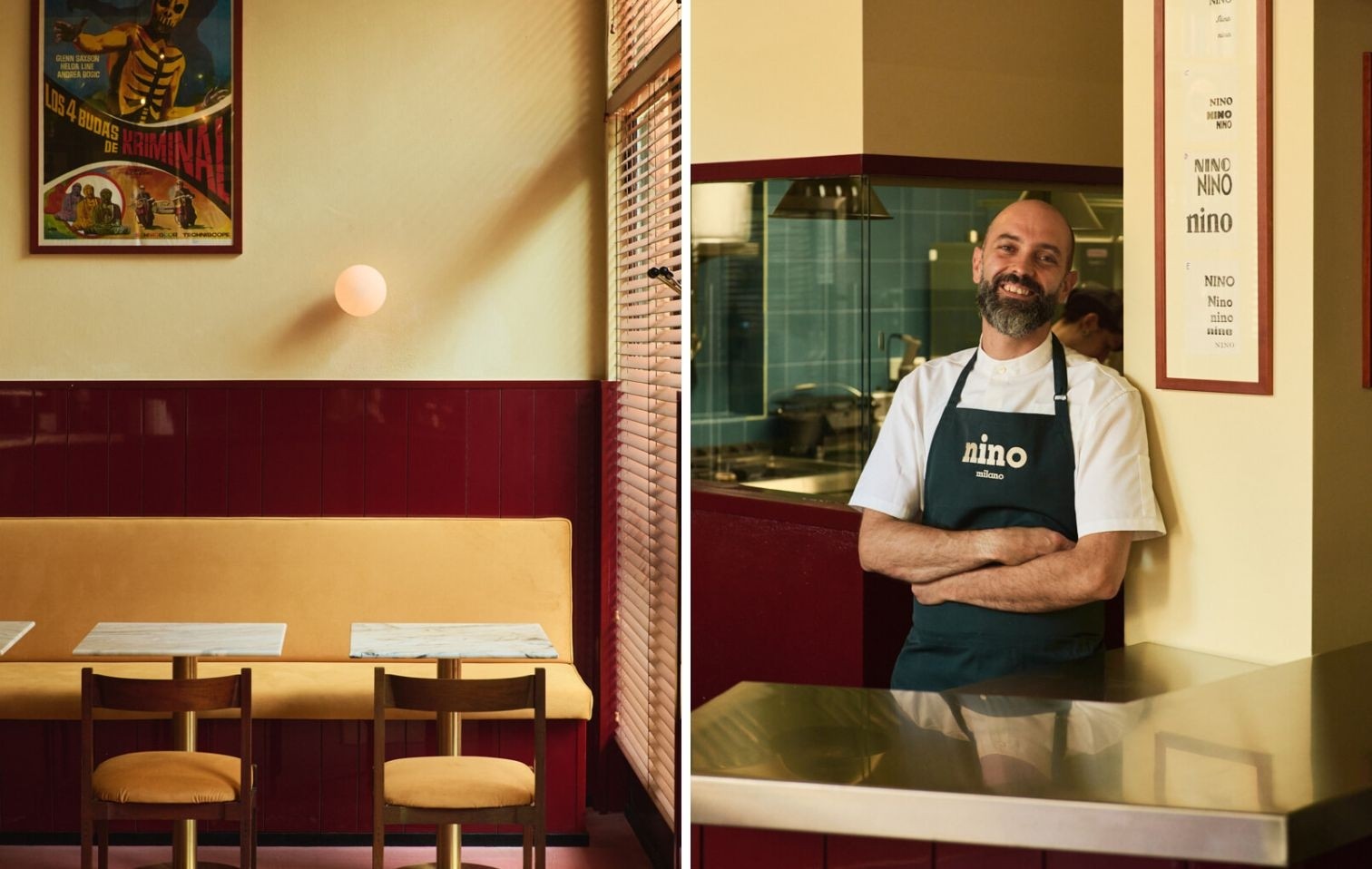
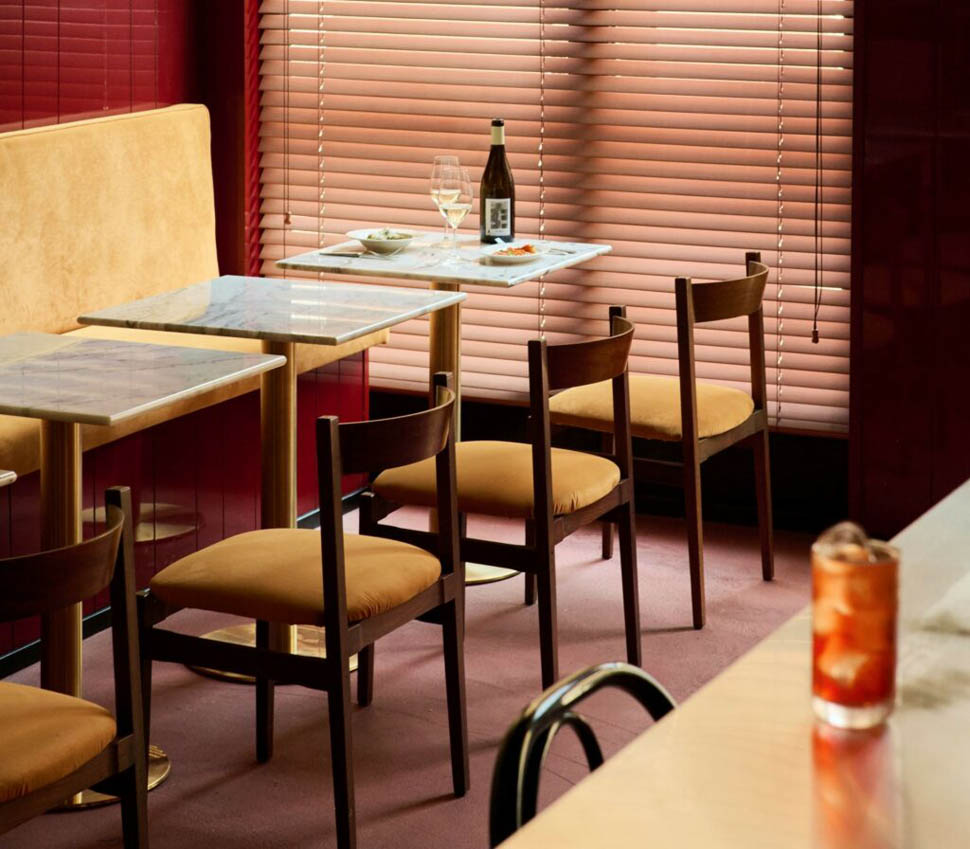
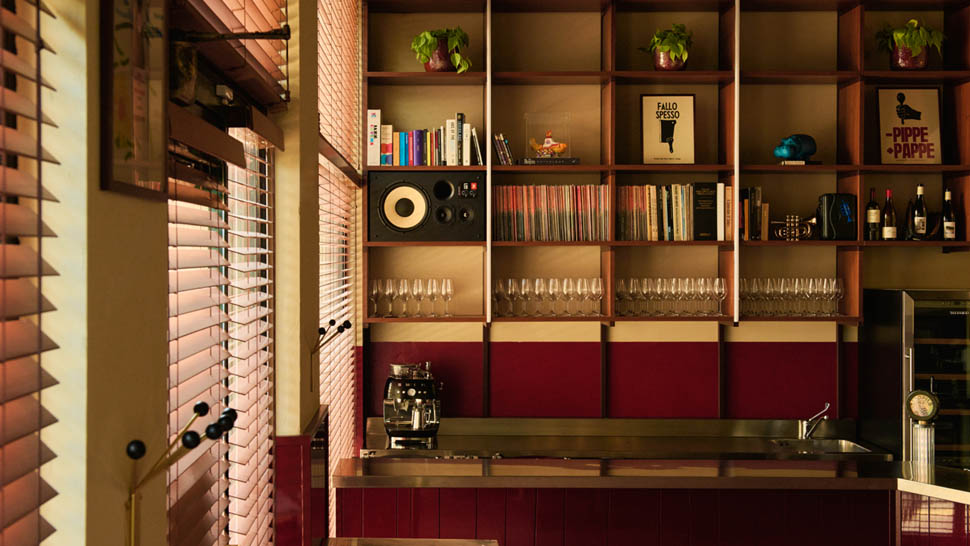
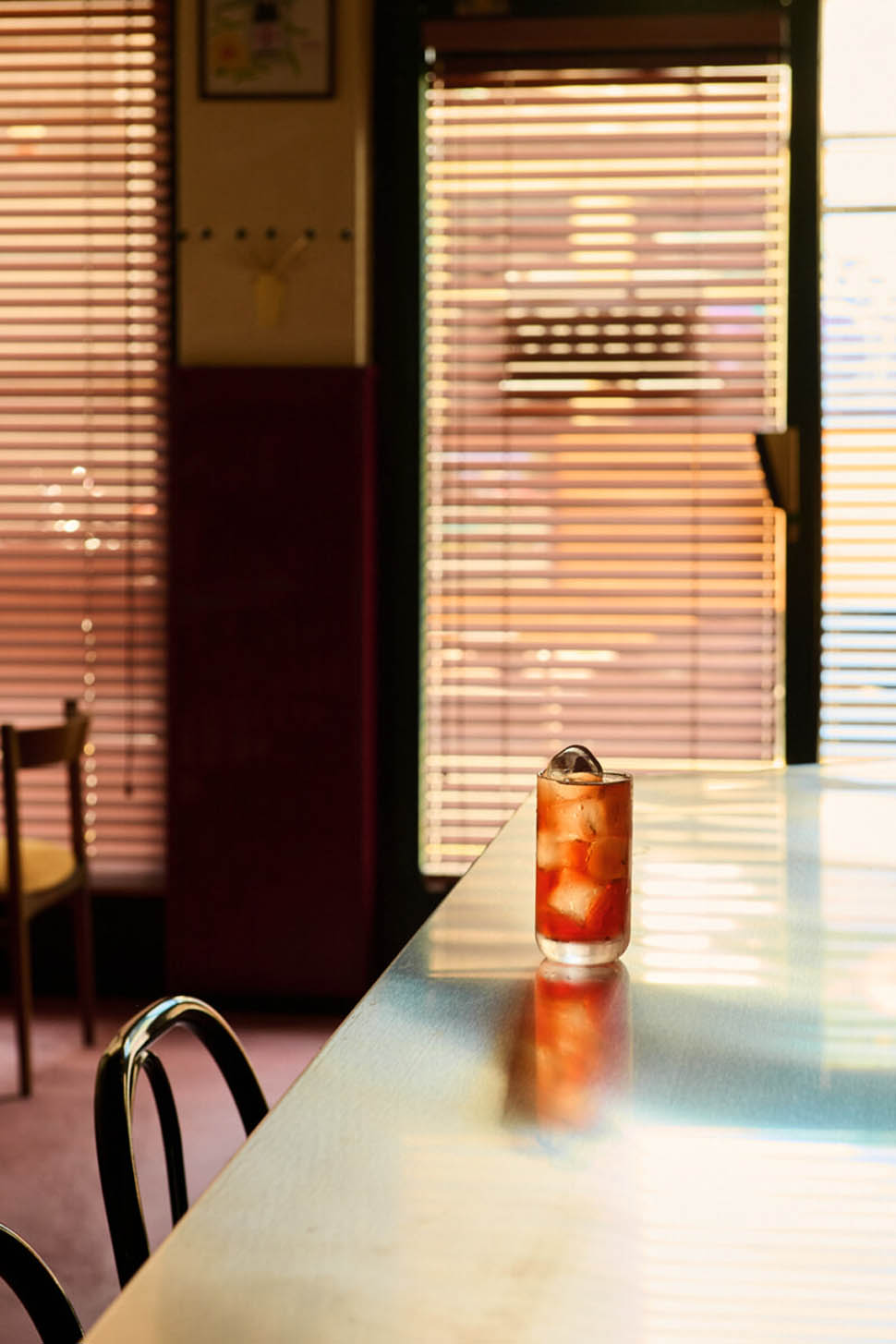
Nino – Osteria con cucina does not want to be a classic restaurant where you sit down to eat a meal consisting of an appetizer, first course, second course, and dessert. It breaks the rules a little in this sense: it is a place where everyone can find their niche without being dictated to by courses or drinks. Speaking of drinks, there are a few on tap, including the Lavorato Secco, inspired by the iconic Il Camparino. The wine list is extensive and of a high standard. The space and atmosphere are also beautiful, with high ceilings and a color palette ranging from dark green to beige, passing through the blood red of the wood paneling, which is a catwalk that has been given a second life. The design is by one of Milan's most hyped architecture firms in the restaurant sector, Oooh Studio. They did a great job too. Well done, everyone.
CONTACTS & INFO
Nino – Osteria con cucina
Monday to Friday evenings only (6:30 p.m.–midnight) and Saturdays also for lunch (12:30 p.m.–midnight), with last orders taken by 10:45 p.m.