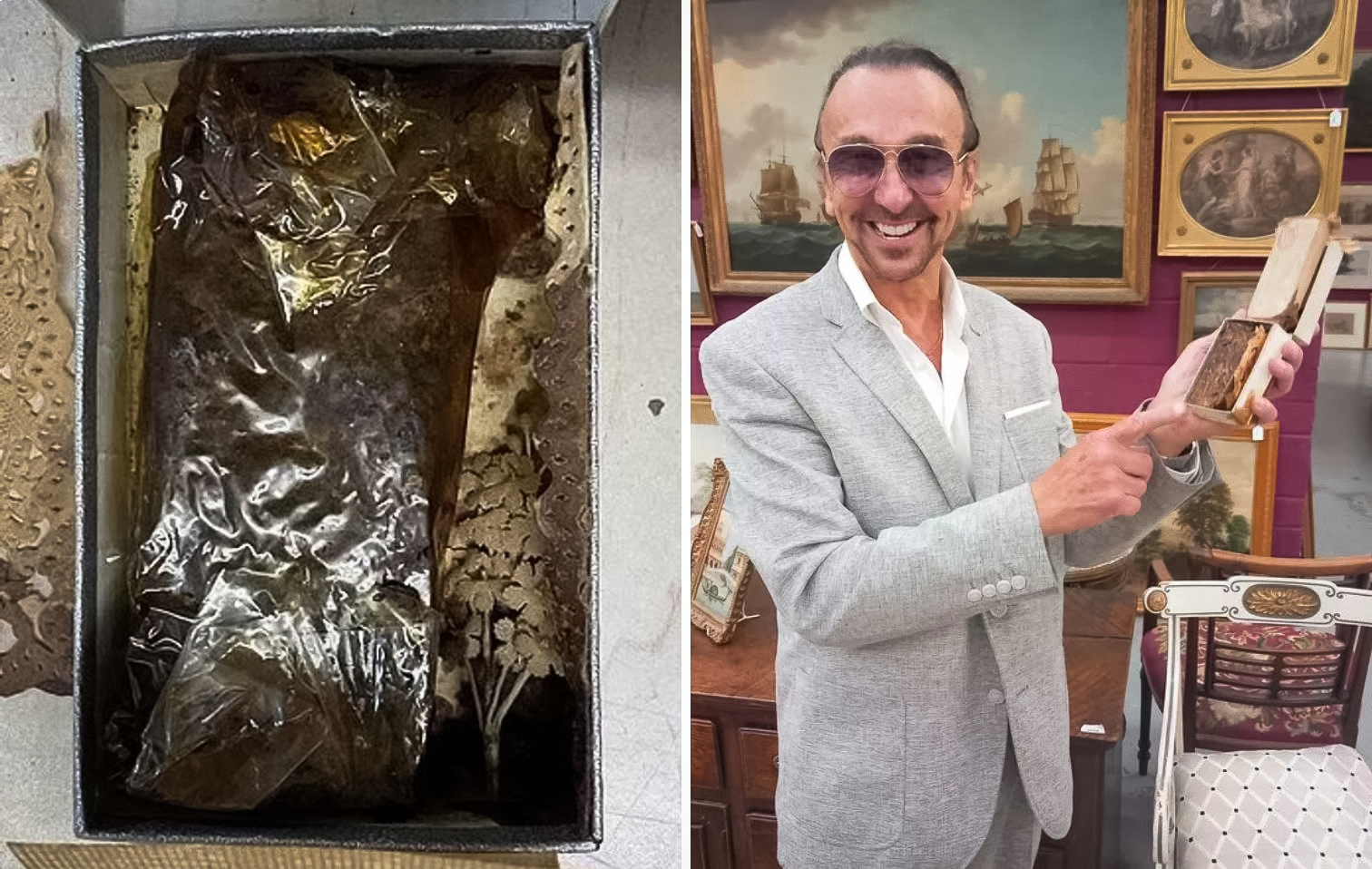
A “piece of history” worth £2,700: a British citizen has won the wedding cake from the wedding of Queen Elizabeth II and Prince Philip in 1947.
Photo of the cake on the cover: @Reeman Dansie, BMPS
The news
“Best before 2026” must have been written on the box containing a slice of the wedding cake from the 1947 wedding of Queen Elizabeth II and Prince Philip. Yet, beyond the irony, the episode we are about to recount makes us reflect on the deep bond between the citizens of the United Kingdom and the British crown. The British love for the royal family is certainly nothing new, but it is surprising to discover the lengths to which citizens are willing to go to celebrate it: shelling out £2,700 (US$3,117) for a slice of cake made 78 years ago.
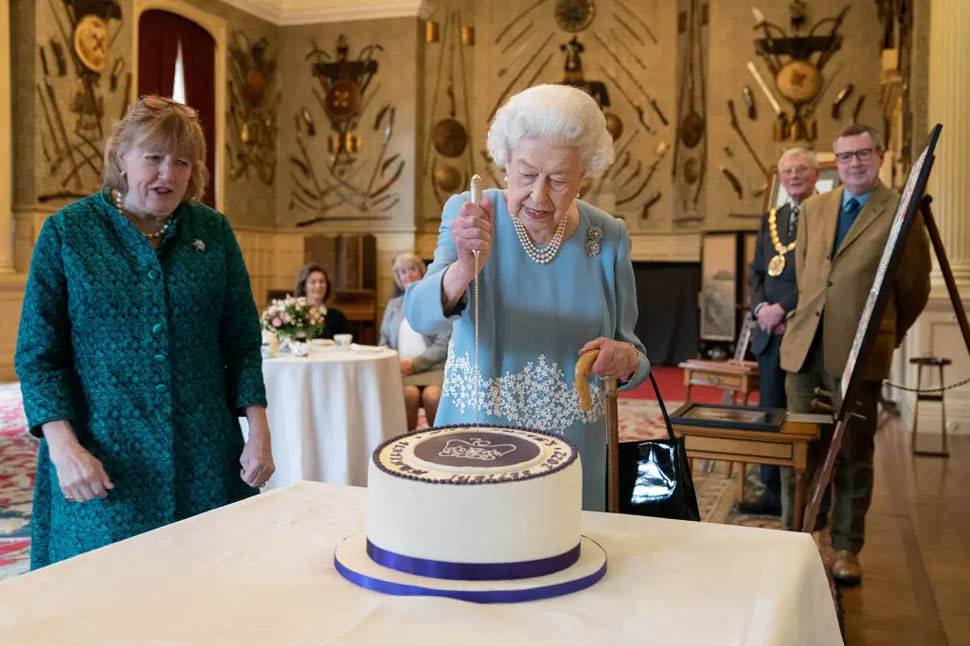
Ambassador of this dedication to the crown, reports La Stampa, is undoubtedly Gerry Layton, the British man who, during an auction at Reeman Dansie in Colchester, won a slice of the wedding cake with the intention of enjoying it next year on his 65th birthday. It may seem absurd, and it is a little, yet the preservation of slices of royal wedding cakes is a well-established tradition, passed down from generation to generation. Historically, the top tier of the cake (almost always a multi-tiered cake) is set aside to be enjoyed at the christening of the first child or on the wedding anniversary (as was the case with the christening of King Charles, celebrated the year after the wedding of Elizabeth II and Philip).
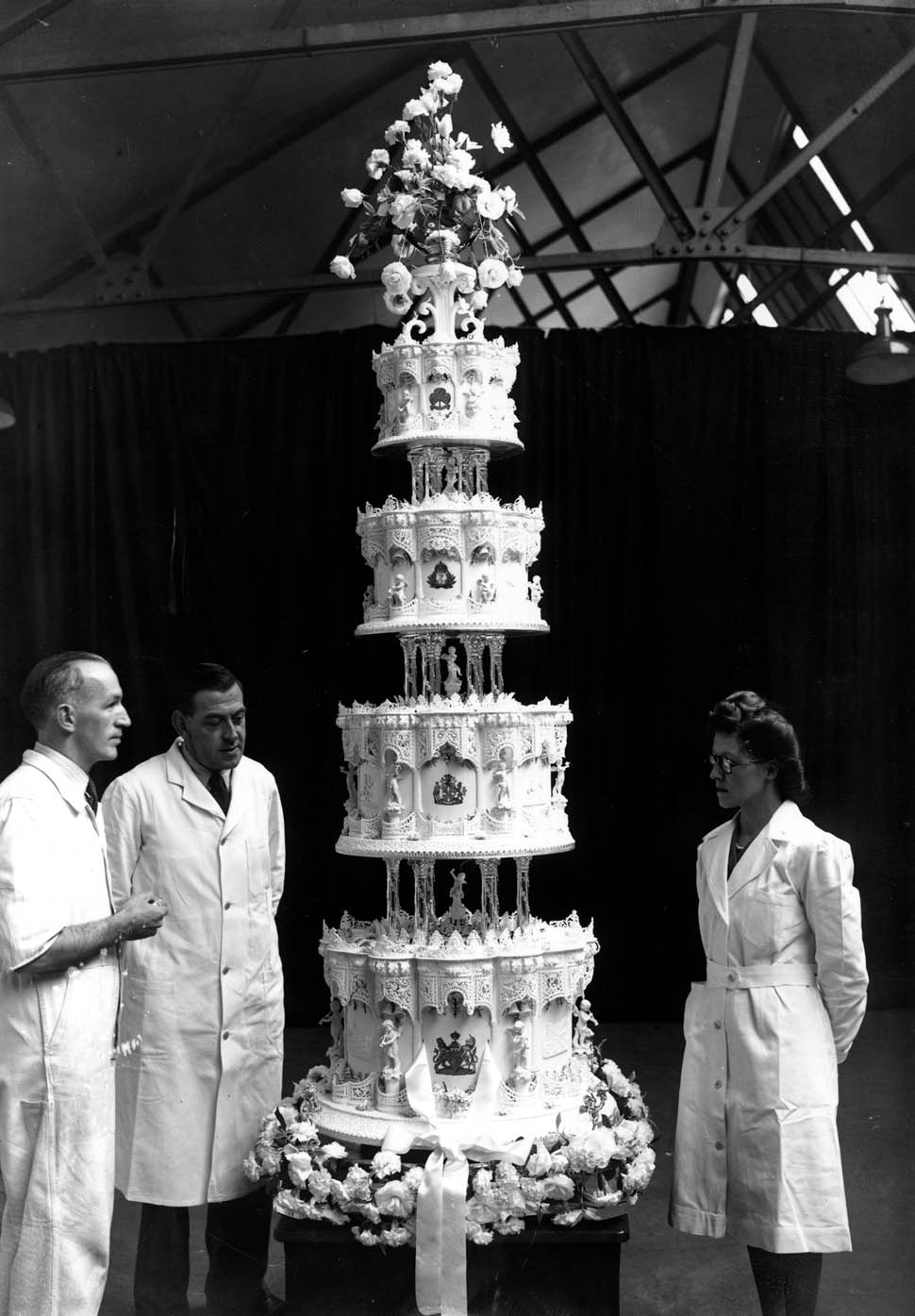
Royal wedding cakes are almost always fruitcakes, which can be preserved for a long time thanks to the alcohol in their ingredients. The cake for the wedding of Elizabeth II and Philip in 1947 was made by pastry chef Frederick E. Schur of the prestigious McVitie & Price Ltd in London. It was a four-tiered fruit cake—about 2.7 meters high and weighing an estimated 227 kilograms—which required about 80 oranges and lemons, 660 eggs, and rivers of rum. According to tradition, fruitcake symbolizes wealth and prosperity, thanks in part to the presence of ingredients from the British colonies. But what does a slice of a cake that has outlived many marriages taste like today? Mr. Layton, who decided to flambé it to kill any bacteria, will let us know. Before ending up in Layton's ‘claws’, the £2,700 slice belonged to a Royal Navy petty officer, who then gave it to his son and daughter-in-law to keep with care, so as not to damage the ‘sacred’ original packaging, where the initials ‘EP’ – Elizabeth and Philip – are still visible. Apparently, Mr. Layton will not just be blowing out the candles on his birthday, but will also be enjoying a real slice of history.