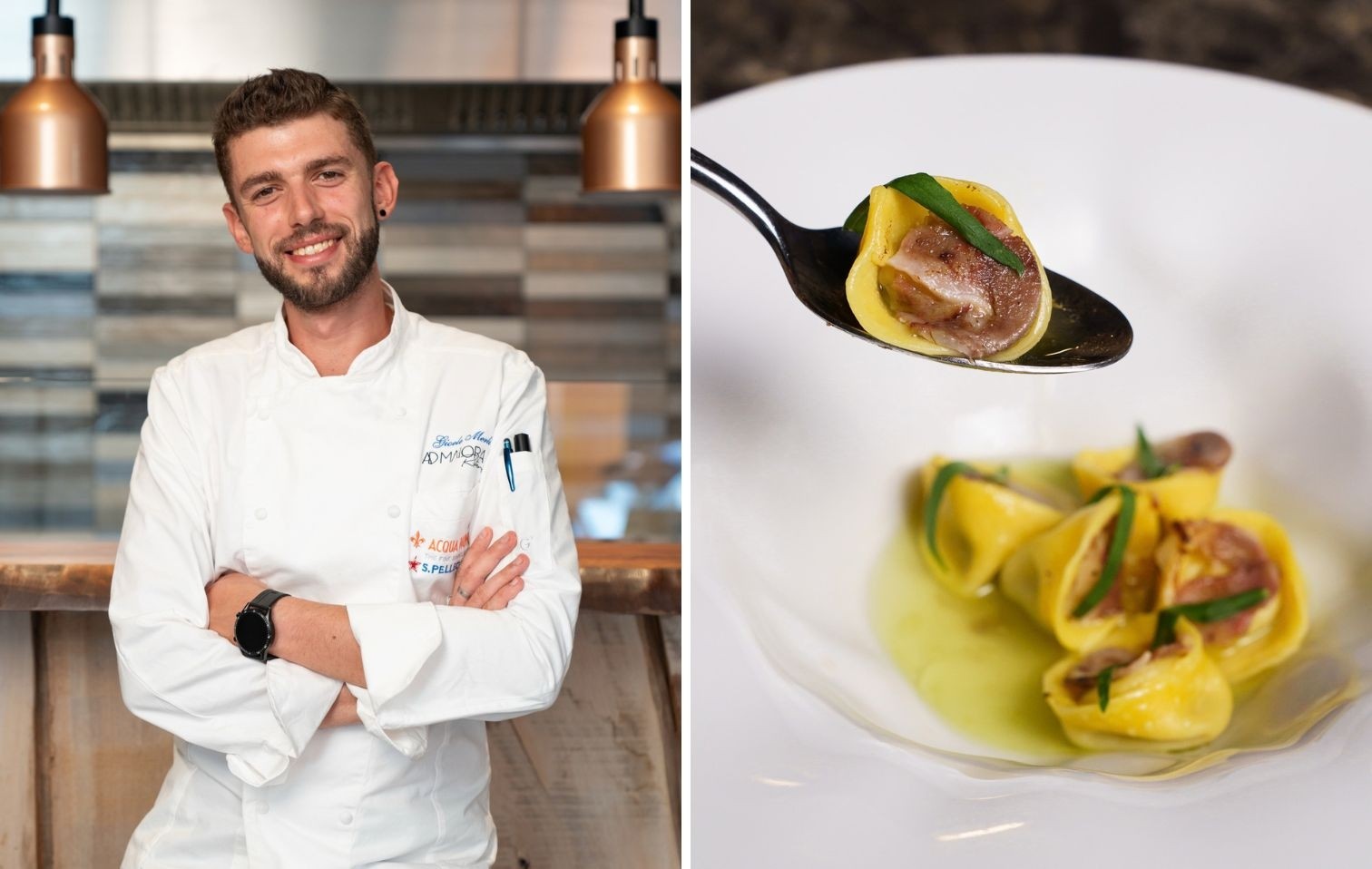
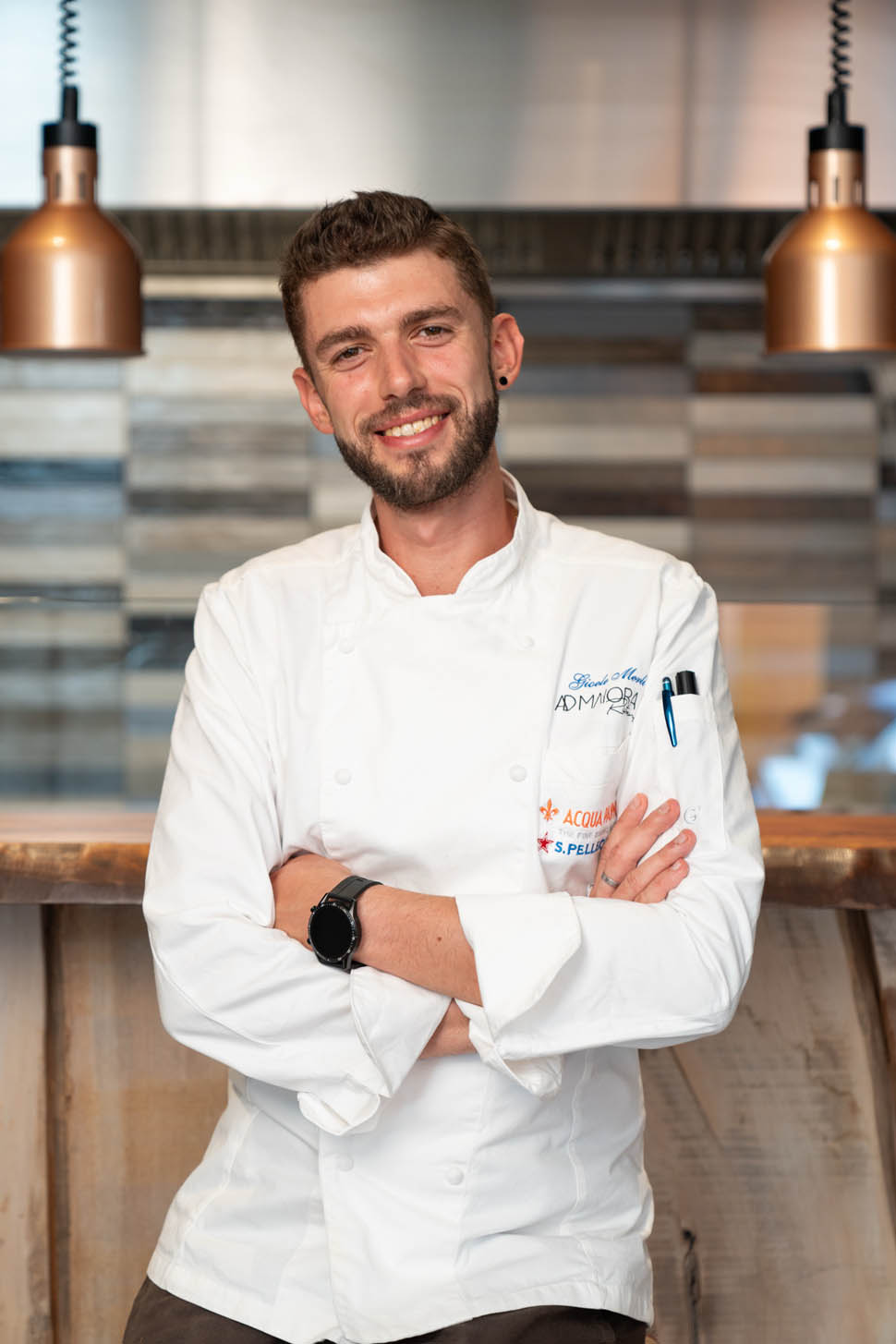
Gioele Merli has a real flair for cooking, and his originality shines through in the way he constructs his dishes. He began his career in the kitchens of Isa Mazzocchi and went on to hone his skills abroad, working across Australia, England and Japan. Today, the chef runs a restaurant for just 20 guests in the heart of Modena. An ambitious challenge that, four years after opening, is now bearing fruit both on the plate and in the dining room.
*Content with promotional purposes
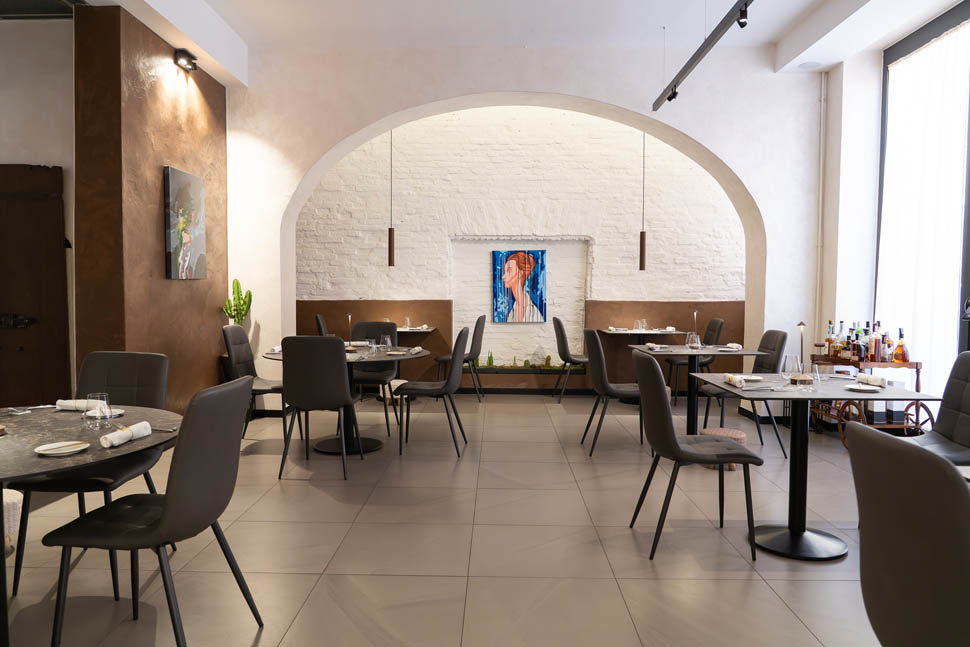
Ad Maiora is located on Via Nazario Sauro, in the heart of Modena, just a few steps from Galleria Mazzoli, which in 1981 gave Jean-Michel Basquiat his first solo exhibition, as well as hosting a long-standing collaboration with Mario Schifano. The restaurant was born from a choice between two paths that had very little in common: changing careers or finding a reason important enough to keep going. Gioele Merli, naturally, chose the latter. Twenty seats, a project built with his own resources, and a name that embodies both hope and commitment. “We celebrated our fourth anniversary in June,” Gioele tells us.
Chef Gioele Merli: from Australia and England to Modena
Born in 1994 and originally from the Val Tidone area of the Piacenza region, the chef started young: “I’m 32 and I’ve been working in kitchens for 16 years.” Half of his life has been spent in professional kitchens, with the most difficult doubts coming after Covid, when many former colleagues had decided to leave the industry and some suggested he try an office job. “Either I tried to take a different path during that period, or the only thing that would have motivated me was opening something of my own.”
But let’s take a step back, before Modena, because Gioele comes from the Piacenza area. He attended culinary school, did an internship at La Palta with Isa Mazzocchi, who is from the same town, and then, at eighteen, bought a ticket to Australia with a friend, booked a week in a hostel and left without any clear idea of what would happen next. That ticket led him to turn down a position he had been offered at La Palta: “I said no to Isa — it’s my biggest regret.”
In Perth, he works at a seaside bar-restaurant, followed by four years in London, where he is put in charge of an Italian restaurant owned by Piacenza-born entrepreneurs, and then Japan, where in 2017 he takes a two-month one-on-one course in traditional Japanese cuisine. Between 2018 and 2021, he works at Opera 02, in the Modena area. These different experiences teach him how to cook, but also show him just how much the way people think about food can vary around the world.
Australia, in particular, leaves him with a sense of freedom that can still be found in his cooking today: “It taught me not to overthink certain combinations.” He remembers being surprised to see grilled meat served with king prawns, convinced that such a pairing would never work in Italy. But over time, that hesitation disappears. “I’ve never had any problem taking techniques or flavours from around the world, whether I’ve tried them myself or not, so I’m not a traditionalist. I’m not the kind of person who wonders, I don’t know, whether everyone will like Mexican mole sauce or not. I’d rather take the plunge and then see what the feedback is, whatever it may be.”
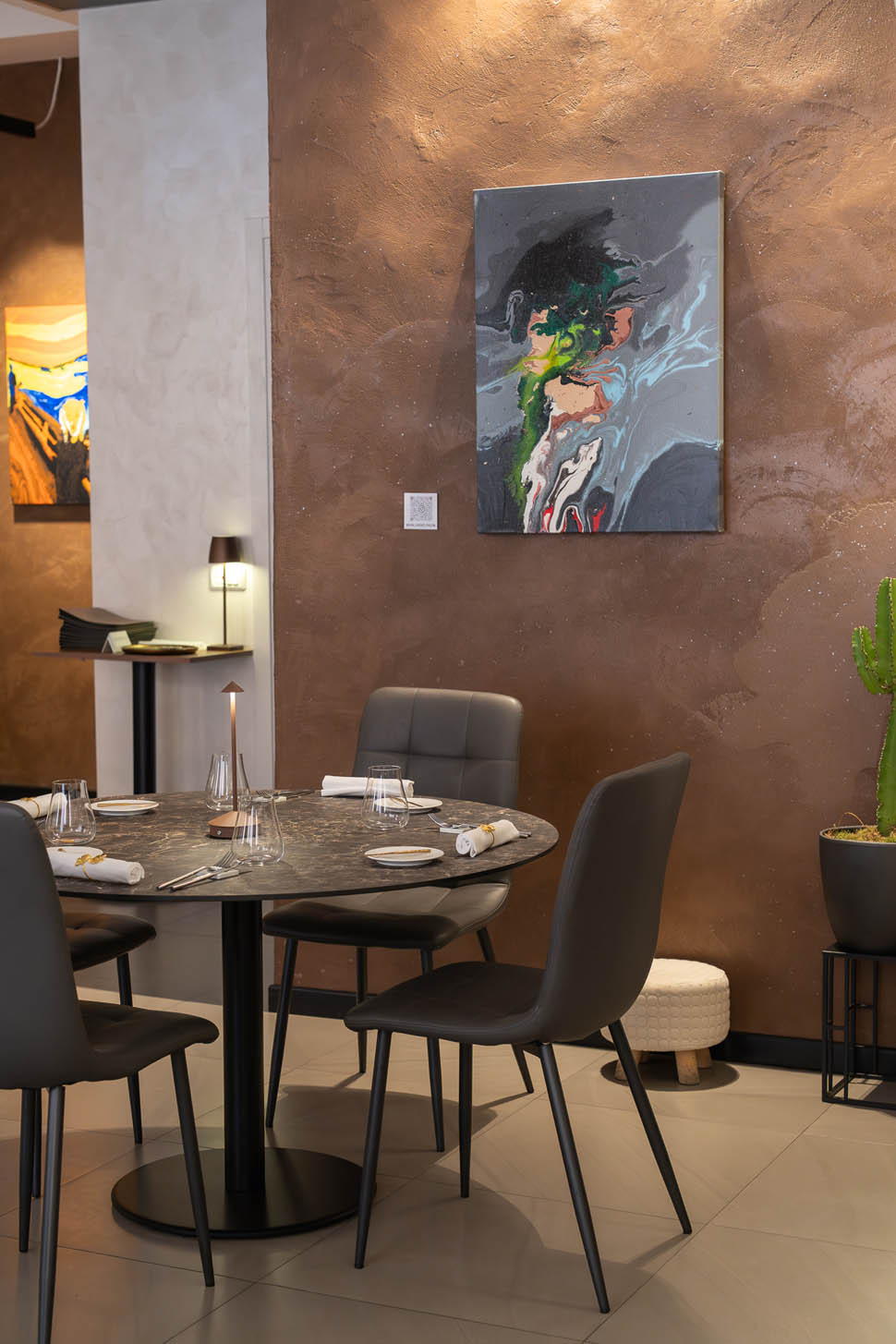
This willingness to take the plunge has also been fundamental to Ad Maiora. Gioele is not from Modena and, while searching for a space, his enthusiasm outweighs any concerns about finding his place in a city with such a strong culinary identity. It takes him a year to find a location and a size that fit within his means, eventually settling into the space that had housed Pernilla, a historic jazz venue in the city, for around twenty years. His family is there to support him, but there are no outside investors backing the project: “I really had to make every penny count, and I chose Ad Maiora because it seemed like the best wish I could make for myself,” he says.
The restaurant is intimate, and its small scale allows him to focus his work on a limited number of guests: “We’re trying to evolve both in terms of the materials we use and, of course, the food, in a constant process of evolution.” More recently, another opportunity came his way through his family: a new opening that would have given him plenty of room to make decisions and manage the project. It was a significant offer that would have considerably eased the burden of running a business. Gioele chose to continue on his own: “I’ve always run away from easy solutions because I wanted to create something of my own, something that would have more value than taking a major shortcut.” It is his way of giving value to the journey, and with time, he does not seem to have changed his mind: “Yes, but even years later, I’m still happy.”
The Cuisine, the Dining Room and the Philosophy
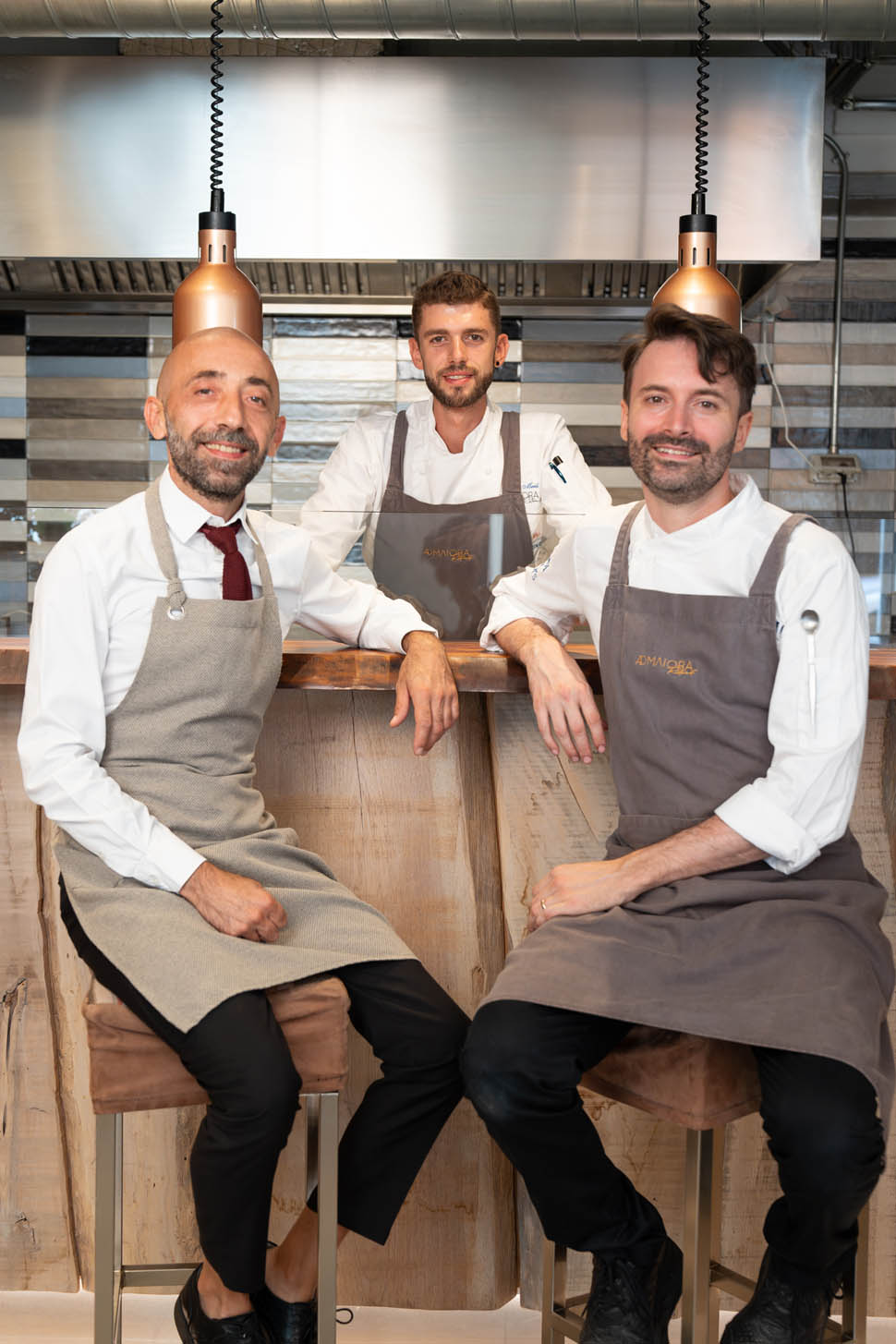
Gioele has a real flair for cooking, and his originality comes through in the way he constructs his dishes. If there is still room to refine certain details, the substance is convincing and makes this small restaurant a very interesting discovery on Modena’s culinary scene. Gioele speaks about it with a sense of realism: “We work well partly because we only have 20 seats, so obviously it’s easier to fill 20 than 50, but after four years we’re still not consistent.”
Growth has always come primarily through the guests themselves: “Until fairly recently, we always preferred word of mouth, and we know it takes a thousand times longer, but it gives you a solid base you can rely on.”
In the dining room, Sandro Rigillo plays an important role. He has been running the front of house since the restaurant opened and, like Gioele, comes from a decision to change direction: he was a surveyor before leaving the profession for hospitality. After taking a course on food and wine products, he joined Antica Corte Pallavicina as an intern, eventually staying for three years. Gioele describes him as “a real asset and a wildcard that you rarely get lucky enough to find right away. And, for better or worse, everyone who has worked with us over these four years has made a difference.”
The wine list is equally well put together: between 120 and 130 labels, rising to around 150 in winter, which is the restaurant’s busiest season. Most come from Italy, while abroad the focus is mainly on France, with some selections from Germany and Slovenia.
“We’ve always relied on a few suppliers. I call them that, but it’s a somewhat derogatory term because these are all people who aren’t trying to sell you something; they simply tell you about what they’ve tasted or seen firsthand, both across Italy and abroad. We certainly give priority to small producers, and the list changes according to their needs and the quantities they are able to offer. Of course, we’ve always included a few bigger names too, but ultimately, we don’t want our wine list to be a copy-and-paste job.”
The Dishes
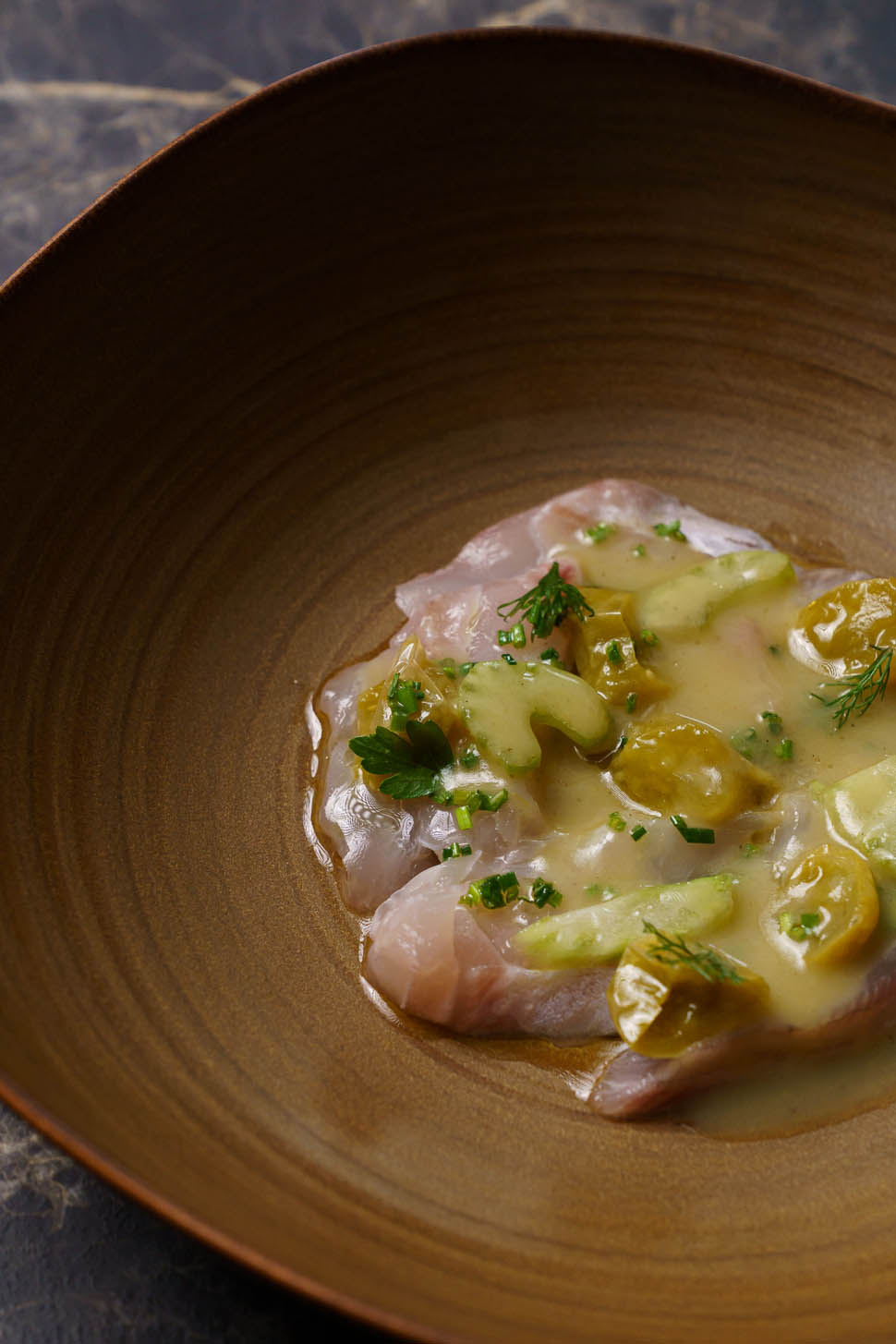
Our tasting begins with amberjack and a dish built around unripe tomatoes. The fish is first marinated in tomato water, then undergoes a second marinade with leche de tigre made from green, yellow and red tomatoes. More fresh green tomatoes and raw celery are added to the dish. A successful interplay of freshness.
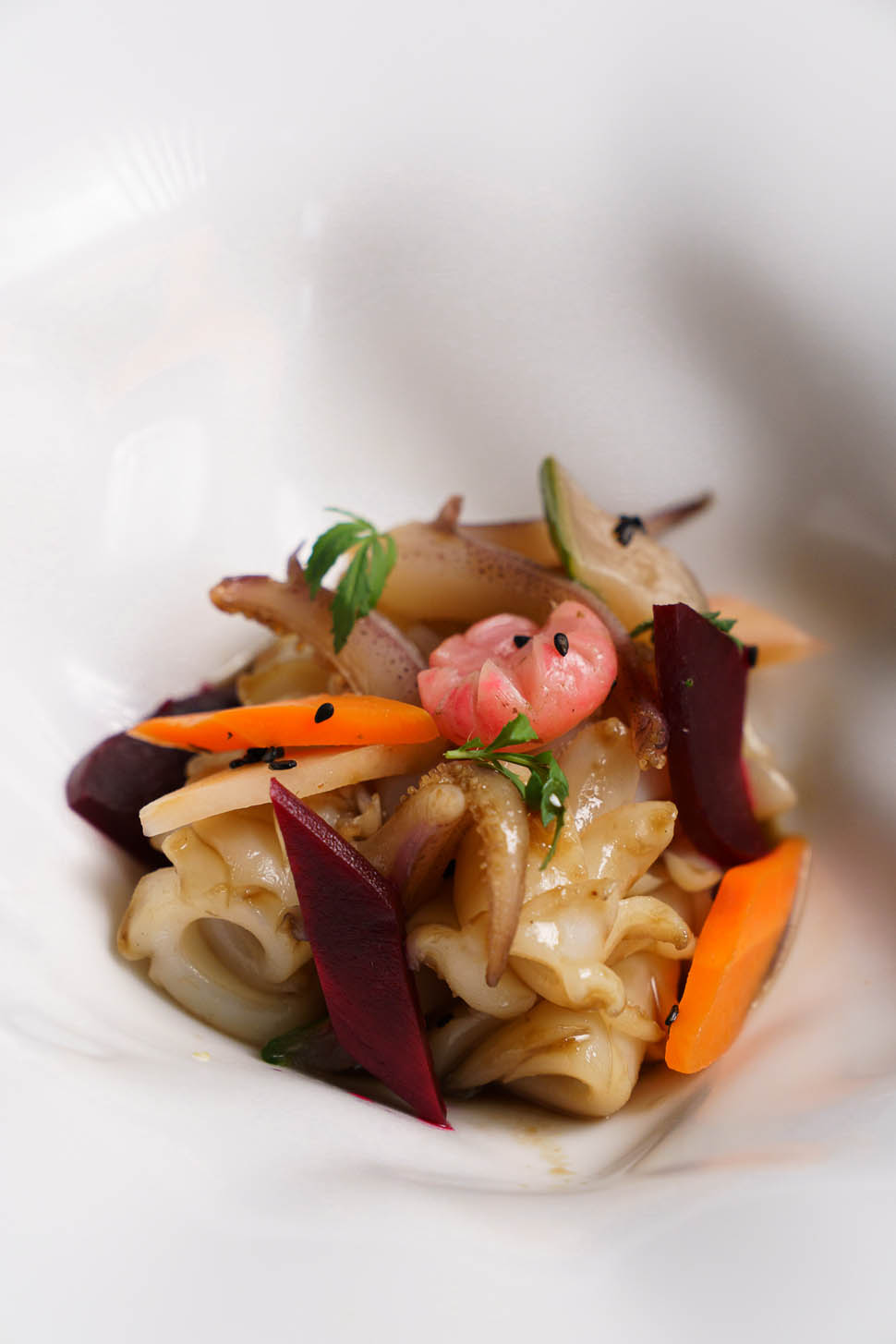
The squid takes us towards Japan: lightly seared and glazed with a sauce made from soy and a stock prepared from the prized trimmings left over from cleaning the squid. Alongside come tsukemono-style vegetables: carrot, parsnip, cucumber and beetroot, first cured in salt and then marinated with rice vinegar, sesame and sugar, creating an effective contrast between the intensity of the glaze and the vegetal, vinegary counterpoint.
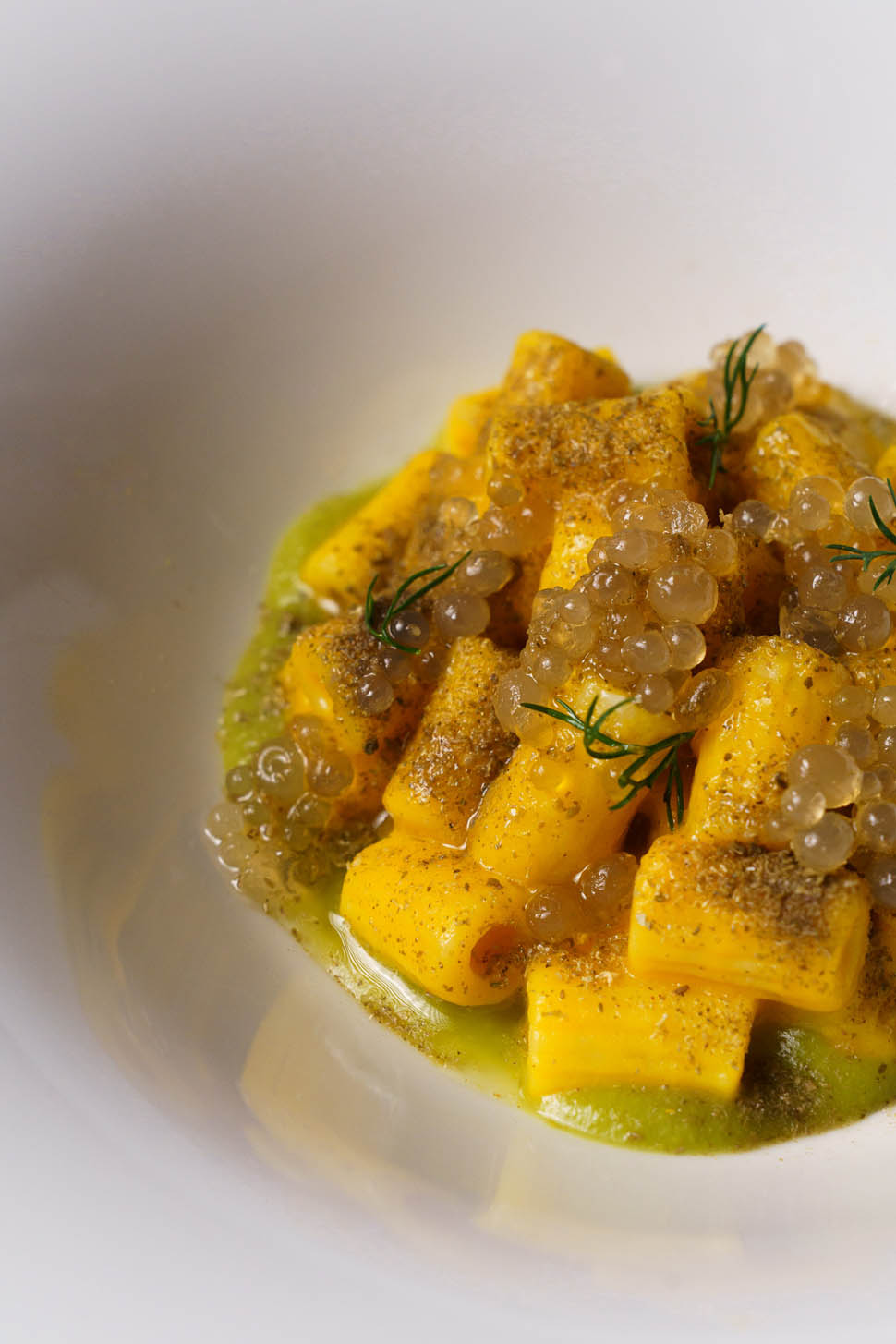
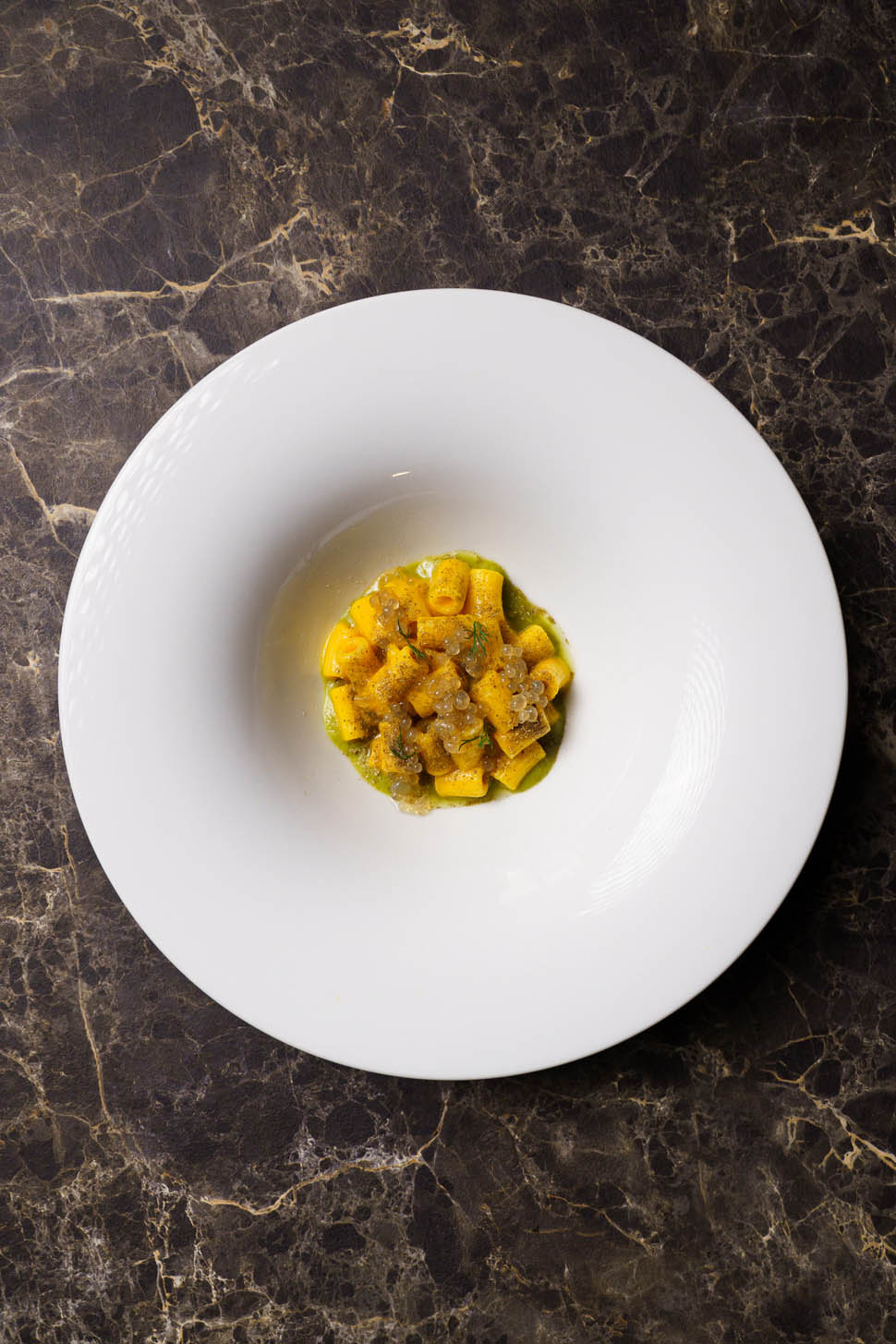
The quinoa, chosen as a way to offer a gluten-free first course, is treated like a risotto, cooked and finished with a shellfish bisque. The scallop comes in two forms: the raw part on top, while the roe is cooked together with the quinoa. Pickled gherkins, cucumber powder and lemon zest complete the dish, once again playing on freshness and the flavours of the sea. With the cappelletti, we return to Italy and Emilia, with coppa di testa presented in lightly charred slices and accompanied by an artichoke broth.
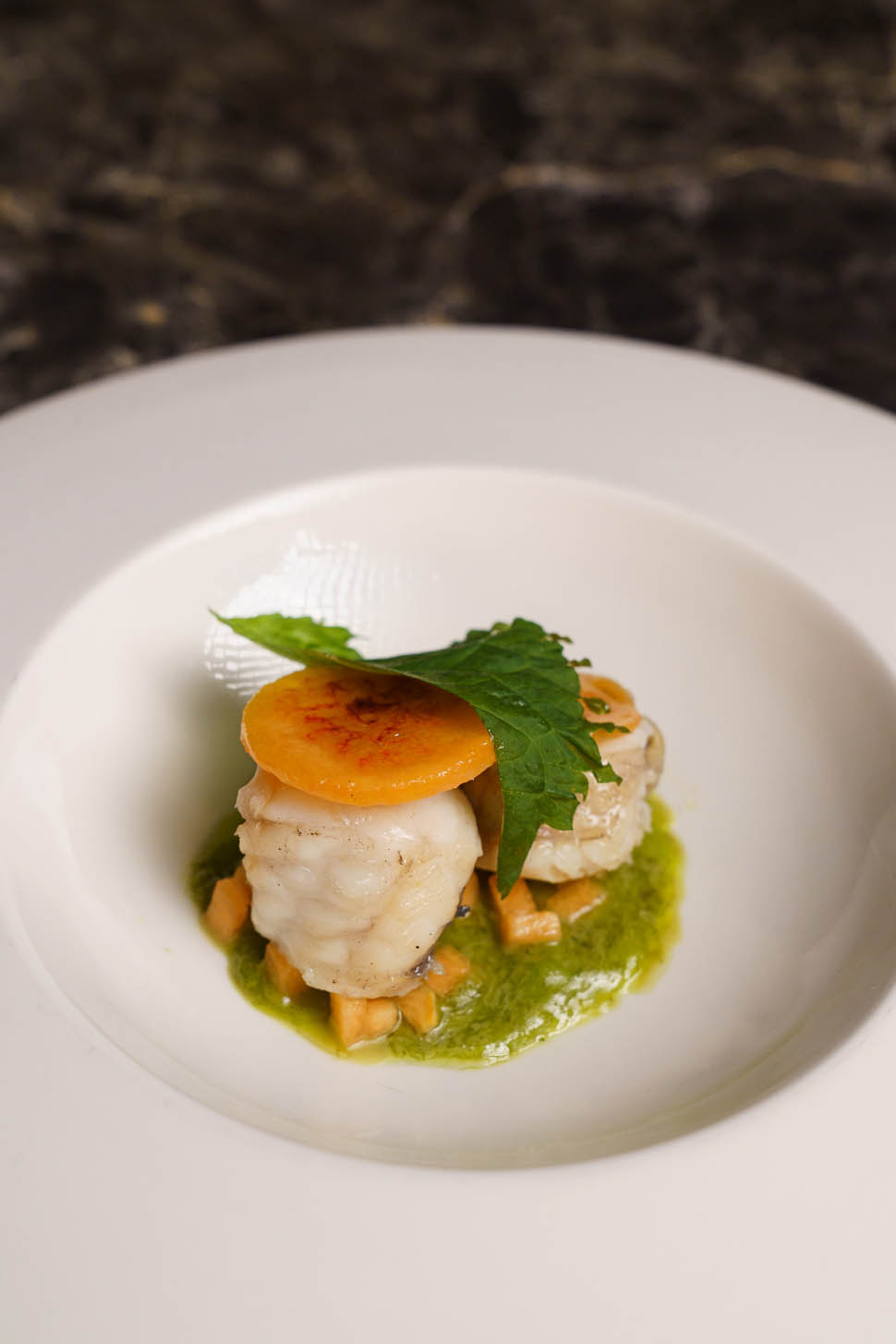
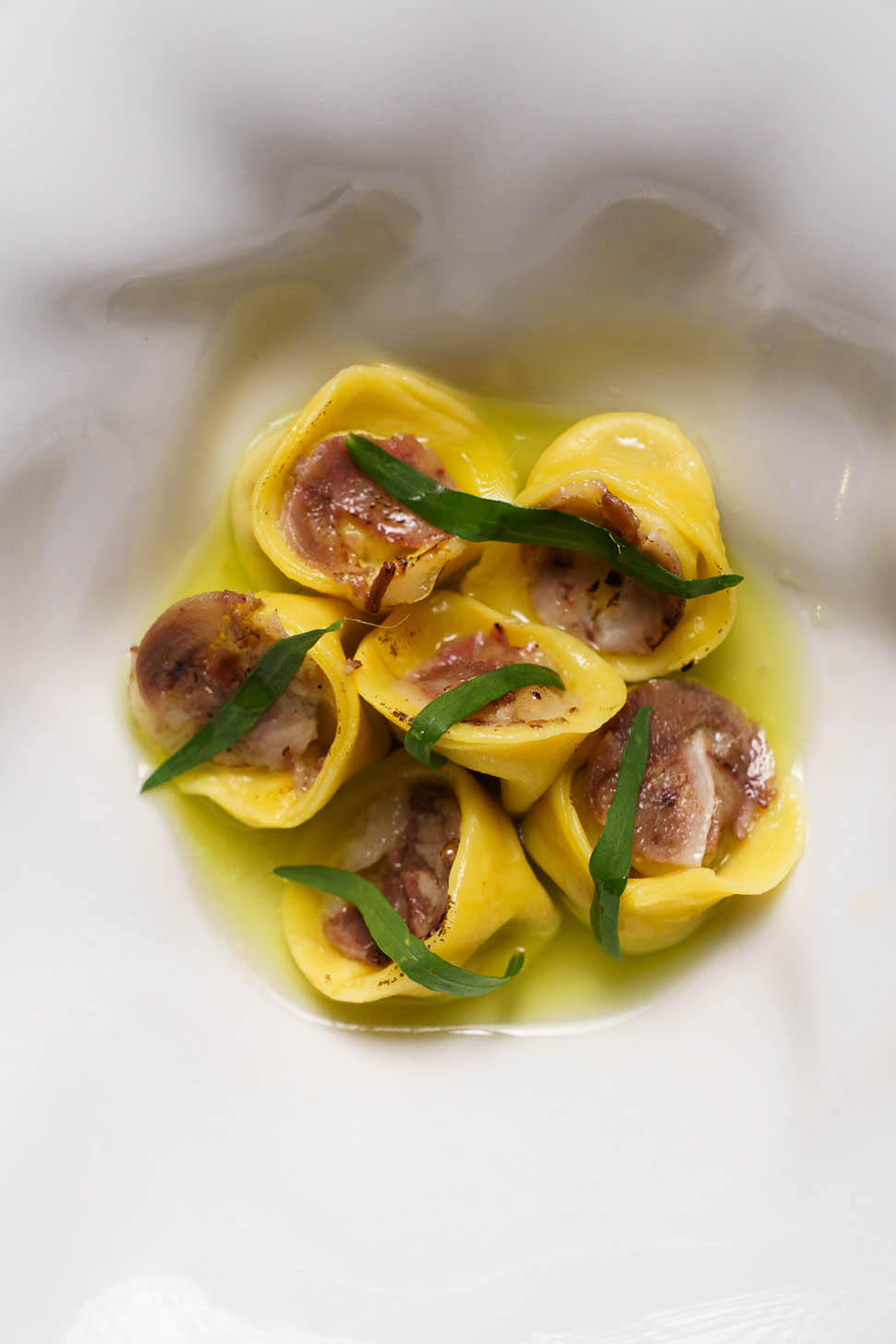
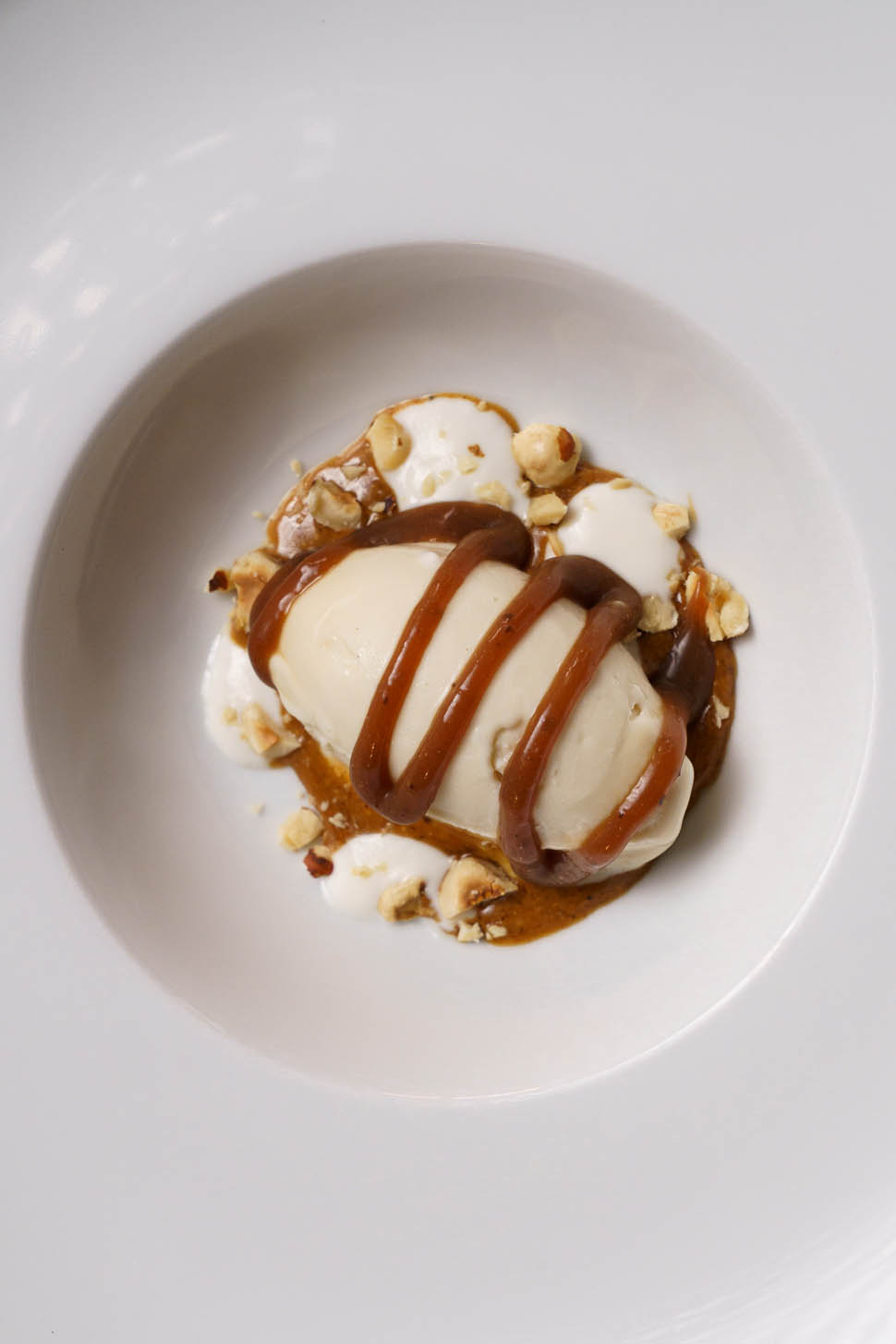
The charred escarole with capers and olives is a convincing combination, thanks to the contrast between the bitter notes of the leaves and the savoury character of the accompaniments. The meal ends with a hay ice cream, made by infusing the hay for 24 hours before churning. At the bottom of the dish is a hazelnut praline sauce, topped with koji salted caramel, crunchy hazelnuts and a fermented milk with a flavour reminiscent of yogurt.
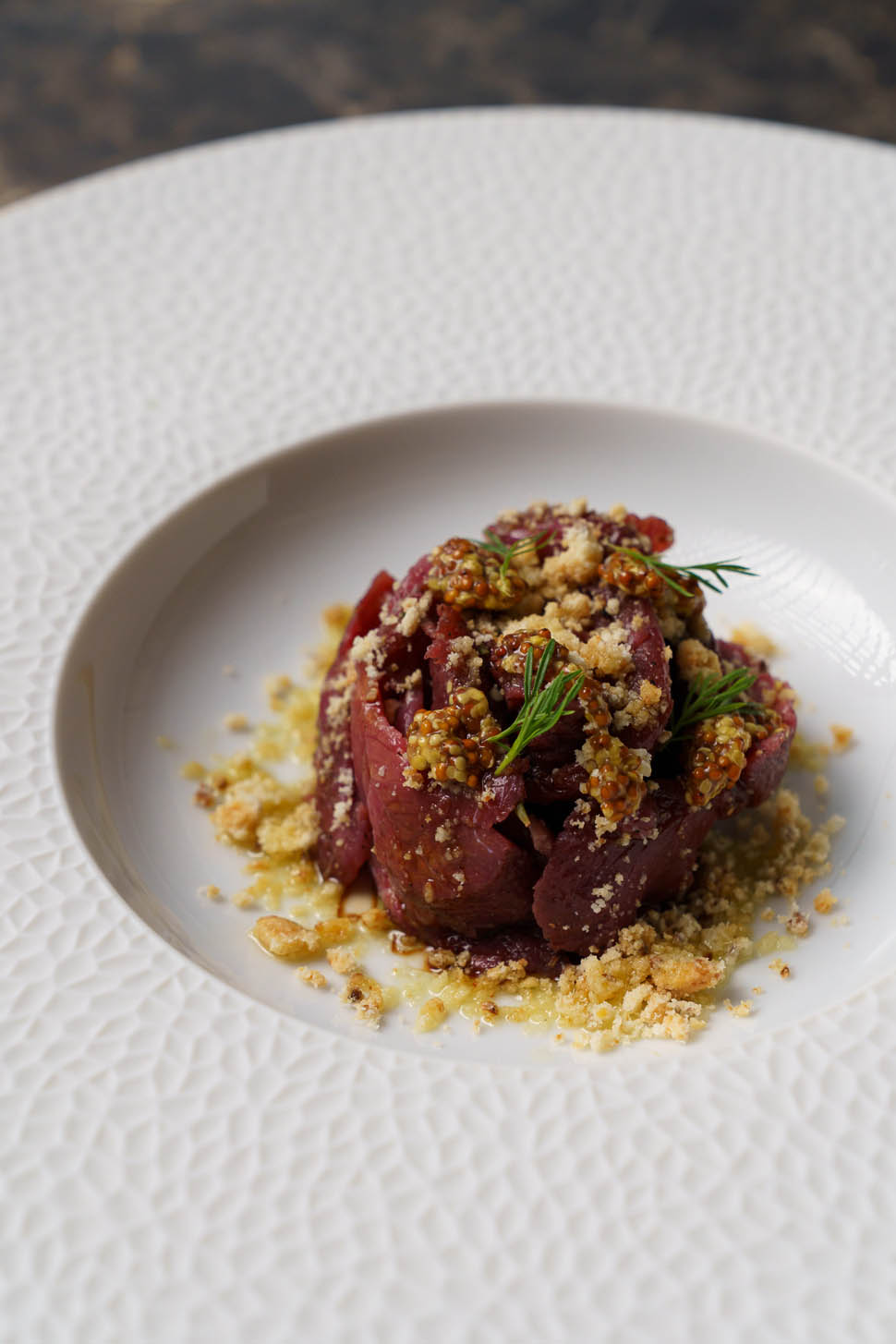
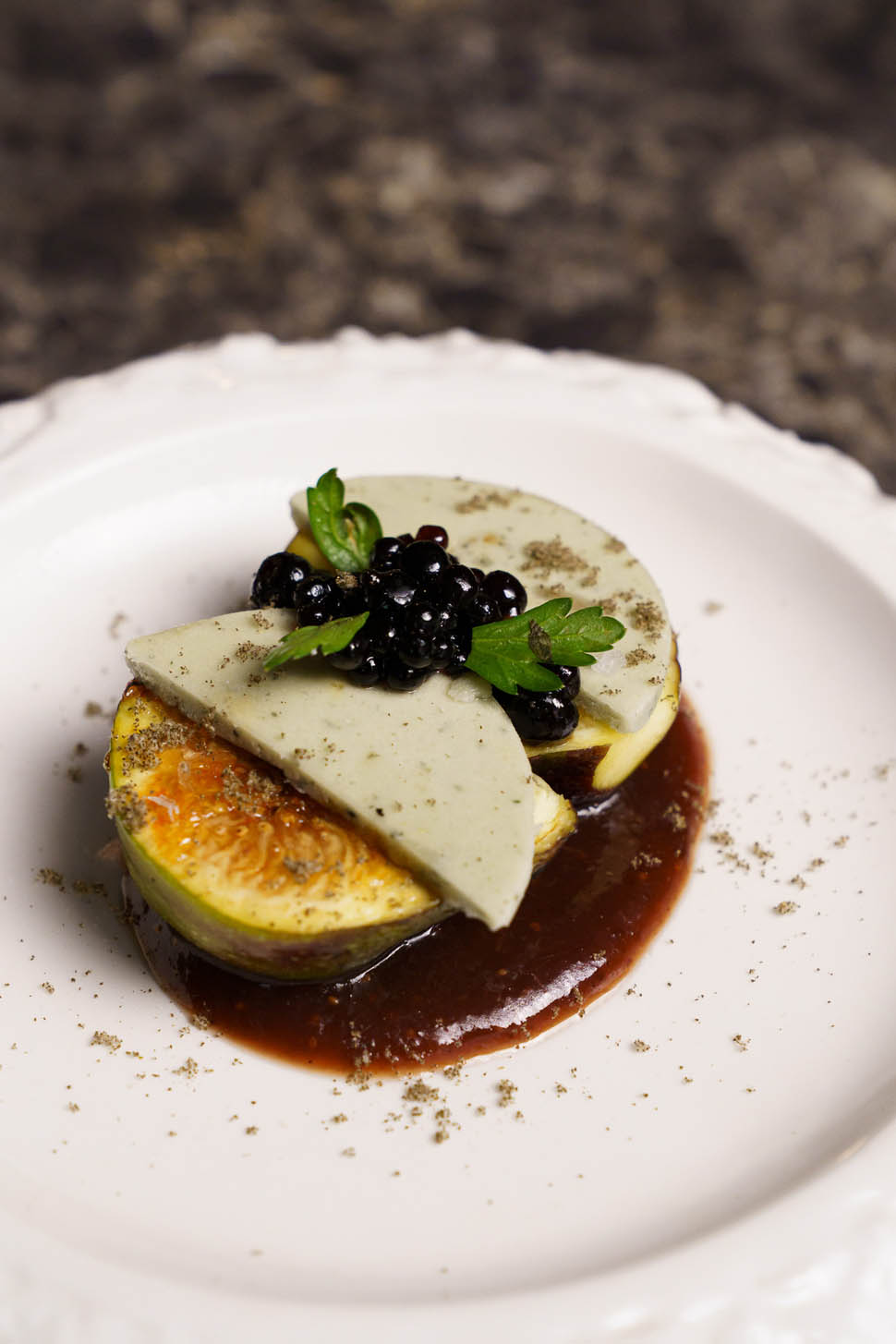
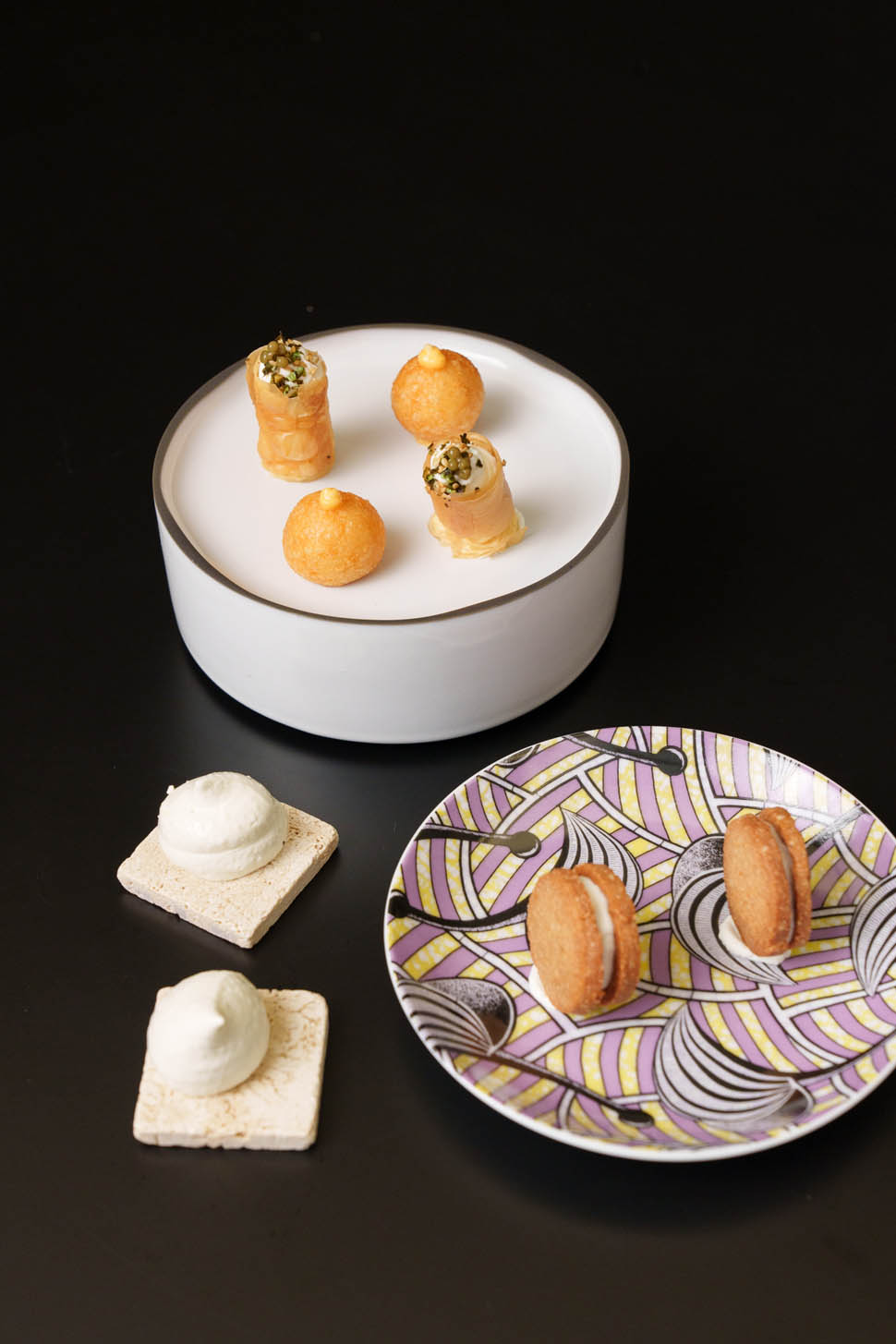
There are three tasting menus — Radice, Corrente and Selva — each available in three, four or five courses, priced at €45, €55 and €65 respectively. The four-glass wine pairing costs €25, while the non-alcoholic pairing, with three drinks, is €15. A lovely surprise.
Ad Maiora
Address: Via Nazario Sauro, 7, 41121 Modena MO
Telephone: 059 580 6583
Website