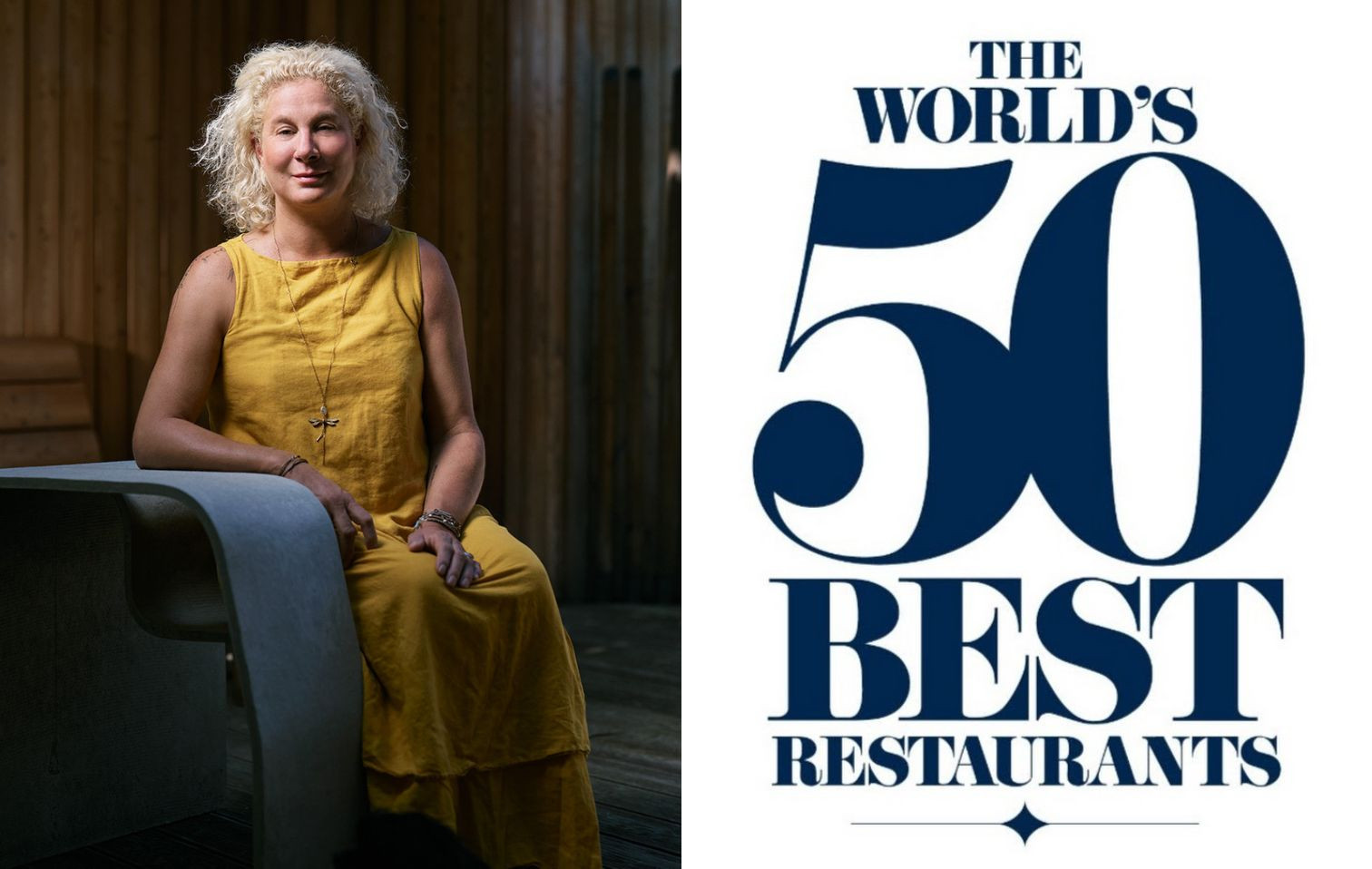
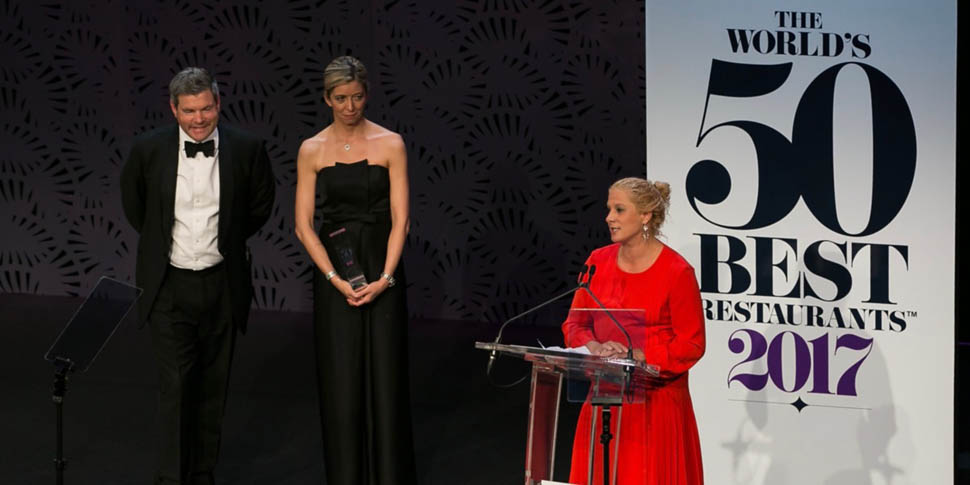
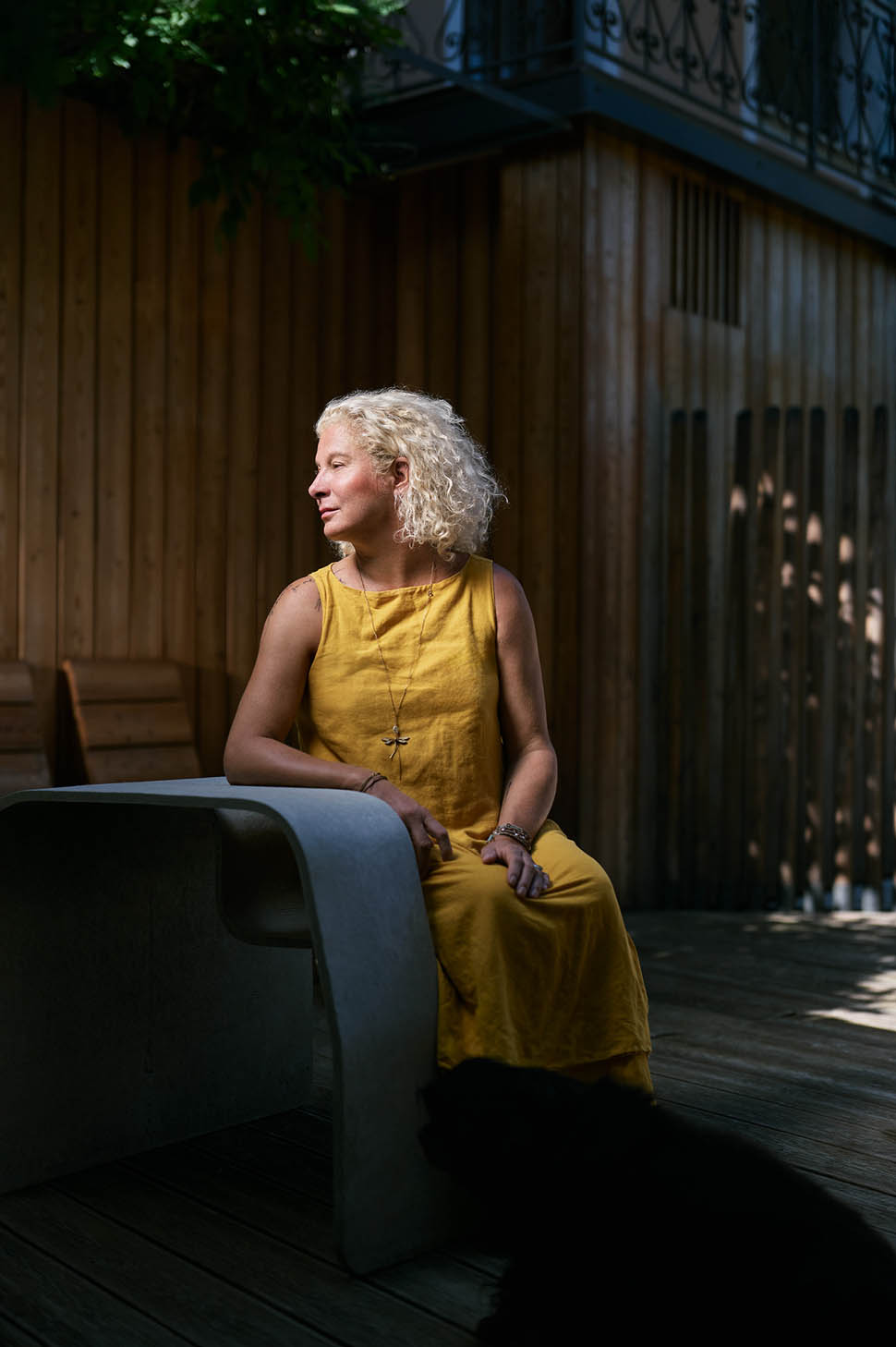
“Some work tirelessly to make it into the 50 Best, but the price to pay is high, and nothing can be taken for granted. More and more invitations and ever-greater investments also mean less credibility for the entire community and the ranking itself.” Ana Roš’s reflections open up a debate about what goes on behind the scenes of the renowned international ranking. Here is our interview with the chef of Hiša Franko.
Her post announcing that she would not attend The World’s 50 Best Restaurants ceremony in Lima on November 4 caused quite a stir. Some people online commented: “They always do this: they drop in the rankings and then start criticising them.” But Ana Roš, the celebrated Slovenian chef behind Hiša Franko in Kobarid — known as Caporetto in Italian — has actually climbed nine places in the ranking of the world’s best restaurants, moving from 69th last year to 60th in the 51–100 list unveiled a few days ago. So there is no question of her intellectual honesty being compromised by disappointment over her position.
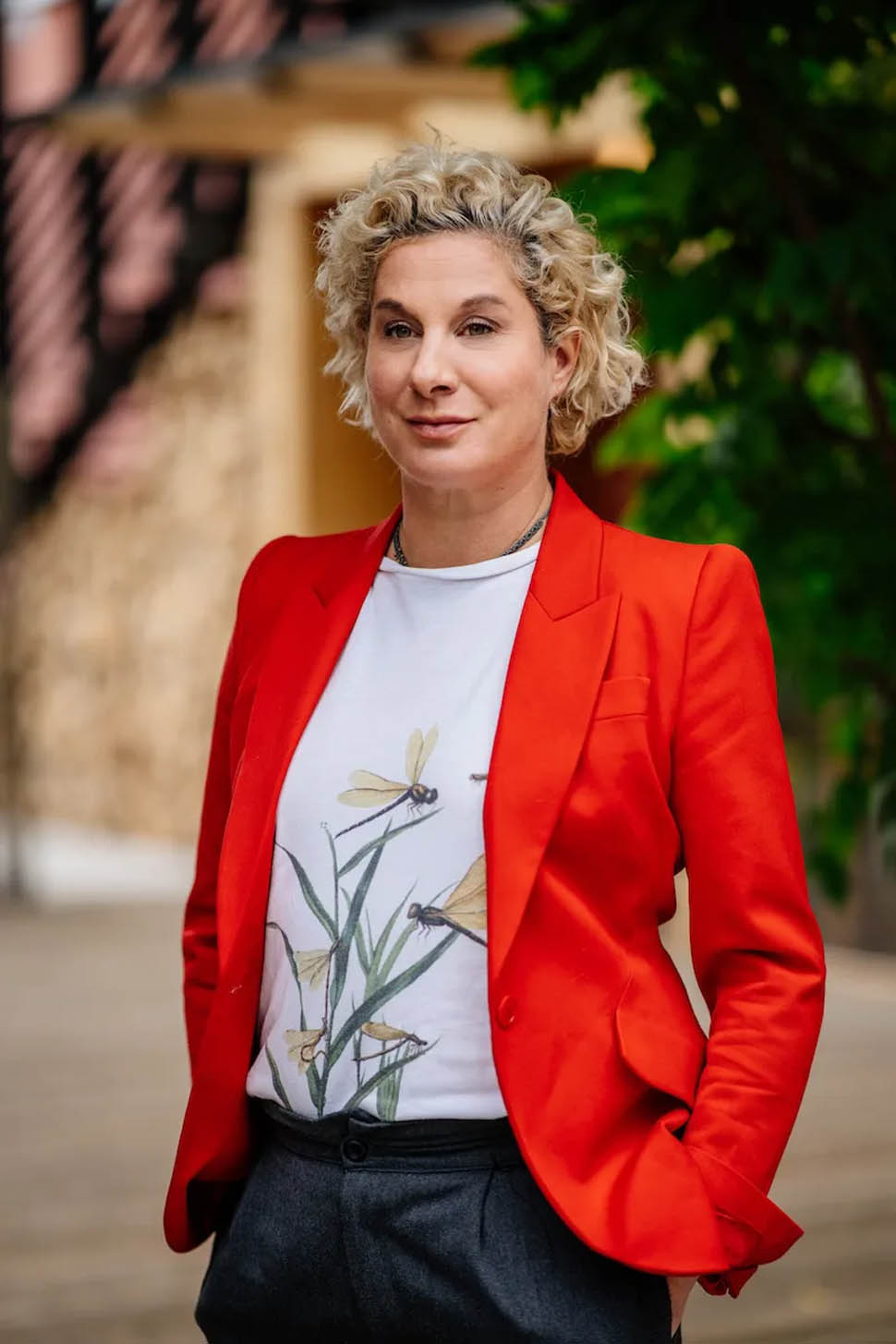
“When visibility becomes the currency,” she wrote a few days ago, “the ability to promote a restaurant within this system risks becoming just as important as the work you do in the kitchen. I would rather invest those resources where they truly belong: in our guests, our team, our producers, and in the daily work of making the restaurant better.”
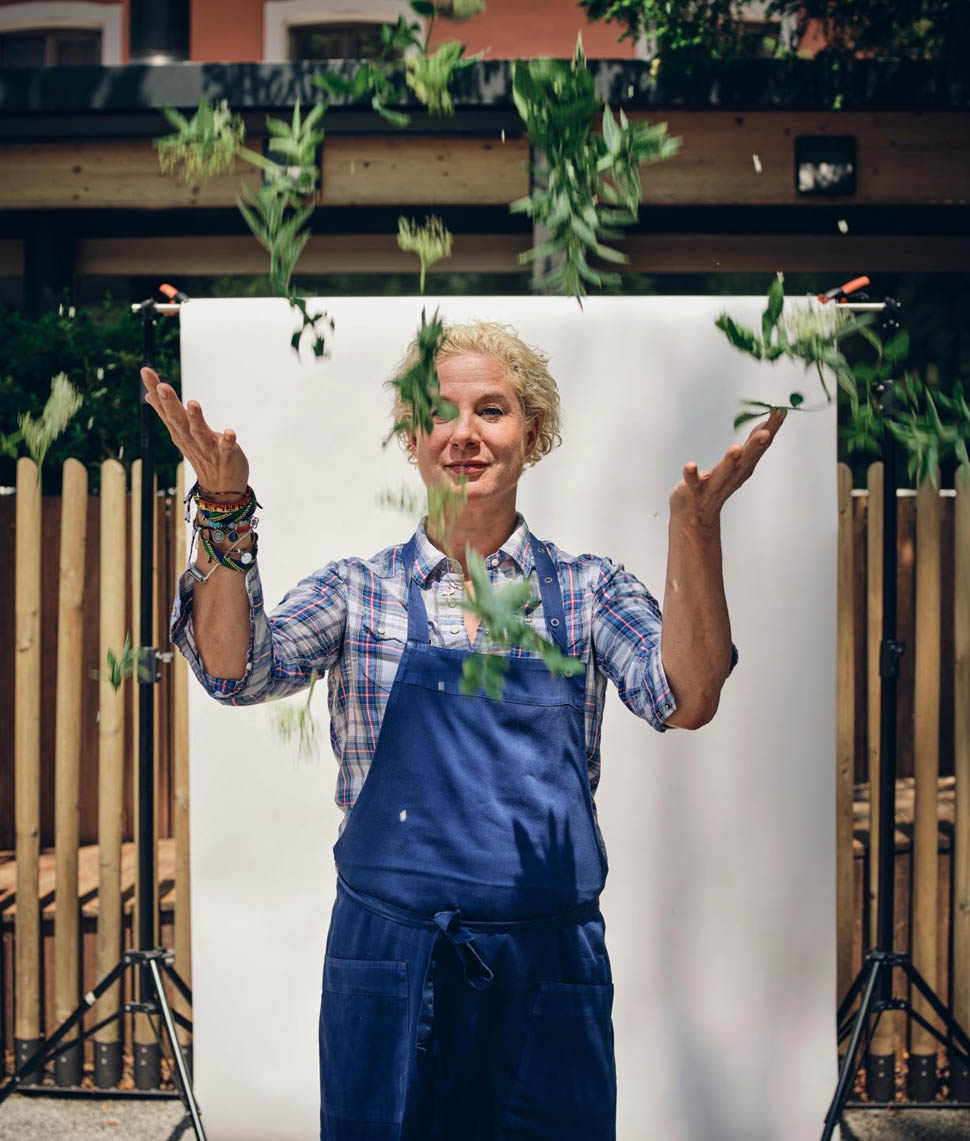
Ana, when did you make this decision?
“It’s something I’d been thinking about for a few years, going back to the Las Vegas edition in June 2024 (ed.). I had discussed it with my team, but they were happy to attend. These awards mean a great deal to younger chefs, as we know.”
And then?
“Then I realised that the logic behind The World’s 50 Best had changed over time. Or perhaps it wasn’t their logic that had changed, but ours — that of chefs and their PR teams. Sometimes it feels more like a list of skilled PR professionals who know how to build networks than a ranking of restaurants.
Nine or ten years ago, when we first entered the list, there was a sense of community, a feeling that if you did something good, you would be recognised. Then we started moving up and down the rankings for no apparent reason, and we even reached 21st place in 2021. So I asked myself: were we really better than we had been in previous years? Back then, I couldn’t understand what was driving these fluctuations.”
And did you figure it out?
“Over time, yes. It depended on whether restaurants were willing and able to identify the voters and then invite them, bringing as many of them as possible to the restaurant. That’s easier if you’re in London, Paris or Milan, destinations that people who love food tend to visit anyway. But it has put restaurants like Hiša Franko at a disadvantage: we’re far from everything, in areas where there are no luxury hotels. So the effort required to persuade someone to come is twice or three times as great.”
So resources are also a factor…
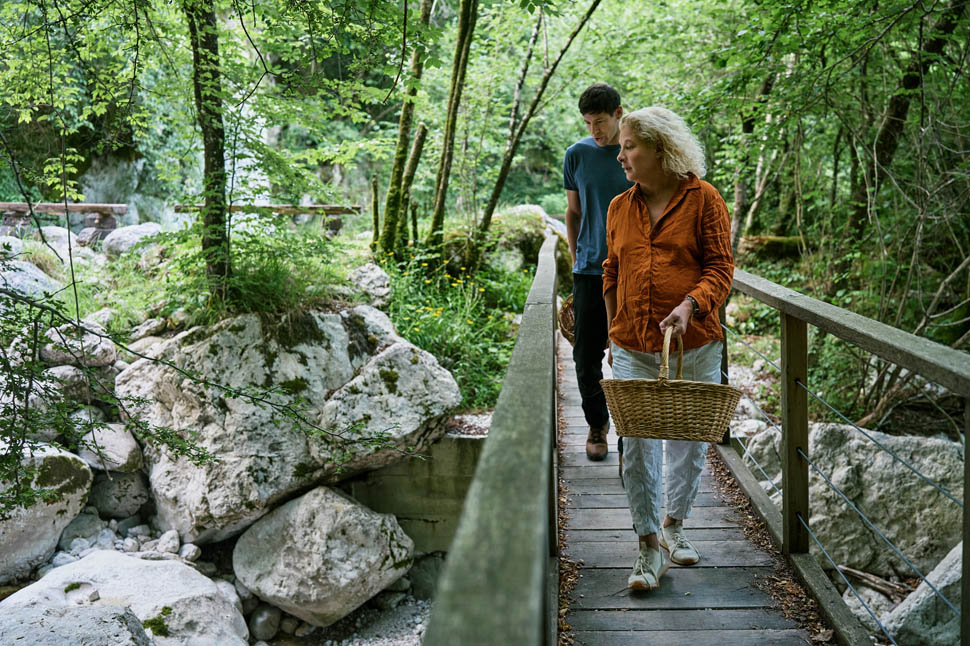
“Of course. You can’t simply offer journalists a three- or four-star hotel and a pair of comfortable shoes for foraging.”

So you no longer invite journalists?
“Of course I do. That’s part of the broader communications work in the restaurant industry. But we always check the credibility of the people who come and their ability to understand and convey the philosophy behind our work. Sometimes I say: welcome to anyone who knows how to experience and absorb something authentic, and then tell its story, without parties, concerts or luxury hotels.”
Earlier, you mentioned that the spirit of The World’s 50 Best has been lost over time…
“The success of The World’s 50 Best has always been measured by the strength of its community. We were all friends; we helped one another. Then, at a certain point, people figured out how the system worked: you have to fight your way to the top. It’s like politics, a matter of lobbying. Then there are those who accept the rules of the game, and those who have grown tired of the constant PR work required simply to stay in the rankings.”
And are you chefs in the community no longer friends?
“Of course we are. Sometimes, jokingly, we call each other sisters and brothers. I want the community to survive. When we meet, we hug, pat each other on the back and congratulate one another, but behind the scenes, in the corridors, we all know exactly how things work. Some people work incredibly hard to make it into The World’s 50 Best. But it comes at a cost, and nothing is guaranteed.”
So, those who invite the voters climb the rankings, while those who don’t fall?
“As I said, nothing is guaranteed. It’s a vicious circle. More and more invitations, greater and greater investments, but also less and less credibility for the community as a whole and for the ranking itself. After all, there’s one thing everyone knows.”
What is it?
“There are restaurants where a meal costs between €500 and €1,500. Voters would have to visit a great many of them in a single year. How could they afford to do that if they had to remain anonymous and pay for every meal themselves?”
What do your fellow chefs say?
“There’s been a lot of discussion about this behind the scenes among us, particularly since Las Vegas.”
How have people reacted to your post?
“I’ve received a lot of messages of support, some directly from people such as Bruno Verjus and Leo Espinosa, while others have been passed on to me. As for the comments, I don’t waste my time reading them.”
Why did it have to be you to speak out and say what everyone else was thinking?
“Because if I think something, I say it. That’s how I was brought up.”
Would you advise a talented young chef to invest in getting into The World’s 50 Best?
“A while ago, a young Italian chef approached me and asked me exactly that: whether it made sense to venture into those waters.”
And what did you tell him?
“I told him there are unwritten rules you have to accept. And that if this is his dream, he deserves to see the reality for himself. After all, The World’s 50 Best was originally a place for dreamers.”
Dreamers?
“Yes, there was room for brilliant concepts like Le Chateaubriand in Paris. There was room for everyone. There was room for diversity; the list was very inclusive. Today, being good — even exceptionally good — is no longer enough.”
Have you spoken to the people behind The World’s 50 Best?
“They contacted me and asked me to help them understand the problem. But if they can’t see it themselves, how can they solve it?”
But you owe a great deal to The World’s 50 Best…
“I owe them a great deal. But if I didn’t care about The World’s 50 Best, I wouldn’t have written what I wrote.”
So you’re hoping for change?
“All I want to say is that I hope they’ll find a way to restore the credibility of the list. It’s like in a crime thriller: if you pull off the perfect murder, you have to change the rules of the game. Otherwise, you become predictable, and eventually you get caught!”
Will you miss those celebratory moments with your fellow chefs?
“Of course I’ll miss them. We spent ten years attending the ceremonies together, congratulating one another, even complimenting each other on our gala outfits. I already miss those moments. But it’s like giving up smoking or drinking: you have to persevere and listen to yourself. This is how I feel right now, and I’m proud of myself for being able to say no sometimes. I’m not alone in feeling this way. This year, a few of my fellow chefs will be absent from the awards.”
Well, Lima is a long way away, after all…
“Look, Singapore is far away too, but when The World’s 50 Best was held there, we were all there.”
And now, aren’t you afraid of losing visibility?
“I’ll keep working as hard as I always have, travelling to cook and talk about my work, just as I did before. Nothing will change in that respect. Talking about your work and presenting it to the world is the true language of communication in our industry. Anyone who wants to see, taste and understand the process behind our work and our success is welcome.
And besides… I never close doors completely. They’ll always remain slightly ajar, especially because over the past ten years, The World’s 50 Best has been one of the platforms that helped showcase the tremendous work behind Hiša Franko’s achievements. In fact, I’m sure they’ll find a solution. Fingers crossed!”
Is it time to put business interests aside?
“Yes, but everything can be repaired. What matters is that chefs regain their trust in a ranking where you shouldn’t have to elbow your way past others, painfully, just to excel.”