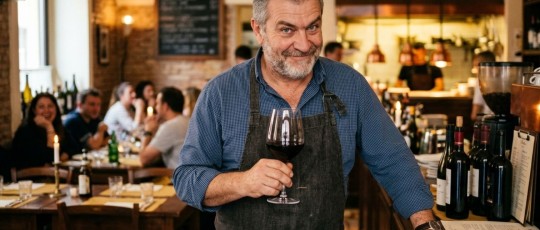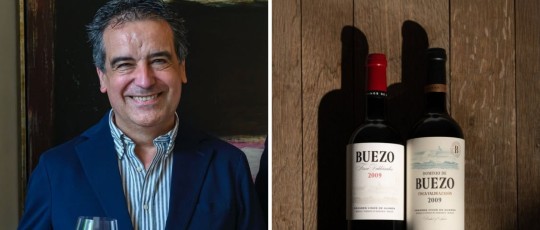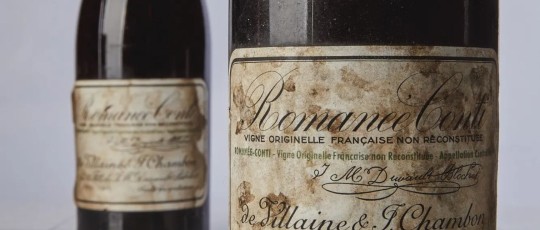
Once upon a time, recognizing a sommelier was easy: jacket, waistcoat, impeccable posture, confident gaze. An almost ritualistic figure, arriving at the table with a professional corkscrew and a technical vocabulary with a French flavor. Today, however, things have changed. The new wine expert may have flashy tattoos, sneakers on their feet, and a direct, no-frills way of speaking. Often, their expertise is not written on a diploma, but honed through years of service, tastings, and harvests. “I learned more working in the vineyard and in the cellar, often in a language that is not my own, about how to taste, how to care for grapes, how to produce a quality wine, than from any textbook,” writes Eliza Dumais.
Does the title still matter?
Formally, “sommelier” is a professional title, not an academic degree, notes Decanter's Eliza Dumais in this interesting article. But for decades, it was believed that access to the role inevitably required certifications such as those from the WSET or the Court of Master Sommeliers. Today, however, the rules are no longer so strict. There are professionals who can recognize a wine blind with the same skill as a “Master Somm”—without ever having set foot in a classroom. And it's not just a question of ability: for many, the title no longer defines the quality of service.

A profession in transition
Dumais' reflection then extends to the evolution of the profession: fewer and fewer restaurants, especially outside haute cuisine, maintain an “official” sommelier. In contemporary restaurants, we find hybrid figures: waiters with an overwhelming passion for wine, managers who curate the wine list independently, bartenders who select bottles with the same criteria as an expert buyer. For some, the term “sommelier” has become too elitist to describe this new generation of professionals.

Access and privilege
Official training remains valuable: structured, detailed, and capable of providing comprehensive technical knowledge. However, not everyone has the financial resources or opportunities to pursue it. Courses and certifications are expensive and require free time that is not always available to those working in hospitality. This raises a legitimate question, well summarized by Basile Al Mileik (Manhattan wine expert) in Decanter: “Did the would-be sommelier earn the title through passion or because they had access and privilege? Will all this specific knowledge really help them communicate with guests about what they want to drink? I'm not sure the general public really cares about qualifications anymore. They just use the term sommelier to refer to someone who provides good wine service.”
The school of life
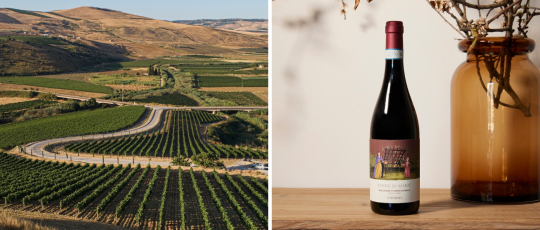
Many wine professionals are trained outside the classroom: talking to producers at trade fairs, participating in tastings, harvesting grapes in Italy or abroad. These experiences teach them how to taste, recognize flaws, understand the territory, and read a vintage. These are not notions “packaged” in a manual, but living skills, the result of direct contact with the subject matter. For those who work in restaurants, the best course is often the reaction of customers to a successful pairing.

Two schools, same goal
This does not mean that courses and diplomas are useless. There are enthusiasts who attend them out of pure curiosity, without any professional ambition, and who find enormous value in the order and clarity of the training program. Others, on the other hand, achieve the same level of expertise through experience in the field. The point is that both paths can produce excellent professionals. The difference lies in the ability to listen and understand what the person in front of you wants to drink.

Beyond labels
At a time when wine is opening up to a wider audience, perhaps it is time to lighten the burden of definitions. Whether you are a “sommelier,” “wine steward,” or simply a “wine guy,” what matters is the ability to transform a glass into a memorable experience. The rest—diplomas, pins, hierarchies—is secondary. After all, if you like what you drink, the mission is accomplished.