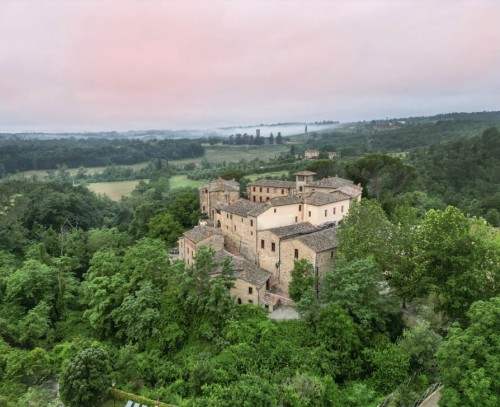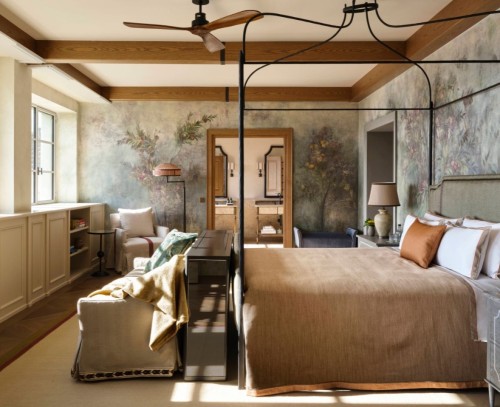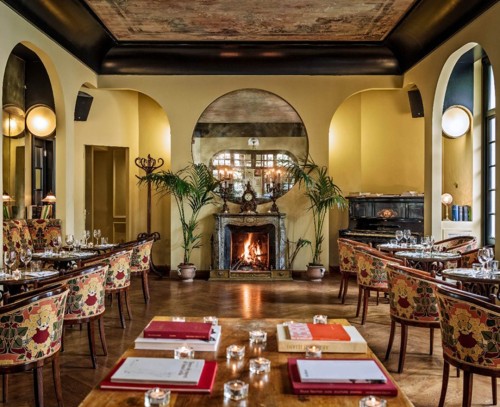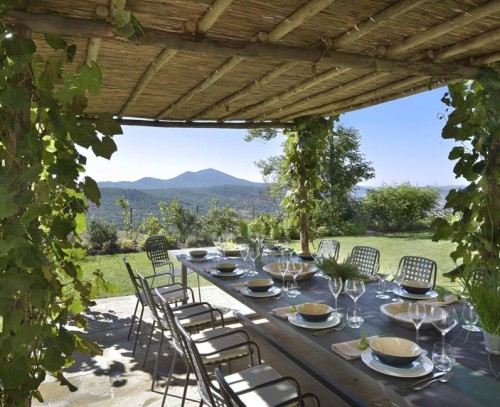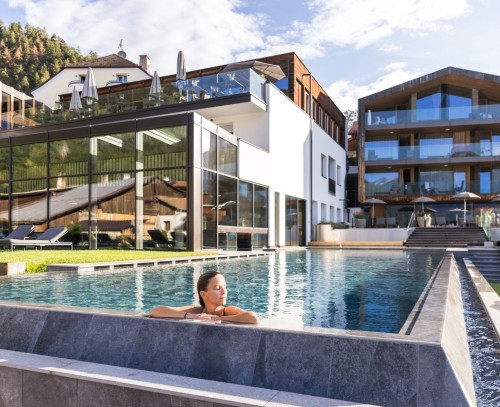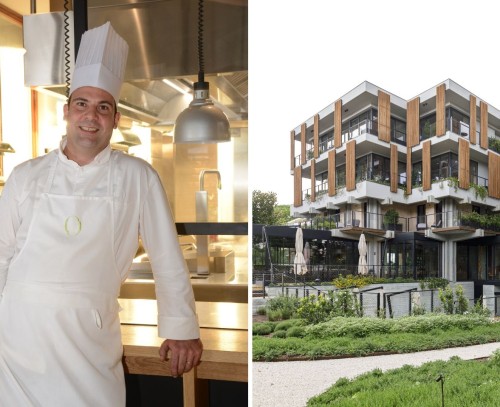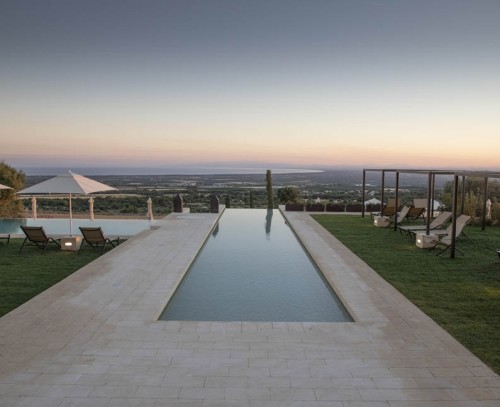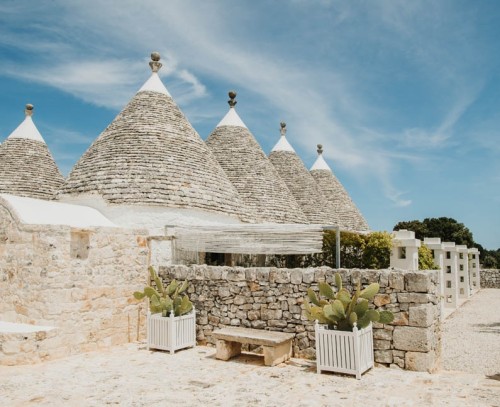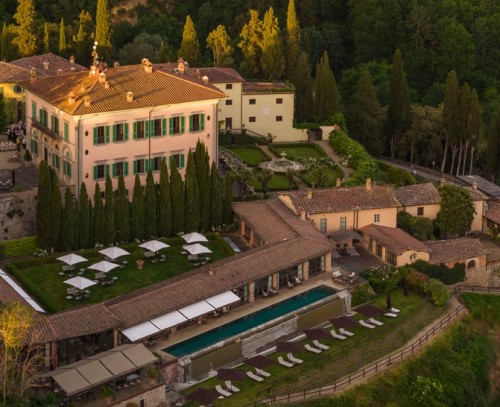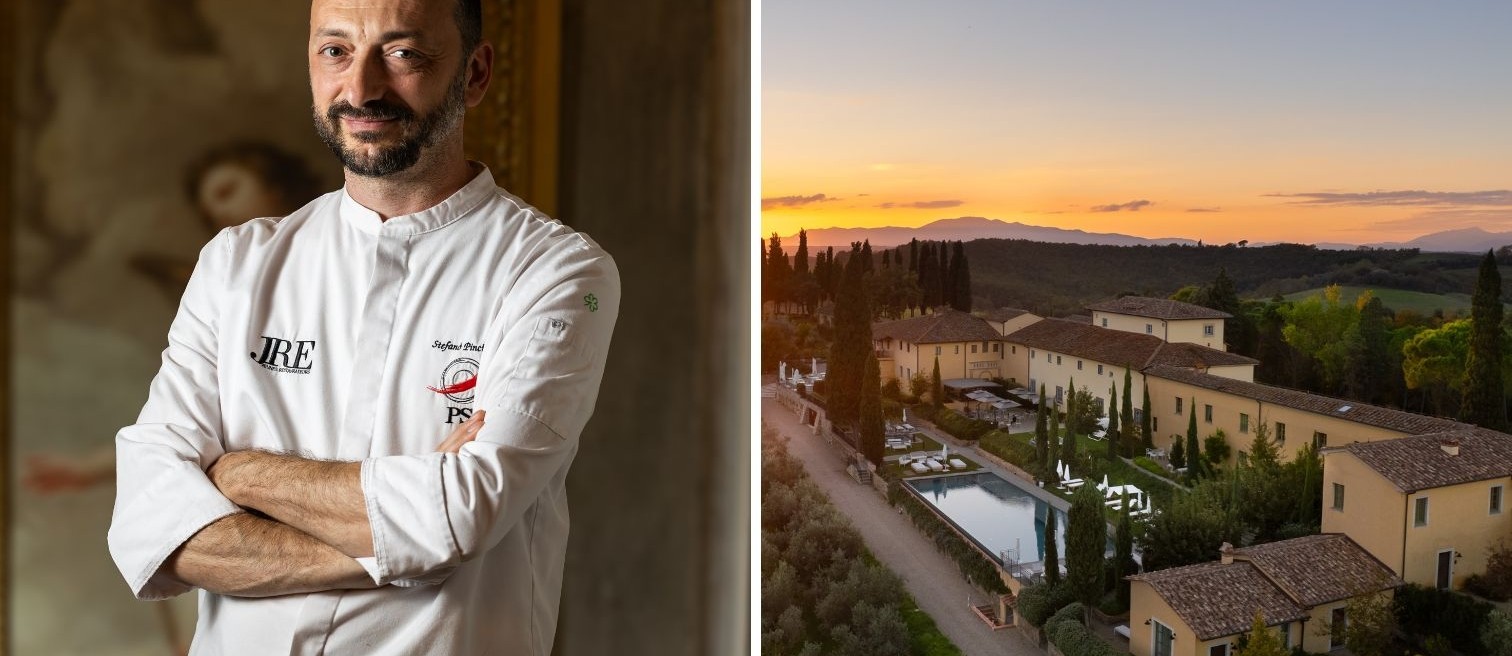
An old Tuscan farmhouse has been transformed into a hotel set on 166 hectares of land, where Stefano Pinciaroli’s cuisine showcases the estate’s homegrown produce and ingredients.
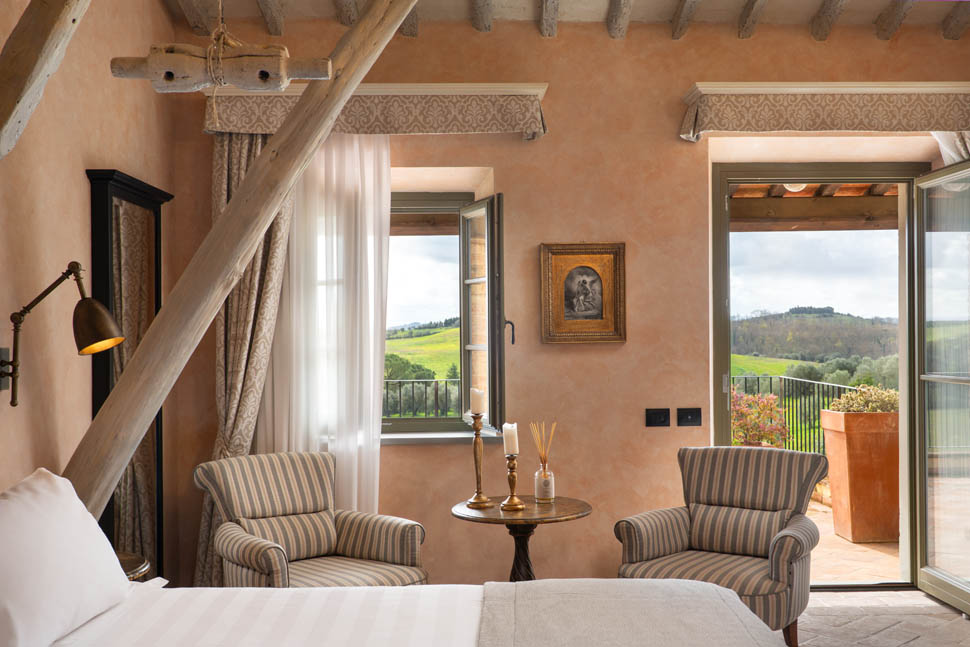
What does luxury mean today? It’s a highly topical question, often the subject of articles, conferences, and roundtable discussions among hospitality experts. Each hotel interprets this concept according to its own philosophy: some remain faithful to classic standards, while others strive to create a model of hospitality more in line with the historical period and the needs that this century presents us with. Among them, Villa Petriolo has succeeded, in just five years since its opening, in creating a hospitality venue that is fully integrated into its local region, Tuscany. And it offers “quiet luxury”—a trendy term, but one that fits perfectly in this case—that respects nature, the lifestyle, and the history of the countryside surrounding Cerreto Guidi.
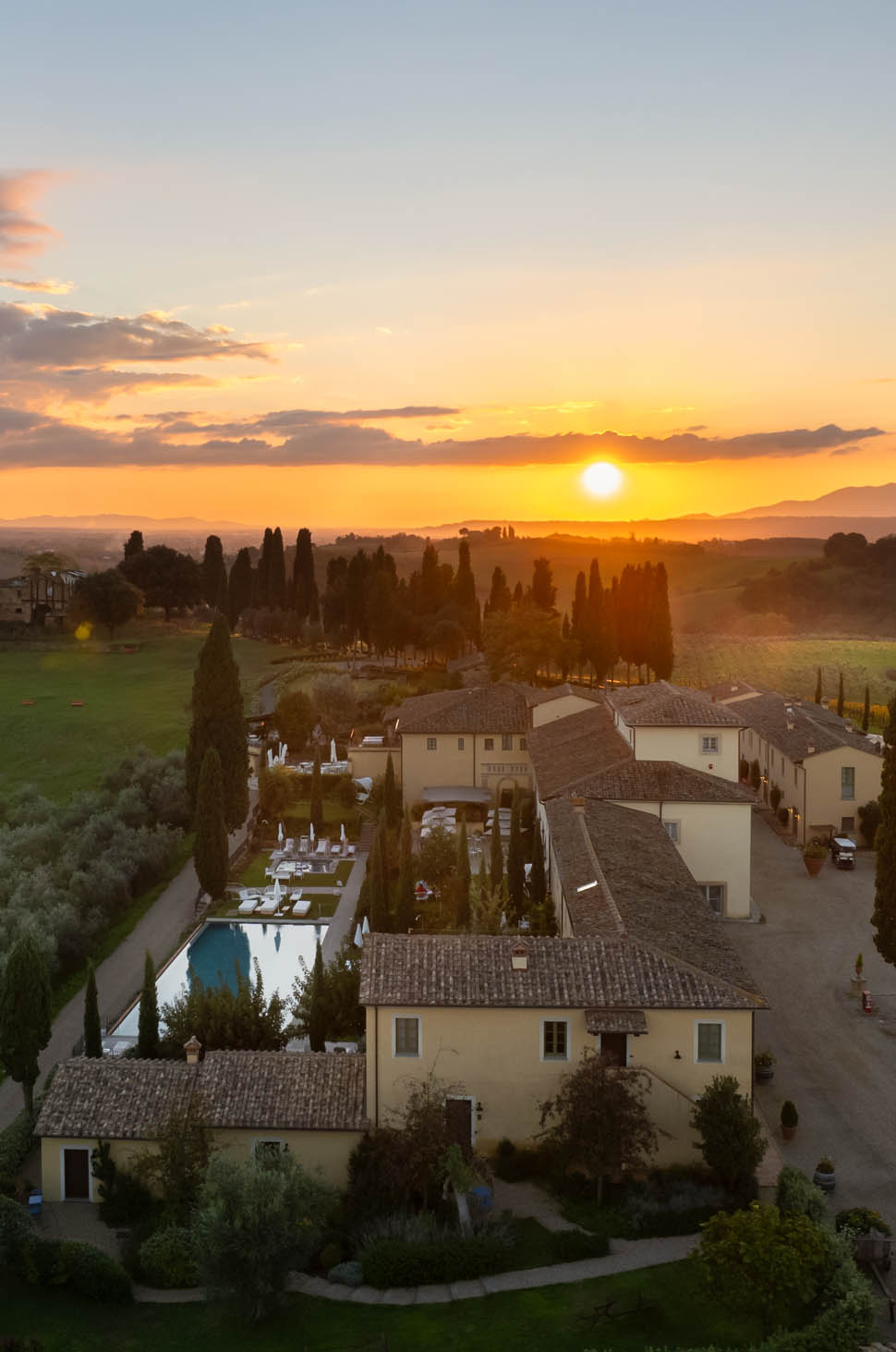
An unbreakable bond with the local area that translates into tangible sustainability: solar panels, rainwater recycling, food waste reduction, and zero use of plastic. A commitment backed by prestigious accolades such as GSTC (Global Sustainable Tourism Council) certification, which recognized Villa Petriolo as the world’s first certified sustainable agritourism property. Or by Save The Planet, which named it the world’s most sustainable destination in 2021. These values also extend to the production chain, which includes olive groves, vineyards, vegetable gardens, wheat fields, beehives, and livestock—all organically managed—spanning approximately 166 hectares of the property.
The History of Villa Petriolo
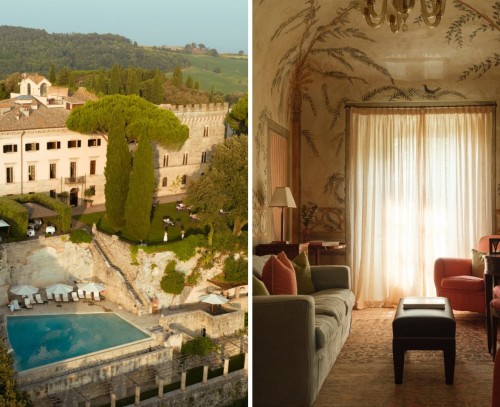
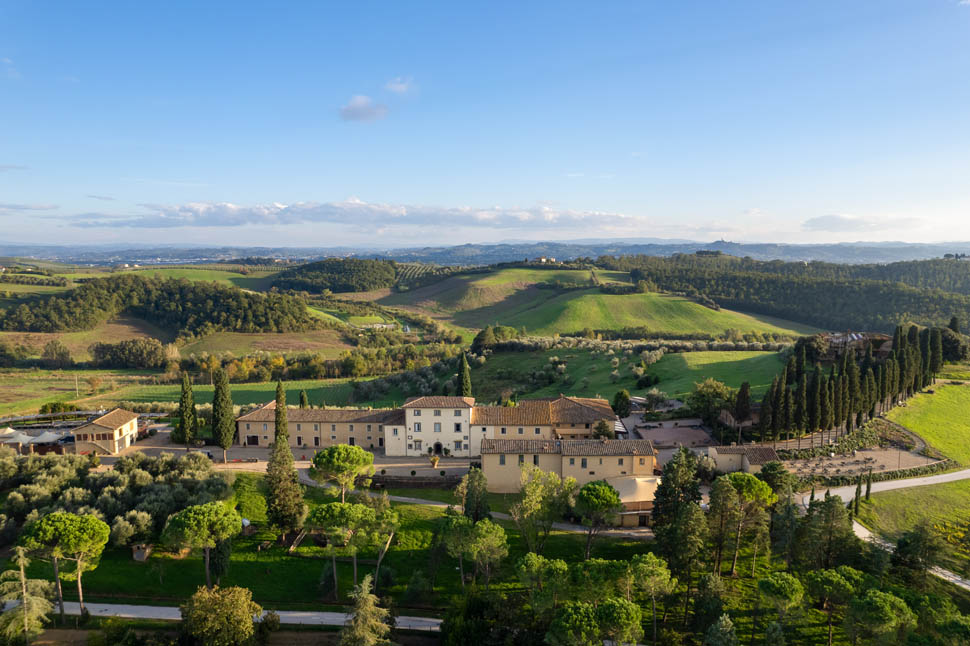
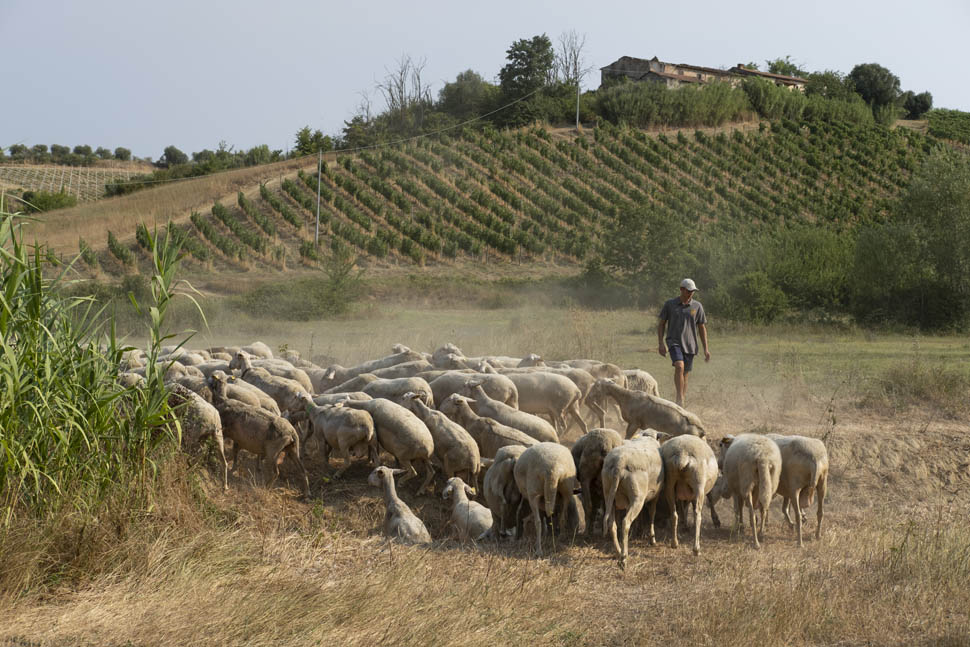
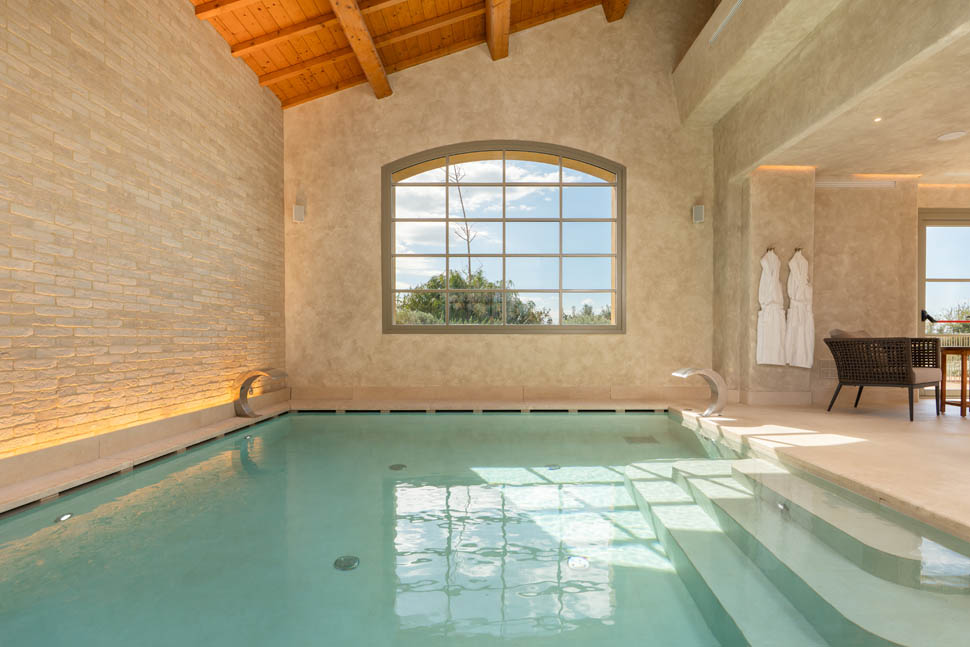
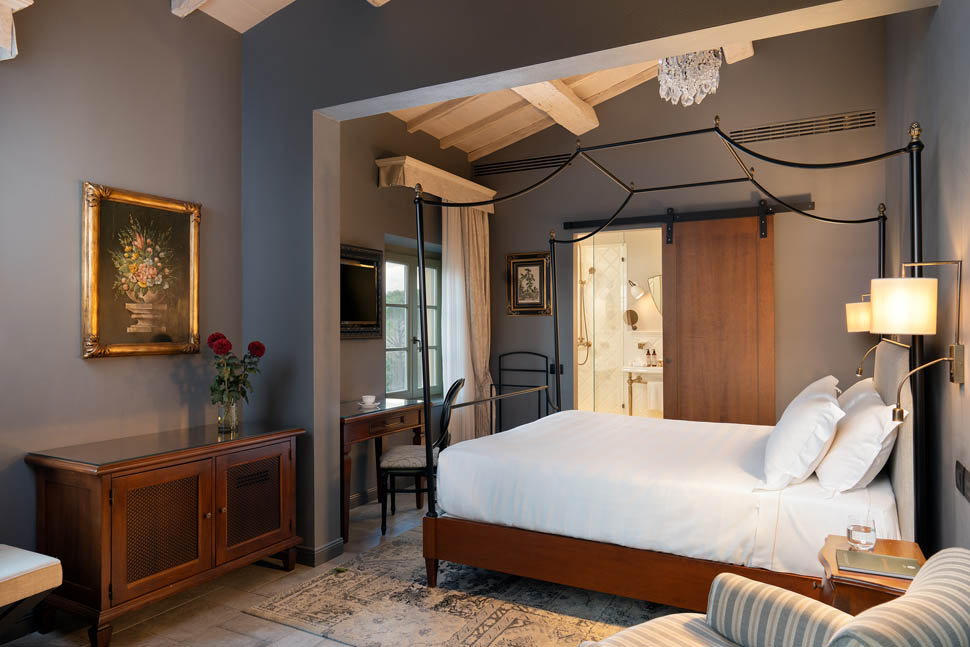
Another fascinating aspect of the hotel (part of the Small Luxury Hotels of the World network) is that it preserves the soul of this historic building, a noble villa belonging to the Alessandri family (who were also friends of the de’ Medici family) built during the Renaissance. At the time, it was a fully functioning farm that produced its own olive oil, bread, and wine—a place where nobles came to spend their vacations or to rest and recuperate after a hunting expedition. Credit for bringing these 16th-century memories back to life goes to the Cuadra family, a wealthy Mexican family active in the fashion industry, who believed in this project with the support of Daniele Nannetti, the resort’s current CEO. These efforts and foresight earned the resort a Michelin Key in 2025, for a property featuring 42 rooms, two apartments, a 1,800-square-meter holistic spa, five heated pools, two restaurants, and a bar.
The Gourmet Side of Villa Petriolo
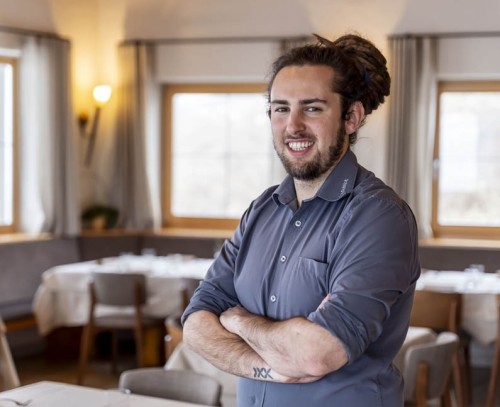
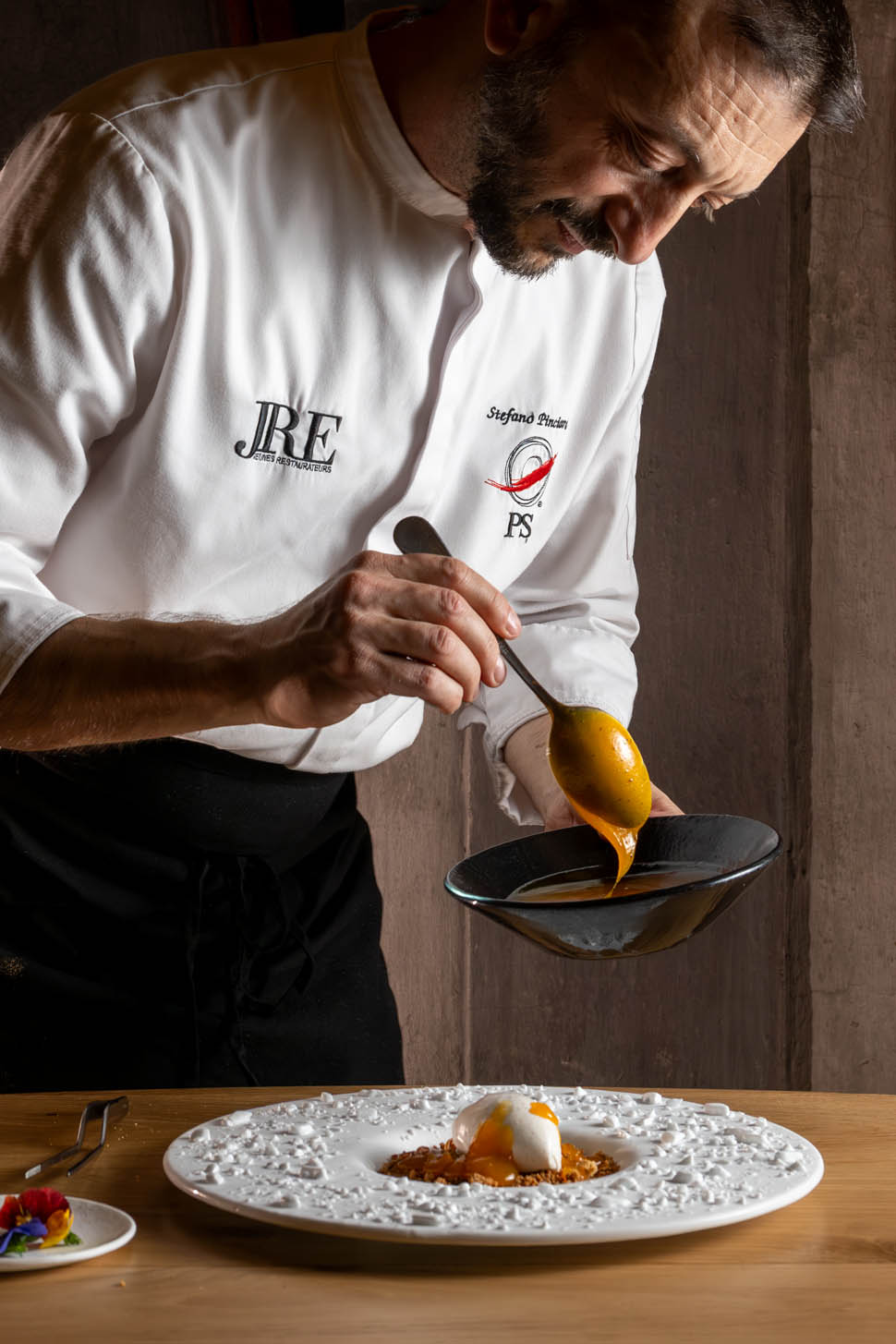
The staff at Villa Petriolo is composed almost entirely of Tuscan natives. Among them is executive chef Stefano Pinciaroli, who was born and raised in Cerreto Guidi. After training in the kitchens of the St. Regis in Florence, the chef drew on his experiences (including those abroad) at the five-star hotel to strike out on his own and open PS Ristorante in 2010, in the center of Cerreto Guidi. “We served traditional cuisine with a contemporary twist, and I was already coming here under the Villa’s previous management to cater events,” he explains. Then, in 2020, the irresistible offer from the current owners arrived, and PS Ristorante became the hotel’s flagship dining destination, even catching the attention of the Michelin Guide.
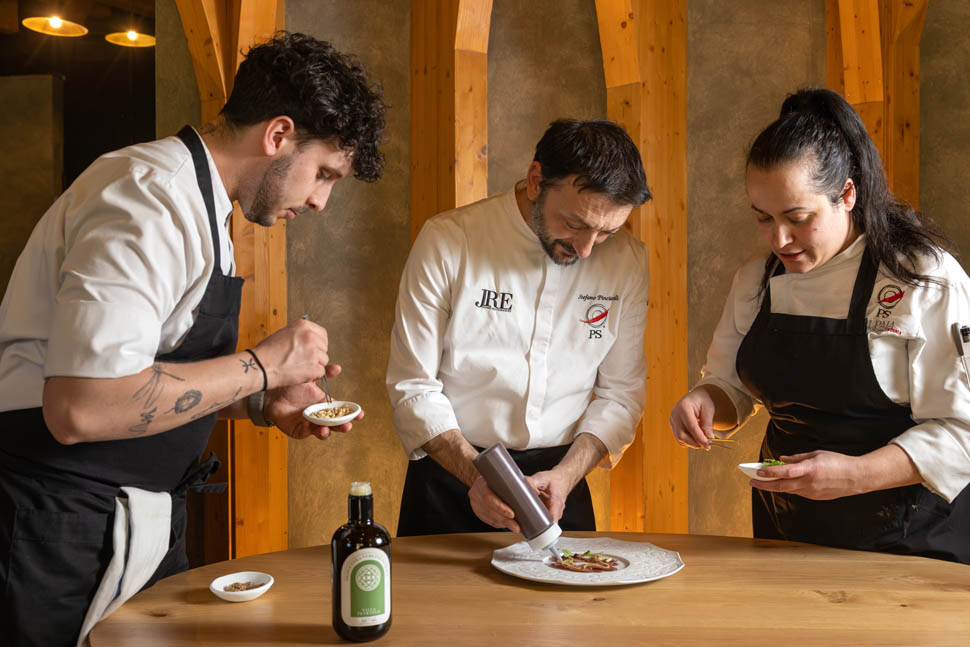
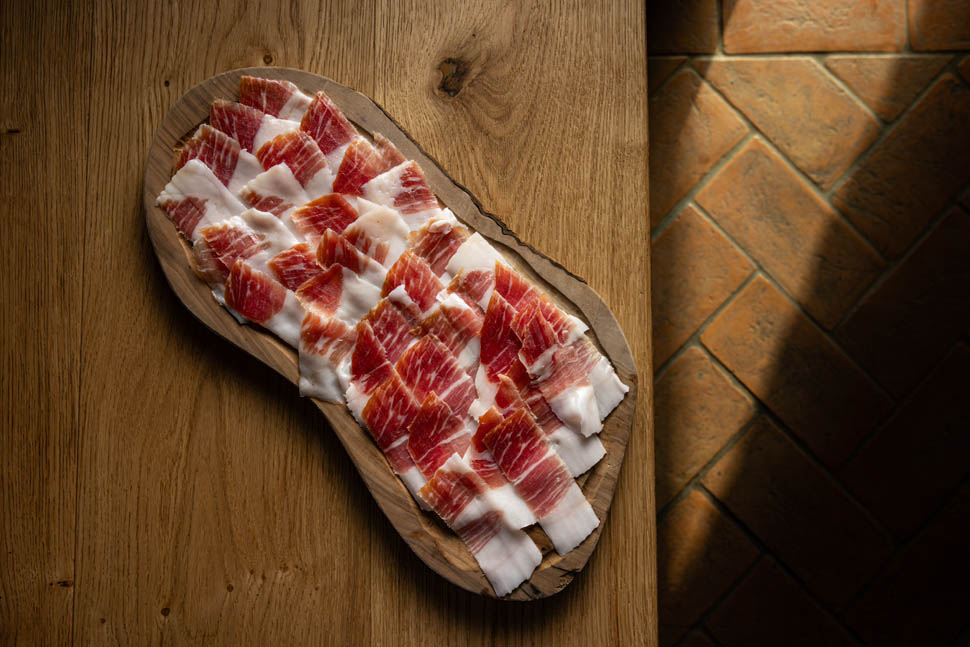
“I brought most of my team with me, including my partner and maître d’ Lorenzo Caponi.” And in fact, two of his longtime staff members, Giada Ferri and Gianmarco Cipro, are at the helm of the Osteria di Golpaja, which pays homage to the essence of Tuscan cuisine. Here, the real stars are the homemade cured meats produced from the estate’s own pigs—the Cinta Senese and Grigio Cerretano breeds. One of the signature dishes? The fresh pasta made with ancient grains (grown on-site) served with a Grigio Cerretano ragù, prunes, pistachios, and sun-dried tomatoes. A thrilling flavor, as is the chicken liver terrine flavored with Villa Petriolo Vin Santo and served with onion jam.
Stefano Pinciaroli’s Culinary Philosophy
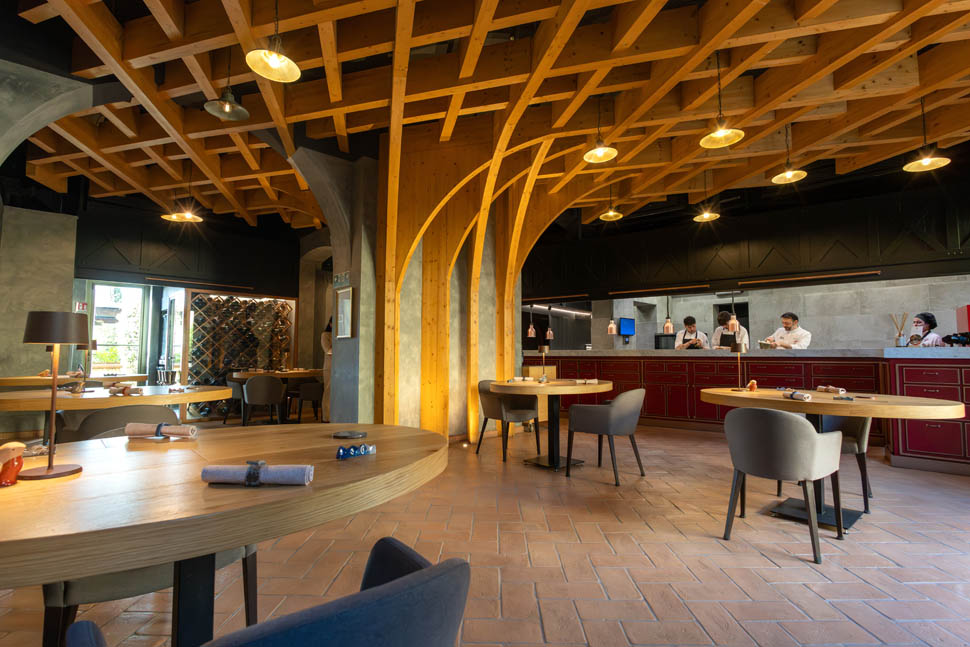
While Osteria di Golpaja is all about Tuscan flavors, PS reveals Stefano Pinciaroli’s deeper culinary philosophy. Eight tables, an open kitchen, and two five-course tasting menus (both €170) encapsulate the restaurant’s heritage and agricultural focus. “Cook the Villa Petriolo” is the chef’s philosophy; over the past year, he has reached a new understanding of his cuisine. “With all the raw ingredients at our disposal—and the resulting production efforts—I’ve removed fish from the menu and focused solely on our own products, which ensure we’re nearly 100% self-sufficient. The remaining ingredients come from small local farms, which are featured once a year at the ‘Artigiani Coraggiosi’ event that we host here at the Villa to introduce them to our guests.” Even the game, a main feature of the farm-themed tasting menu, is hunted on the estate’s own land, while the other menu—entirely plant-based—focuses on the estate’s vegetable gardens and fields. “This is the approach I consider the most challenging, because you have to bring out the best in a single ingredient, such as zucchini,” the chef reveals.
The Dishes
Stefano Pinciaroli knows his region like the back of his hand; he has been immersed in it for over forty years and is familiar with every nuance. His early career in pastry-making honed his technical skills and still inspires him to take risks today. “When I started this job, nouvelle cuisine and similar movements were unknown in the area. Pastry was my only creative outlet”. Hence the name PS, which, in addition to referring to the chef’s initials, reveals his first love. “Back then, in pastry competitions, when the culinary creation was presented, the ‘PS’ tag indicated the artistic sculpture”. This technical expertise is also evident in the presentation of his dishes, which are harmonious and iridescent. A prime example is the Cinghiale in Dolceforte, which features the animal’s loin prepared like a carpaccio, soaked in a reduced, glossy sauce, and served cold.
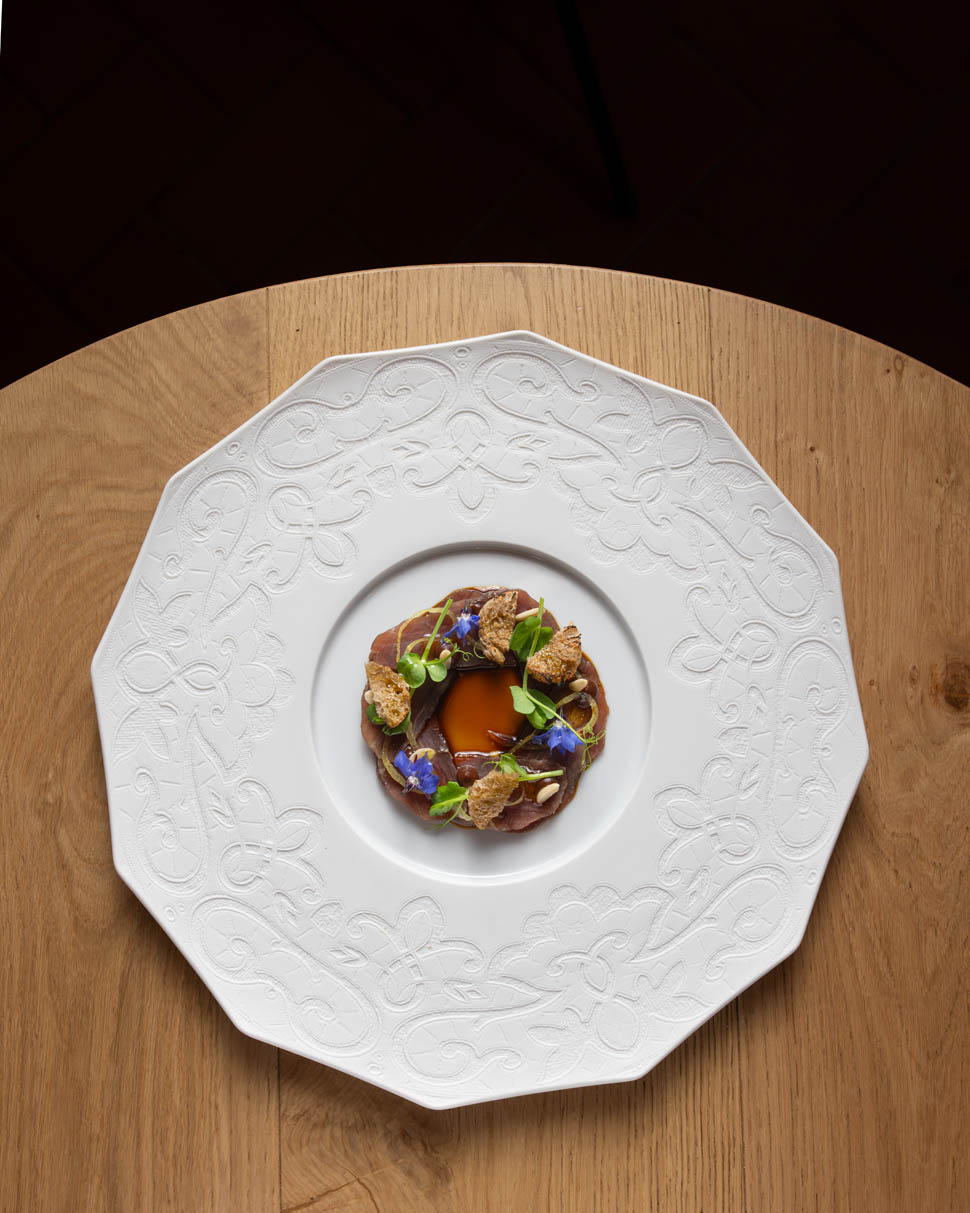
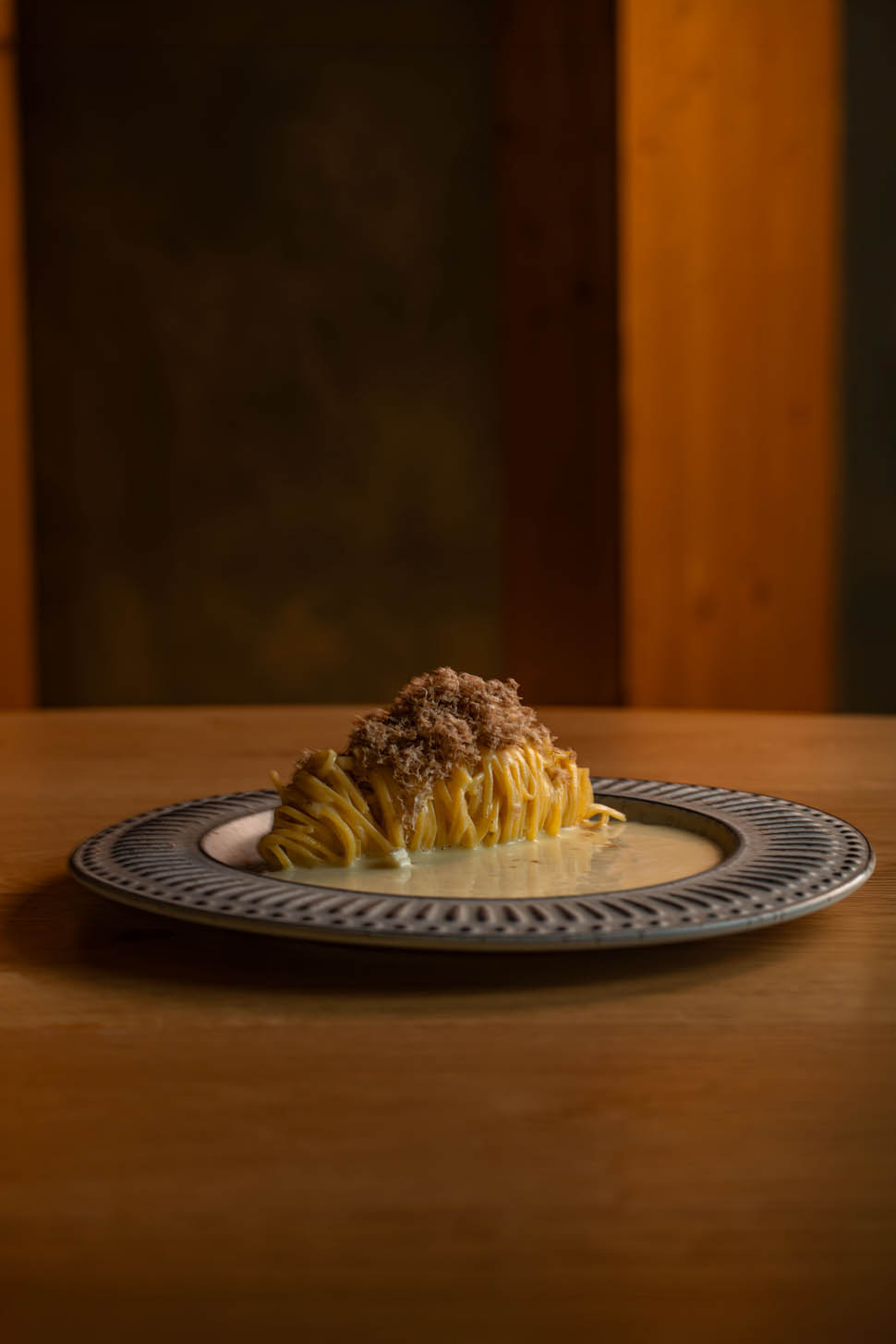
The “dolceforte” sauce, typically sweet and sour—which originated between Florence and Siena during the Renaissance, speaking of historical continuity—complements the meat without detracting from its intensity. L’Anatra Medicea stands out for its extraordinary preparation of the duck breast, marinated and served as tartare (a rarity), accompanied by a crispy croquette stuffed with duck thighs and duck livers with orange marmalade. The dish’s name? In memory of Caterina de’ Medici’s version of duck à l’orange. The Spaghetto del Pastore is unforgettable—a signature dish that highlights PS’s farm-to-table philosophy: homemade pasta cooked in sheep’s milk, the same milk used to produce the cubed “Primo Sale” cheese that completes the dish alongside seasonal black truffles. A delight from start to finish, where the sharp tang of the milk and the aromatic notes of the truffle enchant the palate.
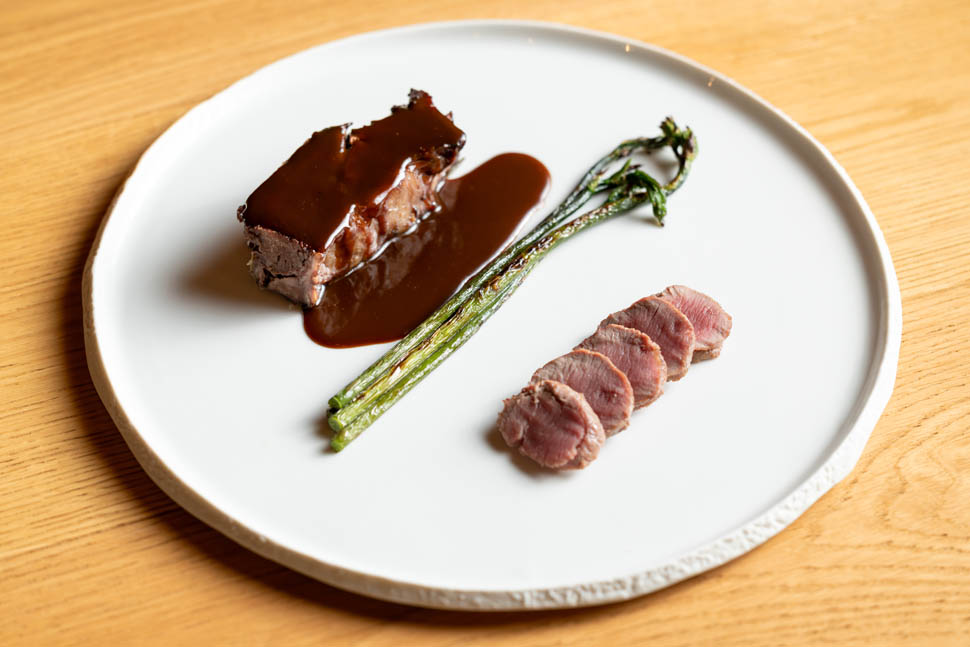
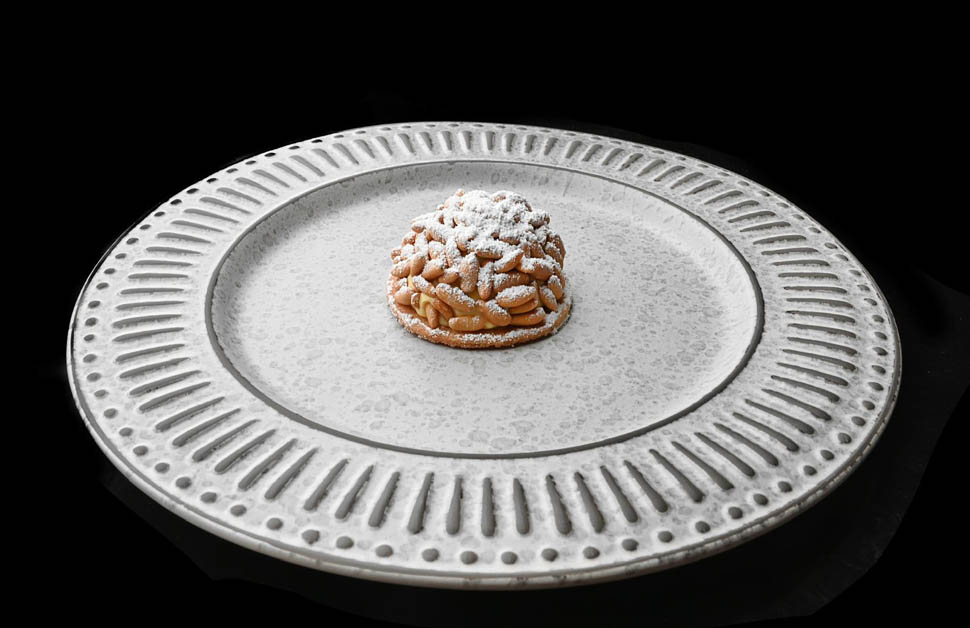
There’s plenty of opulence in the Grilled Lamb with Hay, where the local Pomarancina breed (a cross with the New Zealand breed) allows for a superb rare preparation of the loin, while the leg is tender and juicy thanks to the long sous-vide cooking. The dish is rounded out with grilled leeks and a delicious hay sauce made with sheep’s milk. “We raise the Pomarancino in a semi-wild state; it has an unparalleled flavor”, explains the chef before serving his grandmother’s cake made with spelt flour shortcrust pastry and pork lard, sheep’s milk custard, and San Rossone pine nuts—a Slow Food Presidium. A final course that demonstrates how Pinciaroli would have had a brilliant future as a pastry chef as well.
“When you sit down, you get a taste of Villa Petriolo”, the Tuscan chef had declared. This truth is made possible in part by the dining room staff, who are exceptional at entertaining without being intrusive, sharing stories and details about the ingredients of a cuisine that elevates this part of Tuscany—less than an hour from Florence.
Villa Petriolo
Via di Petriolo 7, 50050 Cerreto Guidi (FI) Tuscany
Tel +39 0571 1771225