In the quietest corner of Tuscany, an organic estate weaves together hospitality, cuisine, and agriculture into a harmonious ecosystem.
Photo credits: Mark Bolton, Stefano Scatà
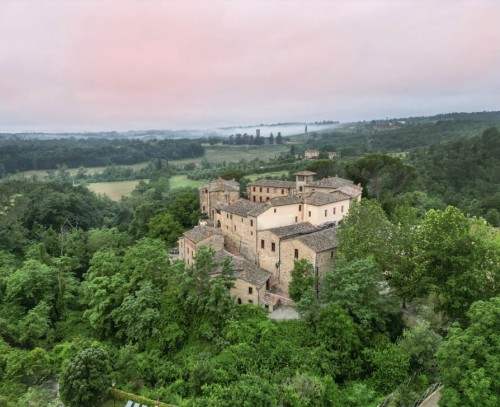
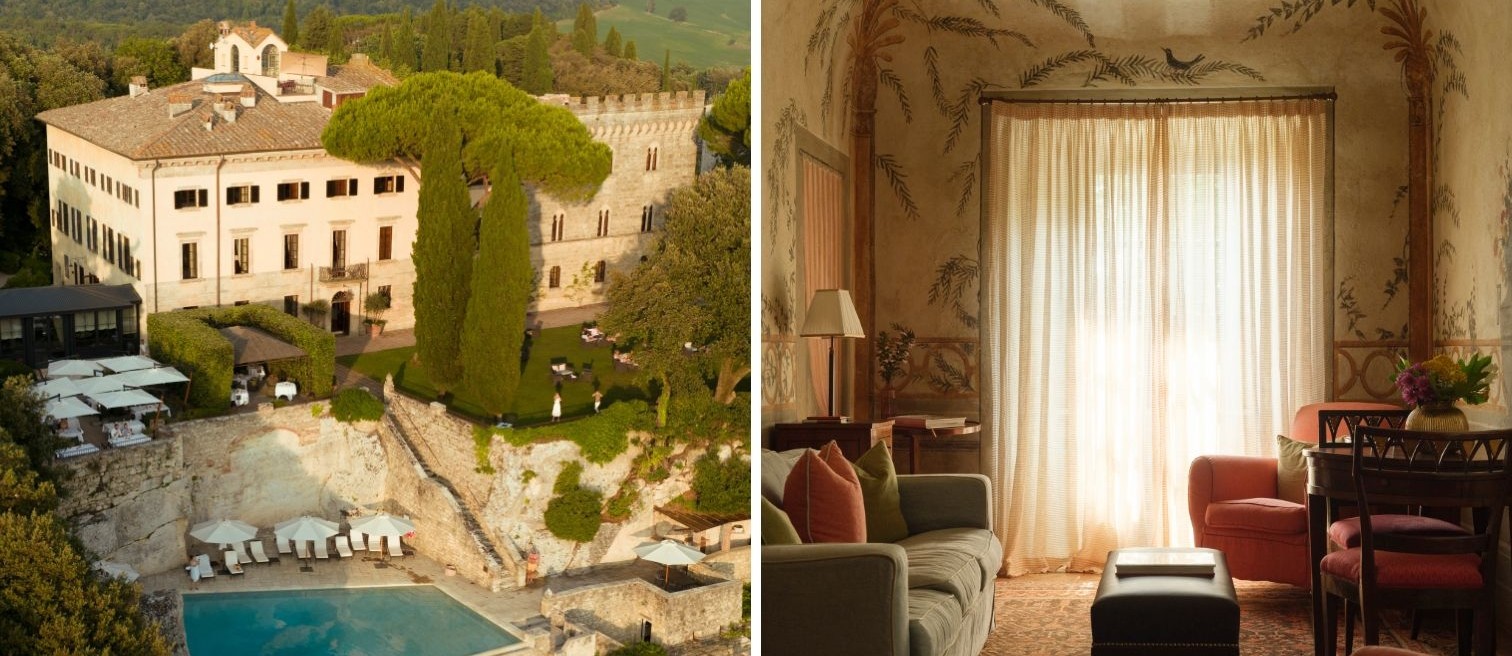
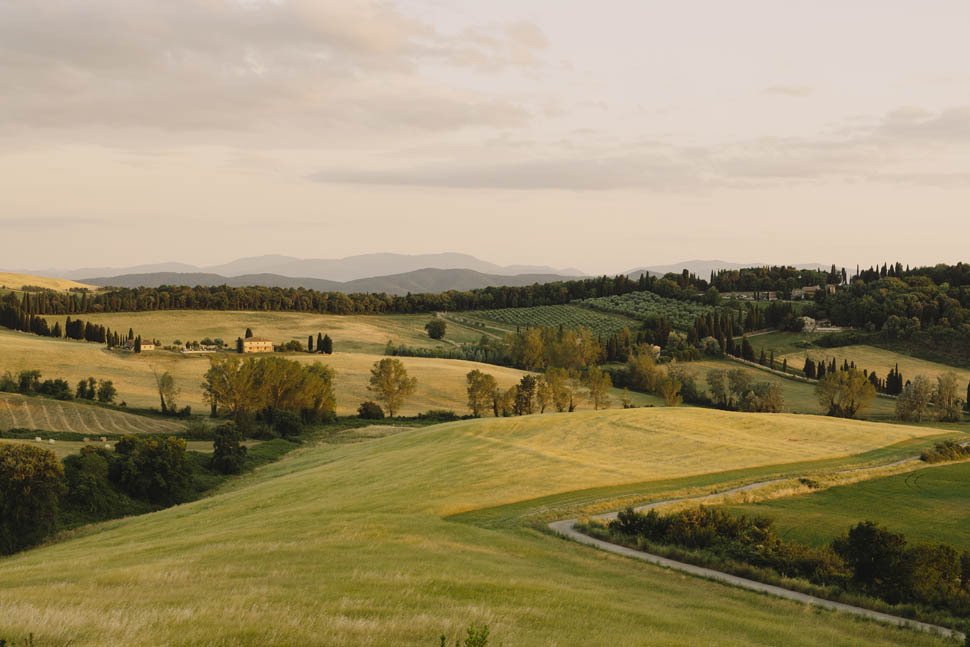
The road leading to Borgo Pignano winds through unspoiled Tuscany, a landscape of rolling hills, neat rows of vines, and lush fields. Then, suddenly, the village appears atop a hill: light-colored stone, cypress trees, vegetable gardens, vineyards, and fields of lavender shape the landscape just a few kilometers from Volterra and San Gimignano. It is here that this organic estate, spanning over three hundred hectares, embodies one of the most refined expressions of the new Italian country living. Borgo Pignano—part of the Relais & Châteaux network—is indeed a charming resort nestled in the countryside, but it is also, and above all, a 750-acre farm where hospitality, cuisine, and sustainability coexist in perfect harmony.
A medieval village brought back to life
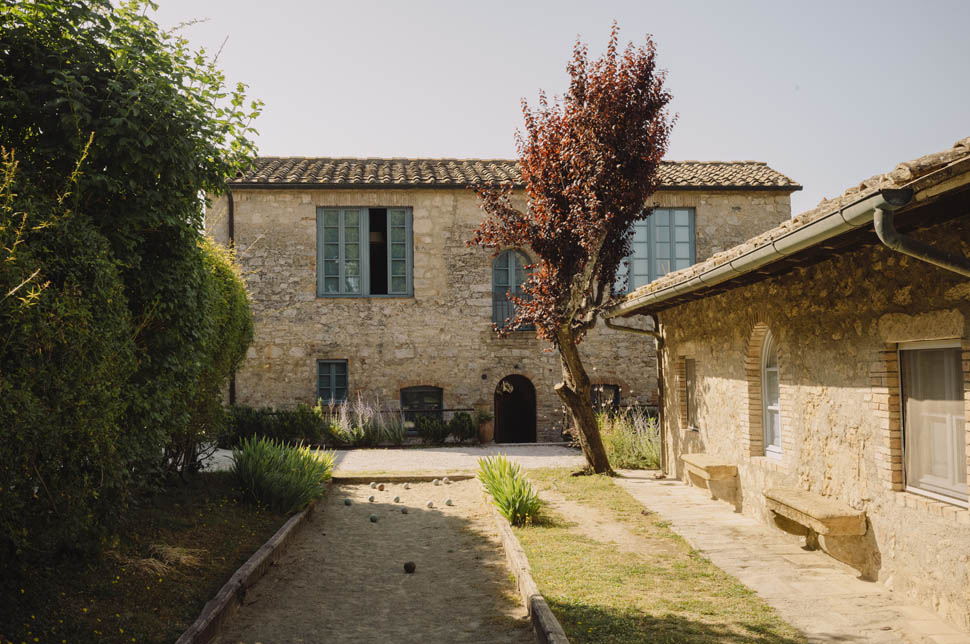
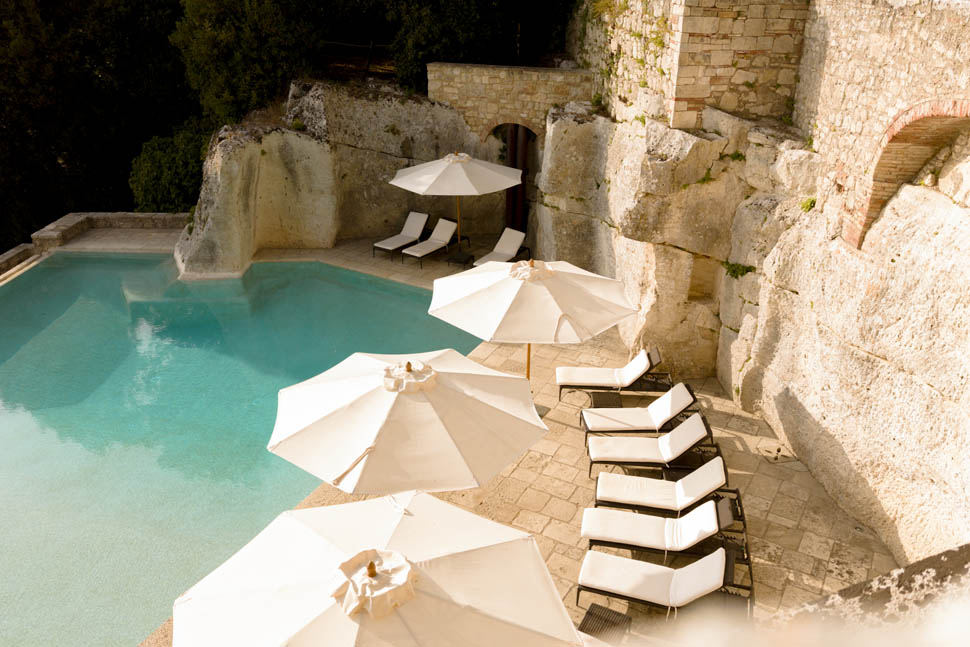
The origins of Borgo Pignano date back to the 12th century, when the complex was a fortified agricultural settlement in the heart of the Val d’Era. In the early 2000s, the property was purchased by Sir Michael Moritz, a Welsh entrepreneur and philanthropist, who undertook a long-term restoration project to restore the village’s spirit and dignity. The result is a thoughtful restoration, where every element retains its original character: ancient beams, terracotta, stone walls, medieval arches, and a timeless charm.
The Organic Microcosm of Pignano
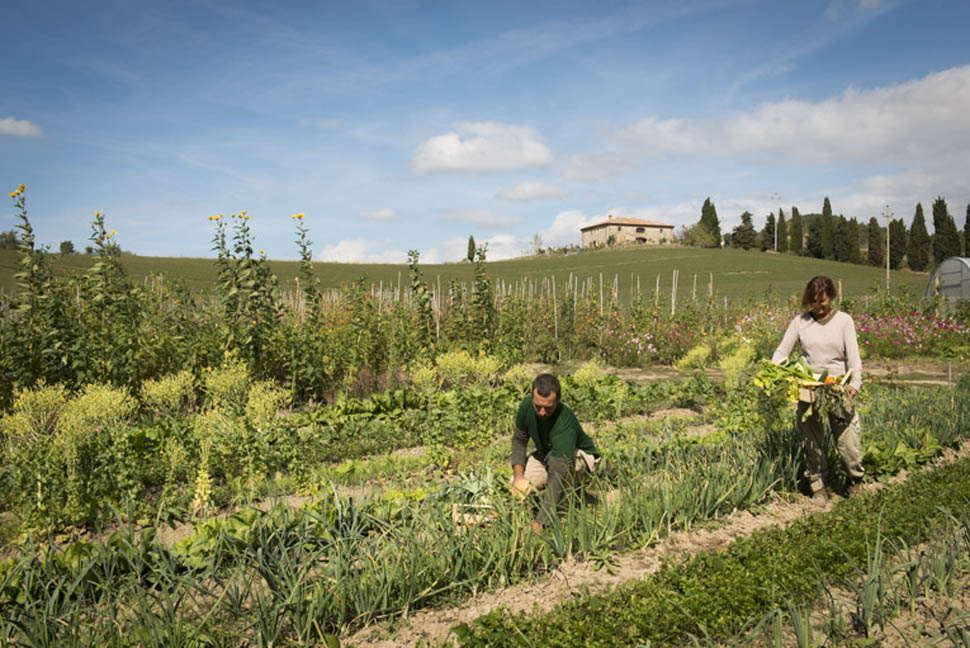
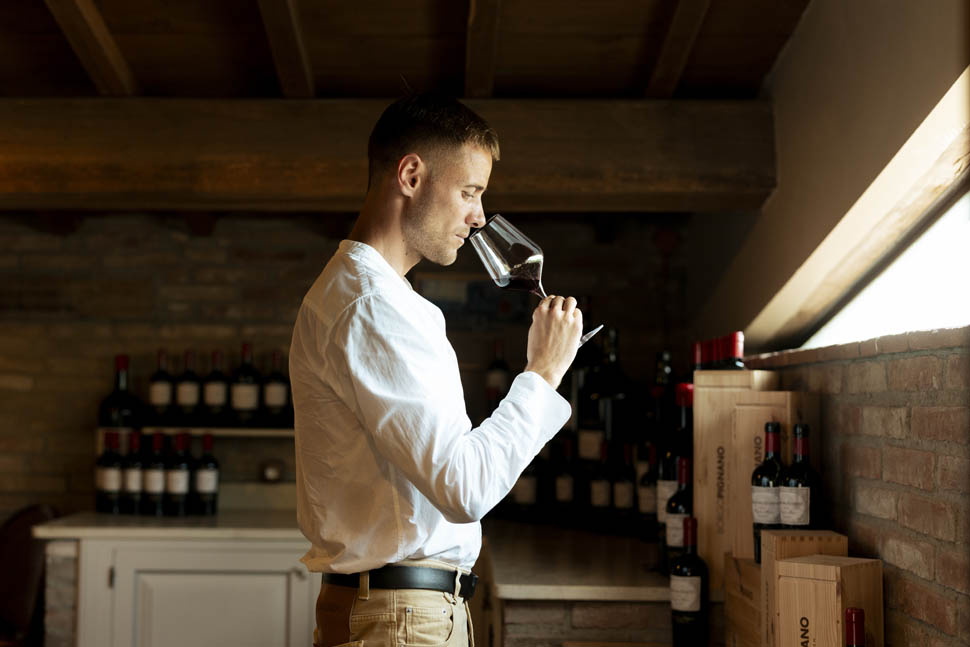
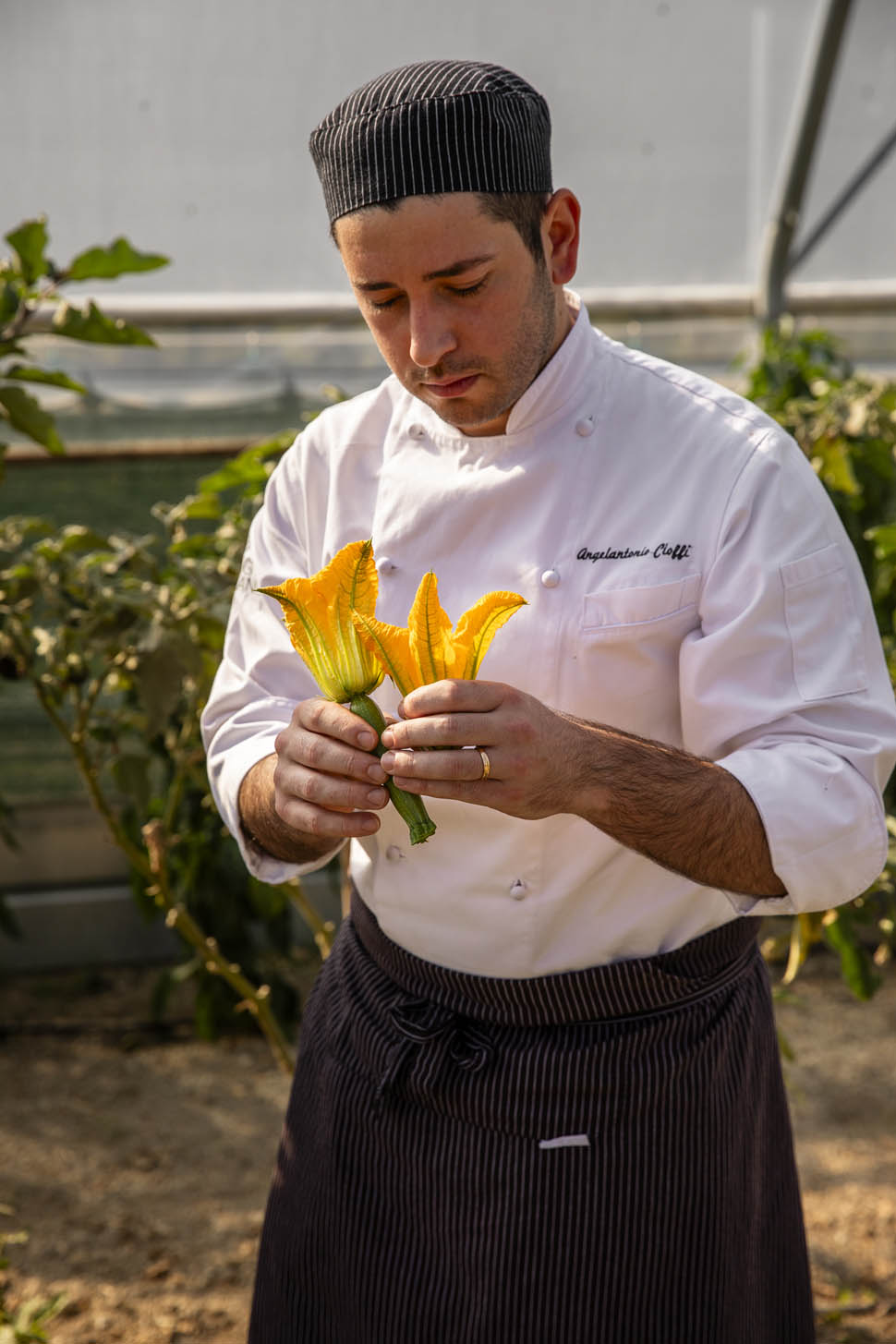
The true wealth of Borgo Pignano, however, is the land. Since 2014, the estate has been certified organic and has developed a genuine internal micro-economy capable of sustaining the kitchen, hospitality, and guest experiences. Here, everything stems from a direct relationship with what is grown, raised, or harvested on the property. The organic gardens produce vegetables, herbs, and edible flowers for the estate’s restaurants; the fields are home to heirloom wheat varieties such as Gentil Rosso and Senatore Cappelli, which are turned into bread, pasta, and focaccia; the olive groves yield excellent oil, while the vineyards produce signature wines of Vermentino, Ciliegiolo, and Abrusco Nero.
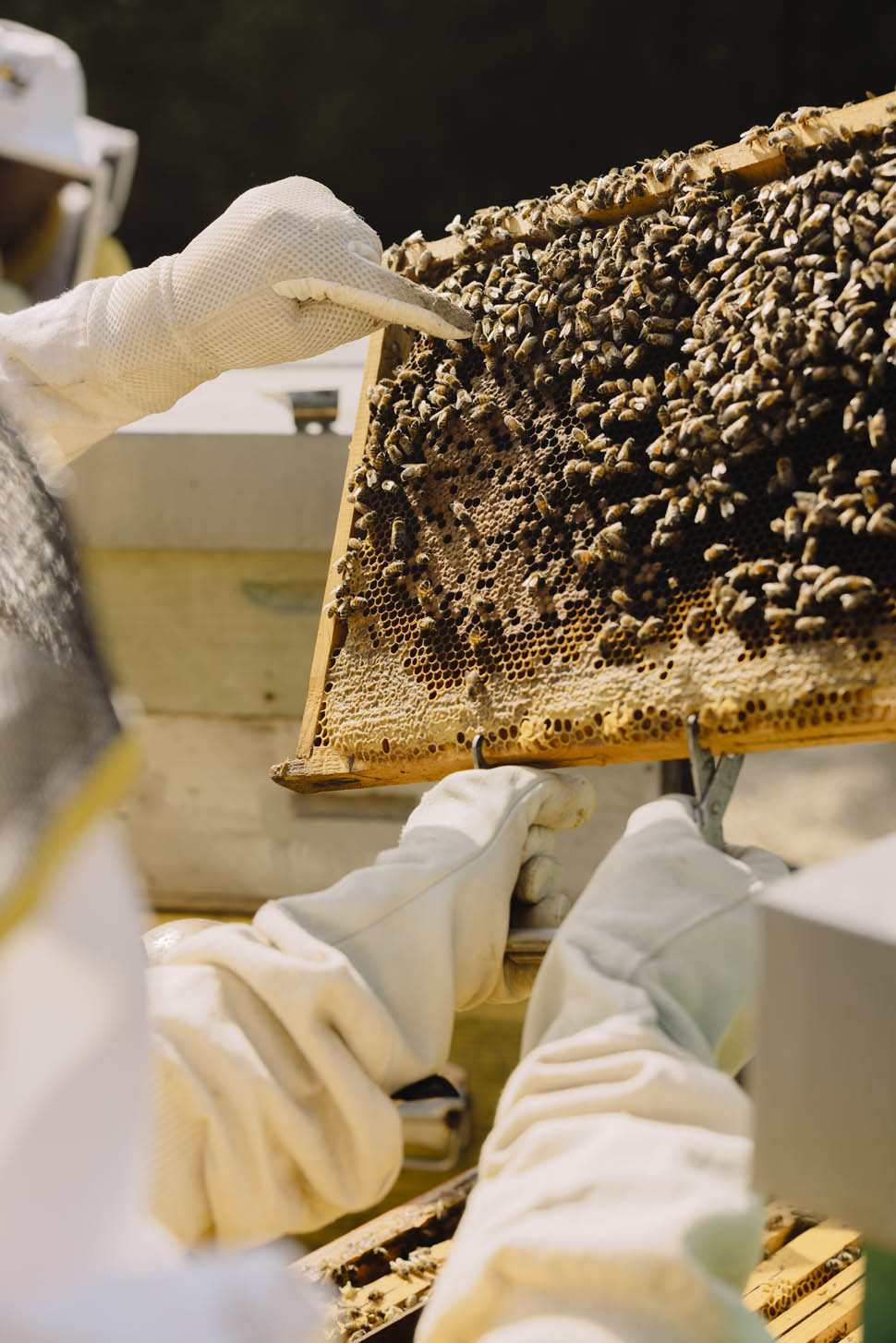
Everywhere you look, there is a desire for agricultural balance, designed to be as self-sufficient as possible. Apiary hives, scattered throughout the countryside, produce artisanal honey; wild herbs are used for herbal teas, wellness treatments, and botanical workshops where guests can try their hand at making natural soap; while livestock farms follow short, sustainable supply chains. Even the horses at the riding stable are part of this vibrant rural landscape, never artificially constructed for tourists. It is a practice that spans from soil fertility to fermentation, from waste recovery to the full utilization of animals in the kitchen.
The Estate’s Cuisine
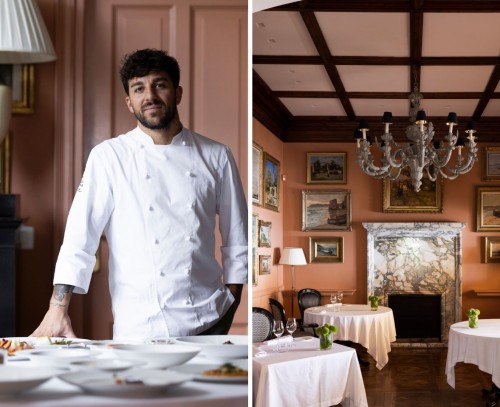
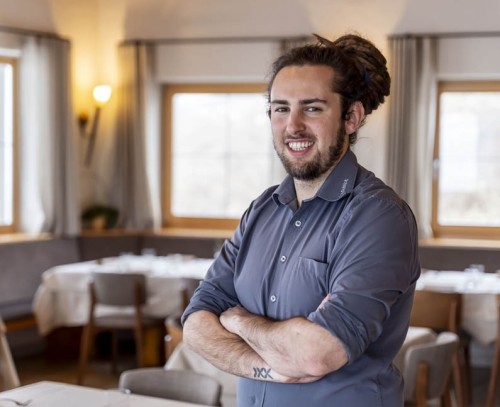
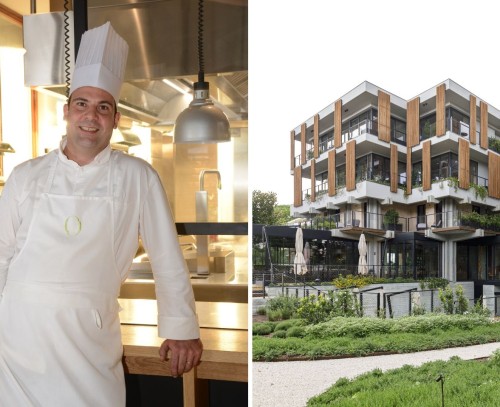
The gourmet restaurant Villa Pignano is the gastronomic heart of the estate. Led by Culinary Director Stefano Cavallini alongside Executive Chef Angelantonio Cioffi, it offers elegant cuisine that is deeply rooted in the traditions of the village.
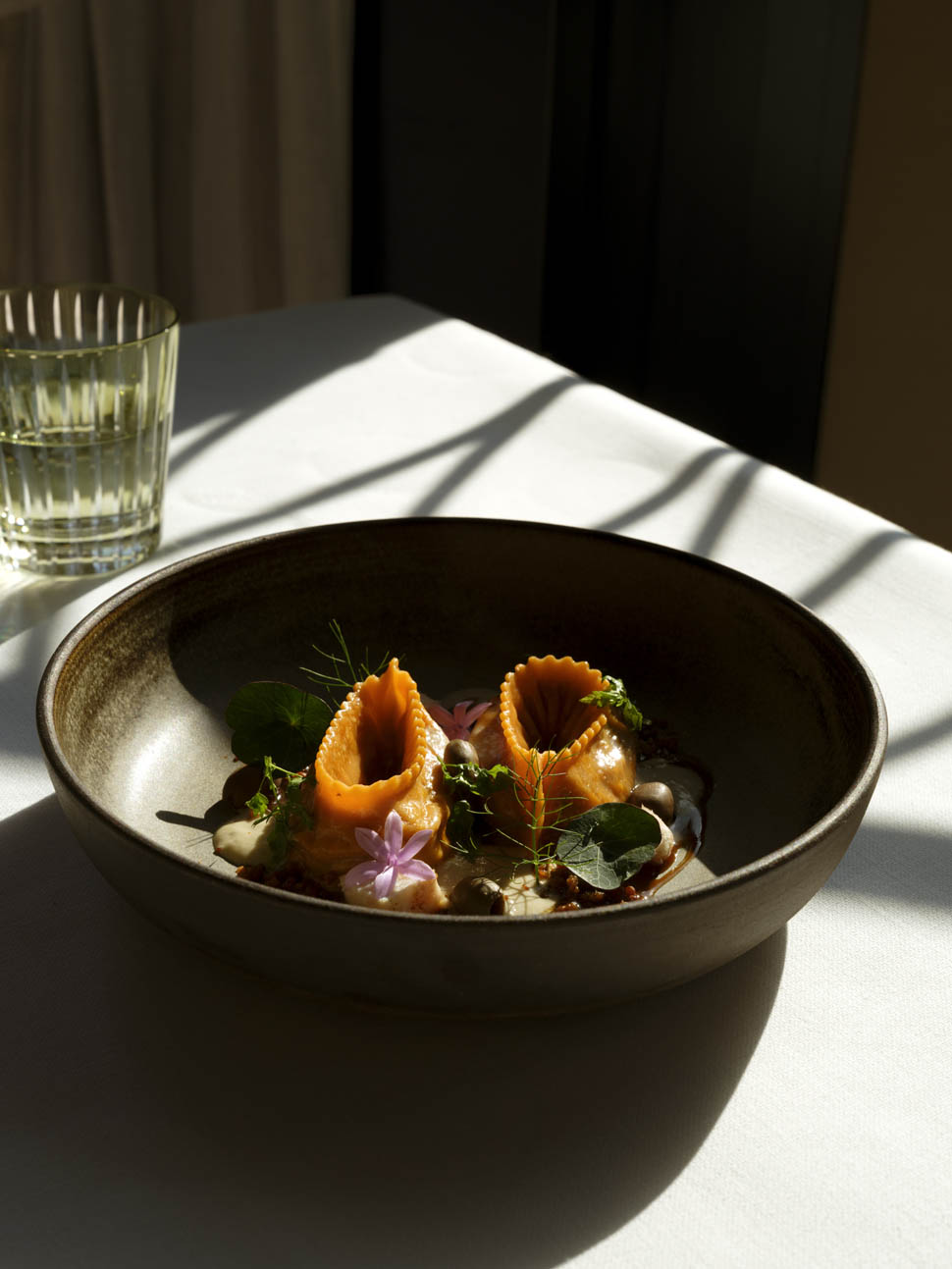
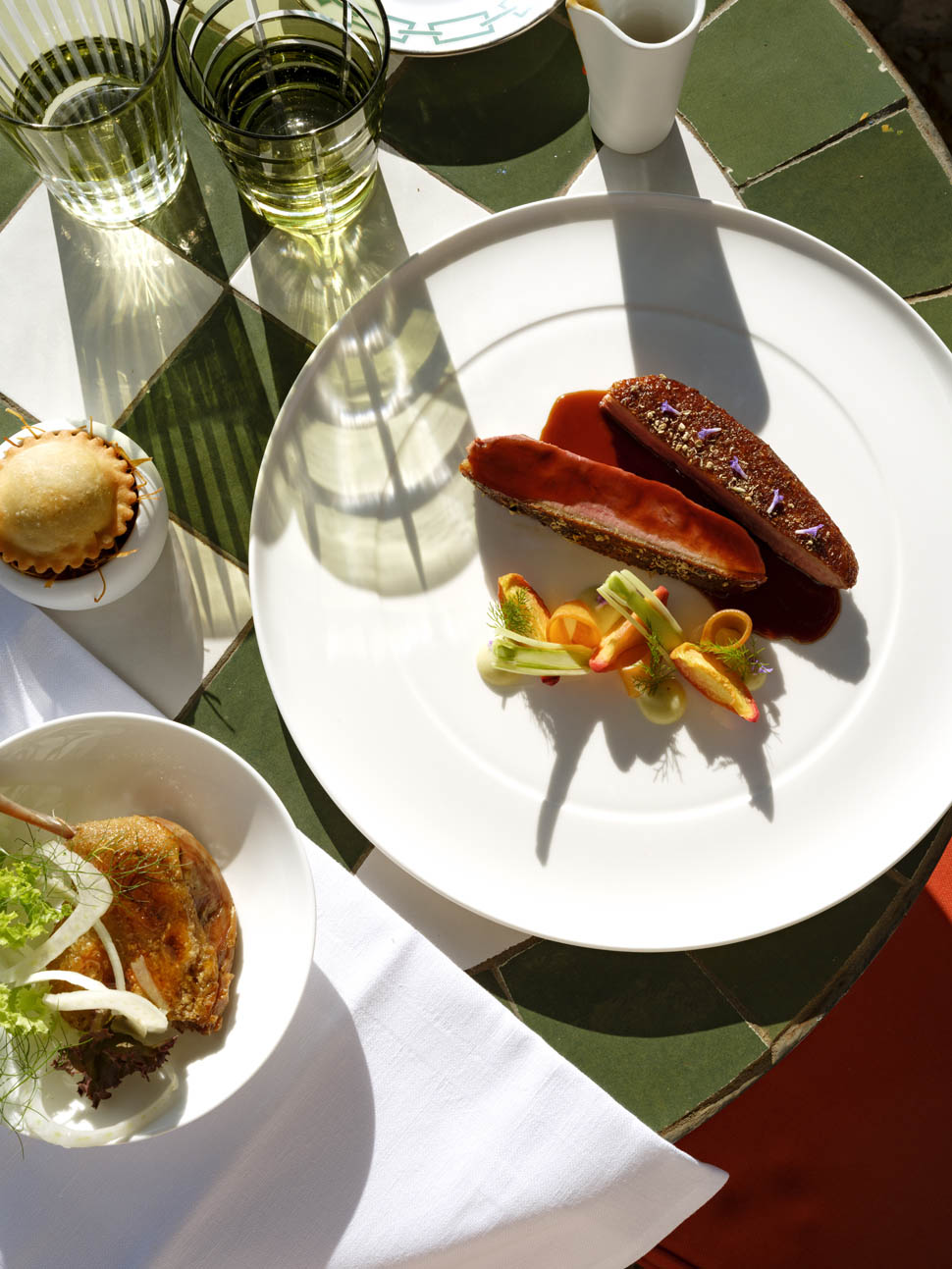
Dinner begins with a yellowtail prepared tataki-style, served with a clam emulsion, fermented asparagus, and a bruschetta topped with wild garlic pesto and yellowtail belly, cured like prosciutto. A dish that brings together the Corsican sea, the vegetable garden, and culinary technique without losing its sense of immediacy. Among the most evocative dishes is the ravioli with herbs from the estate: a thick green pasta made from herbs grown in Pignano, filled with ricotta and spinach, and accompanied by morel mushrooms in two textures as well as a cold vegetable infusion. An almost aromatic dish that captures the very scent of the countryside. The chef’s signature duck, on the other hand, reflects the kitchen’s ethical approach. The breast is caramelized in a pan and served with beets and rhubarb; the thigh is slow-cooked in oil; the other parts of the bird are used in a fried ravioli, crispy and intense, served at just the right temperature. Nothing is wasted; everything finds balance, meaning, and flavor. Even the dessert follows the same circular philosophy. In fact, young Pastry Chef Federico Filippetti creates a surprising and delicate dessert from leftover and stale bread.
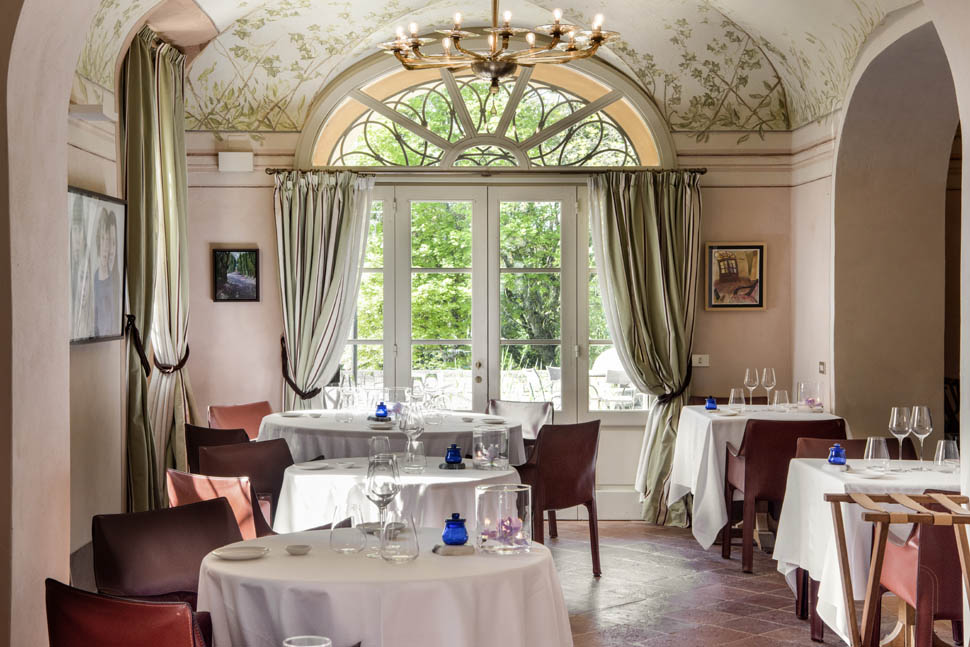
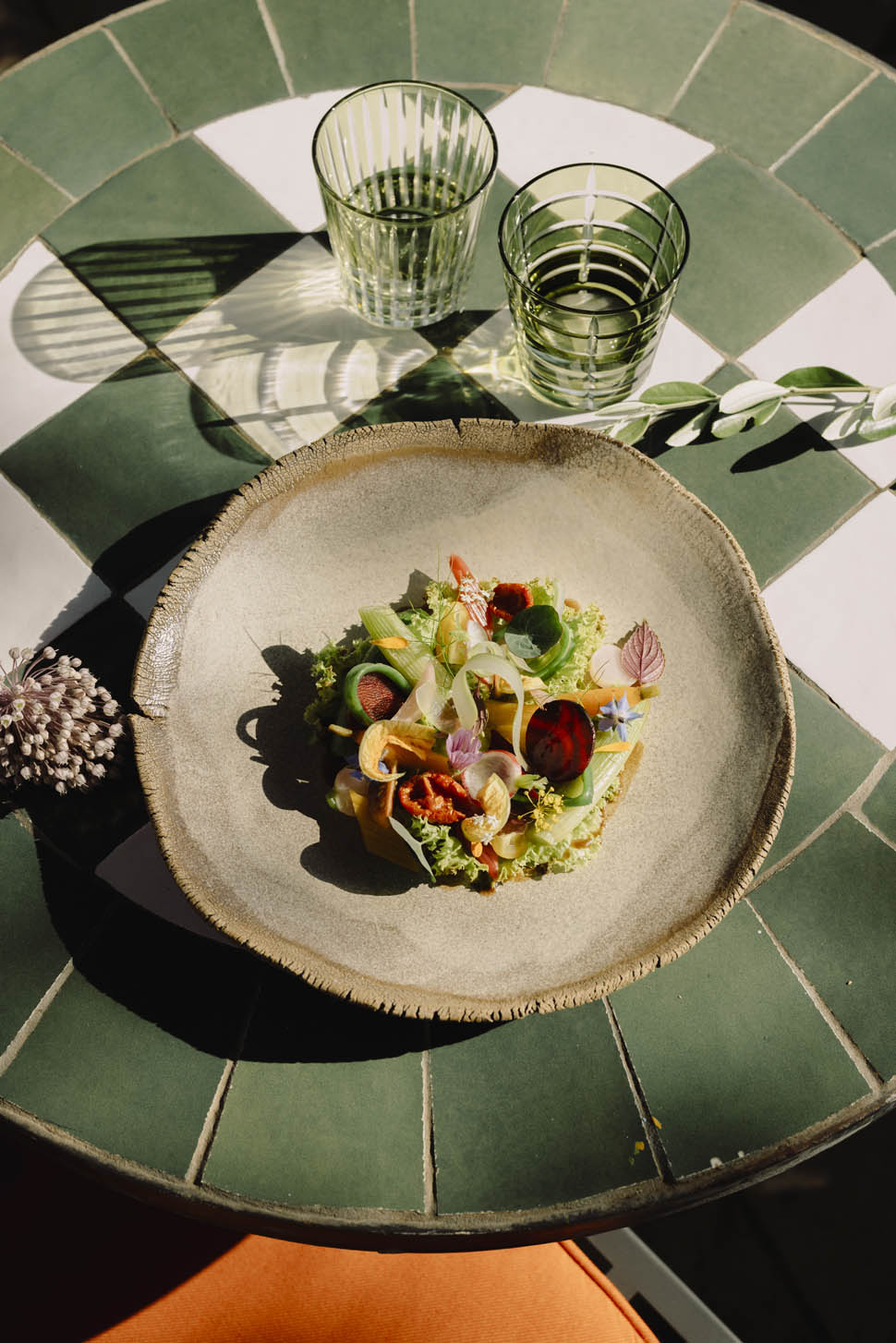
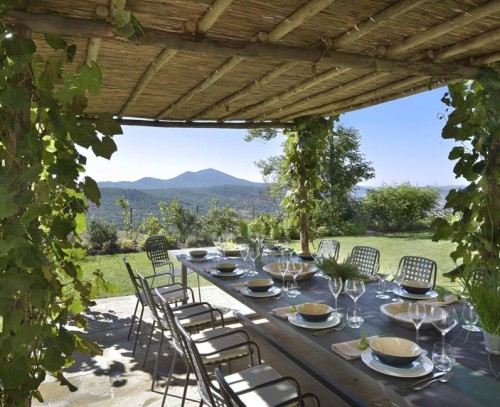
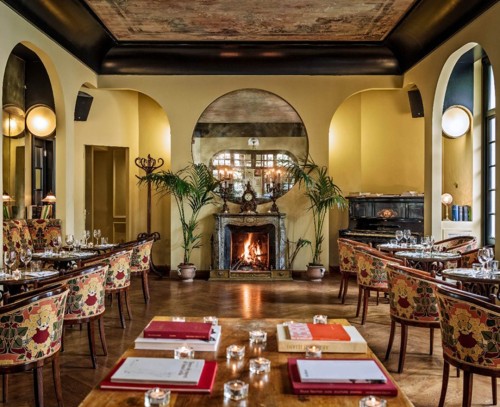
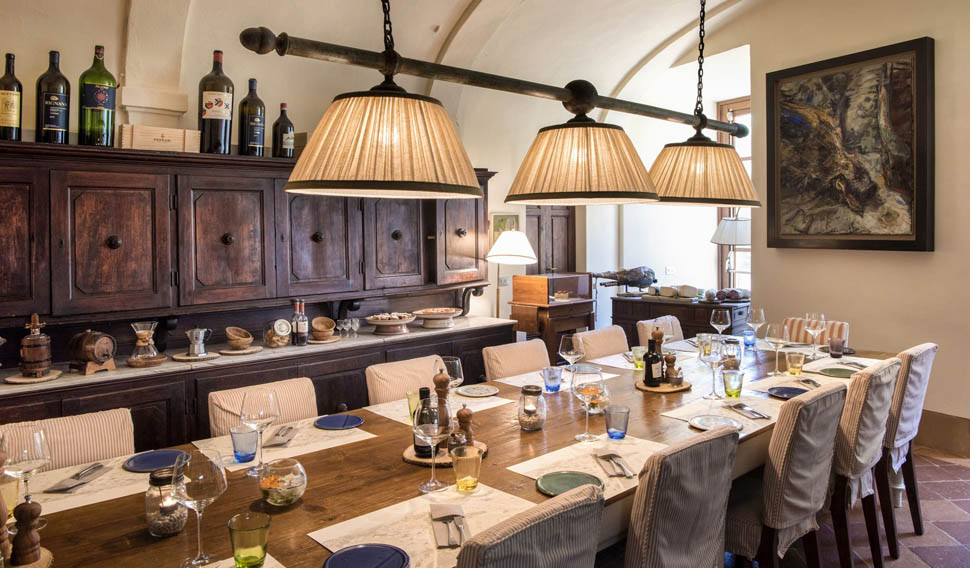
“Toasted (almost burnt), it steeps overnight in milk, eggs, cinnamon, and vanilla: from this I create a velvety gelato, crispy waffles with caramel chips, and a French toast-style dessert toasted in butter,” explains Filippetti, who with this finale perfectly encapsulates the identity of Borgo Pignano: respect for the ingredients, technical expertise, and a farmer’s sensibility. During the summer, however, Borgo Pignano also branches out into other culinary interpretations, starting with the Al Fresco restaurant, which offers an informal and lively outdoor experience where guests can enjoy wood-fired pizzas, traditional pasta, garden salads, and exquisite grilled dishes. In spring and fall, however, guests have the chance to enjoy a unique experience in the village’s original kitchen, Il Camino: a long communal table, an imposing fireplace, and the old-world charm of a bygone era where you can immerse yourself in the most authentic Tuscan tradition.
Warm hospitality and tranquility
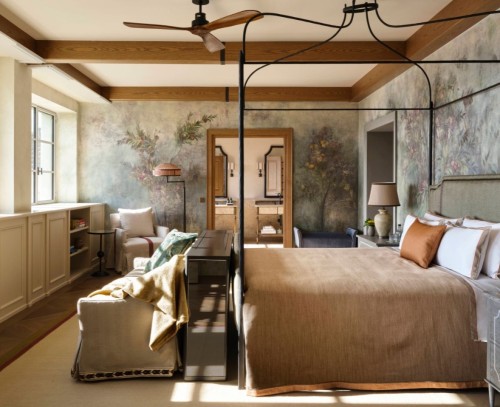
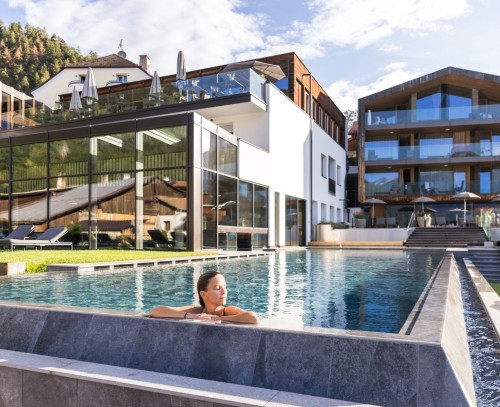
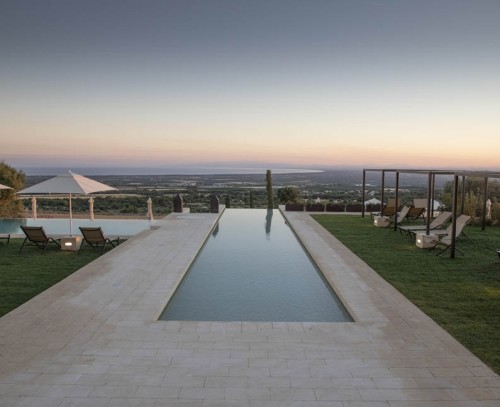
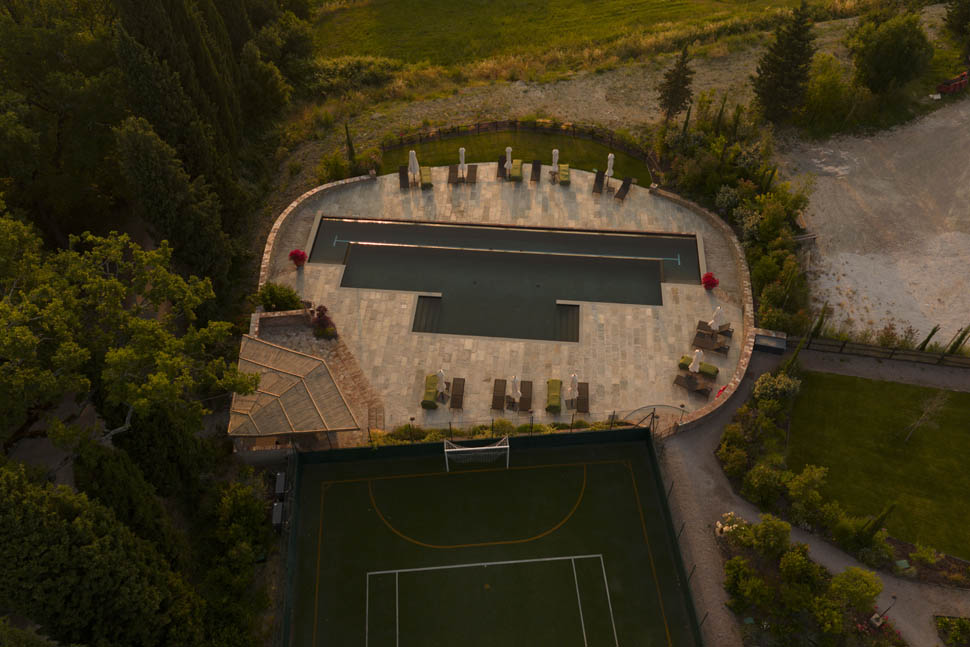
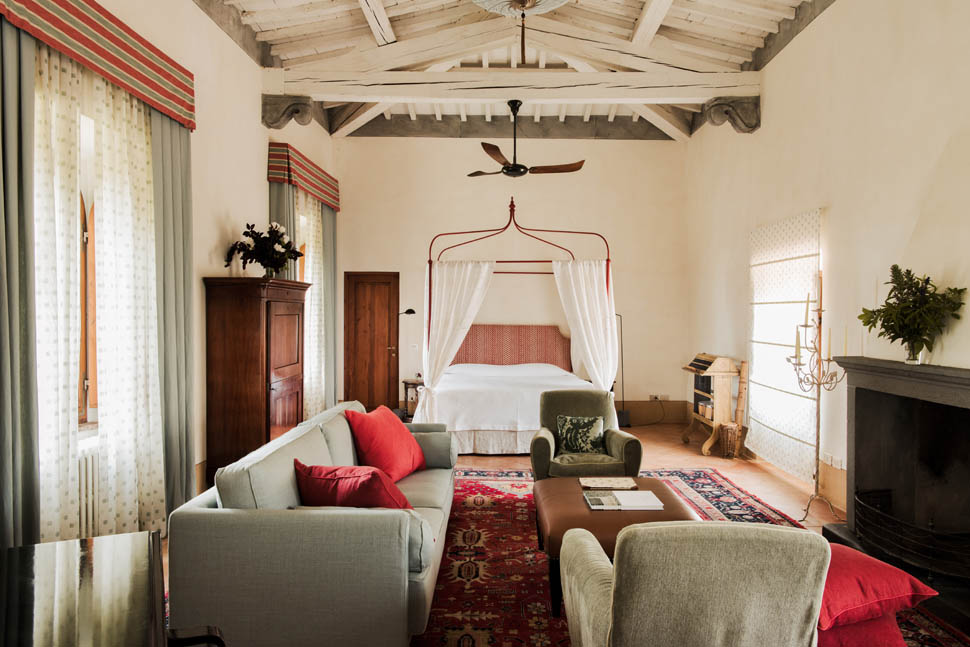
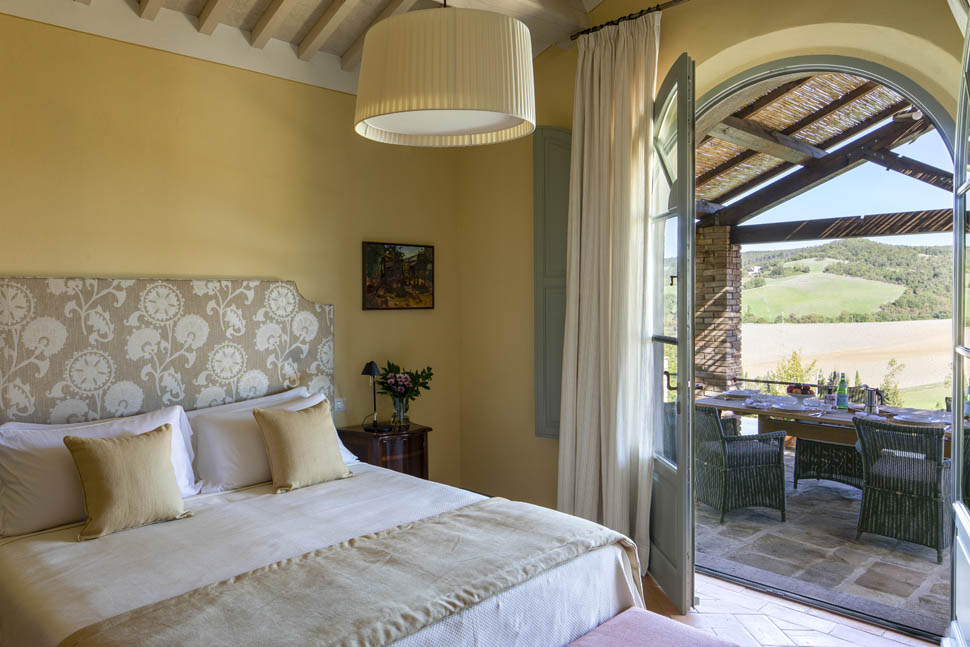
The rooms and suites in the main villa, the maisonettes scattered throughout the village, and the villas nestled in the countryside are free of any pretension. The atmosphere is that of a cultured and bright country home, furnished with natural fabrics, books, antique furniture, and flowers picked fresh each morning. There are no televisions in the rooms. Here, luxury lies in shared spaces: perhaps in the reading room or the board game room. The spa, housed in ancient cisterns carved into the rock, uses oils and essences made from plants and herbs grown in the village, while all around lie trails, fields, breathtaking pools, and spaces dedicated to sports and meditation.
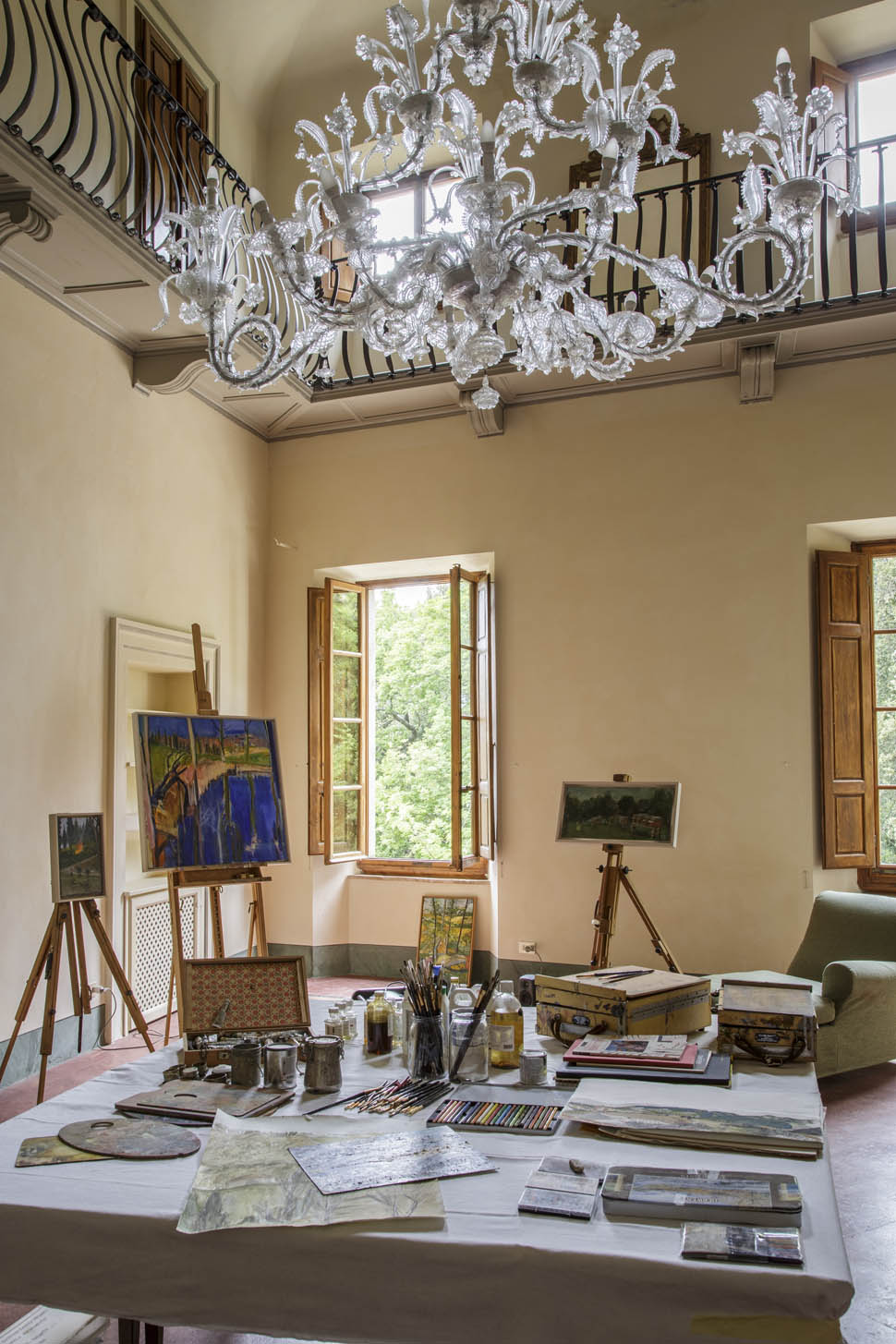
Art also has its place here, thanks to the on-site studio and collaborations with the Royal Drawing School in London, which brings artists here for residencies, immersed in the tranquility of the Tuscan countryside. Yet at Borgo Pignano, the most authentic experience remains that of simplicity. You can participate in the honey harvest, take traditional cooking classes, knead bread and pasta with flour from the estate, go truffle hunting in the woods, or stroll among the rows of vines during the grape harvest. At sunset, horses slowly make their way along the estate’s paths, while guests gather for picnics among the olive trees, tastings in the 18th-century cellar, and workshops dedicated to medicinal herbs. In short, an escape from the city to return to the pleasures of simple things.
Info
Loc. Pignano, 6 56048 Volterra, Pisa
Phone and fax: +39 0588 35032;
reservations@borgopignano.com;