How a medieval village became one of Tuscany’s most immersive destinations: the success story of Castel Monastero, from its suites that blend luxury and history to the pleasures of fine dining.
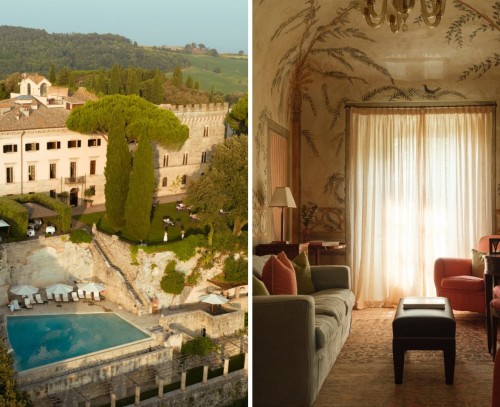
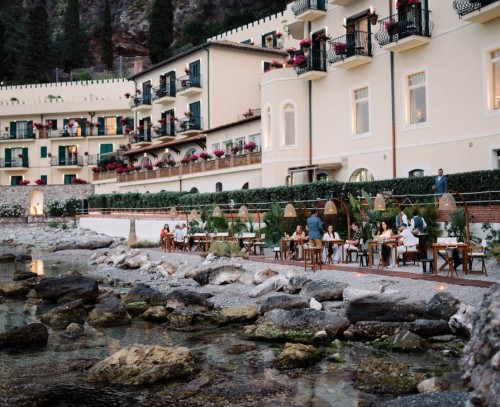
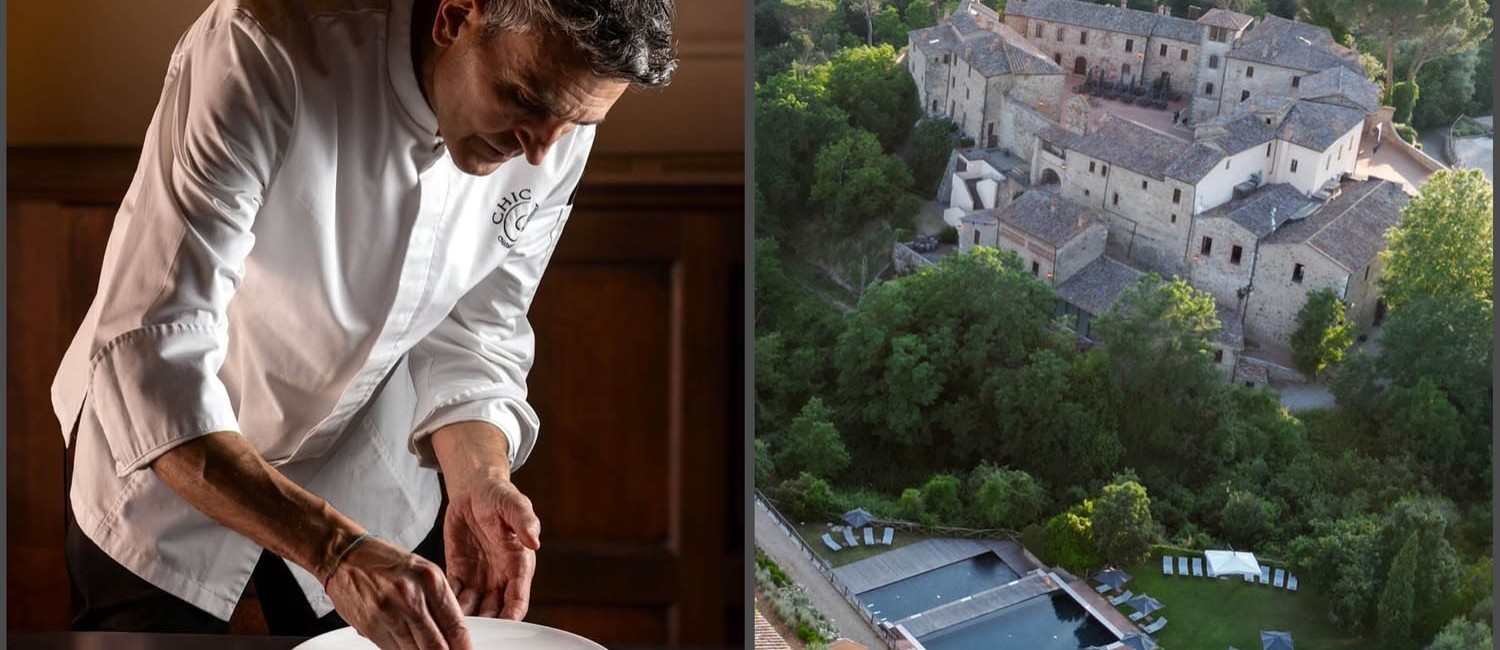
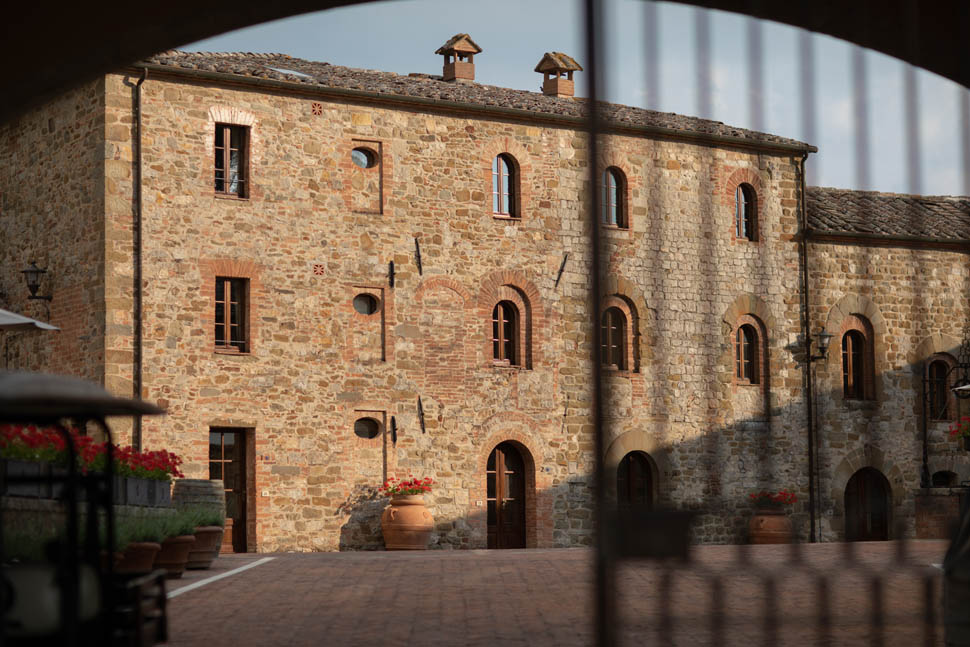
Walking within its walls, one almost gets the feeling that hospitality has emerged as a natural consequence of its history, not as a carefully planned project. Even before it became one of the most refined resorts in the Sienese countryside, this small village had already weathered wars, noble families, harvests, seasons, and moments of silence. The road leading here winds through one of Tuscany’s most recognizable landscapes. Rows of cypress trees, vineyards, chestnut groves, and hills that change color as the hours pass. Then, almost without realizing it, the landscape gives way to the ancient walls of the village. There is no monumental entrance designed to impress. Rather, there is a different feeling—that of entering a place that continues to live according to the slow rhythm of the countryside that surrounds it. This is precisely the first difference compared to many contemporary luxury resorts. Castel Monastero does not seek to isolate guests from the surrounding area, but rather to draw them into a history that has continued for nearly a thousand years. The stones weathered by time, the small central square, the neighborhoods, the old cellars, and the windows overlooking the vineyards all tell of a past that has not been erased by modernity, but rather guided toward a new way of life.
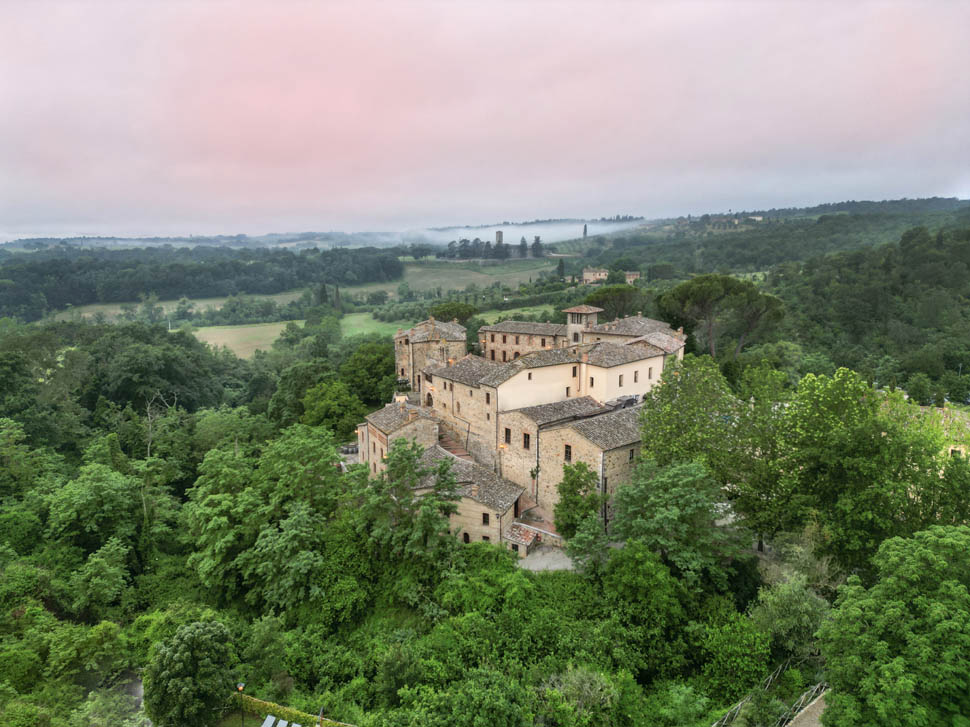
The Long History of a Monastery That Became an International Destination
The earliest documented references date back as far as the 11th century, when this place was mentioned under the name Sarna. A few years later, its connection to the nearby Abbey of Berardenga would definitively give it the name “Monastery,” a name it would retain for centuries. Between the 12th and 14th centuries, the village became one of the estates of the powerful Berardenghi family, experiencing firsthand some of the events that shaped the history of medieval Tuscany. The Florentines and Sienese fought over it on several occasions. In 1208, it withstood a siege; a few decades later, it was conquered by Guido di Montfort and transformed into a military garrison during the conflicts between Siena and Florence. It is curious to think that today, in the very same spaces that once housed soldiers and knights, one can sip a glass of Chianti while watching the sunset over the hills.
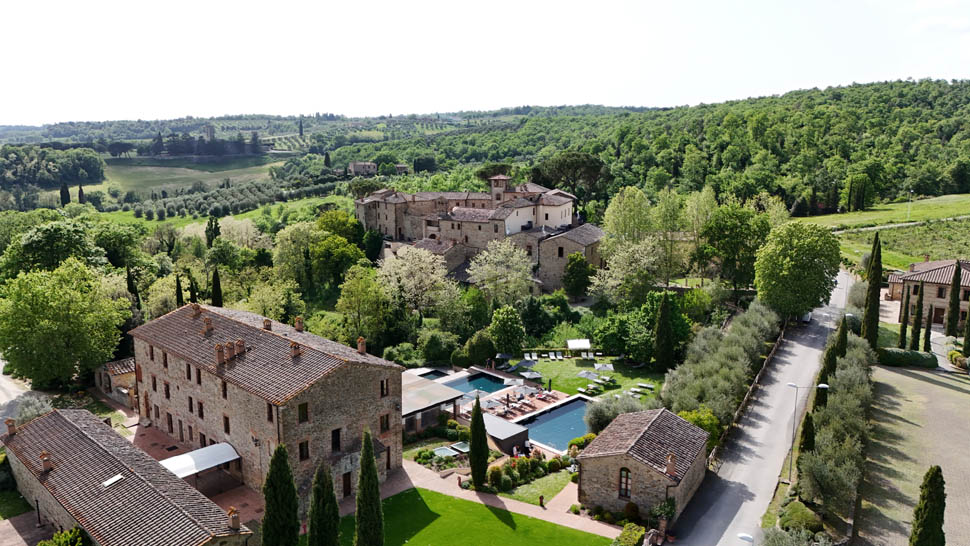
With the end of major political tensions, the village underwent yet another transformation. The Chigi Saracini family turned it into a country residence dedicated to hunting, foraging, and rural life. For a long time, Castel Monastero remained just that: a small farming community nestled in the Sienese countryside, far from the major international tourist routes. The most recent transformation came with the Marcegaglia family, who acquired the property and launched a major conservation and restoration project. The project does not aim to reinvent the village, but rather to restore a contemporary function to it while respecting its original structure. Today, Castel Monastero is part of The Leading Hotels of the World, yet it retains a rare characteristic: it continues to resemble a village more than a hotel. Many historic hotels end up becoming elegant backdrops—perfectly restored but lacking spontaneity. Here, however, every alleyway seems to serve a purpose. The irregular facades, shutters, courtyards, and old stones are in constant dialogue with the surrounding landscape, without ever giving the impression of having been built for photographers.
The “albergo diffuso”: staying inside a village, not next to one
The first surprise comes when you discover that the rooms aren’t all housed in a single building. Castel Monastero was conceived as a true “albergo diffuso”: its seventy rooms and suites are scattered throughout the village’s various neighborhoods, following the original urban layout. To reach your room, you’ll pass through small squares, stairways, stone passageways, and inner courtyards. The journey becomes as much a part of the experience as the stay itself. It’s a subtle but important difference. In large resorts, everything often revolves around the lobby. Here, the center of daily life is the monastery square. In the morning, guests meet there for breakfast; during the day, they pass through it to reach the spa or restaurants; and in the evening, it once again becomes the village’s natural gathering place. For a few days, you almost end up forgetting that you’re staying at a hotel.
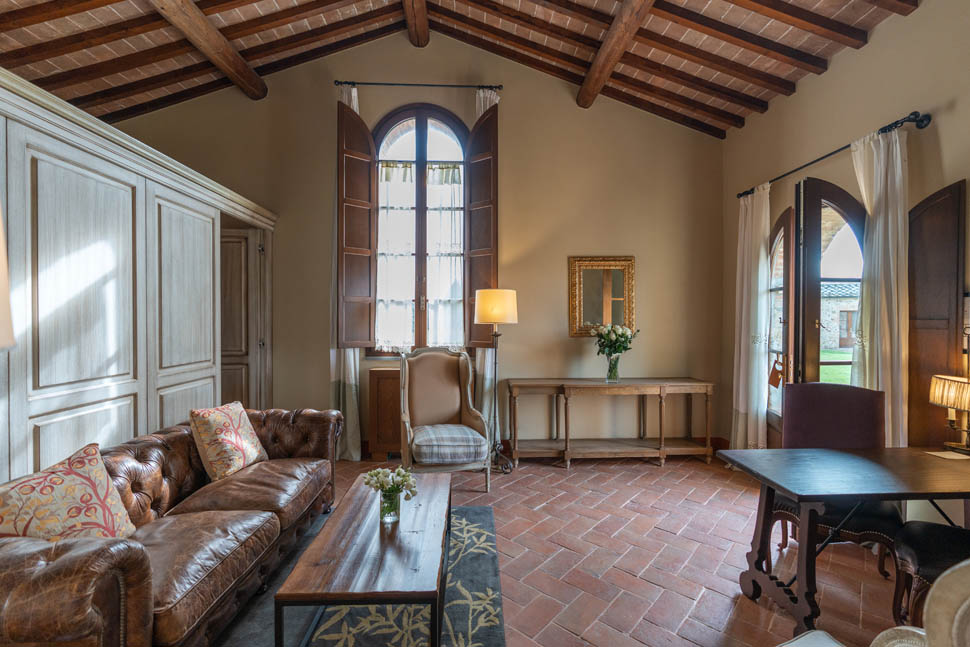
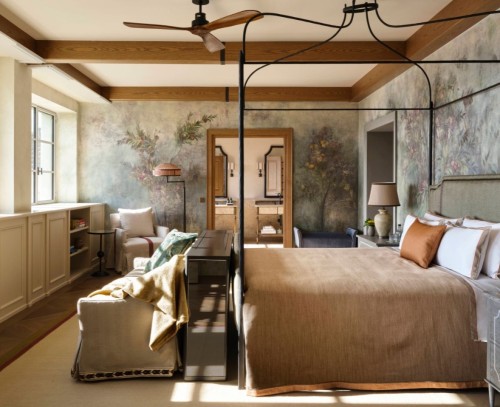
The rooms follow the same philosophy. The colors evoke the Sienese countryside, wood complements stone, and the furnishings blend antique pieces with contemporary details in perfect harmony. Each room category has its own personality, but they all share a specific design choice: letting the landscape flow into the rooms. The Superior and Deluxe rooms offer views of either the village or the countryside, while the Prestige rooms feature small sitting areas that further enhance the feeling of staying in a Tuscan home rather than a hotel room. The Junior Suites and Executive Suites offer more spacious accommodations while maintaining the same understated elegance, culminating in the Royal Suites, which overlook the fields and the nearby Abbadia d’Ombrone.
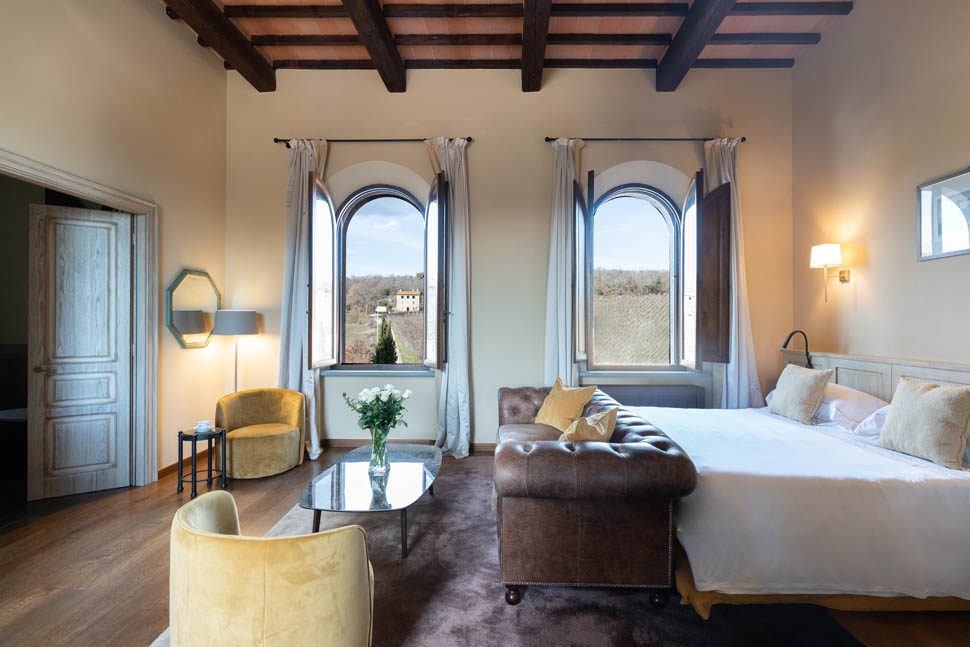
Rounding out the offerings is Villa Lavanda, likely the property that best embodies the concept of a private residence. It features 160 square meters spread over two levels, three bedrooms, a living room, a garden with a hot tub, and a terrace that opens directly onto the vineyards. Here, too, luxury is not about ostentation, but about a continuous connection with the landscape. The frescoes decorating the interior staircase recount the history of the Chigi Saracini family, while antique furniture and design pieces coexist with surprising ease. Strolling through the hamlets, one gains a better understanding of why Castel Monastero continues to stand out in the Italian hospitality scene. It doesn’t simply offer elegant rooms nestled in the Tuscan countryside. It offers the chance to experience—even if only for a few days—a village that has weathered nearly a thousand years of history without losing its identity.
The Cuisine: Two Restaurants, Two Styles, One Vision of Tuscany
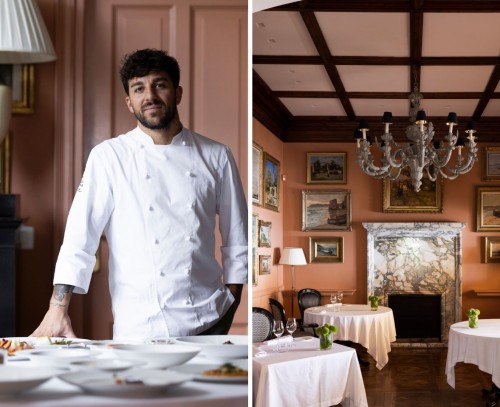
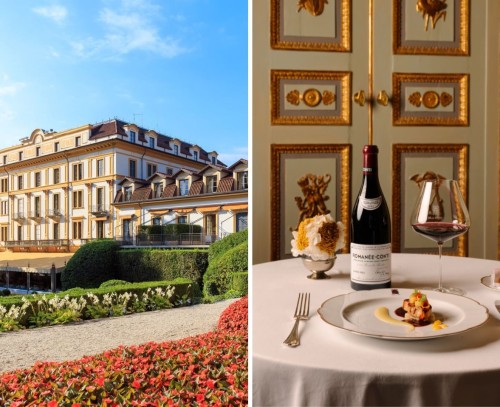
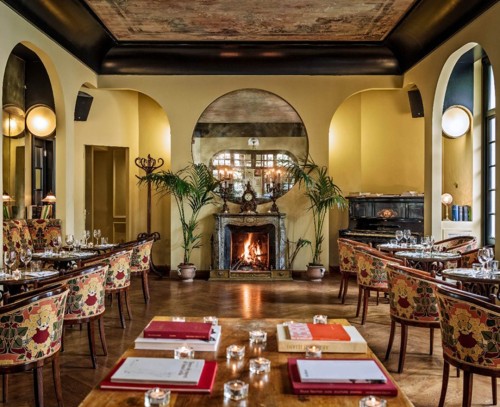
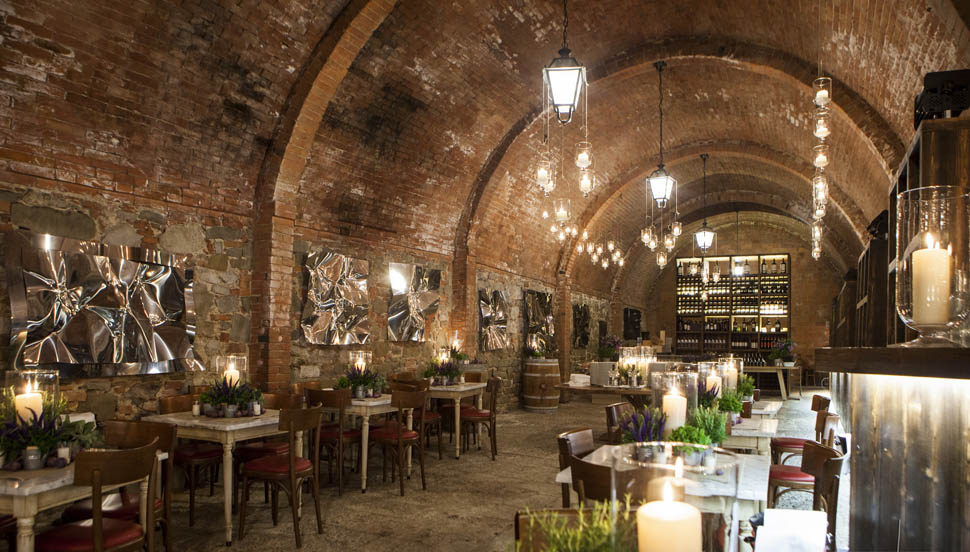
Every village has its own piazza. Castel Monastero also has a dining space that changes character depending on the time of day and the kind of experience you wish to enjoy. The property’s culinary offering is centered around two profoundly different restaurants, yet united by a shared philosophy: to celebrate the region without turning it into an exercise in nostalgia. On one hand, there is Cantina, housed in the ancient spaces where wine, oil, and the monastery’s provisions were stored for centuries. The brick vaults, stone walls, and soft lighting immediately convey the feeling of stepping into the most authentic part of the village. The menu follows the same approach. The cuisine draws on classic Tuscan recipes but avoids rigid imitation. The dishes retain the unpretentious character of rural tradition, enhanced by contemporary techniques that refine each dish without stripping it of its identity.
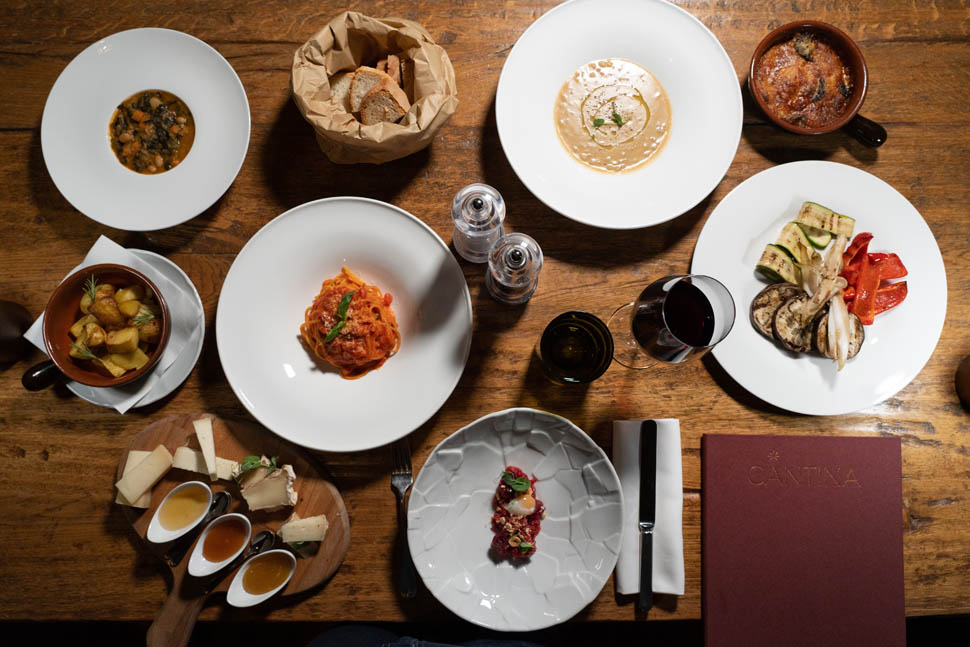
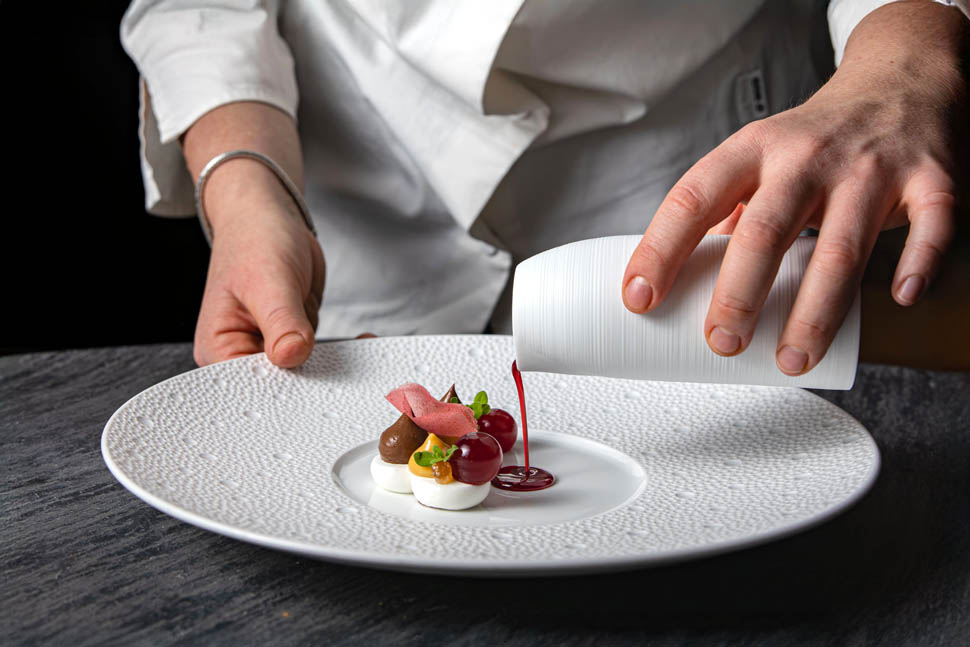
Throughout the season, the menu changes in step with the rhythms of the vegetable gardens and the surrounding countryside. Spring brings asparagus, wild herbs, artichokes, and the first peas; summer brings tomatoes, zucchini, and vegetables from the garden; fall brings mushrooms, chestnuts, and game; while winter brings soups, legumes, and slow-cooked dishes back to the forefront. It is a cuisine that follows nature even before the calendar. Contrada represents, on the other hand, the resort’s most ambitious gastronomic offering. The Michelin star earned over the years tells only part of the story of the work carried out by the kitchen team. The goal does not seem to be to impress with special effects or theatrical presentations, but rather to reinterpret Tuscan cuisine in a more essential and contemporary style, where each ingredient is stripped of the superfluous without losing its distinct character.
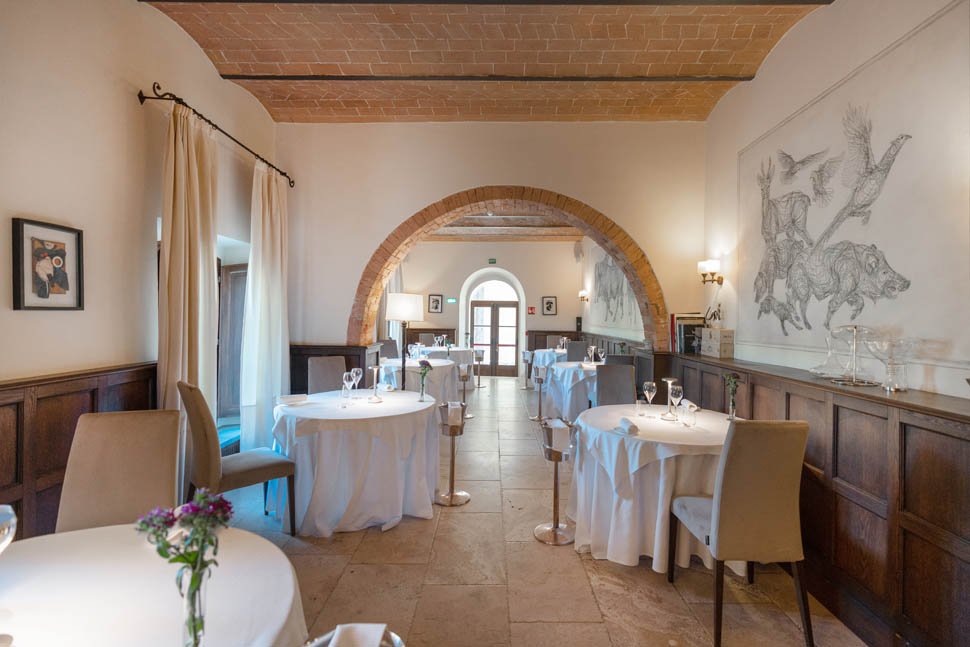
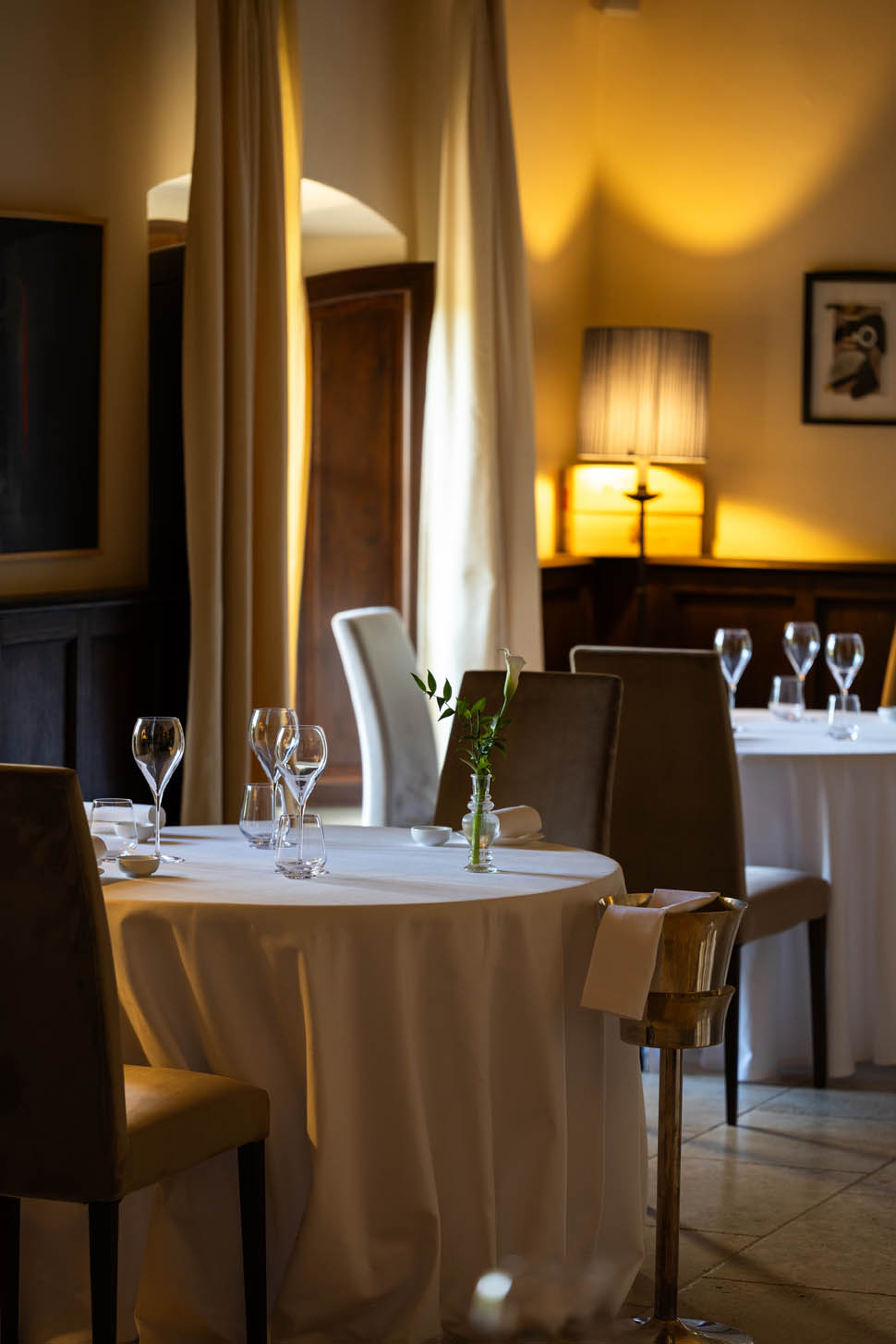
The result is an elegant yet accessible cuisine that appeals to both international guests and those deeply familiar with regional gastronomy. The flavors remain distinct, never muddled. Modern techniques almost always work behind the scenes, leaving diners with the sensation of tasting something familiar and yet new. Alongside the two restaurants, there is also a more informal dining option that complements the resort’s daily life. The Chigi Bar remains the go-to spot for aperitifs and cocktails, while the new Aqva Pool Bar, overlooking the outdoor pool, offers a lighthearted take on the summer season through simple dishes, local wines, and cocktails designed to harmonize with the surrounding landscape.
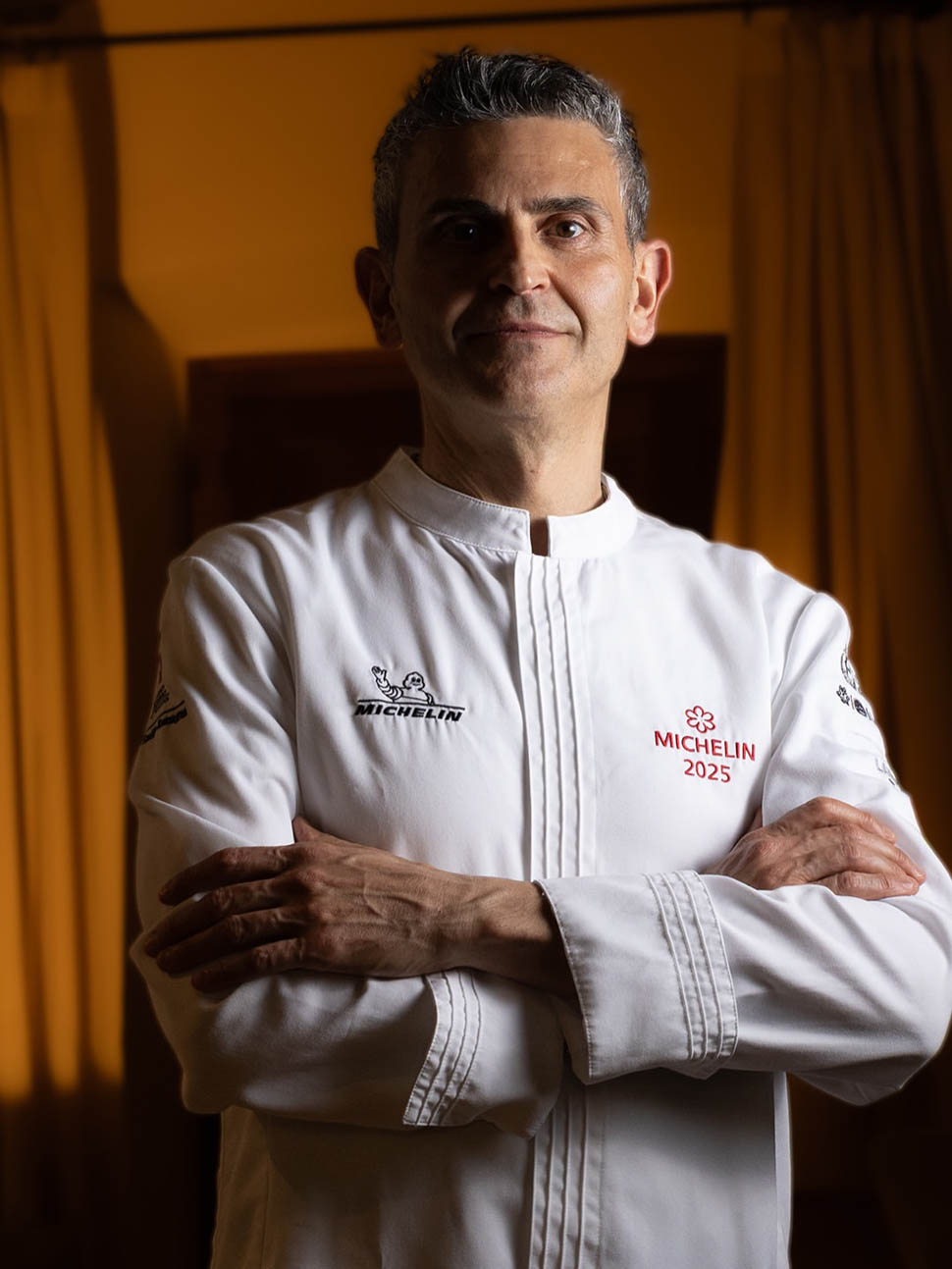
Davide Canella: Cuisine That Lets the Region Speak for Itself
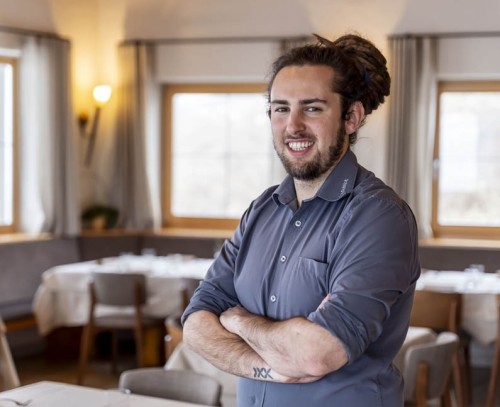
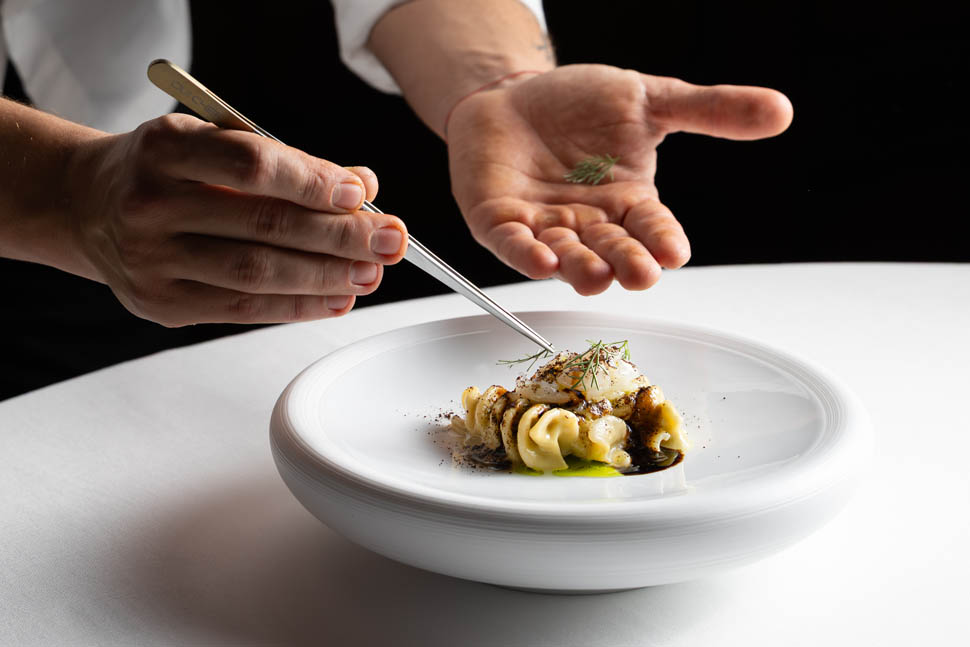
At the helm of both culinary concepts at Castel Monastero is Executive Chef Davide Canella, assisted by Sous Chef Vittorio Petrillo. His presence is one of the key elements ensuring continuity throughout the entire culinary project, as the same philosophy underlies both the gastronomic offerings at Contrada and the more traditional cuisine at Cantina. Canella belongs to a generation of chefs who view technique as a tool rather than an end in itself. Precision is evident in his dishes, but it rarely takes center stage. Instead, the focus is on the quality of the ingredients and the creation of clean, immediately recognizable flavors.
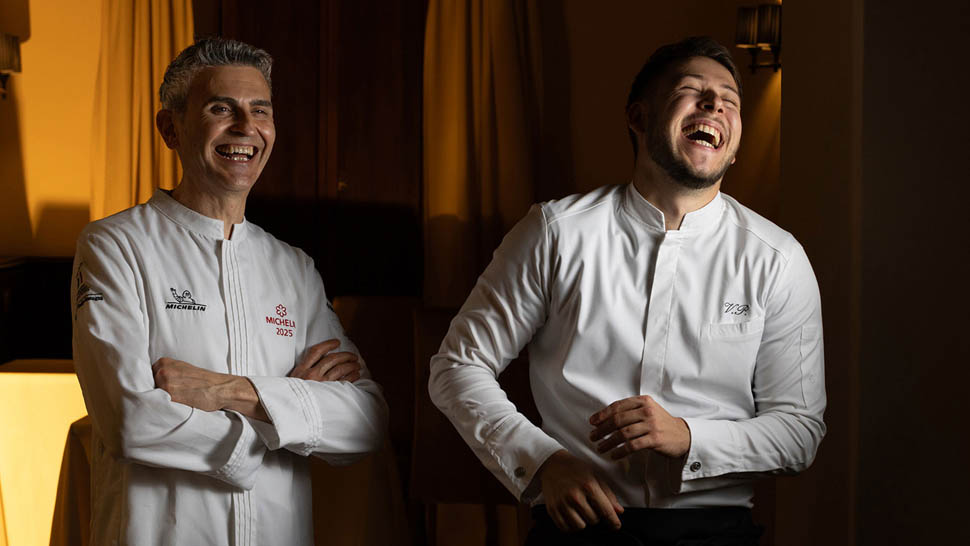
Tuscany remains the constant point of reference. The vegetables come from local gardens, the meats reflect local farms, and extra-virgin olive oil accompanies most of the dishes without ever becoming merely a decorative element. Even when a dish takes on a contemporary form, the connection to the Sienese countryside remains clear. It is a cuisine that focuses above all on balance. Acidity is used to give rhythm to the dishes; aromatic elements complement without overpowering; and cooking techniques prioritize precision over virtuosity. Nothing seems designed to surprise immediately. Satisfaction comes a few moments after the first bite, when every element finds its place.
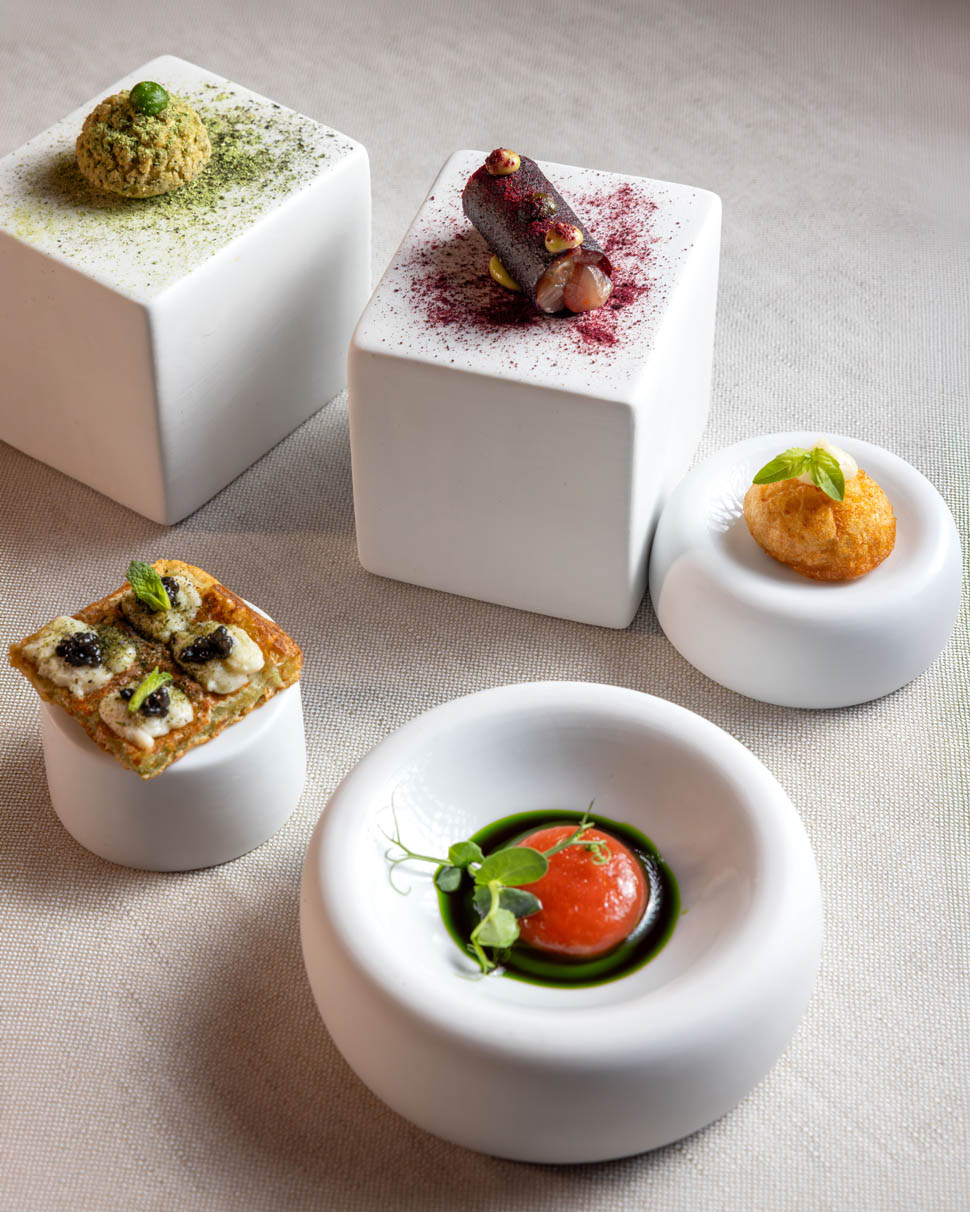
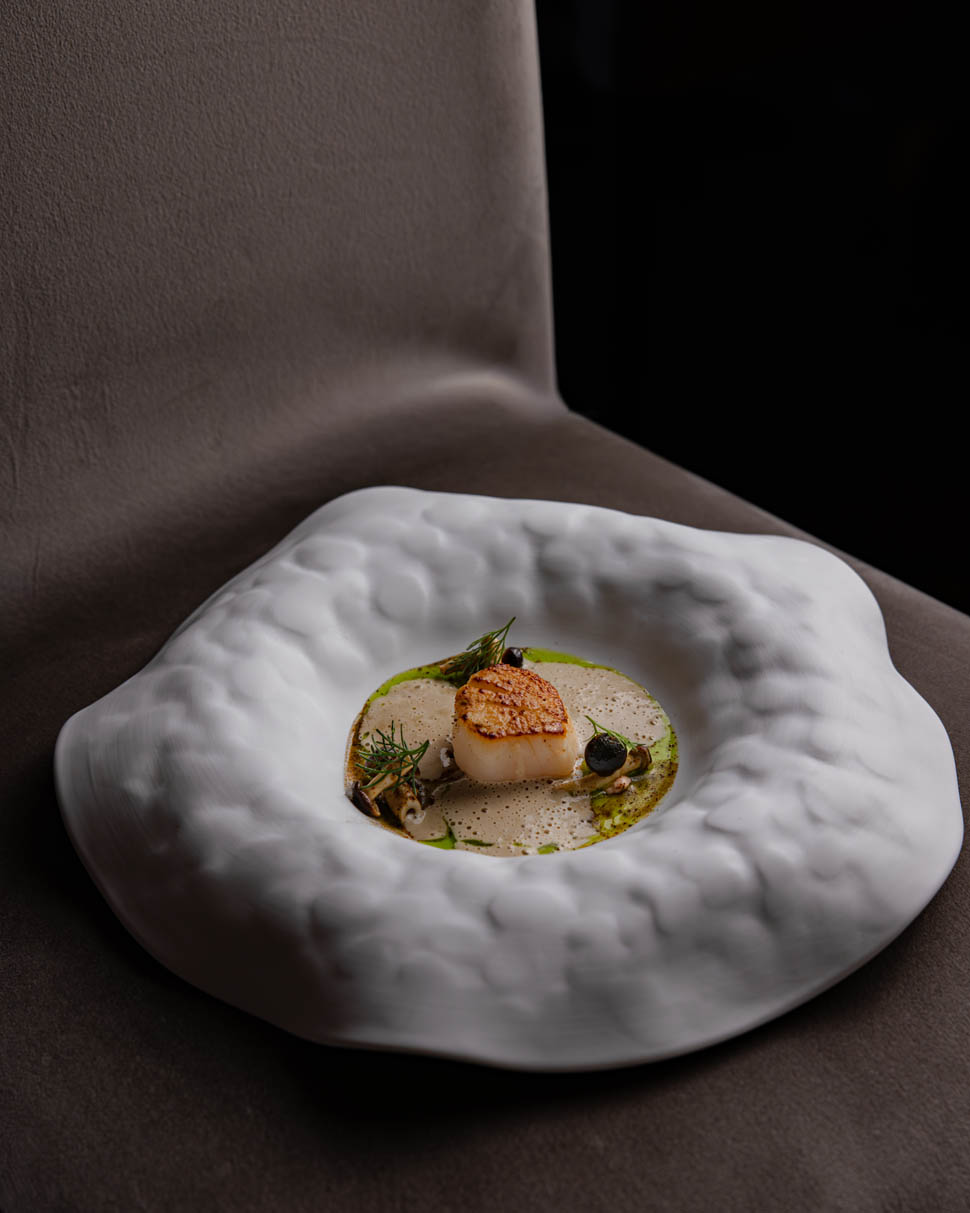
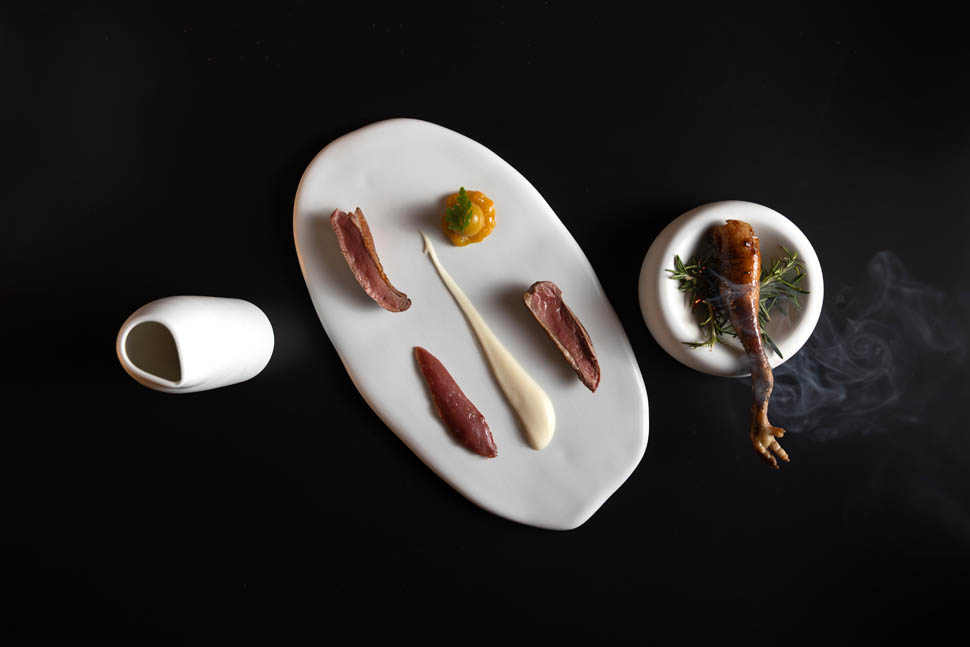
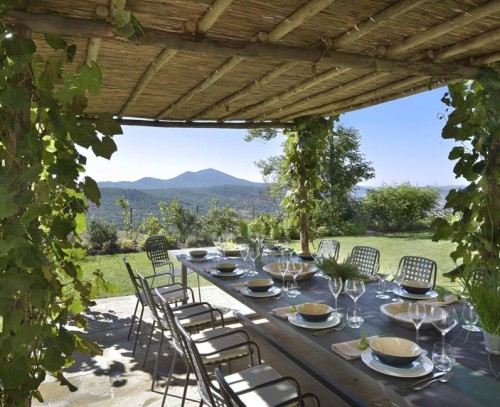
This approach is also evident in the culinary events that mark the resort’s season. Four-handed dinners with other chefs, wine tastings, and opera evenings transform the village into a small culinary laboratory capable of attracting guests far beyond a simple hotel stay. During the warmer months, the resort also hosts “Domeniche del Villaggio” (Village Sundays), one of the most interesting projects recently introduced by Castel Monastero. Long communal tables, local producers, artisans, music, and cuisine restore the village square to its original purpose: a gathering place even before it became a scenic backdrop.
Monasterii Spa: The Luxury of Silence
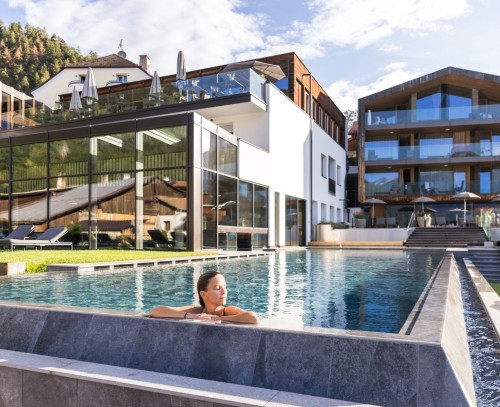
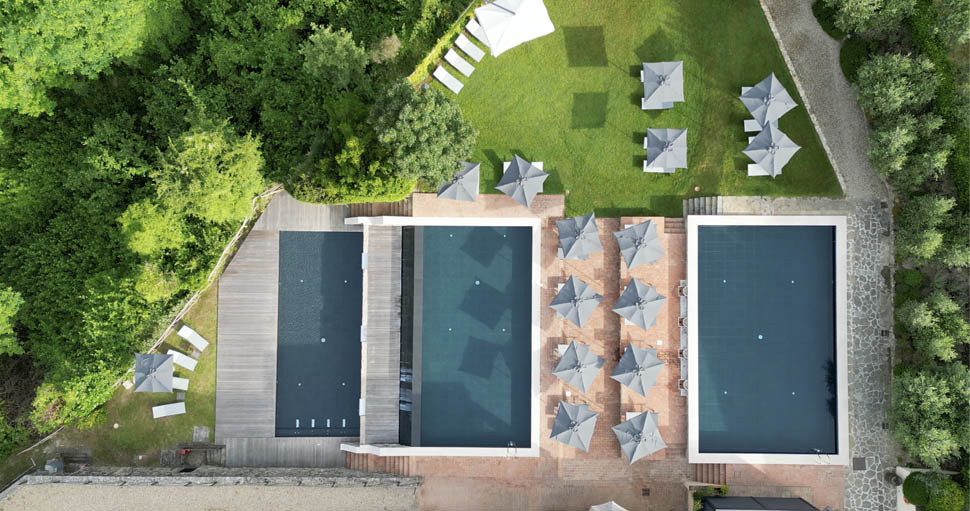
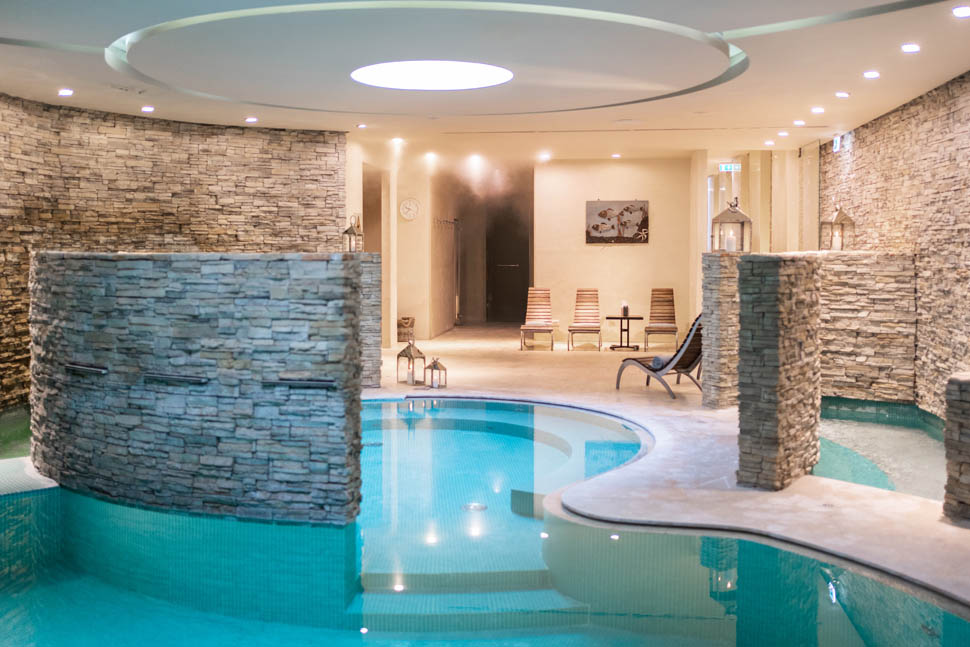
Tuscany is often associated with wine, cuisine, and landscapes. Castel Monastero adds a fourth element: time. You can feel it as soon as you enter the Monasterii Spa, a recently renovated space spanning over 1,500 square meters that occupies a private section of the village. Here, the pace slows even further. The lights dim, the sounds fade away, and the architecture naturally guides you toward a more intimate atmosphere. Starting in 2026, access to the spa has been included in every guest’s stay—a decision that perfectly reflects the property’s philosophy. Wellness is not presented as an additional service, but as an integral part of the experience. The wellness area features a Finnish sauna, a bio-sauna, a hammam, multisensory showers, a Kneipp path, whirlpools, and two indoor pools, one of which uses the high salt concentration and water temperature to promote muscle relaxation. Outside, there are three pools surrounded by greenery and a fully equipped gym.
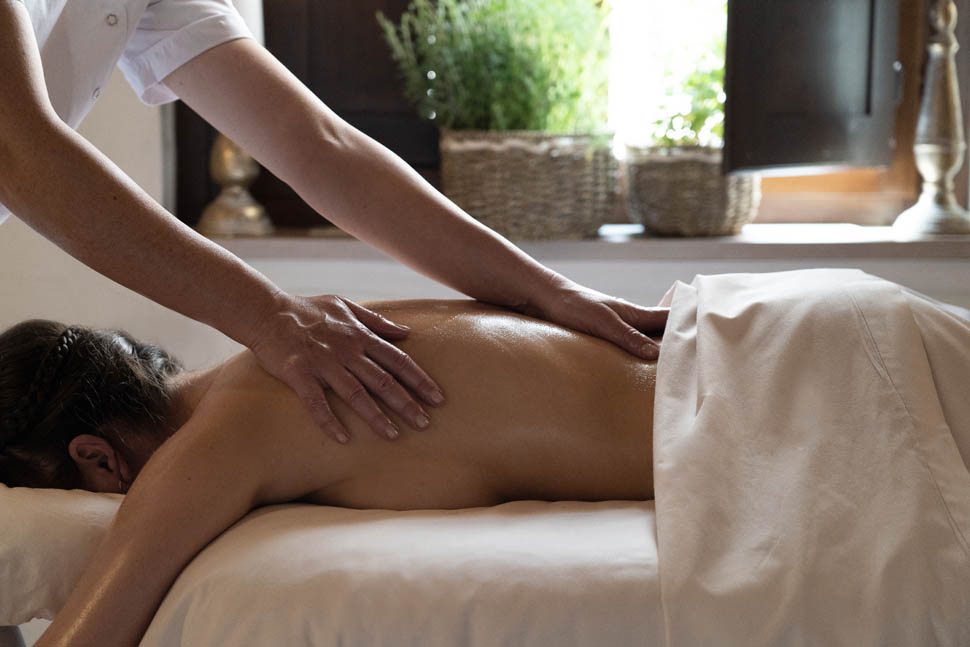
Special attention is given to the treatments. Alongside the protocols developed in collaboration with Biologique Recherche, Castel Monastero continues to emphasize an aspect deeply rooted in the local area. In fact, many of the essences used in the rituals are derived from herbs grown directly on the property, which are then transformed into oils and natural preparations. The overall sensation is one of well-being that avoids any form of showmanship. Here, too, the same consistency that characterizes the rest of the resort prevails: no excess, no attempt to impress, but an environment designed to restore time and silence.
In a landscape where many destinations end up looking alike, Castel Monastero still retains an increasingly rare quality: it has a history that continues to engage with the present. And perhaps this is precisely why, as you leave the village behind, what remains above all is a feeling. The feeling of having journeyed through a part of Tuscany that has never ceased to be true to itself, changing only—over the centuries—the way it welcomes those who come today seeking to discover this land through a slower, more immersive experience.
Contact
Castel Monastero
Loc. Monastero D'Ombrone, 19, 53019 Castelnuovo Berardenga SI
Phone: 0577 570570