The Cerea restaurant in Brusaporto, situated at the heart of a magnificent culinary ecosystem, is an establishment that is unique in Italy in its own way, where guests can experience a cutting-edge concept not based on provocative gestures for their own sake, but on tradition, precision, and hospitality of the highest order
Inside the Cerea Universe
There are a thousand churches and only one cathedral. That’s what comes to mind when you dine at Da Vittorio in Brusaporto, the capital of the “province” Cerea, Italy’s largest and most complex gastronomic ecosystem, which recently announced the entry into the Ou(r) Group’s shareholder structure of the Ruffini family—founders of Moncler and with stakes in Langosteria and Concettina ai tre Santi—with a 40 percent stake that will enable further expansion of the Bergamo-based group in Italy and abroad.
You think about these delicate financial matters, you hear tales of new openings all over the world by the big names from Bergamo, you watch Chicco Cerea and his team plan events for extremely wealthy clients in Barbados and Provence, you try (and try) to imagine the effort and responsibility of managing a holding company that provides for 1,400 families (if you multiply by four members per household, you get the population of a small-to-medium-sized Italian town), and then you find yourself dining at the three-star restaurant and experiencing the usual impeccable, profound lightness that has made this restaurant legendary—a lightness that nothing seems to diminish, not even all the trappings that have grown up around it.Your thoughts are entirely elsewhere; inside, there is only joy.
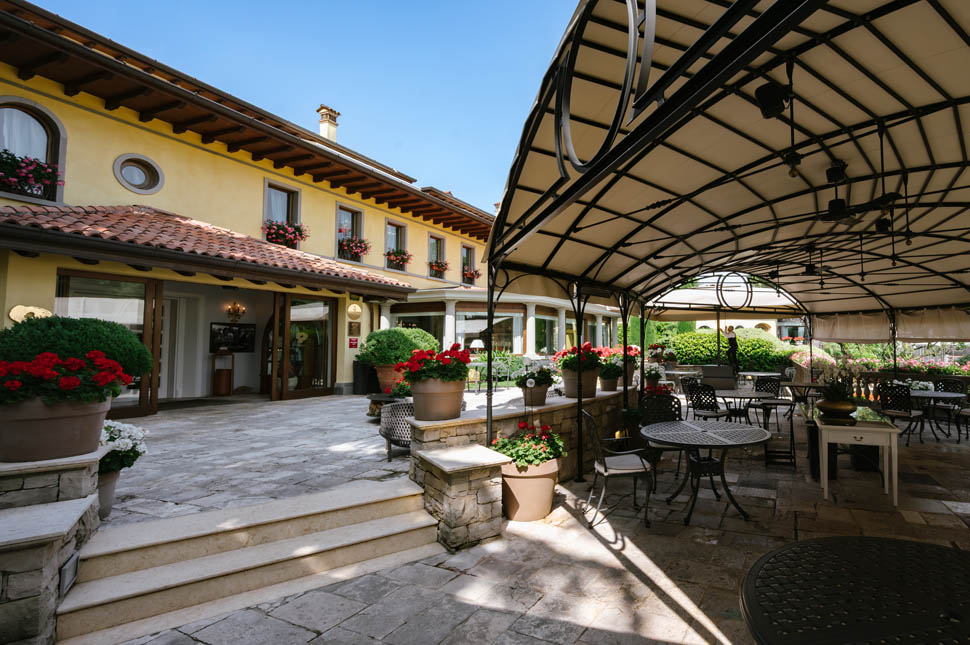
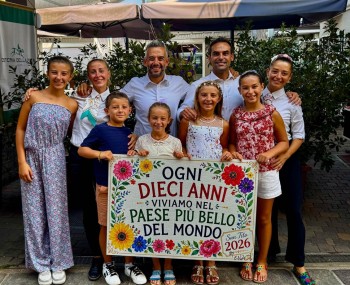
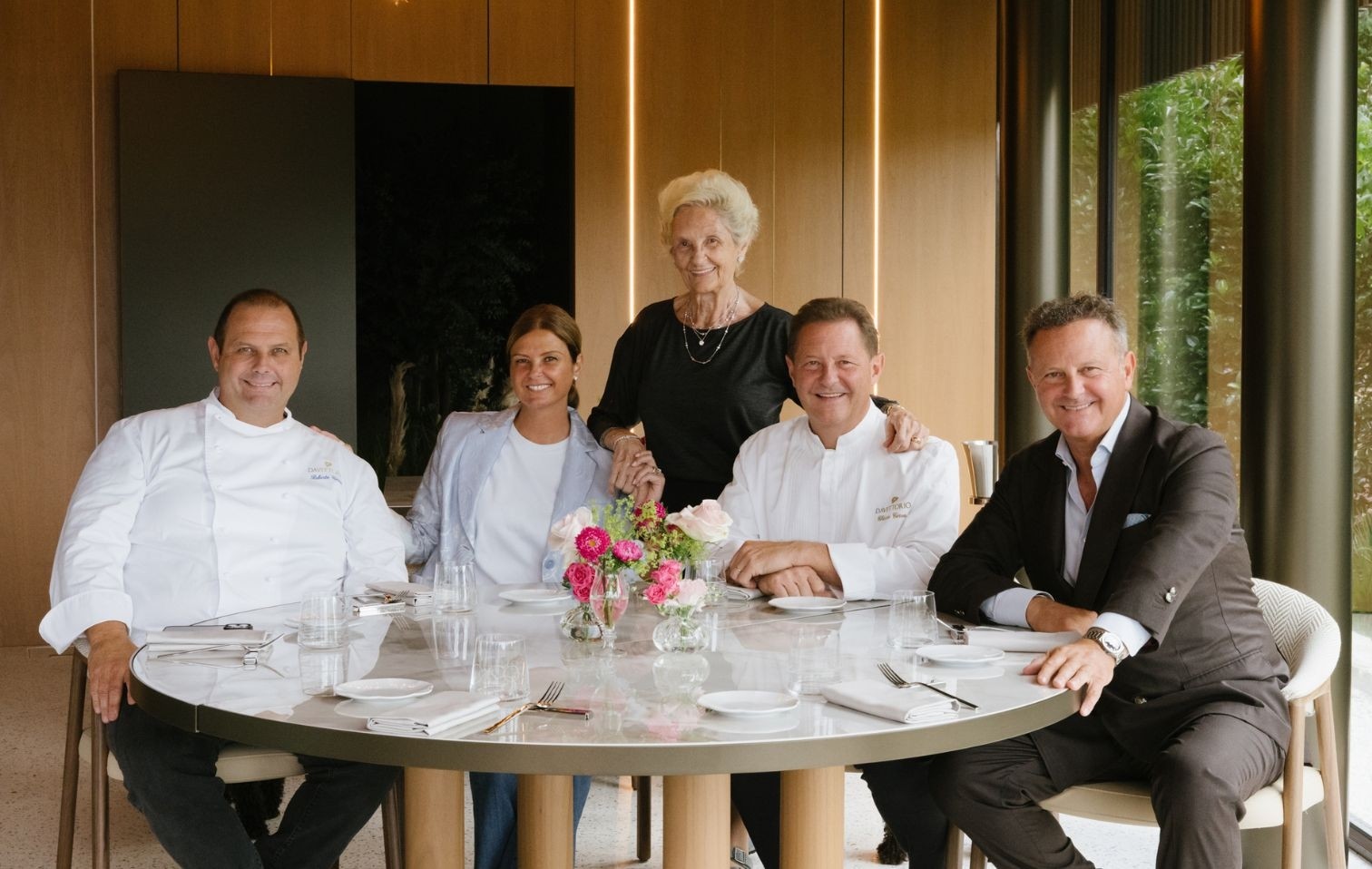
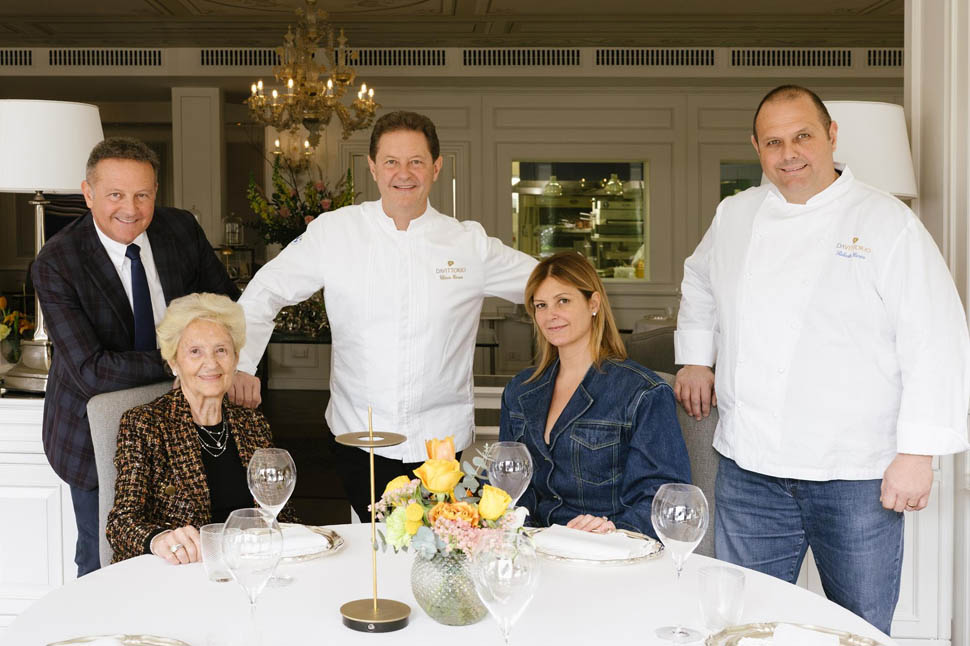
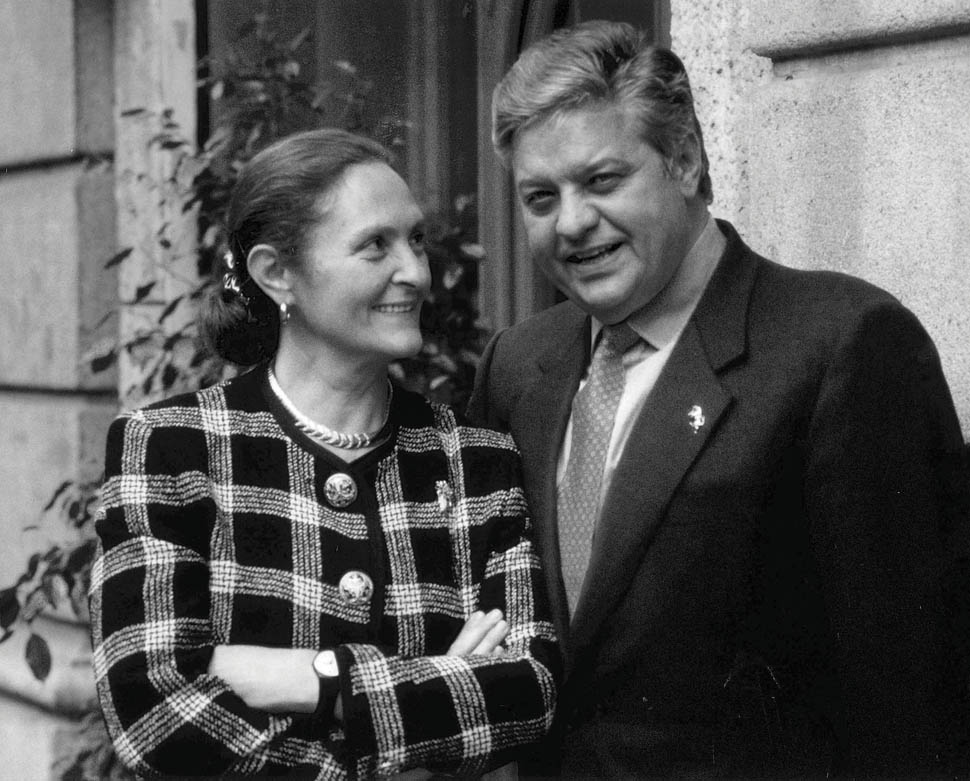
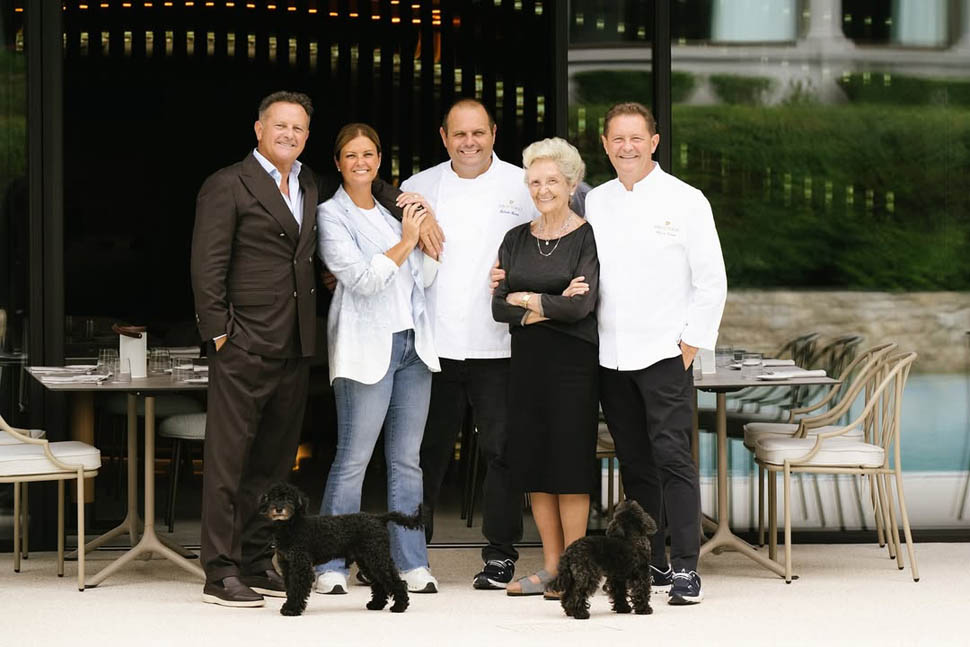
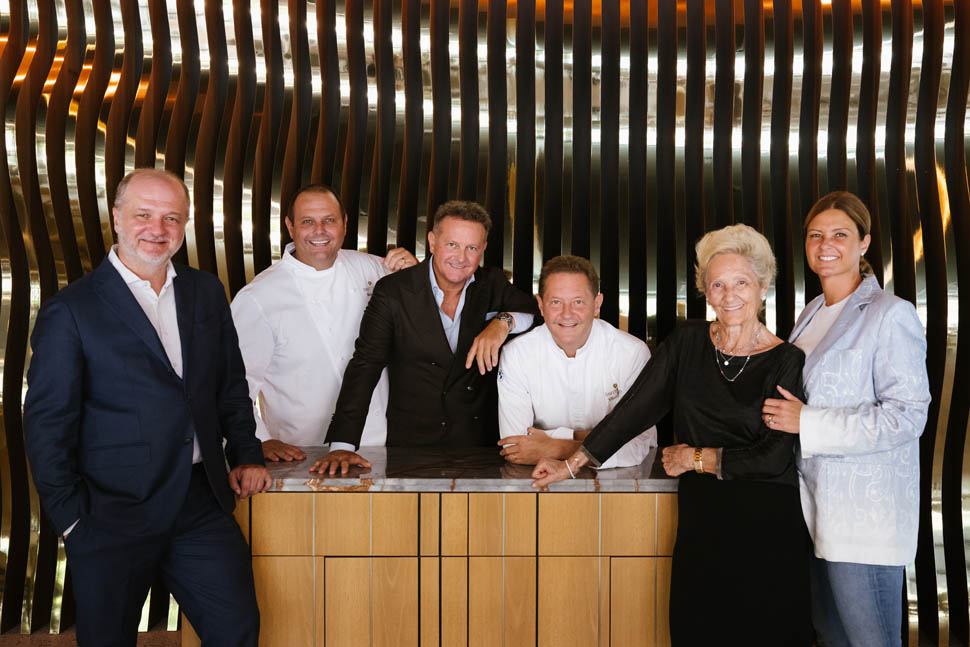
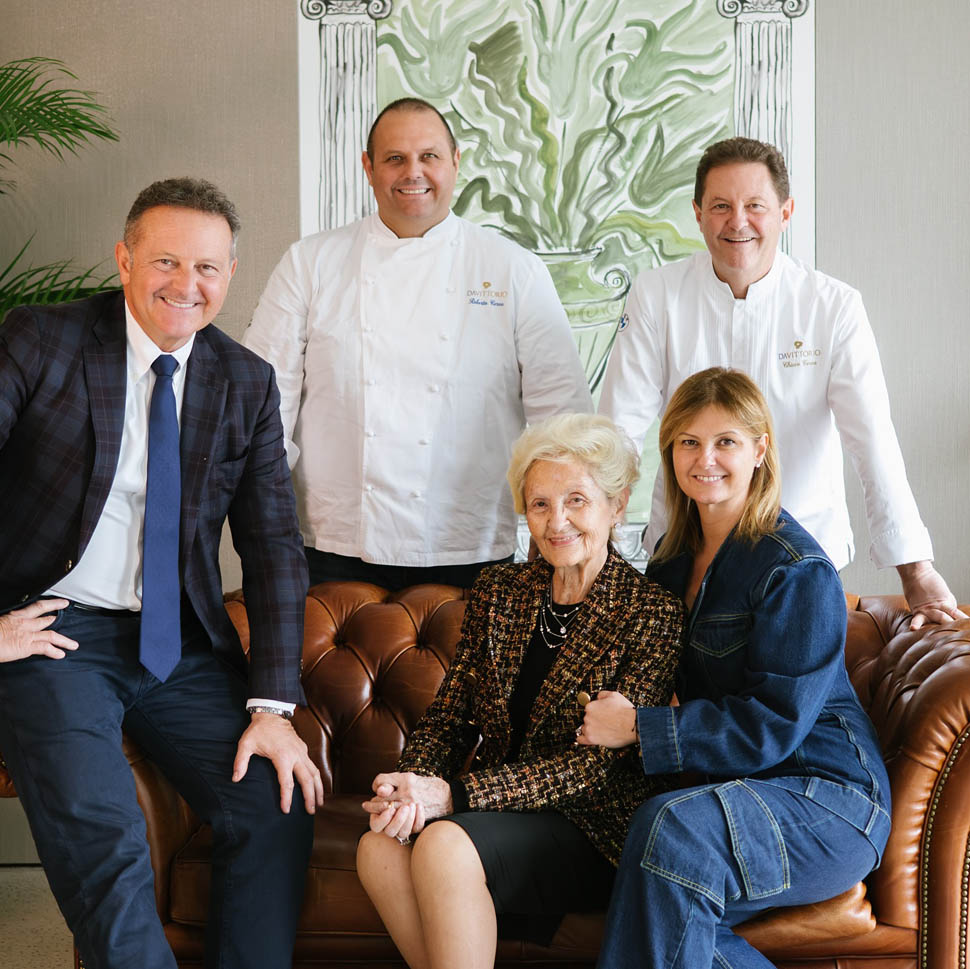
Da Vittorio is a textbook example, a restaurant unlike any other in Italy. And yes, people say that about many places, of course, but try naming another place quite like this one. A place that many consider simply classic, and it certainly is, but one of a “sexy classicism,” as Enrico—known as Chicco Cerea—likes to say, the eldest brother and leader of the group of four siblings (Francesco, Roberto—known as Bobo, Rossella, while the fifth sister, Barbara, is outside the business, and Mom Bruna, who just turned 85, watches over everything and everyone with maternal sternness and a heart of steel), the heirs of Vittorio, who opened the first restaurant in Bergamo in 1966 (they’re celebrating their 60th anniversary this year—congratulations!) bringing seafood to the area for the first time—which some people looked at strangely, wondering what that stuff with shells and bones was. From Bergamo, the mountains are much closer than that sandy thing called the sea, which is too languid for an ingenious and hardworking people incapable of truly resting; for that, there is retirement, perhaps, and certainly death.
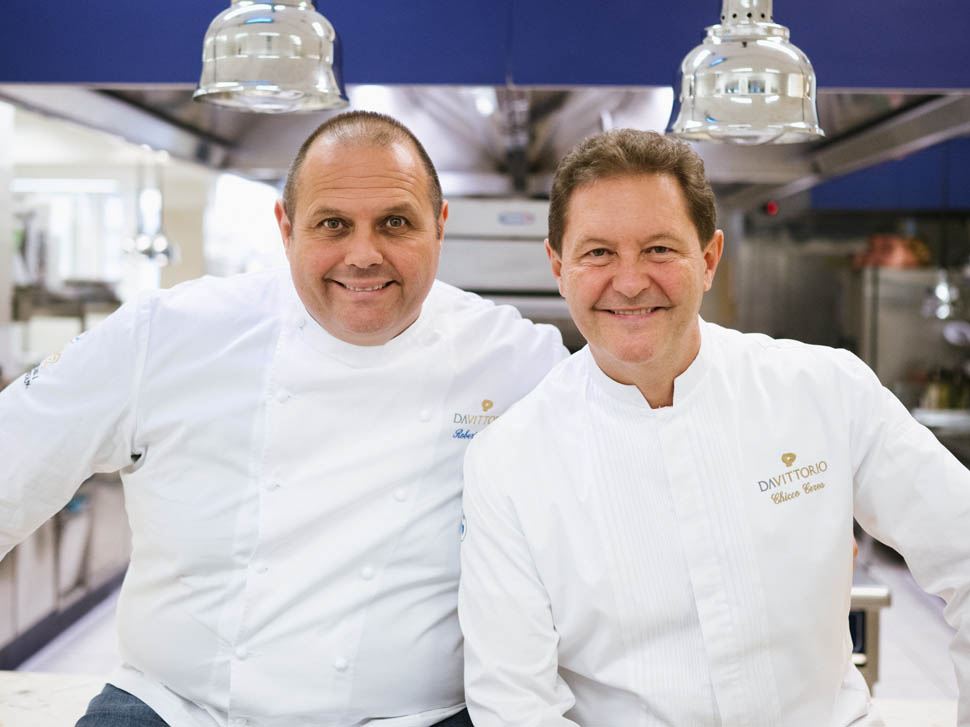
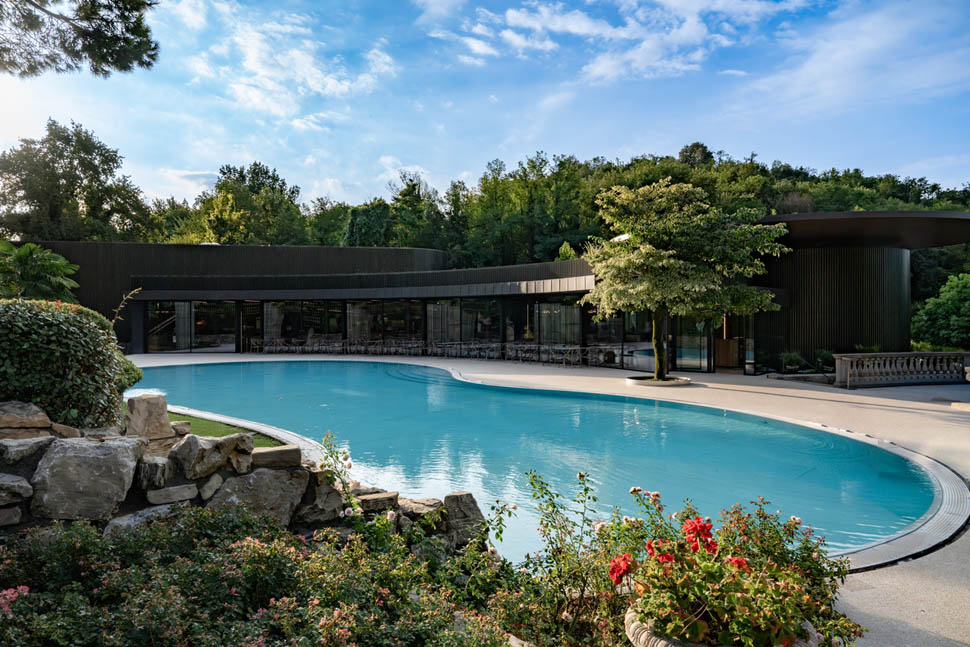
“Sexy classicism,” as we were saying, like a Valentino dress. That is one of the many ways to describe this cathedral-like restaurant, which is a living encyclopedia of meticulous hospitality and the relentless pursuit of the utopia of making no mistakes—a philosophically impossible feat, we know, but the road to paradise is paved with such attempts. You witnessed this titanic ambition of the Cerea family the night before, at DaV on the Cantalupa estate, the more casual restaurant just eighty steps from the main restaurant: you’re served an artichoke alla giudia as an appetizer, but the person presenting it calls it “alla romana.” And you, who just happen to be Roman, point out the mistake to Chicco as he walks by. Apologies abound, but those matter little. What matters is that ten minutes later you hear him describe the dish again, at the table next to yours, and the artichoke is correctly described. Humility, quick action, an unquenchable thirst for learning, the ability to listen. Never making a mistake, as they used to say, is impossible, but correcting mistakes quickly—that is indeed possible and almost divine.
For Chicco Cerea, this is the cutting edge—one to which Da Vittorio has never been compared by critics who are quick to swoon over the heretical moves of young punk chefs in action elsewhere, and to sing their praises, but who must occasionally retreat to the warm embrace of Cantalupa to find respite from this creative restlessness. The avant-garde—it is now clear—is about making the customer feel at ease, guiding them along a highway as smooth as oil toward an accessible paradise, taking care of all the difficult parts so that the guest is left with only the easy ones. And perhaps we—who tell the story of this world—should once and for all reclassify this establishment, give it the credit it deserves, and be truly proud of it as Italians, as gourmets, as admirers of beauty, finally ceasing to think that its reliability is a limitation rather than a virtue, given the work that goes into it. Fads come and go, Da Vittorio remains—it’s that simple.
The Da Vittorio Experience
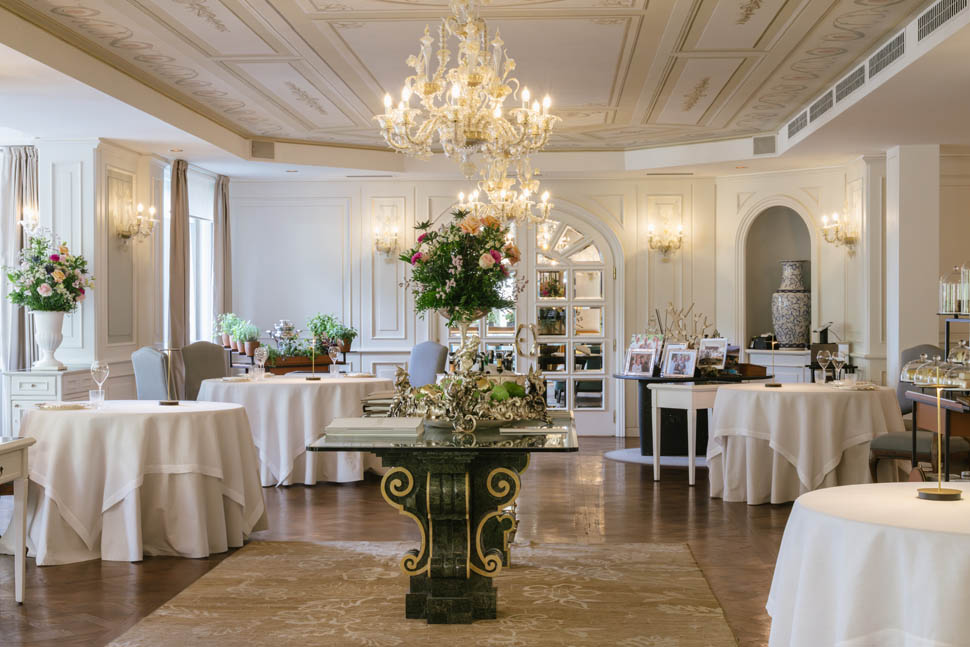
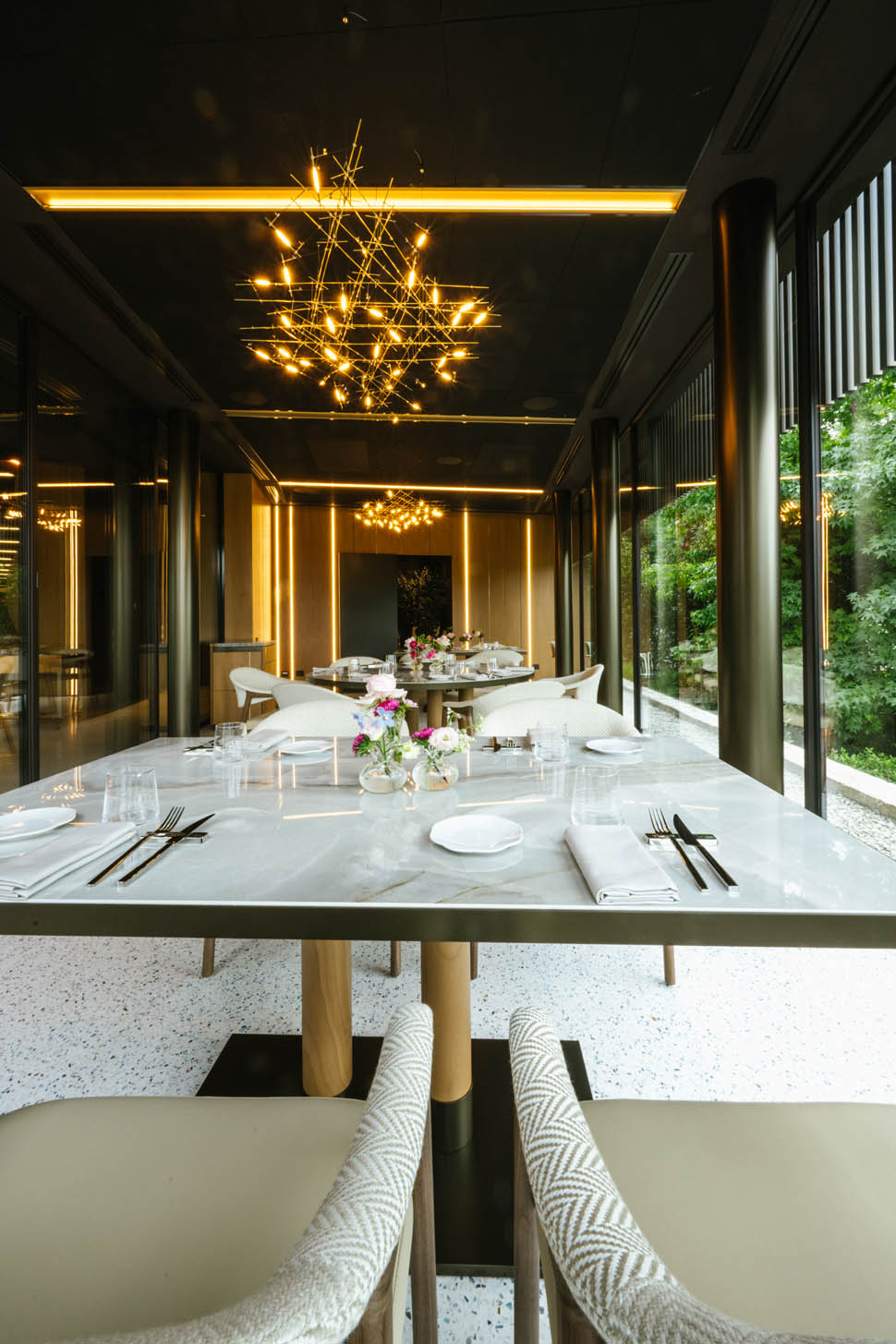
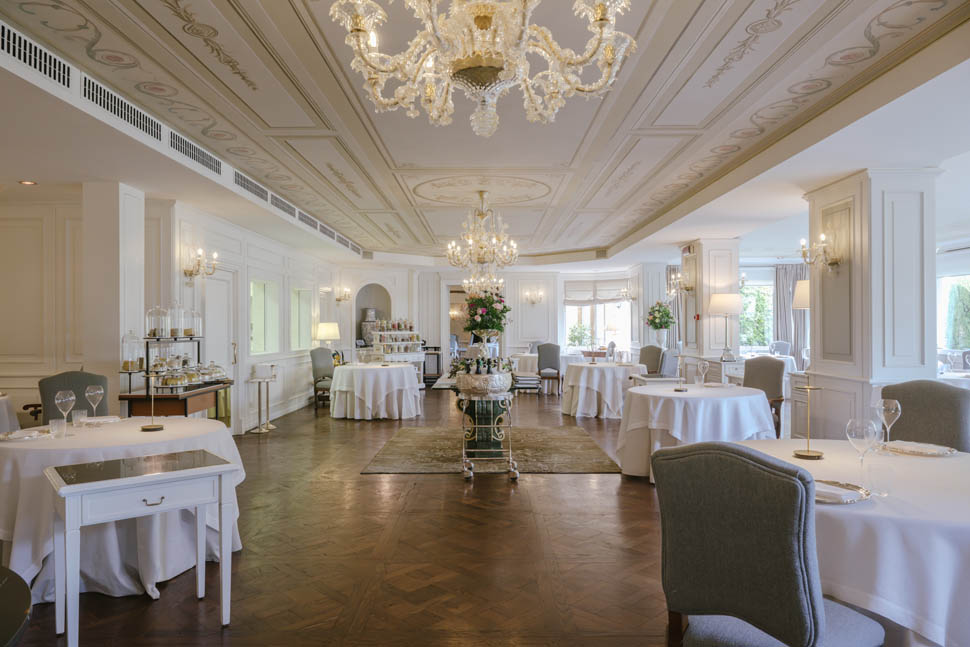
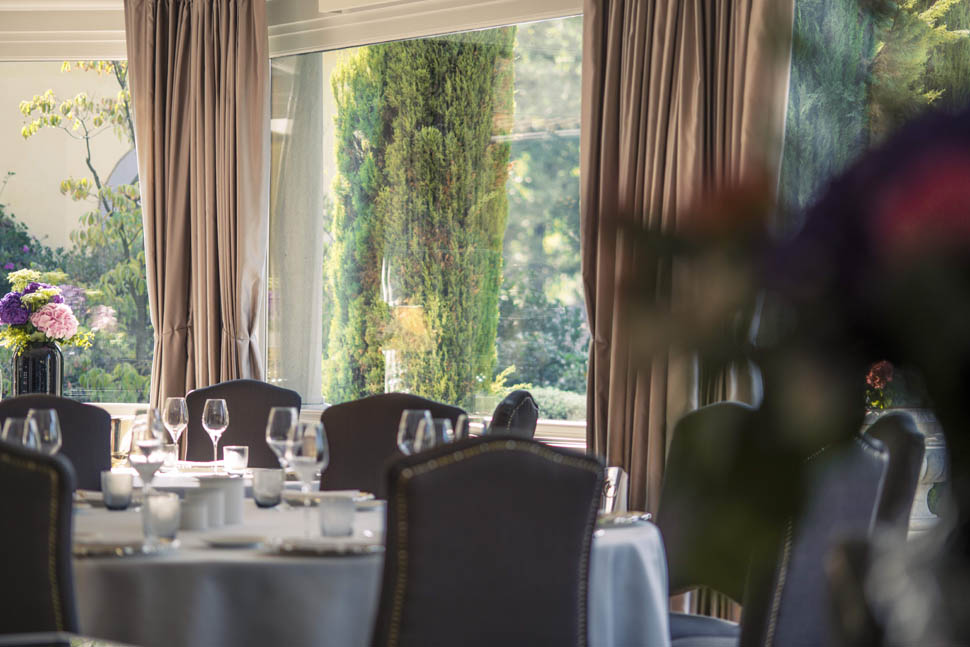
To put it simply, a meal at Da Vittorio is a memorable experience. It’s a matter of rhythm, of gentle precision, of smiles, of engagement. A dance. A variety show with the ringmaster always wandering through the dining room to make sure everything is going well, to add a detail, an anecdote, a bit of harmless family gossip, a smile that is the first ingredient of all happiness. The dining room is Italian-style, with round tables spaced well apart, classic table settings, impeccable white linens, and no trace of minimalism. Behind a glass partition, the kitchen moves according to existential geometries. The dining room fields a young, close-knit team; roles are clearly defined, and a trained eye can spot the constant exchange of glances through which the well-oiled, well-defined routines—rehearsed daily—are carried out. Special mention goes to the talented Vera, whom you’ll likely interact with for most of the evening.
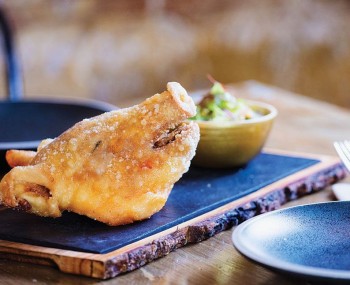
We start with the Primizie del Mare, a snack featuring three fried items: an incredibly tender moeca (they recommend starting with the legs and saving the body for last), tiny red shrimp, and baby squid, served in three separate jars and accompanied by three sauces: one with basil yogurt, another sweet-and-sour sauce with honey, chili pepper and mustard, and an “anchovy” sauce, made like tuna sauce but with anchovies instead of tuna, of course. A tip for anyone interested: it’s best to use the sauces sparingly so as not to overwhelm the delicate flavor of this truly masterful fried dish. Another unsolicited tip: dig in with both hands; a damp napkin discreetly placed beside you will adequately cleanse both your hands and your conscience. Then comes another snack that pays homage to the hydroponic greenhouse run by Planet Farms—the only installation of its kind in an Italian restaurant—located in a sort of high-tech container on the Cantalupa estate, which supplies the restaurant with herbs and small vegetables for all the group’s restaurants. Edible flowers and herbs adorn a wafer made from tempura-coated rice and topped with crème fraîche, avocado, salmon, and caviar. A delight in just two bites.
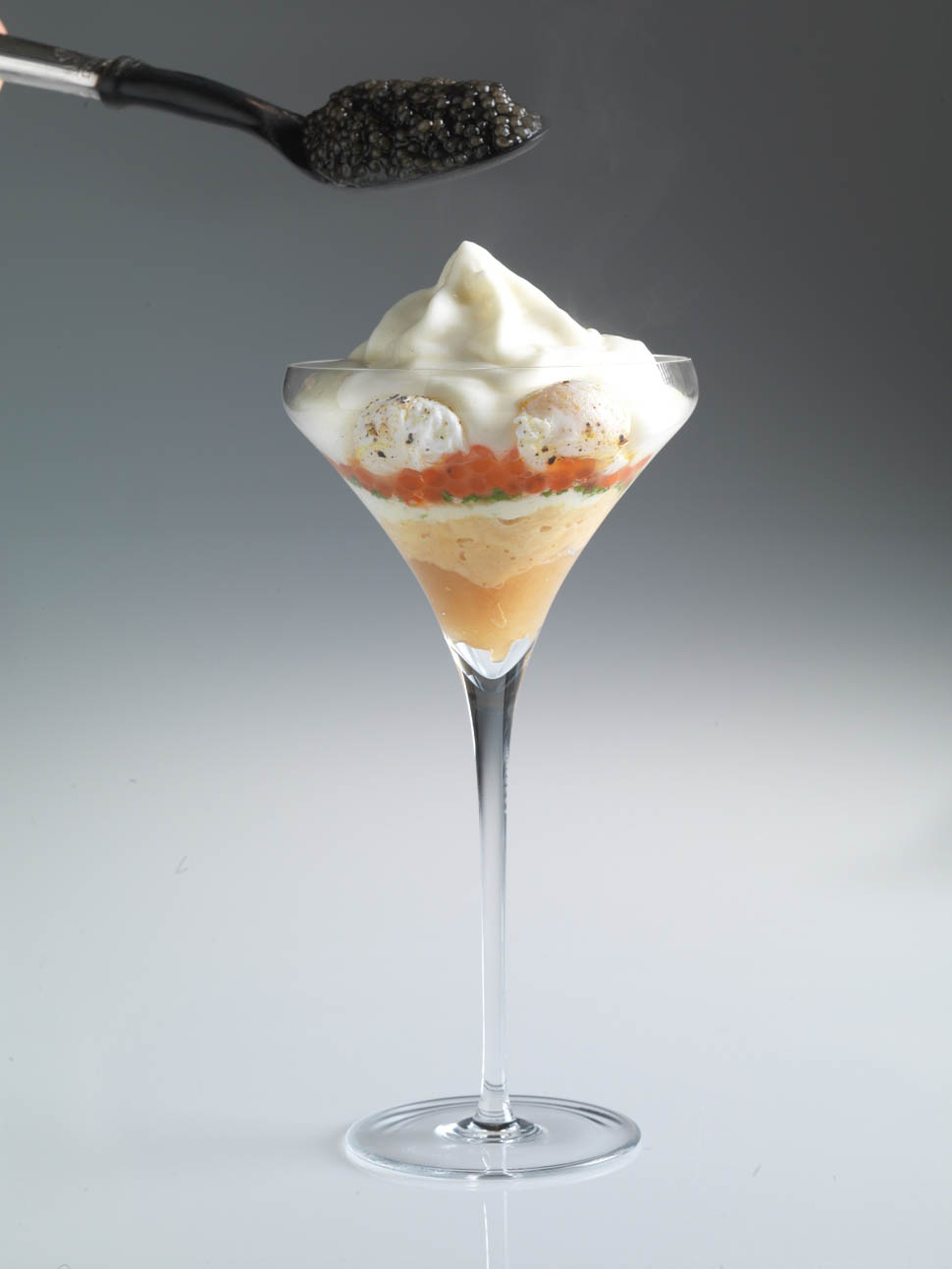
Next comes a Martini glass filled with lightly marinated lobster tartare topped with cauliflower foam, lemon, and caviar, which is the perfect accompaniment for sampling the various types of breadsticks: the hand-rolled ones flavored with rosemary, the hollow corn breadsticks that are crispy on the outside, and the unbeatable flaky ones sprinkled with a pinch of Maldon salt. Then comes the first classic of the evening: the Egg on Egg, an evergreen that even if they wanted to, the Ceras could never remove from the menu without risking the same fate as Robespierre. Also served in a martini glass, it is a layered composition of four types of egg: at the bottom of the glass are cooked yellow apples, and above, layer upon layer, scrambled chicken eggs, a poached egg in sour cream, salmon roe, a smoked potato mousse, chives, and Amur Kaluga caviar. To be eaten by digging in with a spoon like archaeologists, to savor every layer with every bite.
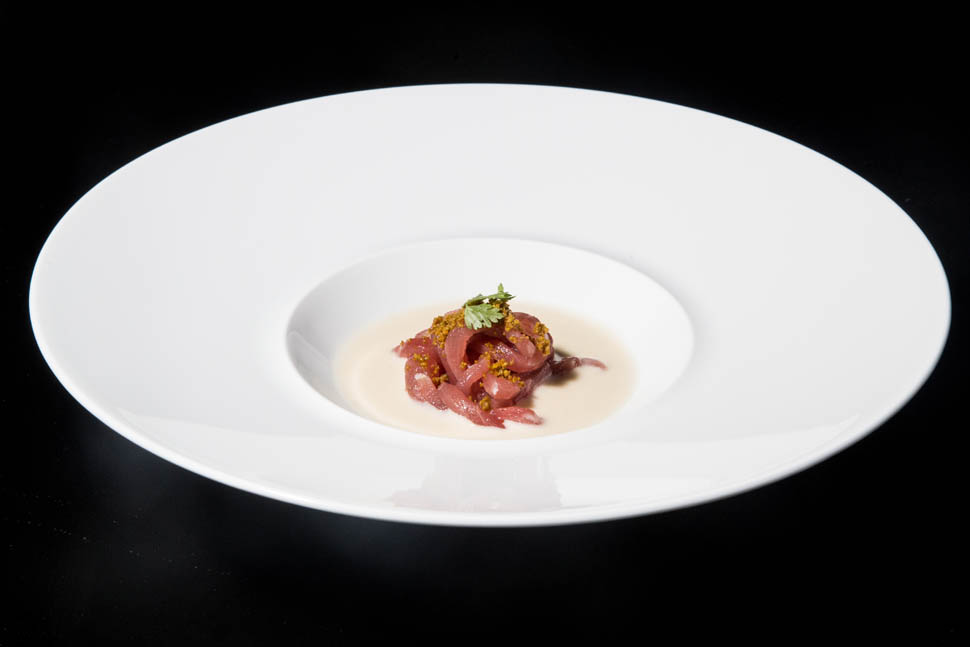
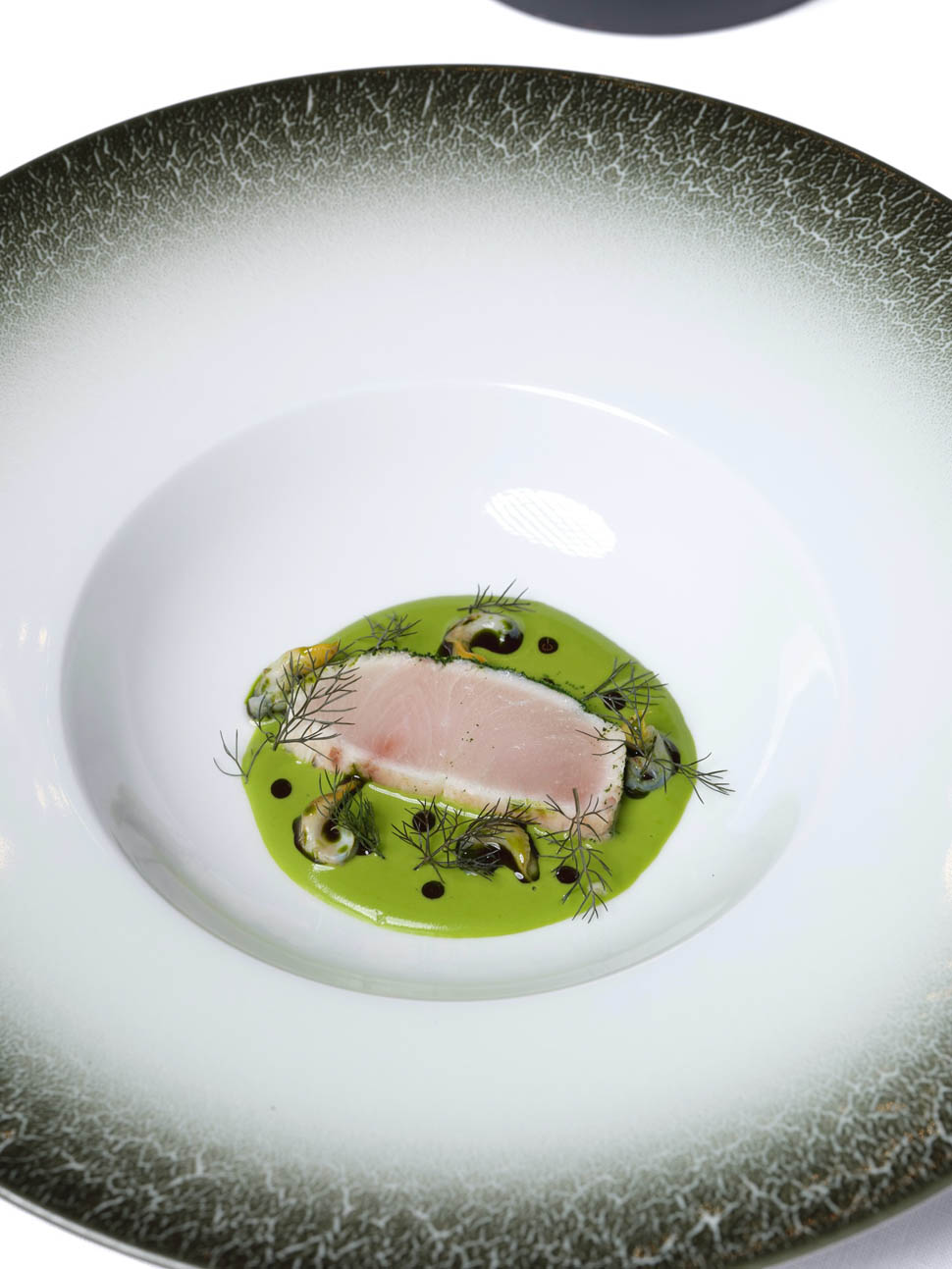
Next up is another signature dish: Spaghettino with tuna, bagna cauda, and pistachio crumble. A faux pasta dish that pays homage to Italy both in its colors (the green of the pistachio, the off-white of the bagna cauda, the red of the tuna) and in the concept of a journey across the Italian peninsula, from Piedmont to Sicily. The rest—the interplay of temperatures, textures, and flavors—serves this concept. Then two seafood dishes: the first plays heavily on lightness, a “sea green” yellowtail marinated with herbs and served with herb powder, a watercress sauce, and clams. The second is more robust, Alaskan black cod with chickpea and sesame cream, black thistle sauce, and a crisp leaf of black cabbage. A dish that is almost arrogant in its audacity.
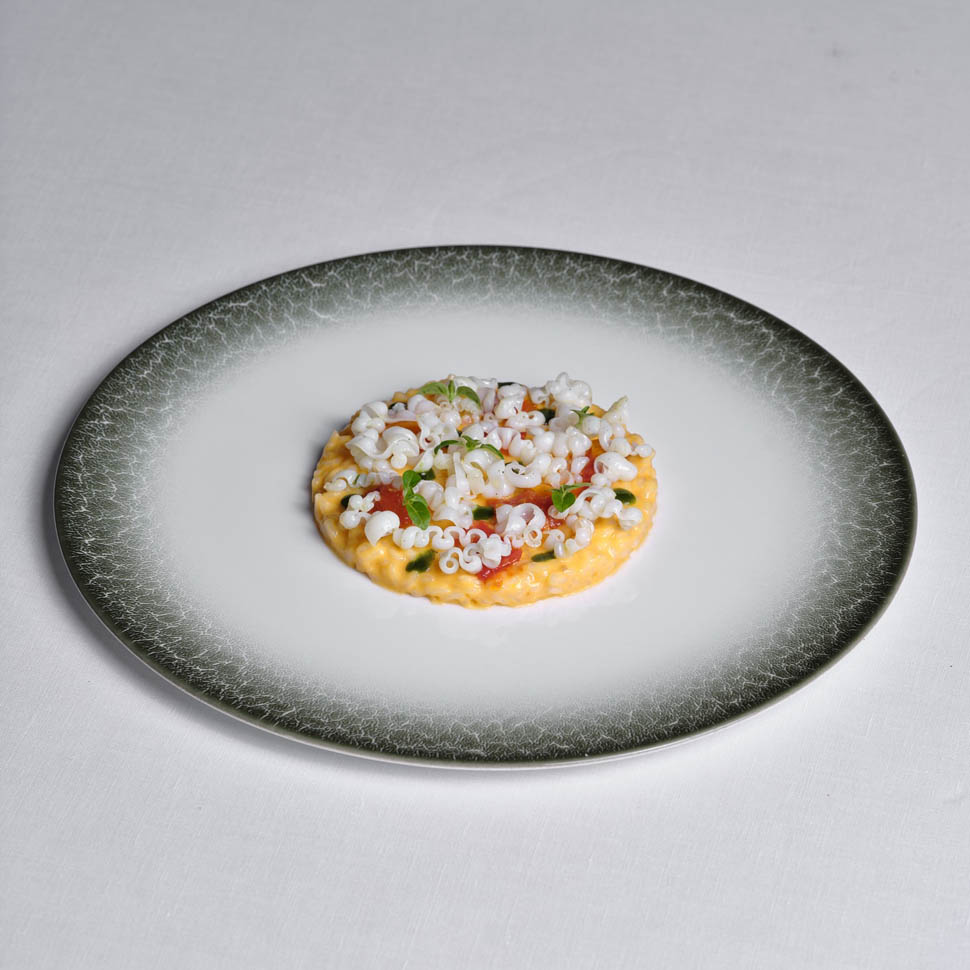
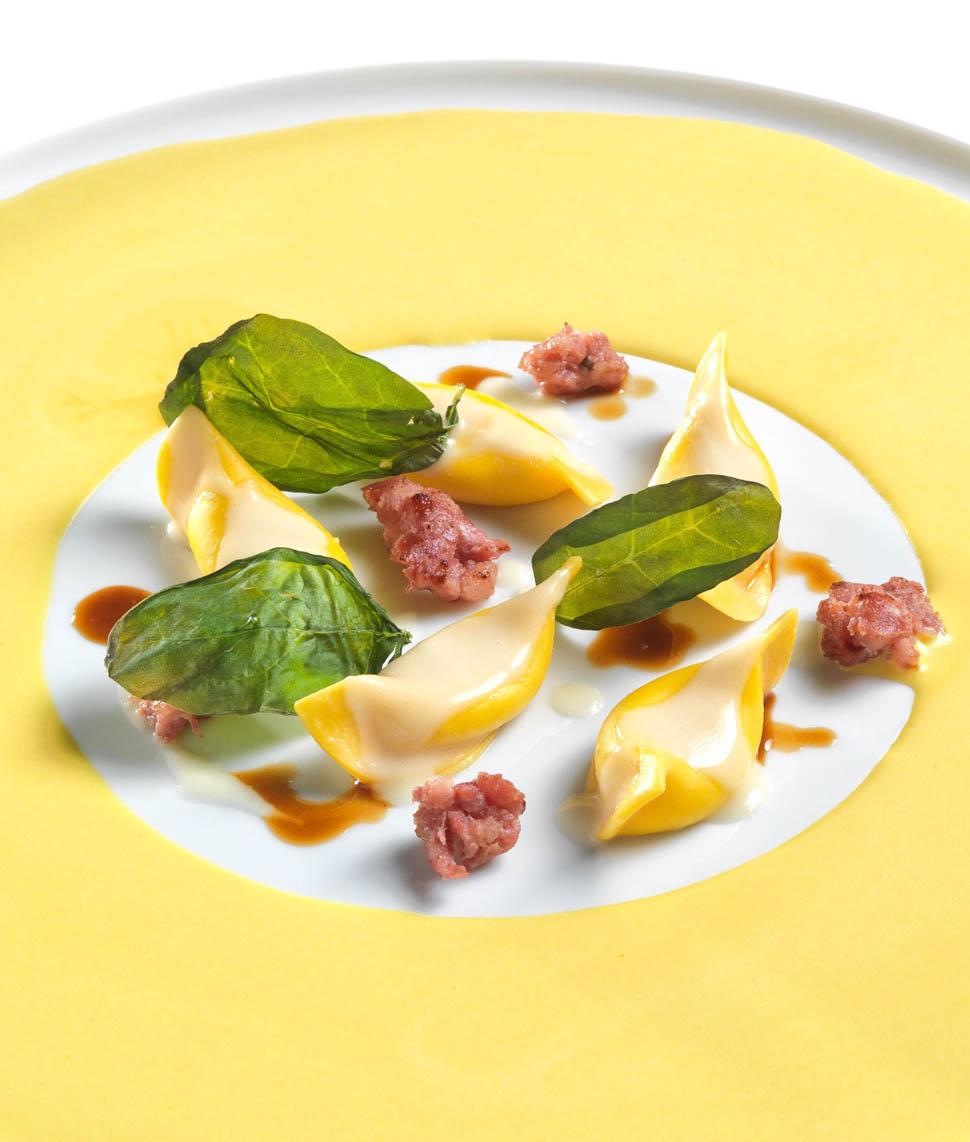
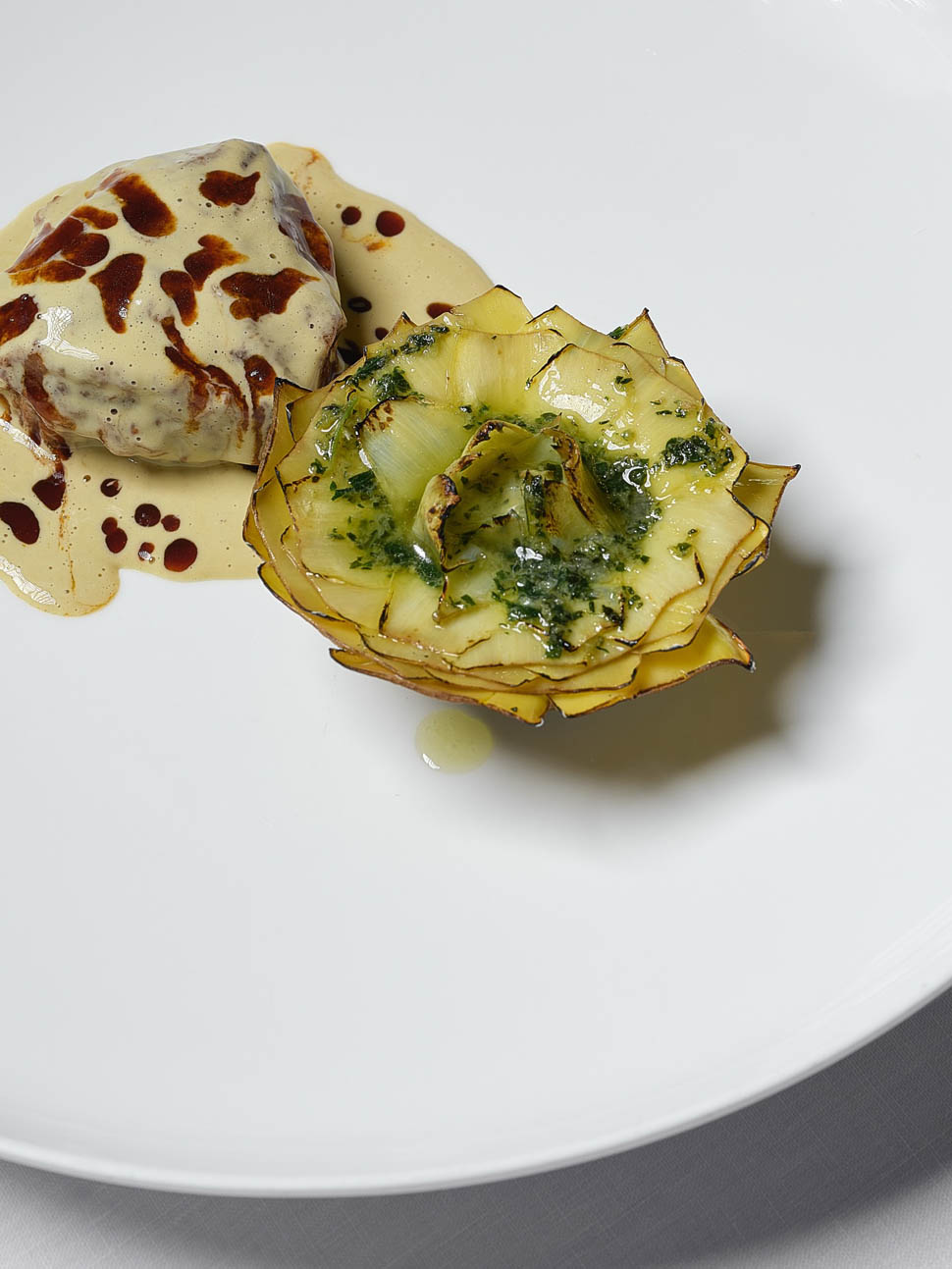
Then you’ll be captivated by the striking presentation of the next dish: a creamy risotto with pumpkin and lobster, served with a lightly smoked pumpkin cream and curly kale. A thing of beauty, a delight. More conventional, but no less delicious, is the next dish: oxtail ravioli in a traditional beef stew, with Swiss chard and a cocoa-infused bagna cauda sauce. Then a little game. I’m served the Ricordo di un bollito, with a cut of meat the maître d’ invites me to identify: its tenderness, which almost makes a knife unnecessary, leads me to think it might be veal cheek—and indeed, it is veal, but it is a cheek, elevated by masterful cooking, a rich cooking broth, and a cranberry sauce that provides the necessary tangy kick.
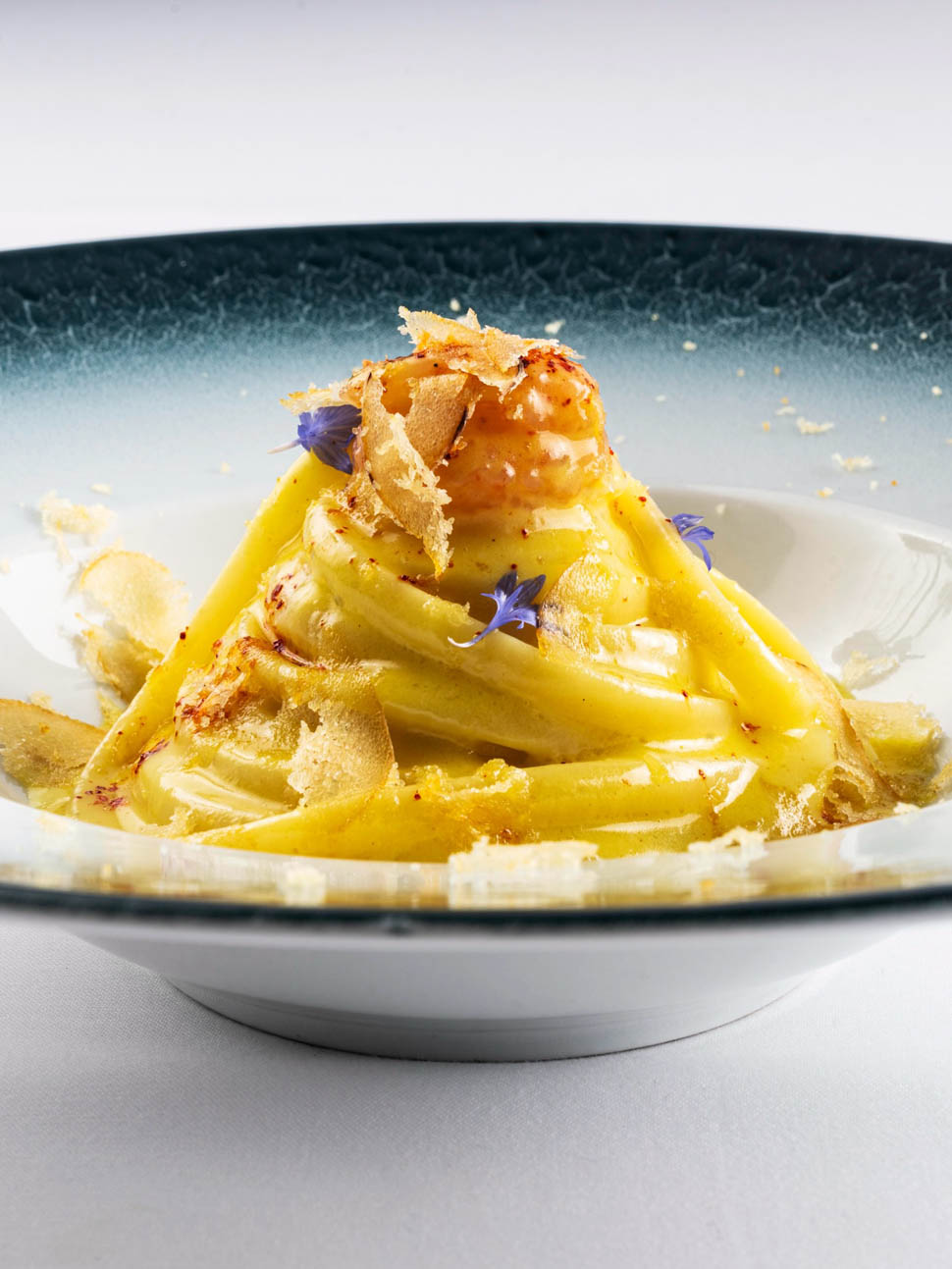
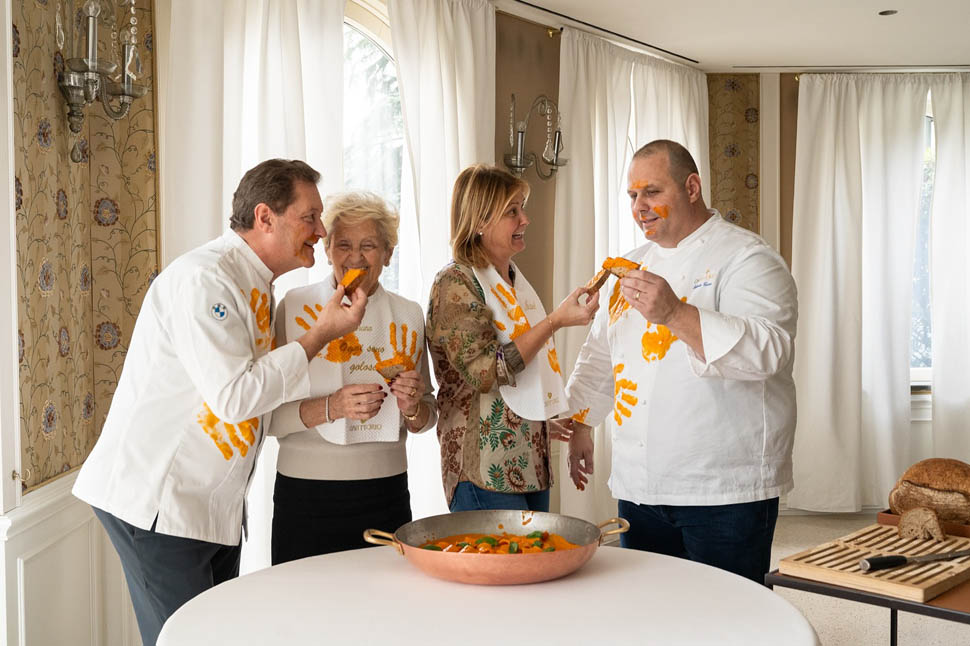
And what about the fabulous Paccheri? They arrive, as always, toward the end—a domestic and theatrical ritual. Francesco Cerea takes it upon himself to toss them right in front of me, making this anticipated ritual flawless. I’m served just two paccheri, and I appreciate the act of mercy after so many requests, but the amount of sauce they’re swimming in compels me to mop up the plate to avoid committing a criminal offense.
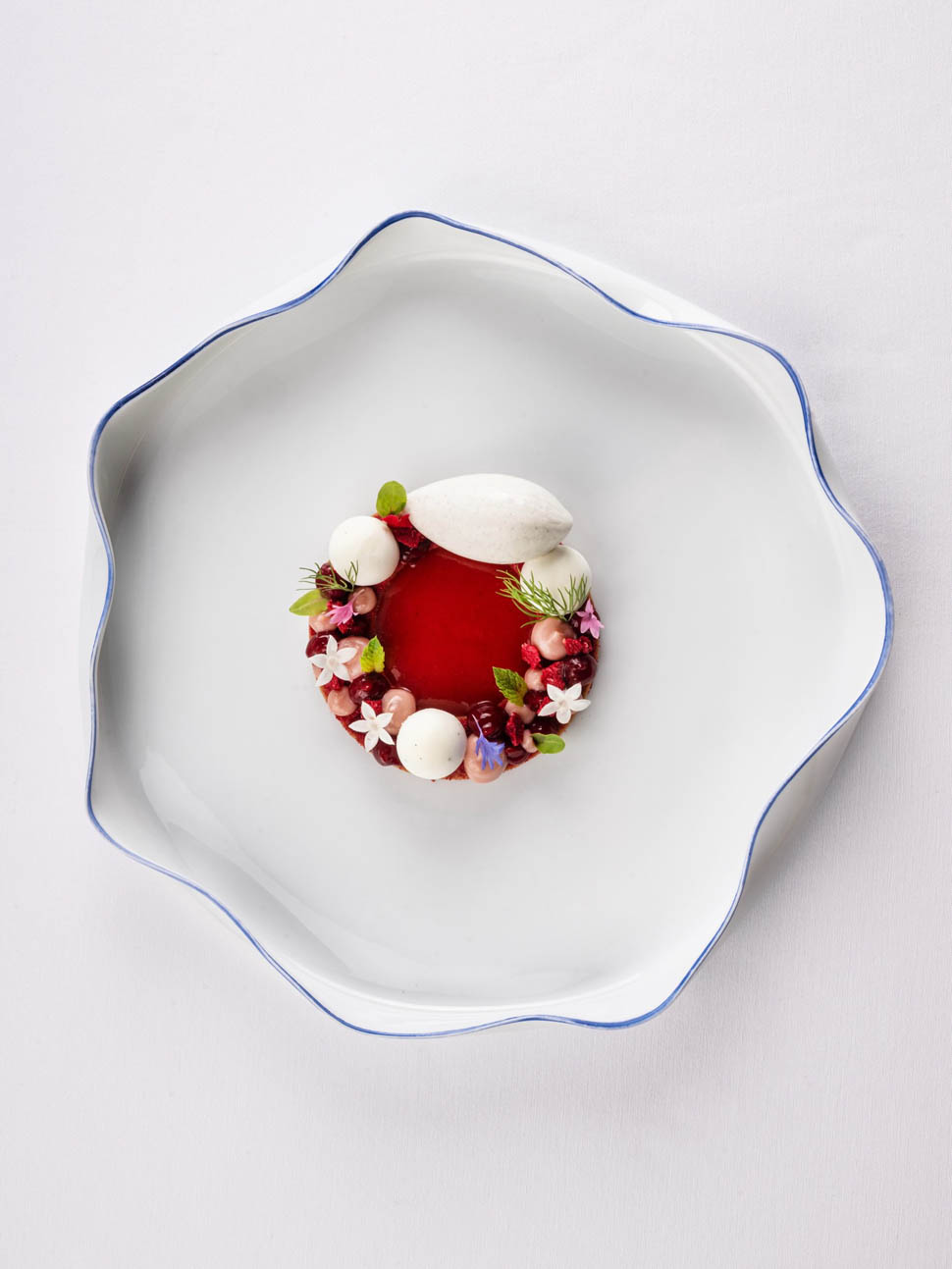
Now for the sweet part: first, a floral pre-dessert featuring panna cotta, rose water and strawberries, a refreshing gel, and crisp meringue. Then the fun begins: a spinning wheel arrives, dishing out in each “cabin” a small delight from the pastry lab in Albano Sant’Alessandro: coffee and chocolate opera cake, vanilla flan, a cloud of cotton candy, pistachio bacio di dama, pine nut and cardamom praline, strawberry and bell pepper pavlova, almond and lemon panna cotta. Olé. Is that it? No, there’s still time for the bonbon cart, a series of small and large transparent jars that add a touch of childlike joy to the end of the meal. This whole divine comedy lasts less than three hours in the end, because rhythm is an ingredient; there’s never a lull, something is always happening—they don’t even know what boredom is in Brusaporto. Everything runs smoothly.
The bill? The “Senza Confini” Menu, the one just described, costs 440 euros (the most expensive tasting menu in Italy); then there are more themed menus: “Papà Vittorio’s Beginnings” at 320, “From Our ‘Countryside’” featuring produce from the vertical garden at 280, and “In Vittorio’s Tradition” at 320. And then there’s the à la carte menu, where the cheapest dish is the aforementioned oxtail ravioli, at 60 euros per serving. It’s probably a record, but paradise comes at a price that’s paid with a light heart.
Contact
Da Vittorio, Via Cantalupa, 17. Brusaporto (Bergamo).
Tel. 035681024.
Email: info@davittorio.com.
Website: www.davittorio.com.
Always open for lunch and dinner except Wednesday lunchtime