From Paris to Milan, Substance’s Michelin star arrives at Eataly with fine pastries, hibiscus, and Italian heritage. During the dinners of the Giovani Talenti series, it’s rare for the audience to truly slow down; the Milanese tend to eat quickly even when faced with fine dining. Yet, on Wednesday evening, something seemed different.
The Event
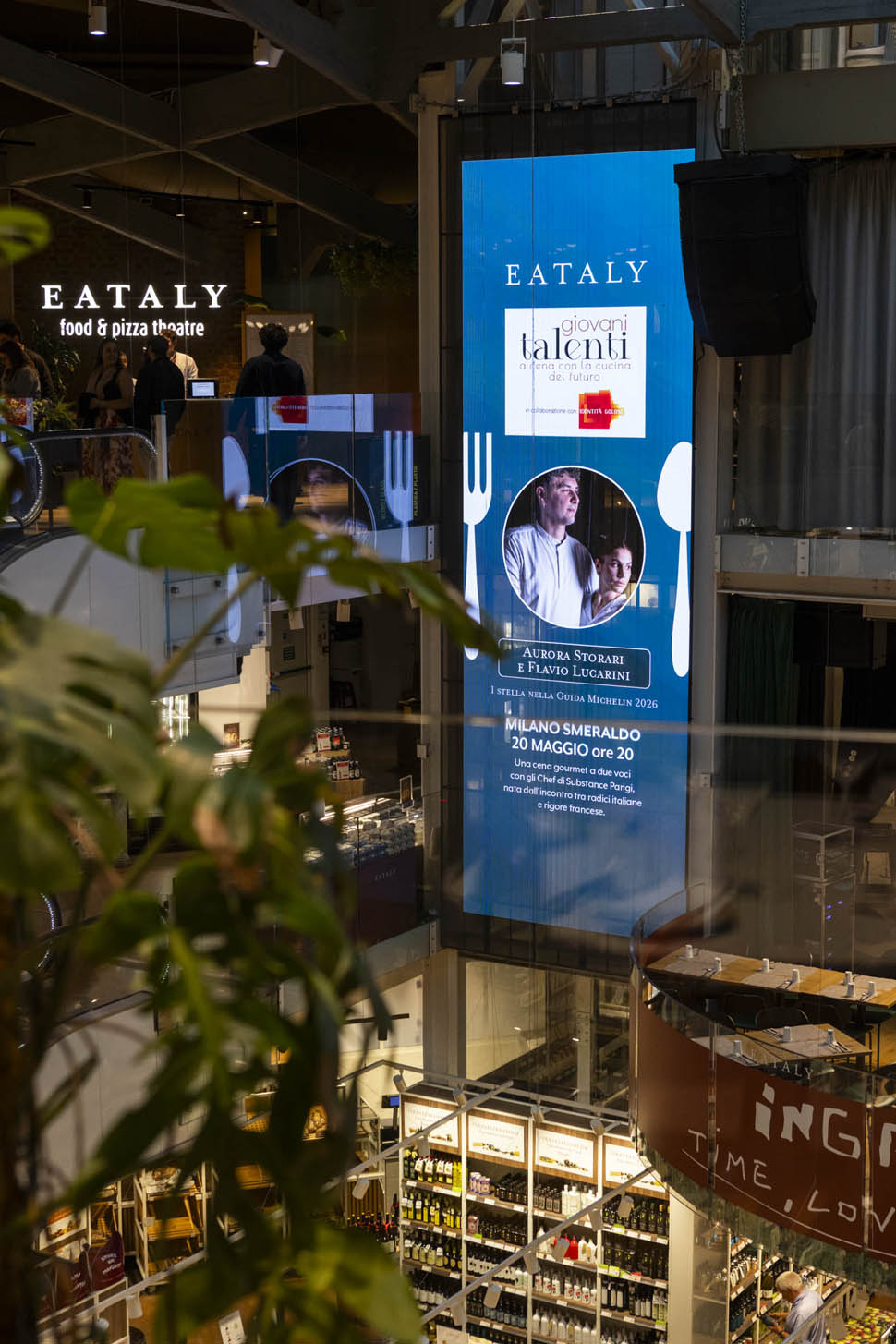
In recent years, Paris has brought a new sense of order to contemporary European cuisine. It has done so by toning down the noise, stripping away the frills, and refocusing everything on the ingredients, the technique, and true precision. Substance was born precisely within this movement: a dining experience that eschews ostentatious luxury and instead focuses on the subtlety of detail. That is why the dinner hosted by Eataly Milano Smeraldo as part of the Giovani Talenti series carried a particular, almost silent curiosity. Not the clamour of a major international event, but rather the feeling of witnessing something that is truly happening right now, as European cuisine undergoes yet another transformation.
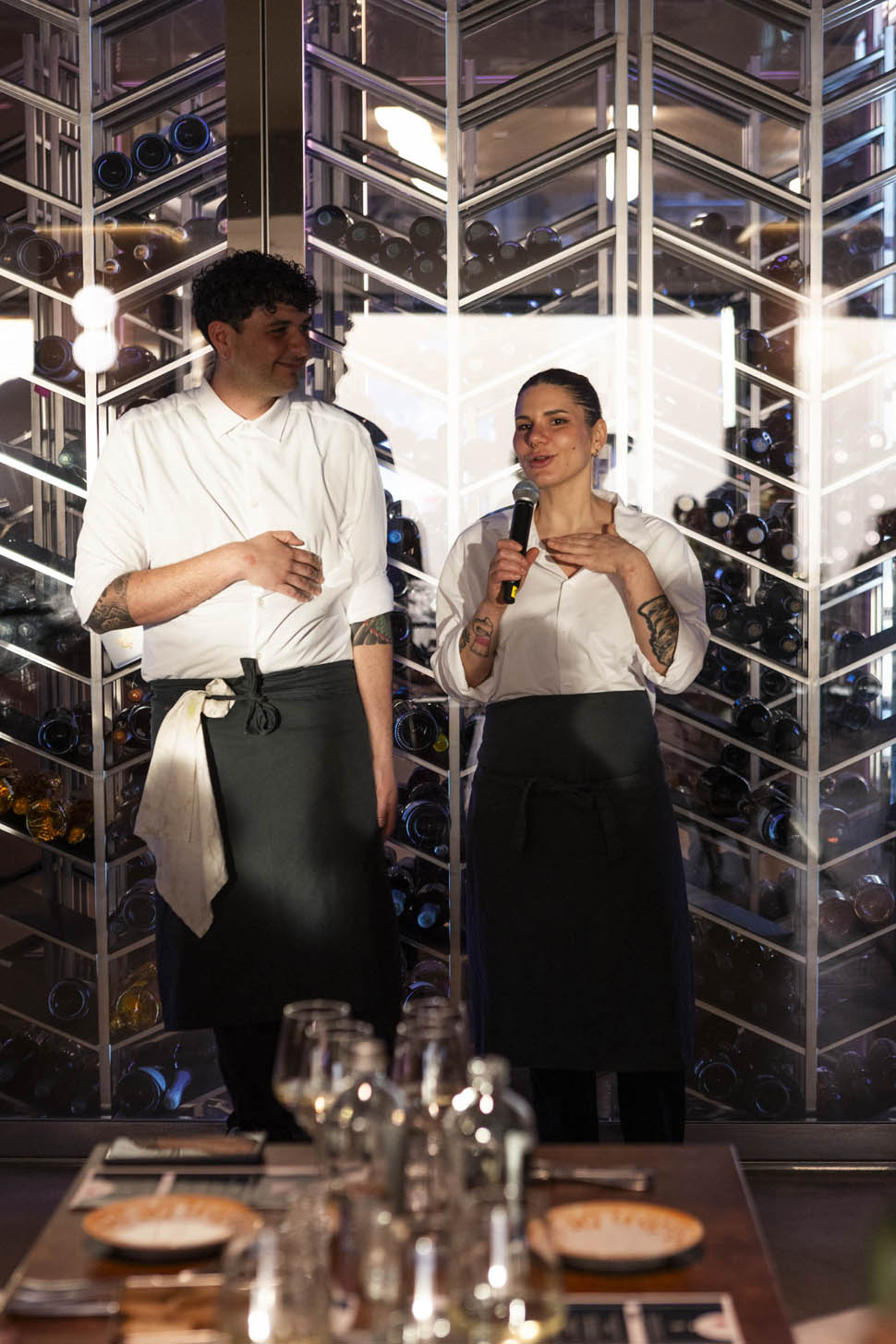
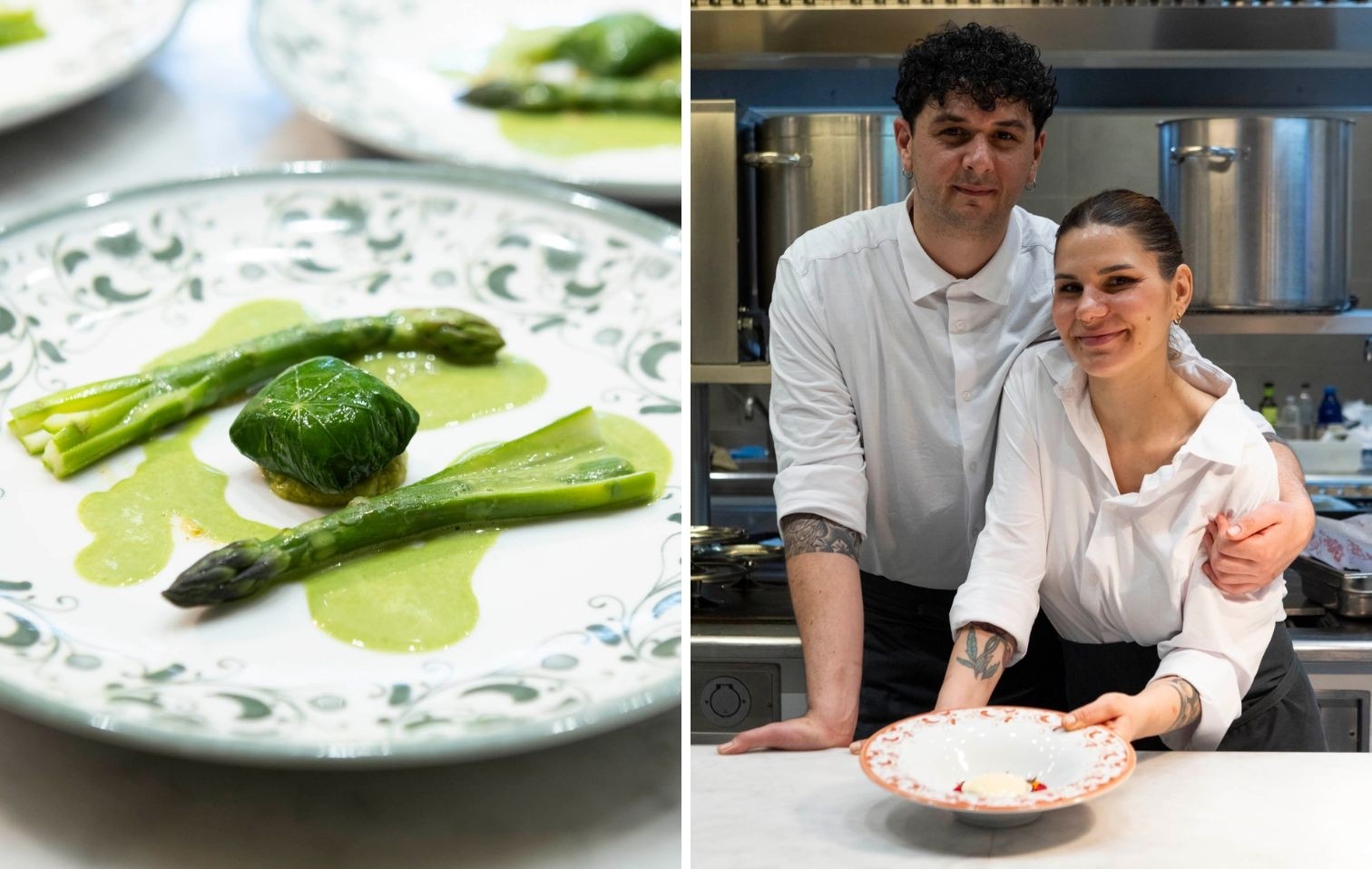
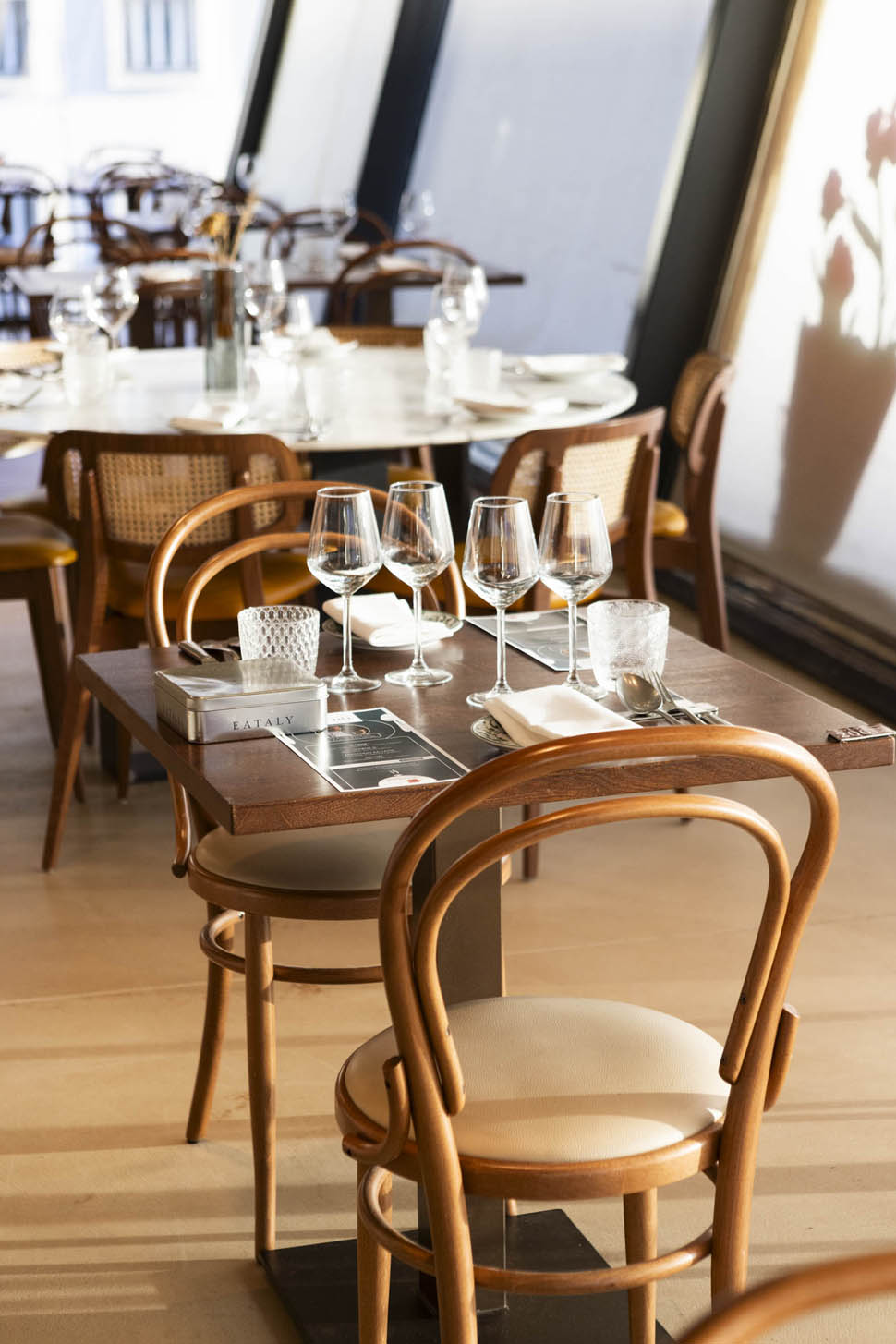
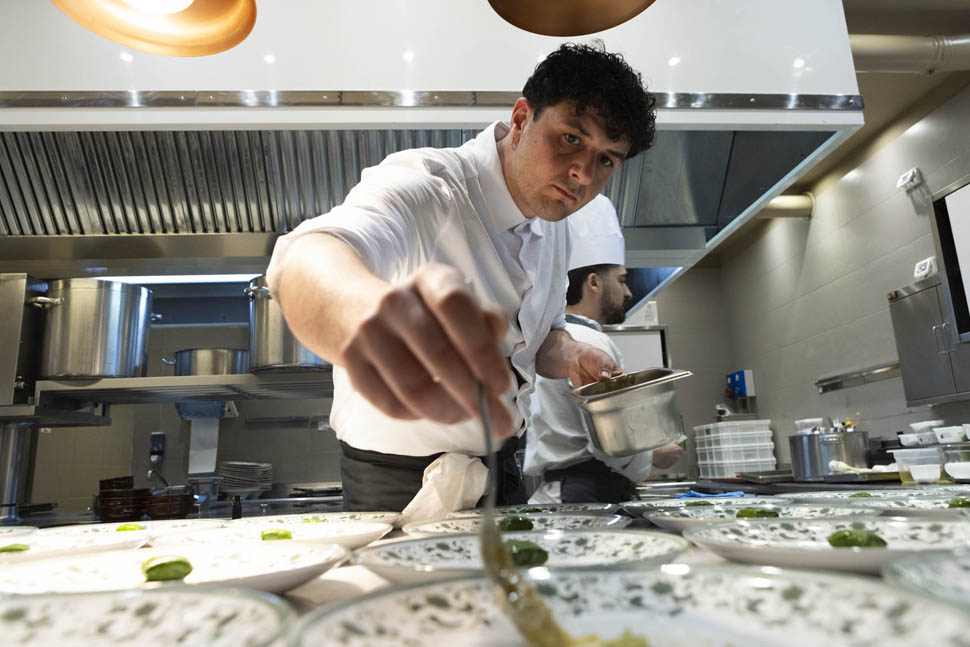
Aurora Storari and Flavio Lucarini hail from Rome, but they now speak the stark, razor-sharp language of Parisian cuisine. Yet they haven’t lost that distinctive Italian emotional instinct that makes certain dishes less geometric, more vibrant, even more vulnerable. And this was immediately apparent the moment we sat down at the tables at Eataly. No statement dinner, no stylistic exercise designed to impress. Rather, a very clear path, almost angular at times, where each dish seemed primarily concerned with stripping away the superfluous. The crowd trickled in while Milan was still bathed in that long May light streaming through the windows, making everything move a little slower. In the dining room, there was a sense of attention different from the usual. Many industry insiders, quite a few young people, chefs who had come almost to study rather than to eat. After all, the two chefs’ career paths clearly explain the reason for all this attention.
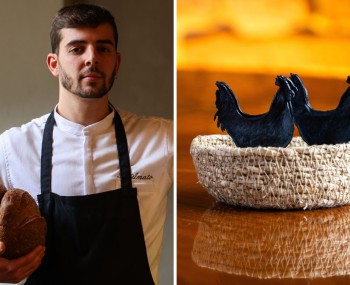
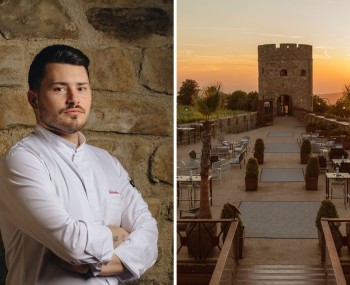
Flavio Lucarini, born in Rome in 1991, has immersed himself deeply in Paris. First at Passerini, then at Le Gabriel, culminating in the Michelin star he earned in 2024 with Hemicycle in just four months. A meteoric rise, but above all one that is very French in its mental rigor. Today he leads Substance, developing a cuisine that takes the classic French framework and lightens its heaviness, while leaving the technical discipline intact.
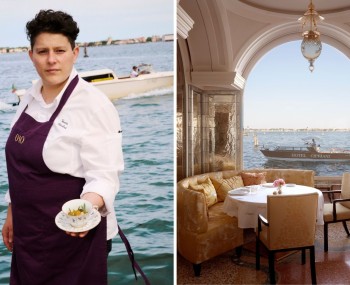
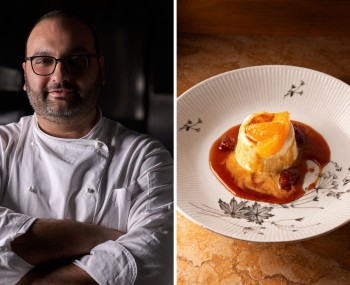
Aurora Storari, on the other hand, has a completely different energy, almost more instinctive. Also from Rome, born in 1992, she has worked at places that alone speak volumes about her rigorous training: Mirazur, Hedone, Le Clarence. Today she is Executive Pastry Chef at Groupe Éclore and, above all, one of the very few Italian professionals to have received the Michelin Passion Dessert award in France. When she talks about sugar, she does so almost with suspicion; what truly interests her is the ingredient’s pure flavor, its natural depth, and its persistence.
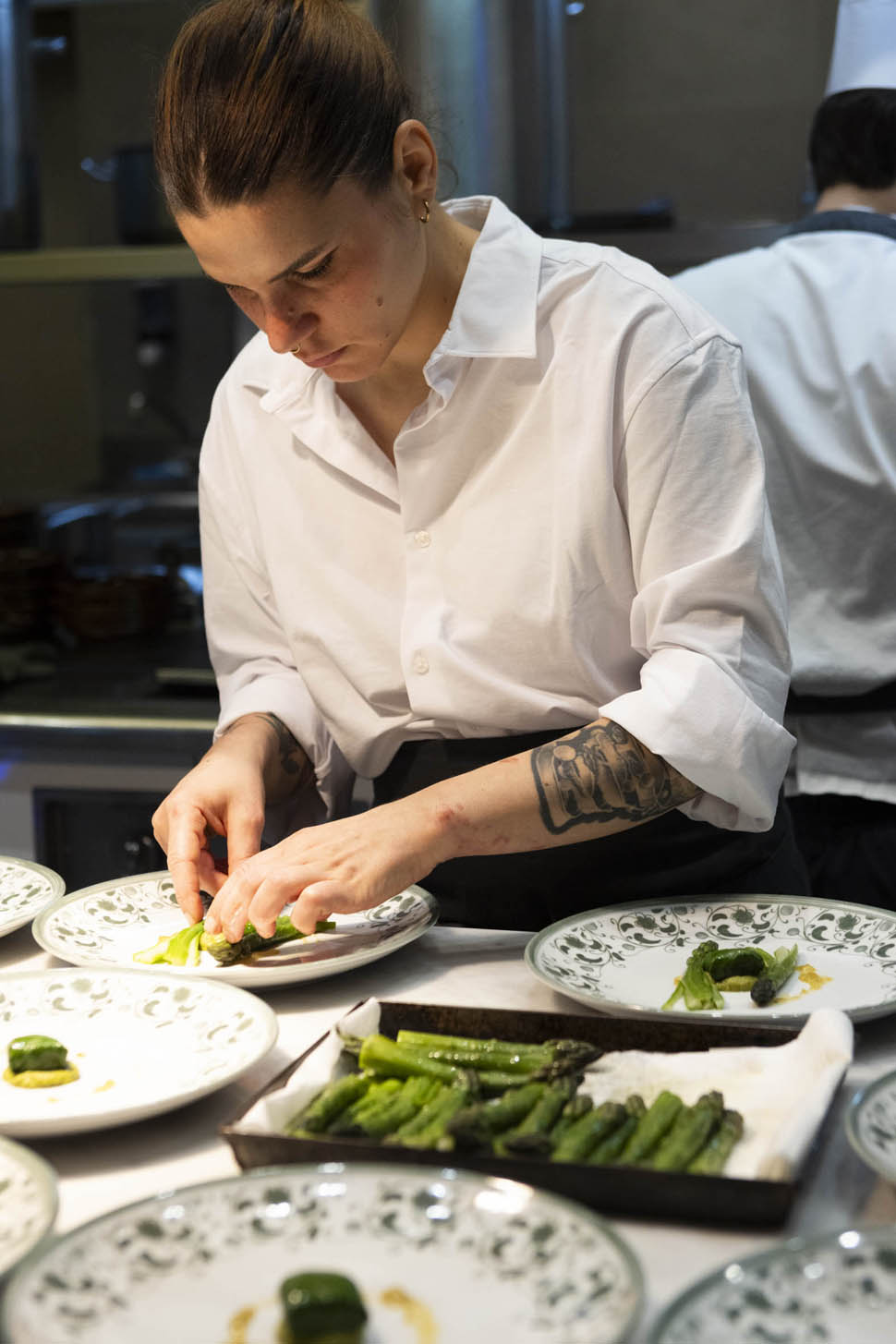
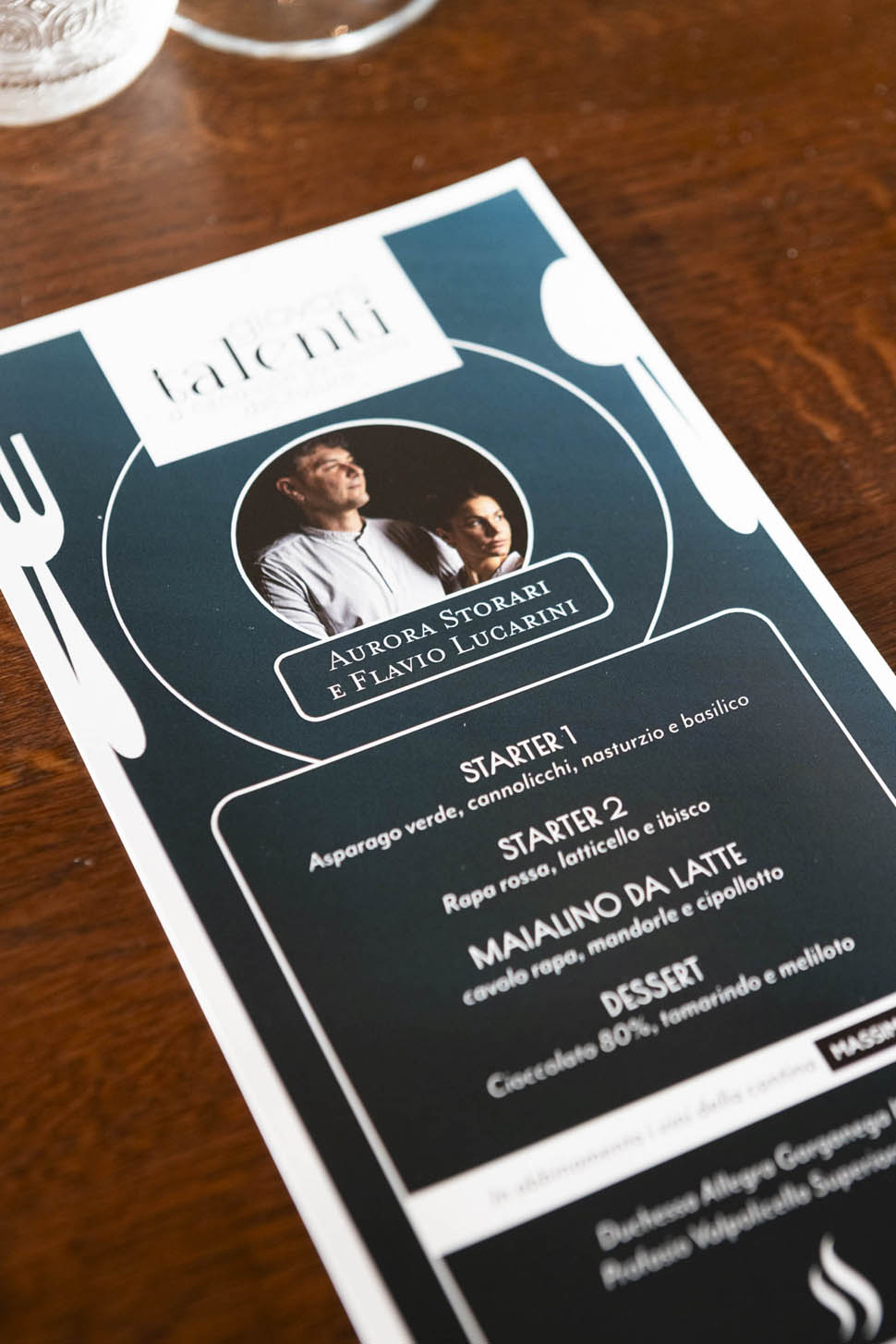
Dinner began with green asparagus with razor clams, basil, and nasturtium, which seemed to set the tone for the evening right from the start. No elaborate constructions, no pursuit of gratuitous complexity. The asparagus remained thoroughly vegetable-like, vibrant, almost still crisp, while the razor clams added only a very subtle hint of saltiness. The basil arrived late, almost belatedly, and that’s precisely why it worked. A cuisine that works by subtraction demands absolute attention to detail, because it has no heavy sauces or garnishes to hide behind. Here, everything remained exposed.
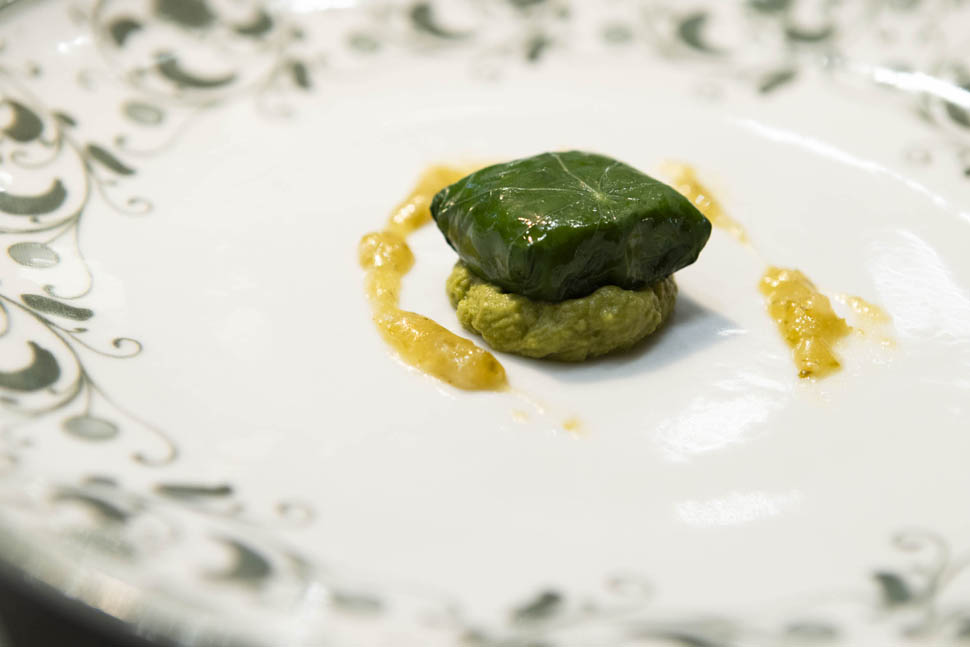
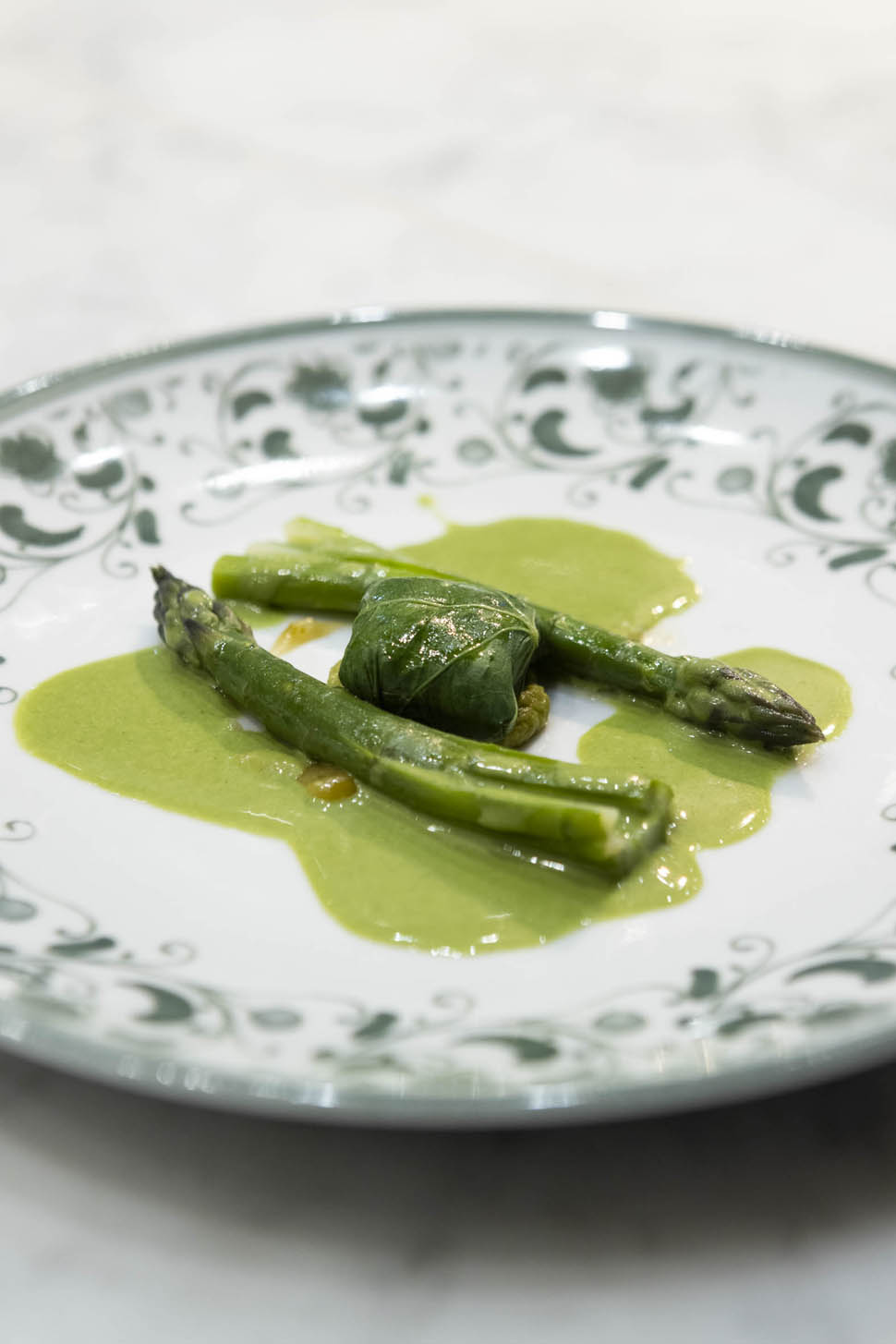
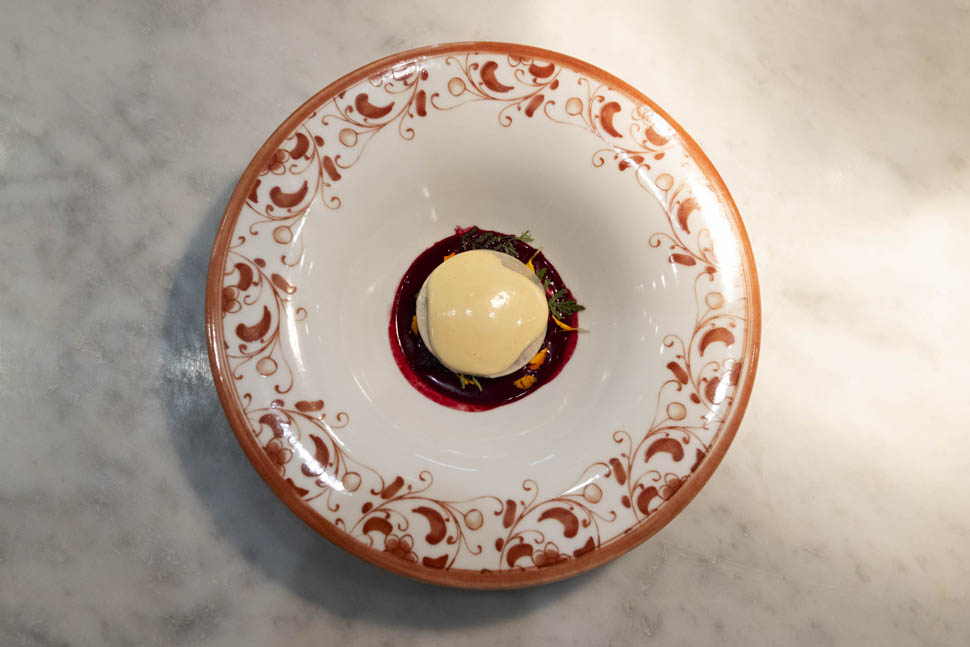
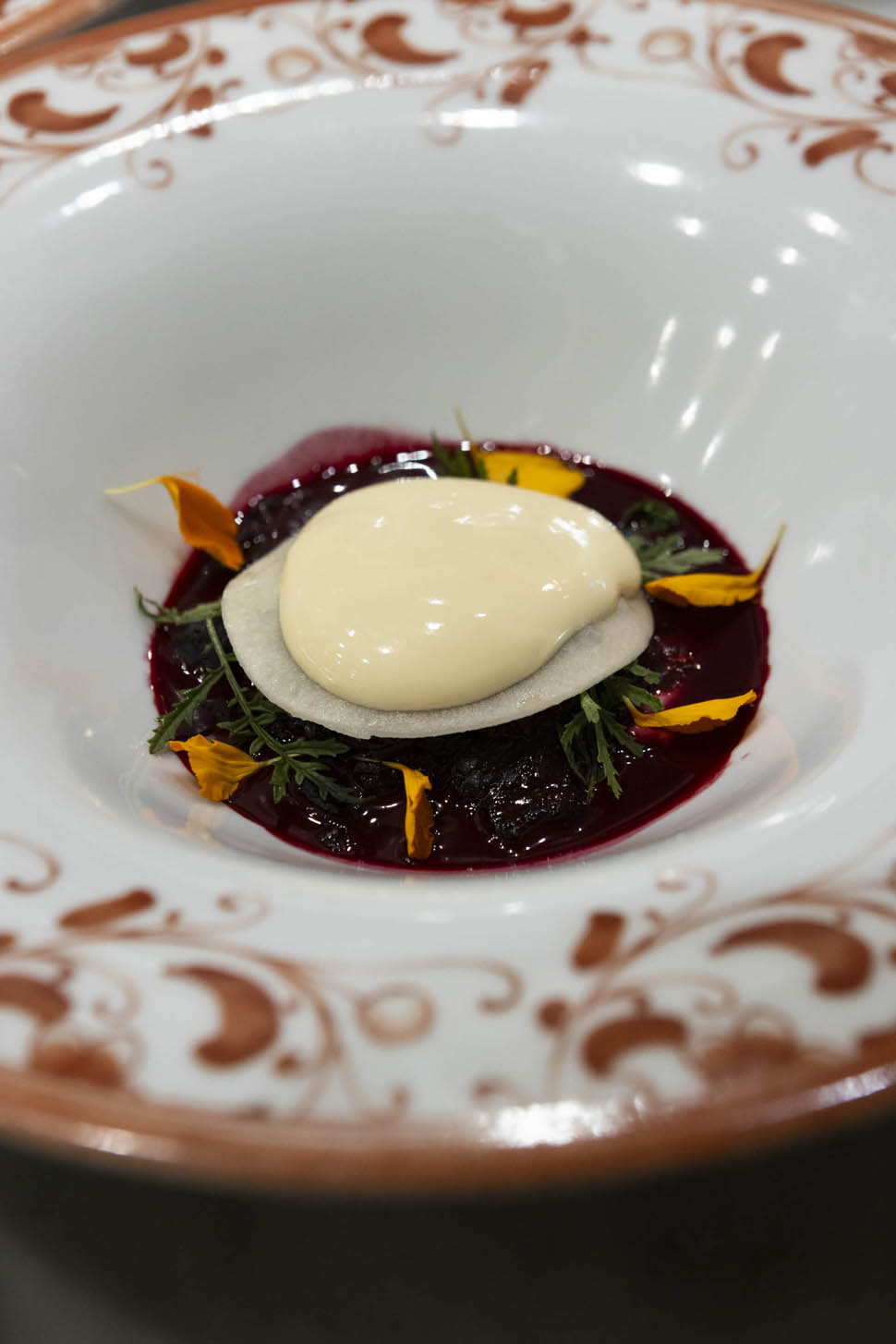
The beauty of it is that the dish never tried to come across as “pretentious.” And perhaps that is the most contemporary aspect of their work. For years, European haute cuisine felt the need to constantly explain itself; today, the most interesting chefs seem to do the opposite, allowing the dish to remain somewhat unresolved, almost suspended. Then came the red turnip with buttermilk and hibiscus. But the dishes that really stick with you often work this way. The turnip had an almost dark, earthy depth; the buttermilk brought both acidity and richness; while the hibiscus crept into the finish, leaving a very strange floral sensation, almost tannic. A bold dish, not at all accommodating.
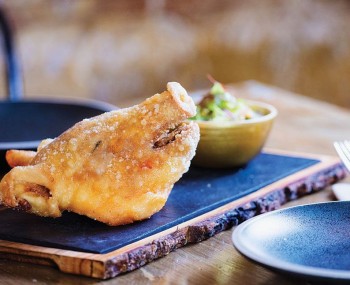
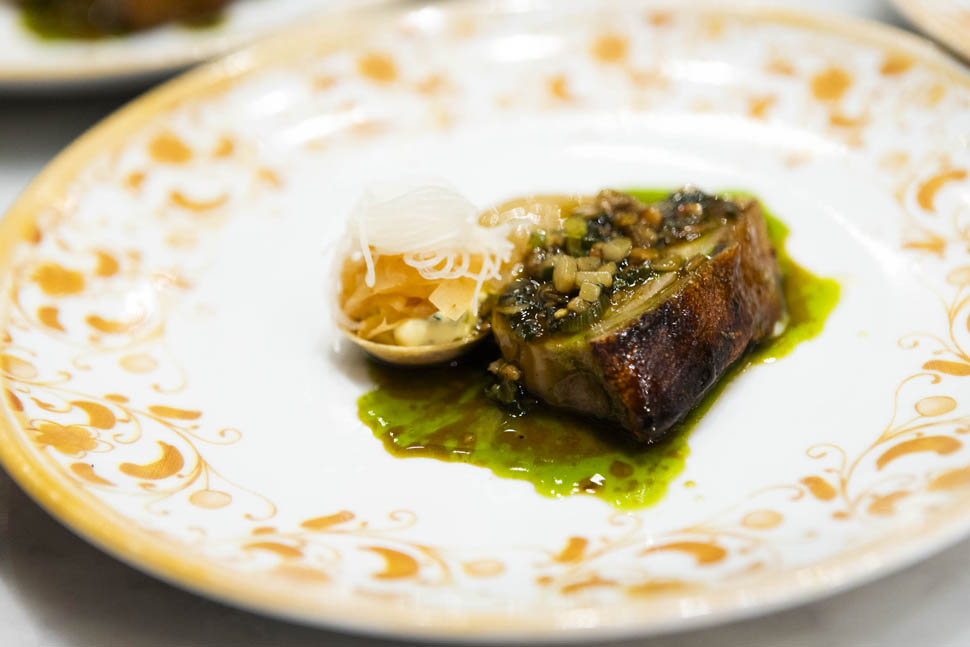
Lucarini and Storari focus heavily on precision, but not on sterile perfection. You can really feel this difference. Their dishes always retain a touch of emotional unpredictability, as if they might change direction at the last moment. And perhaps this also reflects their personal journey: two Italians who have absorbed French rigidity without becoming cold. The suckling pig with kohlrabi, almonds, and spring onion marks a shift in the evening’s pace. It arrives warmer, almost suddenly sensual after the initial delicacy. A choice that perhaps strays too far from the rest of the menu, but then it’s time for dessert.
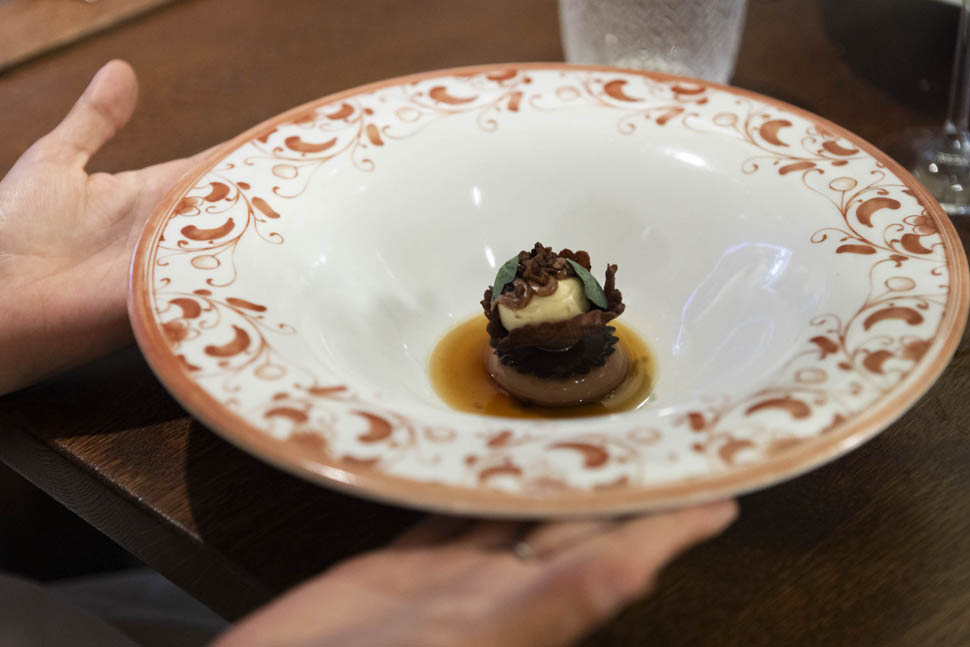
Or rather: the moment when Aurora Storari made it clear why her work in pastry has garnered such attention across Europe. 80% chocolate, tamarind, and sweet clover. On paper, it might have seemed like a austere, almost challenging dessert. In reality, it had an impressive fluidity. The bitterness of the cocoa remained taut yet elegant, the tamarind suddenly unleashed a very long acidic note, and the sweet clover added something herbaceous, almost milky, impossible to truly isolate. The most interesting thing, however, was the total absence of heaviness. No “indulgent” dessert in the classic sense of the term. No sugar bomb designed to elicit easy applause. Storari works with vegetables the way certain Nordic chefs do: lightening, drying, and stripping away.
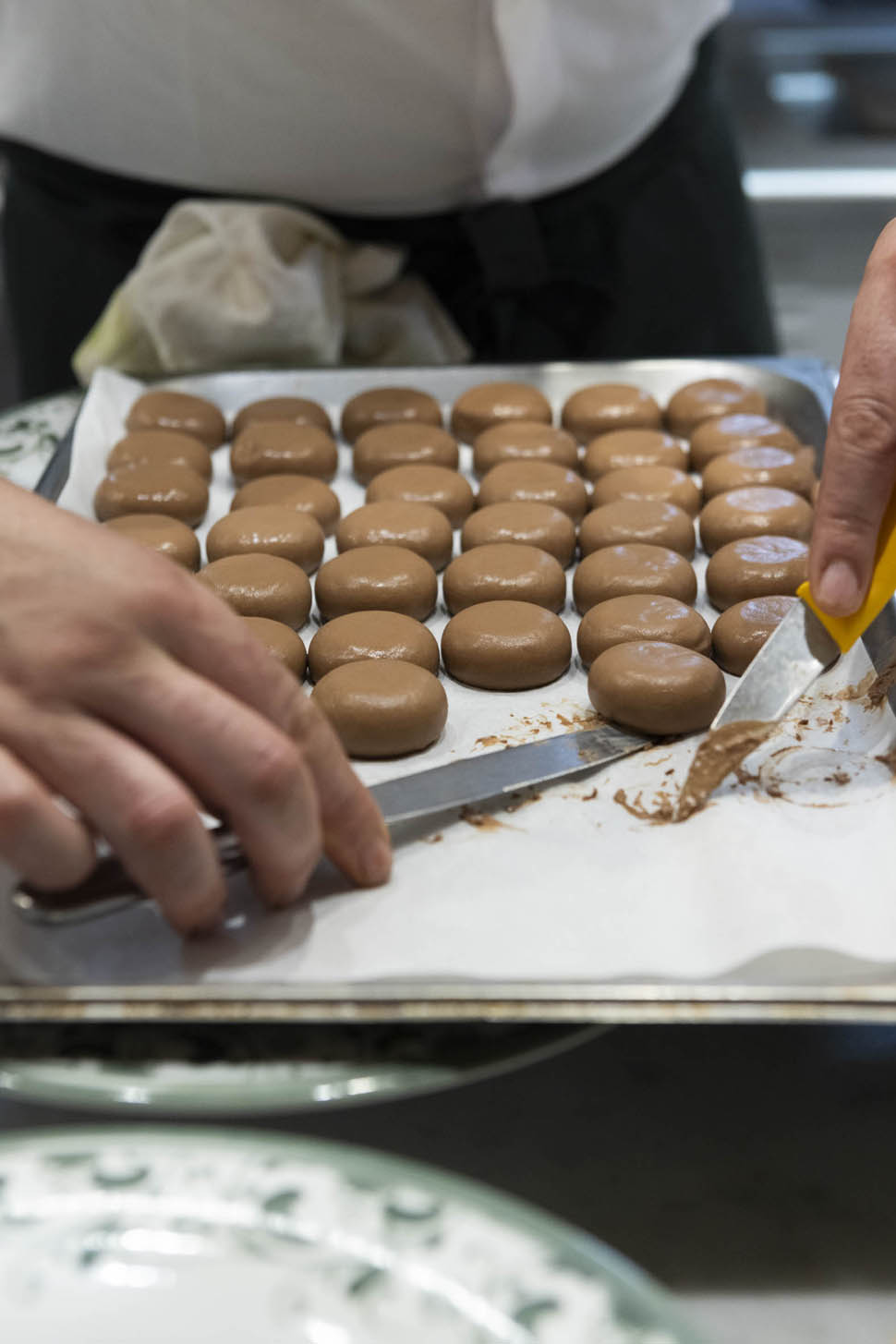
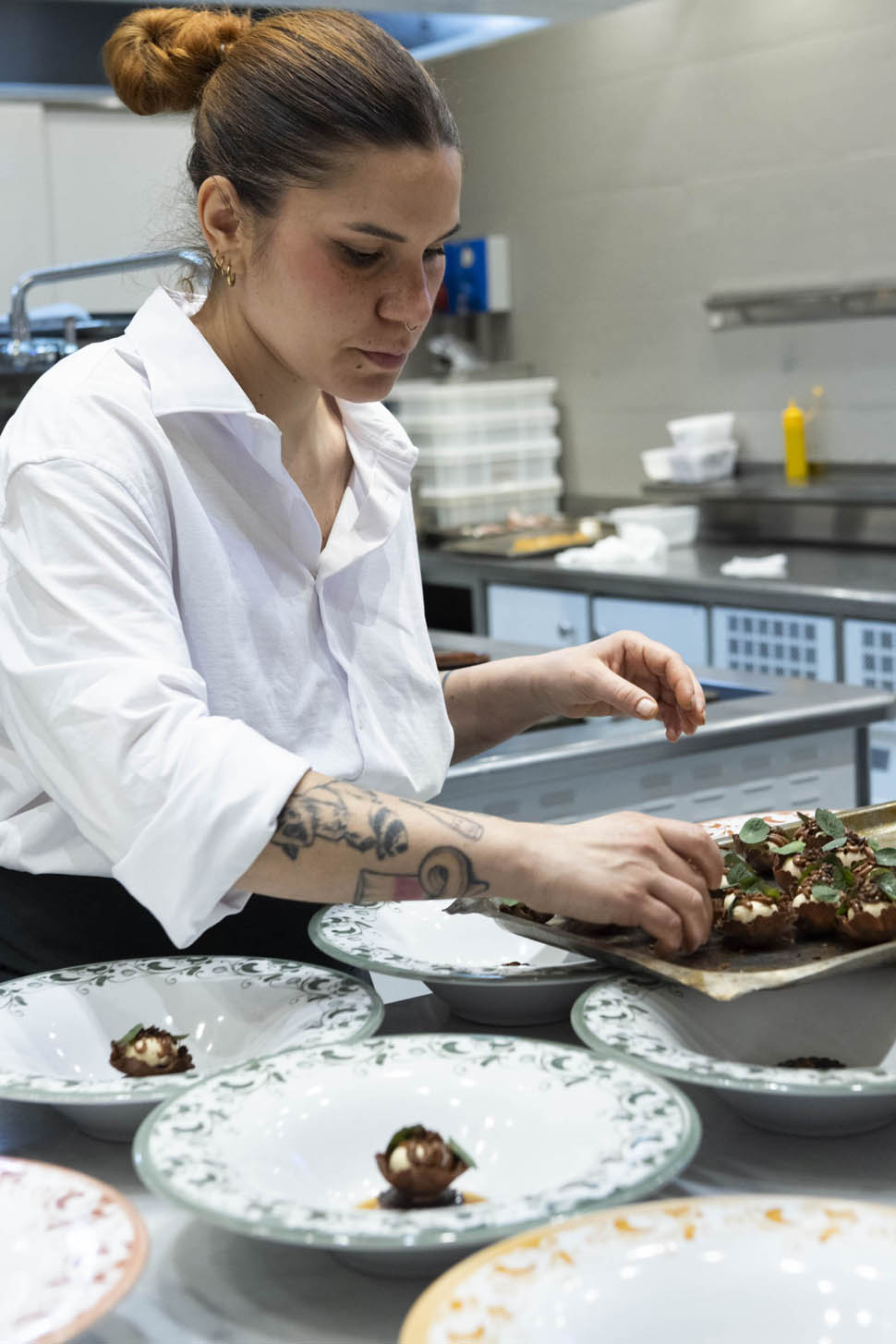
Aurora Storari belongs to that new generation of pastry chefs who have stopped treating dessert as merely a comforting conclusion to the dining experience. In her creations, dessert becomes a natural extension of the meal, maintaining tension, freshness, and even a touch of edginess. The final impression, upon leaving Eataly Smeraldo, was not that of a “grand dinner event” designed to dazzle Milan for a single evening. Rather, it was that of having observed up close two chefs in the midst of evolution, still restless, still hungry for expression. And this is probably what makes certain evenings truly interesting: when you have the sense that the best is yet to come.