The bill that causes a rift: when waiting at the table becomes an excuse not to pay.
The news
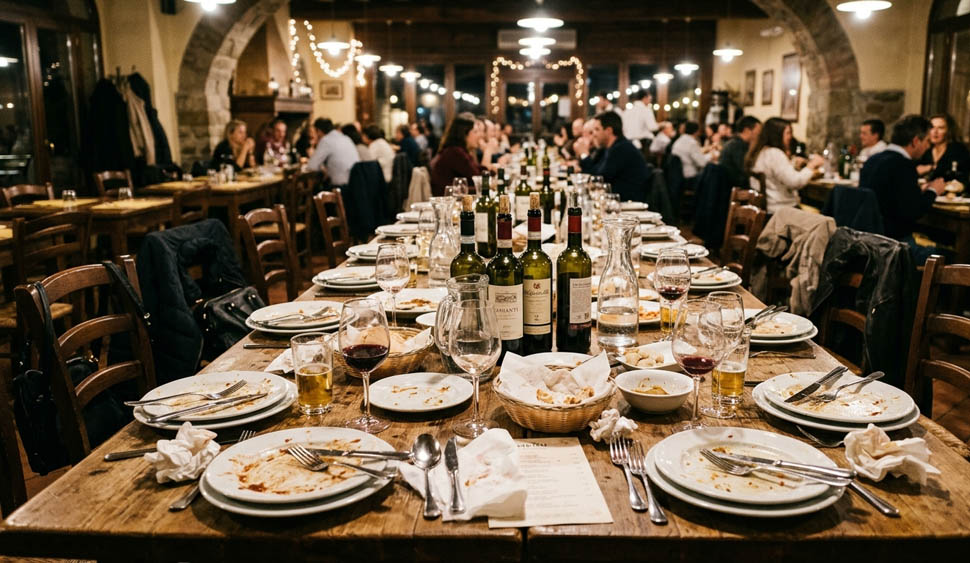
The same scene repeats itself everywhere in the world: a crowded restaurant, waiters rushing between tables, and a group of customers starting to look around impatiently, waving their hands in the air in search of attention. Usually, the wait ends with a sigh and a quickly printed bill, but in Spain a recent incident has turned a simple delay in service into a viral news story. The uproar was sparked by the social media page “Soy camarero” (“I am a waiter”), a very popular community that collects complaints, anecdotes, and mishaps from the world of hospitality. This time, however, it was not the usual complaint about tips, but a real case of “running out on the bill,” known in Spain by the popular term “sinpa” (from sin pagar, meaning “without paying”). The dynamic is as simple as it is shocking. After calmly finishing their order, the customers asked for the bill. Faced with a prolonged wait, instead of insisting or going directly to the cashier, they decided to solve the situation in their own way: they got up and left.
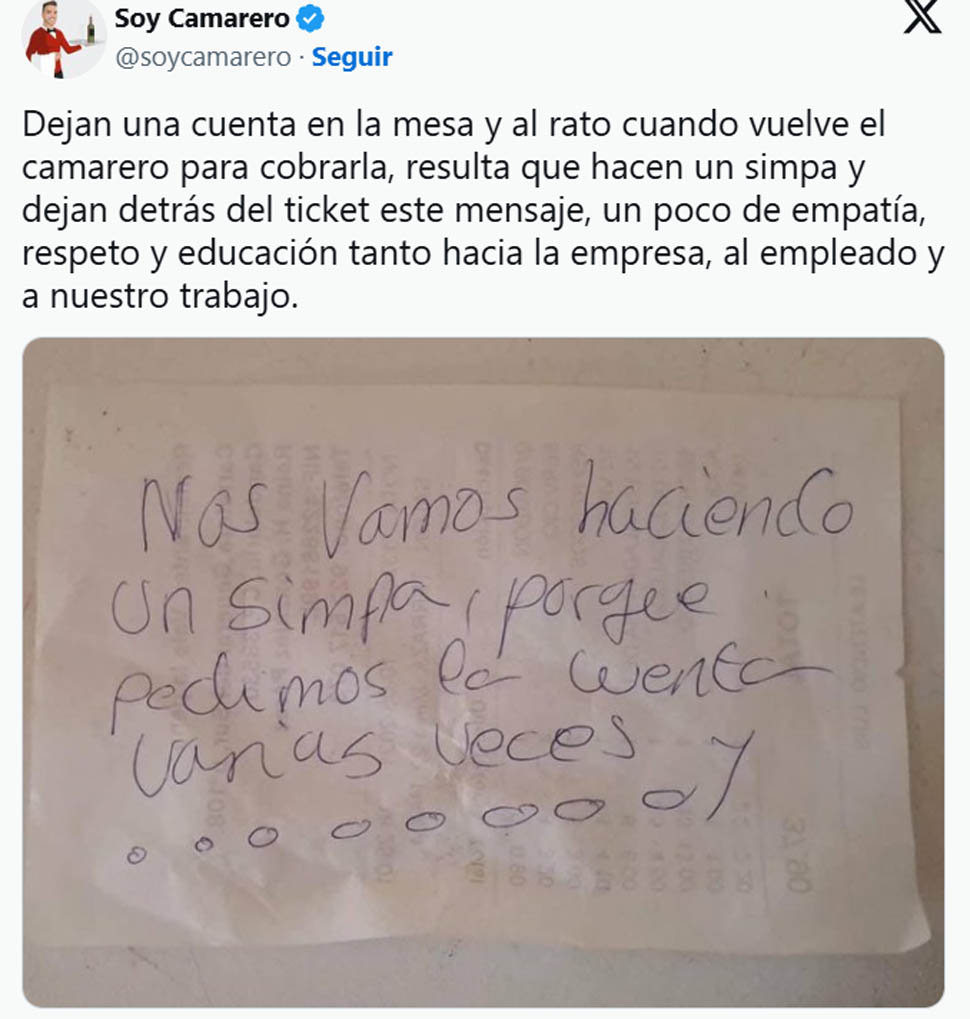
Before disappearing, however, they left a “souvenir” on the table, flipping over the printed receipt and writing on it by hand: “We are leaving without paying because we asked for the bill several times and…” A sentence left unfinished, almost as if to justify a clearly improper behavior by shifting all the blame onto the restaurant staff. The comment from the page administrator was quick to follow, immediately gathering the solidarity of many colleagues in the industry: “Leaving a note behind the receipt and running away is not a protest, it is arrogance. A bit of empathy and respect for the business and for the employees’ work would have been appreciated.” While it is true that waiting too long for the bill can be frustrating, it is equally true that front-of-house work follows complex rhythms and that a service failure does not justify theft.
What are the real risks? The police explain
Beyond the ethical debate about common sense and politeness, the incident led authorities to clarify a key point: leaving without paying is not a prank or a simple breach of etiquette, but a criminal offence. In an explanatory video published on TikTok, the police stated plainly that this behavior constitutes the crime of fraud. The Penal Code is clear: anyone who uses deception or a pretext to obtain a benefit, causing financial damage to a business, is committing a criminal offence.
Many people think that for small amounts there are no real consequences, but the reality in Spain is very different:
- Under 400 euros: If the value of the unpaid bill is below this threshold, the penalty is limited to a financial fine.
- Repeat offences: The most serious aspect concerns accumulation. If a person collects multiple even minor sanctions for small unpaid bills, the conduct automatically escalates into a more serious offence. In the most extreme and repeated cases, the law even provides for prison sentences that can reach up to eight years.
The moral of the story is much more concrete than it may seem. If the service is slow or inattentive, the customer has every right to complain, leave a negative review, or bring it to the attention of the manager. But when impatience turns into trickery, the real risk is confusing a restaurant table with a courtroom bench.