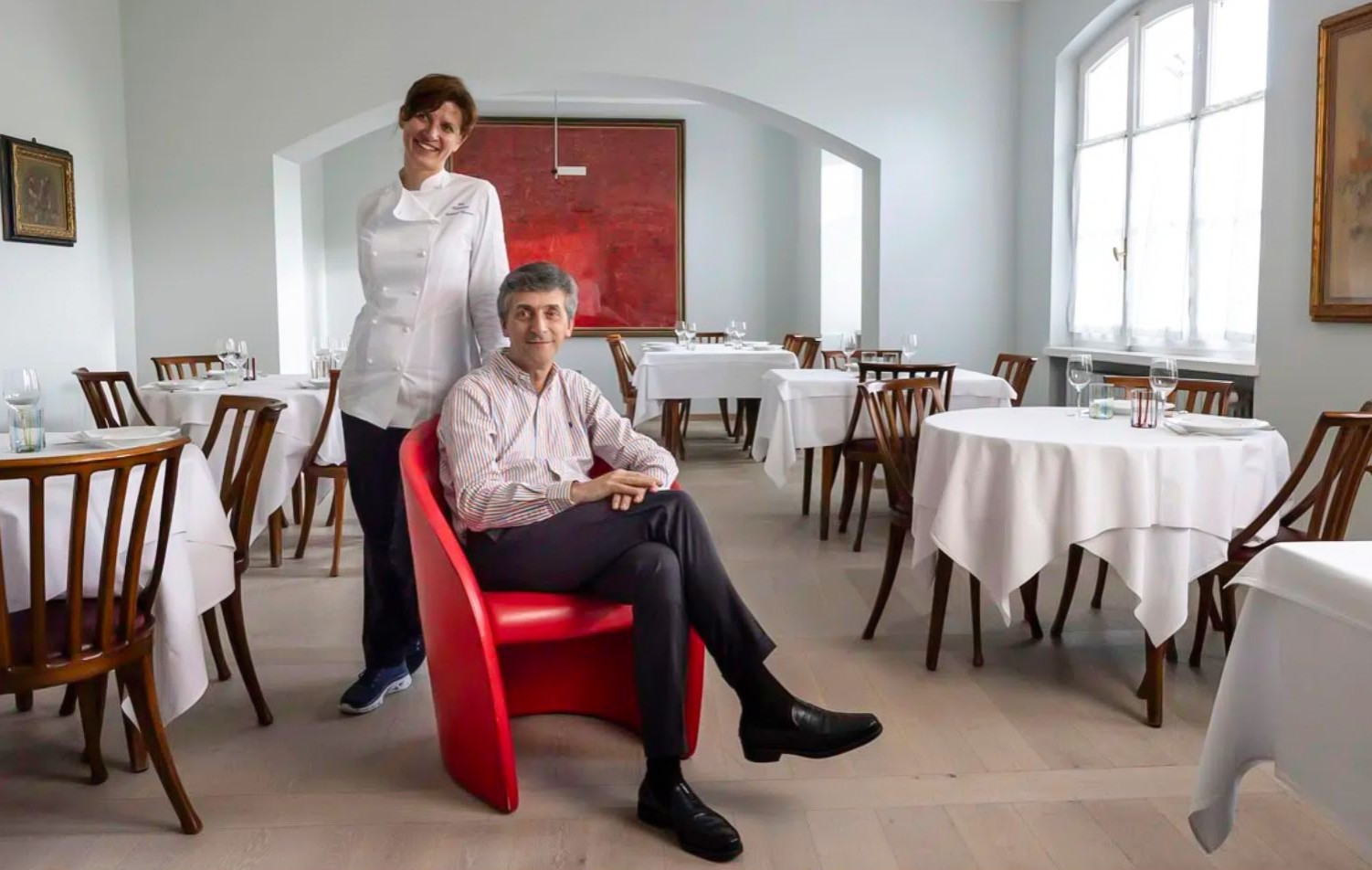
Ai Cacciatori has been cooking for over two centuries, without interruption. The hands may change, but the tradition remains. Massimo recounts it matter-of-factly: “The stove arrived in ’52. It’s been here ever since.” It has never been removed, not even during renovations, because it’s not just an object: it’s the heart of the home, part of the family.
The Restaurant
If you're in a hurry, forget it: this place isn't for you. You can see the kitchen—open and bustling. At the center, like a heart that has never stopped beating, is the putagé: white enamel, dark cast iron, rings, and a large griddle that seems to have seen it all. Federica and Massimo arrive every morning at the same time. Before the fire comes the wood—it’s not a detail, but a choice. Oak for the heat, acacia for the flame. The wood waits two years before being used—the time needed to become just right. Massimo speaks of it as if it were alive: “If it isn’t seasoned properly, the fire won’t work.” So it is cut, left to breathe, and stored in a woodshed that is covered but open to the air. Every piece has its time. Federica picks it up, examines it, almost weighing it in her hand. “You’re good today,” she says. The stove welcomes it, reacts, changes. Because even the fire, after all, is built. Without that initial choice, nothing else exists. The fire is lit without haste, like a necessary gesture. “Good morning,” Federica whispers.
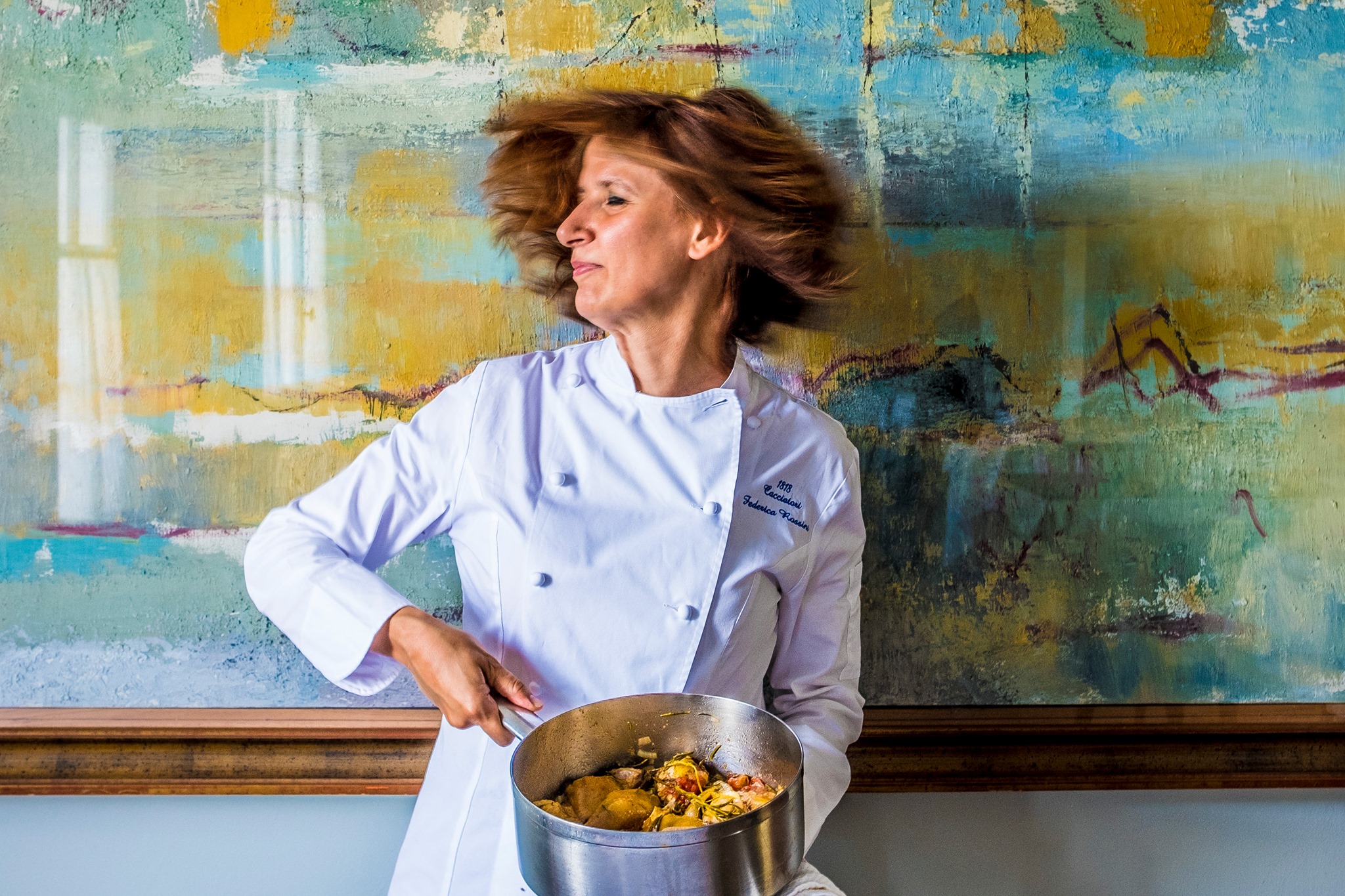
The stove responds with a slow, gentle crackling. Massimo adds the acacia first, then the oak. The flame grows. “How are you today?” she asks. The putagé has no voice, but it has character, and that day it seems to call for slowness. The heat spreads gently. “All right, let’s take it slow.” Because here, time moves at its own pace. The pots arrive one by one: copper, cast iron, a smaller saucepan placed in a cooler spot. Each area of the griddle has a different character, its own way of giving off heat. Federica moves with confidence. She feels and listens. The sizzling, the smells, the colors. It is the fire that speaks; she simply responds. Then come the small gestures, the ones no one really sees but that hold everything together.
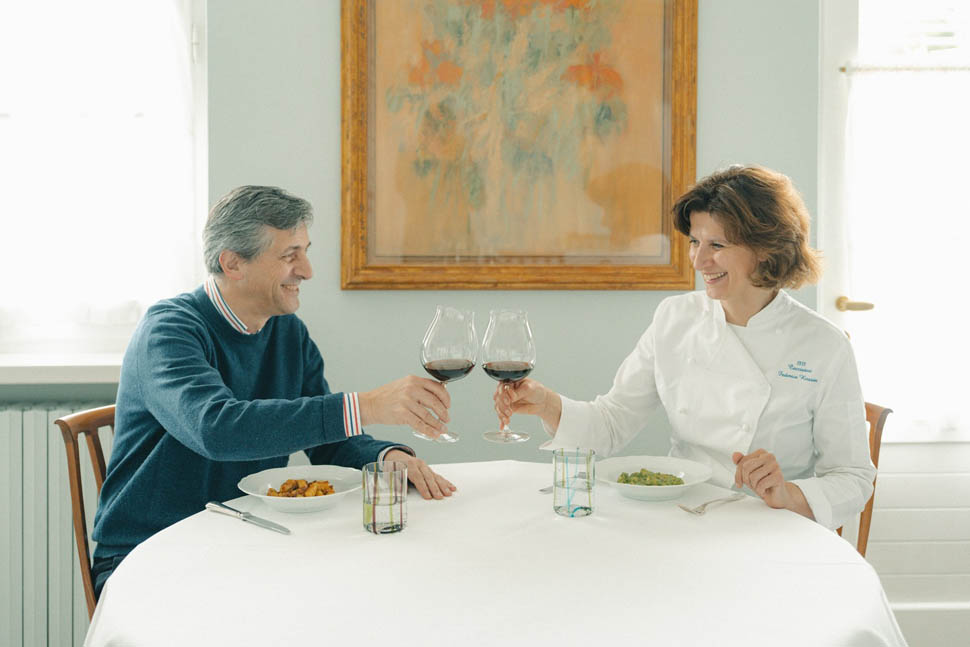
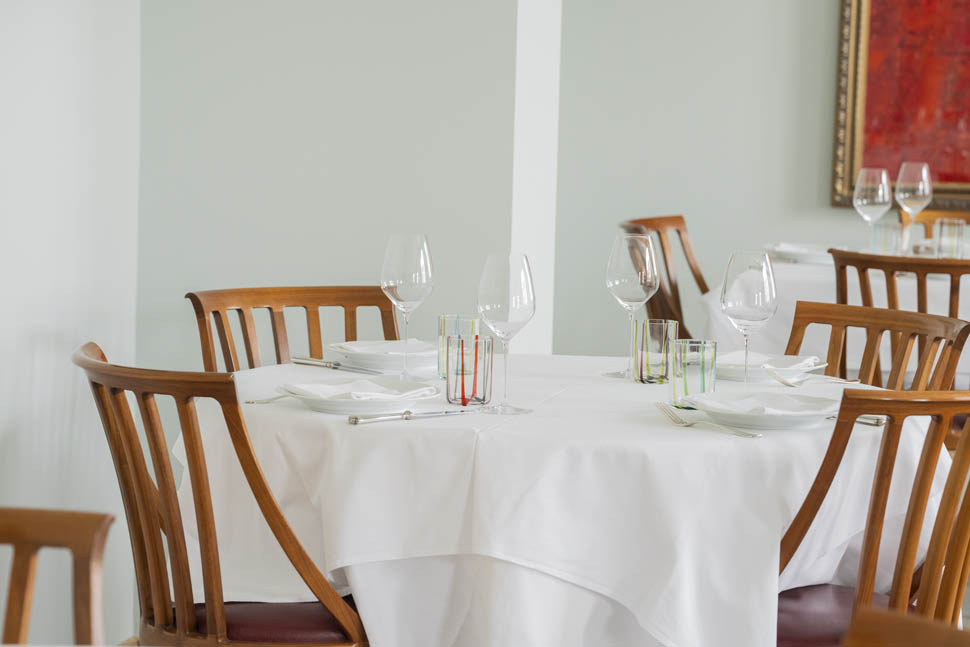
The lid lifted just slightly, the ladle left at an angle, a pot moved a few centimeters because the fire, on that day, behaves differently. Every movement carries precise weight. Here, cooking isn’t a race against time, but a journey within time. The preparations follow the rhythm of the embers, not that of service. Some dishes must simmer gently for hours; others wait for the right moment without being touched. Federica observes, tastes, pauses. Massimo adds a piece of wood, then stands in silence watching the flame take shape. Zero tension, zero frenzy. Just constant attention. And this is perhaps the rarest thing of all: the feeling that everything is done with so much love and a care that has almost disappeared. Outside, meanwhile, the weather changes slowly. Light streams in through the windows and shifts across the tables, the bottles, the weathered wood.
Hospitality and Family
At Ai Cacciatori, there seems to be no need to rush. Everything remains anchored to an ancient, down-to-earth, almost domestic rhythm. Even the customers, fully aware of this, wait without impatience, allowing themselves to be drawn into that atmosphere made up of simple, unhurried gestures. People come here to experience a different way of understanding time, work, and even hospitality. Perhaps this is precisely what makes the restaurant so rare today: the feeling of crystal-clear authenticity. Ai Cacciatori has been cooking for over two centuries, without interruption. The hands change, but the tradition remains.
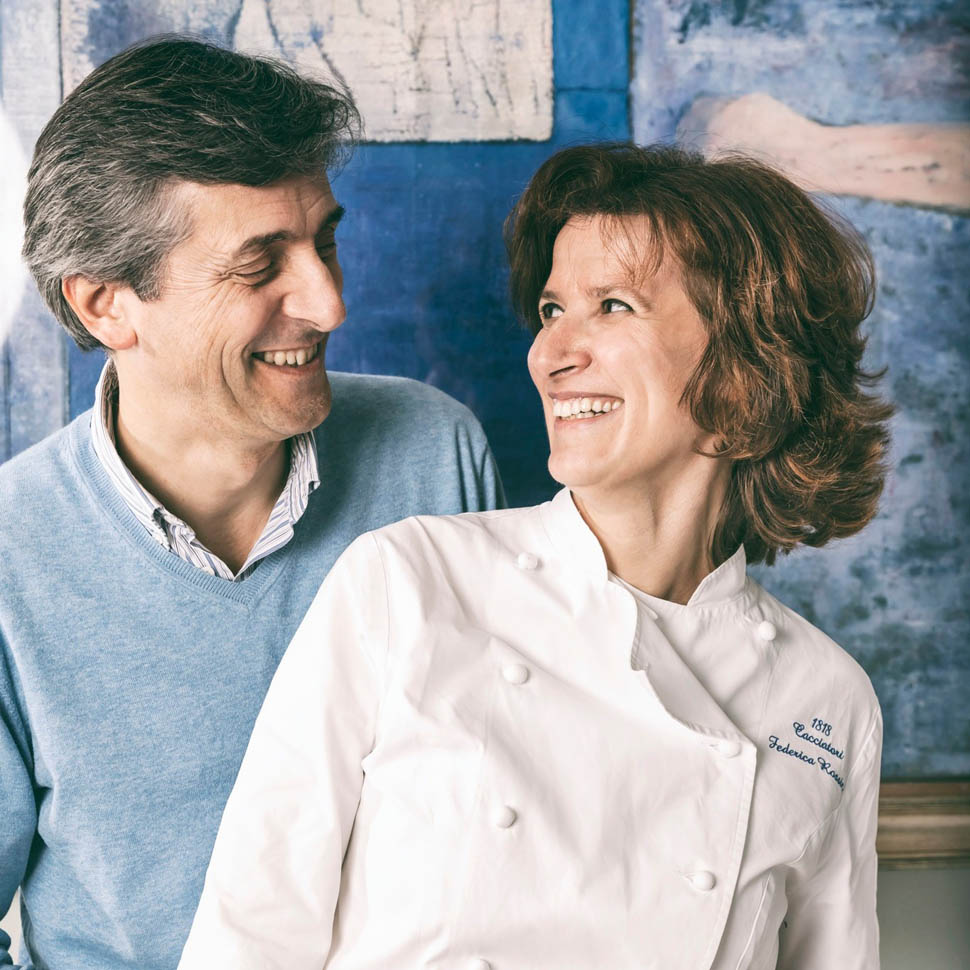
Massimo recounts it matter-of-factly: “The stove arrived in ’52. It’s been here ever since.” It has never been removed, not even during renovations, because it’s not just an object: it’s the heart of the home, part of the family. First Grandma Maria, then Mom Carla, and now Federica. “We haven’t changed the way we do things,” he says. “We’ve carried on.” And it is precisely in this continuity that one senses both respect and freedom toward the family tradition. The meal begins when the fire has already been burning for hours. The pots have been simmering quietly all morning. When the first course arrives, there is no haphazard improvisation, but rather the precise culmination of something that has matured over time.
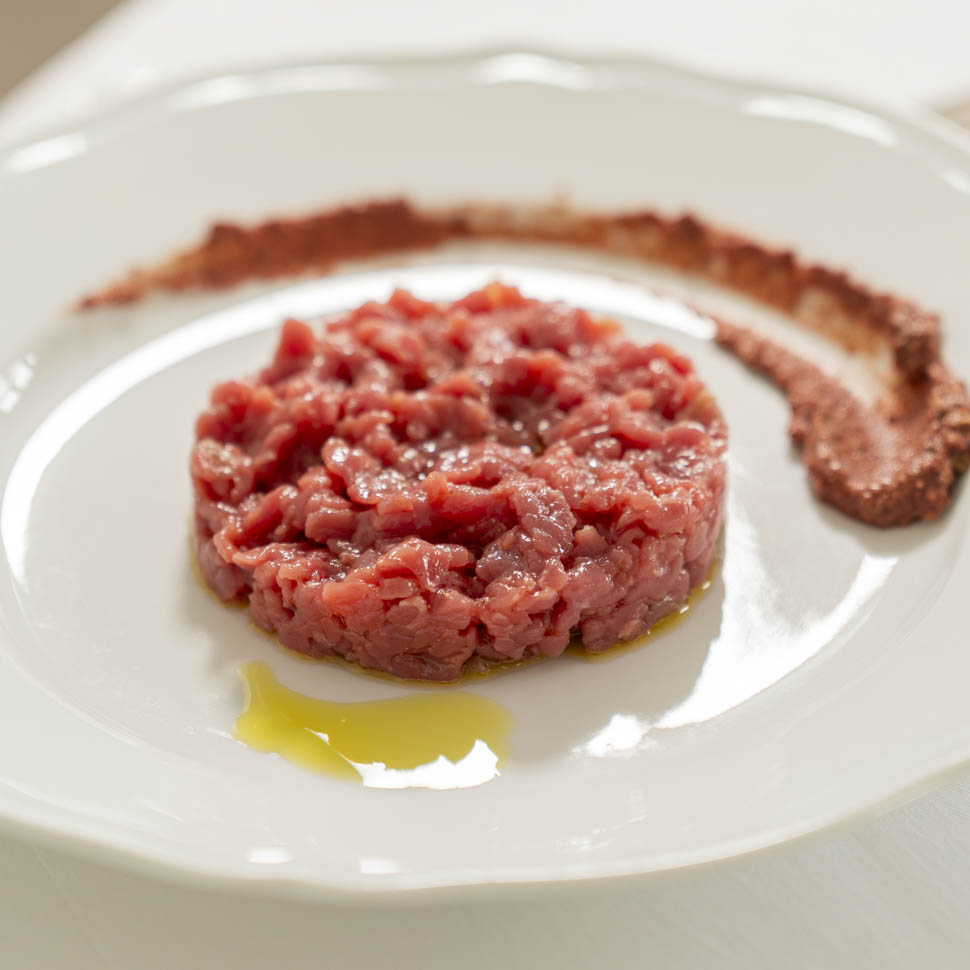
“Now,” says Federica. And that “now” cannot be forced or rushed. Haste has no place here. The wait doesn’t feel burdensome: it’s part of the experience, almost part of the flavor itself. It’s as if time, instead of rushing by, were stretching out, allowing everything to find a clearer, more precise rhythm. The first dish to arrive is the “Cacciatori” appetizer platter, an ensemble crafted more like a choral narrative than a succession of bites. There is no set order. Each element naturally finds its place alongside the others: vegetables, sauces, Russian salad, anchovies, savory tartlets—preparations varying in texture and intensity. Some are softer, others more assertive. Everything coexists in balance. Federica watches from a distance, without intervening. “They must speak to one another,” Federica would say. And indeed, the flavors do speak, in low, full, enveloping tones. These are dishes paired to accompany and comfort, like a story told very well. The ravioli arrive immediately afterward, almost as if to naturally continue the conversation.
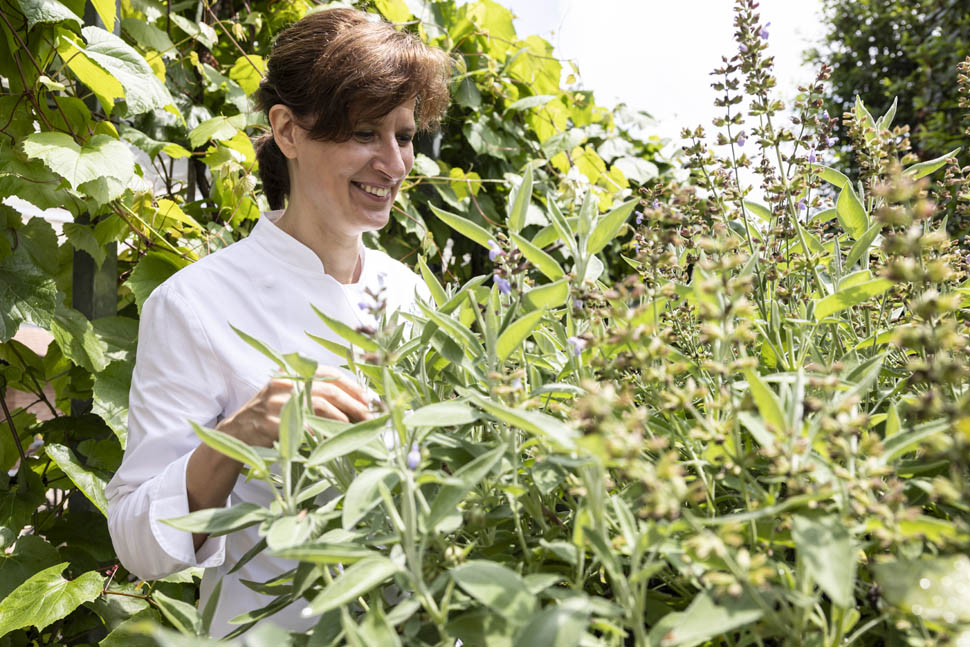
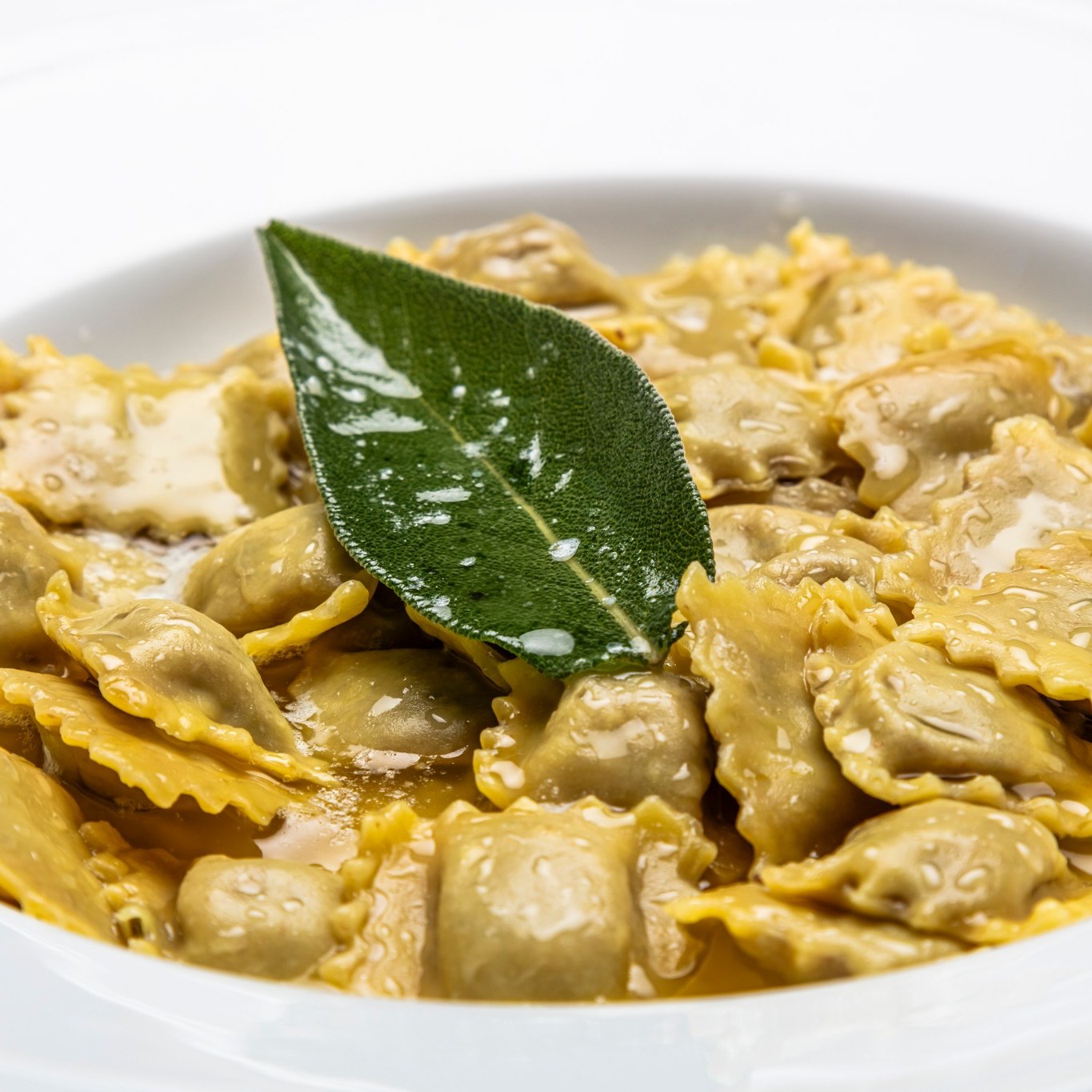
Butter and sage: a simple pairing that takes on a whole new depth on the stove. “Careful,” Federica says to the butter. It melts slowly, without burning, while the sage releases its aroma little by little, with a subtle, enveloping fragrance. The ravioli are plump and light, and the sauce accompanies them gently. You can feel the heat, even if you can’t see it. A warmth that works from below, blending everything together in perfect balance. Then come the gnocchi with ragù, with a surprising texture: neither too soft nor too firm. They strike a perfect balance. “It depends,” the stove would say. “It depends on the potato, the water, the humidity, the touch. And on that something that can’t be measured.”
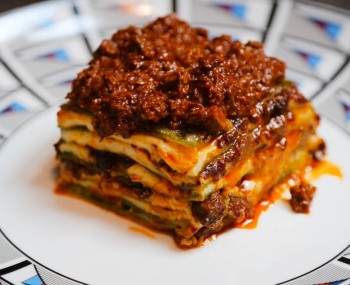
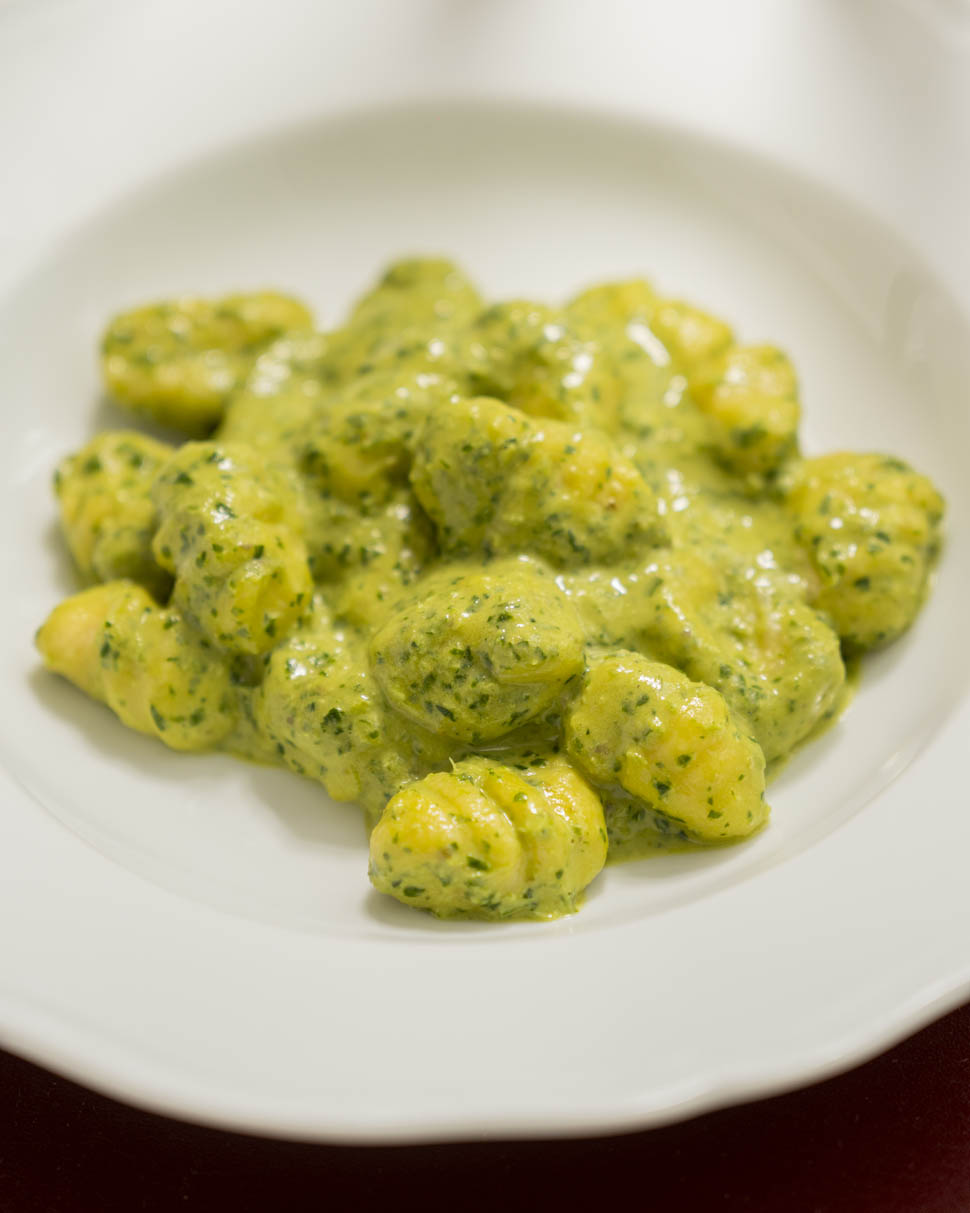
Federica looks at the gnocchi the way one looks at something that can’t be fully controlled. And perhaps that’s precisely the point: not to force them, but to guide them. The result is a naturalness that seems simple, even though it’s underpinned by experience, attentiveness, and memory. A quiet process made up of constant, subtle adjustments. The ragù, on the other hand, has a different depth: slower, richer, more layered. It is a preparation that requires time and attention; it must be allowed to mature slowly. It has been on the stove for hours, perhaps since before the kitchen was filled with light. It is not constantly monitored, but observed. Every so often Federica approaches, stirs gently, and understands. “More,” the fire seems to say, and she lets it be. The sauce thickens, pulls together, binds, and takes shape. There is no precise moment when it is ready. There is a moment when it is just right. She recognizes it; she does not decide it. Here, time is not a measure; it is not that of the clock; it is an ingredient. Like meat, like tomatoes, like butter. Without time, the flavors remain separate; with time, they meet and blend. “Don’t rush,” the stove seems to repeat. It’s not just advice for the kitchen. It’s a greater rule. Because in this kitchen, everything demands respect: the season, the ingredients, the wood. And above all, time.
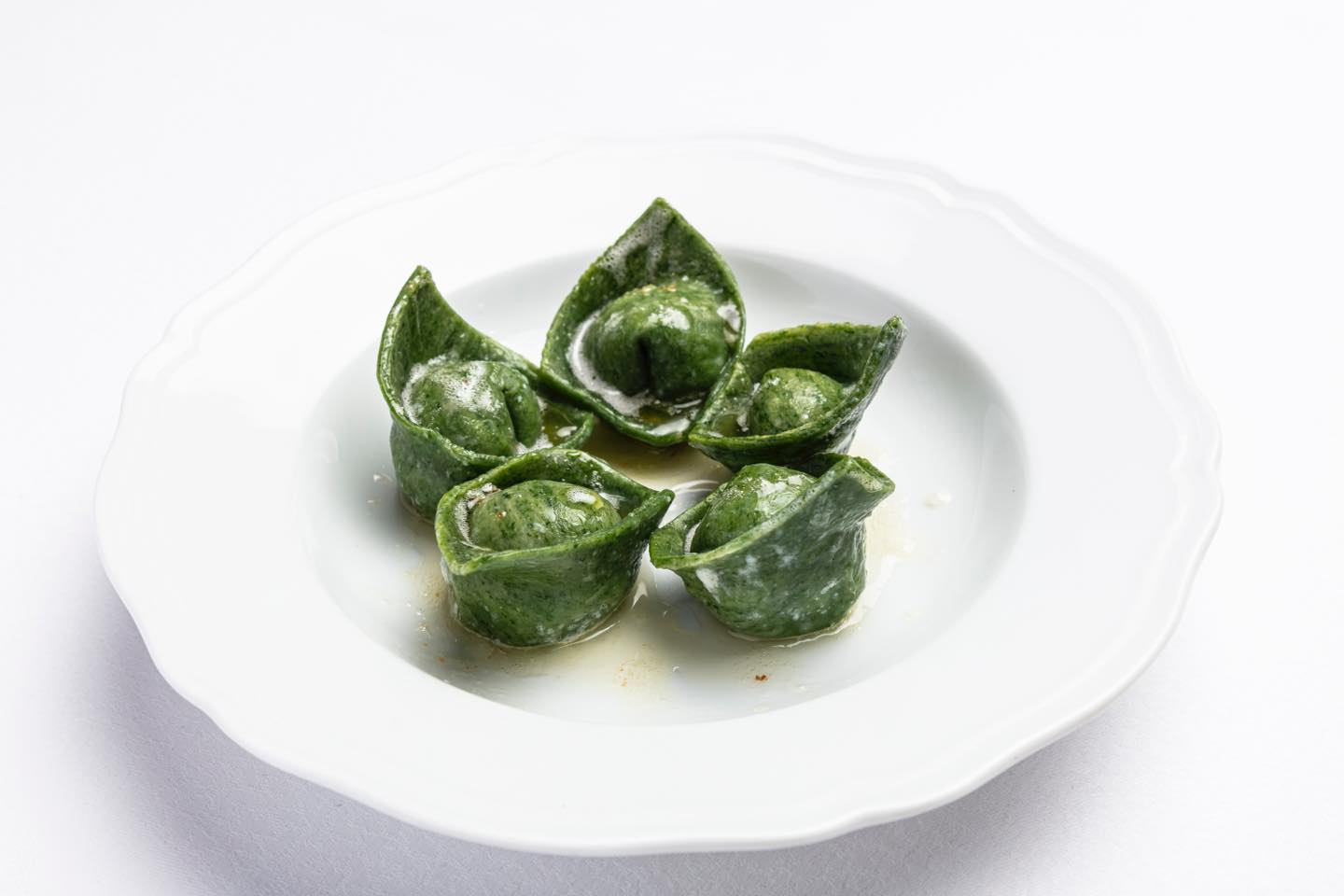
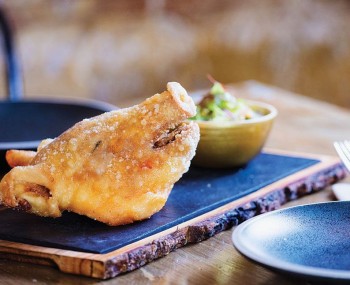
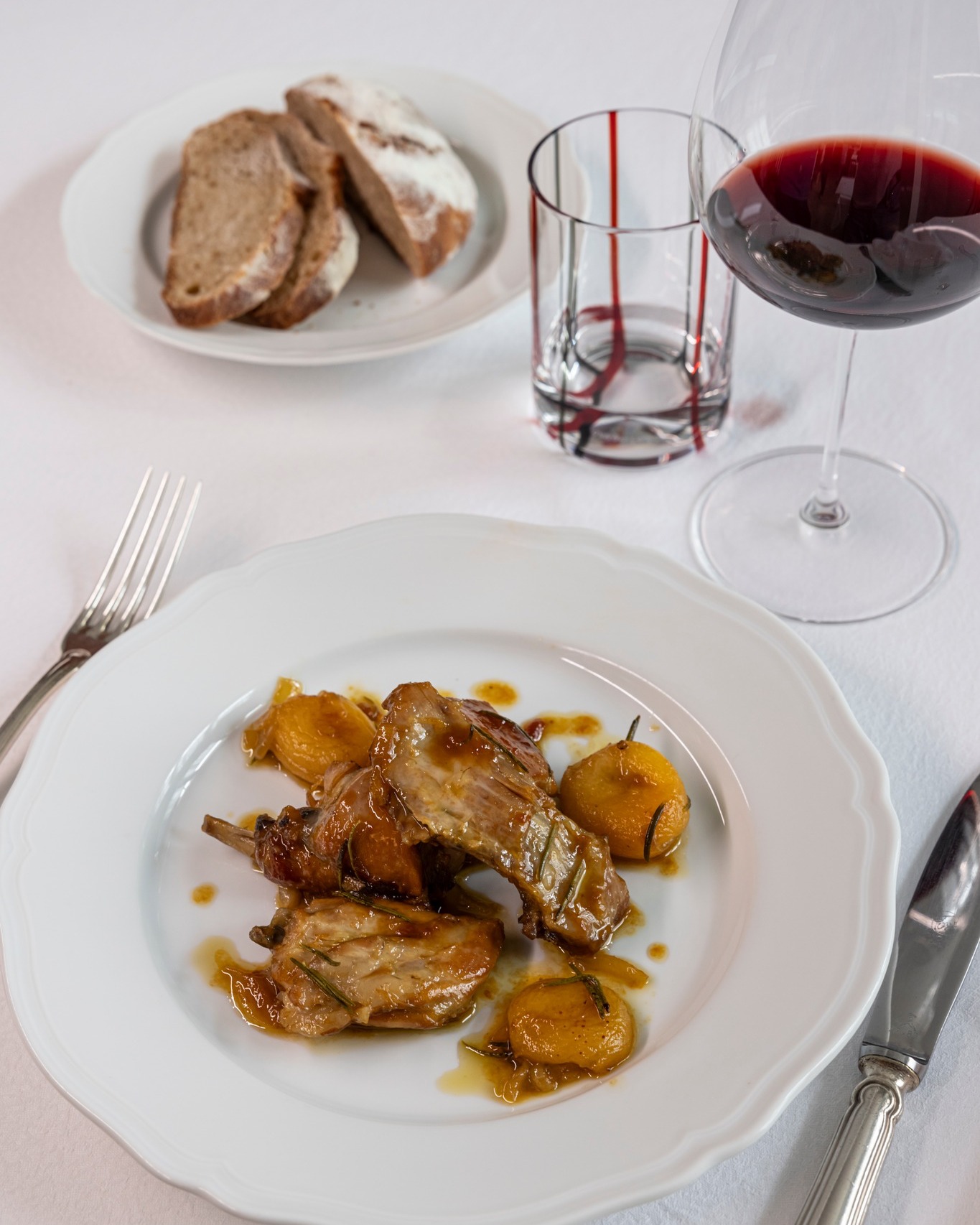
The tagliolini arrive as a simple, essential dish: tomato, garlic, and parsley. The tomato is bold and vibrant, with a taste of freshness and precision. The garlic remains subtle, and the parsley opens up the flavor. The rabbit arrives later, but it has actually been cooking for much longer. It has spent hours inside the diàn, the terracotta pot that retains heat and releases it slowly. “You mustn’t disturb this,” says Federica. Taggiasca olives, pine nuts, raisins, sun-dried tomatoes: ingredients in perfect harmony, each in its place. The meat is tender but not mushy; it falls apart without falling apart. The flavor is full-bodied and deep. “See?” the stove seems to suggest. “If you wait, everything falls into place.” And that’s exactly when you realize how slowness, in this kitchen, isn’t a limitation but a form of precision. The chicken cacciatore arrives needing no explanation. It’s one of those dishes that doesn’t have to prove anything. It tastes like home, but not like routine. Like something cooked countless times yet never exactly the same. Federica looks at it just before it leaves the kitchen. “Go,” she says softly. The sauce is thick just right, without being heavy. The meat is tender yet still firm. There’s a natural balance that makes everything feel immediate. And as you eat, you even stop analyzing: you’re not trying to figure it out, you’re simply savoring it. The secret, if you must find one, isn’t in the heat but in the moisture. Massimo puts it simply: “If you get that wrong, you lose everything.”
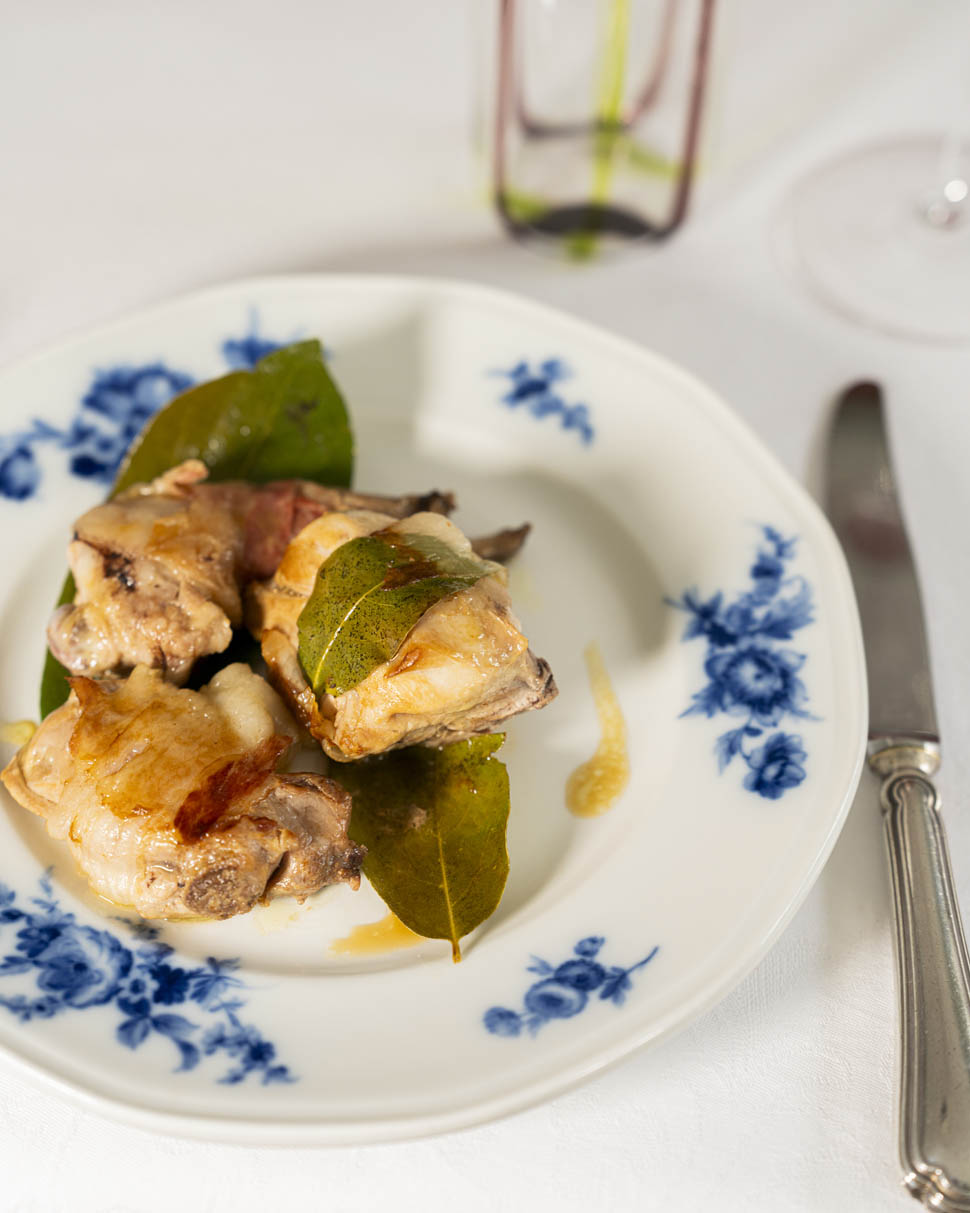
It’s not, however, something that can be controlled with mathematical precision. You just sense it. It’s the way the heat penetrates the food, the way the meat stays tender, the sauce thickens, and the flavors come together. Federica doesn’t measure: she observes, lifts a lid, listens to the steam, checks the texture, and then closes it again. It’s an almost invisible process—one you don’t see on the plate, but it changes everything. When service ends, the kitchen doesn’t shut down; it slows down. The pots are removed, while the griddle continues to retain heat. Beneath the ash, the embers still breathe. Federica moves slowly, without haste; she tidies up, cleans, and turns off the heat. “That’s enough,” she says. Yet the fire doesn’t truly disappear: it remains in a quieter, almost hidden form. The heat is no longer visible, but it remains, as if the day didn’t truly end but merely transformed. “See you tomorrow,” she murmurs. And it almost seems as though the stove understands. Outside, the air feels different, faster. Cars pass by, people talk, time resumes its rush. Inside I Cacciatori, however, something remains slower. It is a different way of being in the present, an interpretation of taste born from a continuous relationship: between the fire and those who tend it, between the ingredients and those who respect them, between time and those who still know how to wait for it. And so one understands it without needing explanations: the putagé is not just a kitchen. It is a way of being in the world. And its most important ingredient, in the end, always remains the same: time.
Contacts
Address: Via Moreno 30, 15015 Cartosio (AL)
Phone: +39 0144 40123
Whatsapp/info: +39 379 353 5274
Email: info@cacciatoricartosio.com
Website: CacciatoriCartosio