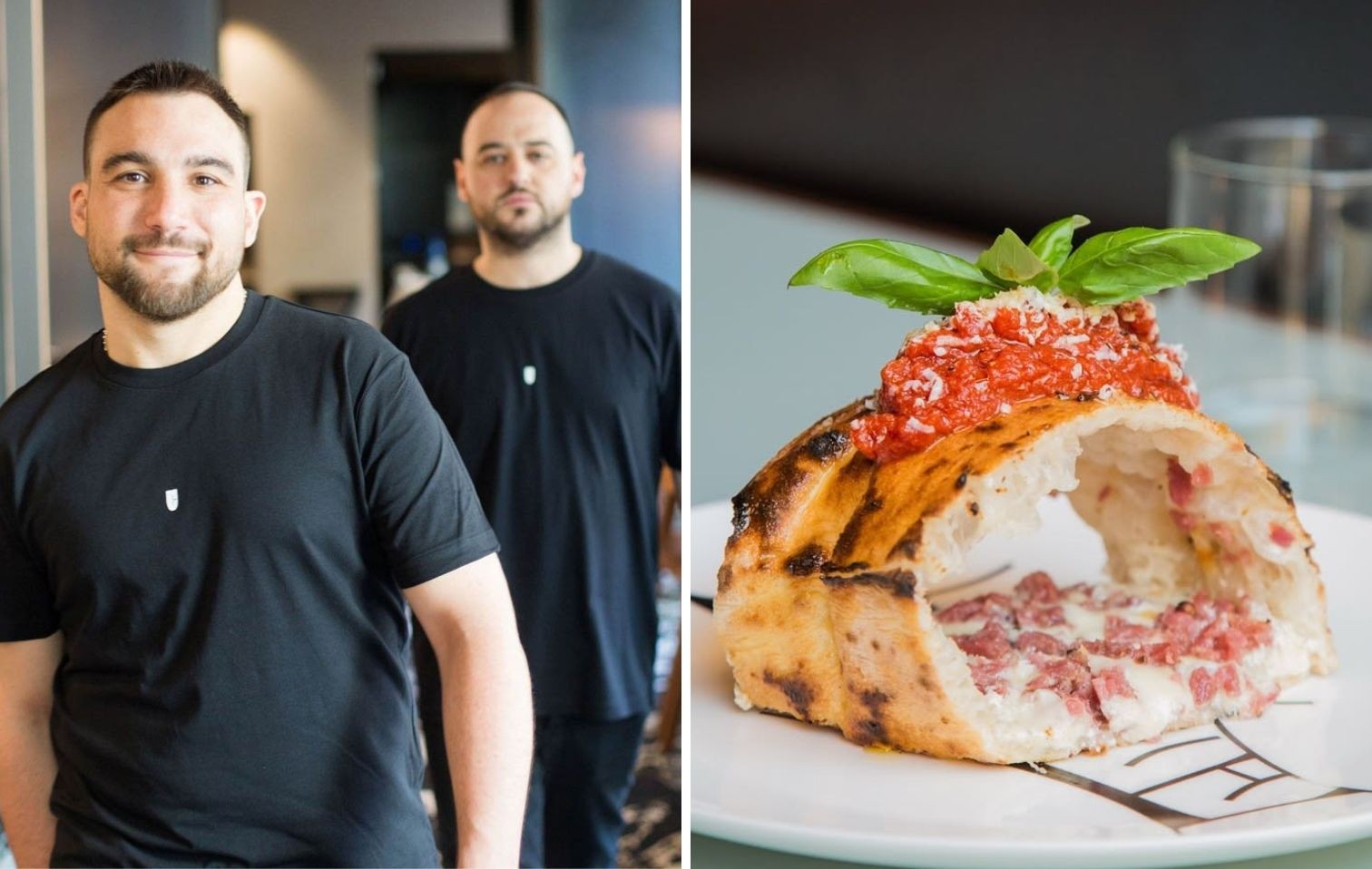
Stepping into Confine means leaving behind the idea of a conventional dinner: here, everything is designed as a journey that unfolds slowly, almost like a narrative progression. The result? As you taste the dishes, they seem to transcend the boundaries of pizza itself, embracing a broader concept of cuisine—without ever losing their original identity. Here, the boundary becomes more subtle, but is never crossed: the thread that ties it all together is the vision.
Photo by Martina Cora
Milan is a city that never stops rewriting its culinary language. It changes rapidly, absorbs, and reinvents. Each phase seems to erase the previous one, but in reality, it builds upon it. And today, more than ever, pizza has become one of its most vibrant expressions: no longer just comfort food, but a cultural gesture, an experience, a shared story. In recent years, the landscape has shifted beyond the simple distinction between “traditional” and “gourmet.” Pizza has entered a broader realm, where technique, identity, and storytelling coexist. Milan, with its hybrid and restless nature, is the perfect ground for this change. In the heart of the Cinque Vie, one of the city’s oldest and quietly fascinating neighborhoods, this transition takes on a distinct form. This is where Confine is born: a place that does not merely interpret contemporary pizza, but transforms it into an experience to be journeyed through. The name itself suggests a threshold. A point of passage. But above all, an encounter. Between languages, between visions, between different ways of understanding cuisine.
THE CONFINE PROJECT: A STORY OF ENCOUNTERS
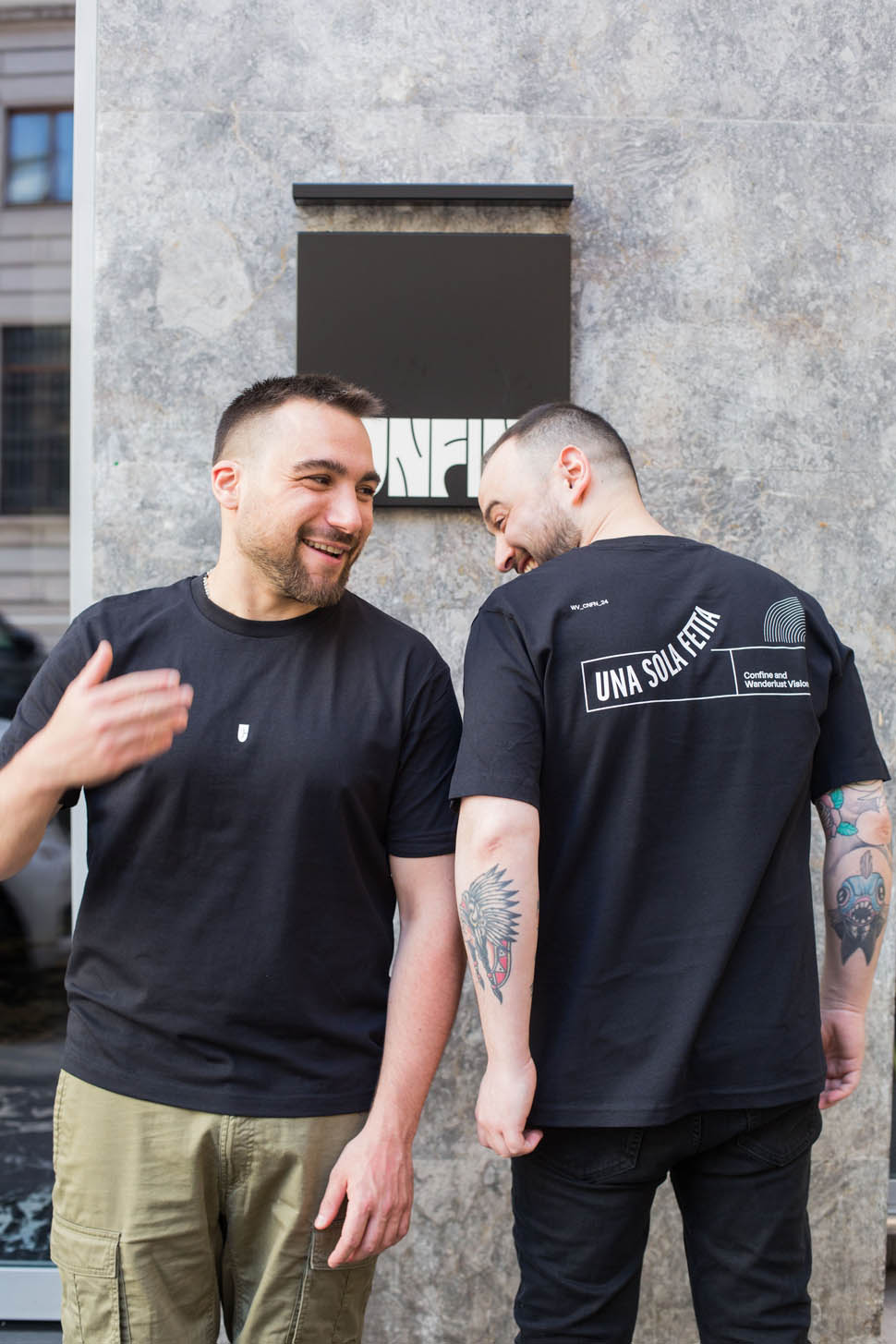
Confine was born from the meeting between Francesco Capece and Mario Ventura. Two different yet parallel paths, both originating in Campania and shaped by the restaurant industry, with a curious, ever-evolving perspective. Their story is not that of a project conceived at a desk, but of a relationship that has deepened over time. First friends, then professionals, then co-creators of a shared vision. A continuous dialogue that found its balance in Milan. In Milan, they decided to create something that was neither a traditional pizzeria nor a restaurant in the classic sense of the word. Something that fell in between. Or rather: on the border. This “middle ground” is not indecision, but a deliberate choice. It is the space where pizza can find its own identity without losing its roots. Where the dough remains central, yet becomes part of a broader narrative woven from rhythm, pairings, service structure, and the architecture of the experience.
PIZZAS AS CHARACTERS
Confine’s pizzas never all look the same. Each one seems to carry its own character, direction, and memory. The dough is the starting point, but it is never the end point. It is a living structure that supports but does not dominate. Its perceived lightness becomes the invisible thread that allows the ingredients to express themselves without overpowering one another. There is a pizza that looks to tradition and reinterprets it with respect, almost with modesty. It never references it literally, but lets it be sensed, like a mother tongue spoken with a contemporary accent.
Another one surprises with its balance between comfort and complexity, as if it were both familiar and new at the same time. It’s the kind of dish that doesn’t impose itself, but lingers, creating a lasting taste memory. Some carry a more assertive, almost narrative spirit, built on contrasts that never seek to shock, but to leave a lasting impression. Acidity and roundness, crispness and softness, intensity and subtlety coexist without competing. And then there are those that seem to step beyond the boundaries of pizza itself, approaching a broader concept of cuisine, yet never losing their original identity. Here the line becomes thinner, but is never crossed. The thread that binds them is not their shape, but their vision.
THE EXPERIENCE: A DINNER THAT IS A JOURNEY
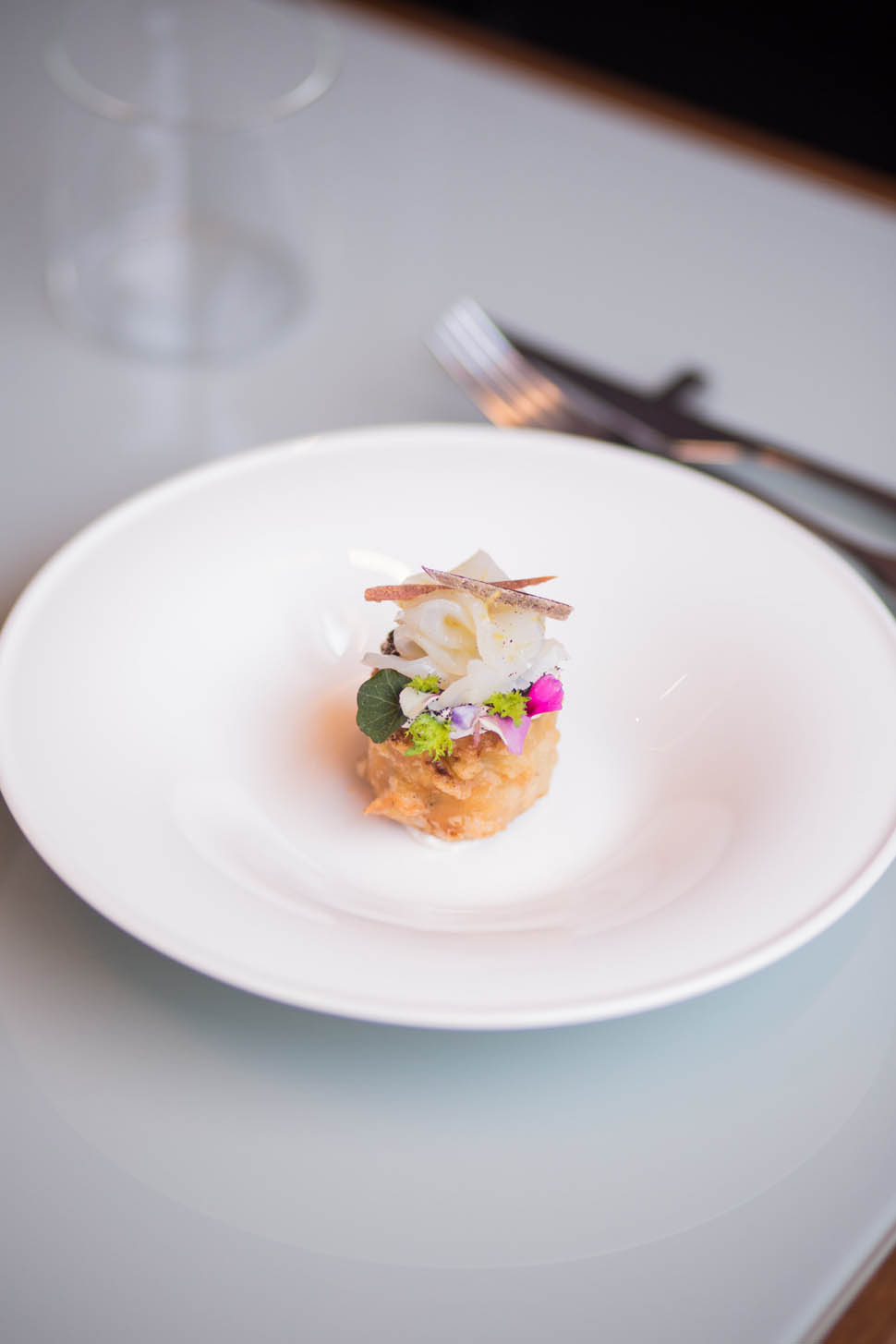
Stepping into Confine means leaving behind the idea of a linear dinner. Here, everything is crafted as a journey that unfolds slowly, almost like a narrative progression. It begins almost discreetly, with small tastings that prepare the palate and the mind. These are not mere appetizers, but fragments of a story: they set a rhythm, suggest a direction, and create anticipation without stating it outright. Among these, the sequence already makes a clear statement of intent, blending technique and freedom: “Ceci n’est pas une pasta e ceci” immediately reveals the project’s level of complexity. Cicerale’s pasta and chickpea frittata, cooked in a broth of rockfish and salt cod tripe, accompanied by marinated salt cod, lapsang souchong powder, and tuna bottarga, is not a creative exercise for its own sake, but a dish built on depth and layering, where every element finds a surprisingly clear balance.
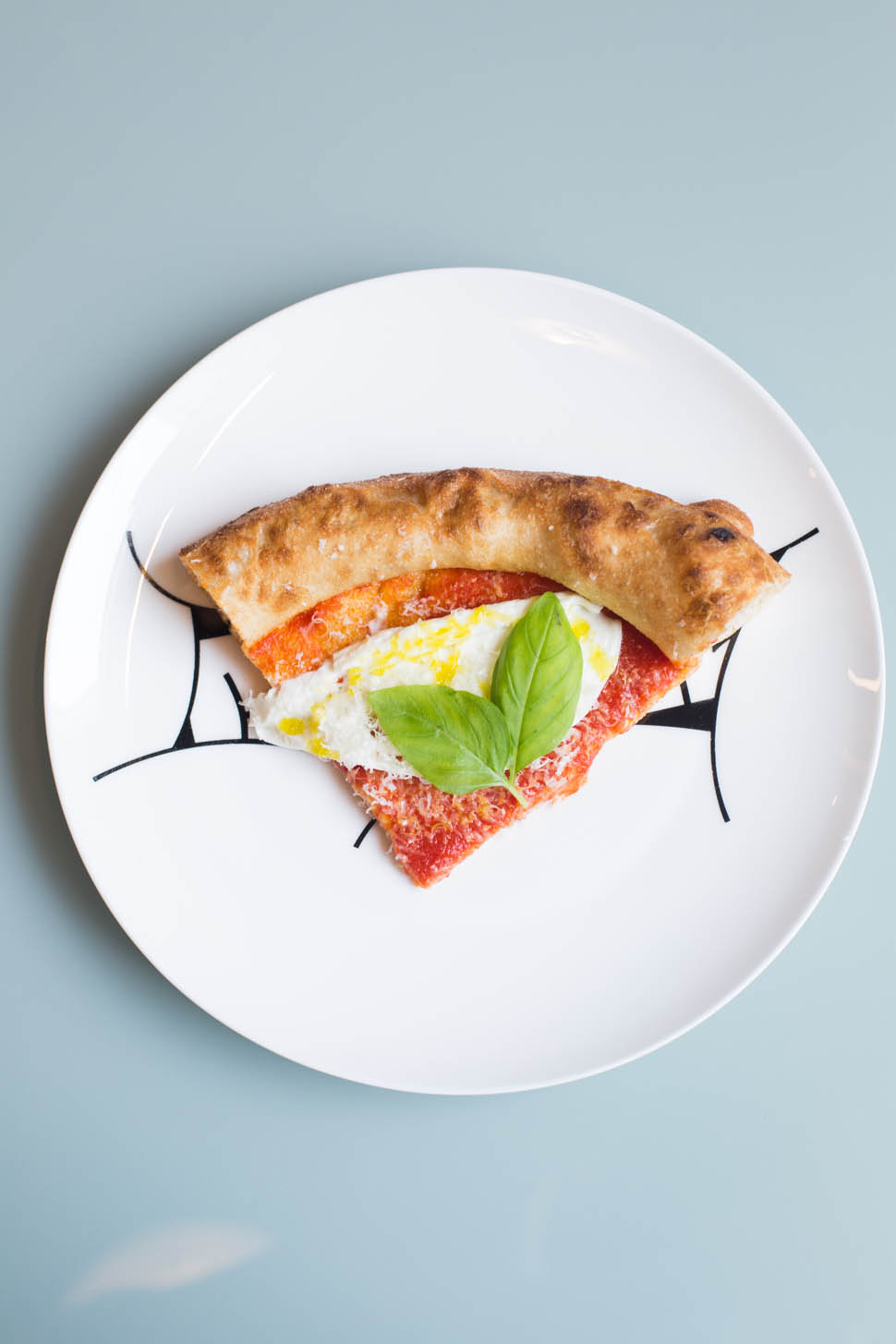
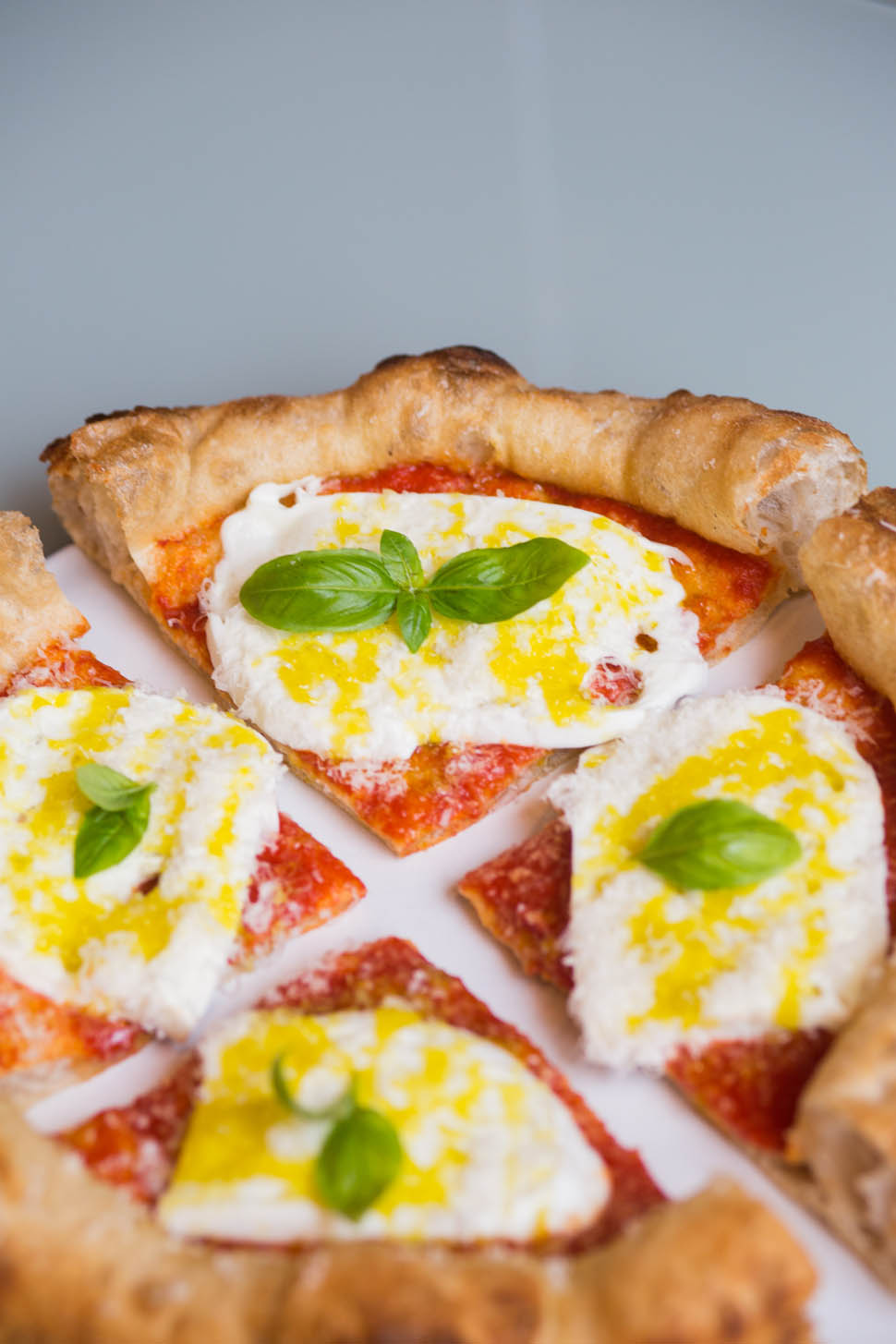
In “Miseria e Nobiltà,” cacio e pepe meets Mediterranean bluefin tuna tartare and smoked herring caviar: a risky combination on paper, but executed with surprising precision, where the rich, savory elements are constantly balanced by the freshness of the sea. Then the rhythm builds, shifts, and opens up. The pizzas arrive, each with a distinct personality, like chapters of a story that unfolds bit by bit. The common thread, however, remains the same: a dough of extraordinary precision—light yet structured, capable of holding its shape without ever feeling heavy—and ingredients of such quality that they transcend mere selection to become a language of their own. In “Simple Doesn’t Mean Easy,” tradition is respected in an almost didactic way, yet elevated by an evident material quality: the tomatoes from Naples, the DOP buffalo mozzarella, and the 36-month Parmigiano seek not effects, but identity.
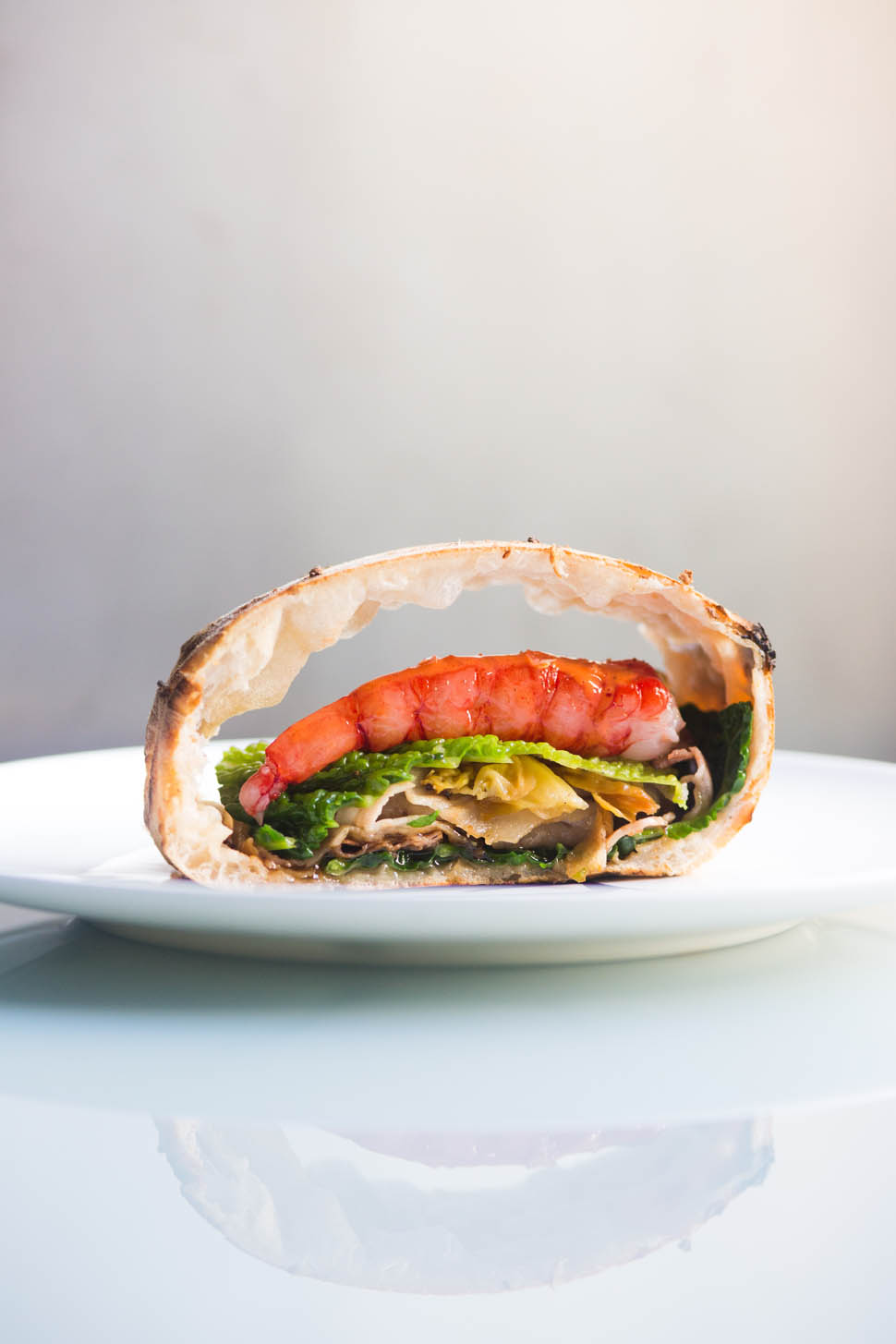
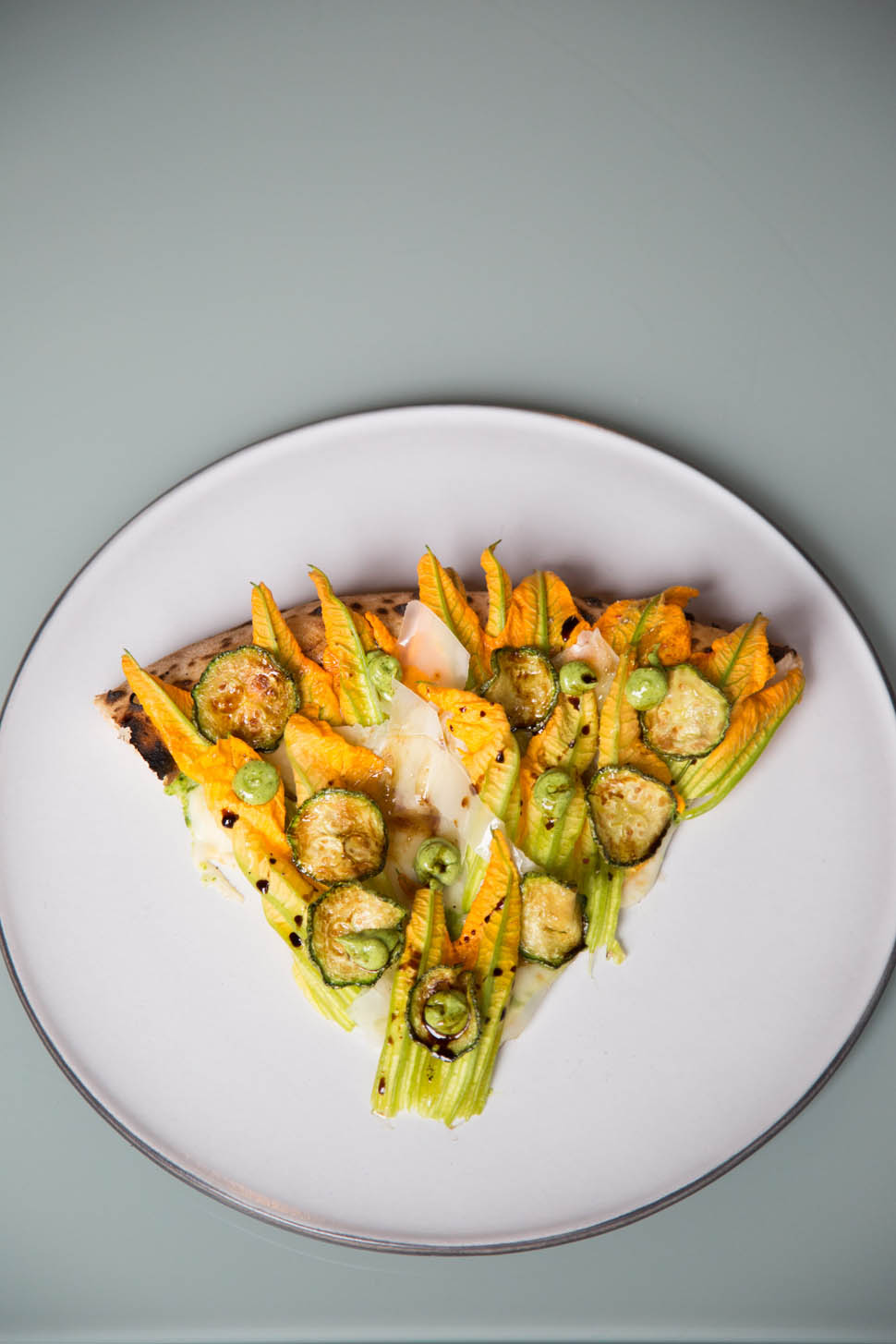
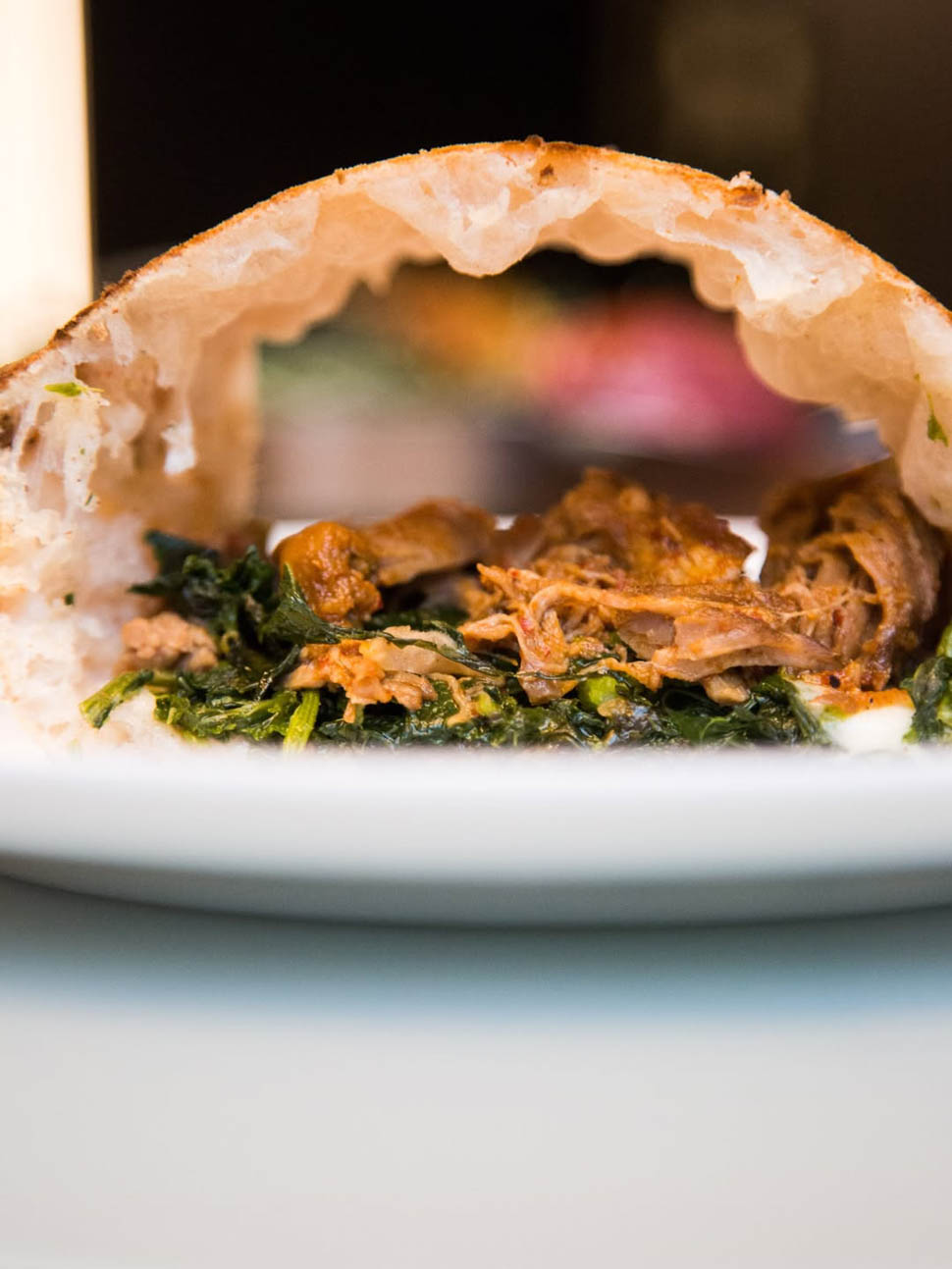
The experimentation then branches out into more hybrid directions with “Calgyoza,” a calzone that draws inspiration from Asia without losing its Neapolitan roots: soy-glazed savoy cabbage, marinated pork belly, red shrimp, and black lemon come together in a creation that works precisely because of the dough’s firmness—never overpowering, yet always central. With “Zucchine alla Capece,” however, a fresher, more vegetable-forward interpretation emerges, where provola cheese and zucchini cream are lightened by zucchini flowers, mint, and aged balsamic vinegar, in an extremely controlled interplay of contrasts.
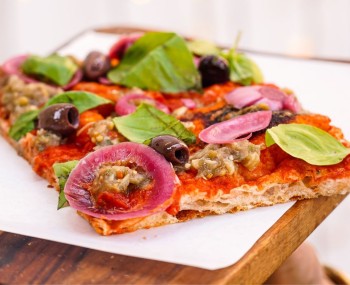
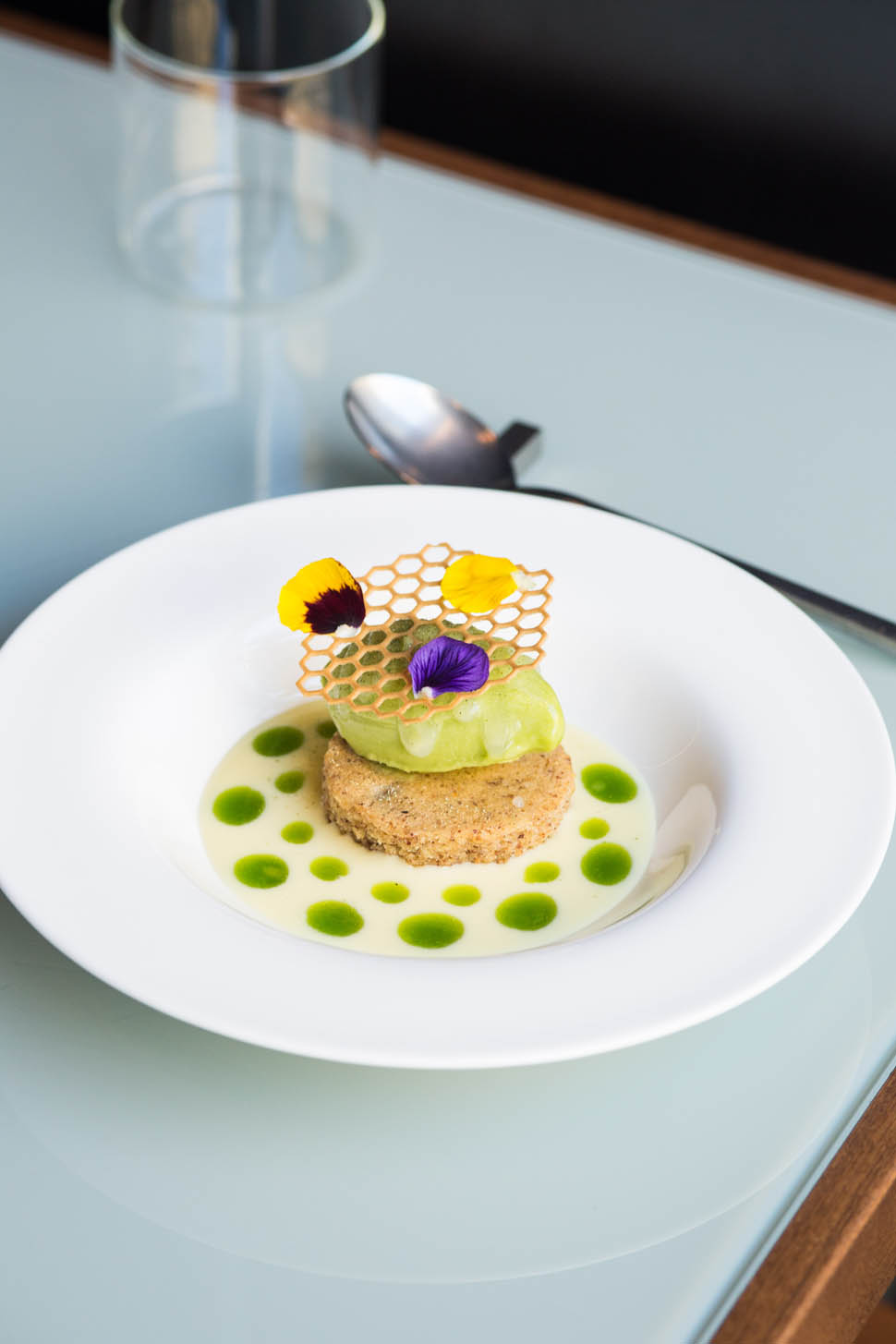
Among the most iconic, “Umaminara” perhaps best encapsulates the project’s vision: a pan-baked pizza that focuses almost obsessively on umami, featuring smoked San Marzano tomatoes, Cetara anchovy sauce, black garlic, capers, and oregano. Here, the depth of flavor is layered yet never muddled; each element finds its own place. The finale moves through different yet coherent registers. “Pizza Suzette” transforms sweetness into narrative continuity, blending Grand Marnier with Ciacco Lab’s fiordilatte gelato, while “Celery and Hazelnuts” plays on freshness and vegetal notes, closing the journey with an almost ascetic clarity.
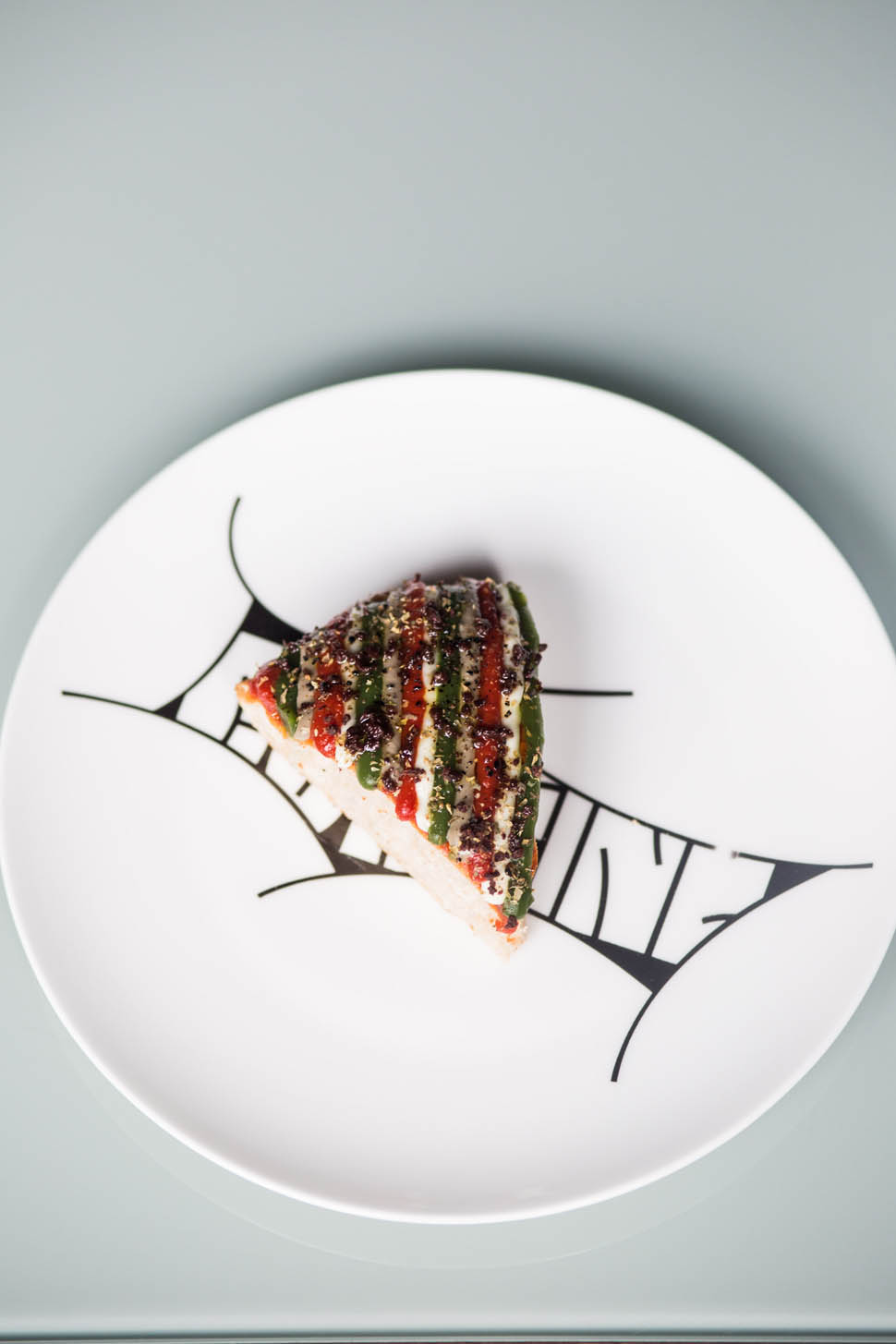
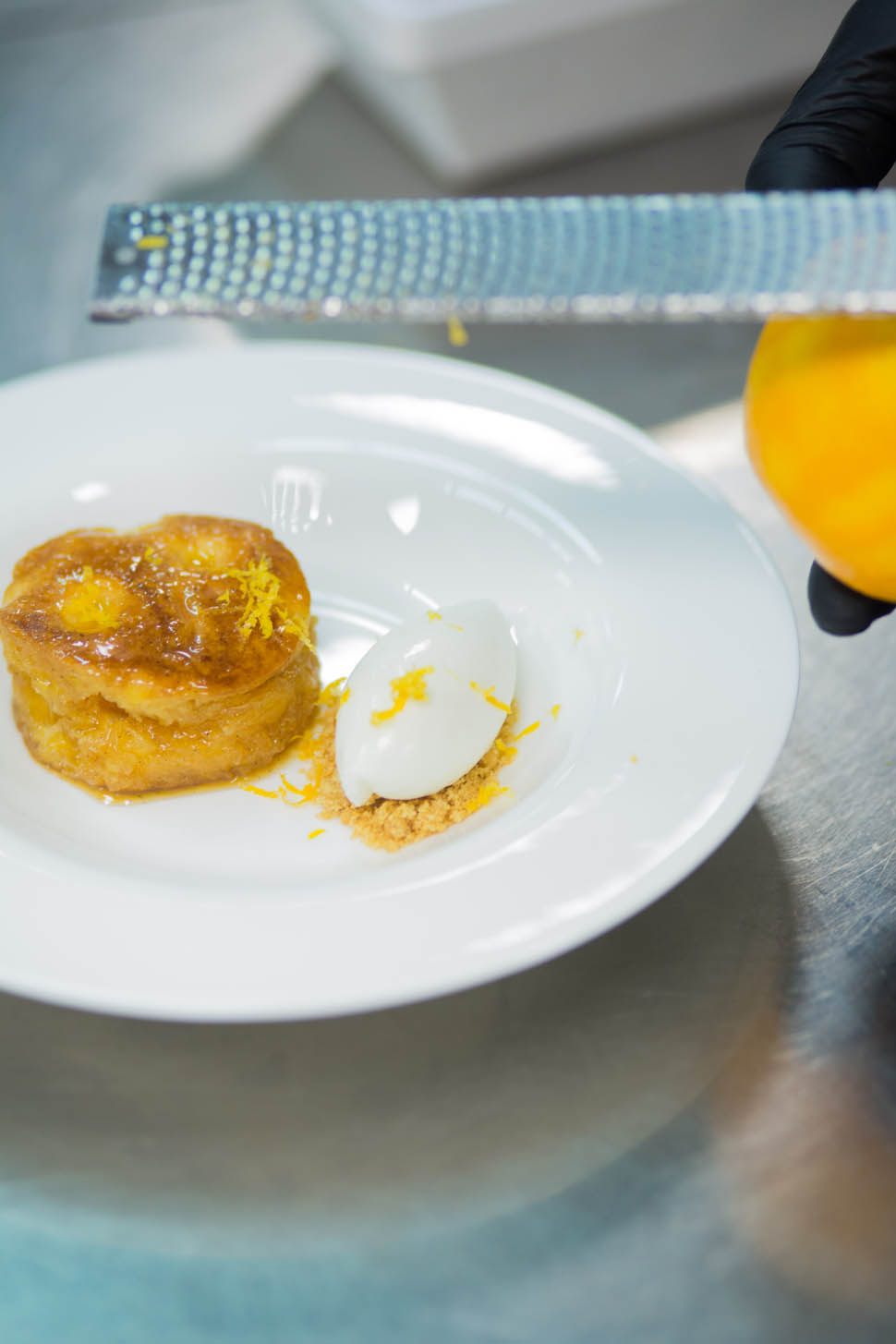
There is no rush, no pressure. Just a gentle progression that accompanies the experience. The service fits into this flow with an almost choreographic discretion. It never interrupts the narrative; rather, it sustains it. Every gesture seems calibrated not to break the flow of attention, but to keep it in a state of gentle anticipation. And then there is the wine, which enters the conversation without interrupting it, but by adding nuances. Not as a separate element, but as an integral part of the sensory experience: a voice that discreetly overlaps, enriching the interpretation of the dish.
MILAN: HYPE AND SUBSTANCE
In Milan, everything risks becoming a trend. The speed at which a place can be discussed, shared, and interpreted is extremely high. Every opening becomes a potential phenomenon, every phenomenon is quickly consumed. But Confine seems to be choosing a different path: that of slow construction. Here, the idea of “hype” stays outside the door—or, better yet, is defused. There is no pursuit of immediate impact, but rather of continuity. Not a peak, but persistence. The audience is young, curious, and international. But above all, attentive. It isn’t satisfied with the surface; it seeks layers, coherence, and depth. It is an audience that has seen a lot and recognizes when a project has a voice of its own. Confine fits into this scenario without forcing itself. It doesn’t present itself as an icon, but as a place to experience. Not as an object to be talked about, but as an experience to be lived over time.
THE ARCHITECTURE OF CONFINE: SPACE AS THE PRIMARY NARRATIVE
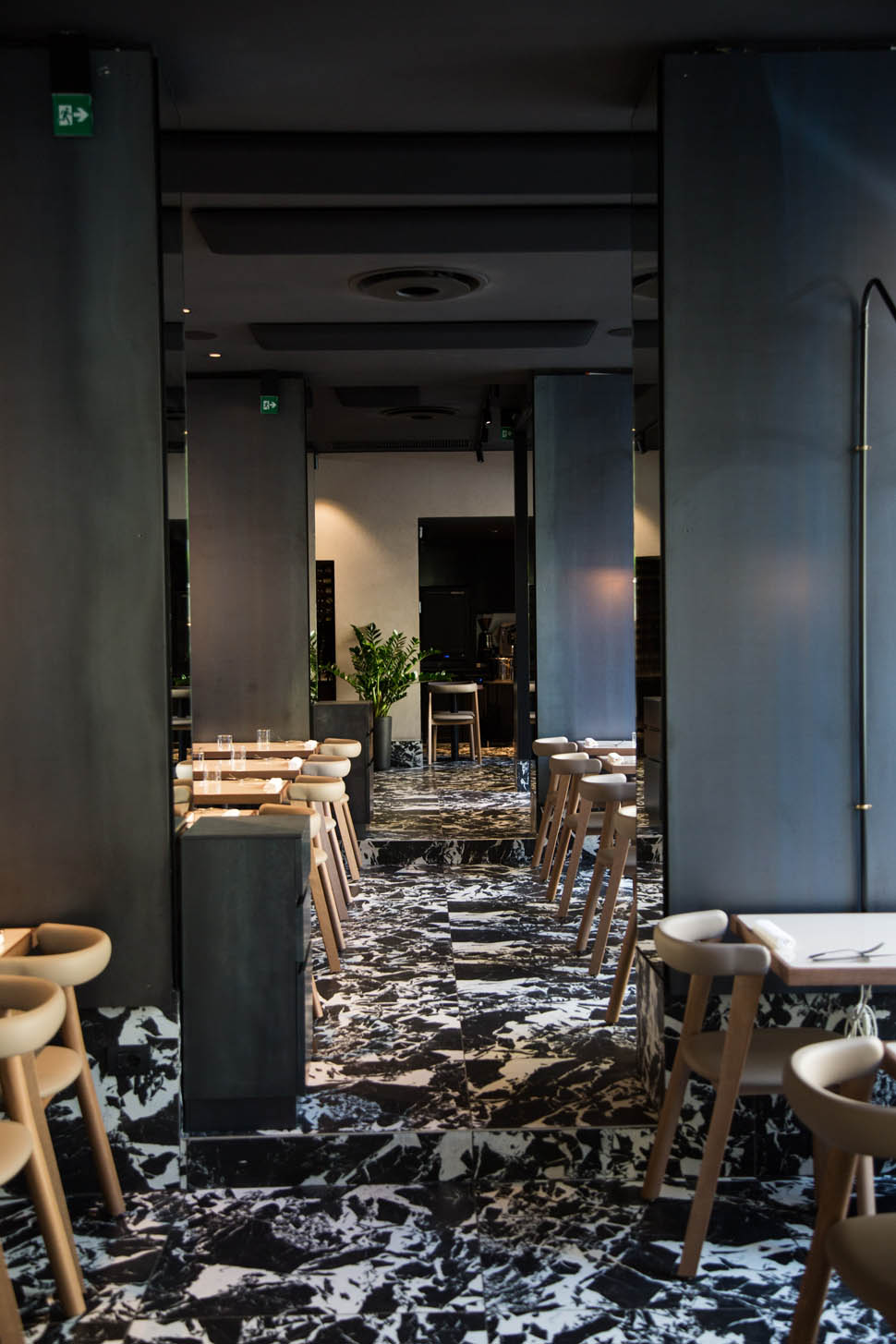
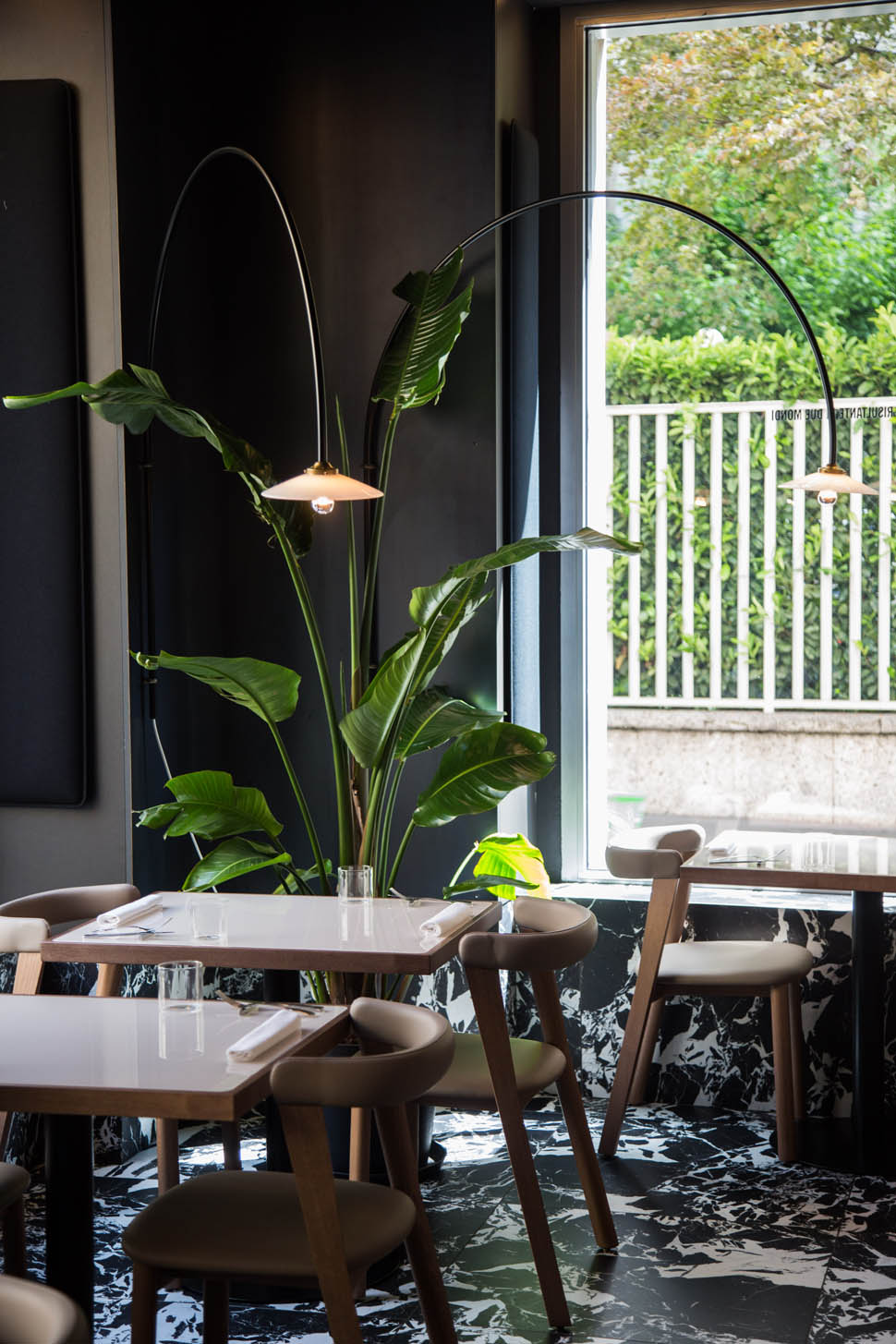
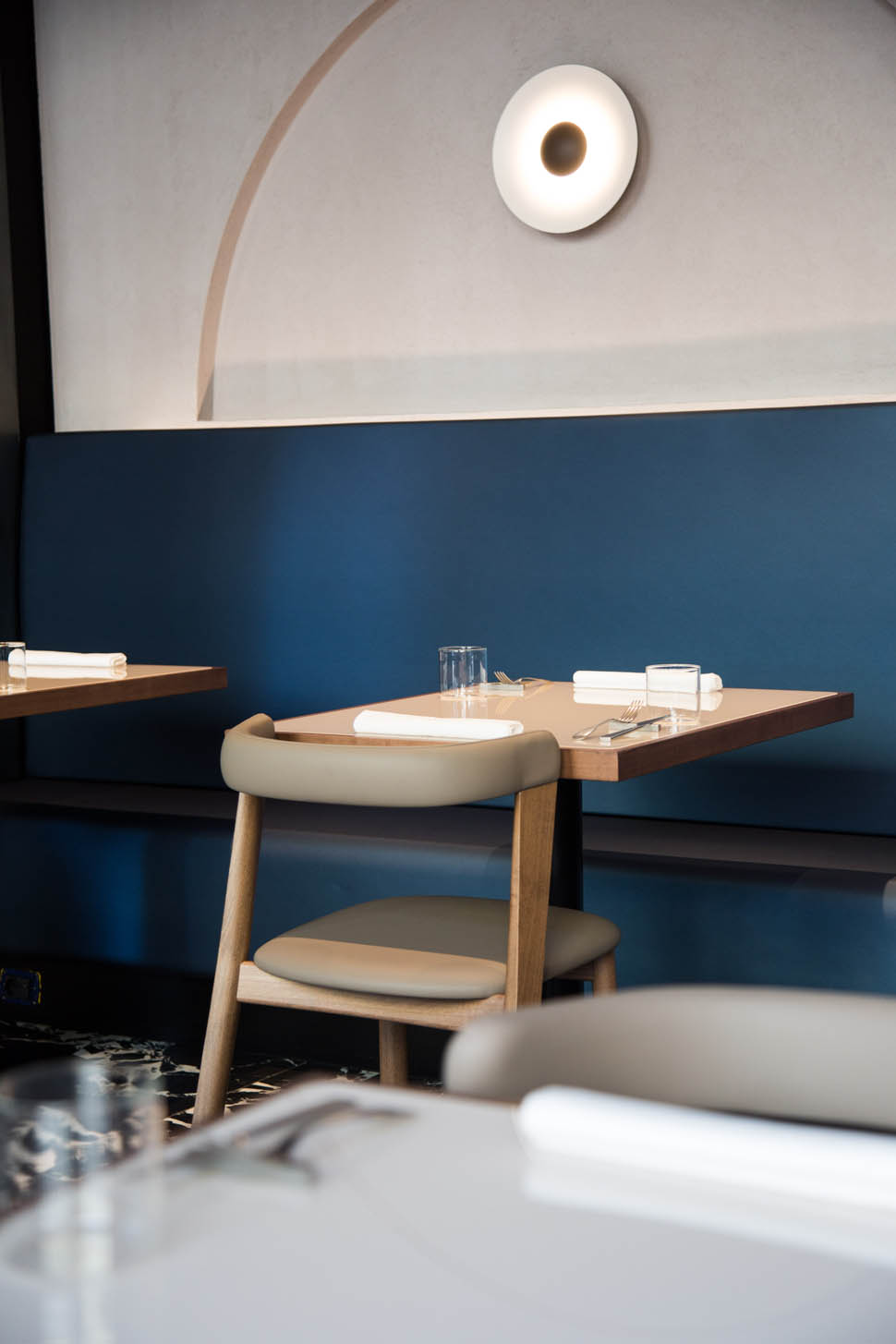
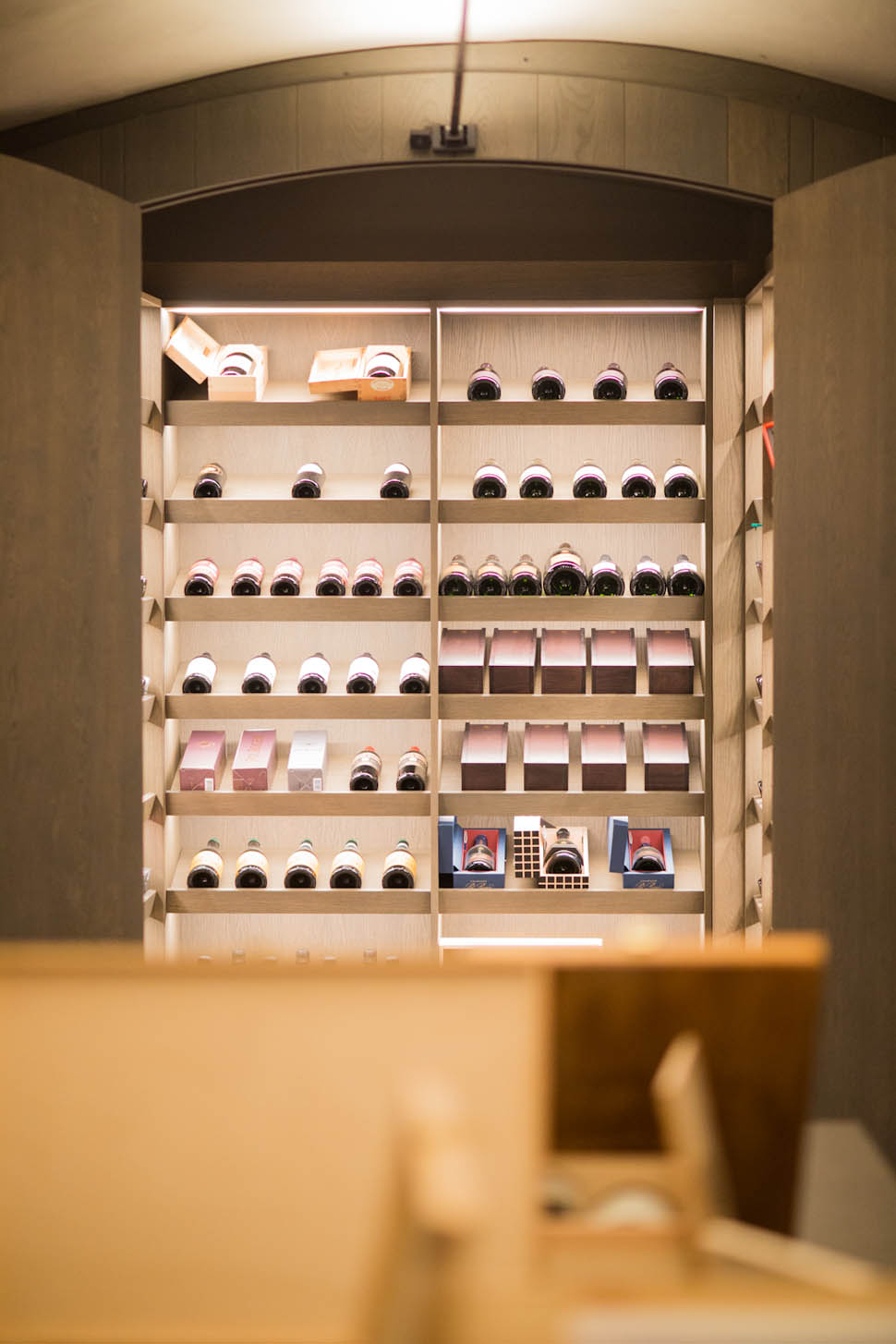
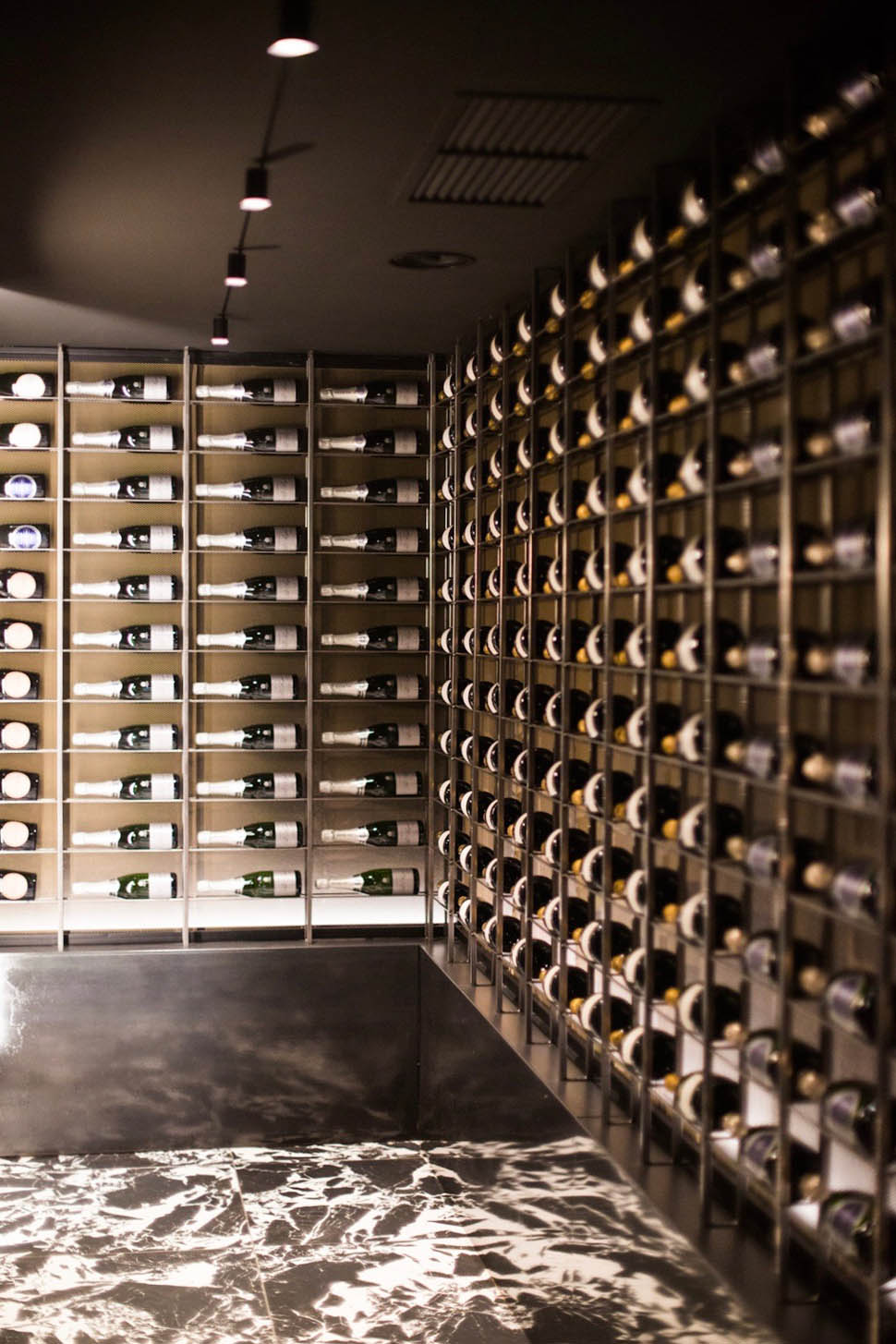
Even before the cuisine, it is the space that defines the experience. The architectural design of Confine bears the signature of De.Tales in collaboration with Studio DalleraBonforte and stems from the transformation of the historic Meazza hardware store, in the heart of the Cinque Vie district, just a short walk from the Duomo. The spaces unfold with distinct identities. The two main dining rooms offer a more informal setting, while the Croccante room introduces a more intimate and convivial atmosphere, designed around a single shared table. On the lower level, the cellar houses wines selected by Mario Ventura, in a more intimate and quiet space. The design is scaled for about fifty seats, a choice that reinforces the idea of a controlled and attentive experience, rather than a high-volume one. Everything is designed with proportion and connection in mind. The color palette is dominated by gray, but a textured gray, warm in its concreteness: lime on the walls, waxed iron, marble accents in the floors, and custom-designed furnishings. Small pastel accents discreetly break up the monochrome scheme. The intent is clear: to let the raw ingredients and culinary innovation take center stage. The space never competes with the food, but rather complements and enhances it.
BEING ON THE EDGE
There are places that tell their story through what they serve. And others that can only be understood through the feelings they evoke. Confine belongs to the latter category. It is not just a pizzeria, nor does it aim to be one. It is a space where pizza becomes an occasion for gathering, for shared moments, for slow storytelling. A place where the simplest form of Italian cuisine also becomes one of the most complex to describe. In the heart of the Cinque Vie, amid ancient stone and quiet modernity, this project finds its natural balance: that of a place that does not separate, but unites. And for this very reason, it does not end with the visit, but continues afterward. In memory.
Contact
Confine
Piazza Cardinal Guglielmo Massaia, Milan.
Tel. 3755426086.
Closed Sundays. Open only in the evening; Saturday and Sunday also for lunch.