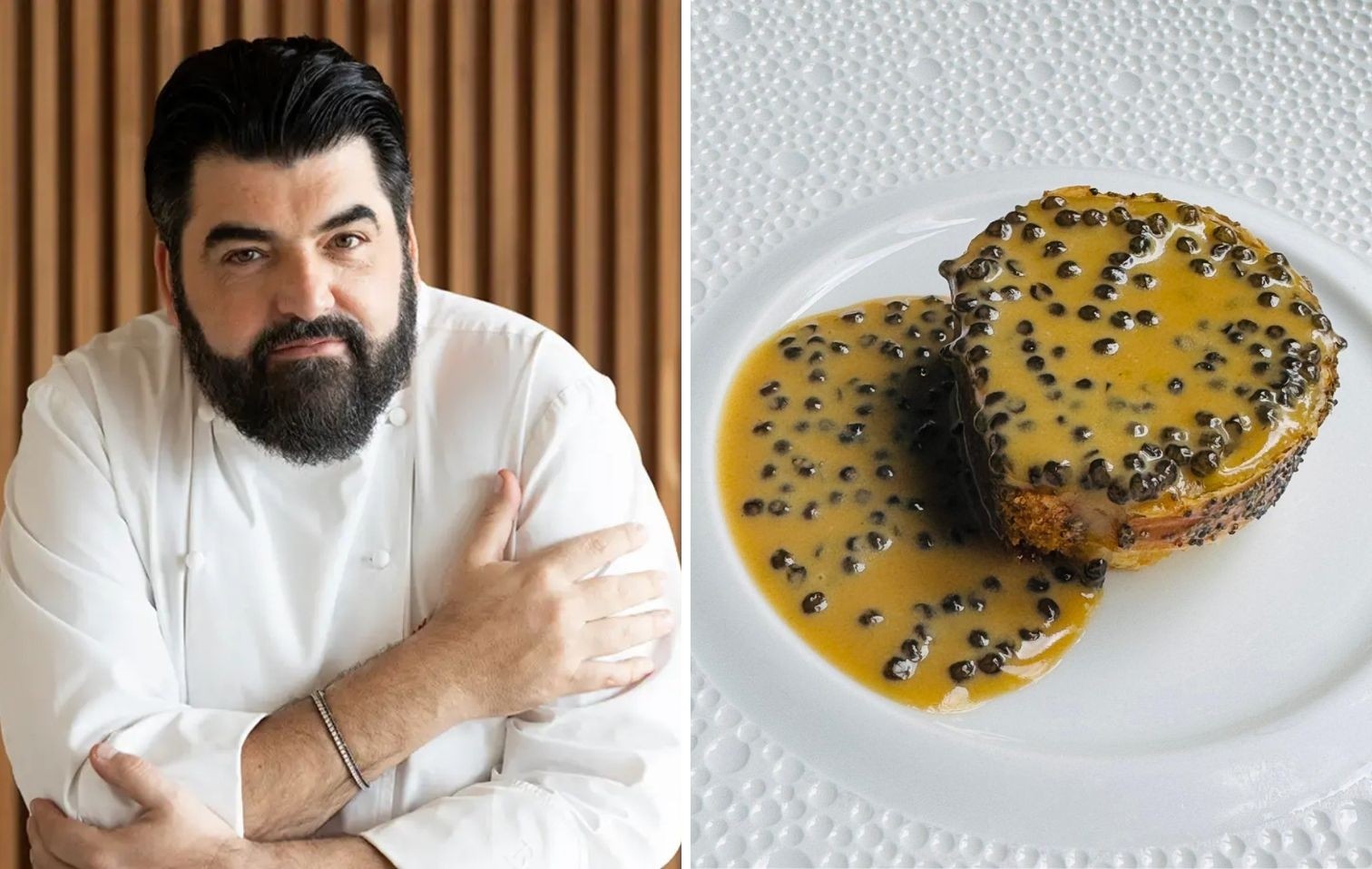
Antonino Cannavacciuolo pairs an element deeply rooted in rural culture with delicacies such as truffles, caviar, and champagne. Is this provocative? No, rather it opens up an entirely new realm of possibilities, where the onion finds common ground with the sensibilities of those who interpret it.
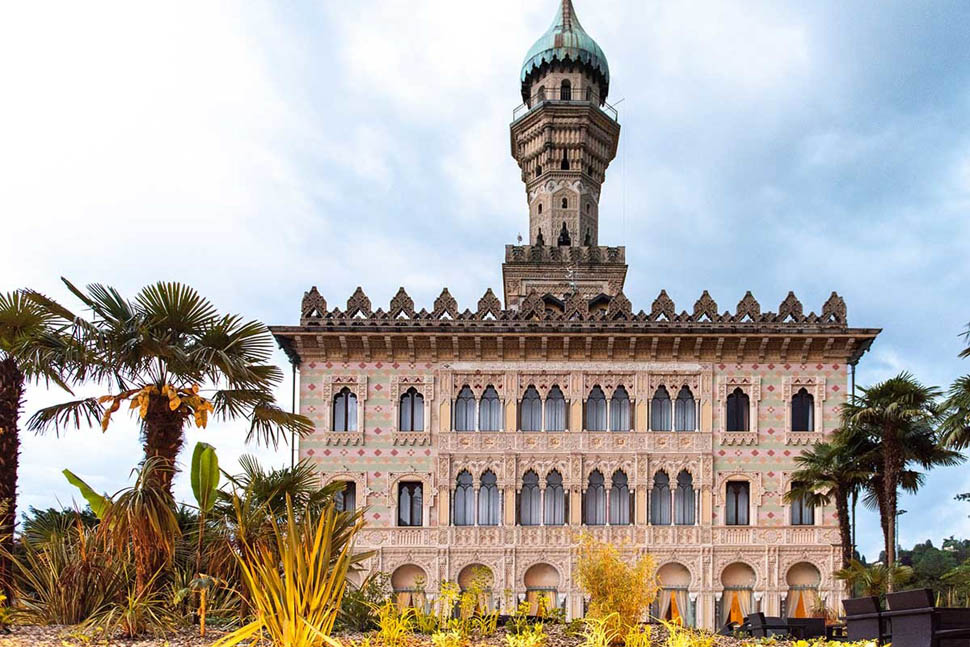
No one can put it better than a chef: the onion is the genetic code of every culinary initiation, that nostalgic scent that instantly triggers a sense of “kinship” with pans and pots. Yet, for a long time, haute cuisine has confined it to the background: an essential but invisible cornerstone, an aromatic base destined to dissolve into the stirring of sauces and broths. This is confirmed by Antonino Cannavacciuolo, who, by placing the “sautéed ingredient” at the center of a 3-Michelin-star dish, has brought about a clear shift in perspective on the menu at Villa Crespi.
Why the Onion: From a Household Staple to a 3-Michelin-Star Dish
“It’s an ingredient that has always been a part of my life; one of those products that, in addition to being essential for a chef, is steeped in history and nature,” the chef confides to Reporter Gourmet. "The intensity of its pungent aroma, in contrast to the elegance with which it pairs with dishes and seasonings, makes it the queen of our tradition. Let’s not forget that the onion is one of the first ingredients a young chef encounters during training. Coincidentally, it’s also one of those scents that fills the homes where we all grew up.”
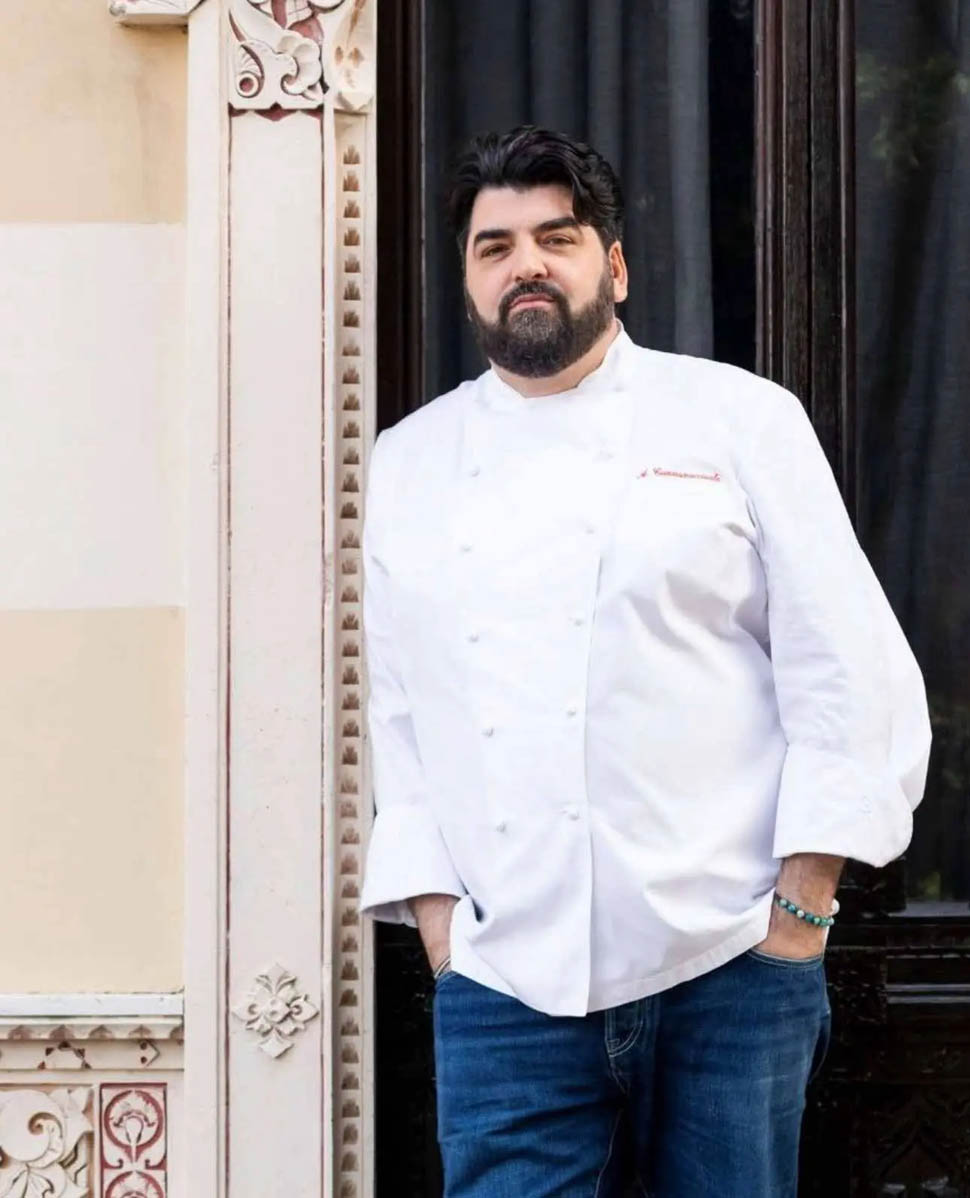
Hence the idea of restoring the dignity that habit threatens to make us forget. And so, the chef’s challenge lies precisely in “bridging the gap”: pairing an ingredient so deeply rooted in peasant culture with delicacies such as truffles, caviar, and champagne. Provocation? No, rather an entirely new field of action, where the onion finds common ground with the sensibility of those who interpret it. “In the end, I told myself: ‘It’s been with me for so long… let’s pamper it a bit, let’s give it the recognition it deserves,’” Cannavacciuolo explains. "Its versatility and availability have perhaps made it taken for granted over time. But that’s not the case: even the simplest and humblest ingredients hide within them a potential that—once brought out of its shell—is pleasantly surprising. I believe that honoring a product means valuing and loving it. First and foremost when, as in this case, it has fed entire generations.” So, the question arises: what form does the onion take in one of Italy’s best restaurants?
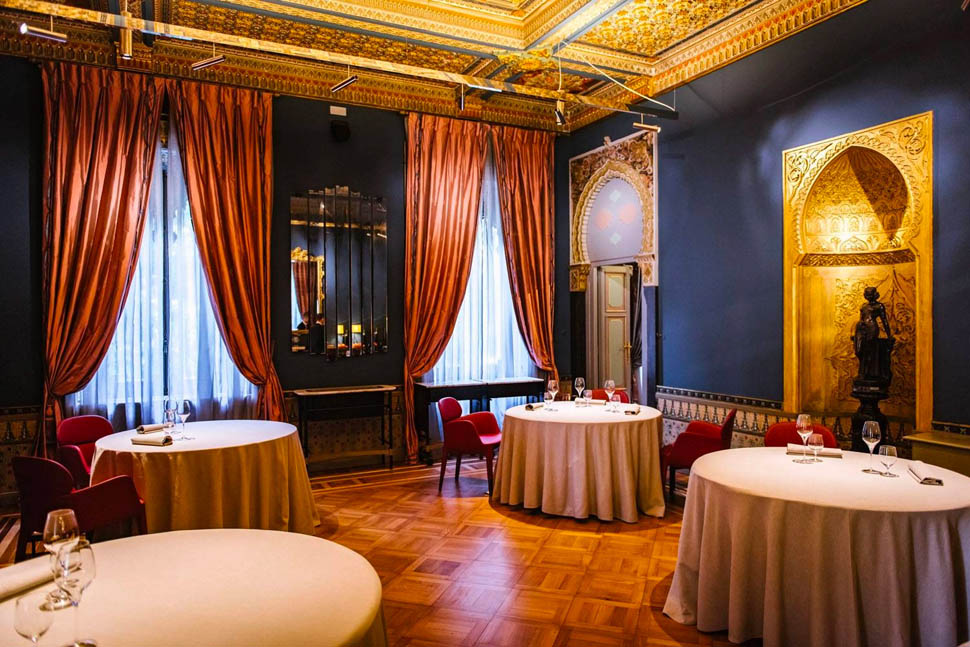
Antonino Cannavacciuolo’s take: how an onion becomes a small masterpiece
The dish at Villa Crespi is, in fact, built on a delicate balance. The greatest challenge? Taming the onion’s natural intensity without stifling its personality. The technique chosen was therefore salt-crust baking: thermal insulation that allows the bulb to cook slowly in its own juices, retaining its moisture and concentrating its natural sweetness. This burst of sweetness propels the final flourish, where each layer contributes structure and dynamism. “With the spinach and truffle filling, I wanted to add an earthy element that evokes the soil,” explains the chef. “The puff pastry, on the other hand, creates the crunchy element, while the champagne sauce brings freshness, acidity, tension, and finesse.” And the caviar? "It represents the keystone: a savory burst that breaks up the dish’s roundness, making it even more dynamic. Thanks to these contrasts, we manage to unite the history of poverty with the splendor of refinement.”
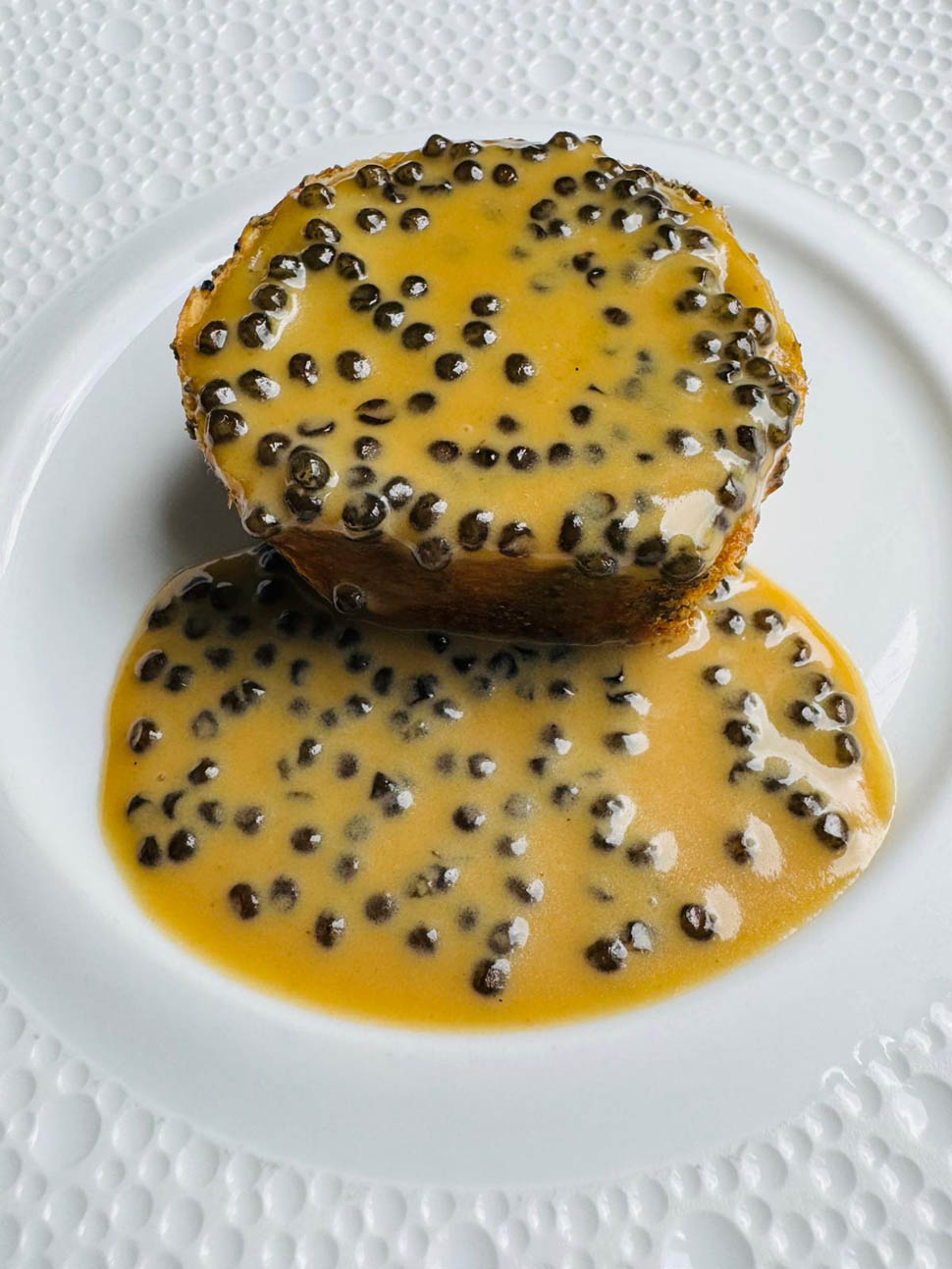
The Presentation: A Gradual Revelation
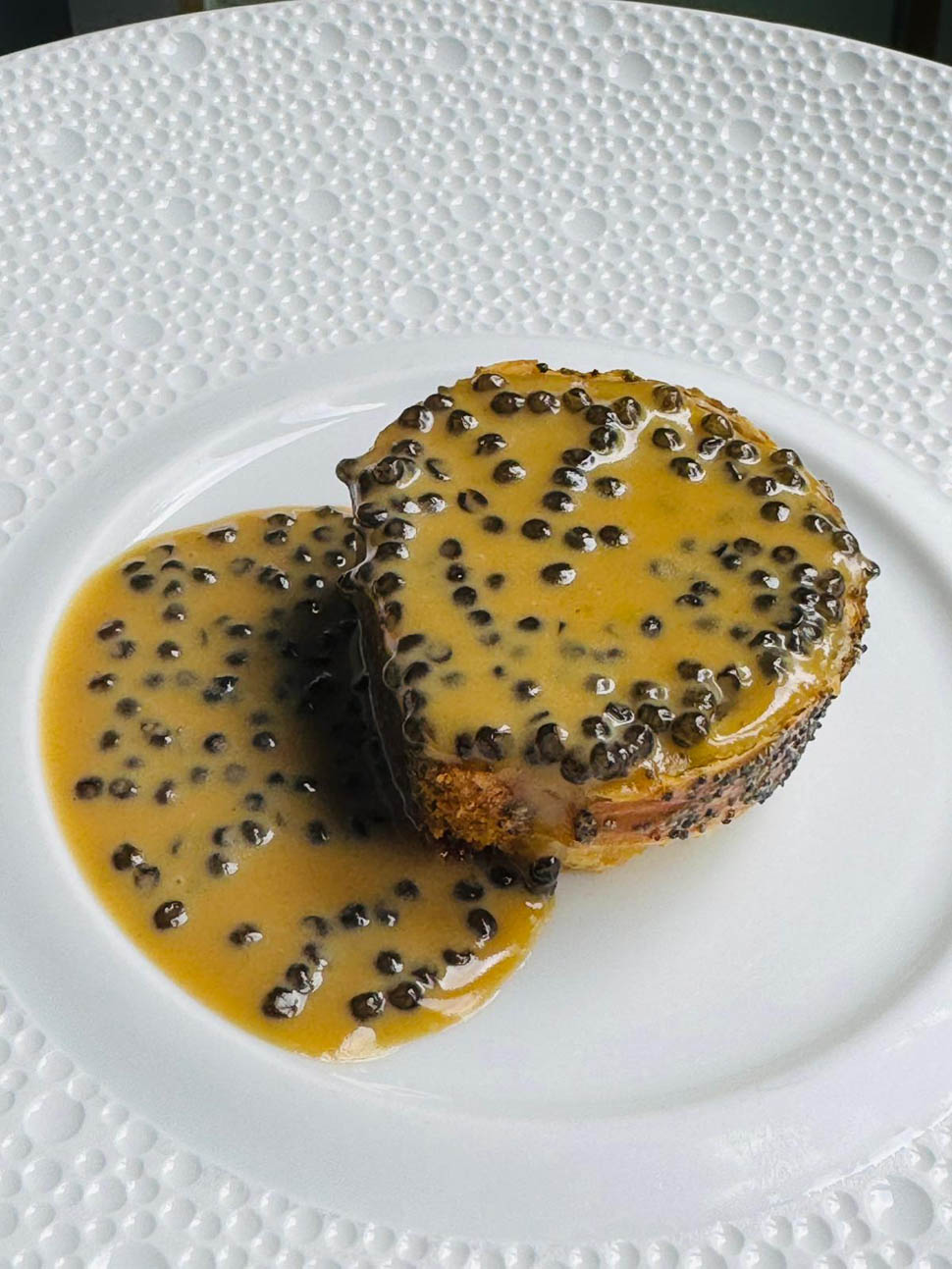
In the Villa Crespi tasting, it is the plating itself that “hands the scepter” to the onion. Imagine standing before a mini-treasure chest—as Antonino Cannavacciuolo describes it—that gradually opens like a jewelry box: outwardly simple, inwardly a “treasure.” In fact, only at the moment of service—when the onion is opened and finished with the champagne sauce and sturgeon roe—does the dish reveal itself fully. This small “minimal ritual” simulates the very journey of the raw ingredient: a movement that starts from the depths of the earth to reach the perlage of bubbles in the glass. “Aesthetically, I compare the onion to a treasure chest: seemingly understated, yet capable of triggering elegant, almost theatrical visual effects.” Let’s now turn to the accompanying drink, which has few rivals in terms of elegance: “We recommend, of course, a Champagne of great depth and finesse. It is the right choice to complement the sweetness of the onion and, at the same time, support the savory richness of the caviar. It also pairs well with the freshness of the sauce.” The finish prolongs the harmony, and the humble onion has never tasted so good. Because often the wonder in cooking lies in the ability to look at what is most familiar to us with entirely new eyes.
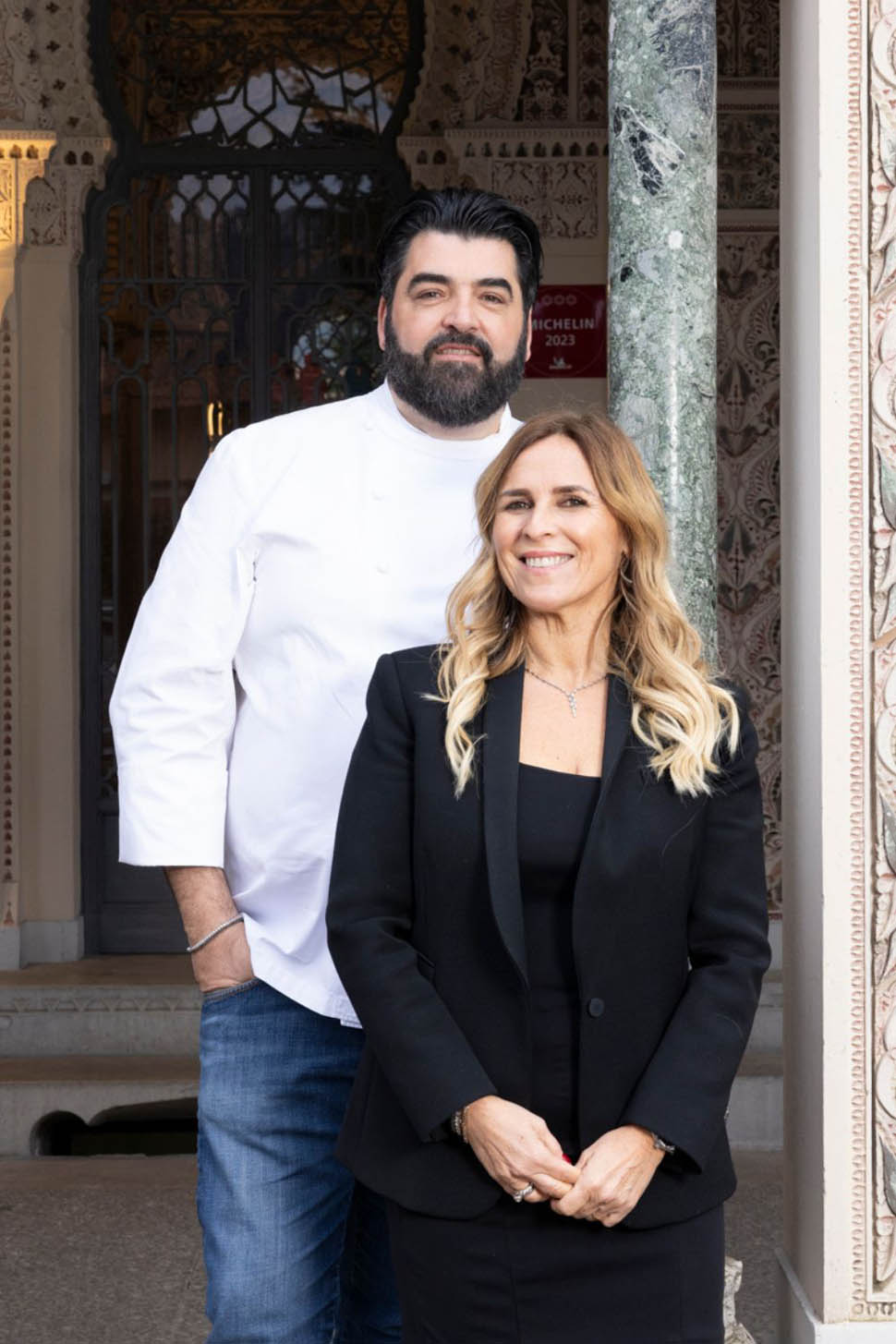
Onion in a Salt Crust, Truffle, Caviar, and Champagne
For the onion
- 2 white onions
- 1.1 kg coarse salt
- 90 g egg white
- 2 slices of sandwich bread
- 200 g puff pastry
- 1 egg yolk
- poppy seeds, to taste
- 120 g stewed mushrooms
Wash the onions and remove the outer layer; in a mixing bowl, combine the salt with the egg white.
On a baking sheet lined with parchment paper, spread out some of the salt mixture, place the onions on top, and cover with the remaining salt.
Bake at 180°C for about 1 hour and 30 minutes.
Remove from the oven and let cool to room temperature.
Break the salt crust, remove the outer layers of the onion and the core.
Stuff the onion, wrap it first in a strip of bread dough (rolled out with a pasta machine) topped with chopped stewed mushrooms, and then in a strip of puff pastry.
Brush with egg yolk, sprinkle with black poppy seeds, and bake on a perforated baking sheet at 200°C for about 14–16 minutes.
For the filling
- 60 g blanched spinach
- 20 g black truffle
- 40 g cream
- 10 g butter
- 15 g chopped shallot
- salt and pepper to taste
Blanch the spinach in salted water, cool in ice water, squeeze out the excess water, and chop finely with a knife.
In a saucepan, sauté the chopped shallot in butter, add the truffle brunoise, pour in the cream, and cook for about 5 minutes.
Add the spinach, let the flavors meld, season to taste, and cool. Store the filling in a pastry bag
For the champagne sauce
- 60 g button mushrooms
- 2 peppercorns
- 60 g julienned shallots
- 360 ml champagne
- 120 g scampi claws
- clams broth, as needed
- 150 ml Monviso fresh cream
- lemon, as needed
Split and brown the scampi claws in a saucepan with a drizzle of oil. Drain and set aside.
In the same saucepan, sauté the shallots, add the sliced button mushrooms, let them cook, add the previously browned scampi tails, let the flavors meld, and deglaze with the clam water. Bring to a boil, add half the champagne and the cream, and simmer for about 30 minutes.
After this time, add the remaining champagne and cook for another 10 minutes.
Remove from heat and let the pepper steep, then strain and set aside.
Before serving, reduce to the desired consistency, season to taste with lemon juice and a knob of butter.
To finish the dish
Cut the onion into thin slices, place a medallion on the plate, and top it all with the champagne sauce containing the caviar.
Villa Crespi
18 Via Fava, Orta San Giulio (Novara).
Tel. 0322911902.
Open Wednesday through Sunday for lunch and dinner. Closed Monday and Tuesday