The Roman chef’s project has found a home in Orvieto, where, across from the cathedral, he has created a culinary journey centered on game, fire, and livestock farming.
Photos by Stefano Delìa
The chef
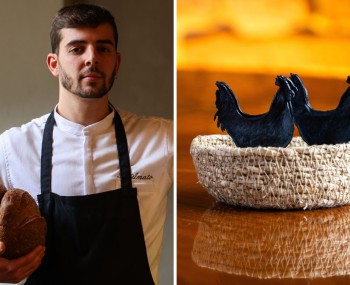
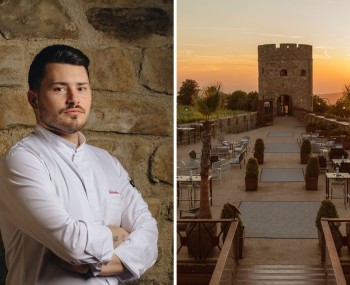
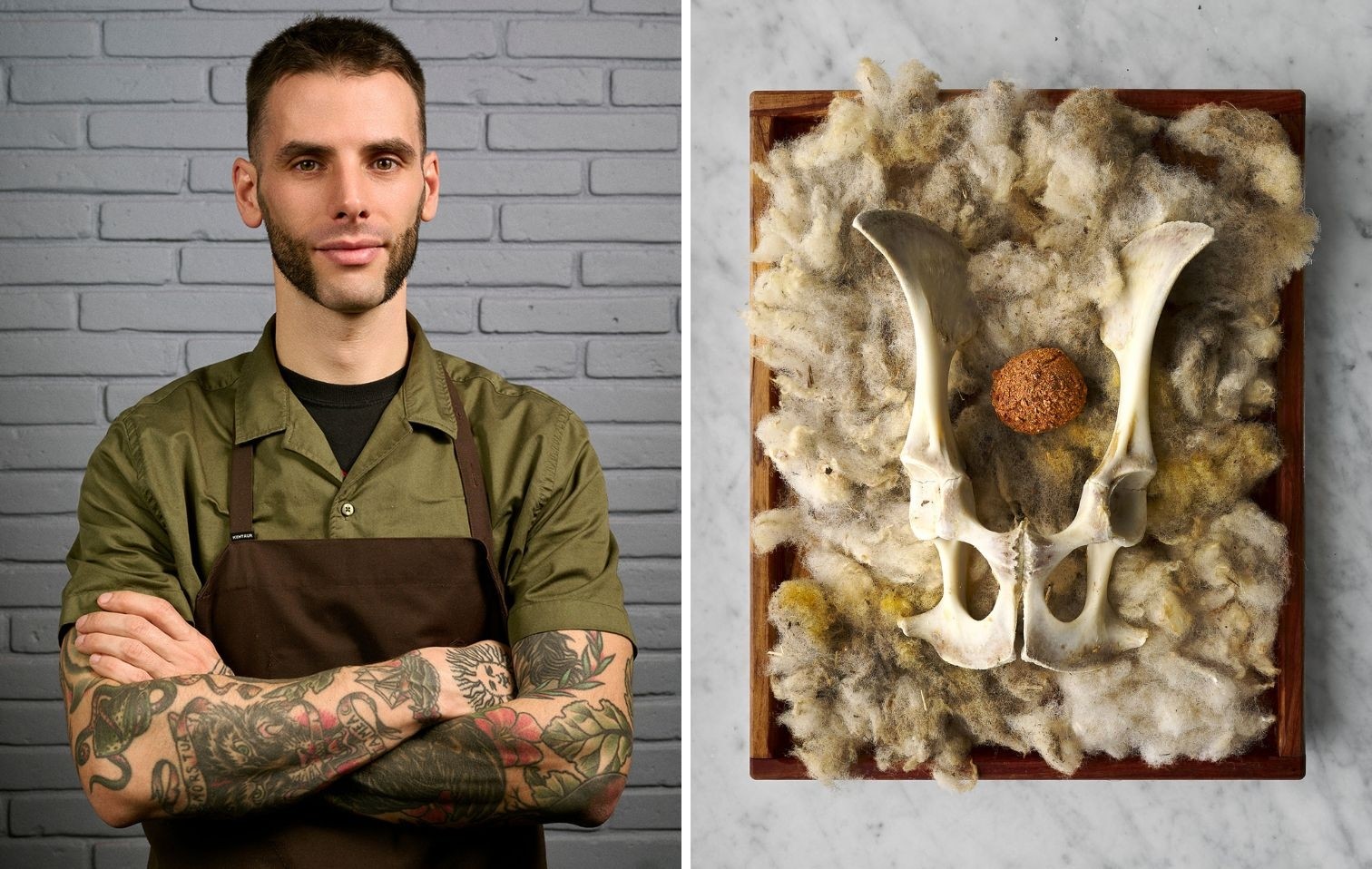
On his Instagram bio he describes himself as a “zootecnical gastronomer,” which says a lot about Tommaso Tonioni’s way of thinking. After a prestigious journey alongside Michelin-starred chefs — such as Roy Caceres, Valeria Piccini, and Anthony Genovese — and solo ventures like Marzapane, Achilli al Parlamento, and Pulicaro, the Roman chef has, for nearly a year now, found a place where he can fully express his love for nature. Arso is the name of his culinary project, now a permanent reality in the restaurant of the same name in Orvieto. “Arso was born in my mind years ago and took shape from Pulicaro, an experience that deeply shaped me,” says the chef, who at the Torre Alfina farm (among the best in Italy for its approach to breeding and agriculture) discovered his true identity.
He describes it in detail in the Arso manifesto that he always leaves on the table: “We embrace transformation, seasonality, and the unexpected. Arso is an invitation to slow down, to rediscover what truly nourishes us.” Tonioni’s philosophy is clear, and it was in Pulicaro that he found the investor willing to back his culinary vision: Raffaele Tysserand, owner of Palazzo Petrvs, also in Orvieto.
The restaurant
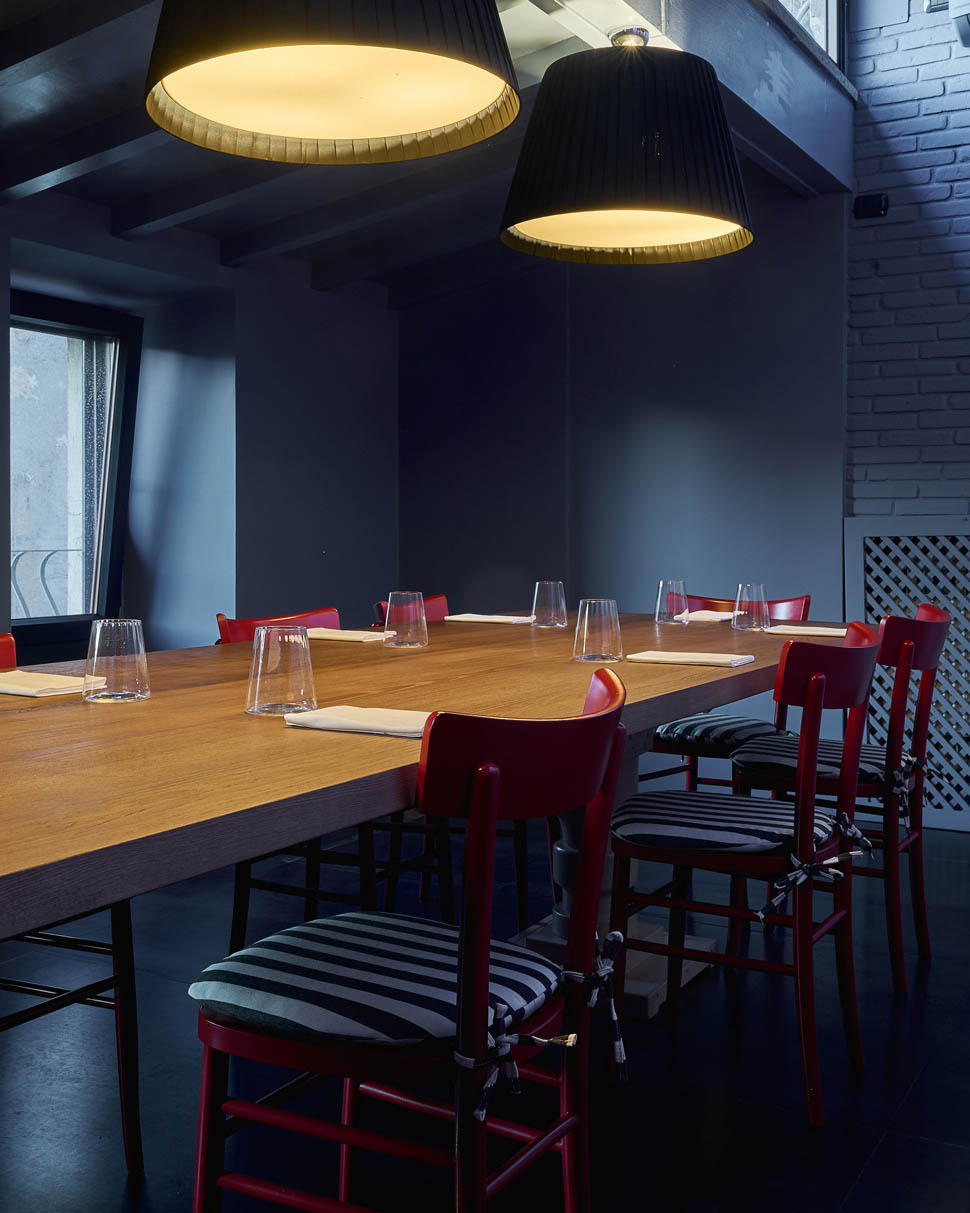
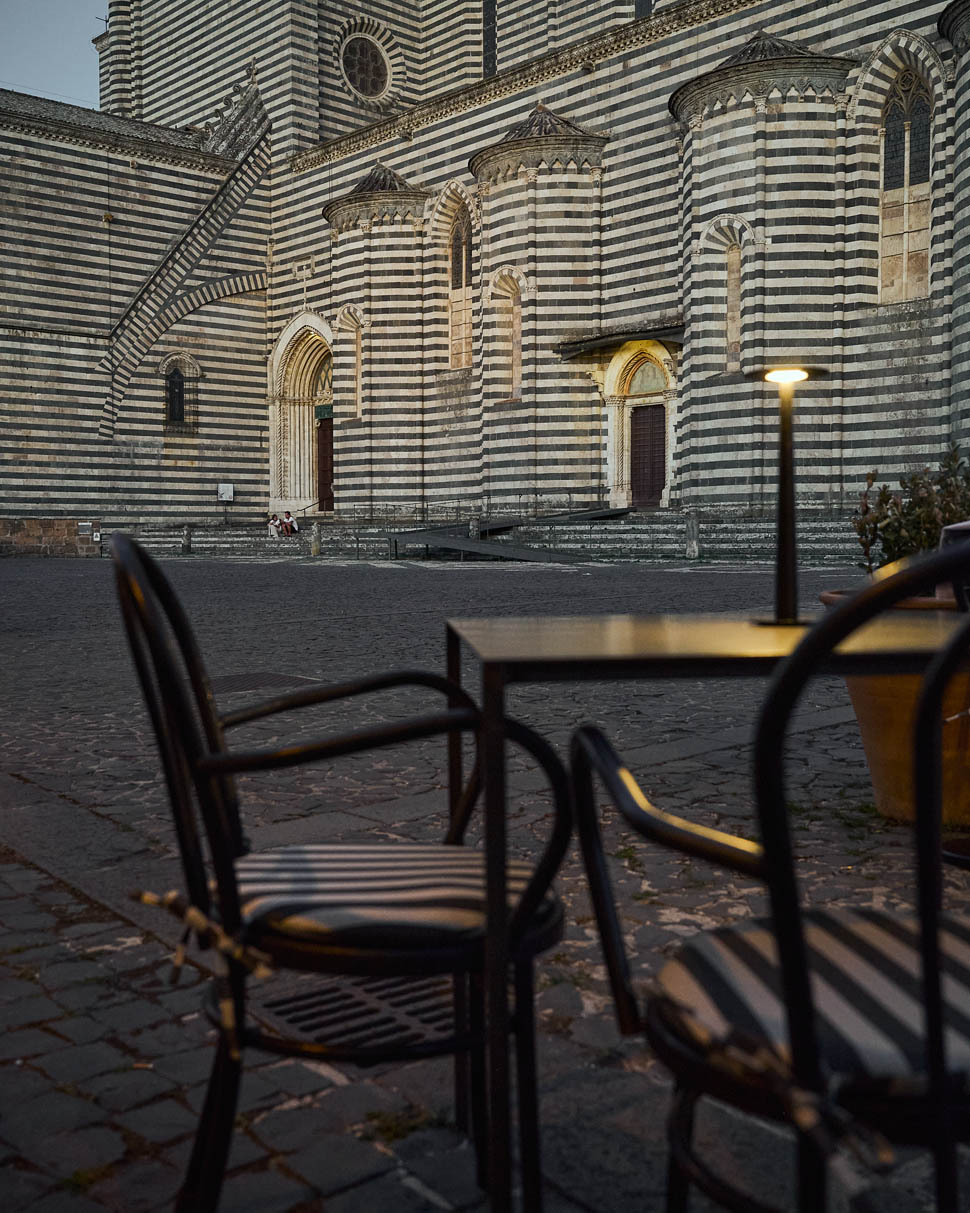
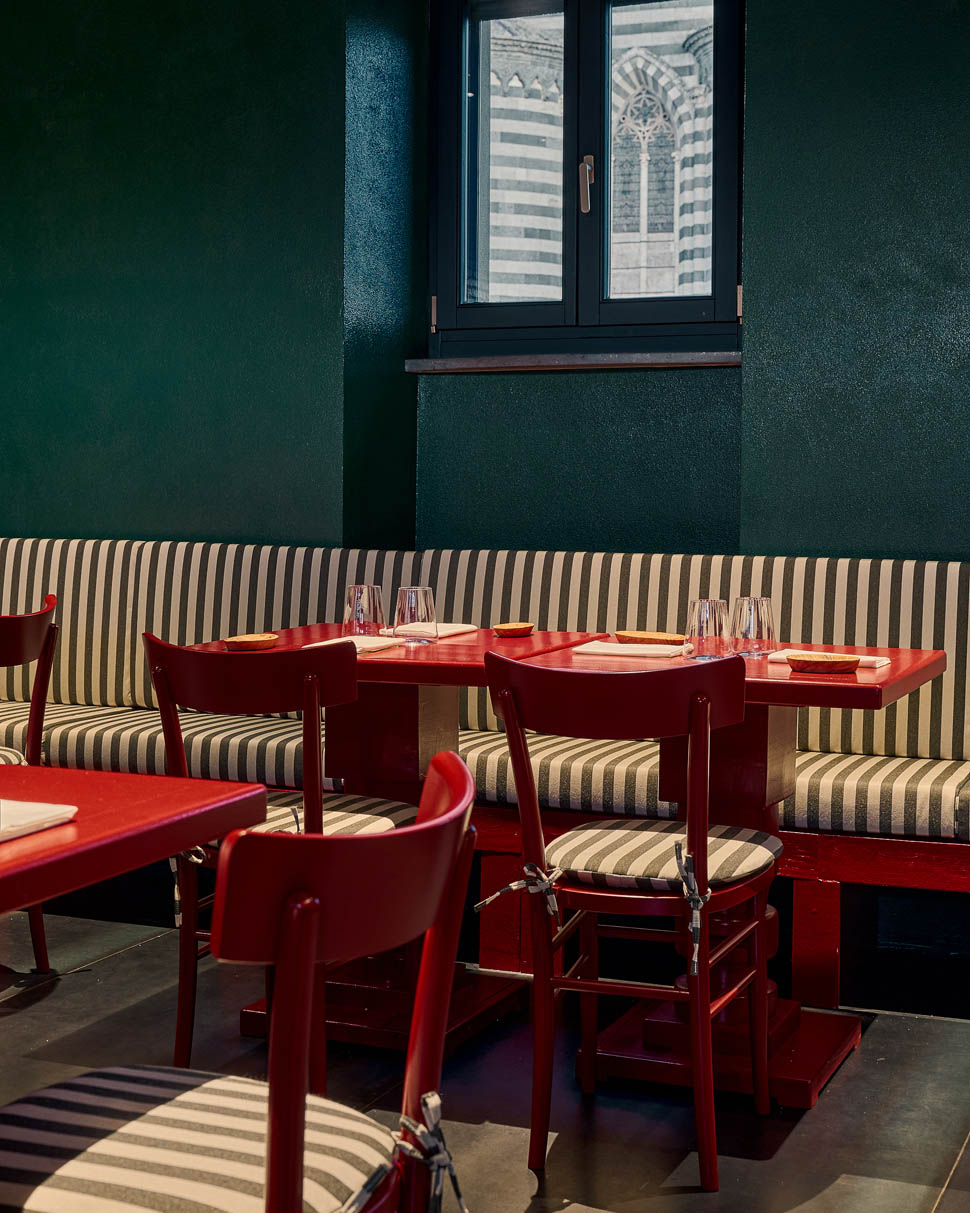
“Here I can allow myself to do pure gastronomy with a different approach,” explains Tommaso Tonioni. “I need the routine of the countryside because it is more stimulating and more authentic.” The Arso project was originally meant to be born outside the city, but here the chef benefits from Orvieto’s tourism and a rewarding view of the cathedral. The restaurant is spread over two floors in an essential space where the chef’s table is the beating heart of the experience. In direct contact with guests — especially those most eager to understand the research behind his dishes — the chef is able to take risks, experiment, and build a bridge between his “zootecnic” cuisine and the curiosity of the diner. The tasting journey moves through less noble cuts of meat, game, and wild herbs, course after course, carefully studied and transformed into unusual and revealing dishes.
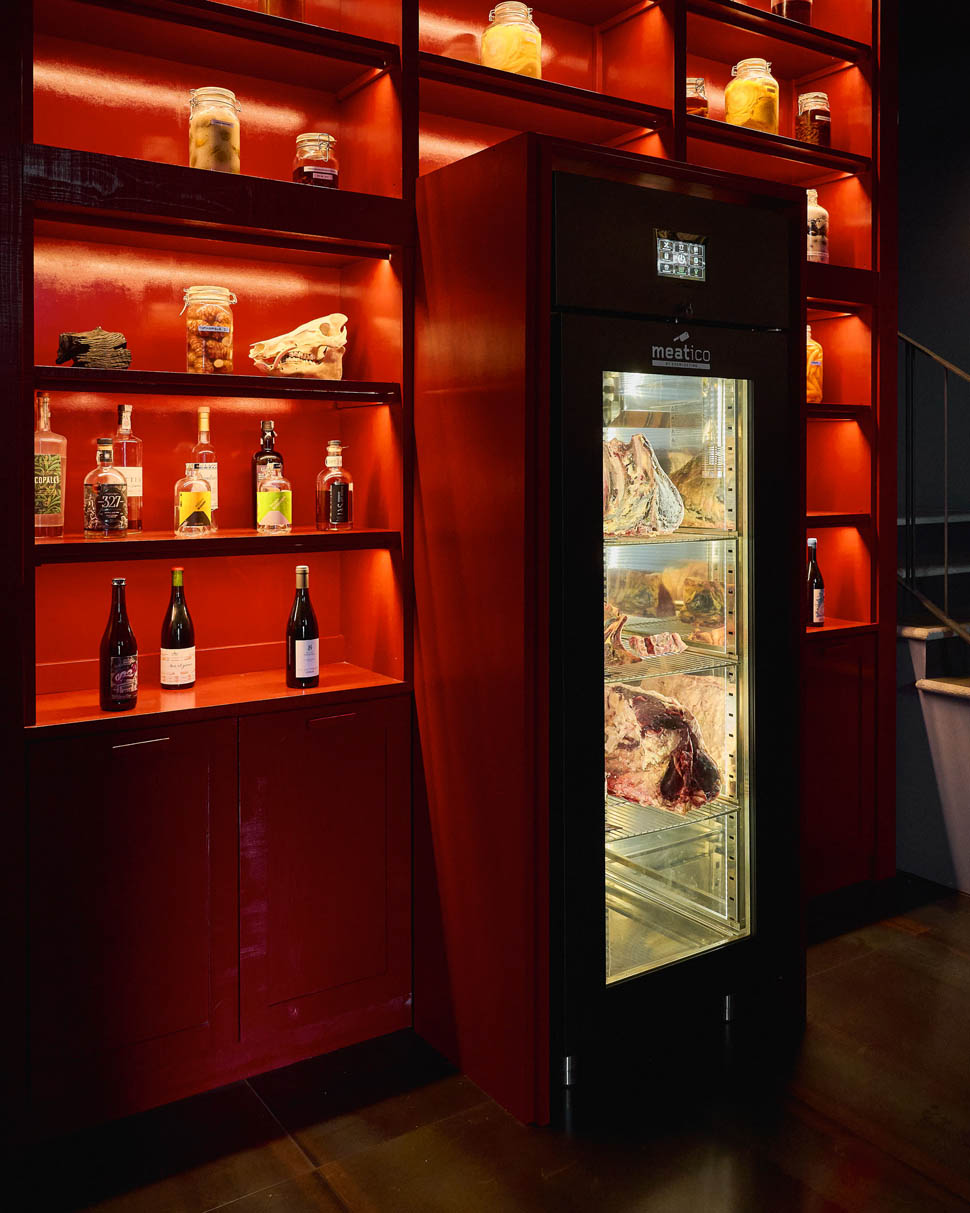
Fire, charcuterie, and preserves are the techniques Tonioni draws from, learned and refined through his experiences, including at Asador Etxebarri. “I was there only a few months, but it had a strong impact on my path, even though Víctor Arguinzoniz doesn’t let anyone near his grill.” Then there is the symbiotic collaboration with Gabriele Bonci, a period during which he worked on ingredient selection, research, and experimentation. Two professionals who shaped Tonioni’s sensibility, allowing him, at Arso, to synthesize the technique of fine dining with a rural, primal, and agricultural vision of gastronomy.
The dishes
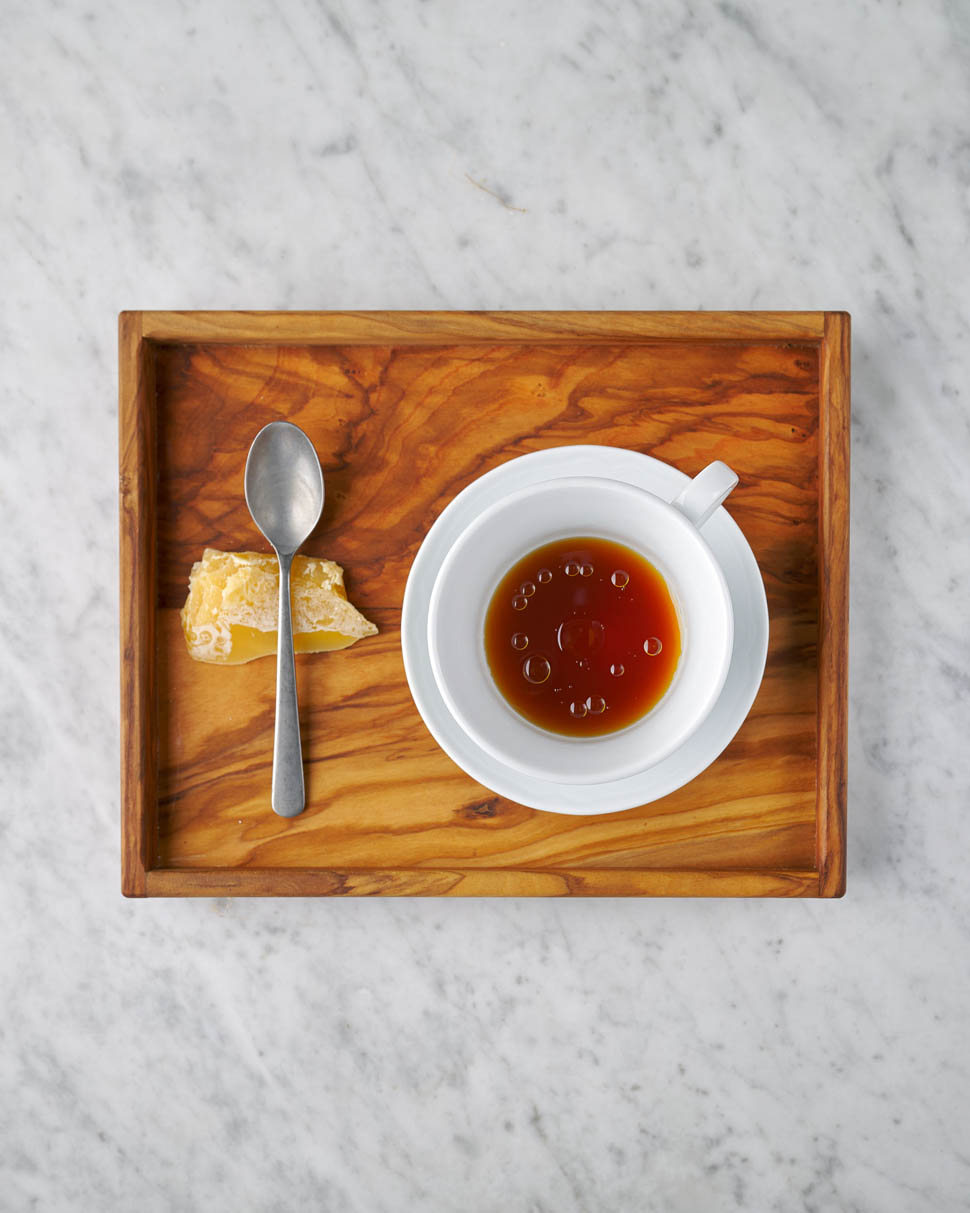
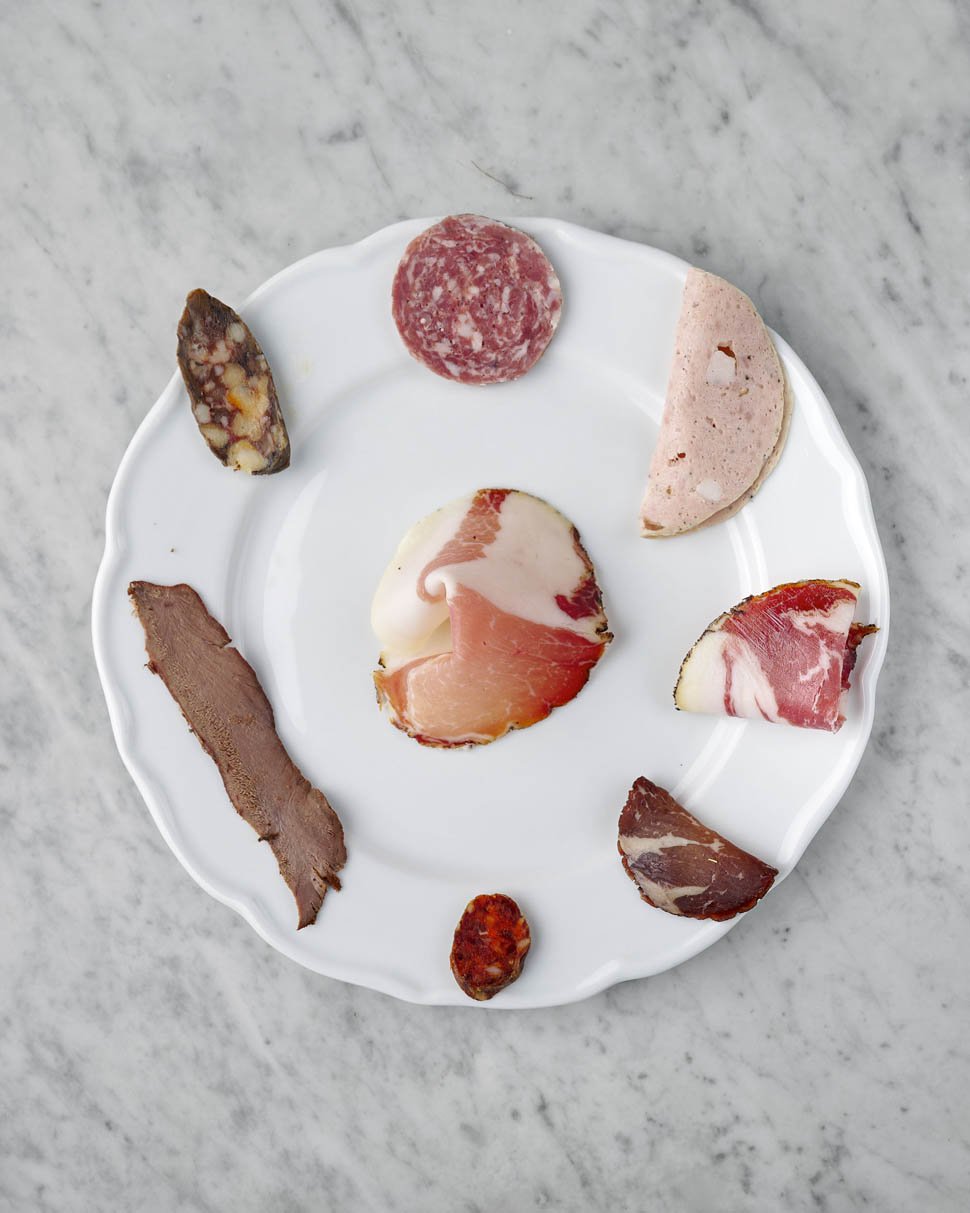
The menu at Arso is in constant evolution (even weekly), in line with Tonioni’s philosophy, which means listening to the land and using only raw ingredients from small producers. His culinary straightforwardness is also reflected at the table from the very first courses. The welcome course is an infusion made with beeswax, “liquore di volatile,” and raisins, which transports the guest into an ancestral world. His work on homemade cured meats is vertical and forward-looking, unfolding as a journey through both aged and cooked charcuterie.
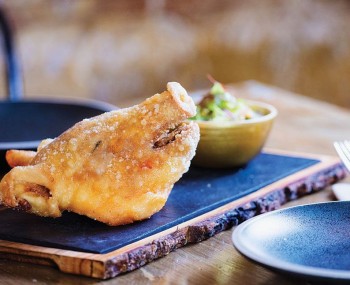
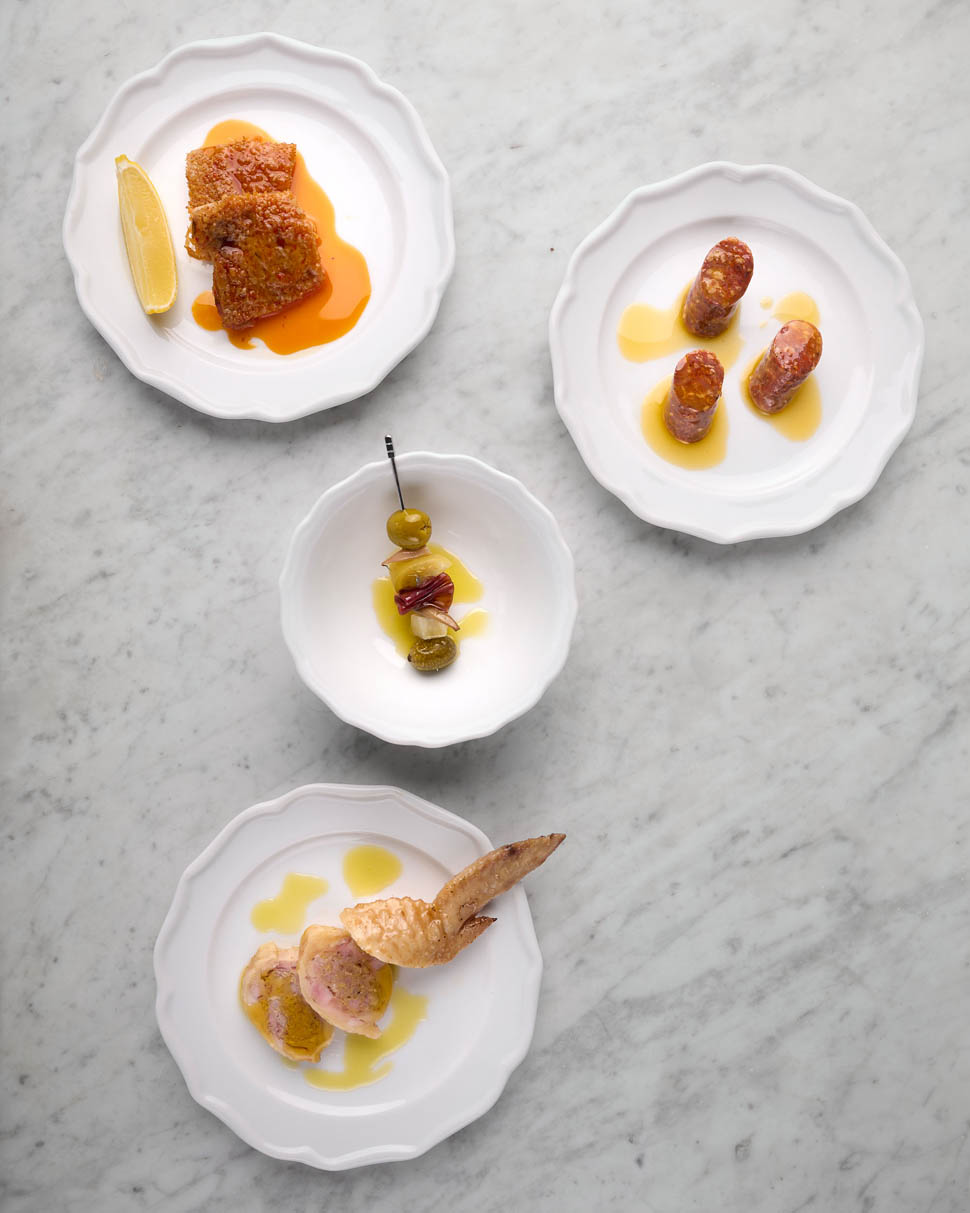
From turkey mortadella to Mangalitsa pork head cheese, from horse heart salami to chicken offal salami. And further: duck galantine stuffed with duck, pork, and vanilla sausage, and venison salamella with wild boar — all of striking, disarming deliciousness. Then there is the world of pickles and preserves, another major tasting segment featuring chicken wing stuffed with mortadella, roe deer sausage in lard, and beef head preserved in oil, garlic, and spring onion. A journey that plays on complexity and different textures, enhanced both by the chef’s hand and by the time of preservation.
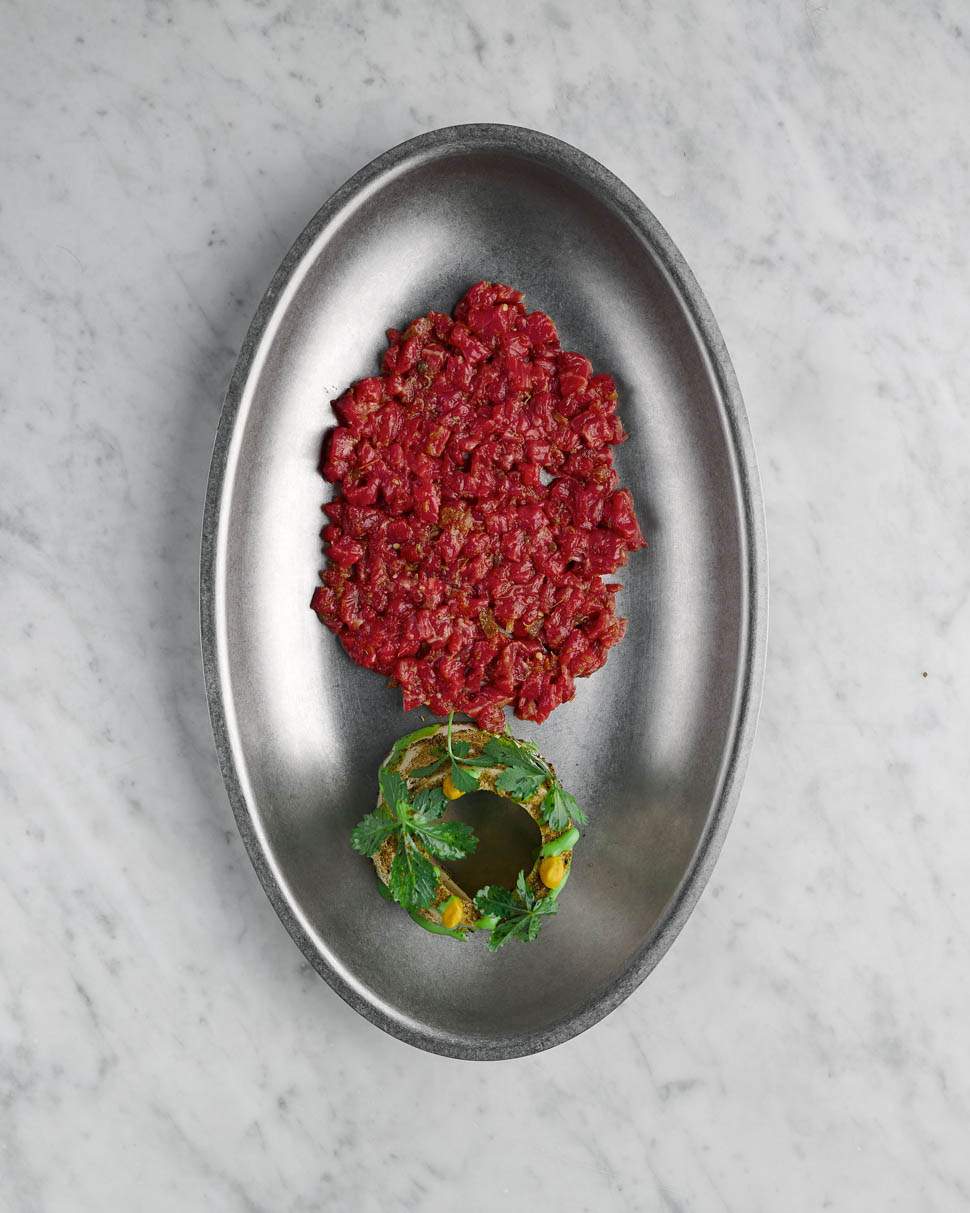
There is also a section dedicated to raw preparations, interpreted through a roe deer tartare with black cabbage and Chianina “rosa” barbecue sauce. An exemplary cut of meat, with a lively dynamic from the black cabbage chips and a playful smoky note from the sauce. Originality and boldness are also present in the mixed fry of chicken offal: stomach, liver, heart, and embryonic egg served with an apple, pear, horseradish chutney and spring onion oil. A dish that expresses Tonioni’s “back-thinking” approach, always in tune with nature without ever excluding any ingredient.
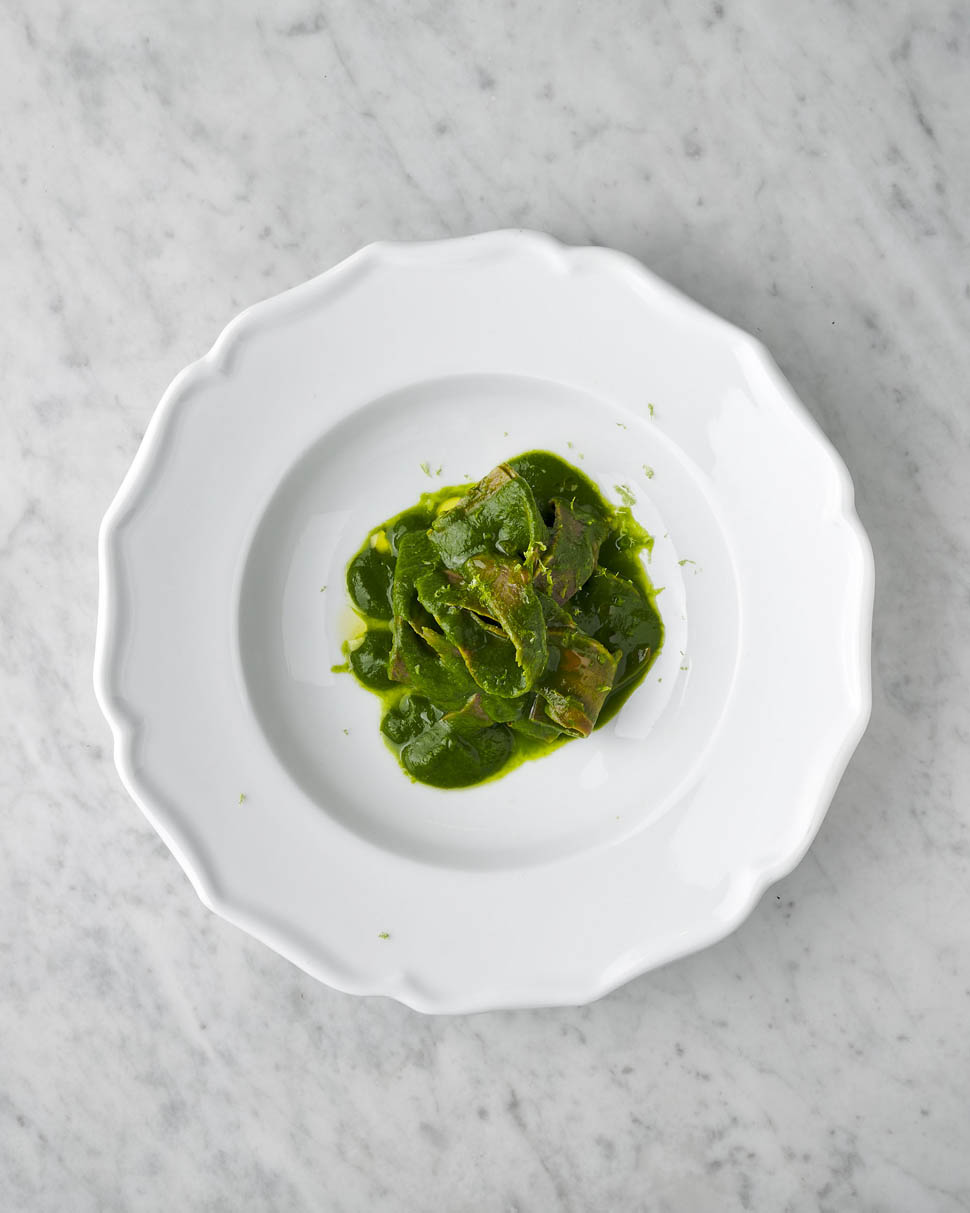
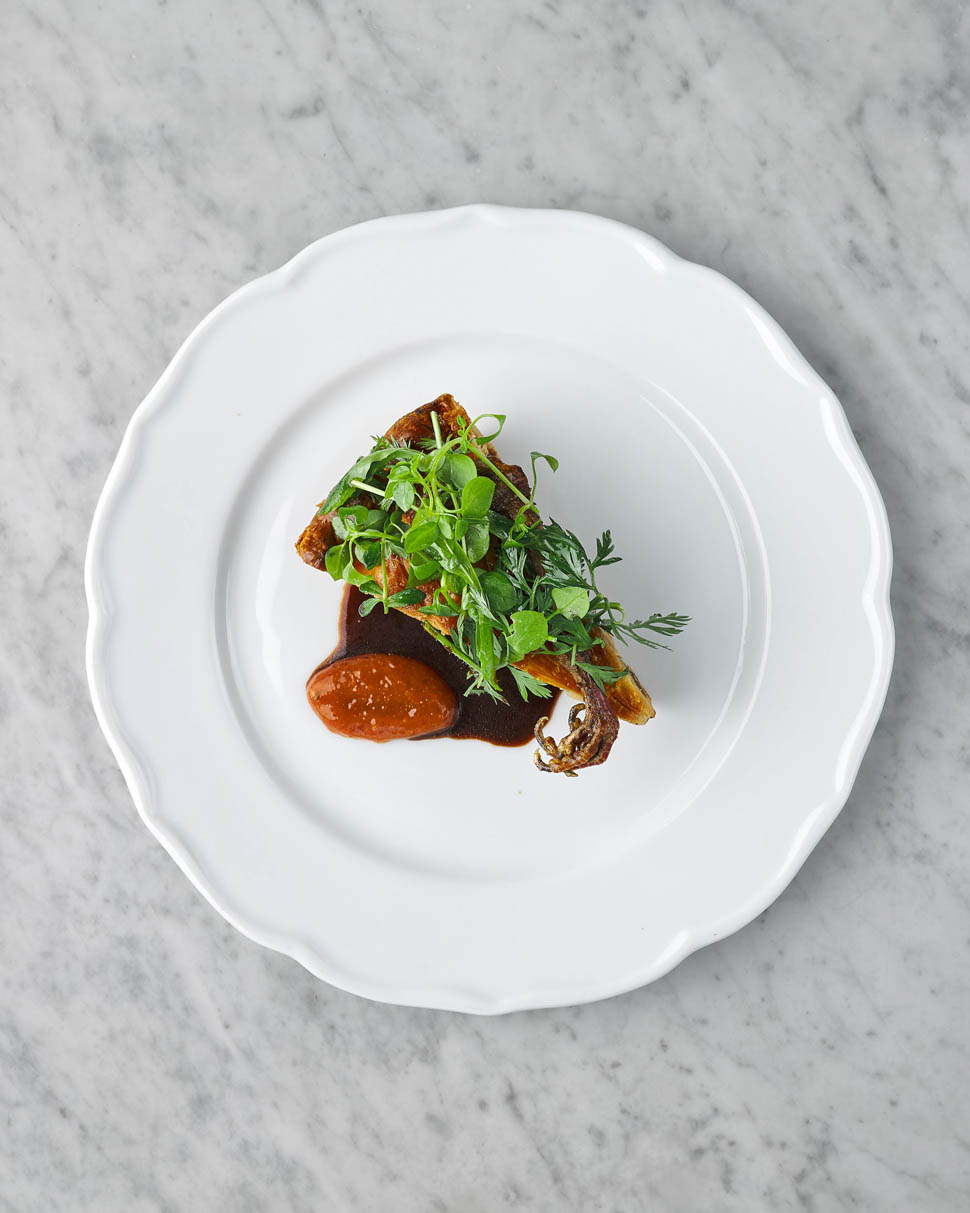
More offal dishes, this time grilled ox tongue served with turnip greens sauce, wild mustard, mastic oil, and bergamot—a successful marriage of flavors and textures. “Before we started making only ravioli, this was the tradition,” the chef remarks ironically before serving the rustic game pie with wild boar, roe deer, and fallow deer, accompanied by grapefruit marmalade, meat stock, and wild mixed greens. Simply delicious.
Breaking up the meaty intensity of the previous dishes is farro cooked in a whey reduction, black-eyed peas, and oxidized quince powder. A course where bittersweet notes take center stage before the grand finale: charcoal-grilled chicken foie gras served on a goose cream infused with chickpea miso, bitter orange marmalade, saffron, hazelnuts, and shallot powder. Another dish where the chicken is explored in its entirety and where the chef’s elegance and creativity shine through.
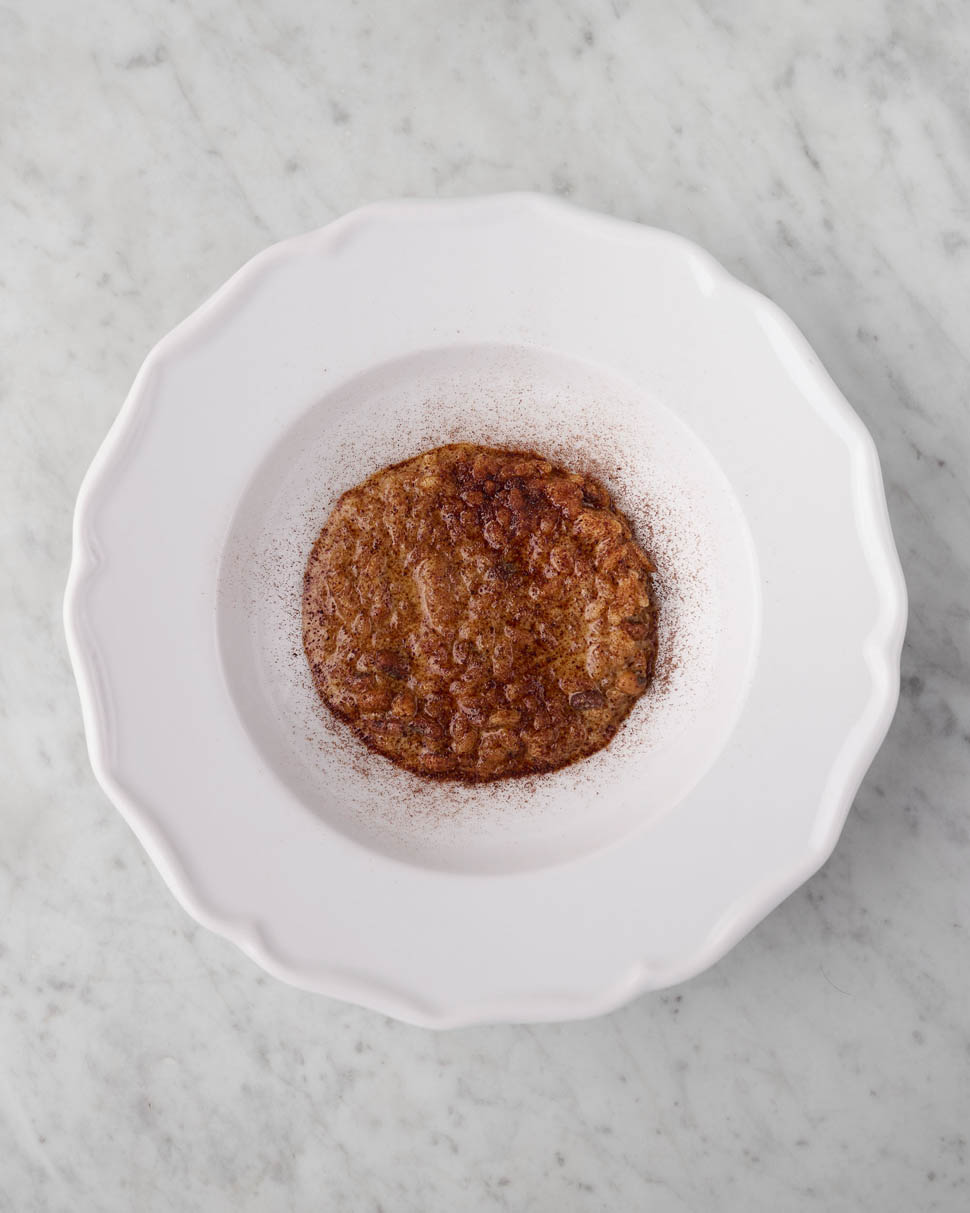
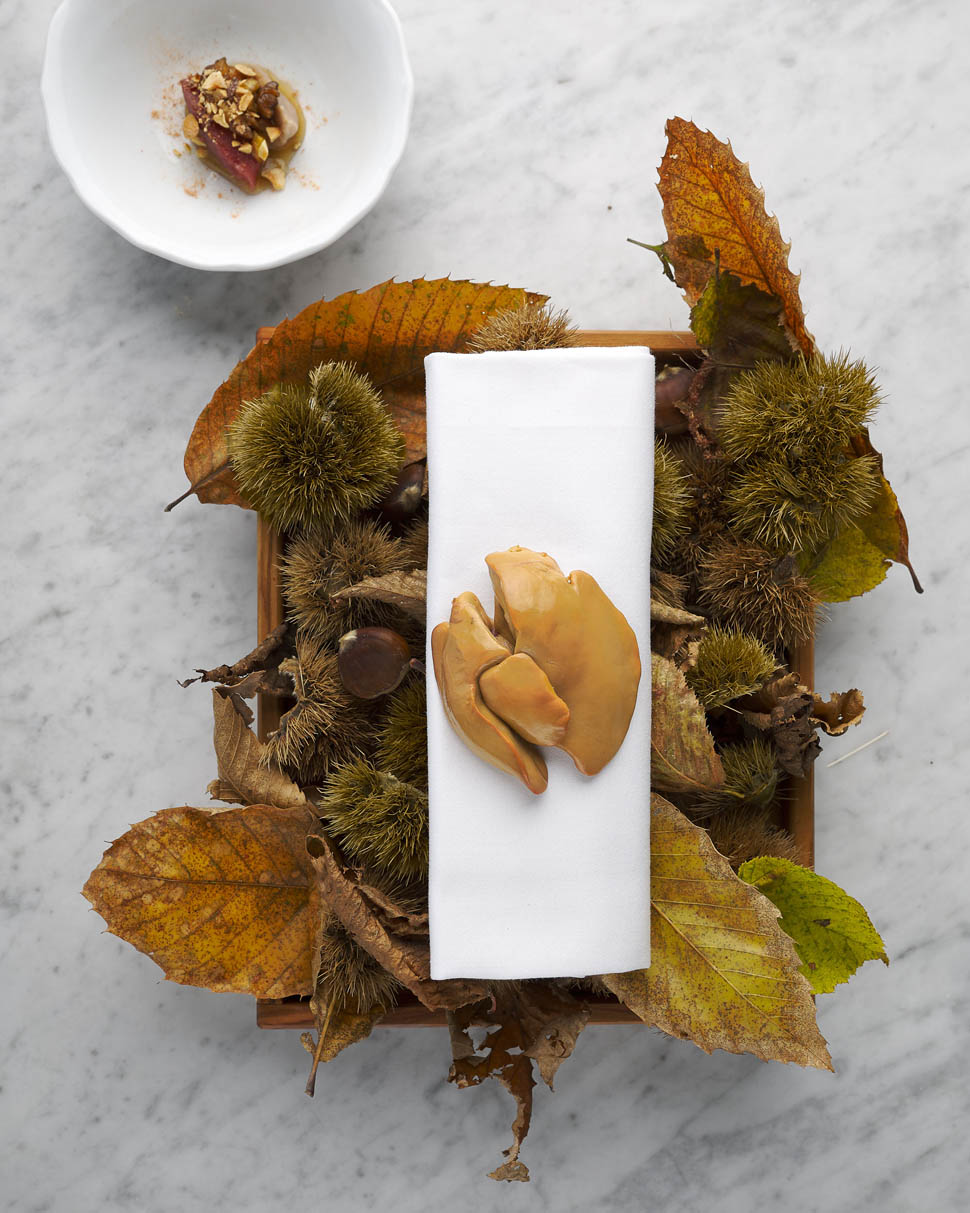
Animal fats take center stage in the dessert course, a creative reinterpretation that finds expression in the “Tartufo” made with beef fat, reduced sheep’s milk whey, and Venezuelan cocoa. Tommaso Tonioni’s rustic yet insightful cuisine shines through even in the sweet dishes, where artistry, flavor, and innovation are always present.
Arso
Piazza del Duomo, 8, 05018 Orvieto TR
https://arsorestaurant.com