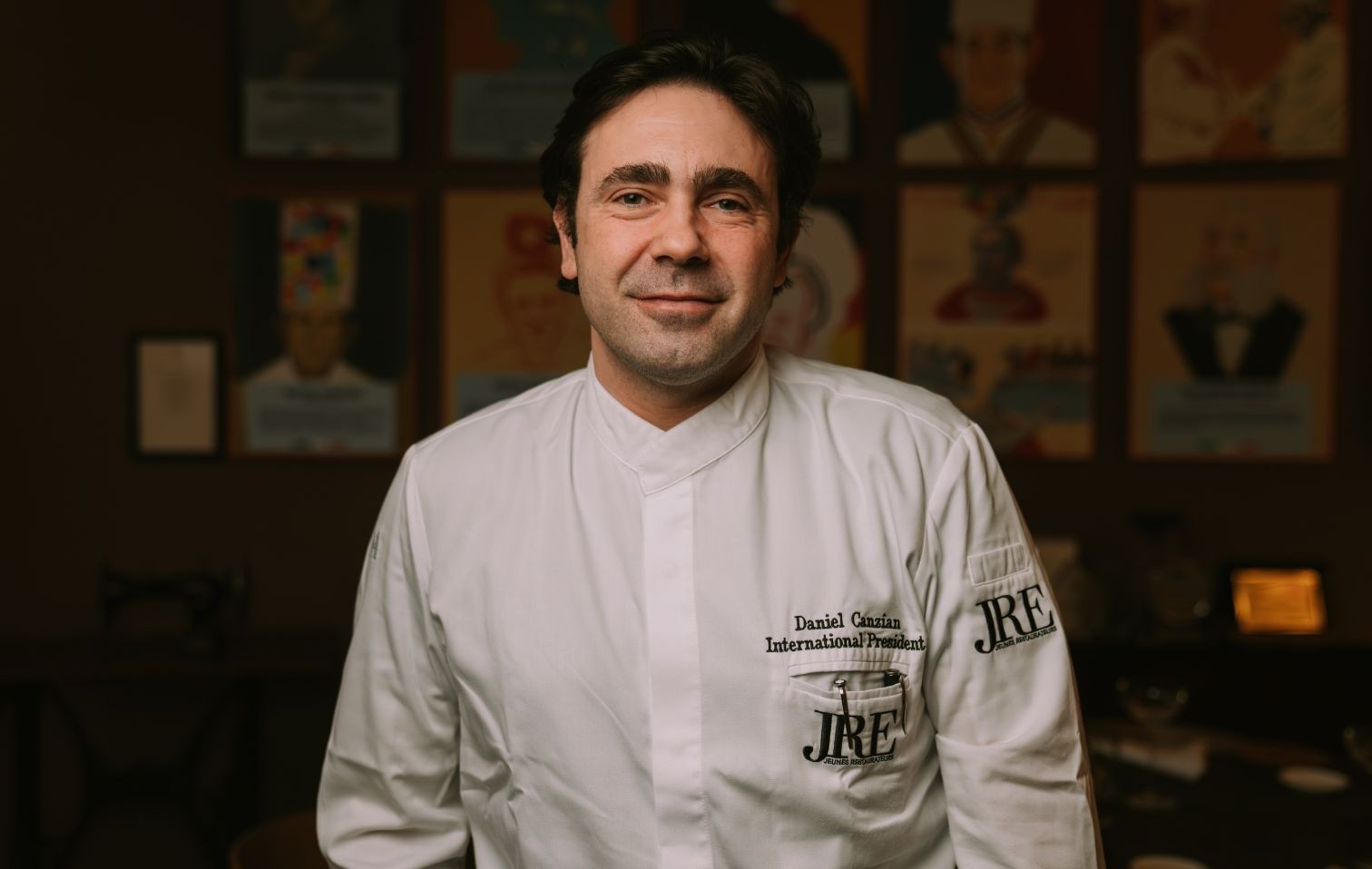
A manifesto that remains relevant today: Daniel Canzian explores the identity, essential qualities, and responsibilities of today’s chef for future generations.
Photo credits: CineFood
In 2018, Daniel Canzian drafted his Manifesto of Contemporary Italian Cuisine, which, in seven points, outlines his culinary philosophy through the story of his professional development—dedicated tocombining the qualitative and emotional value of tradition with a well-defined entrepreneurial vision. A manifesto aimed not only at chefs in fine dining restaurants, but also at trattorias and historic eateries—those serving classic Italian dishes—where flavor, authenticity, and the quality of ingredients have always taken center stage.
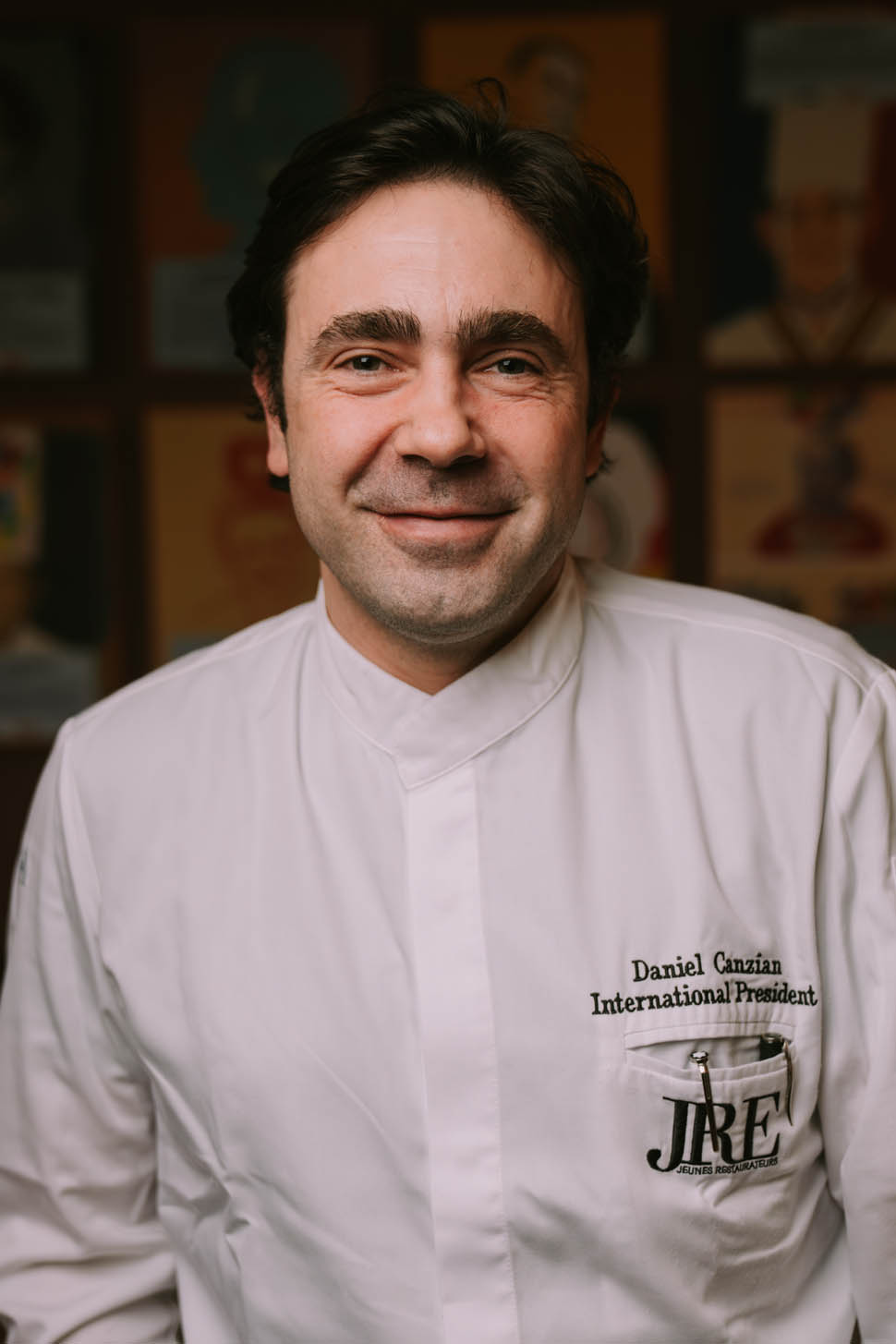
The text, which touches on topics such as the revival of tradition as a way to look toward the future, has aged exceptionally well. In fact, it hasn’t aged at all and seems as though it were written today. Thus, just a few weeks after Italian cuisine was added to UNESCO’s list of intangible cultural heritage—a move that sparked no small amount of more or less populist controversy—Canzian speaks to Reporter Gourmet in an interview that traces the philosophy of a chef who never loses sight of young people, ingredients, nature, beauty, and, of course, flavor.
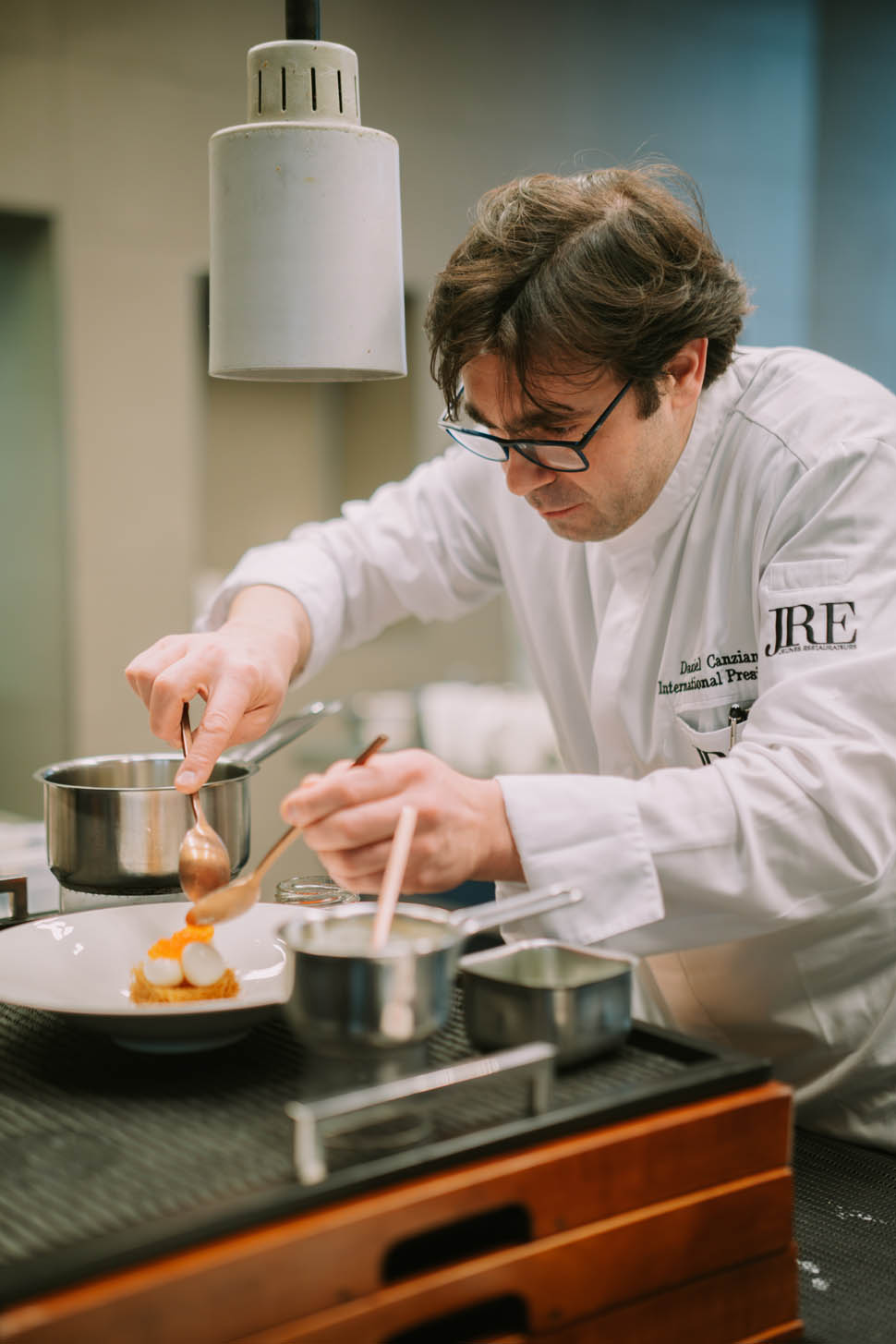
Who is Daniel Canzian: the chef who sees cooking as an art form expressed through synthesis and simplicity
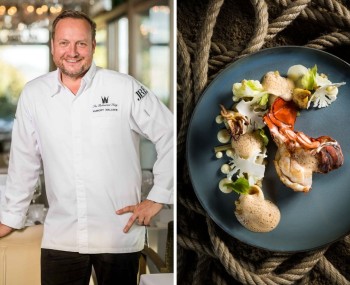
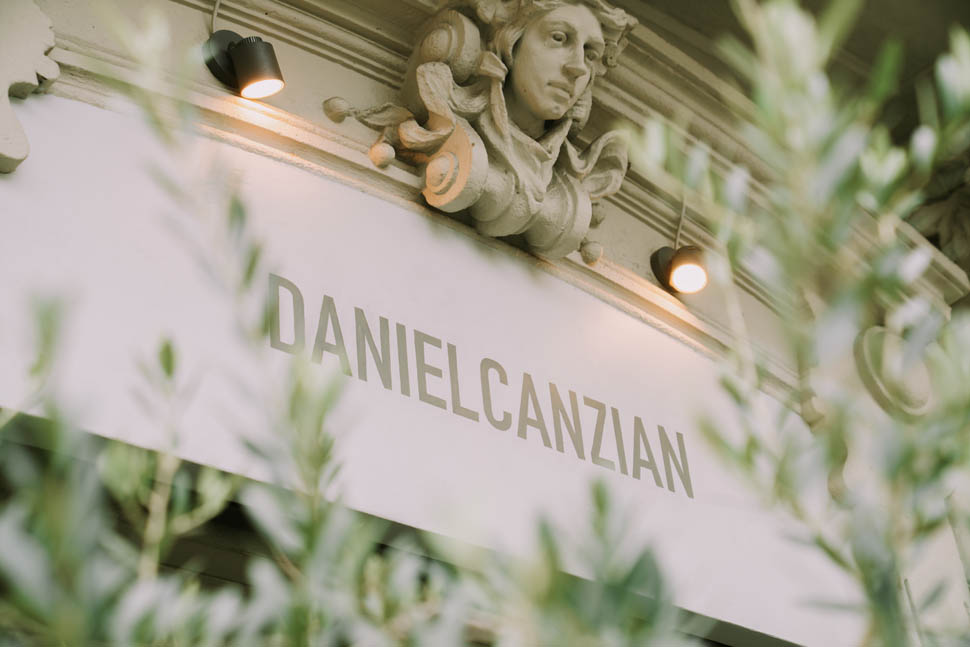
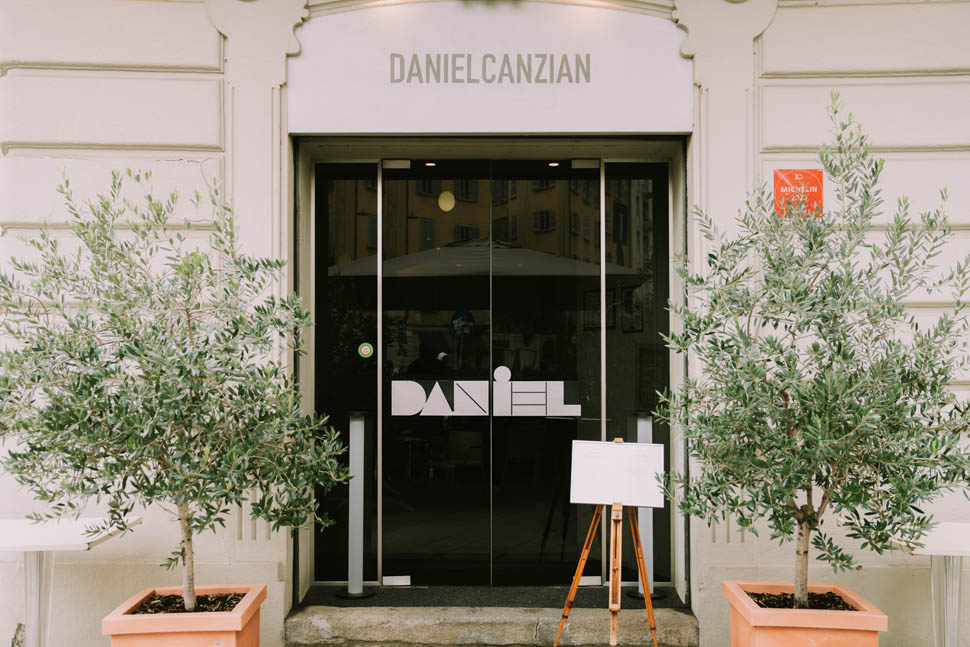
Daniel Canzian is one of the Italian chefs who has most consistently developed a vision of contemporary Italian cuisine over the years. Originally from Veneto and trained under the master Gualtiero Marchesi, he has lived in Milan since 2008 and chose the Brera district as the location for his restaurant. Here, on Via Castelfidardo, he has shaped a project that speaks a gastronomic language capable of reinterpreting tradition through identity and the changing nature of the world. His 2018 manifesto, now more relevant than ever, speaks of regionalization, the centrality of the territory, cuisine as a response to the needs of the present, and the example that more experienced generations must set for younger chefs. His current cuisine is simple and authentic; it has its roots in that magical strip of land of heroic harvests where he was born, and it evolves thanks to the philosophy and celebration of ingredients that Canzian always places at the forefront.
What is your cuisine like today, and to what extent does it reflect your manifesto on contemporary Italian cuisine?
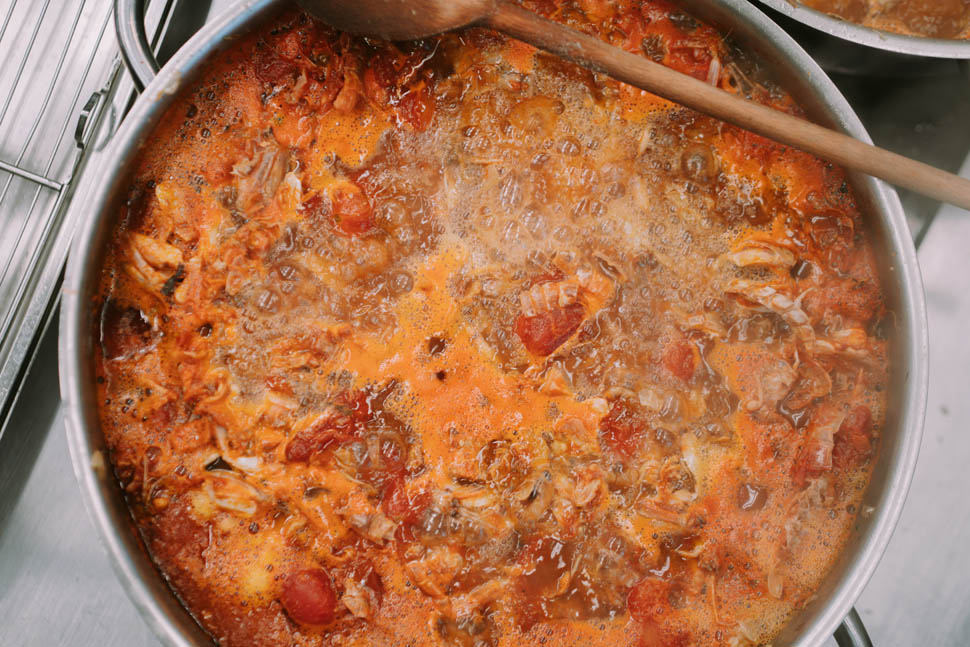
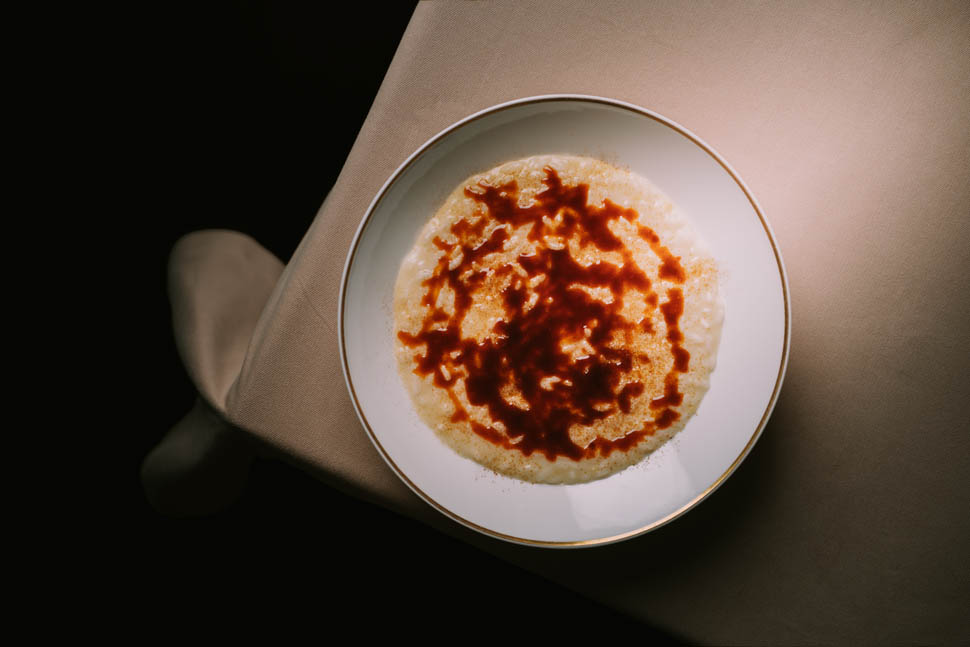
My cuisine today remains true to and consistent with my cuisine of the past. That manifesto dates back to 2018; it is now 2026, and we are still focused on those themes, which are even more relevant today. I speak even more firmly about identity because I believe that, now more than ever, diners need to find something that is less standardized, less of a copy-and-paste job, and more reflective of the experience or the restaurant they are visiting. My cuisine embraces a Venetian foundation with all the facets tied to the evolution that, by its very nature and inevitability, must exist. If I think of cuttlefish in ink, for example, today it is still a succulent and enjoyable dish, but tends to be a bit heavy. Why? Because it is the product of a historical journey and necessities attributable to another era, such as the presence of fats and certain preparations that were suitable and designed for a time now past. From this thought, the Danielito were born—cuttlefish in ink bonbons. The concept remains the same, but with flavors, textures, and preparation techniques adapted to the present. Today, we should be able to enjoy the same experience of the flavors we know and love, but with something a little lighter and more contemporary.
You told me about your Venetian roots, but I gather that Milan is now—at least when it comes to the restaurant scene—your city. Is that correct?
Yes, Milan is my city; I’ve lived and worked here since 2008. I’m keeping my options open, let’s be clear. My dream has always been to work in Venice, to have a restaurant on the lagoon. It’s a dream I still have; I’d love that, and I love having a dream even more. But yes, I’m in love with Milan. I still love it as much as I did on the first day.
You won the Pellegrino Artusi Award for Best Young Chef back in the day. How do you see the world of young chefs right now?
I see a world of people who reflect this historical moment—ambitious, yet also very fragile. Young men and women need us adults and clear messages; it’s up to us to instill confidence.
Let me give you a very simple example. Just a month and a half ago, I was in Belgrade for a cooking demonstration and to speak with Serbian students at local hospitality schools. I presented them with two ideas. First: by the year 2026, it would be appropriate to replace the word “innovation” with the term “optimization.” Second: I gave an example—for which I actually got a few dirty looks because I mentioned Sinner in Djokovic’s territory. But beyond that, I asked if, in their opinion, Sinner—before becoming the world number one—treated his free time as just that, and if at six o’clock he’d put his racket in his backpack and go home, or if there was dedication, a competitive spirit, a desire to excel, a desire to win, and a very strong ambition. They figured out the answer on their own because they’re young, not stupid. The message we must convey to these young people, who are living in a much more complex era than the one I may have experienced, is that they can and must prove they want to become number one. I’m not saying it’s right to work 12 or 14 hours a day in the kitchen—that’s completely wrong—but we can’t tell them the fairy tale that talent alone will get them everything for free and without effort.
You had a mentor of the highest caliber. What role does a mentor play in the lives of young people?
I’ll put it this way: example is the highest form of teaching. Anyone who wants to become a mentor must be able to respond to and challenge their students and colleagues to learn how to ask questions, because we live in an age where there are very few questions and far too many answers, and that’s not good.
In one of the seven points of your manifesto, you say that nature is the main rule of the future. Nature is changing. Does a chef’s work therefore change with it, at the expense of traditions?
What is tradition? It is the confirmation over time of an idea’s effectiveness. It is not the product of creativity for its own sake, but of creativity in response to the needs that must be addressed. Cooking has always been sustainable in and of itself because it involves repurposing scraps, and breathing new life into a scrap is a form of culinary restoration. If I use an organic ingredient that arrives from South America after a ten-day flight, you understand that we’re back to square one. That’s why the concept of “local” must return to the forefront, even more so than that of tradition. If I go to Serbia for work, I don’t want to eat buffalo mozzarella; I want to know what they have to tell me. Celebrating Italian identity isn’t populism; it’s a necessity. No one goes to a restaurant because they’re hungry, but to have an experience and discover the philosophy of the place. If we all ate the same dish everywhere, it would be absolute poverty.
Speaking of the region, let’s talk about Parmigiano Reggiano. The menu features a vertical tasting—can you tell me about it?
It’s very simple. It all started when I went to visit the Scalabrini Farm. There I have two identical wheels of Parmigiano Reggiano bearing my logo, my name, and my signature. I can’t wait to taste them. I’d actually love to get regular updates on how these wheels are aging. It’s wonderful to have your own wheel of Parmigiano Reggiano.
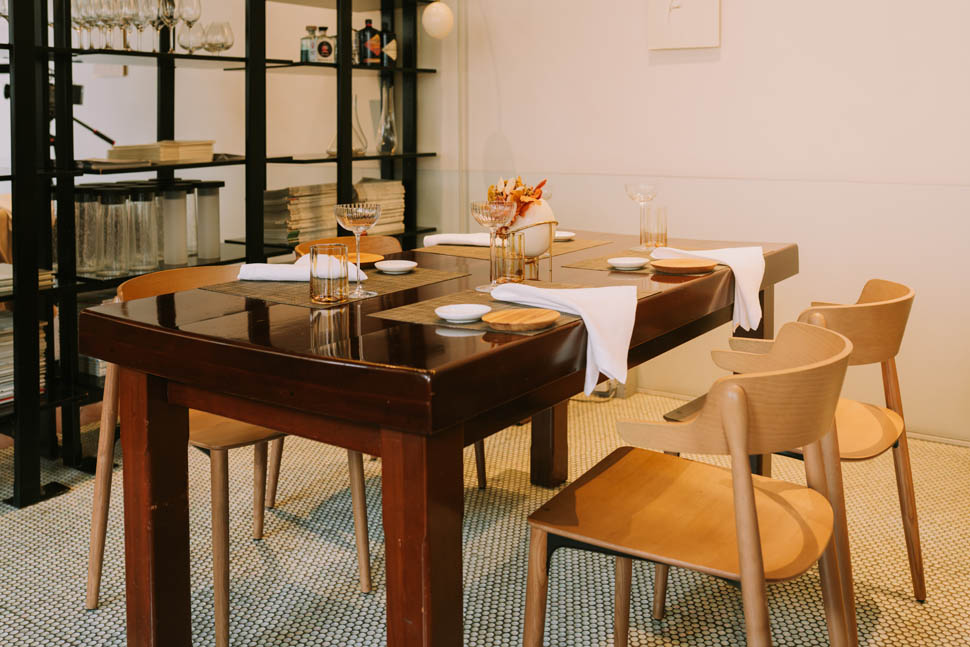
We’ve included a vertical tasting of three ages with the intention of enjoying them as they are, not altering them. We serve them with bread and balsamic vinegar, but nothing else, because there’s so much work that went into them that I almost feel bad at the thought of cutting into it with a knife. I use the 24-month-old for risotto, then the 30- and 72-month-old for tasting. It’s the cheese that best represents my passion for ingredients. I serve it at the end of the meal, and I like having the wheels on display in the dining room.
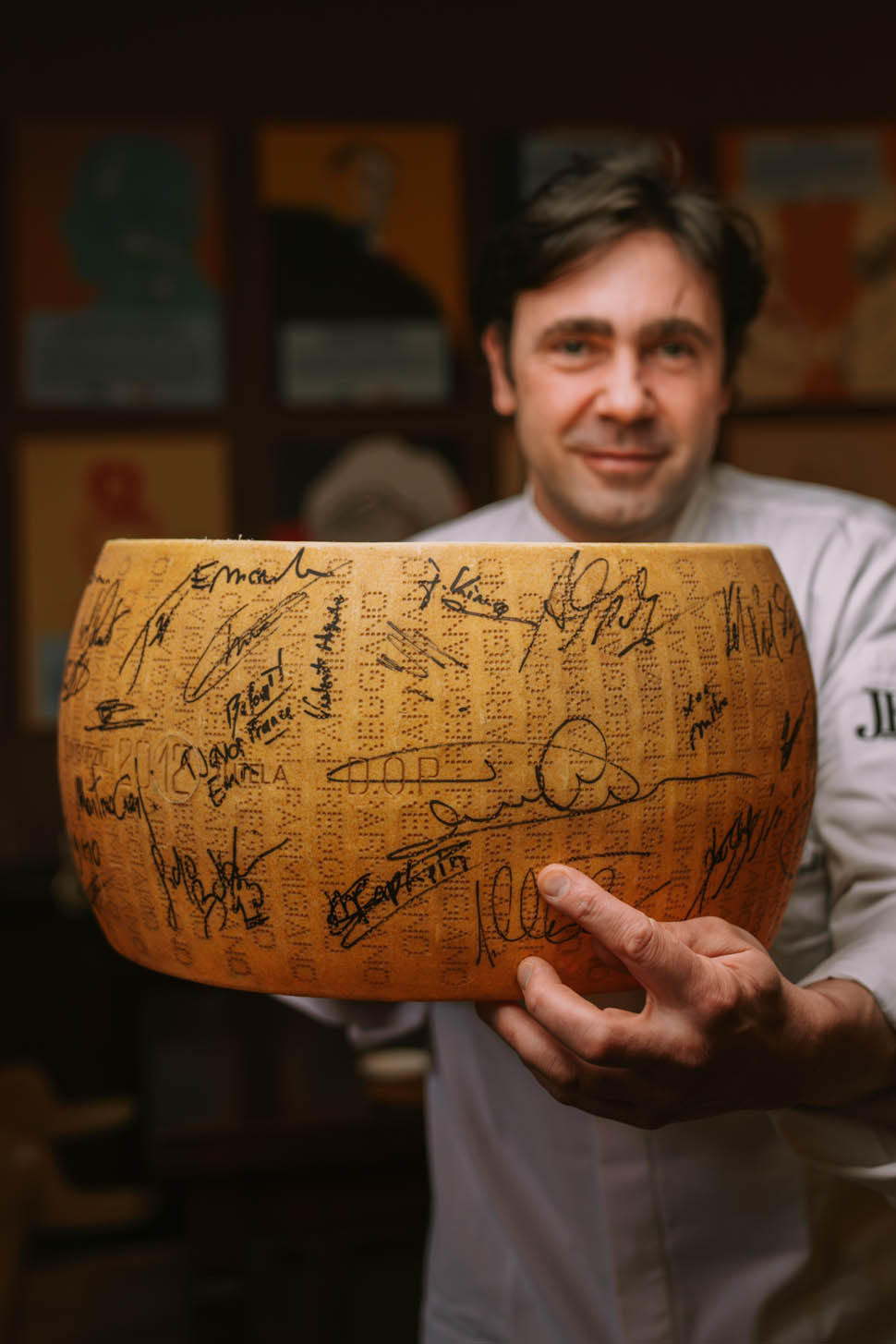
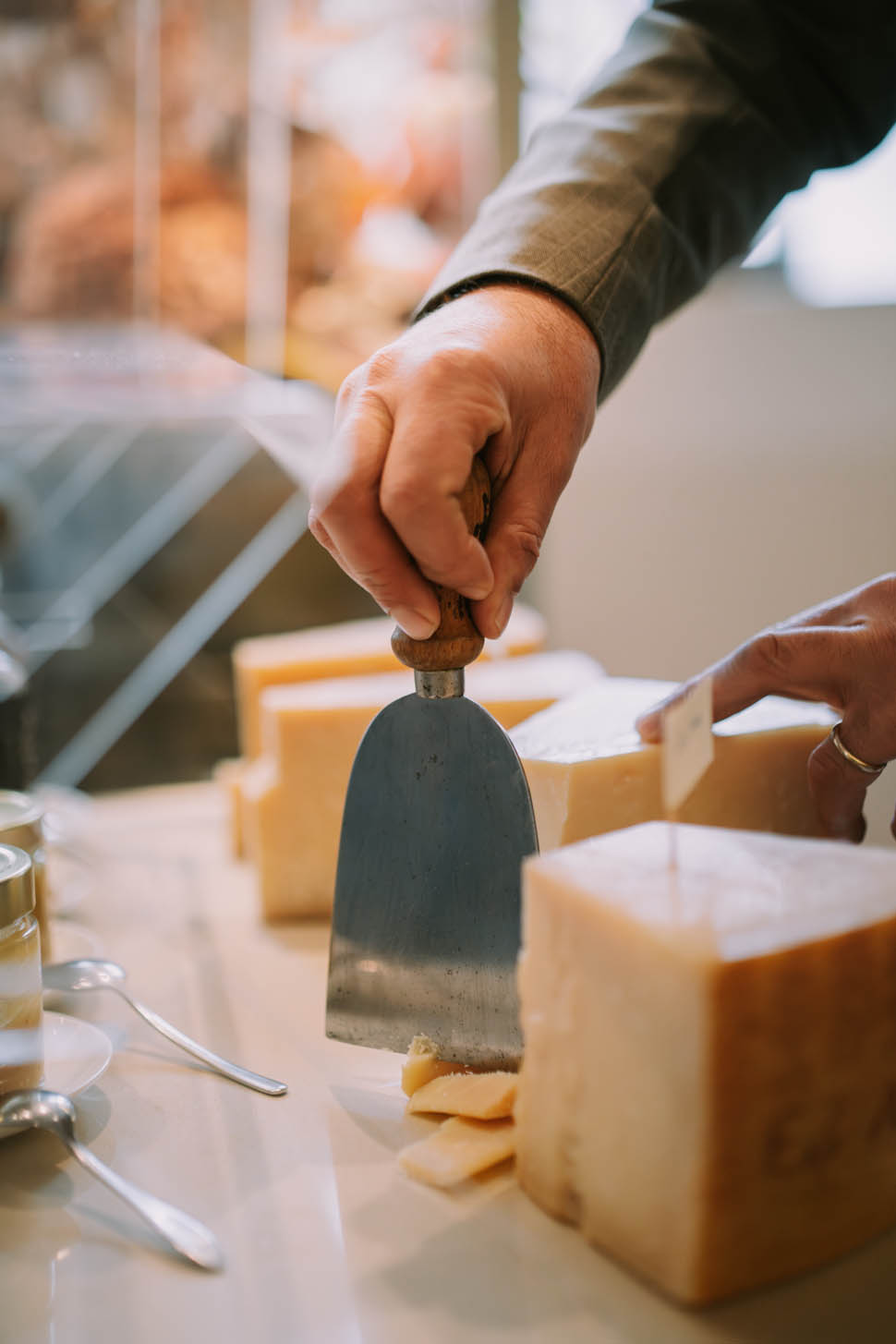
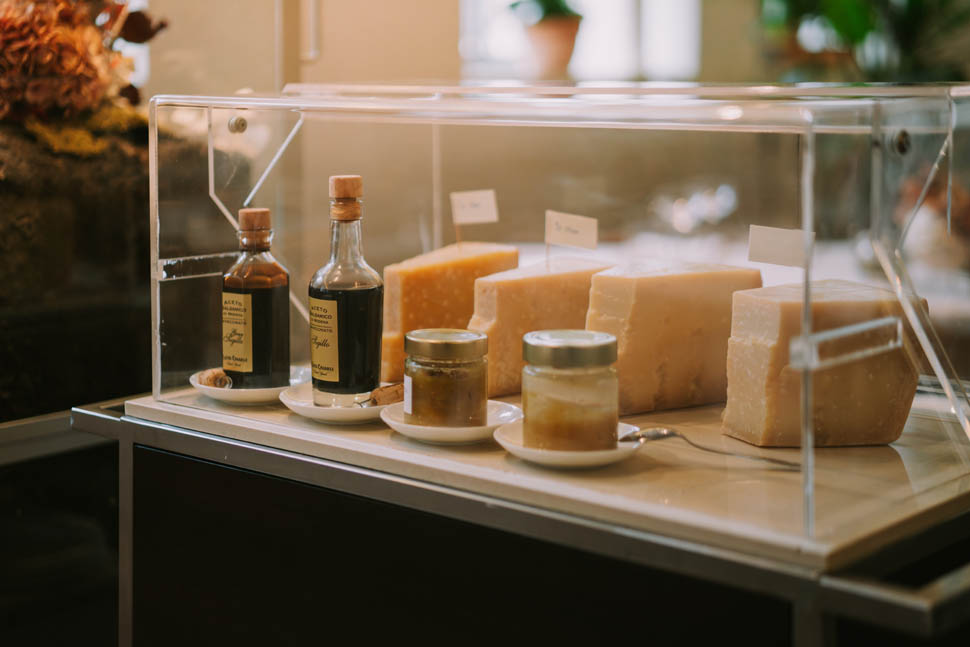
Canzian and Parmigiano Reggiano
In Daniel Canzian’s account, Parmigiano Reggiano is not just another ingredient, but a cultural experience. He makes this clear when he explains that “there is so much work that went into it that I almost feel sick just thinking about cutting into it with a knife”. This is the basis for his decision to serve it in its purest form, in a vertical tasting of three ages—24, 30, and 72 months—sometimes accompanied by rarities of even longer ages.
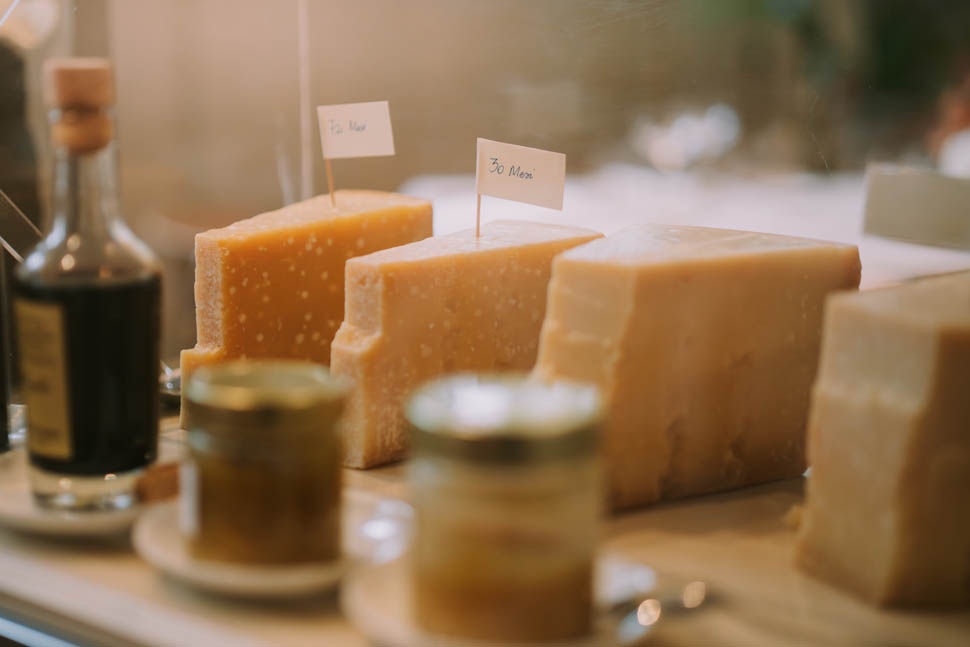
Don’t alter it, don’t disguise it, but let it speak for itself. The “twin” design—the Parmigiano Reggiano wheels bearing its name and signature—conveys an almost emotional connection to this cheese: to follow its evolution over time, to understand its changes, and to forge a bond that goes beyond its culinary use. Serving it at the end of the meal in place of dessert and displaying it in the dining room means restoring its role as the star of the show and offering guests a deeper appreciation of the product. Here too, as in all of Canzian’s cuisine, the aim is to showcase and elevate a product that is both classic and contemporary.
Contact and Info
DanielCanzian Restaurant
Via Castelfidardo at the corner of San Marco - Milan
Tel. 02 6379 3837
Website: https://danielcanzian.com/