Culture, training, and the value of the team: these are the cornerstones of Federico Lorefice’s philosophy. The director of La Grande Cucina and founder of Congusto Istitute is also a dedicated talent scout, because young chefs are the future of the restaurant industry—now more than ever. Our interview.
The closures of Sustanza and Lido 84, along with the “Noma Gate” scandal, have reignited the debate on the so-called “fine dining crisis” and the often unsavory dynamics that accompany the culinary world. These are issues that Federico Lorefice, Editorial Director of Grande Cucina and founder of Congusto Institute, has already addressed in the past—and which he revisits in the editorial of the latest print issue with insight and a constructive spirit—emphasizing and promoting the value of the kitchen team and training, which are fundamental to building a healthy, fair, and mindful work environment. With this in mind, since taking the helm of the B2B magazine, he has highlighted the great masters of the restaurant industry and brought young talent to the forefront, without whom the future of the culinary world is unsustainable. “Culture is acquired through training, experience, and knowledge of the work” explains Lorefice. A phrase as evocative as it is true from an authoritative voice in Italian food journalism, who took his first steps in this sector before he was even 18.
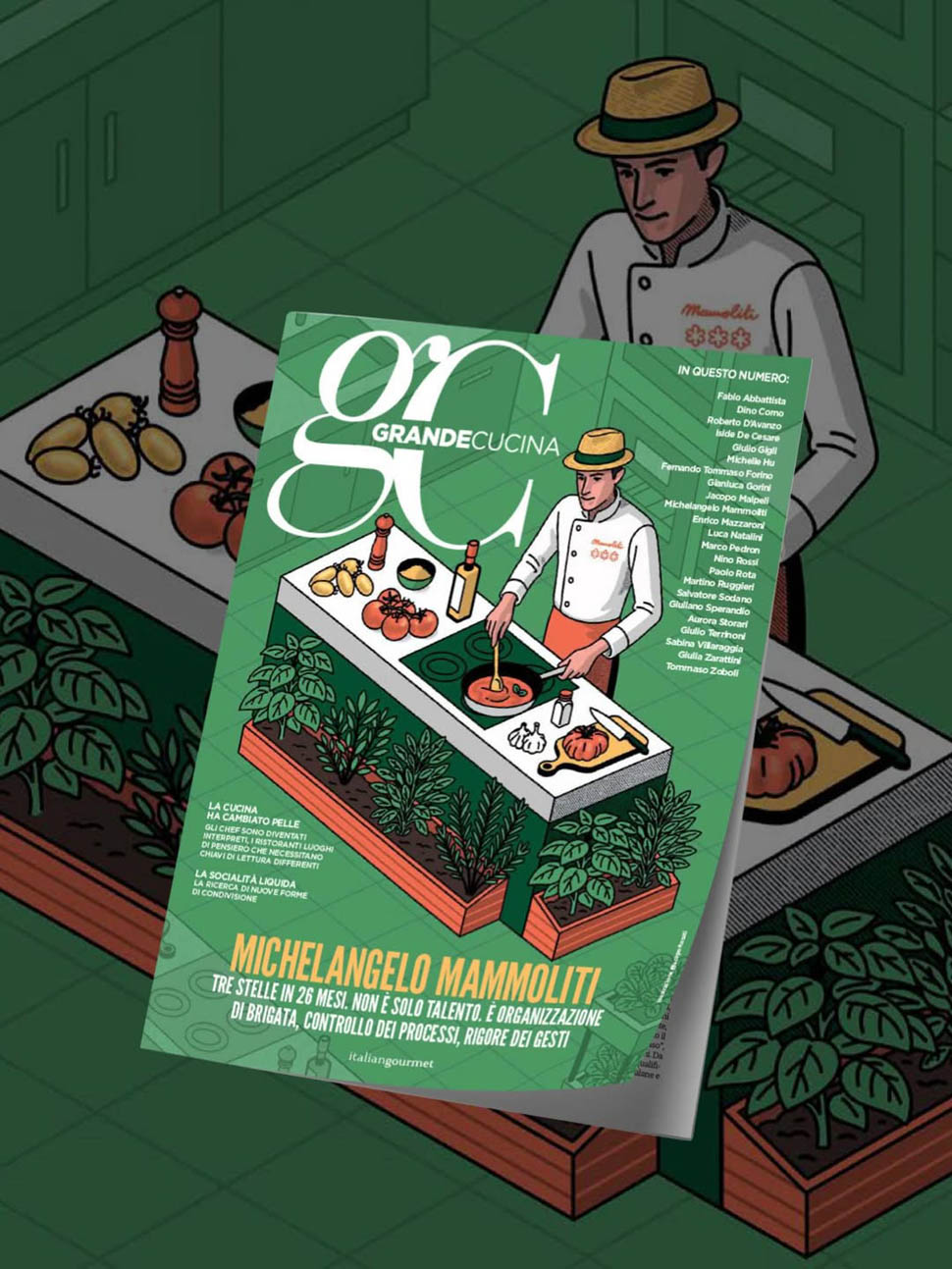
The latest issue of *La Grande Cucina* has just been released—what topics does it cover?
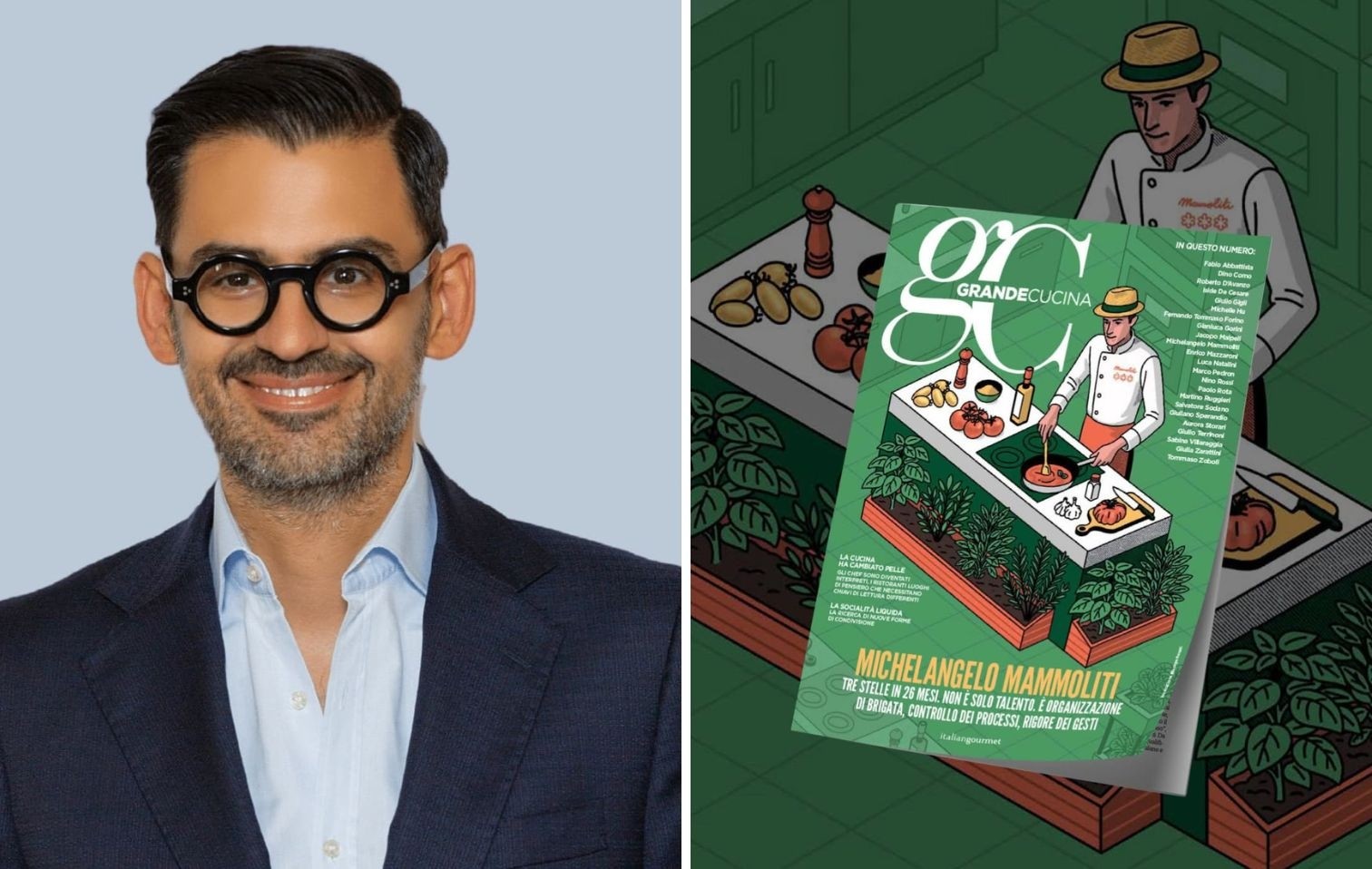
It’s one of the most beautiful stories from my tenure as editor, with a cover dedicated to Michelangelo Mammoliti, a young three-star chef who has always placed great importance on training and his kitchen team; in fact, the team at *La Rei Natura* is the same one he’s been working with for years. But there are also several pages dedicated to wine, thanks to Barbara Sgarzi, who is excellent at describing it not only through tasting by the glass but also by recounting the experiences in the winery that some producers offer.
How do you build a magazine dedicated to industry professionals?
My idea is to truly give a voice to industry insiders like chefs and front-of-house managers, but also to discuss distributors and everything that revolves around this world, such as equipment or the topic of employment contracts. These are topics that, in my opinion, are overlooked by the B2C press. Then there’s one more element: giving a voice to those under 30: it’s great to put top chefs on the cover, but the restaurant industry is so much more than that. New projects and recent shifts in gastronomic discourse are thanks to emerging young talents.
Speaking of young people. In 2003, you founded Congusto Istitute, Milan’s longest-running culinary school. What does training mean to you, and what are the fundamental principles you strive to teach?
I was a young man who believed in my own generation; I constantly sought out those who knew more than I did. This allowed me to interact with competent people. That is one of the skills young people must have: listening to those with more experience to aspire to be like them, but with humility. Today I notice a lack of these virtues, and I strive to make it clear that growth comes from these two values and from engaging with others. I would also like to point out that Congusto was founded precisely to address a shortage of staff, which was—then as now—a deep-rooted problem in the restaurant industry. The advantage today is that large hotel groups have arrived in Italy, making it possible to find new talent and staff from abroad.
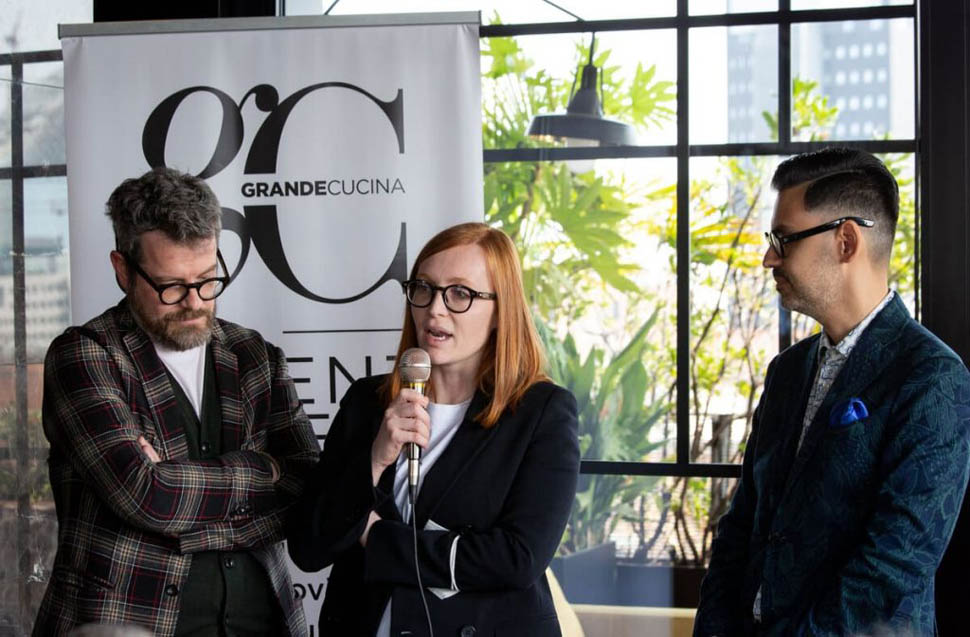
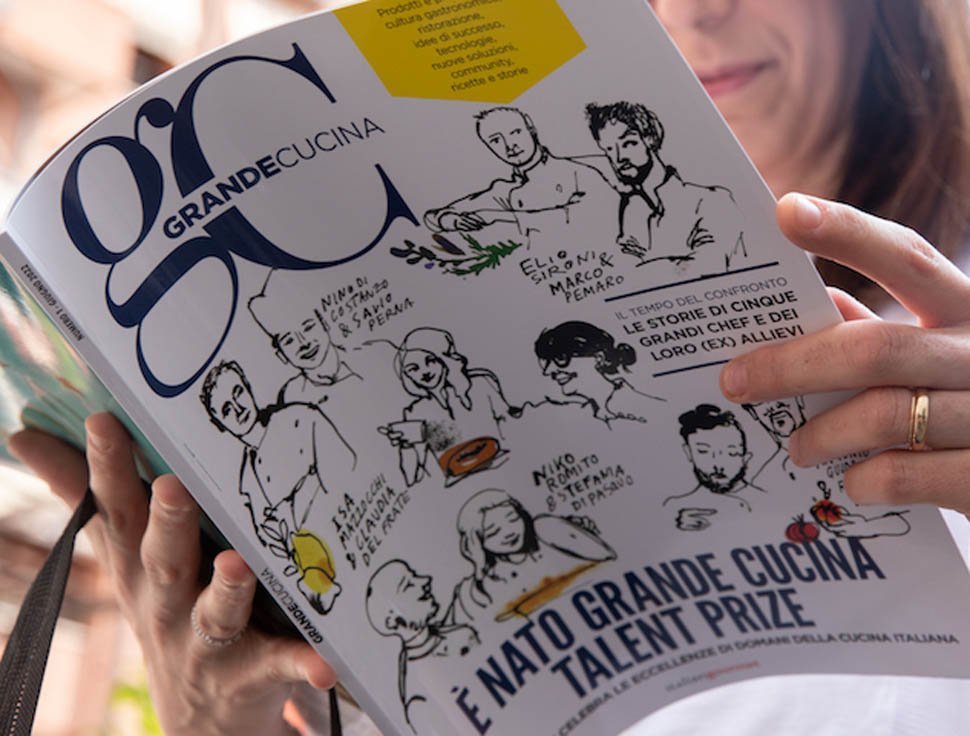
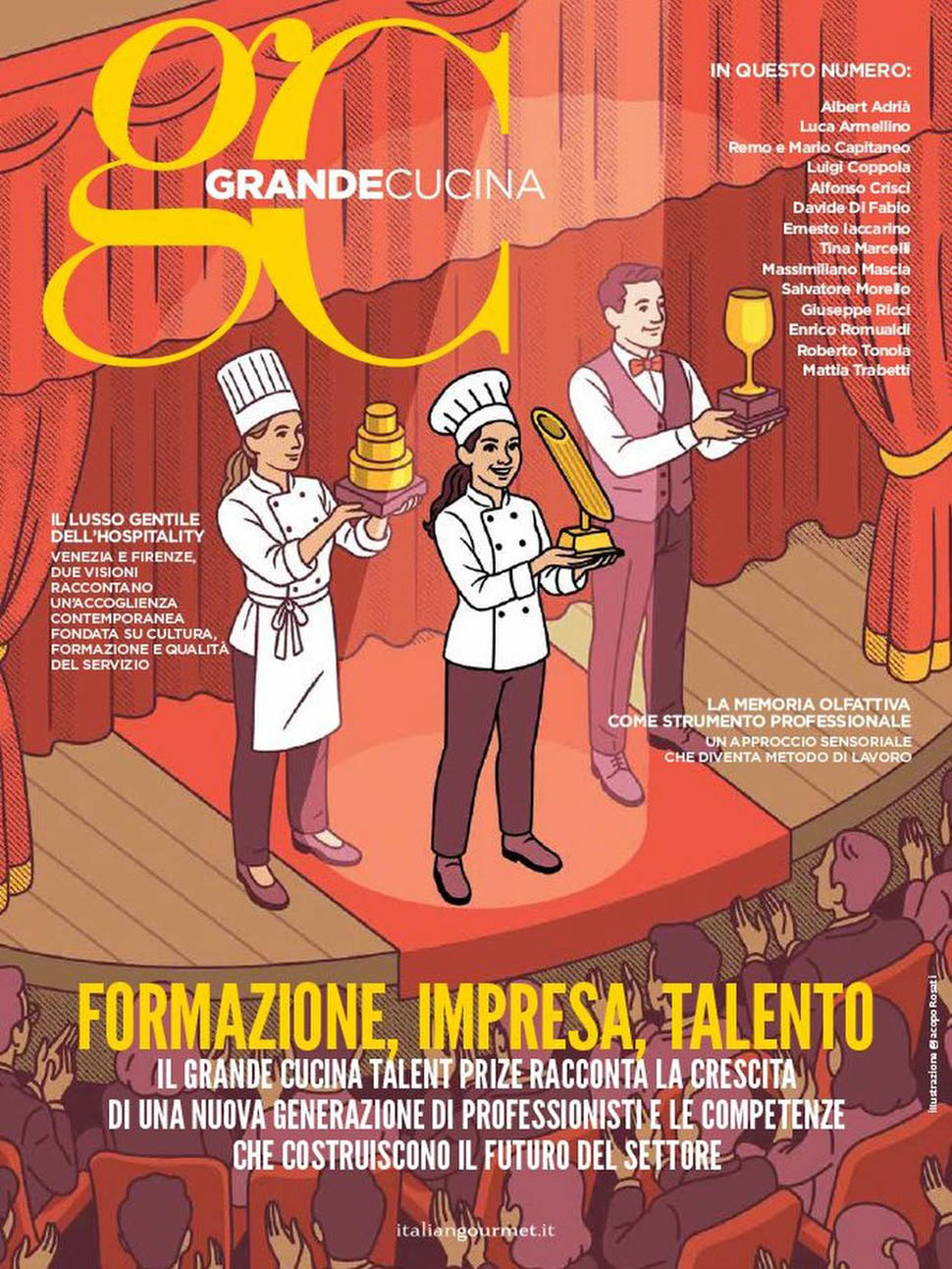
Her relentless search for promising young talent led her to create the Grande Cucina Talent Prize in 2022, dedicated to those under 30. Any previews of the 2026 edition?
It will take place in November in Milan and will focus on a different concept of the stage, such as networking opportunities. We will focus even more on young people who are exploring “less-traveled” paths or taking risks with projects in Italy’s major provinces. Finally, there will be a new category, though I can’t reveal it at the moment.
Is it true that you started out in catering?
Yes, I did an internship in 1997: I wanted to learn about the restaurant industry behind the scenes, so I could later try to tell its story. At the time, there was a high level of professionalism, but it was a closed environment; despite that, I found great inspiration and energy because I was lucky enough to meet professionals who were truly aware of their craft.
In an Instagram post, she writes that in 2025 she visited over 100 restaurants, but only 21 left a lasting impression on her. What does she think is the most common mistake?
Often the biggest problem is the dining room: sometimes the owner or chef tries to make up for it, but on other occasions there are people who don’t help. Or perhaps the disappointments stem from the fact that you can sense the effort and investment—both financial and in human resources—but there’s no defining element to the story. You don’t recognize that specific region in what you’re eating, perhaps due to an overuse of techniques like fermentation that become redundant.
Has 2026 already brought you any surprising experiences?
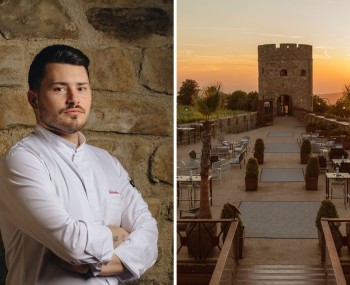
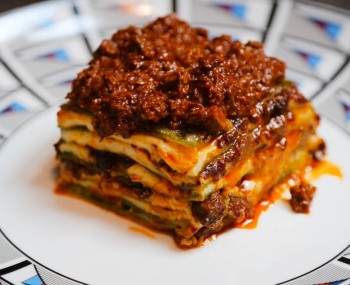
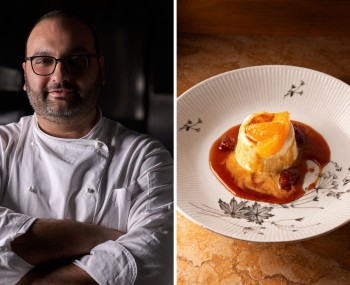
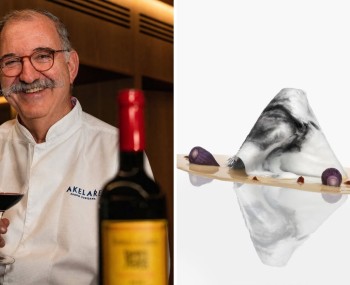
I’ve had quite a few. A few days ago, I attended the opening of the Edition Hotel on Lake Como, where I found Mauro Colagreco in top form. His involvement in this new project is a wonderful development for the entire industry. Then I had dinner at Andrea Aprea’s and reaffirmed my opinion of him: he’s a consummate professional who still has so much to offer the industry, and he’s formidable at consistently bringing his culinary culture to the plate. On a trip to Florence, I had an enchanting meal at Atto by Vito Mollica: an incredible team and an exceptional pastry chef. Another chef in Milan who is doing an excellent job is Roberto di Pinto, as are “the Romans” Ciro Scamardella, Andrea Antonini, and Antonio Ziantoni, who have worked their way up from the bottom and have successfully made a name for themselves. Finally, a young talent to watch: Gabriele Bertolo of Cannavacciuolo Bistrot in Turin.