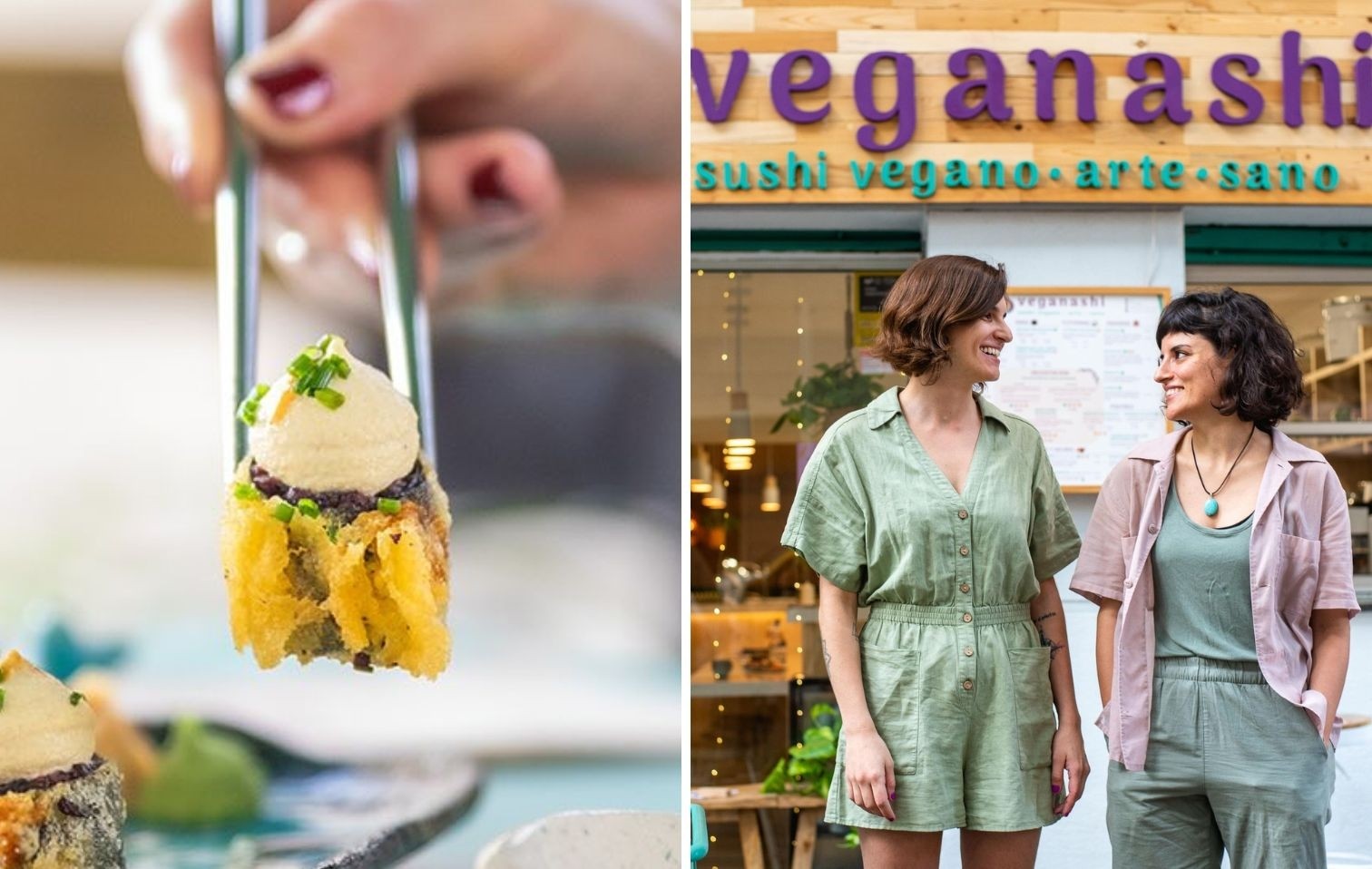
The aesthetics of Japanese raw cuisine are being redefined in Barcelona by two visionaries of symbiotic cuisine: goodbye to hidden sugars and a return to the traditional celebration of plant-based ingredients.
The Idea
Behind the minimalist and seemingly healthy facade of conventional sushi lies, at times, a nutritional paradox of which consumers are rarely aware. The artistry of the fish cuts and the geometric precision of the maki conceal an unexpected glycemic load, rooted in the very recipe for rice, the cornerstone of Japanese cuisine. It was with this critical awareness that Tamara and Taís launched Veganashi in Barcelona, challenging industry norms with a cutting-edge concept: the world’s first and only sushi that is completely free of refined sugars, gluten-free, and entirely plant-based. “When we began dissecting the processes of traditional cuisine, we made a startling discovery: to give sushi rice its shine, stickiness, and that typical sweet-and-sour note, a disproportionate amount of white sugar is used. A single serving of twelve pieces can contain up to the equivalent of six sugar cubes. Eating traditional sushi while thinking it’s a diet-friendly meal is a gross miscalculation,” they explained in a recent interview with La Vanguardia.
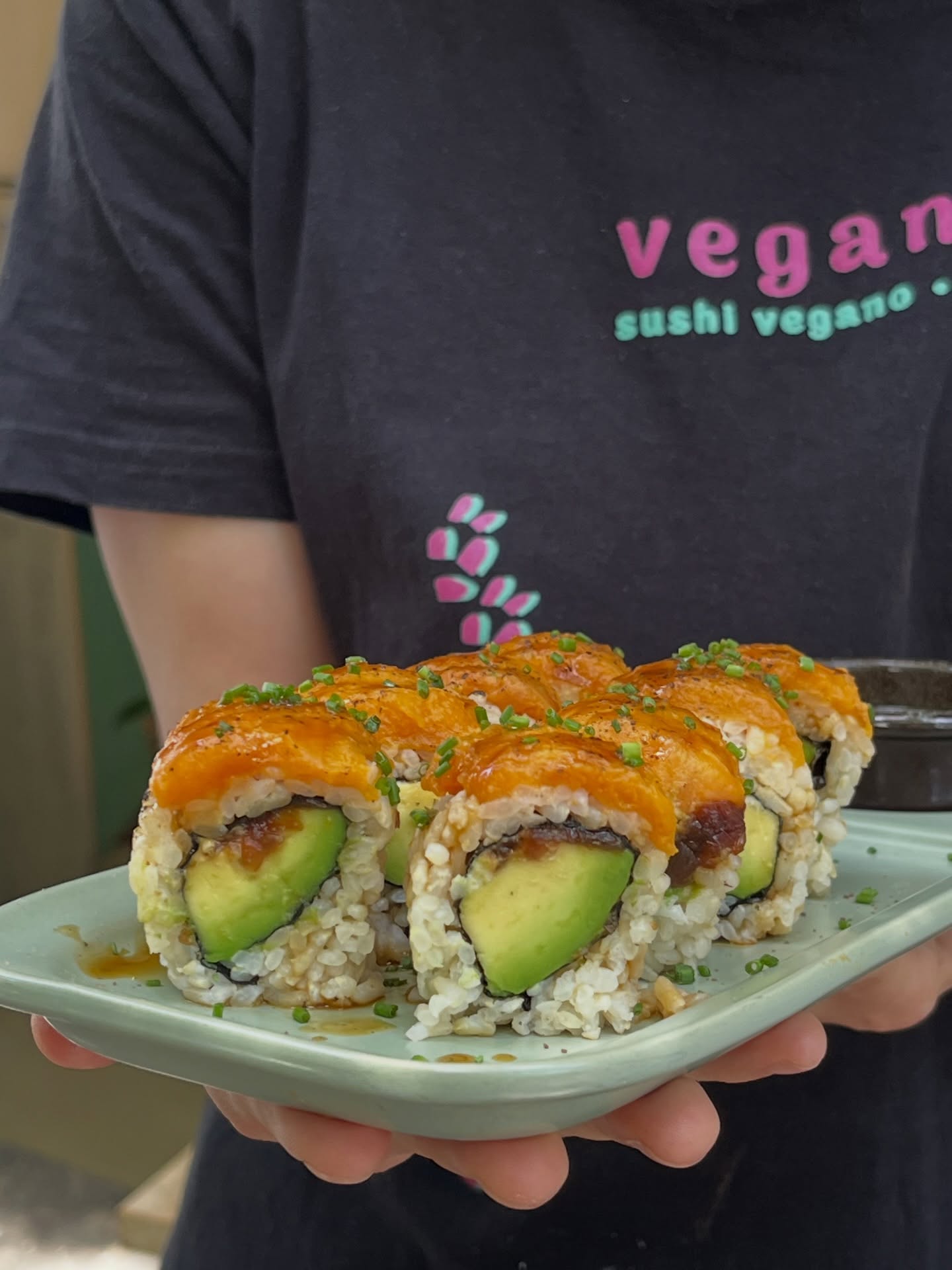
This revelation prompted the two founders to draft a radical culinary manifesto. Although they lacked conventional culinary training, they became “culinary scientists” to solve the most complex of structural equations: working exclusively with brown rice. This grain, stripped of the natural binding amylose typical of refined and bleached rice, required an entirely new approach. By completely eliminating sugar, Tamara and Taís developed a proprietary cooking and seasoning technique capable of enhancing the mineral notes of the dark grain without compromising its cohesion or aesthetic elegance on the plate.
The architecture of vegetables beyond clichés
Until recently, the vegan option in Western Japanese restaurants resembled a lazy fallback more than a signature choice: a monotonous sequence of avocado, cucumber, and rare touches of exotic fruit. Veganashi shatters this intellectual laziness by transforming vegetables into the absolute protagonists of a complex sensory narrative. Here, vegetables do not simply mimic fish—though visually extraordinary creations like marinated watermelon tartare evoke the translucency of bluefin tuna—but assert their own gastronomic independence.
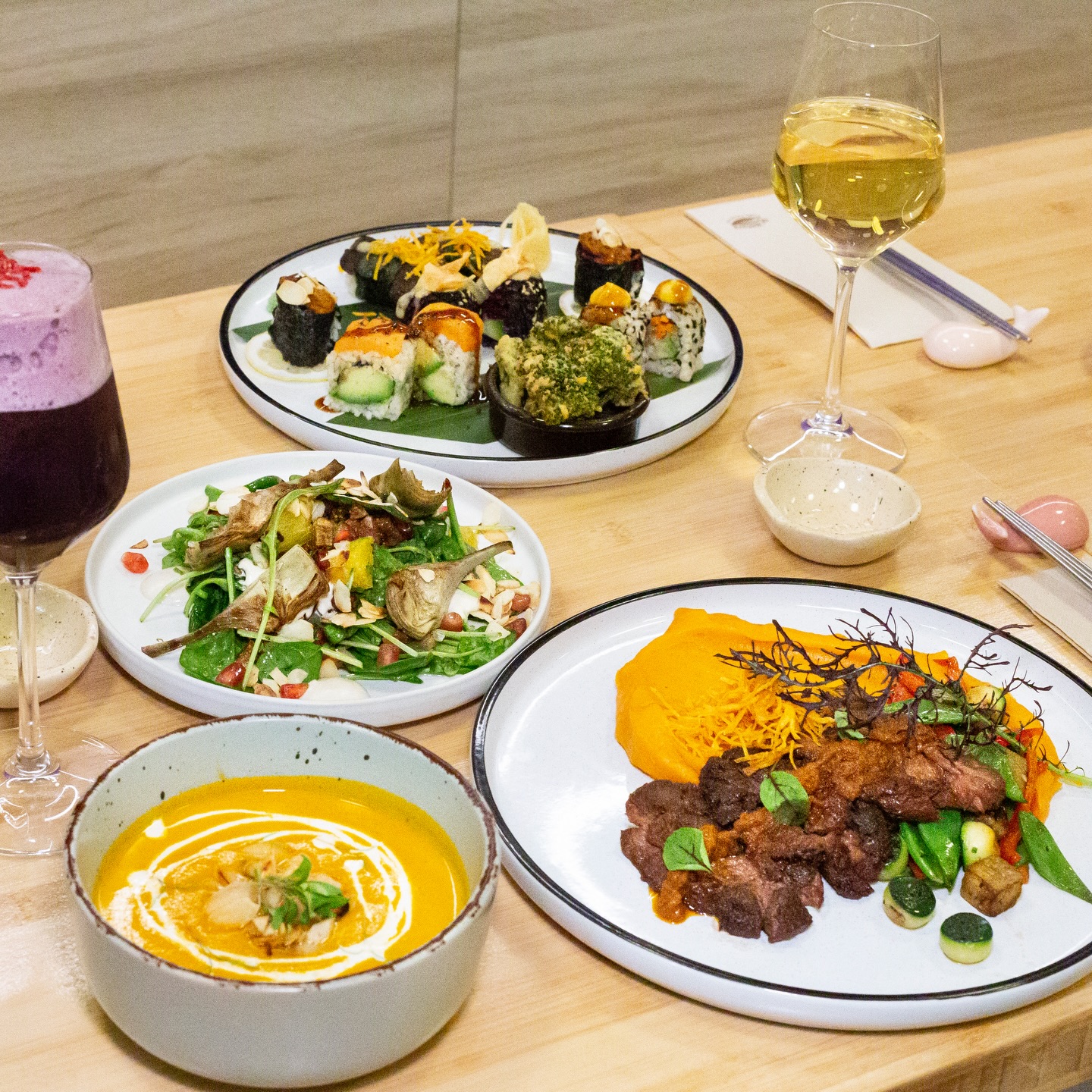
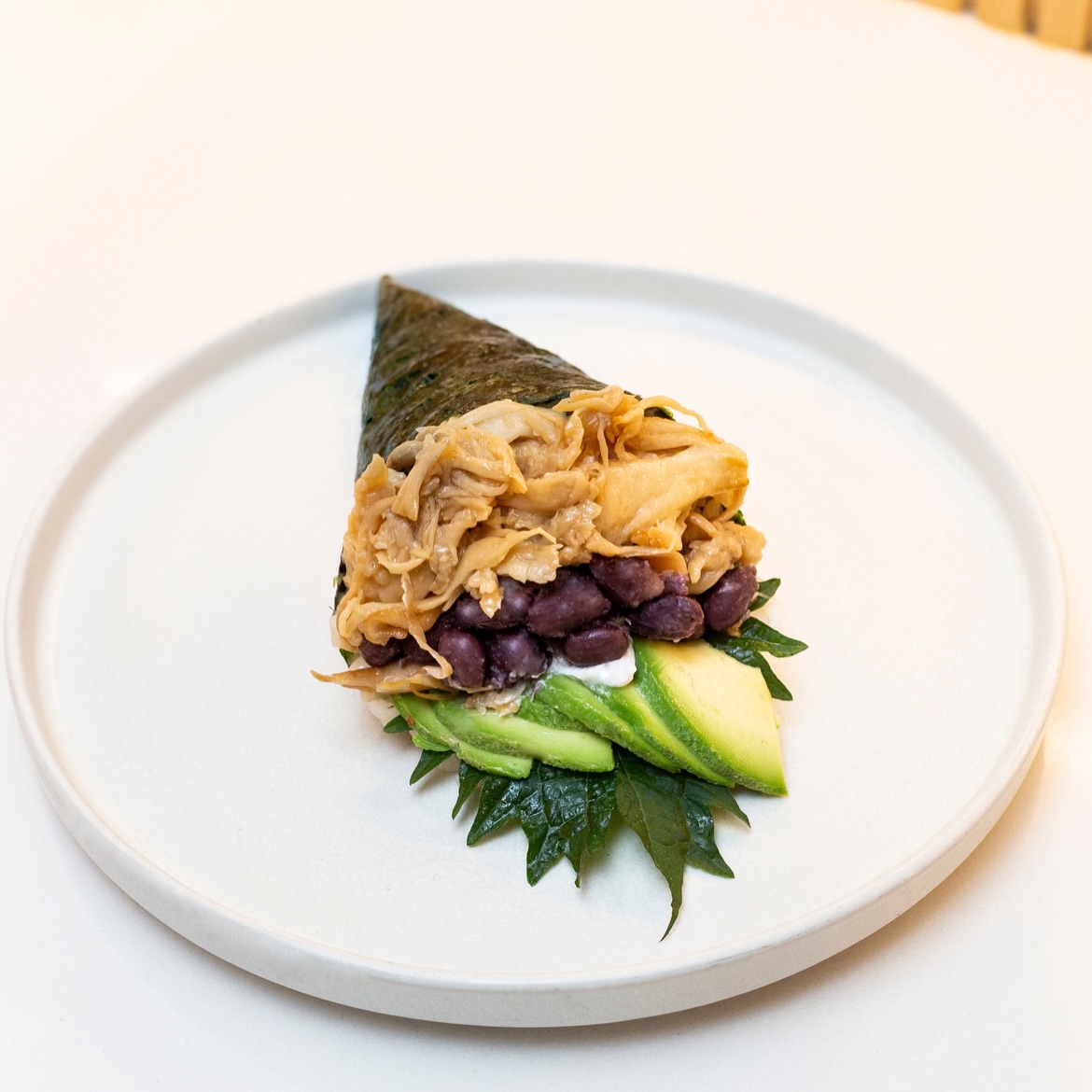
The secret lies in a complete rejection of any industrial shortcuts. While mass-market dining relies on ready-made sauces loaded with additives and MSG, Veganashi’s cuisine is entirely artisanal. Every single plant-based ingredient undergoes unique and elaborate processing protocols: oven-confit cooking to concentrate natural sugars, marinades in fine vinegars, controlled fermentation processes, and brine baths. This operational complexity requires extended preparation times and a kitchen staff significantly larger than that of a classic sushi bar. “Our distinctive feature is that we prepare everything from scratch. Achieving depth of flavor, complexity, and exhilarating textures from vegetables alone requires engineering-level planning. Anyone who thinks plant-based cuisine is bland or austere changes their mind at the first bite. We demonstrate that haute cuisine is possible without resorting to the basic cucumber-mango pairing, elevating every single ingredient to its fullest healthful expression.”
From frustration to global success: an ethical expansion
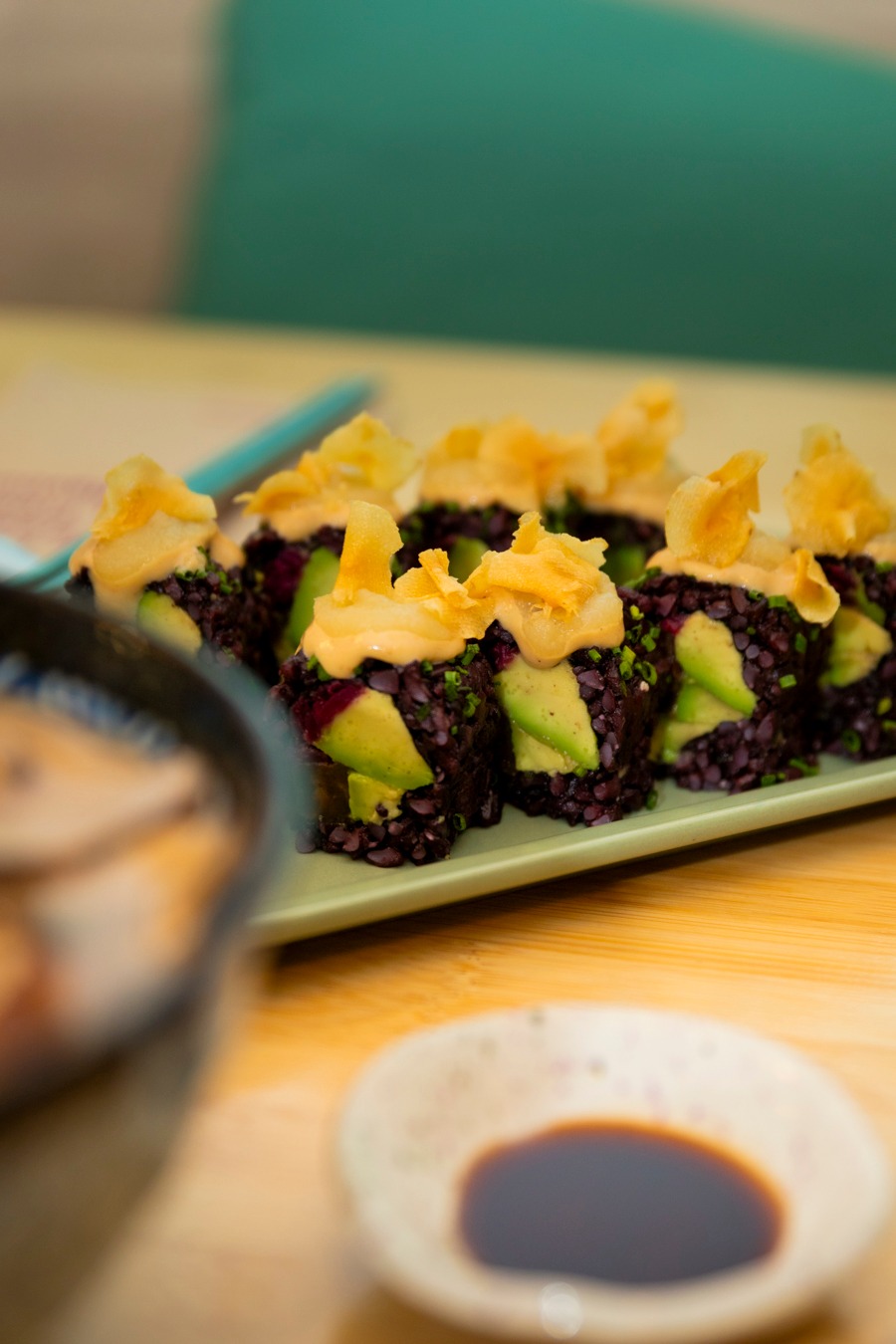
The venture, launched in the midst of the 2020 crisis, was met with skepticism by purists and industry insiders, who were convinced that sushi without fish—and made with brown rice, no less—would never win over the market. Six years later, Veganashi has proven all the doubters wrong, becoming a culinary phenomenon in Barcelona. The true victory for the two entrepreneurs lies in their customer base: most patrons do not follow a strictly vegan diet, but choose this restaurant for the extraordinary purity of its flavors and the absolute lightness they feel after eating. Today, the brand looks to the future with an entrepreneurial maturity focused on expansion, yet guided by a strict ethical code. The idea of replicating the concept in new cities is concrete, but Tamara and Taís emphasize that growth will never sacrifice the soul of the project. No compromises on freshness, no concessions to centralized standardization: the authenticity and nutritional purity of Veganashi remain non-negotiable pillars, charting the course for what promises to be the sushi of the future.