The issue of training remains central. Chicote champions the value of apprenticeships, but draws a clear distinction between training and exploitation. Learning a trade takes time and practice, but it must not become a form of disguised unpaid labor. This stance reflects a broader vision of the industry, in which sustainability also depends on respecting the people who work in the kitchen.
Immediate reactions to aggression in the kitchen
“You retain staff by offering the best working conditions and giving meaning to what we do. We need to know why we wear our chef’s jackets, but we also need to ensure our staff are treated fairly. We close for two and a half days in a row: those days belong to the workers. And the work must be paid.” These are the recent statements by Alberto Chicote to El País, which interviewed the chef, raising numerous “hot topics” in modern dining. First and foremost, the issue of managing aggression within the kitchen team. “What has been revealed about Noma makes me shudder”, comments the Spanish chef. “Perhaps someone like me, at my age, might be inclined to normalize the situation, because the kitchen I experienced early in my career was similar– though without reaching such levels of severity – compared to the cases mentioned. But I find it terrible (the fact of “normalizing” violence, ed.), and the least one can do in these cases is to step down. Furthermore, we live in an era where public judgment is much harsher and worse than any legal consequence. If everything they say is true, the least one can do is resign from the position.”
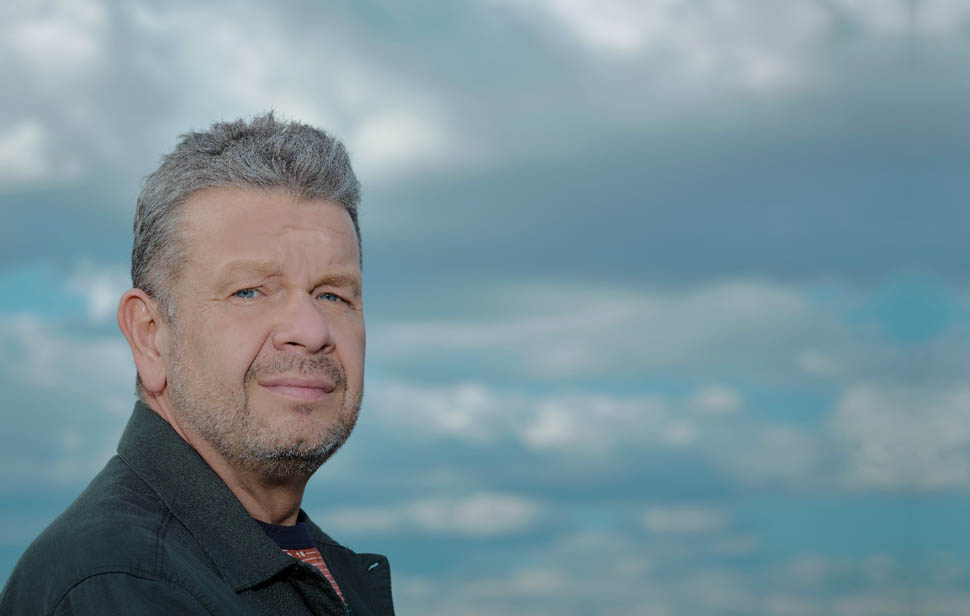
Chicote’s Take on the Restaurant Industry
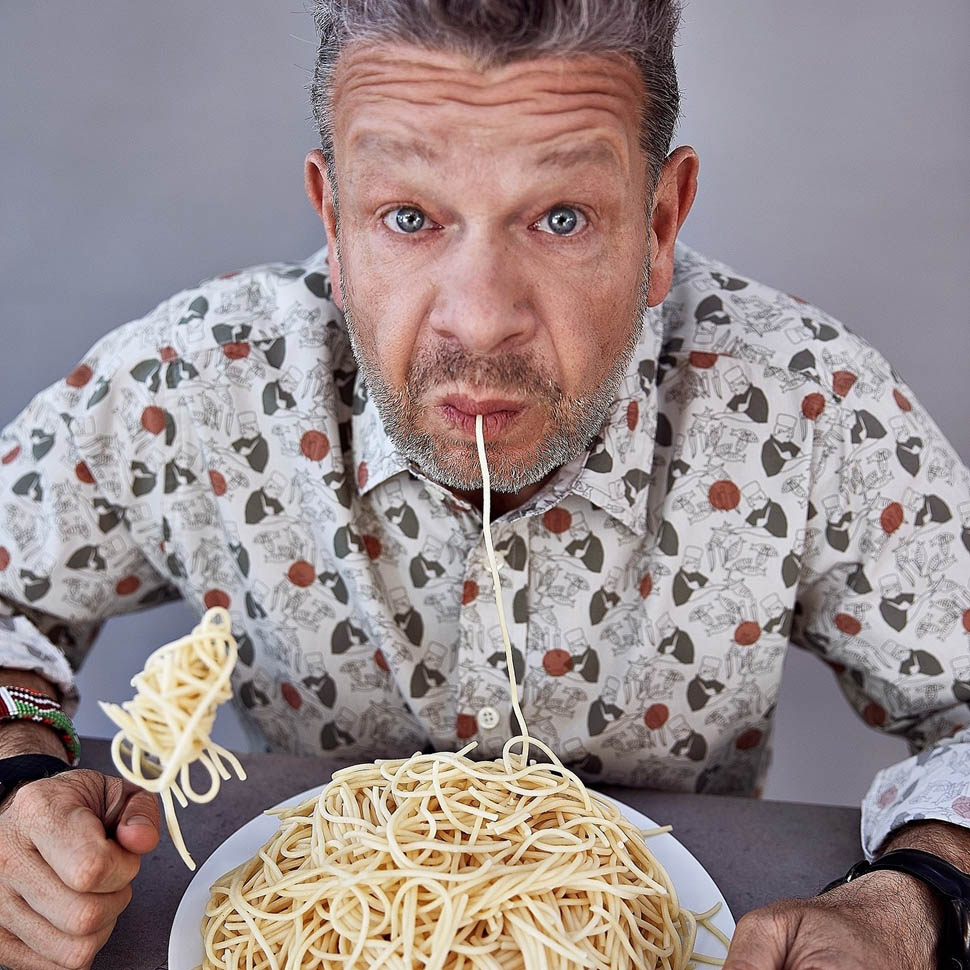
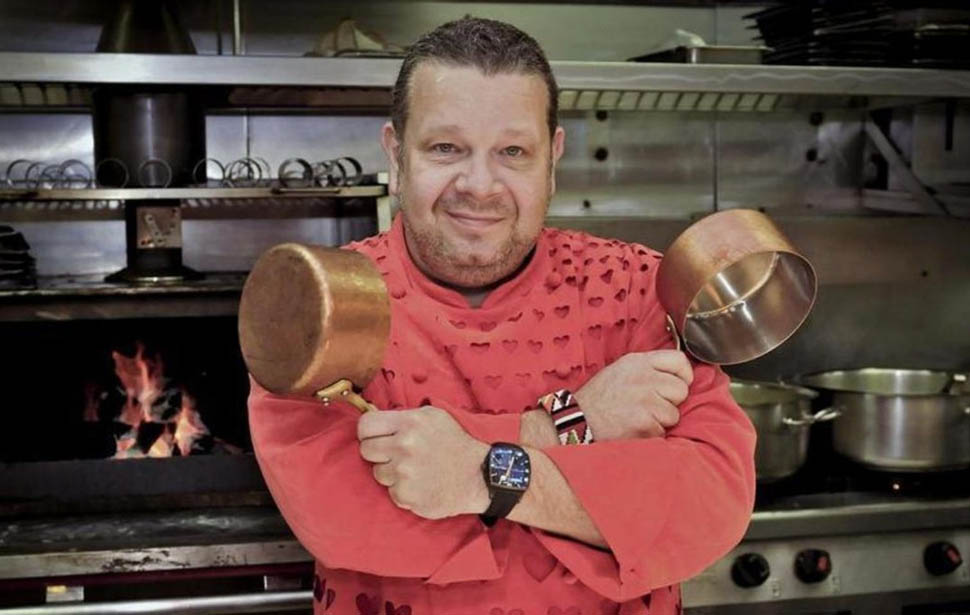
For Chicote, the story begins at Omeraki, a restaurant in Madrid. Opened in 2022, the venue seats up to 74 guests in a spacious 400-square-meter area. It’s a personal project, built collaboratively, marking a new chapter after years of television and other restaurants. His routine is split between the set and the kitchen. From Monday to Friday, he is busy filming a new show for Atresmedia, about which he prefers not to reveal anything. On the weekend, he returns to the dining room, meets with customers, observes, and oversees operations. His presence doesn’t feel formal, but rather necessary—almost a way to stay connected to the most direct essence of the craft. His relationship with television marked a turning point in his career. In 2012, with *Pesadilla en la cocina*, he left the Pan de Lujo restaurant, even though it was doing well. A choice thatwasn’t forced, but which completely changed his path. Since then, Chicote has built a dual identity: chef and media personality. A combination that, as he himself admits, entails constant exposure. “Anyone in the public eye lives with a camera on them,” he observes, noting that today anyone can record and share images at any moment. This exposure also alters daily life. Simple activities, like reading a book on a terrace, become more difficult. People approach him, asking for a photo or a greeting. It is not a matter of outright discomfort, but rather a transformation of personal space.Fame expands one’s sphere of influence, but restricts certain freedoms.
Protection Against No-Shows
Meanwhile, Omeraki is thriving. The restaurant is fully booked, reservations fill every seating, and that’s precisely why the issue of no-shows has become a central concern. An empty table weighs more than a full one. Not because of what’s missing from the plate, but because of everything left hanging: work, organization, expectations. Alberto Chicote knows this well, and has decided to turn this void into a concrete rule: anyone who books and doesn’t show up pays. Thirty-five euros per person. A sum intended not as punishment, but as protection. “You have to protect yourself from customers,” he explains bluntly. “I don’t want to profit from those who don’t show up, but I have to ensure the restaurant runs smoothly,” he explains. According to Chicote, digitalization has contributed to creating a distance between customer and restaurateur, making it easier to cancel a reservation without feeling the consequences. This reflection is part of a broader discussion on responsibility in the restaurant industry. For Chicote, cooking for someone is an act that requires total awareness. “Feeding people is a huge responsibility,” he says, emphasizing the intimate nature of the act. Eating out remains a public experience, but it involves the body, trust, and safety. For this reason, running a restaurant cannot be improvised.