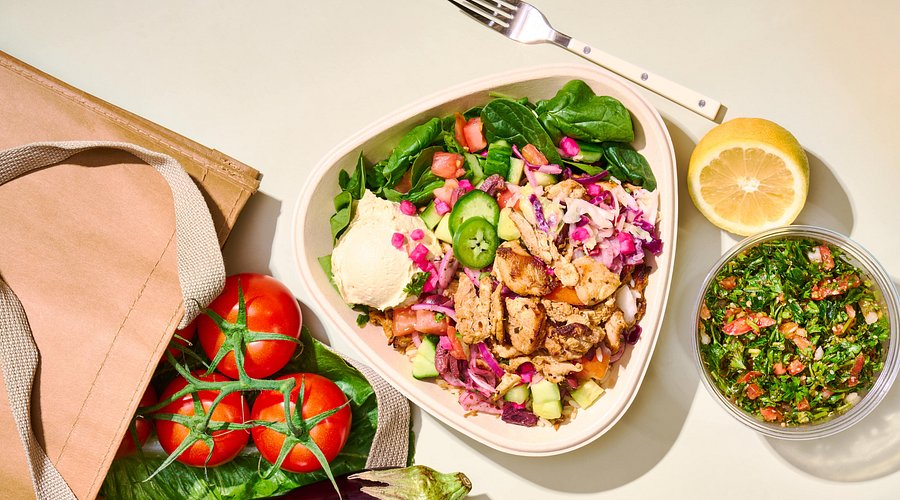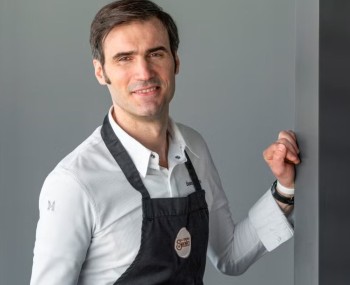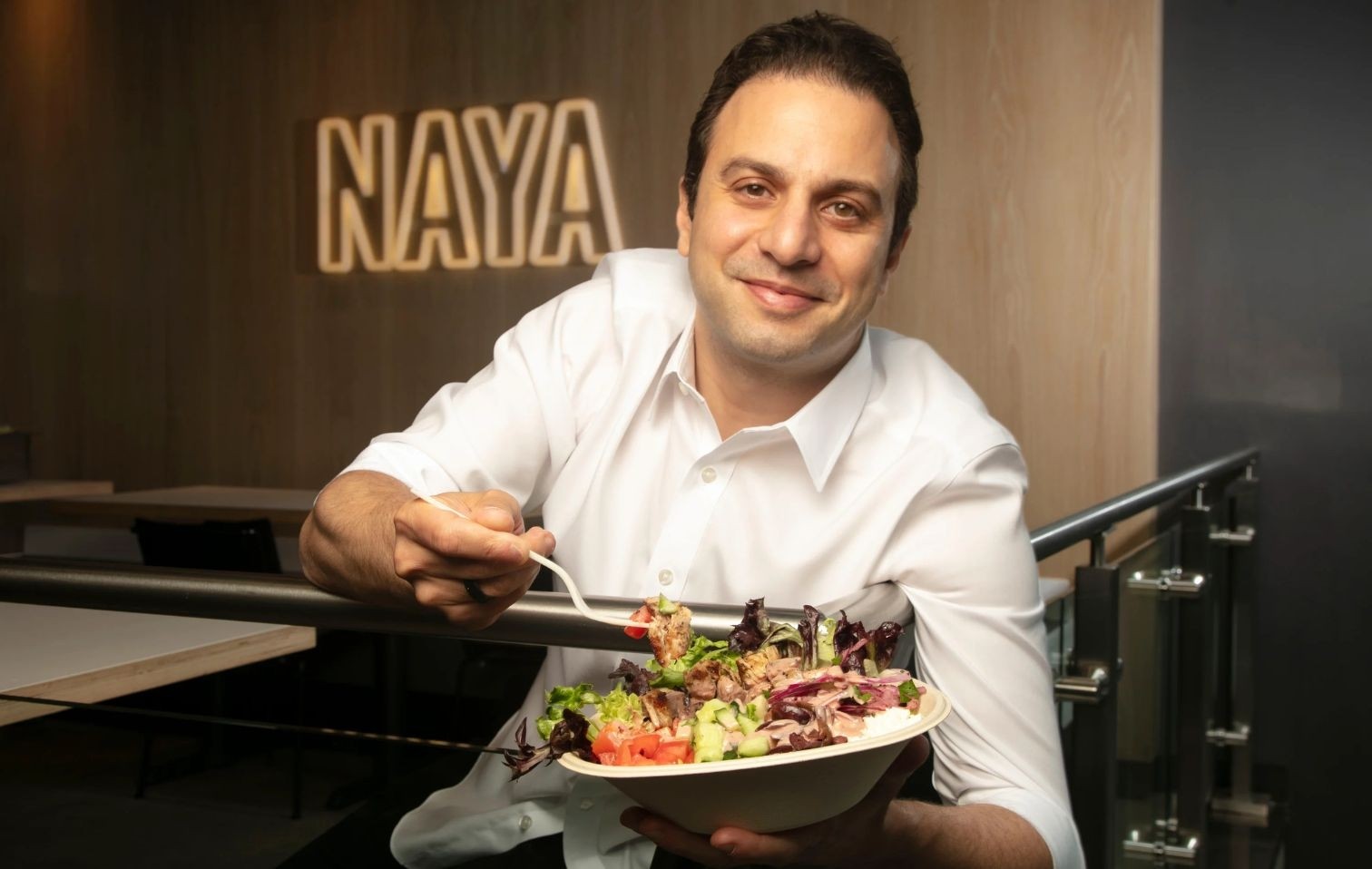
In the contemporary gastronomic landscape, the transition from the excellence of fine dining to the replicability of fast-casual is often viewed with skepticism, as if it were a compromise. However, the story of Hady Kfoury and his brand Naya tells a different tale: one of methodological elegance that is not lost in the transition from tablecloths to designer counters.
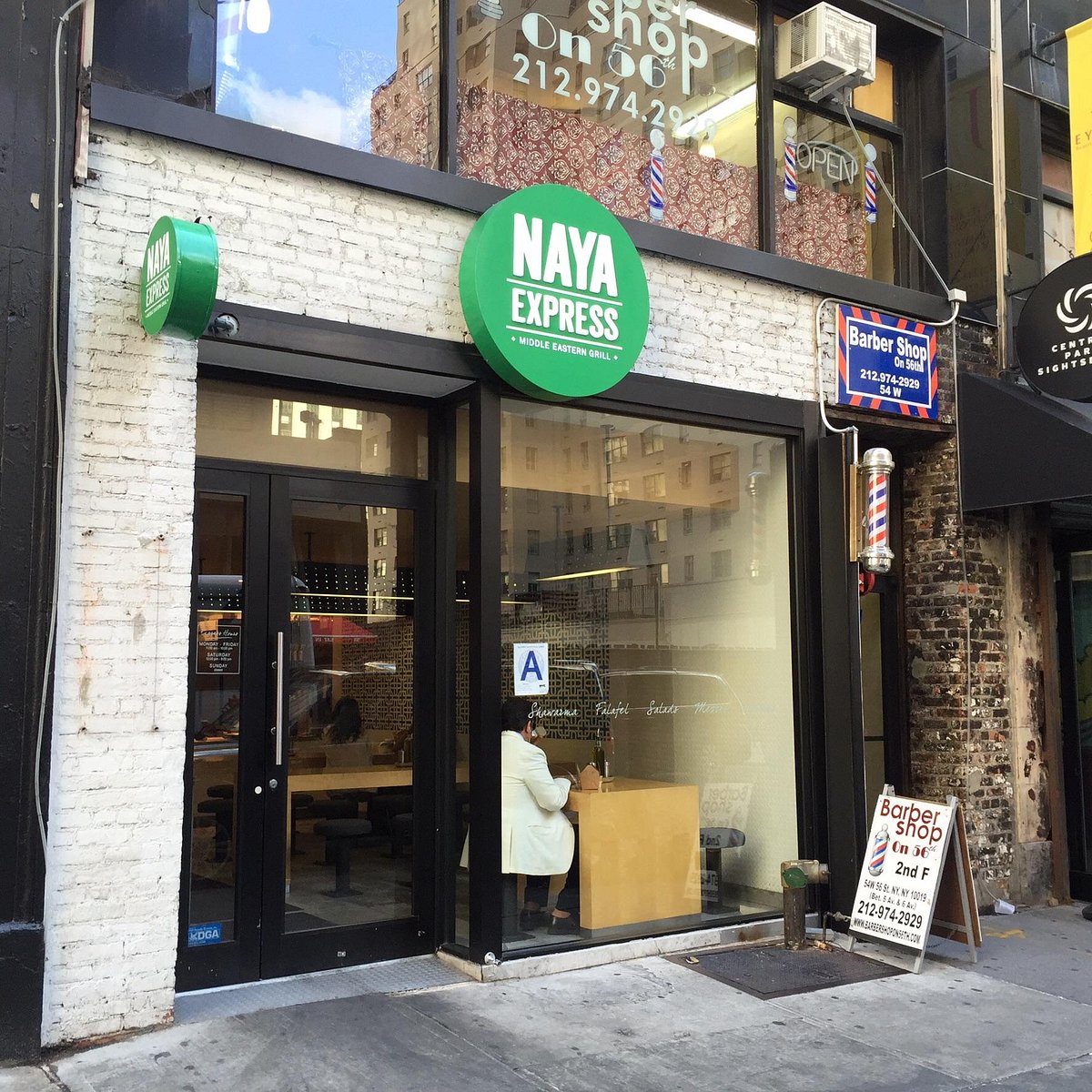
Trained in the strict disciplines of Swiss hospitality and perfected under masters such as Daniel Boulud and François Payard, Kfoury has managed to translate the rigor of haute cuisine into a model of democratic hospitality. Launched in 2008 as a single experiment in New York, his Naya now has 44 locations, with the ambition of reaching 200 nationwide by 2030.
Over the past few years, Kfoury has dismantled four dogmas that still surround the restaurant world today, as Business Insider recounts here.
The deceptive simplicity of fast service
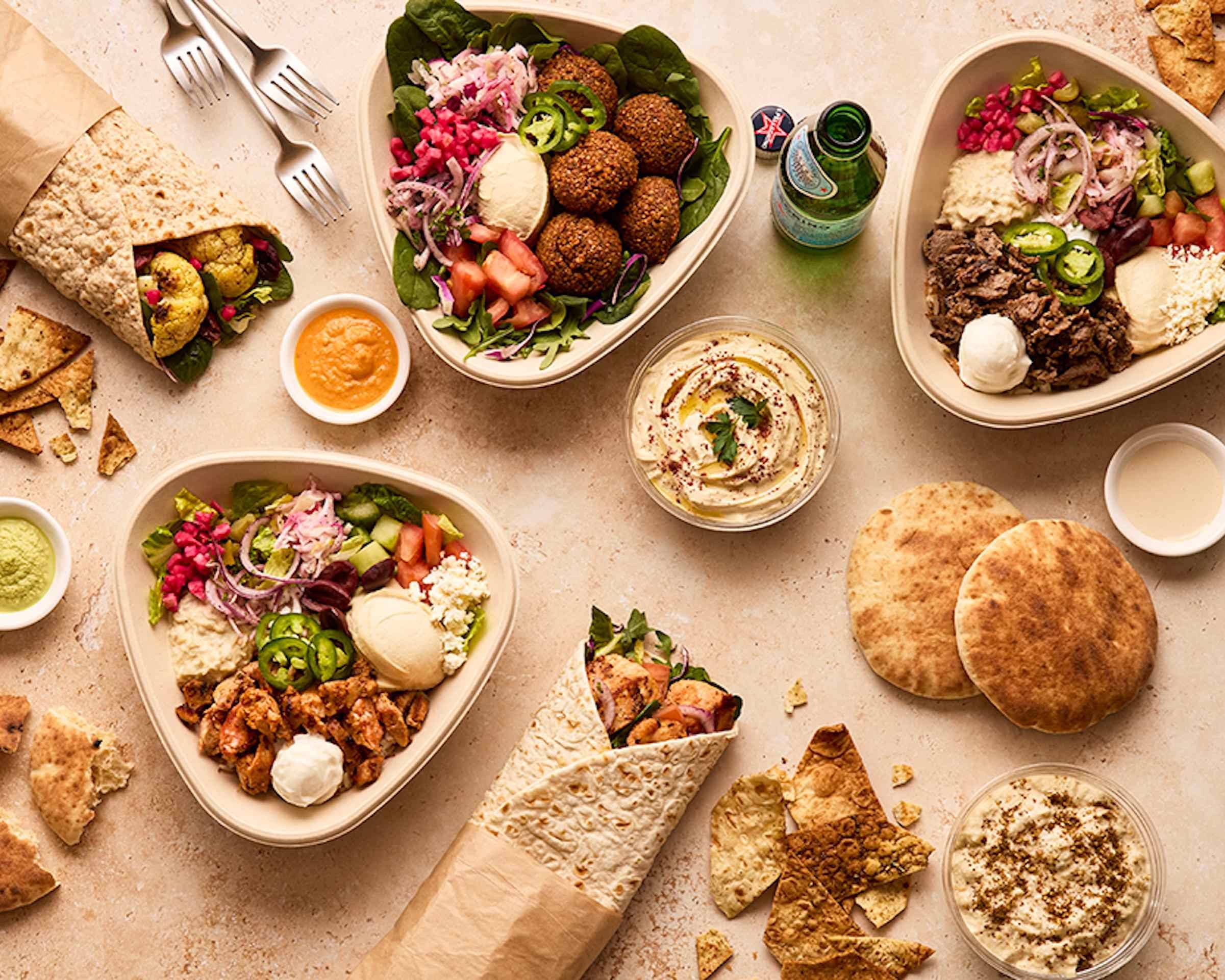
We tend to think of fast-casual dining as a “simplified” version of restaurant service. In reality, managing an assembly line requires almost surgical precision. While in fine dining, dishes are created on the spot for individual guests, here the challenge is to maintain absolute consistency on a large scale. Maintaining the freshness of an ingredient as it moves along a frenetic chain, notes the entrepreneur, requires relentless research and development and pinpoint precision in cooking times.
The mirage of numerical growth
Expansion is not synonymous with success; if anything, it is a multiplier of complexity. For twelve years, Kfoury cultivated his first seven locations with almost artisanal care, focusing on the fundamentals: staff training and supply chain robustness. Only when the foundations were rock solid did he open up to private capital, not as a gold rush, but as a tool for scaling excellence.
The illusion of saving on quality
Profit is never built by reducing the value of the dish. The secret to a brand's longevity lies in trust, and trust is nourished by authenticity: this is precisely Kfoury's strength. Working with the best butchers or demanding daily deliveries of vegetables are not incidental expenses, but structural investments. In a saturated market, the transparency of raw materials is the only real distinguishing factor.
The soul beyond the dish: the human component
There is a common misconception that catering is only about recipes. A restaurant is, first and foremost, an ecosystem of people. Customer loyalty inevitably depends on the serenity of the team. Seeing your employees grow from line workers to general managers is not only an ethical act, but also a business strategy that reduces turnover and guarantees a welcome that no standardized procedure can ever replicate.
“Food is at the heart of the experience, but it is the culture of service that makes it memorable,” concludes the well-known entrepreneur.