The eclipse of the waiter? A problem not to be underestimated. Critic Carlos Maribona sounds the alarm about the dining room.
The news
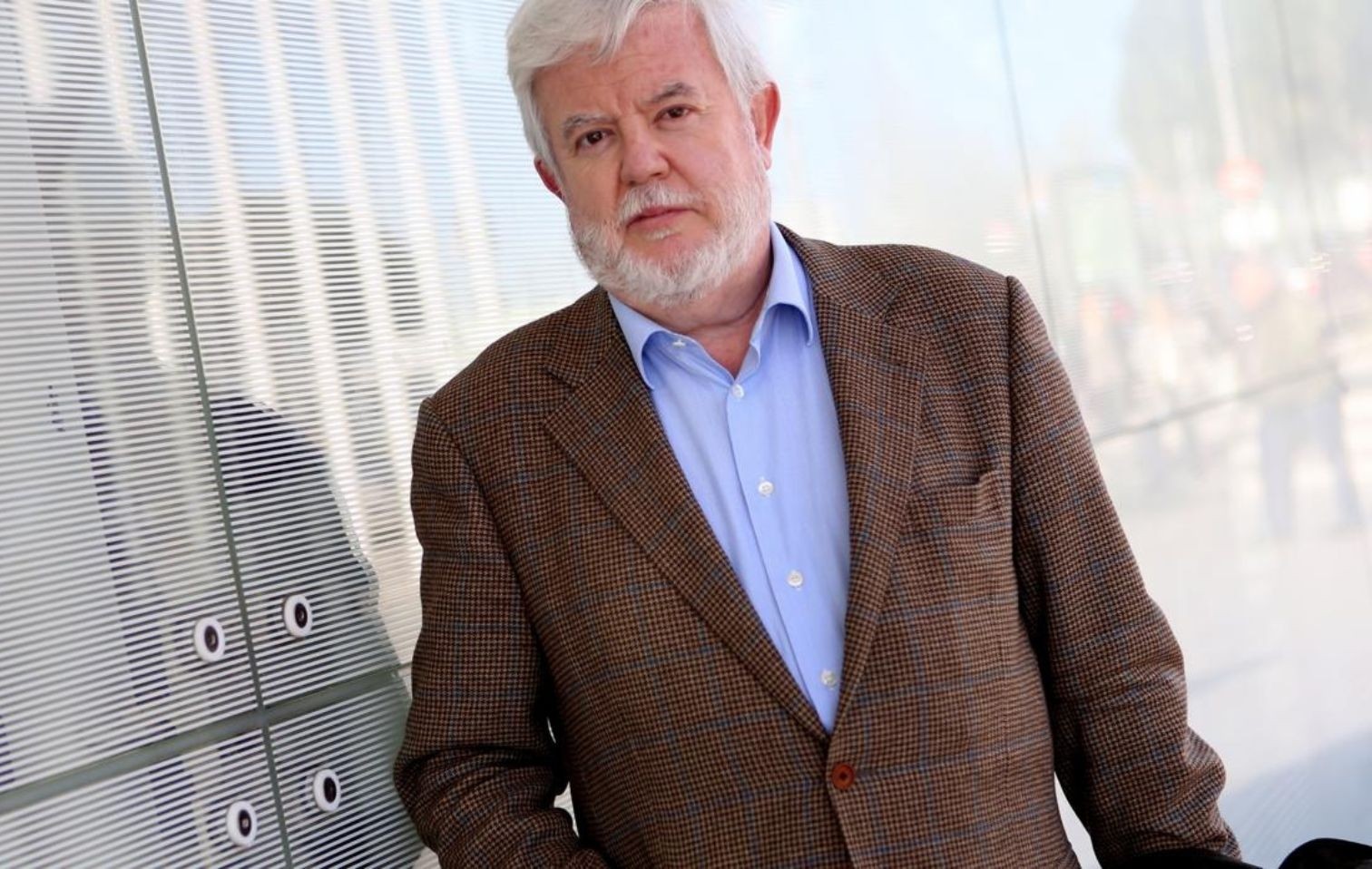
In the firmament of contemporary gastronomy, where the spotlight seems to converge obsessively on the figure of the chef, a shadow is looming dangerously over the table: that of the dining room. This bitter but necessary reflection comes from Carlos Maribona, one of the most authoritative voices in Spanish journalism. Former deputy editor of ABC, university professor, and winner of the National Gastronomy Award, Maribona is not only an observer but also a guardian of the ethics of conviviality. According to the critic, author of an editorial in the online magazine 7Canibales, the hotel sector is facing an unprecedented identity crisis. Once upon a time, the maître d'hôtel was the silent director of a perfect experience, but today that figure is in danger of extinction.
The tyranny of the white jacket

The paradox is clear: while hotel schools are churning out young people who dream of Michelin stars even before they have learned how to fillet a fish, the ranks of front-of-house staff are thinning dramatically. “Lately, maîtres d' and waiters have been overshadowed by the sometimes excessive prominence of chefs, who have become media personalities and often take on a significant role in the dining room as well,” observes Maribona. Young people's ambitions have become polarized. The kitchen has become the stage for dreams, leaving service in a limbo of perceived subordination. The result? A shortage of qualified professionals that Maribona describes as “alarming,” capable of undermining the overall quality of restaurants at all levels, from small bistros to temples of taste.
“La sala tiene la palabra”: reclaiming dignity
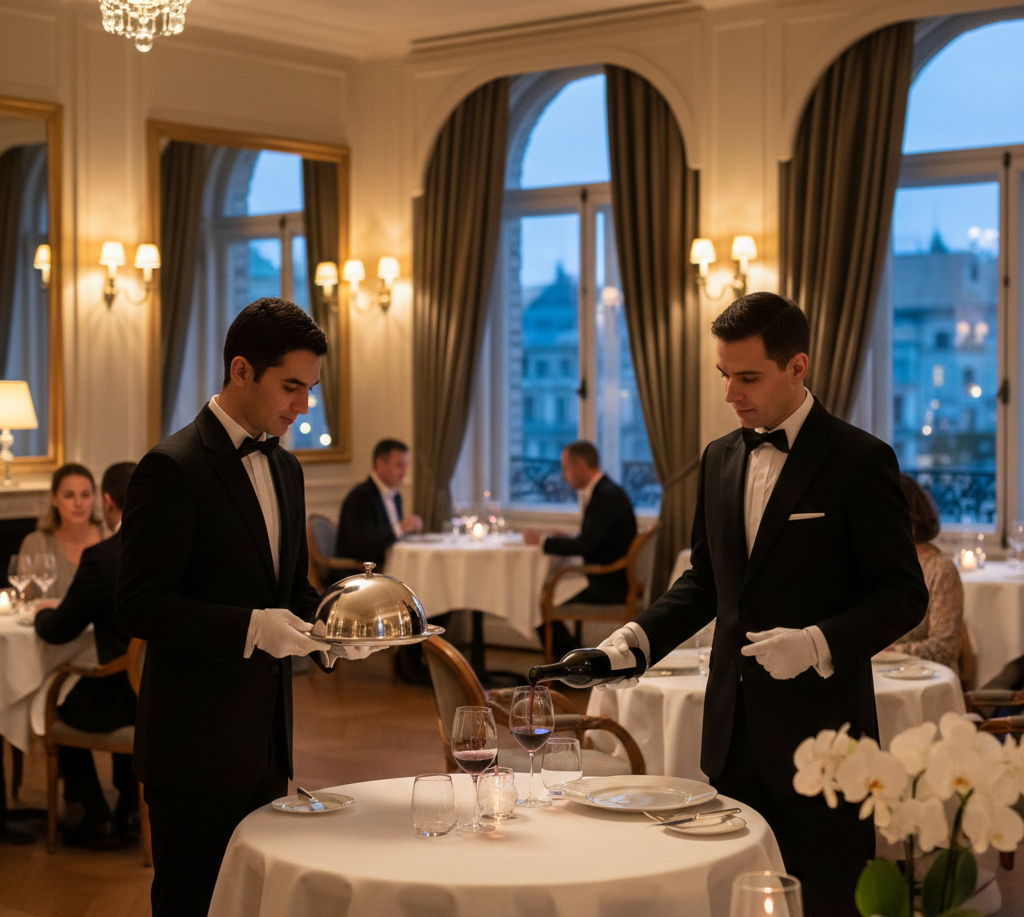
Not all is lost, however. There is a “resistance” of young, passionate talents who are aware that the success of a dish is only achieved in the journey between the chef's pass and the customer's palate. While in Italy, great work is being done by virtuous organizations such as “Noi di Sala,” in Spain, a groundbreaking publishing project has been created to give voice to this need for redemption: “La sala tiene la palabra” (Planeta Gastro). Coordinated by Abel Valverde, a giant in the Spanish restaurant industry, the volume brings together the testimonies of service icons such as Joan Carles Ibáñez and Marta Campillo. It is not just a manual, but a political and poetic manifesto that aims to achieve several objectives:
- Rediscovering the profession: No longer a temporary fallback, but a career for the future.
- Ethics and well-being: Ensuring a balance between private life and work, as well as remuneration that reflects the value of the role.
- Continuing education: Updating study programs to prepare new “ambassadors of hospitality.”
The essence of success

For Carlos Maribona, the message is crystal clear: a great dish without great service is like a work of art without a frame. Restoring dignity and prominence to the dining room is not only an act of justice towards workers, but also an essential condition for the survival of fine dining. The floor must now be given back to those who welcome guests, because the true magic of a restaurant is not created in the kitchen, but in the warmth of a perfect gesture.