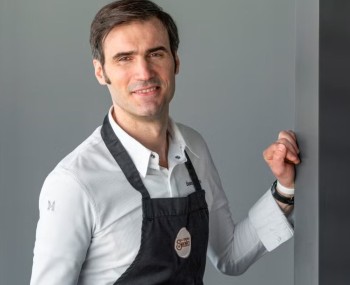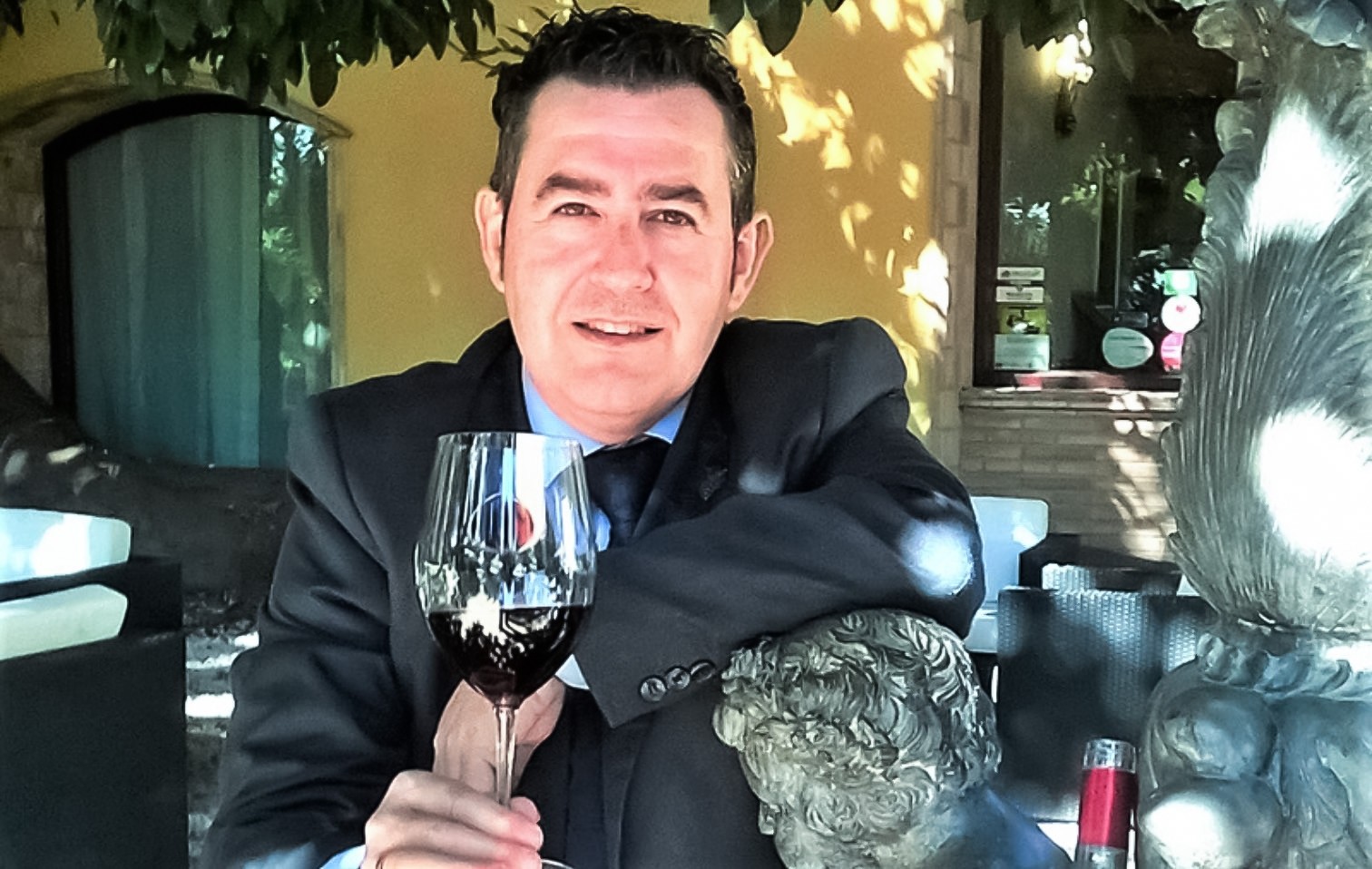
“If you fired a waiter before, you would find 25 others waiting at the door. Now, you have to think twice because there is a shortage of staff. So you have to get into the mindset of paying your staff fairly, at least according to the regulations, and making sure they work the hours they are supposed to.” This is the reflection of Javier Campo, who also observes: "People have been mistreated for years. Waiters were seen as the lowest rung on the social ladder, as if it were a dirty and humiliating job. If you want to be a smart entrepreneur—not a boss, but a leader—what you need to do is incentivize people, treat them well, speak to them with respect, and share in their successes."
In the debate on the crisis in the restaurant industry, one explanation comes up more than any other: staff shortages. This is a real problem, but according to Javier Campo, a sommelier and gastronomic consultant with over forty years of experience, it is not the most serious one. Many restaurants close because they are not economically sustainable, even when the dining room is full and the team is complete. The crisis, therefore, is primarily managerial and cultural.
The signs that precede failure
According to Campo, interviewed by InfoBae, a restaurant that is not working well makes this clear from the moment you walk in. Waiters moving around without coordination, repeated questions at the same table, small problems that are never resolved, inconsistent dishes over time. These details are not random, but indicators of absent or ineffective management. According to him, when a problem is visible in the dining room, it almost always stems from management and not from the operational staff.
Profitability: the big missing factor
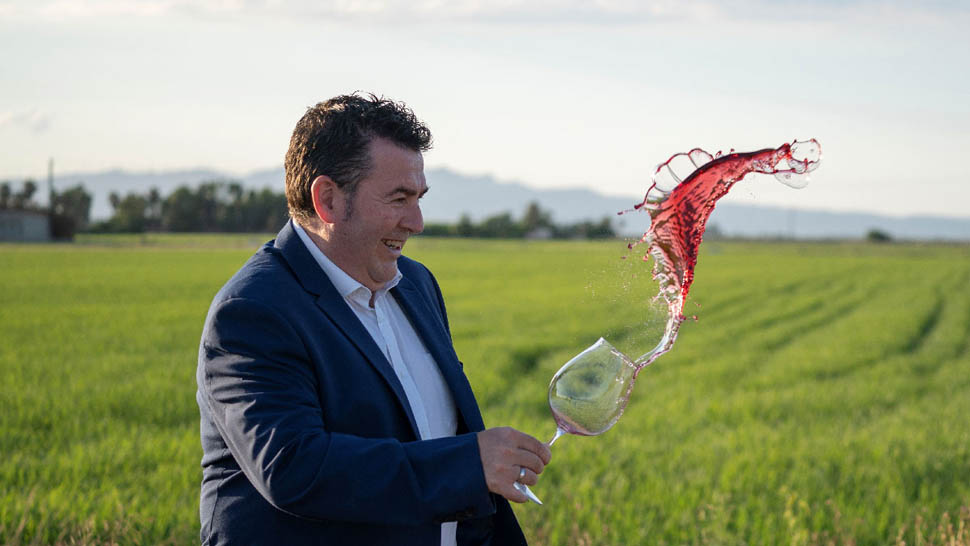
One of the most critical points highlighted by the well-known food critic is the inability of many restaurateurs to understand the real costs of their work. They lack fundamental tools such as food cost calculation, purchase planning, and a clear view of margins. Often, a restaurant is opened without a business plan, without studying the area or the target audience. The restaurant business cannot survive on intuition and culinary talent alone.
Aesthetics versus functionality
Another frequent mistake concerns the design of the space. A lot is invested in image, furnishings, and open kitchens, but practical aspects are forgotten: long distances between the kitchen and the dining room, insufficient storage space, and improvised cellars. A beautiful but inefficient restaurant is doomed to suffer because it makes daily work more difficult and increases hidden costs.
Staff as a barometer of the restaurant's health
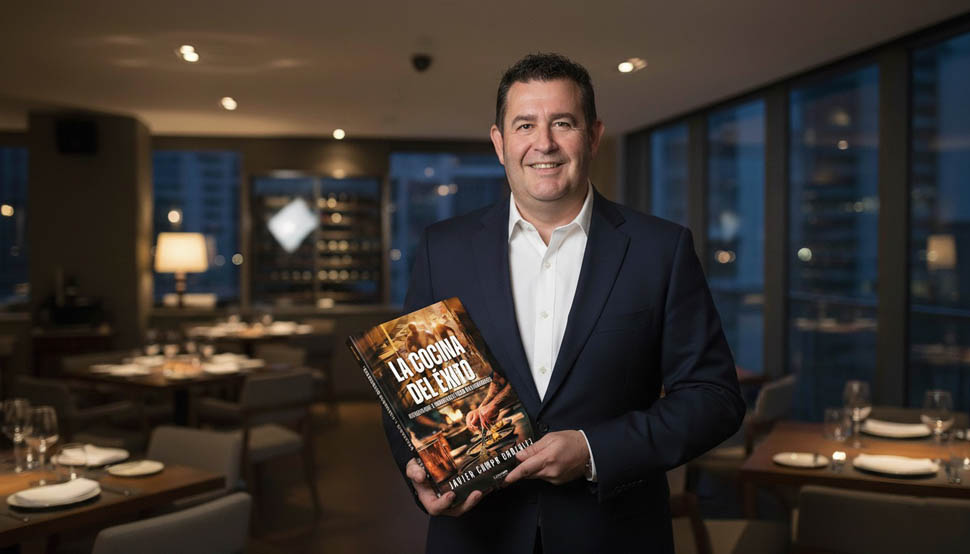
And here we come to the crux of the matter: for decades, front-of-house work has been considered marginal. Endless shifts, low pay, little recognition. That model no longer works today. Staff are not an infinitely replaceable resource, and the current shortage proves it. Campo emphasizes that modern restaurateurs must pay fair wages, respect the rules, and create a healthy and motivating work environment. The results, when they come, are always collective. "People have been mistreated for years. Waiters were seen as the lowest rung on the social ladder, as if it were a dirty and humiliating job. If you want to be a smart entrepreneur—not a boss, but a leader—what you need to do is incentivize people, treat them well, speak to them with respect, and share in their successes.“ Confirmation of what happened in the past? ”If you fired a waiter before, you would find 25 others waiting at the door. Now, you have to think twice because there is a shortage of staff."

Customers are also part of the system
The restaurant industry is an ecosystem that also involves those who sit at the table. Campo highlights a growing lack of empathy: price increases interpreted as speculation, poor manners towards staff, little attention to opening hours. Added to this is a false gastronomic culture, fueled by social media, which confuses vision with real experience. Knowing food means frequenting restaurants, understanding the work behind it, and respecting it. The future of catering is not in excess, but in subtraction. Shorter menus, clear identities, carefully chosen suppliers. The establishments that will survive are those capable of offering an authentic experience: not spectacle, but consistent quality, genuine hospitality, and honest prices. A well-executed dish, attentive service, the feeling of being recognized. This is the experience that makes the difference today.