A Theater of Taste, a menu dedicated to forty years of career and a service style that breaks with convention: the experience at Arnolfo is among the best on the peninsula.
Colle Val d'Elsa is a small treasure trove of hidden gems, which can be discovered, for example, by following a path that runs alongside the Elsa River: the Sentierelsa, a magical place with turquoise waters and a very easy trekking route, surrounded by wild nature that also offers the opportunity to stop for a swim. It could be a good opportunity to combine a visit to the town with lunch (or dinner) at one of the institutions of Italian haute cuisine. However, it is not an institutionalized institution. Thanks to the Trovato family, Arnolfo is one of those gastronomic destinations that never tires and never disappoints.
The restaurant
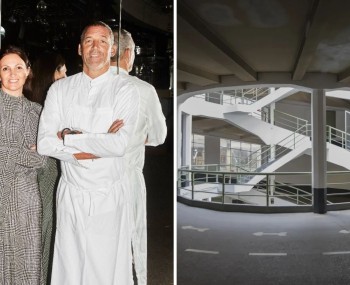
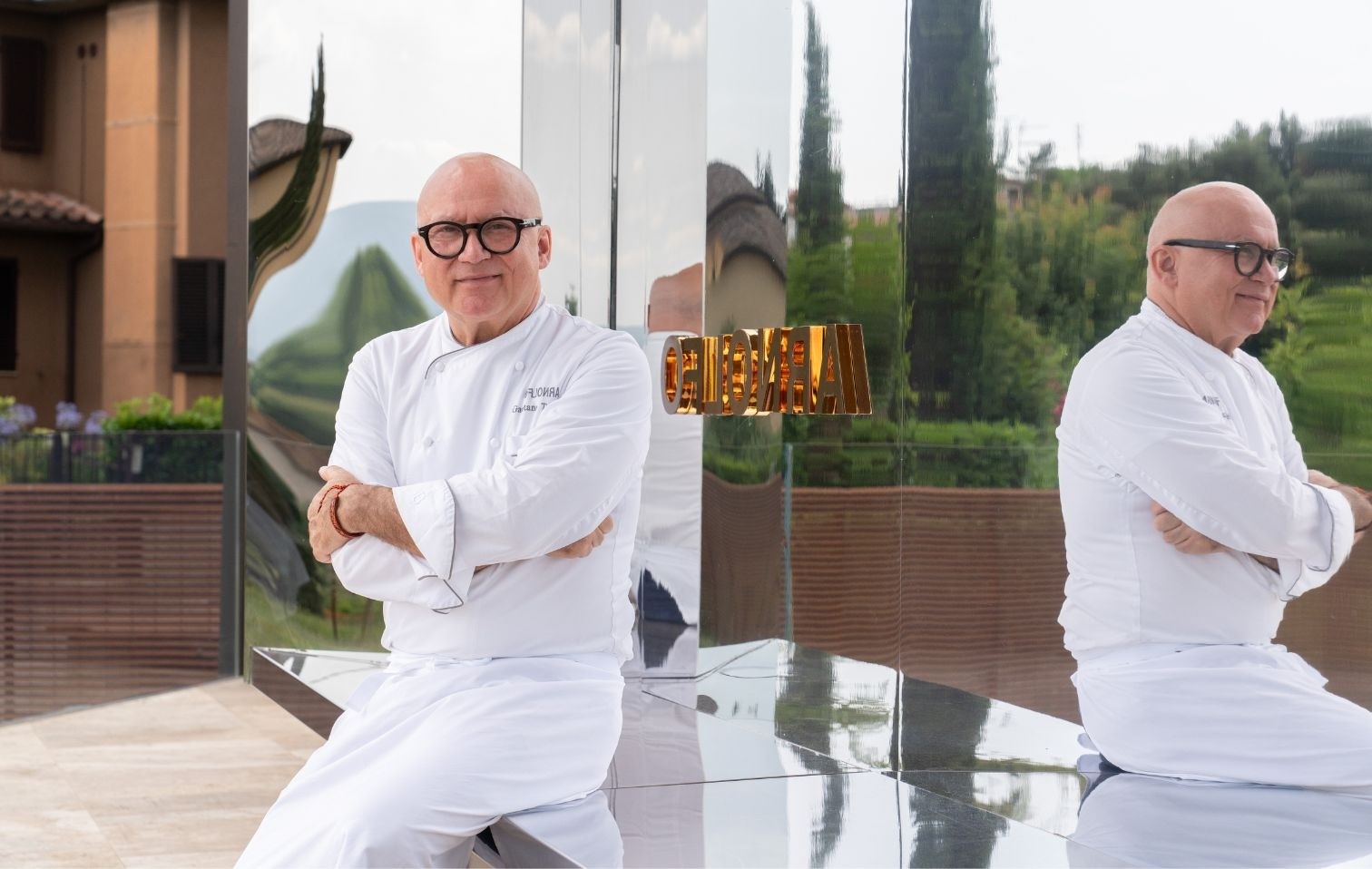
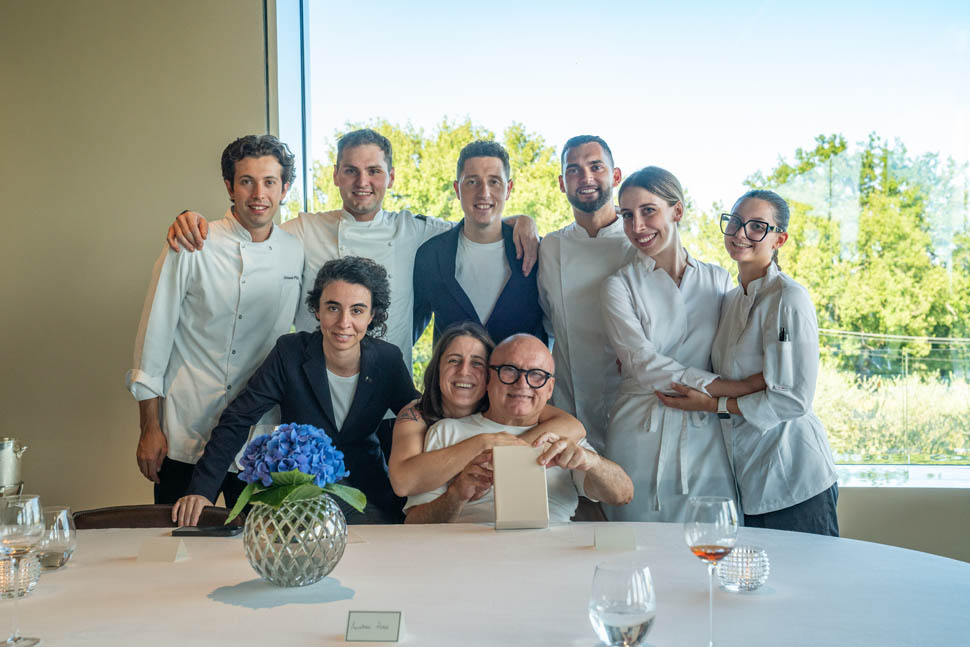
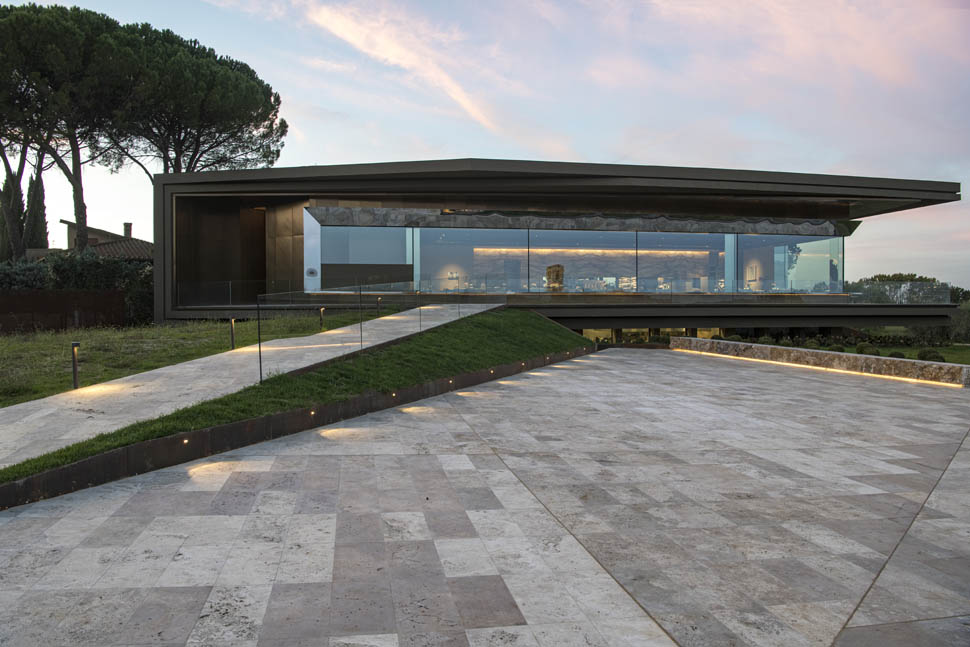
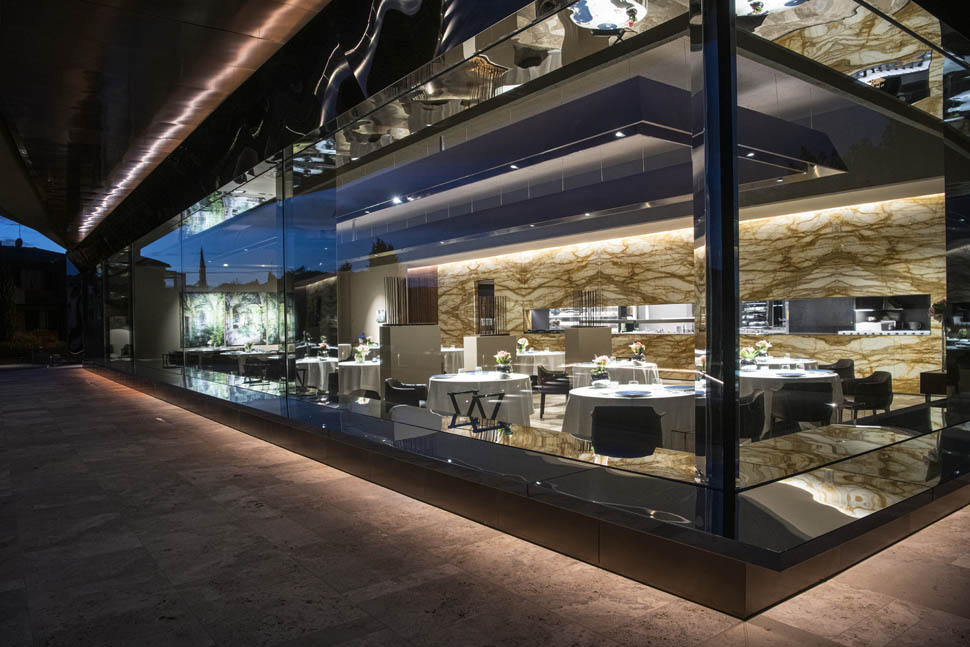
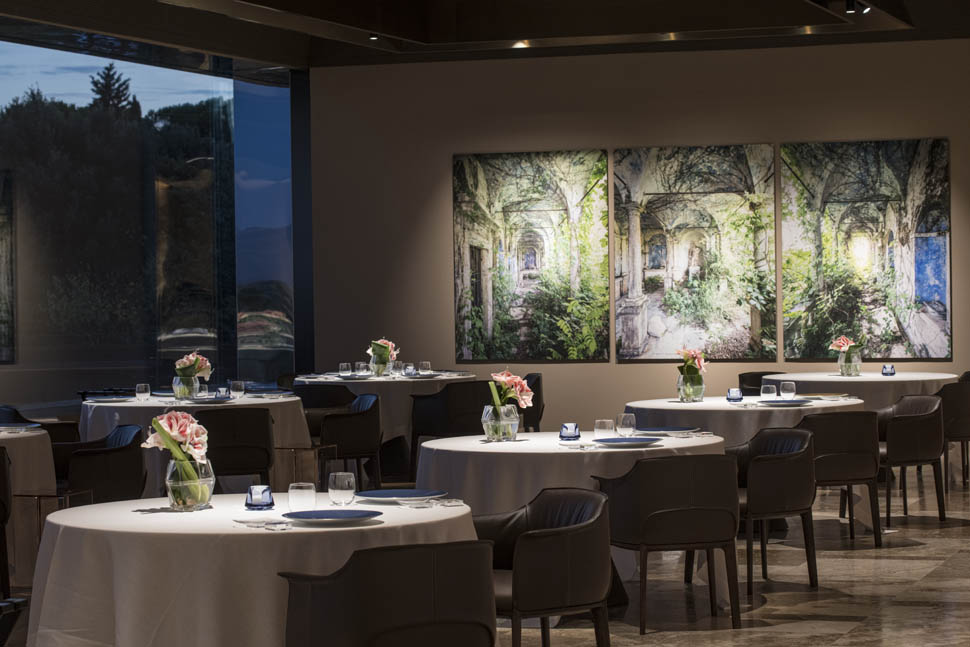
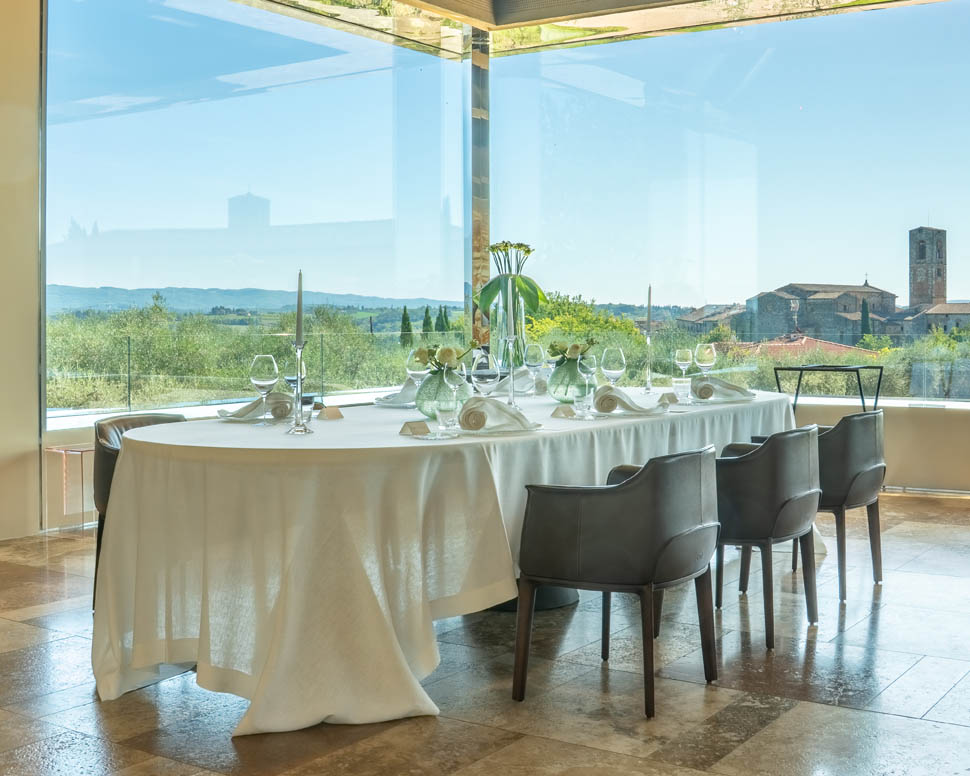
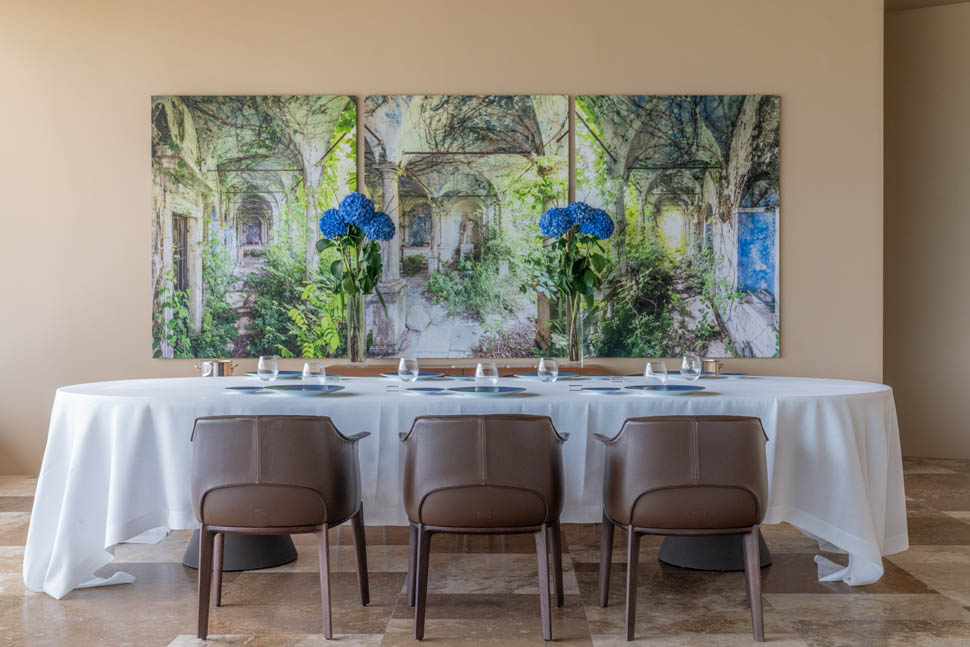
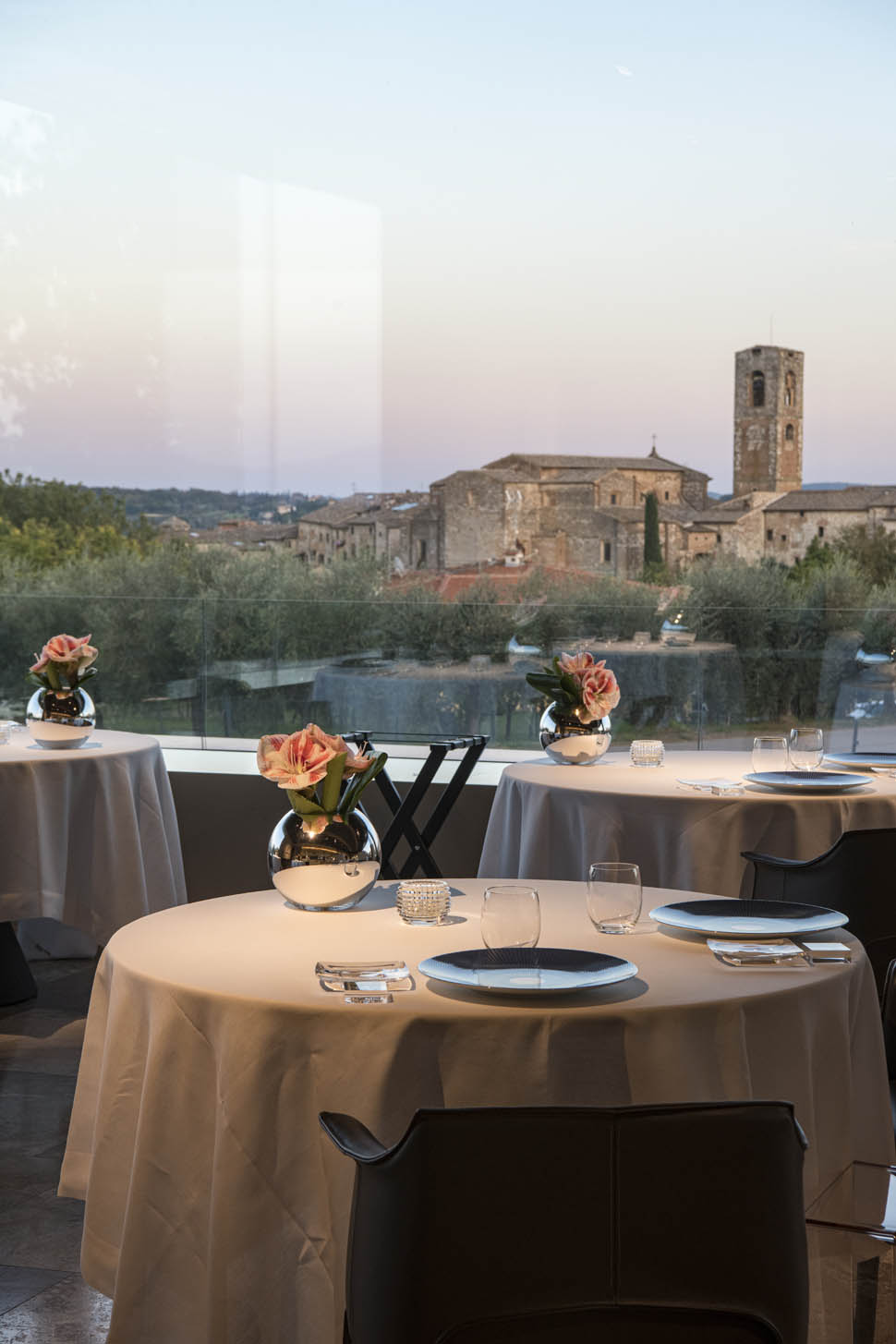
Forty years of creating delicious food, culminating in 2022 with a magnificent location, combining contemporary architecture and landscaping, with large, bright windows overlooking the village, and an enormous block of Carrara marble separating, but not entirely, the kitchen from the dining room. Now that Giovanni Trovato is enjoying his well-deserved retirement, the restaurant is in the hands of Calogero Milazzo, assistant restaurant manager and Sicilian sommelier who has been part of the team for ten years.
Not too much, because the idea behind the theater of taste really does have to do with theater, from a historical and gastronomic point of view, including the highly intelligent staging of a wine cellar, or rather wine library, which is beautiful to look at and extremely functional, with its over four thousand bottles collected in iron racks made by a local craftsman and illuminated when necessary by “cold” spotlights so as not to alter the temperature of the bottles.
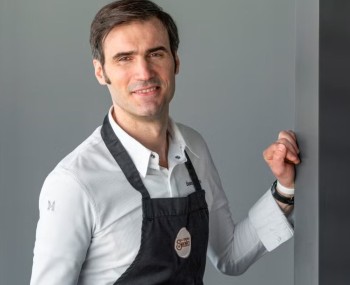
The Chef
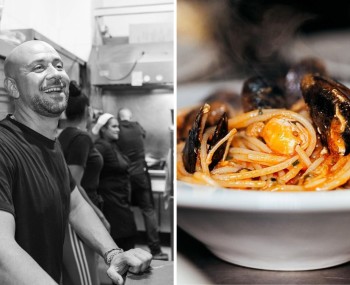
Gaetano Trovato told us what Arnolfo has become over time: "It has been a wonderful evolution, remembering the little restaurant in the square in the historic center that ten years later moved to the residence. Gradually, I have always sought structural beauty and, consequently, context. Back in 2000, we even participated in a tender for an old historic villa here in the countryside, which was ultimately unsuccessful because there were too many restrictions. I am the kind of person who always tries to stabilize and find a balance in terms of structures and work. Arnolfo has grown gradually, it has never been sponsored by external companies, so it has had a slightly longer journey."
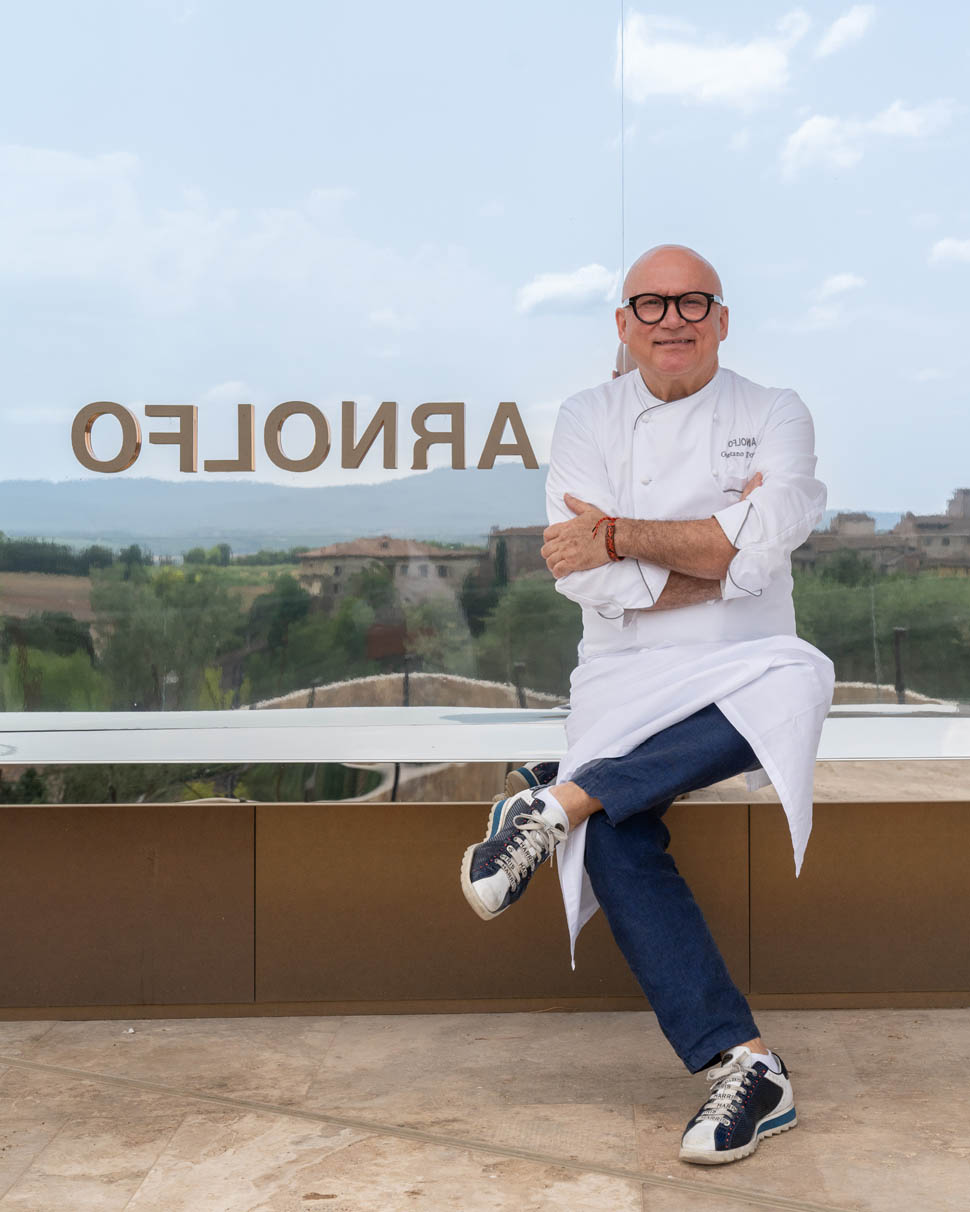
Gaetano Trovato has had a rich personal and professional journey. He has mentored many chefs, the “arnolfini,” and is still a point of reference for the growth of young people in the kitchen: "It all started when I was young myself. The first young people who graduated from the hotel management school in the area wanted to bring their growth to the restaurant. It went very well because they didn't just find a pat on the back, but above all a context for human growth. It's also true that the idea was to make them feel at home, a home that welcomes and guides you, helps you grow. I now have two weekly appointments, on Thursdays and Saturdays, and I take one of them with me to do the shopping on a rotating basis. And there we also talk about personal problems, so that I can help them too. I don't want to be a psychologist, absolutely not, but there is this desire on their part to understand as much as possible what a mature man thinks about cooking, its evolution, what is happening in the world. Finally, the great thing is that the average length of stay in our premises is always around three years, which is a good period of time.
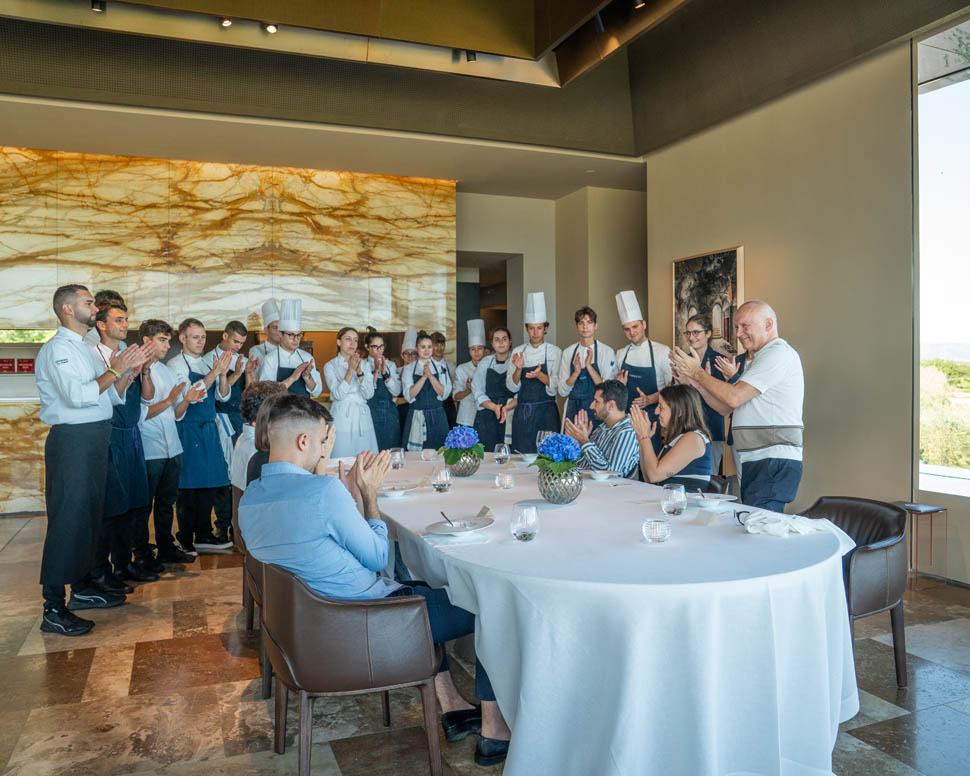
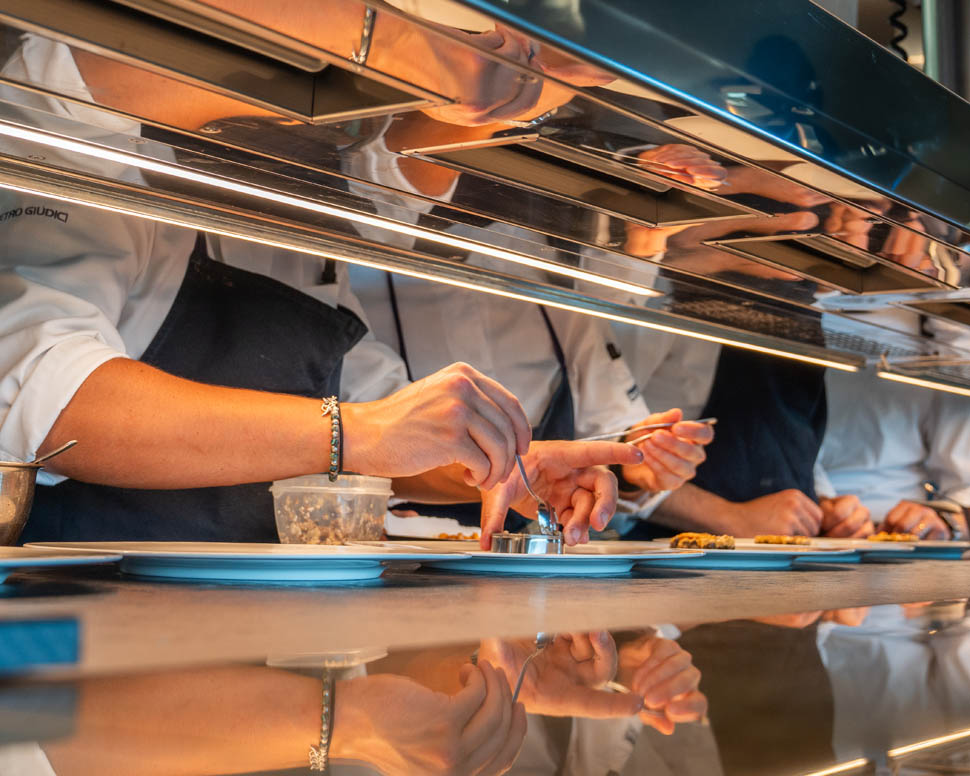
A chef of Trovato's stature, who has made fine dining his professional raison d'être, could not be asked what he thinks about the future of this type of restaurant: "It has always existed and always will; it is becoming even more refined because there is a rapid generational change and not everyone loves it. It's clear that a tavern often works better, but fine dining will always be around, perhaps in a slightly more streamlined format. We are lucky to be in the countryside, which is an attraction. In the last three years, especially since we moved to the new premises, the numbers have grown rather than decreased; in other restaurants, unfortunately, there used to be a long waiting list, but today that is no longer the case. Fine dining needs to be reinterpreted so that there is more substance: a lunch or dinner cannot last four hours, what do you talk about at the table?
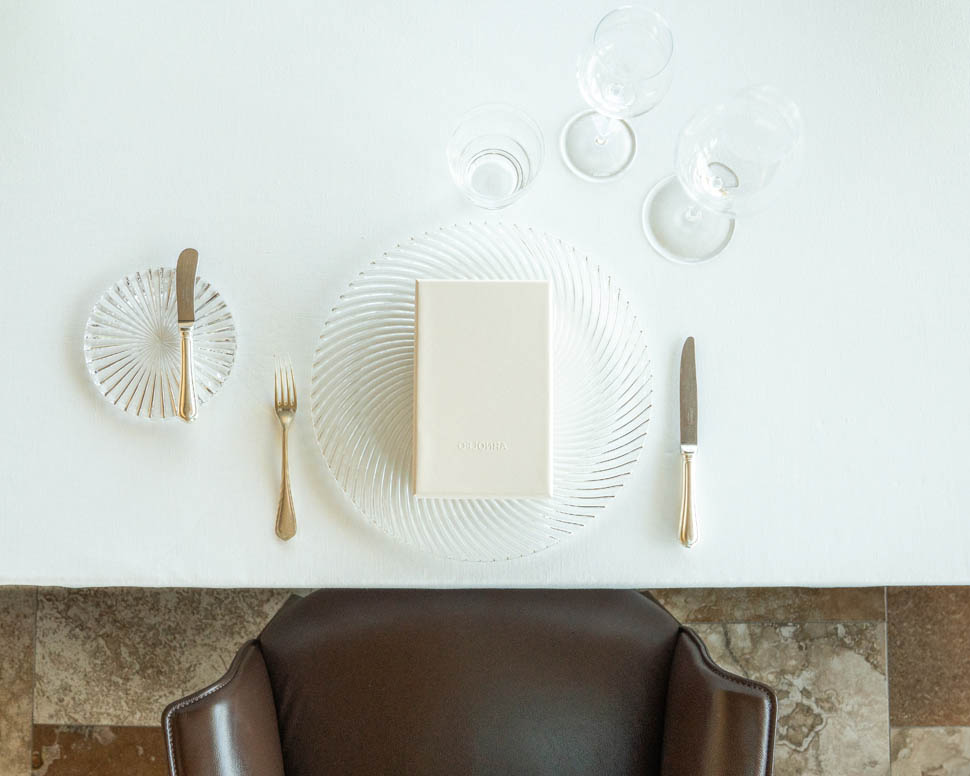
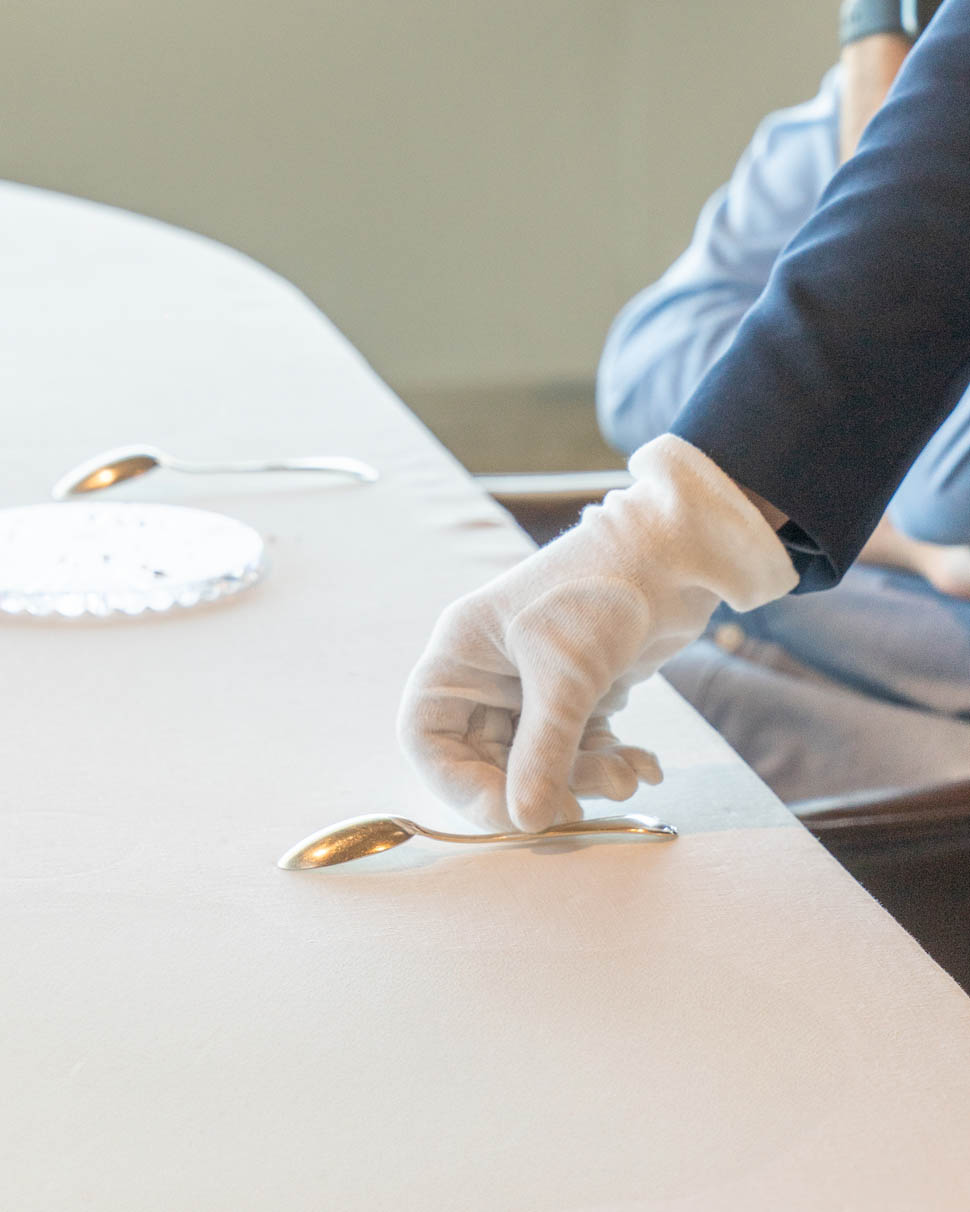
For us, the maximum between courses is 15 minutes, with storytelling about the dish when it makes sense. Of course, being between Siena and Florence, there is also a good turnover of tourists, but in the middle of November, with bad weather and people getting ready for the holidays, we served eight courses with 200 covers. The thing is, today you have to be more generous and less formal, less rigid; and of course, you mustn't forget that the guest comes first, from the welcome to the service, right through to the end of the evening. This is fundamental and it's the most ethical thing to do. Today, perhaps, is the time when we need to be more aware, because balance is strength: the raw ingredients must be exceptional, everything we handle in the kitchen must be exceptional, it must be transparent and traceable; consequently, there is no room for bluffing.
The menu
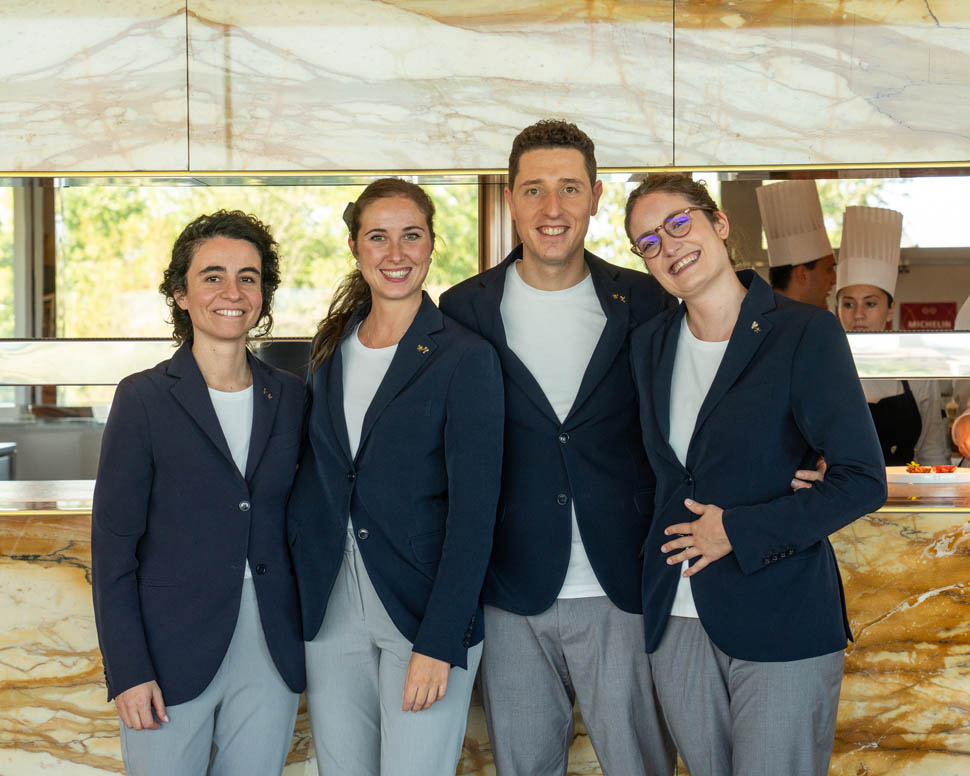
And here we arrive at the “Teatro del Gusto,” with a menu dedicated to forty years of career and a service style that breaks with convention, with the dining room staff playing an even more important role than is already required for a restaurant with two Michelin stars. We are talking about a 14-course tasting menu that guests will discover as they go along, divided into acts, available until April 30, 2026, at $450 per person, with eight wine and cocktail pairings by the glass. A gastronomically significant experience that traces the history of the chef and the restaurant and is recounted, almost recited, by the talented dining room staff and curated in the reworking of dishes ranging from the 1960s to the present day. All this takes place around a convivial table where the four acts unfold along the axis of time, with a faithful representation of each era.
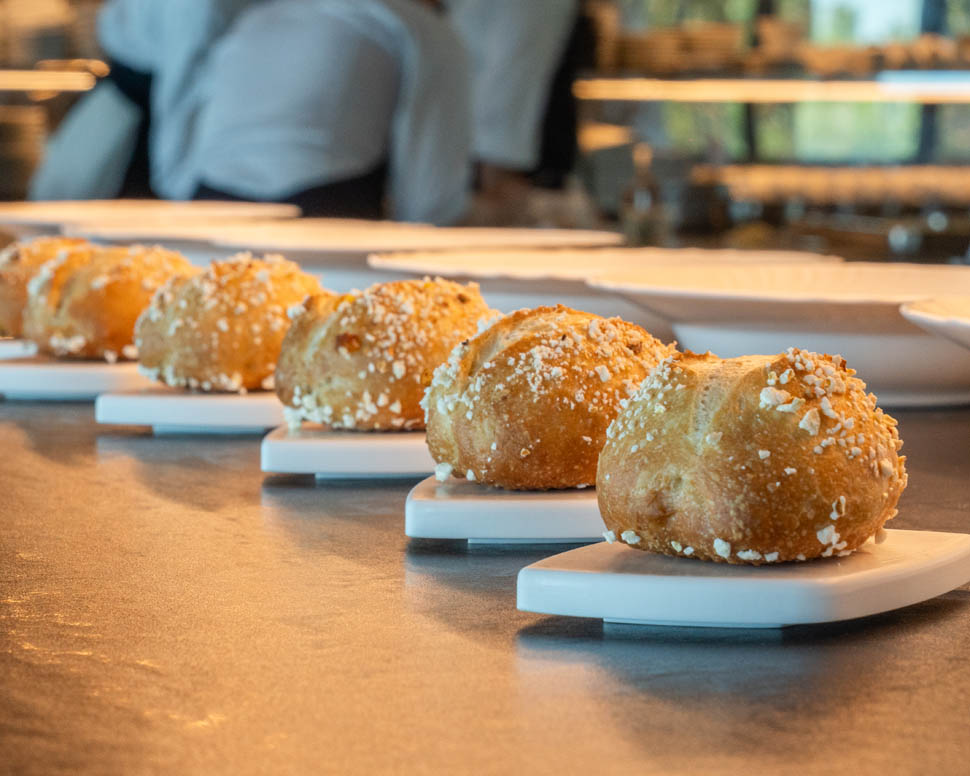
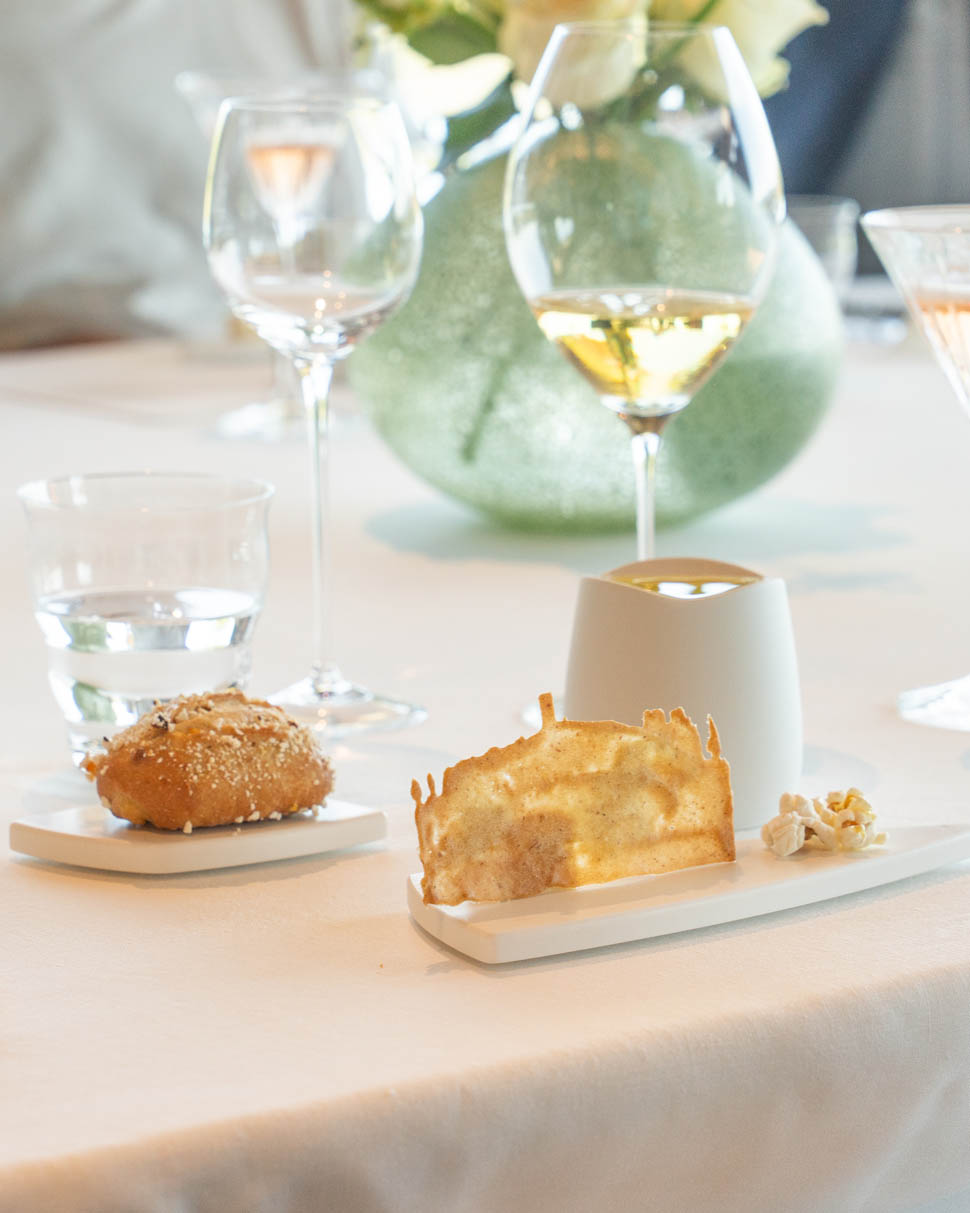
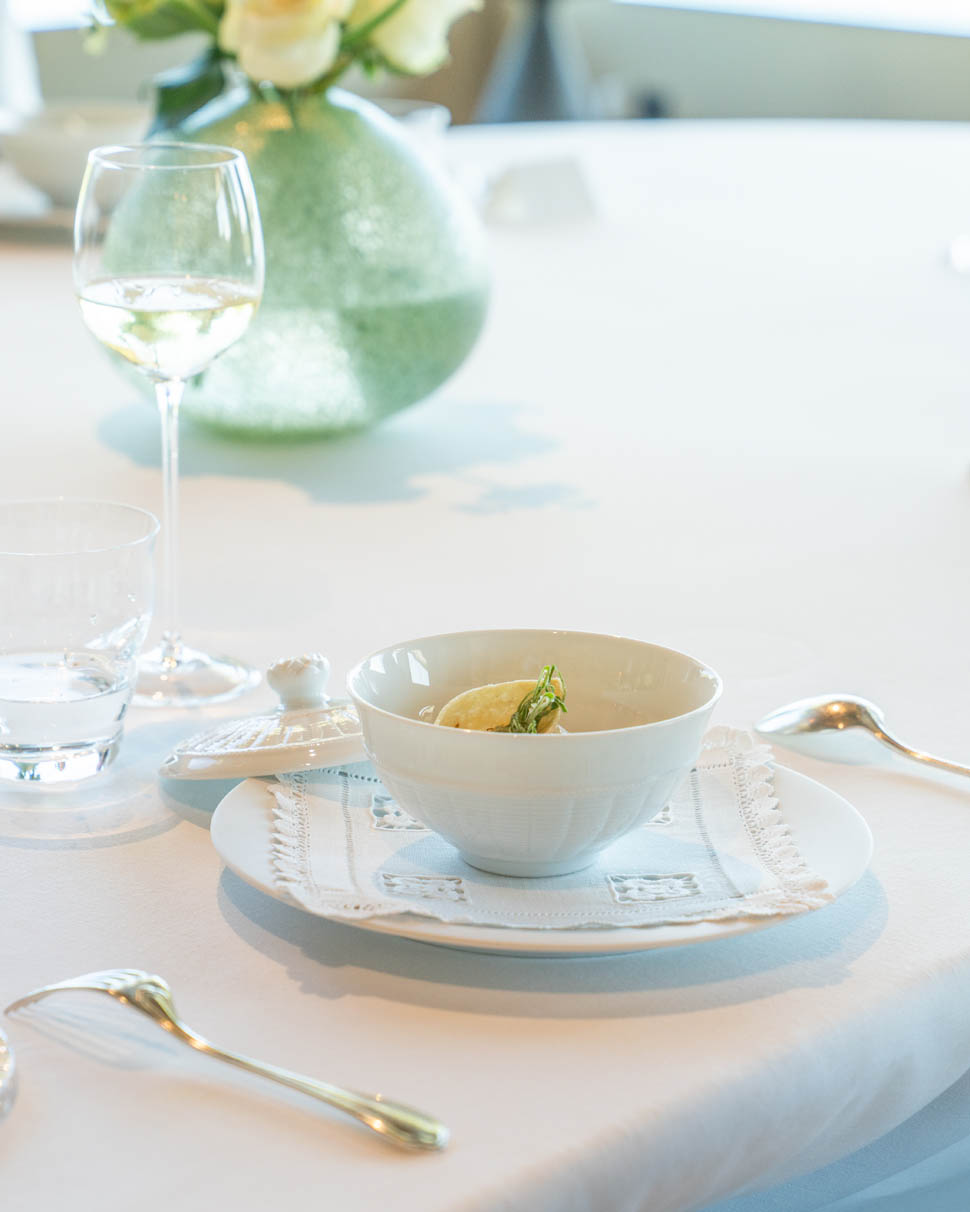
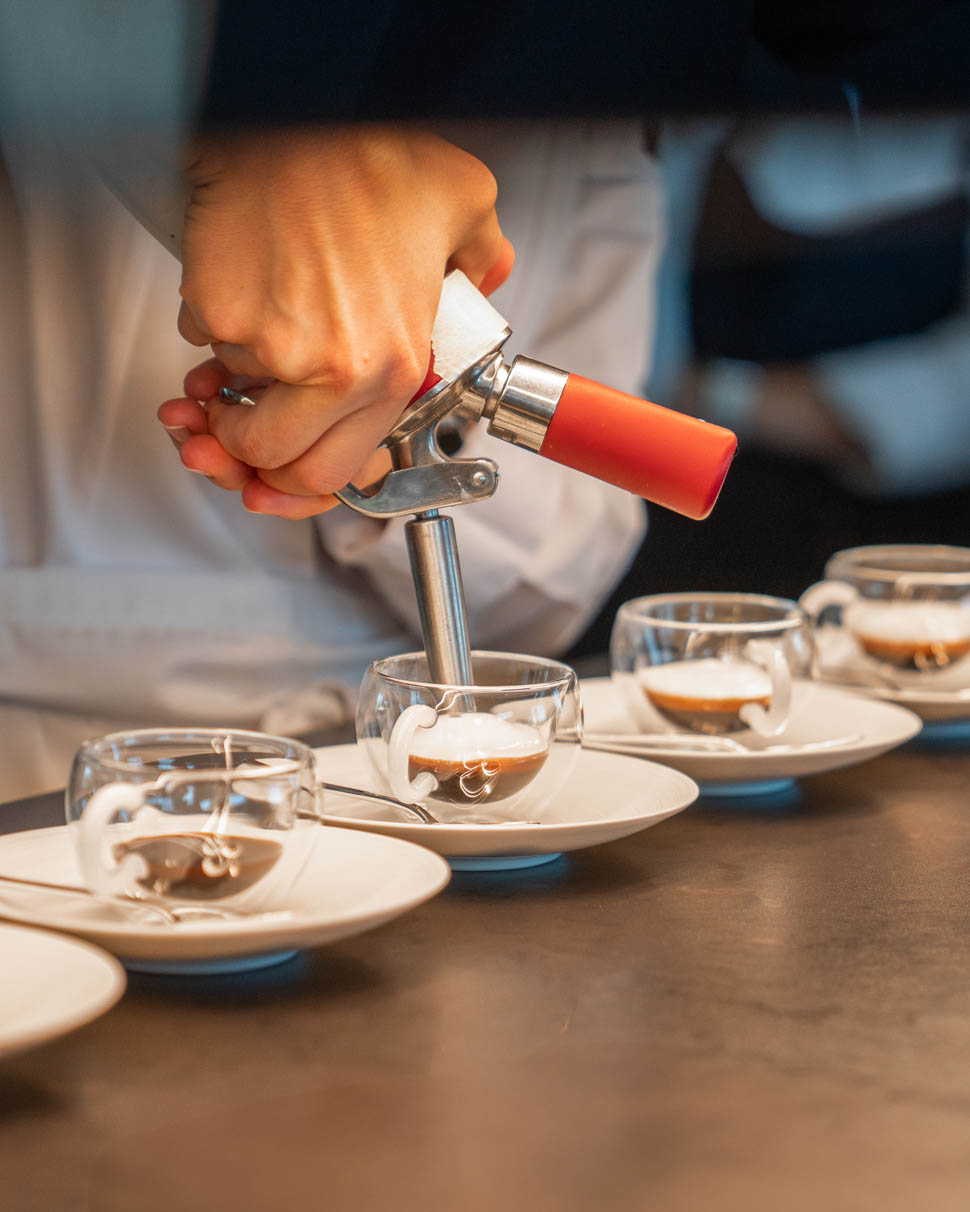
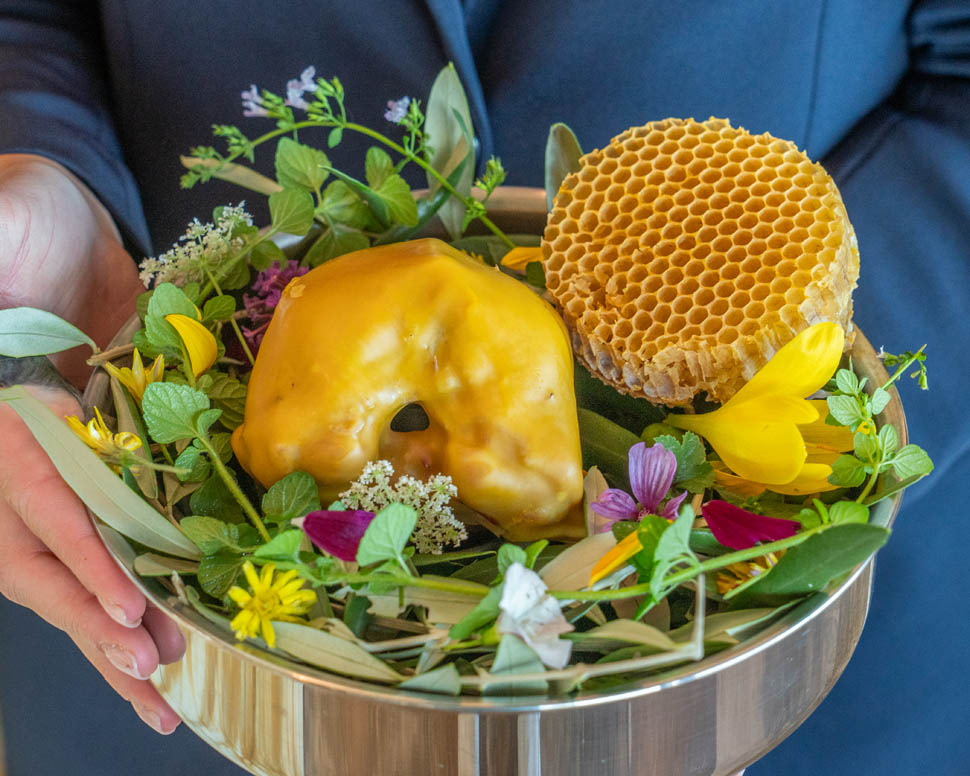
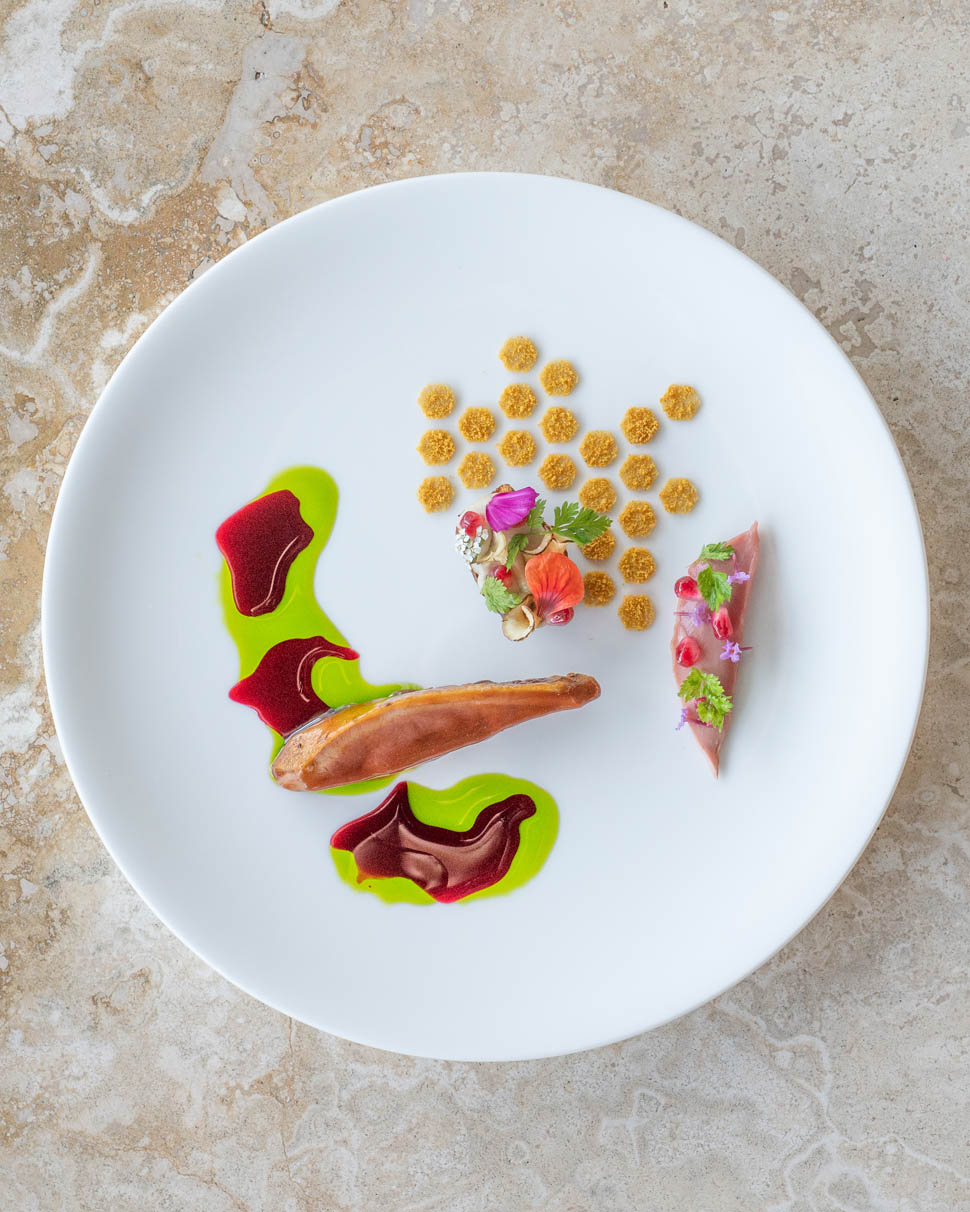
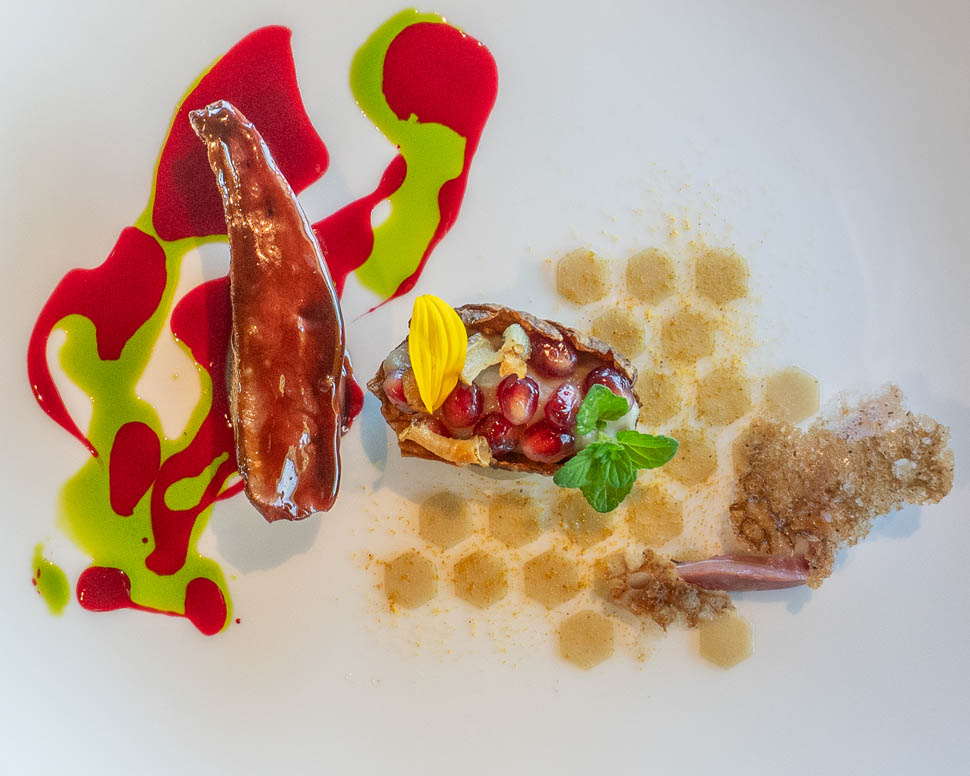
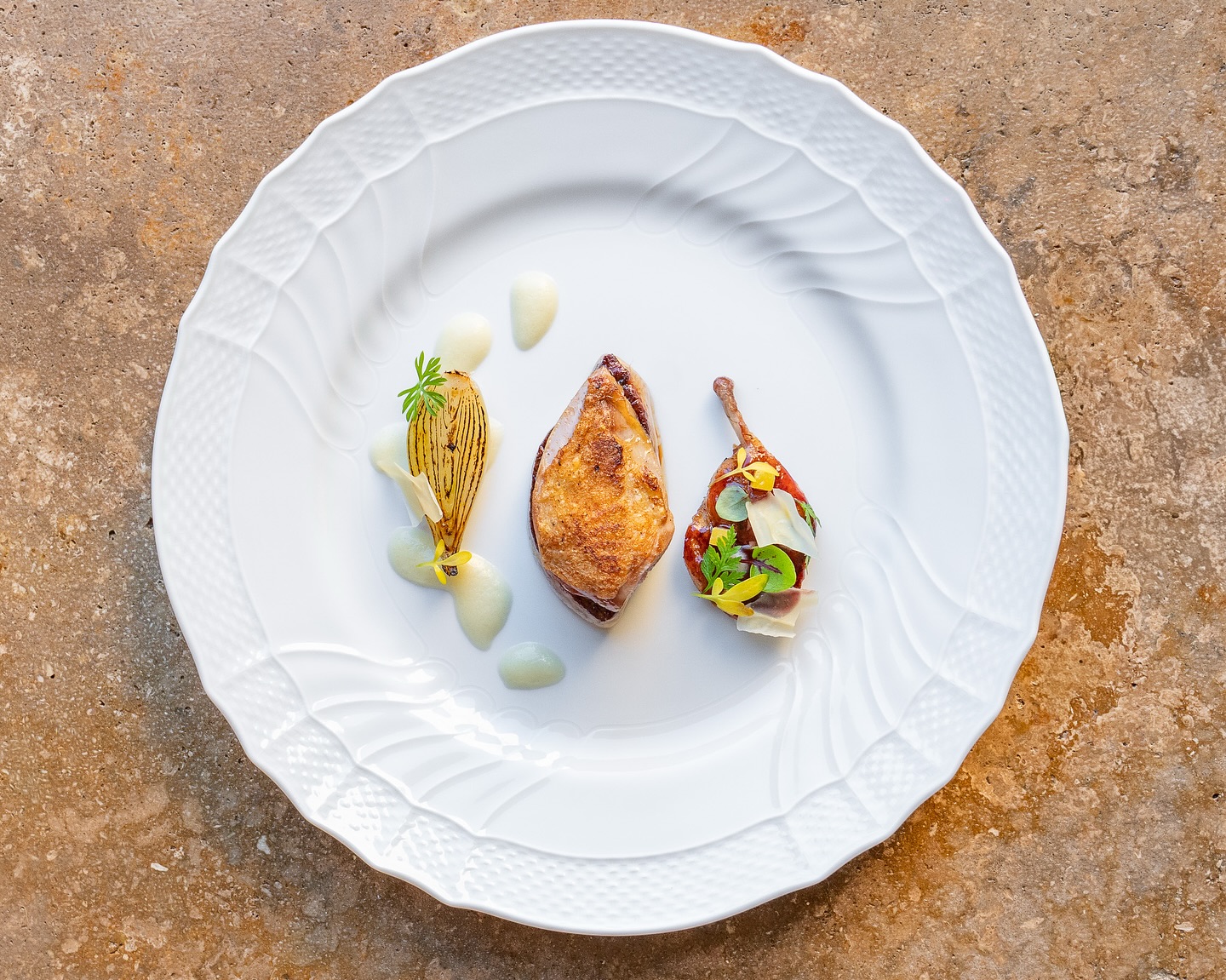
Among the dishes, the delicious “Ossobuco, Saffron, Gremolada” in the first act, the impeccable “Quail, Foie gras, Port, Shallots” in the second, the misleading “Croissant and Cappuccino” in the third, and an absolute masterpiece such as “Pigeon, Pomegranate, Honey, Jerusalem Artichoke” in the last part of the show.
At the end of the dinner, each guest will receive a gift: a small box designed in collaboration with Irene Diliberto and Federico Fanucchi, a sort of personal memento that will help them remember the experience thanks to four archive folders, one for each course of the menu, containing materials and testimonies taken from the restaurant's real archive. It is an experience worth living, if only to dispel the reputation of sacred and immovable places, somewhat boring, that the great temples of catering carry with them – almost always without reason.
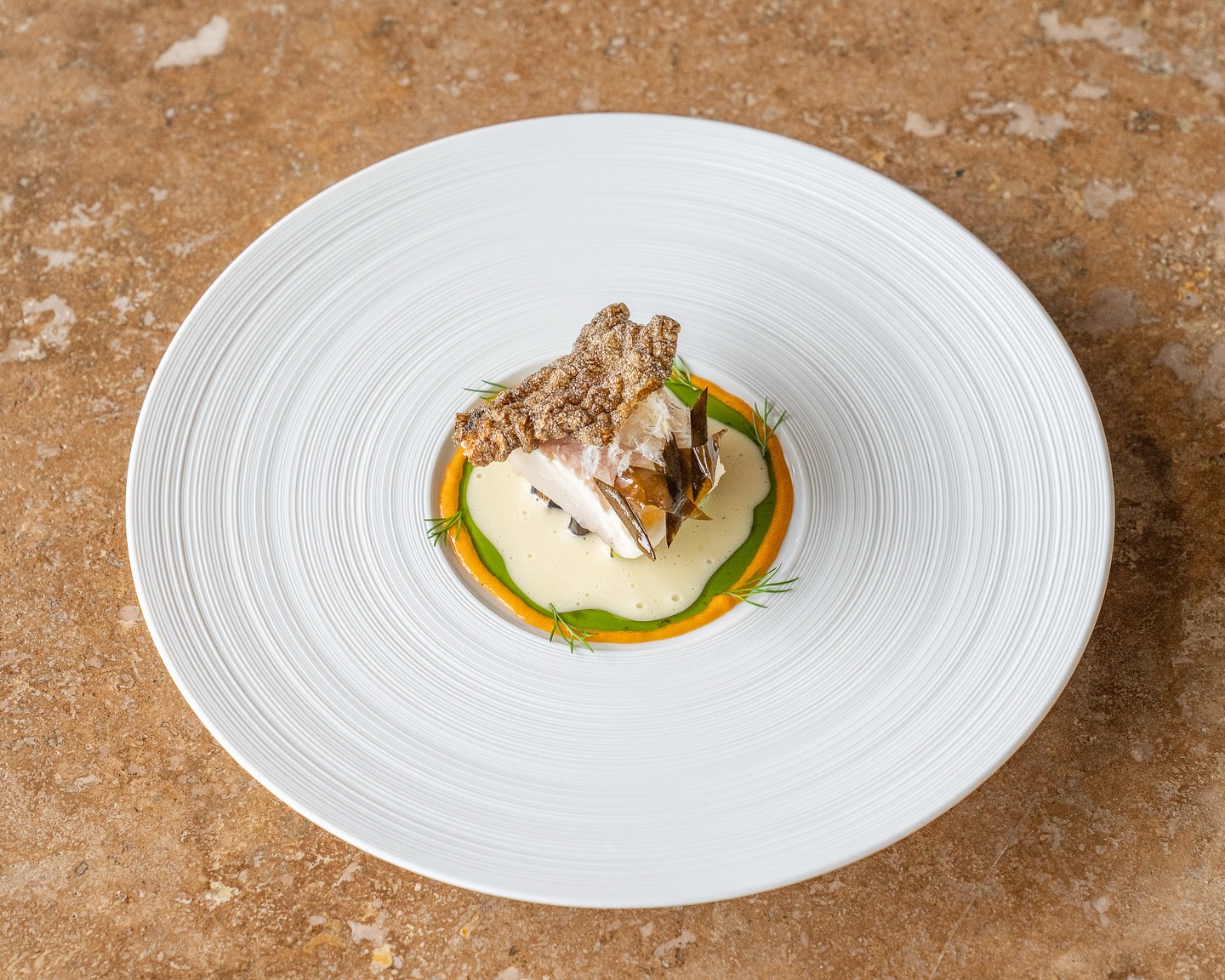
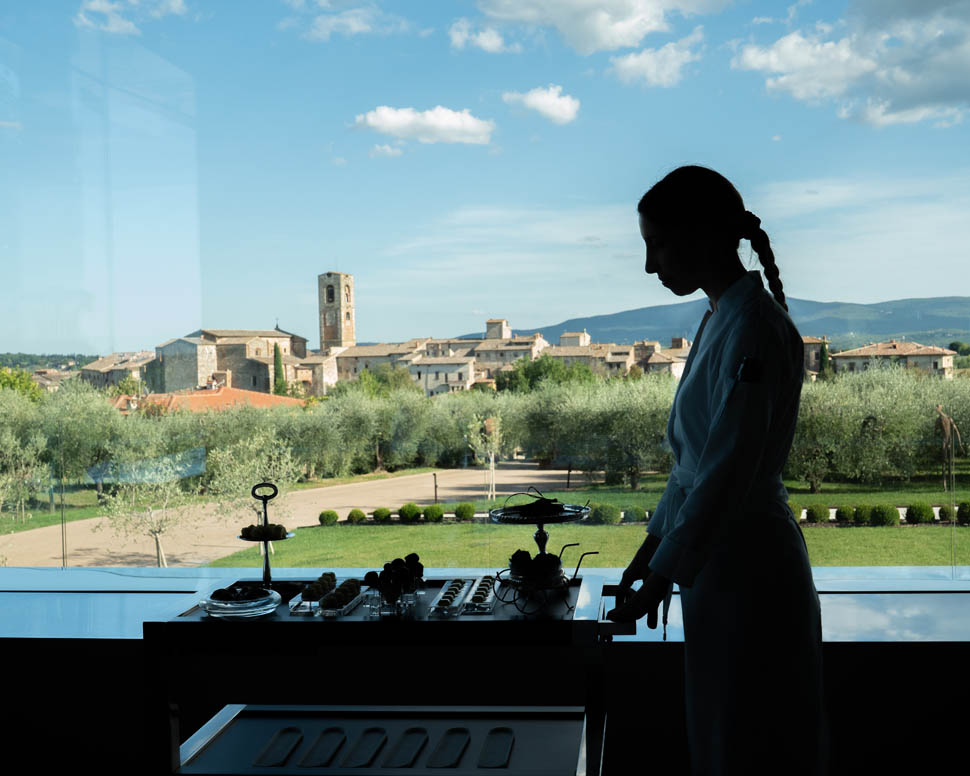
Trovato confirms this: it's a matter of feelings. "I'm someone who stays a bit behind the scenes, not too much on stage, because I have a unique, beautiful private life. The family system is very important to me; as a result, I have devoted my entire life to this work, because if today, 40 years later, I still enjoy myself and carry out my activities with great balance and pleasure, that is the main point. Because it is very important to be constantly excited and then convey these emotions in your dishes." His is a beautiful story.
Contacts
Arnolfo
V.le della Rimembranza, 24, 53034 Colle di Val d'Elsa SI
Phone: 0577 920549