In the heart of the Dolomites, the restaurant at the Paradiso Pure.Living Hotel offers an ethical and highly personal take on contemporary vegan cuisine, combining experimentation, tradition, and continuous research.
*Content with promotional purposes
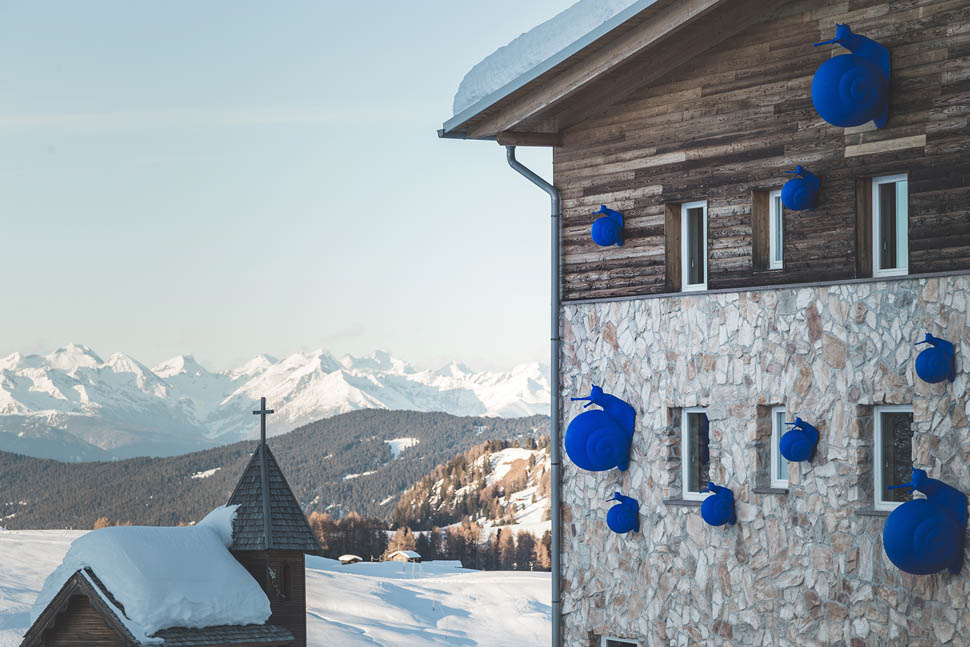
At an altitude of over two thousand meters, on the Alpe di Siusi, in the heart of the Sciliar-Catinaccio Nature Park, the Paradiso Pure.Living Hotel offers a distinctive and consistent vision of hospitality and fine dining. Here, in the Dolomites, a UNESCO World Heritage Site, the concept of luxury moves away from ostentation and towards a more conscious idea, where sustainability, well-being, and aesthetics coexist naturally.


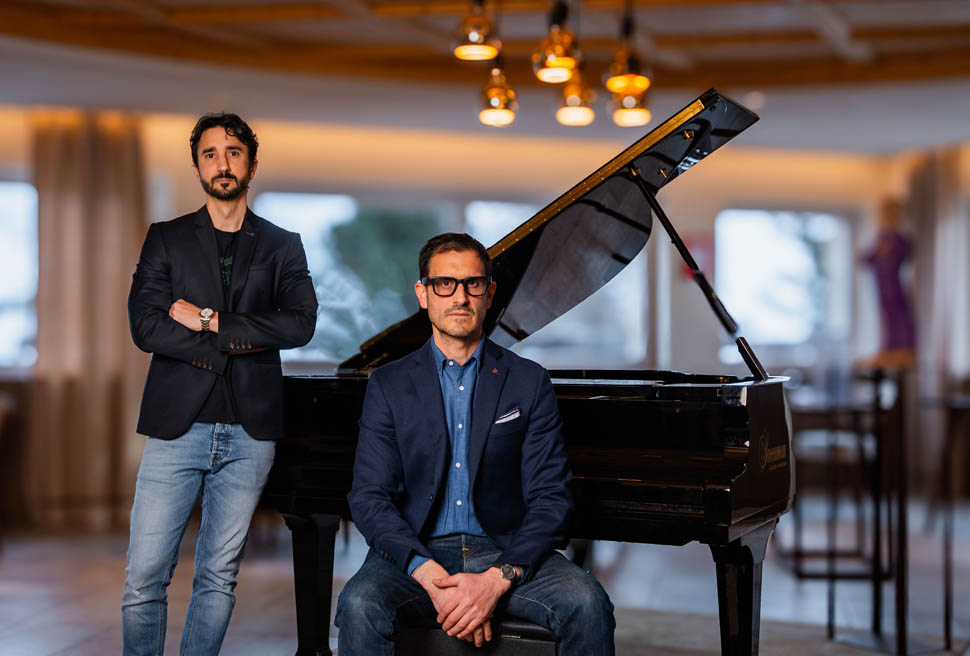
The project stems from the vision of brothers Alexander and Maximilian Spögler, who built the hotel's identity around the Pure.Living philosophy, divided into three complementary areas: Pure.Food, where the completely plant-based cuisine focuses strongly on the organic origin of raw ingredients and an ethical approach to catering; Pure.Art, the cultural heart of the hotel, which houses a constantly changing contemporary art gallery and artist residency programs; and finally Pure.Energy, the element dedicated to Alpine-style wellness, which includes indoor and outdoor yoga, regeneration rituals, an indoor pool, saunas, a gym, and an outdoor hot tub overlooking the mountains.
The hotel, open during the winter season from December to April and during the summer season from June to September, is designed as an immersive destination: direct access to the Dolomiti Superski slopes during the cold months, a dense network of trails during the summer, and a concept of hospitality that aims to be transformative and respectful of the natural environment.
The culinary offerings of chef Aggeliki Charami
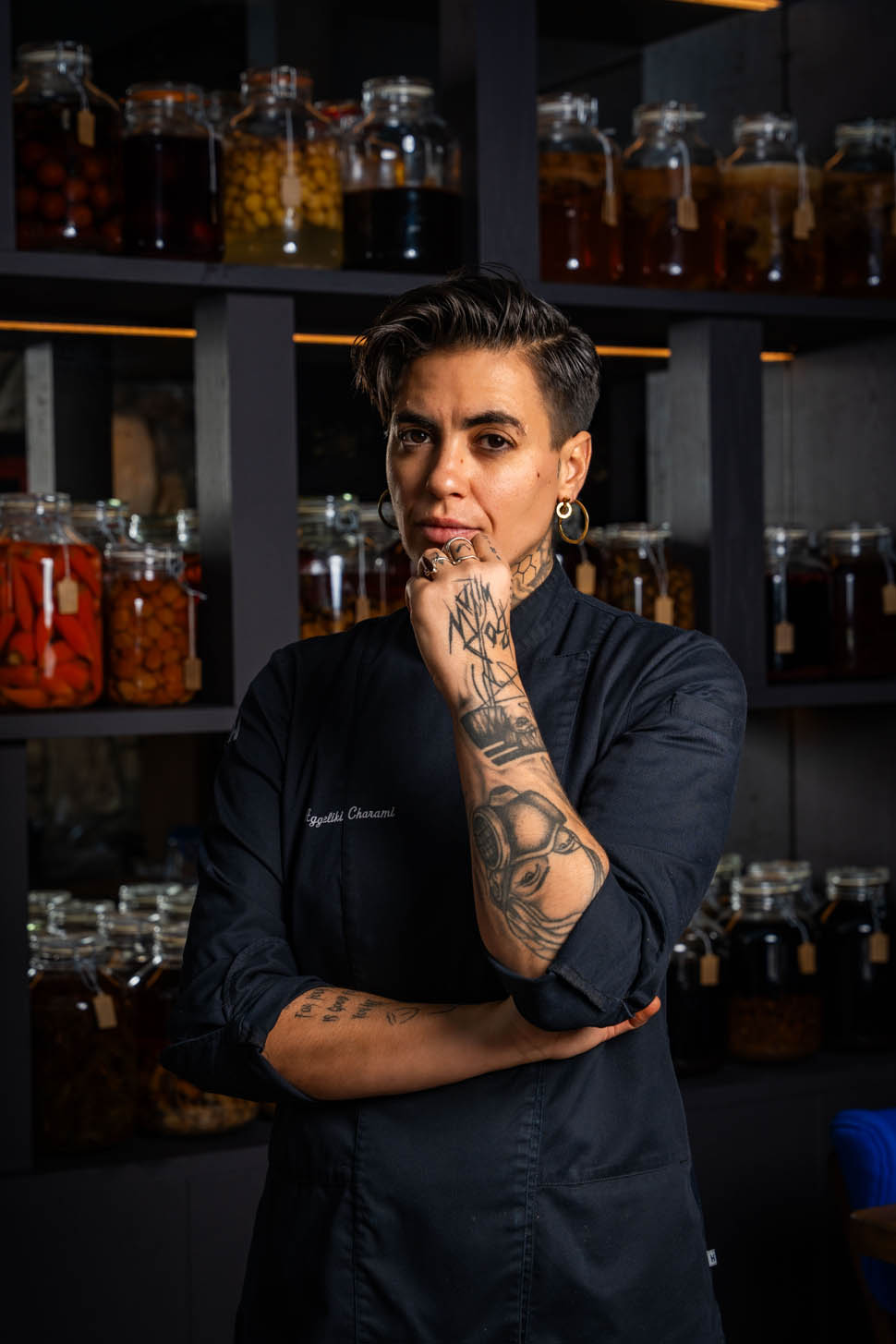
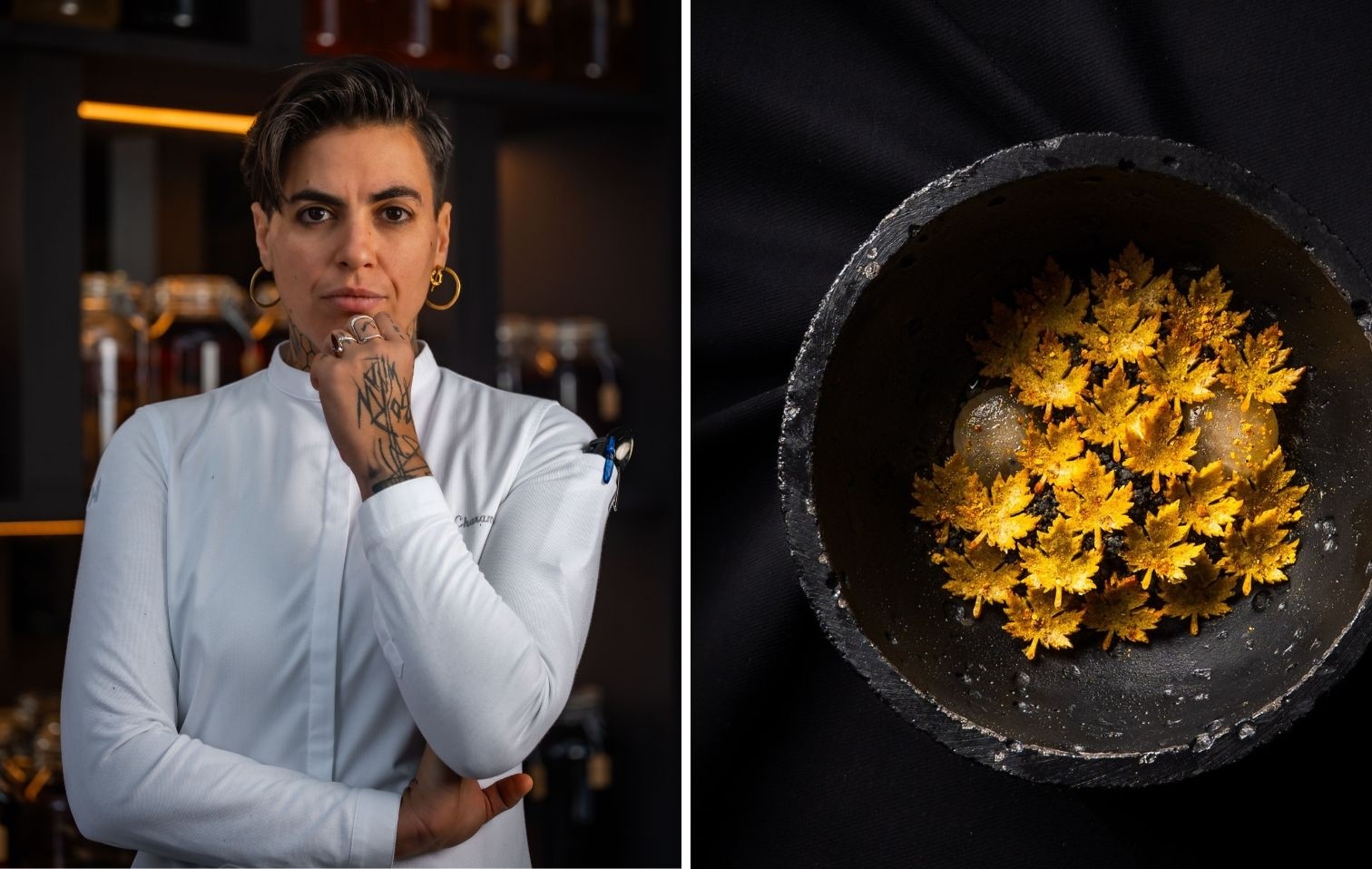
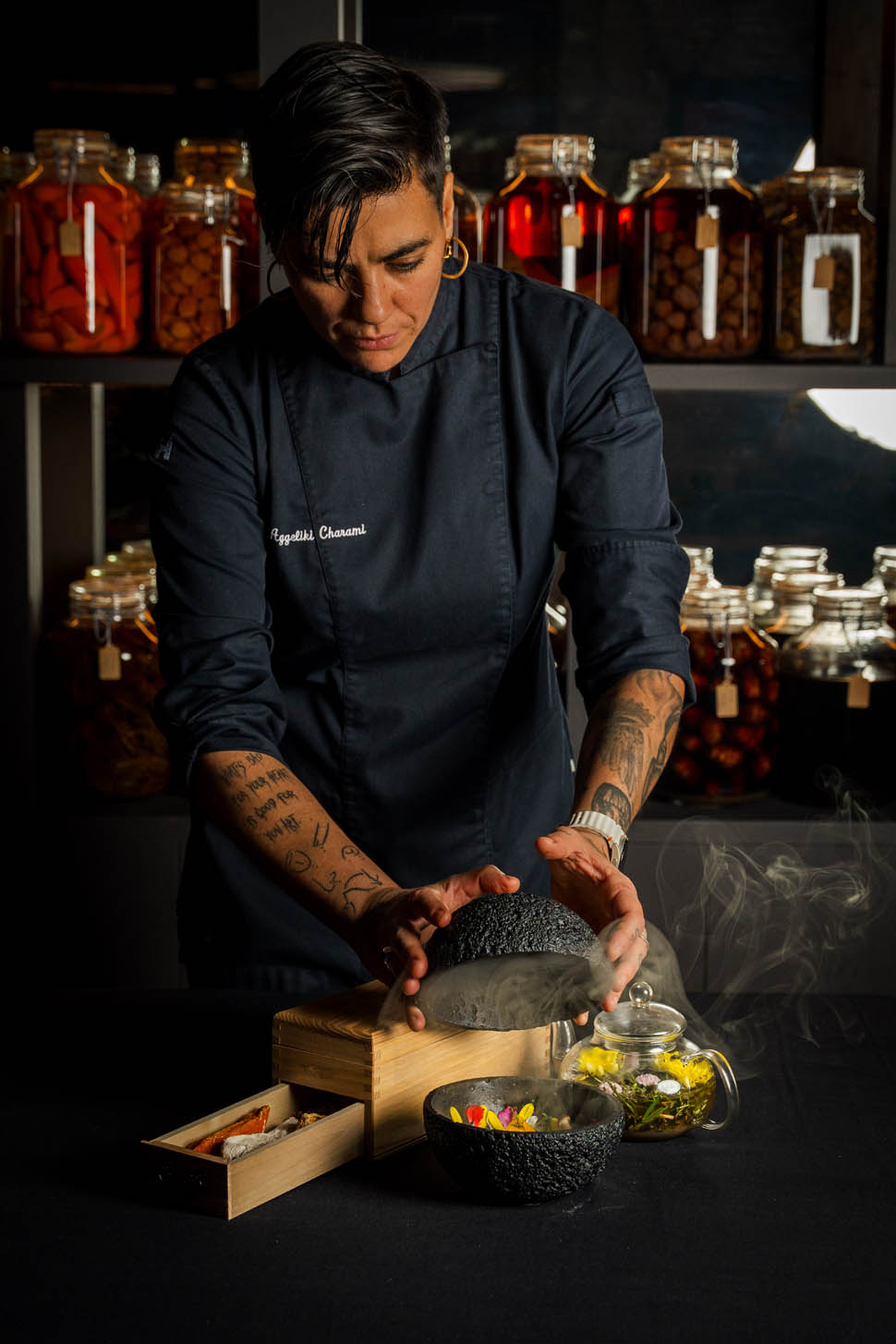
Leading the entire gastronomic offering, from breakfast to dinner, is Aggeliki Charami, a Greek chef originally from Sparta, with experience in Greece, Italy, and Dubai. Specializing in plant-based cuisine, Charami is involved in some of the most important projects in the sector, including La Vimea, the first vegan hotel in Italy owned by the Spögler family.
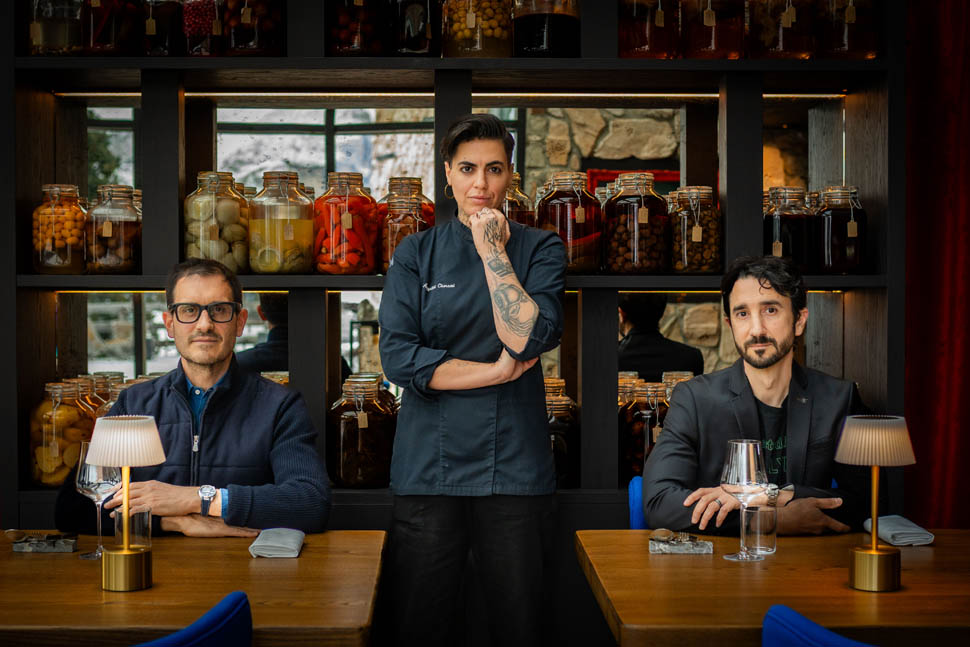
Charami's style is certainly influenced by her origins, as can be seen in her use of spices and her bold, intense flavors. Perhaps what is most surprising is that the expectations of a delicate, light, and simple plant-based vegan cuisine are completely overturned. The chef aims to experiment with techniques, but it is certainly her personal memories that shape her gastronomic identity. Breakfast boasts a wide range of pastries: cakes, croissants, and bread are all made in-house, as are the jams and spreads that accompany them.
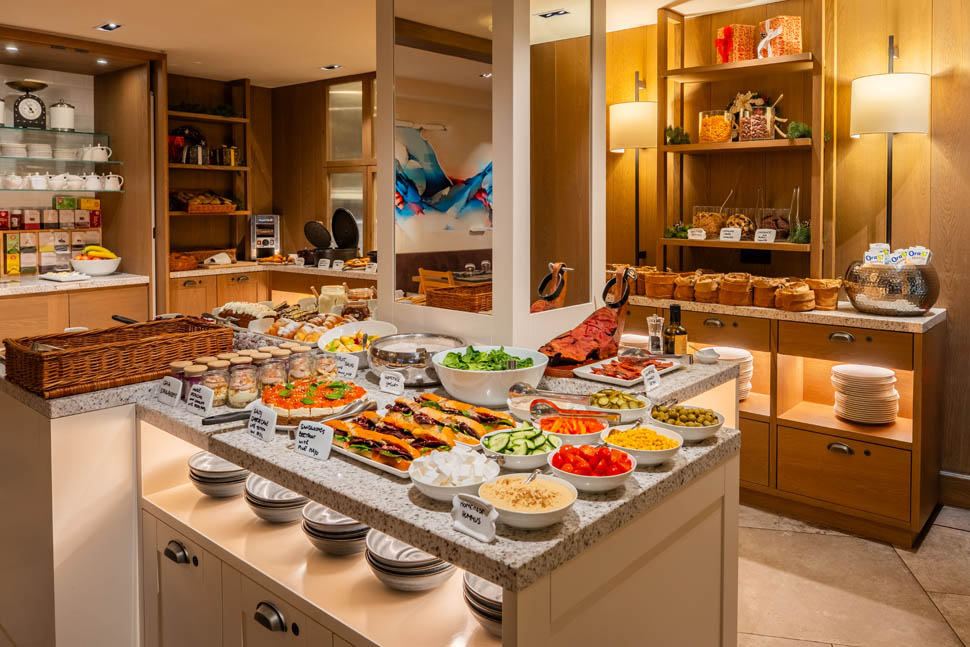
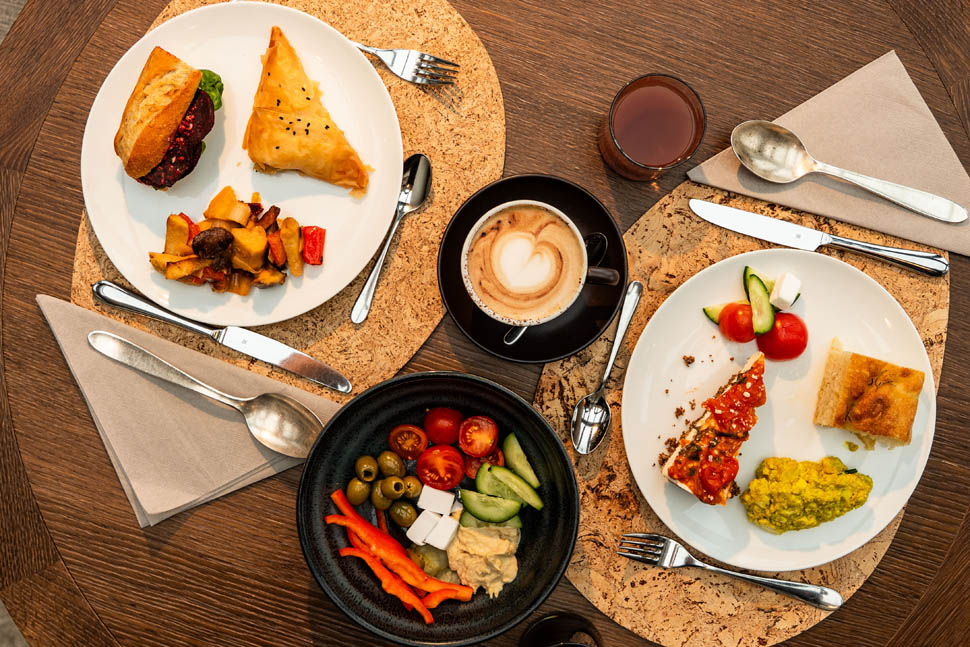
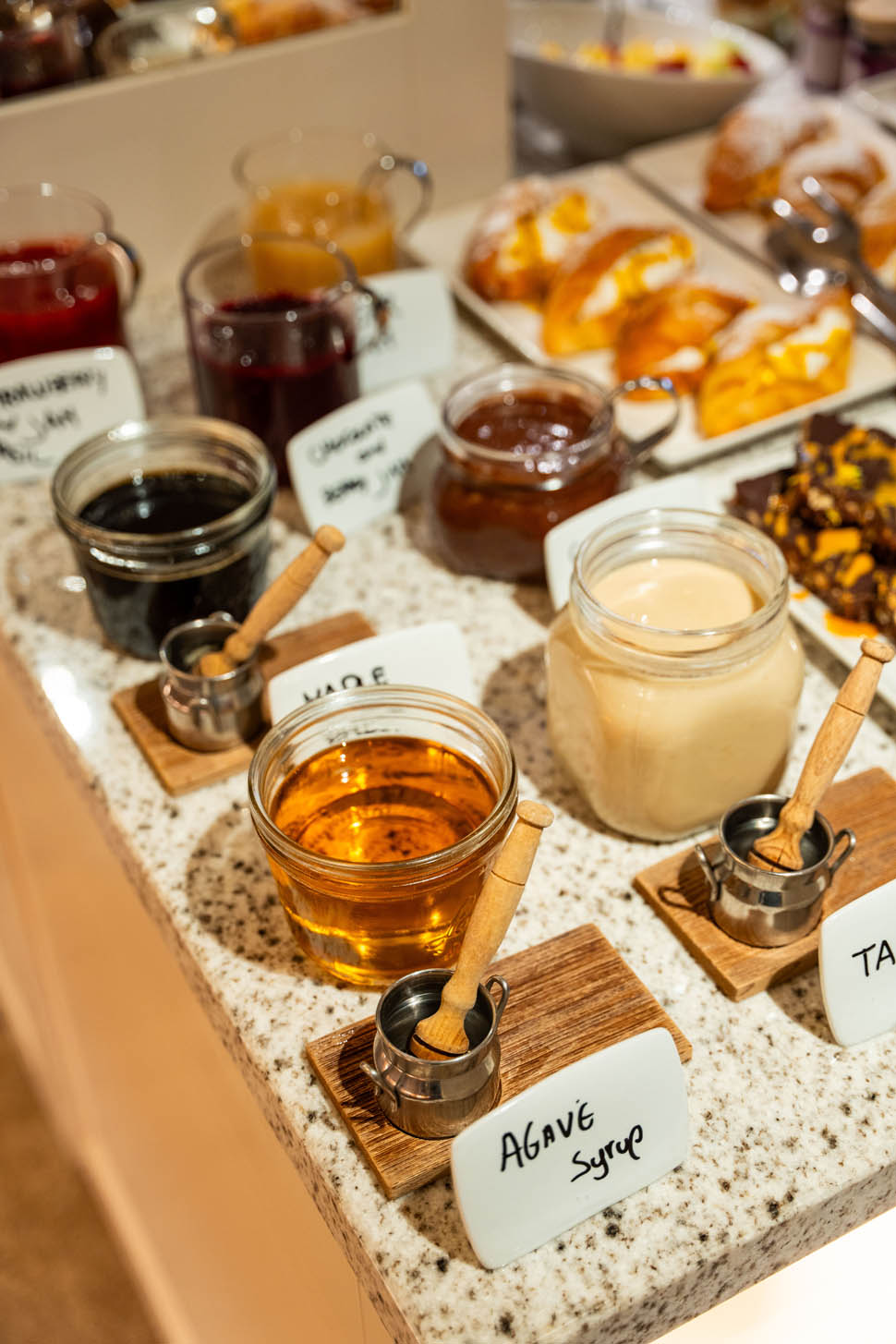
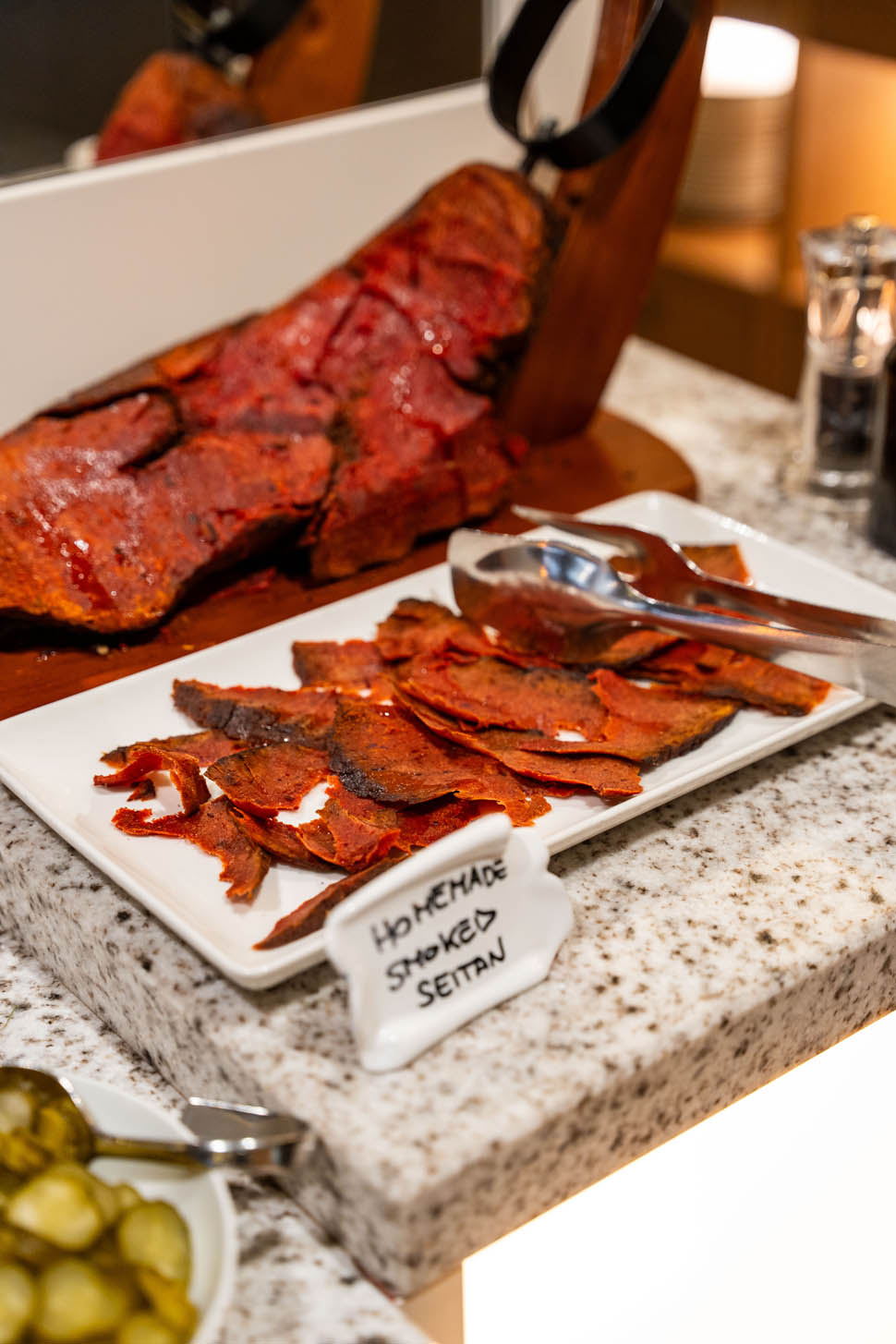
Savory options include scrambled tofu, cooked and raw vegetables, plant-based cheeses, and even smoked seitan, placed on a jamonero, to be sliced on the spot as a plant-based alternative to cold cuts. The hotel's lunch and dinner menu is interesting, offering, among other things, risotto with mushrooms, spätzle with basil pesto, salads, and naturally leavened pizzas that surprise with their light dough and creative toppings.
OMNIA Plant-Based Restaurant, vegan fine dining by chef Charami
OMNIA has only six tables, set in an elegant winter garden overlooking the spectacular peaks of the Dolomites. The experience is designed as an intimate and immersive journey in which contemporary vegan cuisine, the local area, and ethical principles speak a single common language. Charami works very carefully with fermentation, starting with koji and scoby, which she uses to create plant-based cheeses and many other ingredients that she incorporates into her recipes. Hers is a process that is constantly evolving and always in the experimental phase.
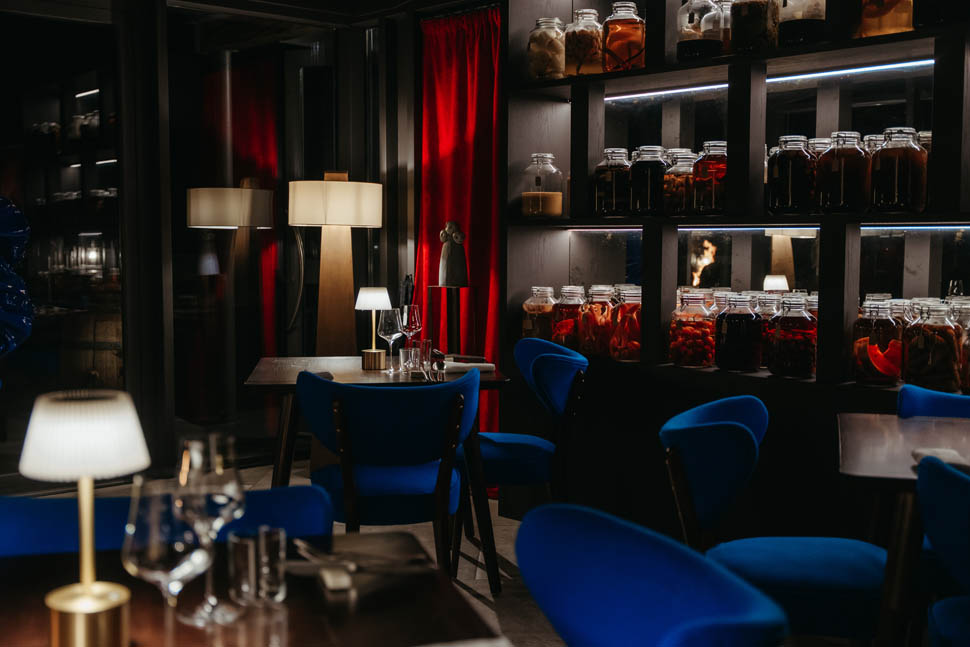
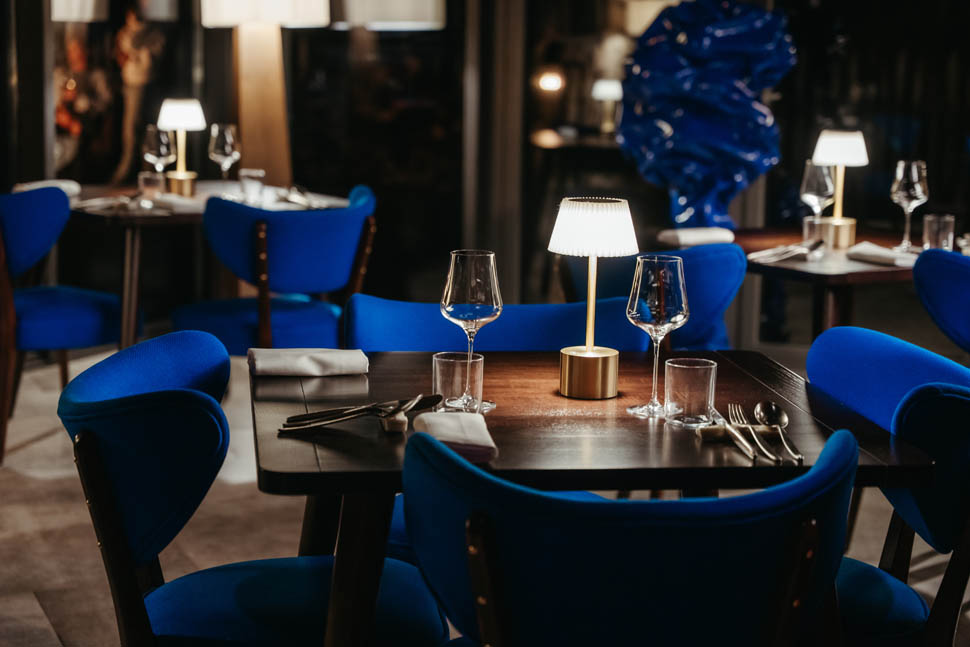
The menu offers a single ten-course tasting menu, entirely plant-based, designed to enhance the raw ingredients and transform them into a very personal gastronomic narrative. The pairing, curated by Anna Giusti, focuses on kombucha, which is prepared here with initial fermentations based on different types of tea and then, in a second fermentation, calibrated with local ingredients and more. Charami's cuisine focuses on depth of flavor and long and meticulous technical research, which is evident in all of his dishes. The tasting menu is always composed of at least two dishes per course and, in many cases, a broth is also served to replace the accompanying kombucha.
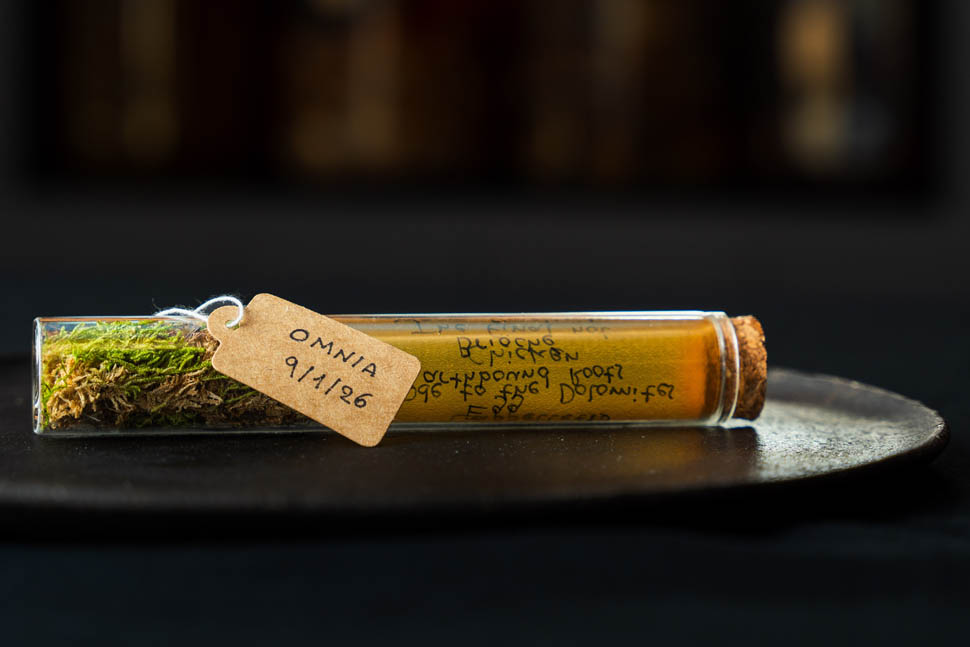
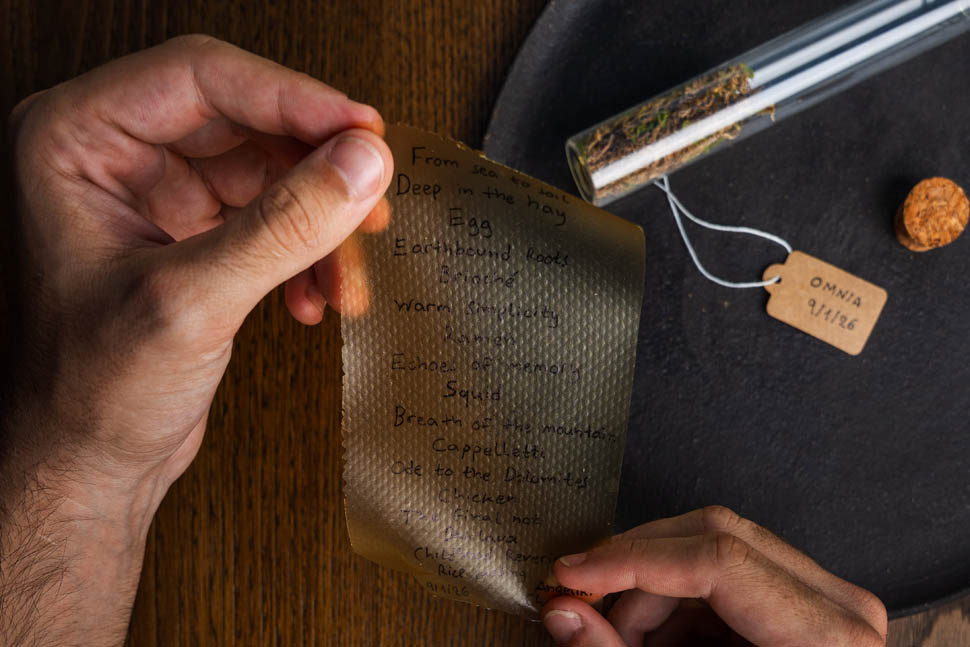
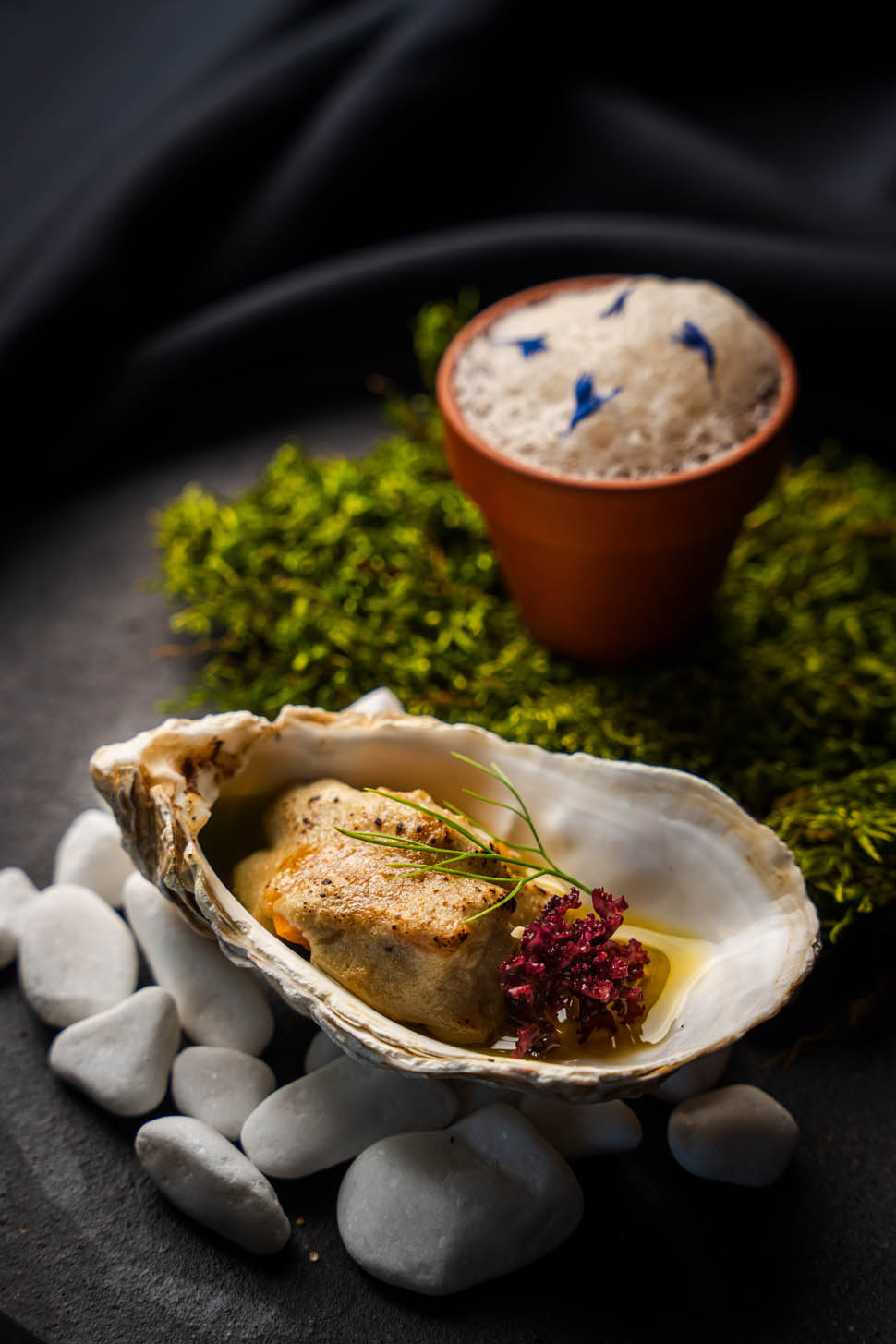
The tasting begins with From Sea to Soil, a lower shell containing a faux oyster of crème brûlée with orange and grilled Greek mushrooms. Next to it is a jar of mushrooms with celery foam, hazelnut, truffle, and mushroom demi-glace. The combination of sea and soil reflects the chef's origins and current life. The dish is intense but manages to maintain a good balance and a certain delicacy.
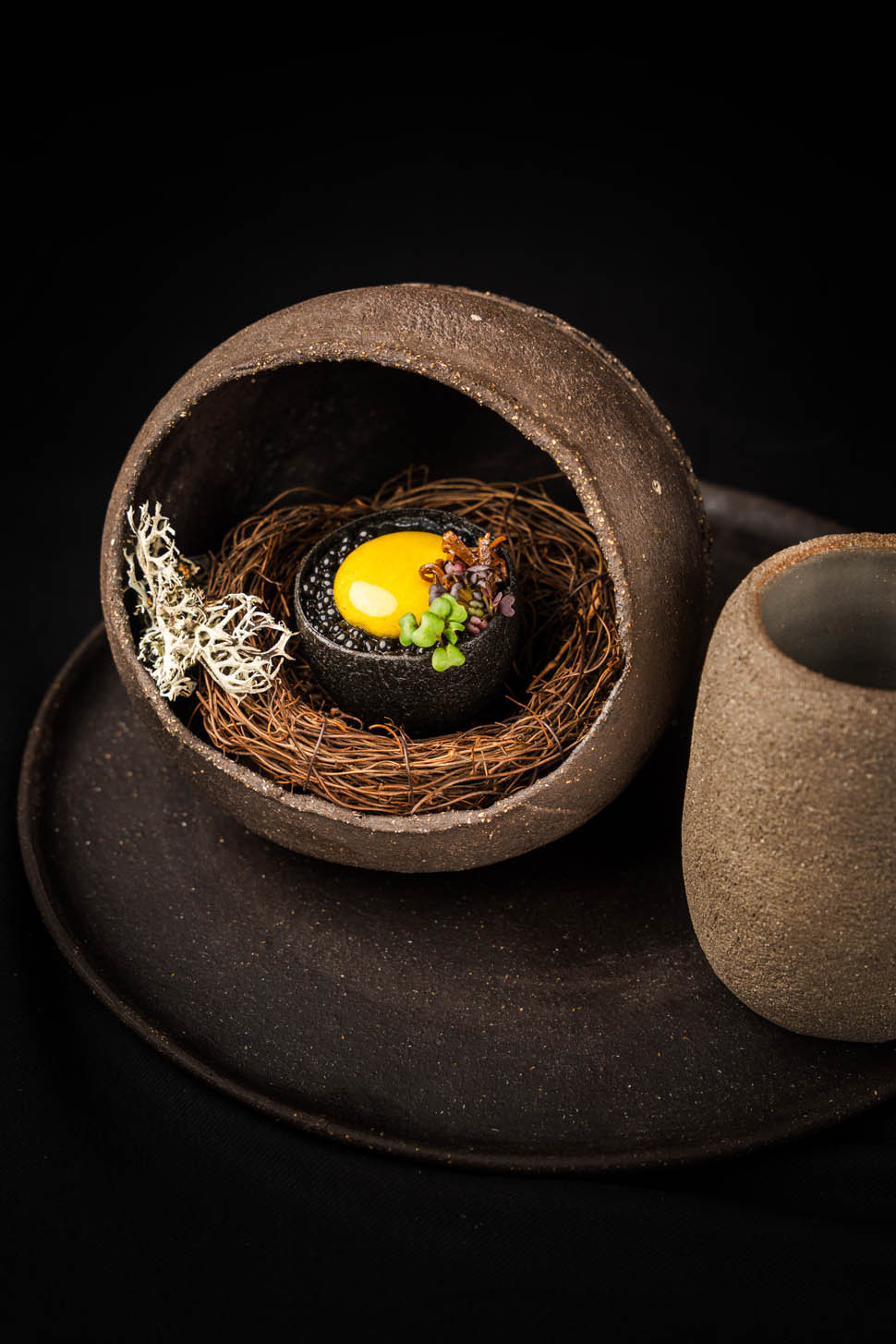
Next comes Deep in the Hay, Egg, another composite dish that looks like an egg yolk surrounded by caviar. It is a fondant of mountain potatoes, truffles, seaweed caviar, fermented pumpkin yolk, and chamomile. It is accompanied by a thick broth of burnt potatoes that opens the palate with a pleasant savory flavor—an element that often characterizes many of Charami's dishes.
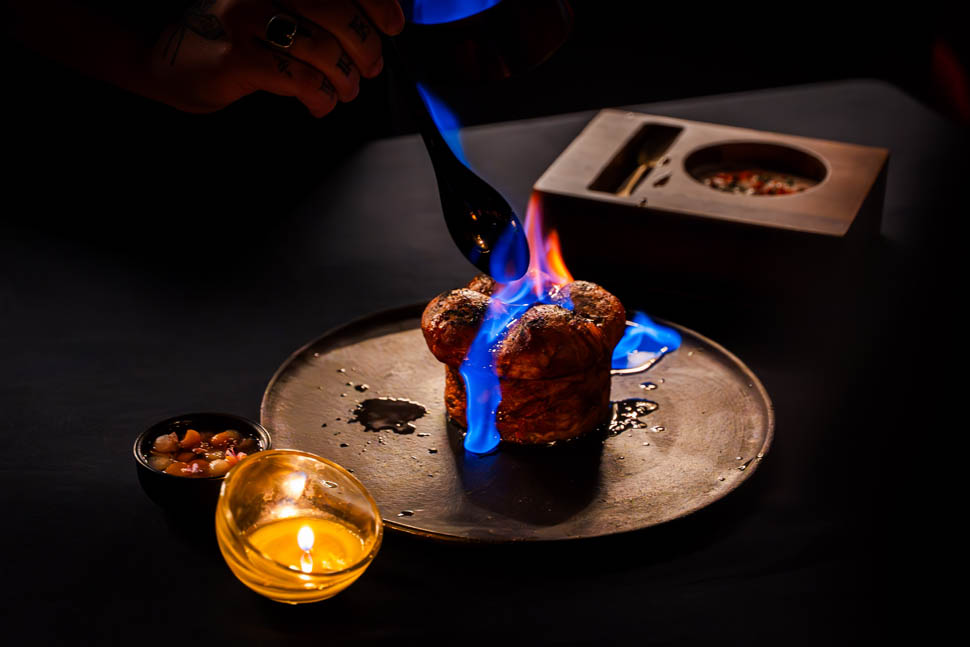
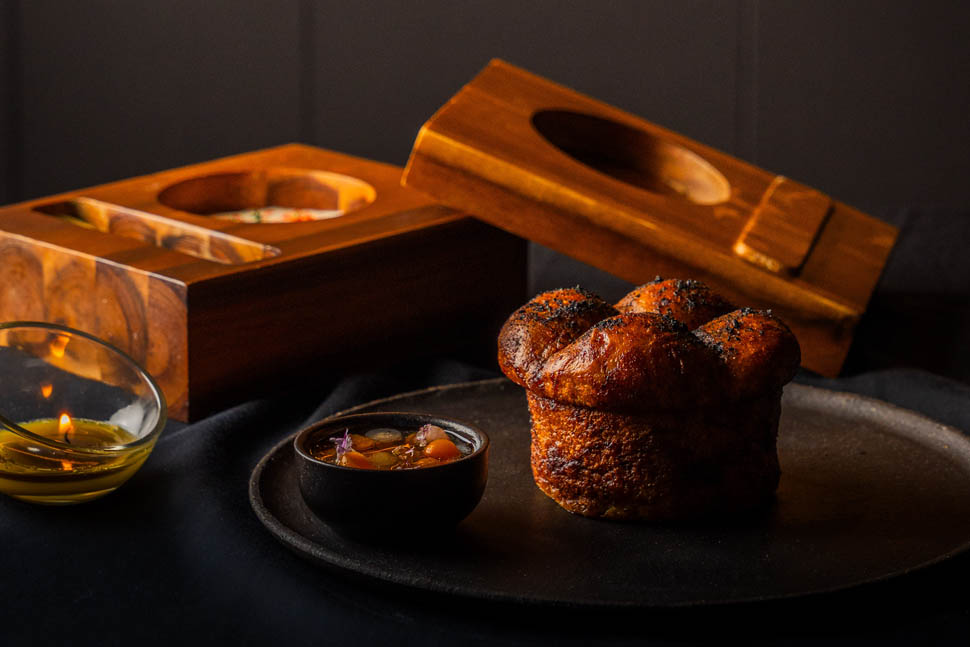
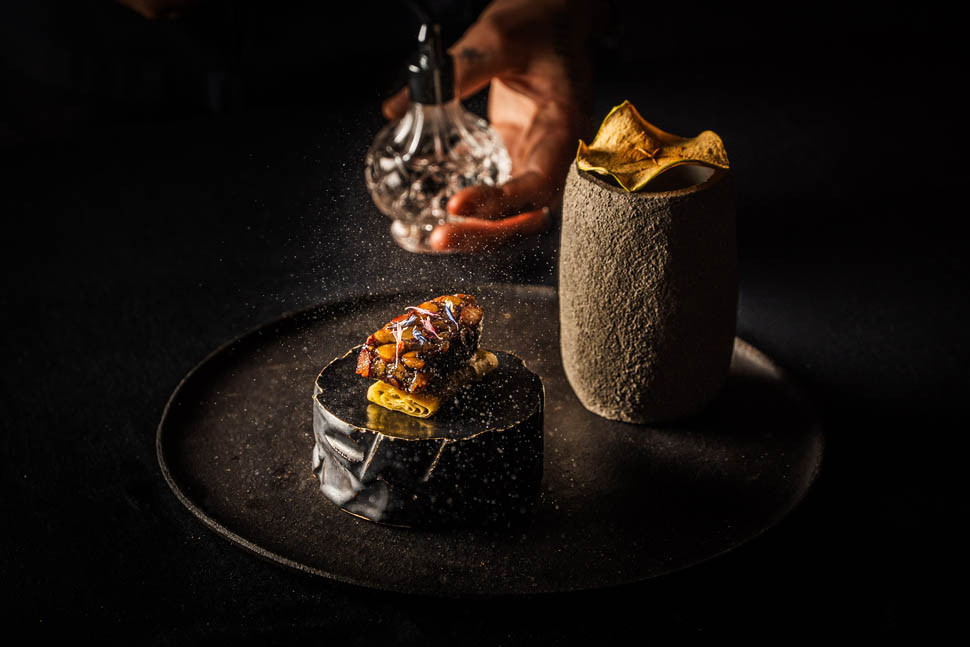
One of the most interesting dishes on the menu is Earthbound Roots, Brioche, a surprisingly soft brioche bread considering that it contains no butter or yeast. The bread, flambéed at the table, is accompanied by a delicate foam of lemon, oregano, and salt.
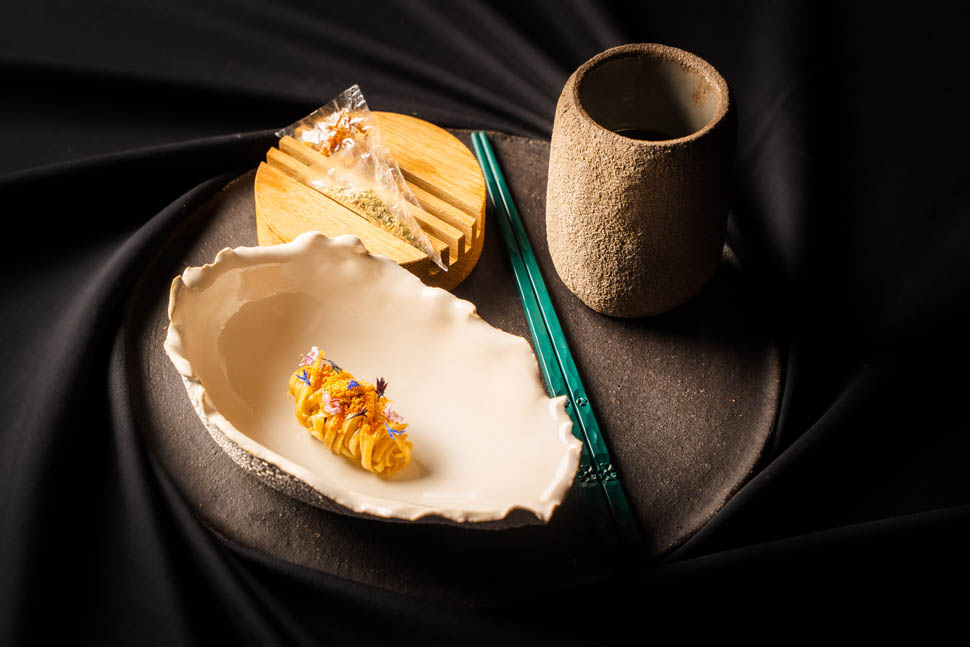
“What does the cheffe eat when she's at home?” Warm Simplicity Ramen was born from Charami's answer to this question. She honestly admits that she doesn't cook at home and often finds herself eating instant noodles. So, noodles (which look more like tagliolini in shape) arrive at the table with a slow-cooked mushroom broth with an intense umami flavor, into which the diner dissolves two sachets, one with chestnut powder and the other with a mix of 12 herbs.
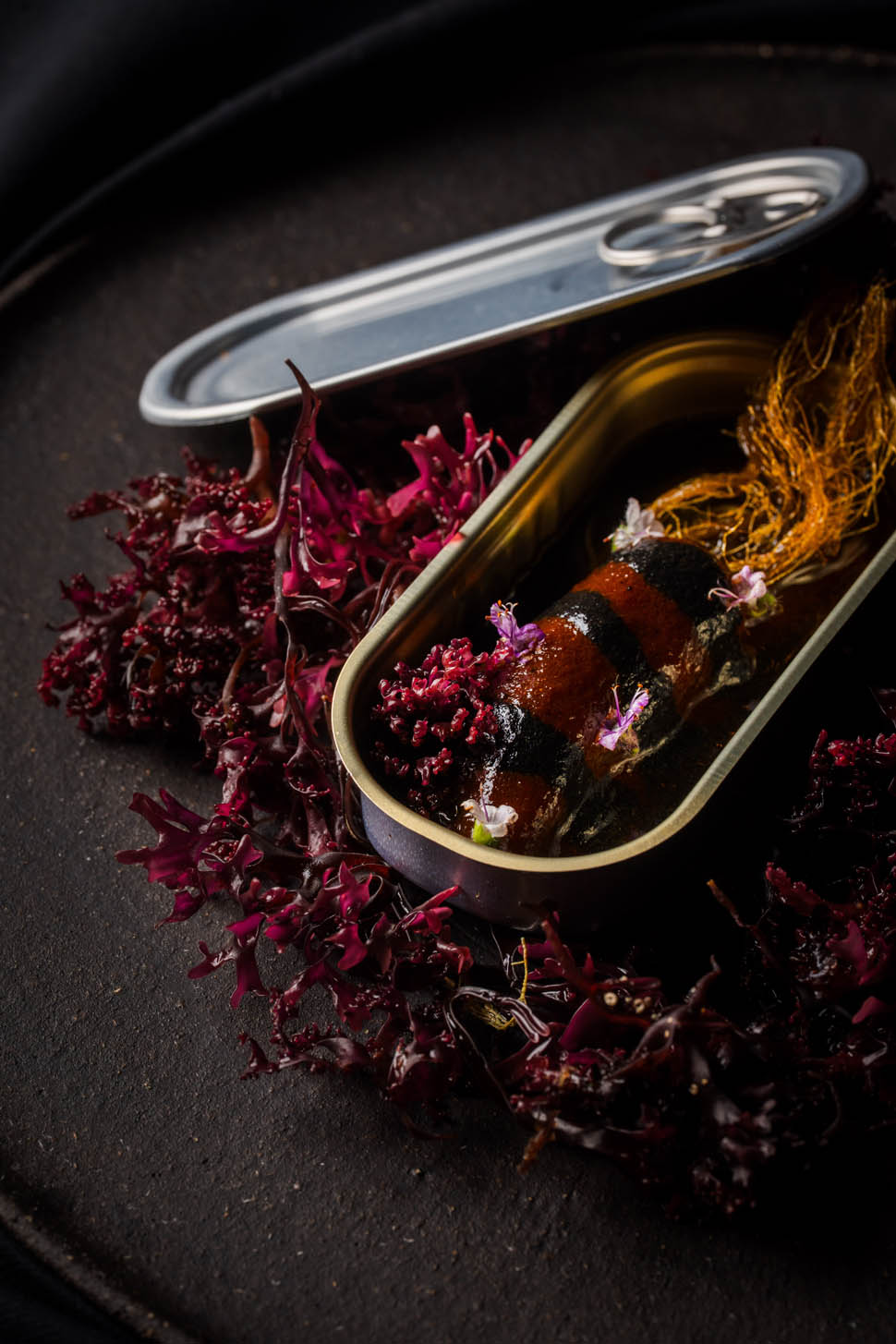
Echoes of Memory, Squid is one of Charami's signature dishes. Born into a family of humble origins, as a child she would complain to her mother that she always served the same cheap canned fish. Once, to please her, her mother prepared rice with the contents of the can, and today the chef is inspired by that simple yet loving gesture. Inside a replica tin can, there is a fake cuttlefish stuffed with plankton rice and fennel oil, seasoned with seaweed bisque and finished at the table with black sesame ink. The textures in this dish are delightful, interspersed with the crunchiness of the fake fried tentacles. Undoubtedly spectacular to look at.
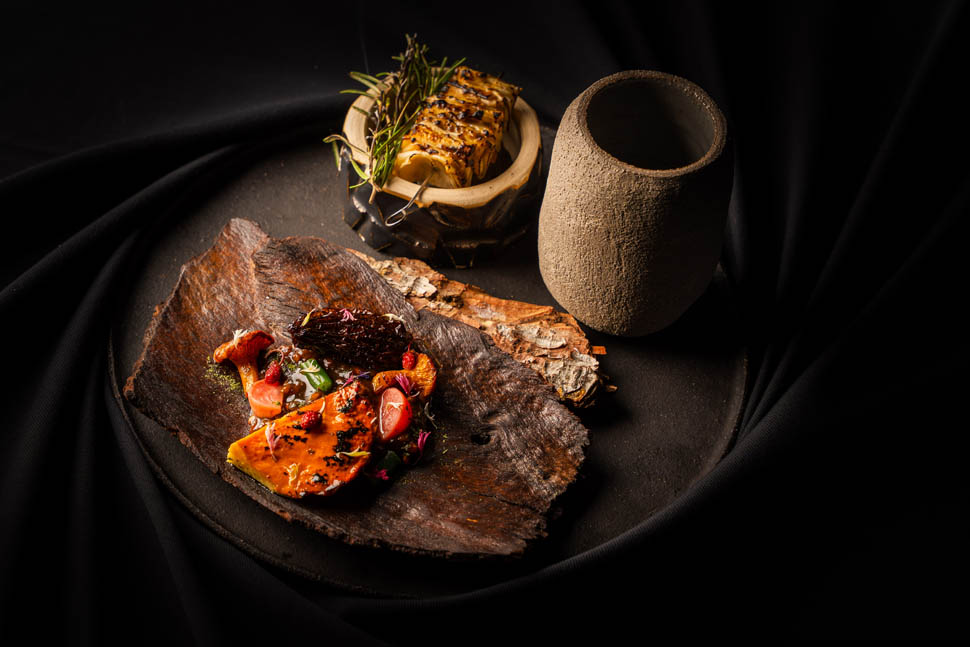
Another interesting dish is Ode to the Dolomites, Chicken of the Woods, where the mushroom recalls the texture and appearance of chicken fillet and a souvlaki with a truly amazing texture.
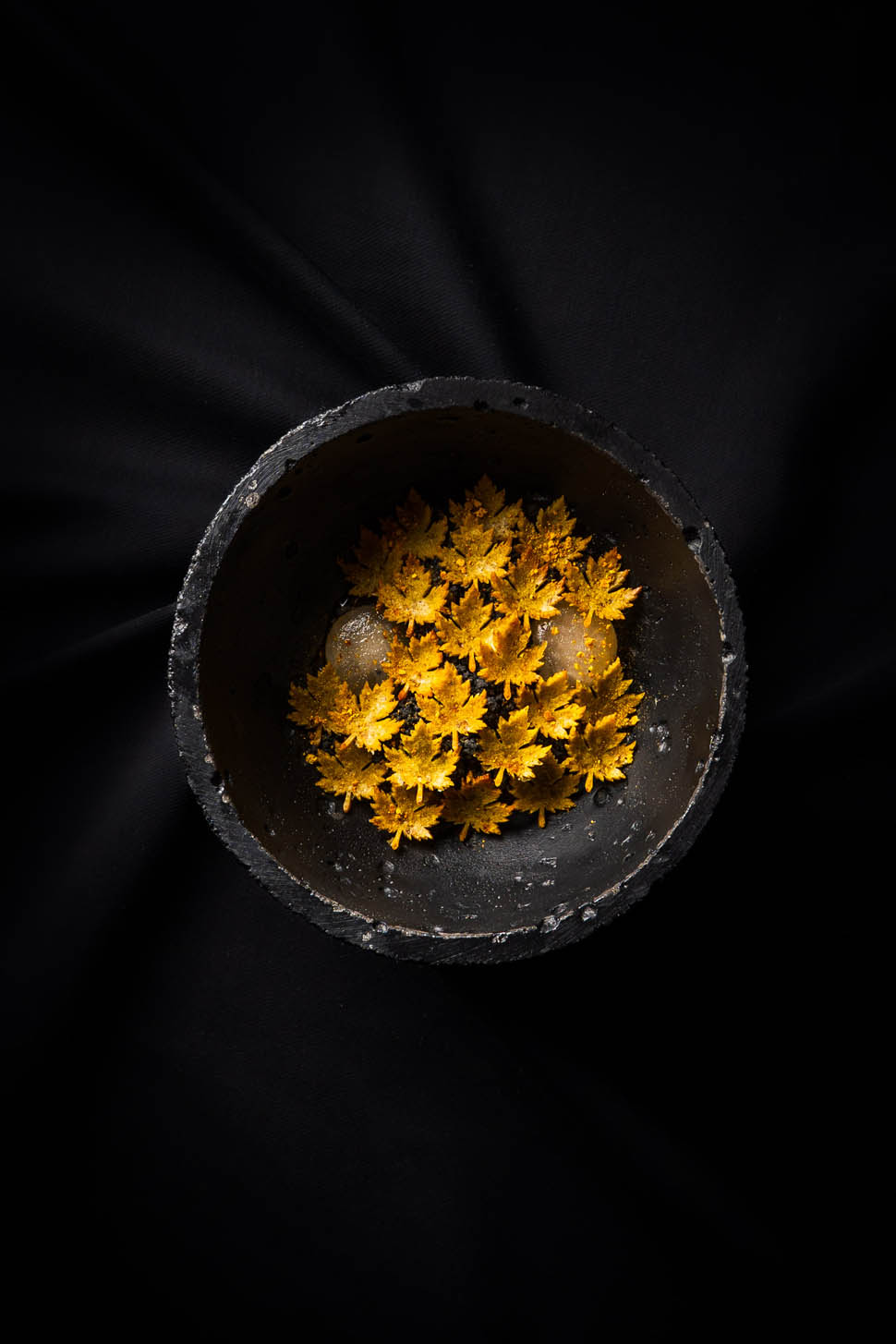
The dessert is round, balanced, complex: koji rice pudding with burnt almond milk, miso caramel, porcini powder, cinnamon, and a pine sorbet and musk syrup with mini leaves of very thin bergamot shortcrust pastry. A masterpiece of technique.
Charami's cuisine is certainly noble in both concept and technique. It is not a watered-down cuisine; it speaks with a loud voice and explodes with flavor. Meat, fish, eggs, and dairy products will not be lacking on the palate, which will be continually pushed upward without ever turning back. When I asked the chef why a vegan cook would seek out so many elements that are commonly associated with meat and fish, she replied that “cuisine and flavors are memories, and I haven't always been vegan.” Touché.
Contacts and info
Omnia Plant-Based restaurant
Via Joch, 17 – 39040 Castelrotto (BZ)
Phone: +39 0471 727 905
Email: info@paradiso-pure.com
Website: https://paradiso-pure.com/it/